Corrie Roodt was the Barclays bank manager and Mom say he and his wife Lettie were great friends to her and Dad. But ‘Boy, could she talk! She could talk up a storm!’
Mom had a real good laugh as she remembered the story: Lettie was apparently famous for her lo-ong stories.
Once they went overseas and when they got back Theunis van Wyk said to Mom:
“Mary, I just hope I don’t bump into her until she’s over it.”
=======ooo000ooo=======
landradig – long-winded; tedious; um, can you get to the point already?
Dad remembers the gymkhanas he took part in and so enjoyed in the late 1930’s and mid-to-late 1940’s.
They were held in Harrismith, Eeram, Verkykerskop, Mont Pelaan and Aberfeldy; and on the farms Appin near Swinburne, Primrose near van Reenen, and Maraishoek.
The entry fee was one pound per event – and he remembers prize money being less than the entry fee!
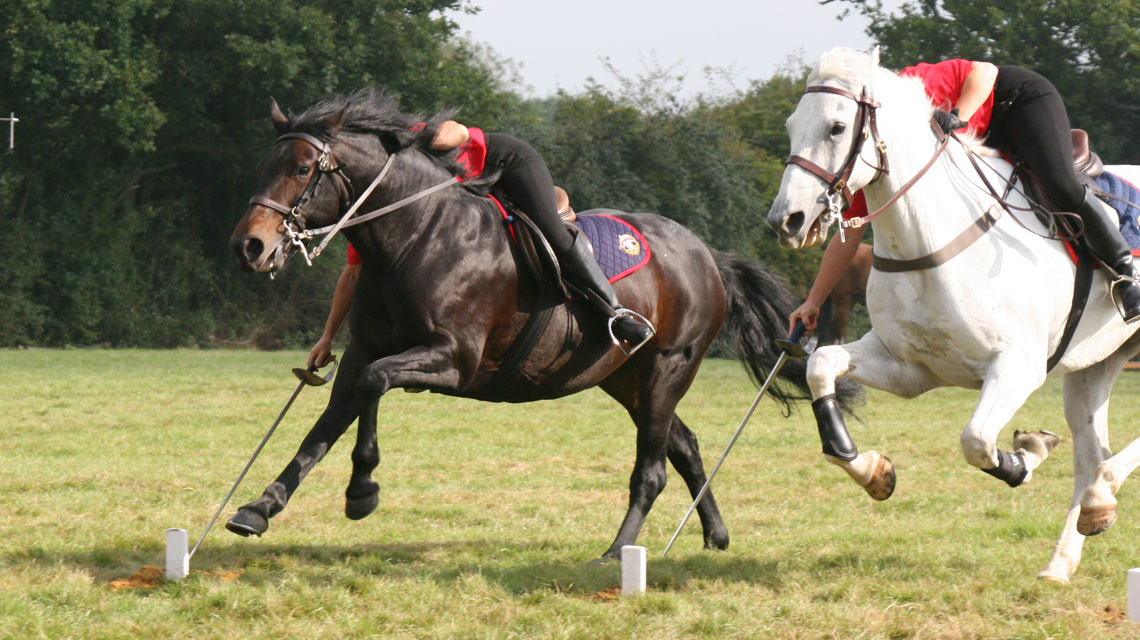
Events included Tent pegging; Sword and ring; Sword; Lance & ring; Potato & bucket.
Races were the bending race, we’ll need to ask him what that was; and the owners race, where the owner him or herself had to ride, no hiring a jockey!
Regular participants he recalls are Manie Parkhurst Wessels; Bertie van Niekerk; Kerneels Retief; Richard Goble; John Goble; Kehlaan Odendaal; his son Adriaan and his daughter Laura; Laurie Campher; Hans Spies and his kids Hansie, Pieter and Anna (Anna later married Jannie Campher, who helped Frank Bland with his farming for a while before going on to become a very successful farmer on his own account).
Dad says he was the only non-farmer riding! Kerneels was usually his partner.
Tent pegging ** these are all internet pics ** If anyone has some real Harrismith district gymkhana pics I’d sure love to display them – with full acknowledgment of course.
~~~oo0oo~~~
Ah, trust Leon Strachan, Harrismith’s Helpful Historian to have something – and its a good ‘un:
– SA Champions from Harrismith – photo from Leon Strachan –
Overflowing ashtrays. That’s one of my clearest memories of the old Moth Hall down near the railroad track, and I was pleased when Etienne Joubert also mentioned them; proving once again that some of my memories are real. Even if some feel surreal! Ja, the smell of old ashtrays and stale beer in the morning… Us kids roped in to clear up the mess after the oldies night of revelry. We loved it. We looked. We learned.
We always called it The Moth Hall, and for a while it was where Dad was probably drinking. But it was more correctly called Platberg Shellhole of the M.O.T.Hs – The Memorable Order of Tin Hats. And there was an older shellhole before that one – an older ‘Moth Hall’. It was down near the railway line; down near the Royal Hotel.
This was where old servicemen would lie to each other and themselves in song:
“Old Soldiers Never Die;
Never Die, Never Die;
Old Soldiers Never Die;
They Just Fade Away.”
Back then they were all survivors of WW1 and WW2. Only later did they take in ever-more members from ever-more wars. And there’s an endless supply of those; the armaments industry sees to that.
The things I remember about the old shellhole was playing in the dark next to and behind the building – big adventure; And seeing 16mm movies, with big reels whirring in the dark; some were sponsored by Caltex and other companies; I remember Hatari! about yanks in darkest Africa, catching animals for zoos; It starred John Wayne, but who was he to us, back then?
. . and Northern Safari, about a 4X4 safari in the Australian outback with a very annoying theme song “We’re Going NORTH on a Northern Safari! We’re Going NORTH on a Northern Safari! We’re Going NORTH on a Northern Safari!” ad nauseum. We loved it!
What the folks would remember, if the truth be told, would be booze and sing-alongs and booze and skits and booze and plays; these were the order of the day. * click on the pic * if you want to read some names.
Seated on the left next to Mary Swanepoel and Trudi Else in full voice, is Harold Taylor, veteran of WW1. Under those voluminous trousers is one wooden leg. The other is buried at Delville Wood. He would take his turn standing next to the piano singing:
Mary & Trudy
Etienne Joubert remembers:
The old MOTH hall was not opposite the Royal Hotel but in the vicinity. In fact it was next to Llewellyn & Eugene Georgiou’s home. It was near the railway line below the G’s house.
I remember Ray Taylor who had some shrapnel in his head, not Harold with a wooden leg; also Uncle Jack Hunt; Arthur Gray & of course your folks. I also remember playing in the dark outside. I remember my first sip of beer which I did not like; but I overcame this in years to come to absolutely love it!
I remember the song A Long Way To Tipperary; The piano was very rickety, as was the wooden floor, which squeaked with the slightest step. On the walls were very big portraits of Winston Churchill & Jan Smuts; Dan Pienaar was also there, but smaller; and a pin-up of Jayne Mansfield. This pin up made it to the “new” Moth Hall.
One thing I did not like was helping my Old Man clean the Shellhole on a Saturday morning; the smell of stale beer & cigarette smoke remains very vivid in my memory.
– royalty-free pic dreamstime –
=======ooo000ooo=======
Still nostalgic?
and here’s Vera Lynn, 101 yrs old and still going (Nov 2018). In 2009, at the age of 92, Lynn became the oldest living artist to make it to number 1 in the British album chart.
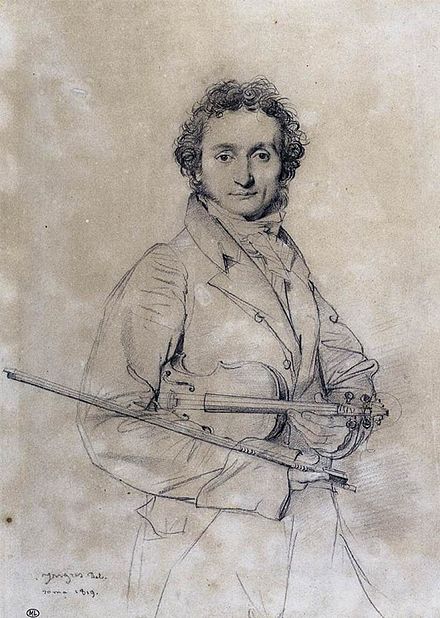
The ole man acting Paganini:
The real Niccolo Paganini – and probly why the ole man wanted to be him:
When he was eighteen the young virtuoso escaped his father’s control, following his elder brother to the Tuscan city of Lucca. “Freed from parental control, Paganini embarked on a life of famous excess. As he later put it, ‘When at last I was my own master I drew in the pleasures of life in deep draughts.’ He would spend the next twenty-seven years in Italy, filling his life with music, love affairs, and gambling, interrupted by long periods of utter exhaustion.”
In the shadow of old Platberg this weekend I sat down to lunch with an array of superb swimmers at my table. On my right was Sonja du Plessis, Top Ten swimmer; and on my right was Lyn du Plessis, Top Ten swimmer; and on my right was Pierre du Plessis, Top Ten swimmer. And that got me thinking of the days I’d line up next to the pool and on my right there’d be nobody. Nobody.
That’s because I’d fought (and easily won, you’ll see why) for the right-most lane in the shallowest part of the pool at swimming lessons. On my left was Francois vd Merwe, coming up to my navel; and on my left was Deon Joubert, coming up to my navel; and then some even shorter girls; That blerrie whistle would shriek, they’d dive in and I’d jump in – bravely; I’d sink to the bottom – very bravely – then kick powerfully in the direction of the distant other side of the pool. We were swimming breadths. The older kids – some of them as old as my younger sister Sheila and the even-younger Sonja – would swim lengths. A few kicks off the bottom and much spluttering and gasping later I’d finally get to the blessed sanctuary of the other side of the pool just short of an asthmatic panic attack, sometimes even earning a podium place – well, if there were absentees due to coughs and colds and Harrismith’s notorious cold weather.
And thinking about this long-forgotten little tale, sparked off by sitting amongst those swimmers which may have sparked off a DNA debate had testing been available – I mean did they have mermaid genes? dolphin genes? They swam like polystyrene, I swam like a corobrik.
This made me think something else: Why didn’t Joan and Joyce think of something that could have sparked me off Mark Spitz-like? Like Giel – who Joyce used to call ‘Heilige Giel’ – did. I dunno: Maybe choose me to hand out the oranges at half time at a gala or something equally inspirational?
Makes you think. Joan and Joyce may have missed a big one here.
~~oo0oo~~
nê? – just nod; except, not about the netbal
‘moenie worrie nie’ – tut tuts
‘Luister volgende week is netbal proewe, nê?’ – Look, you don’t have a talent for rugby, OK? maybe you can sing?
laaities – athletes of note
~~oo0oo~~
Two Length Swimmers at the scene of the torture
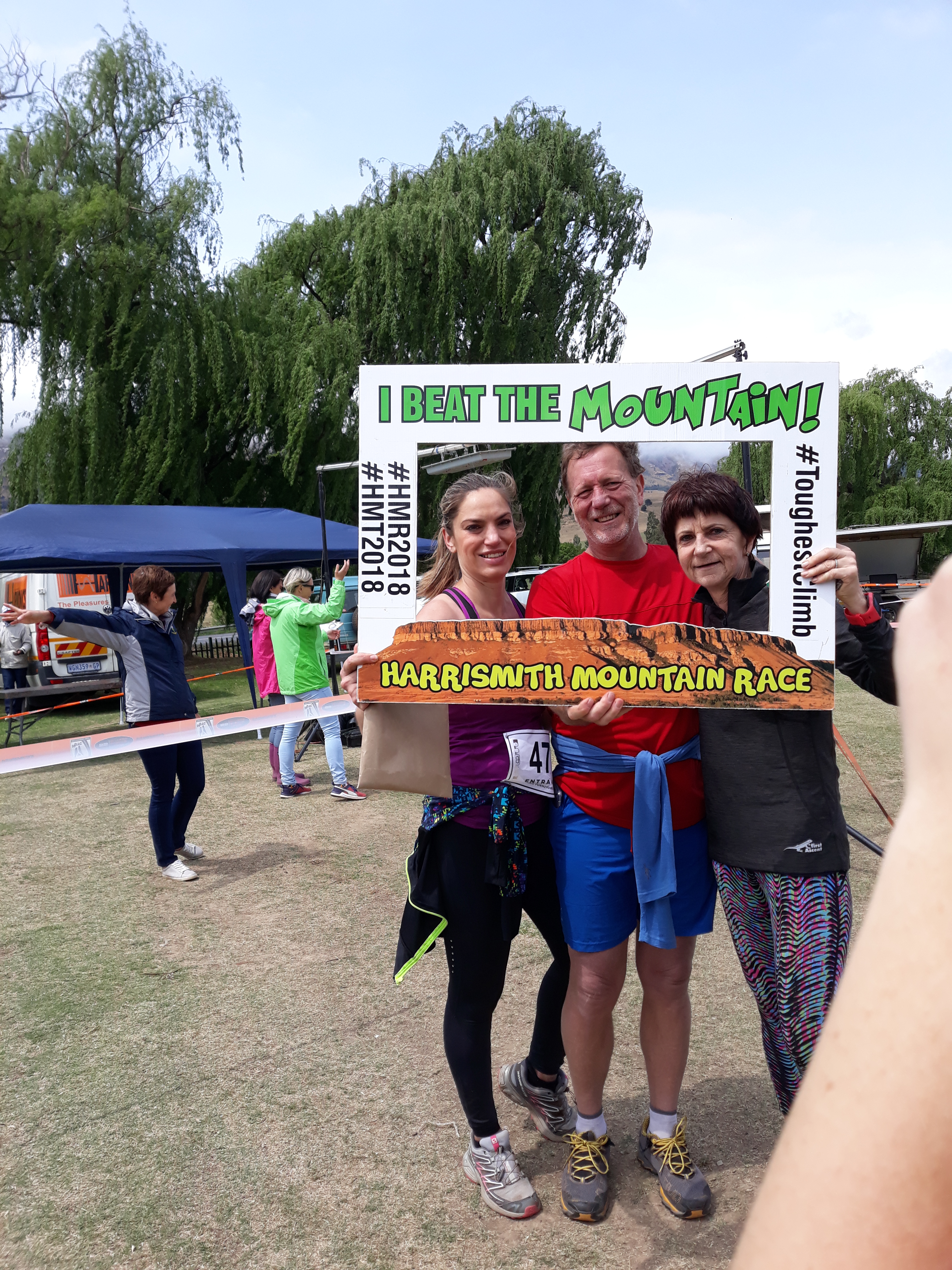
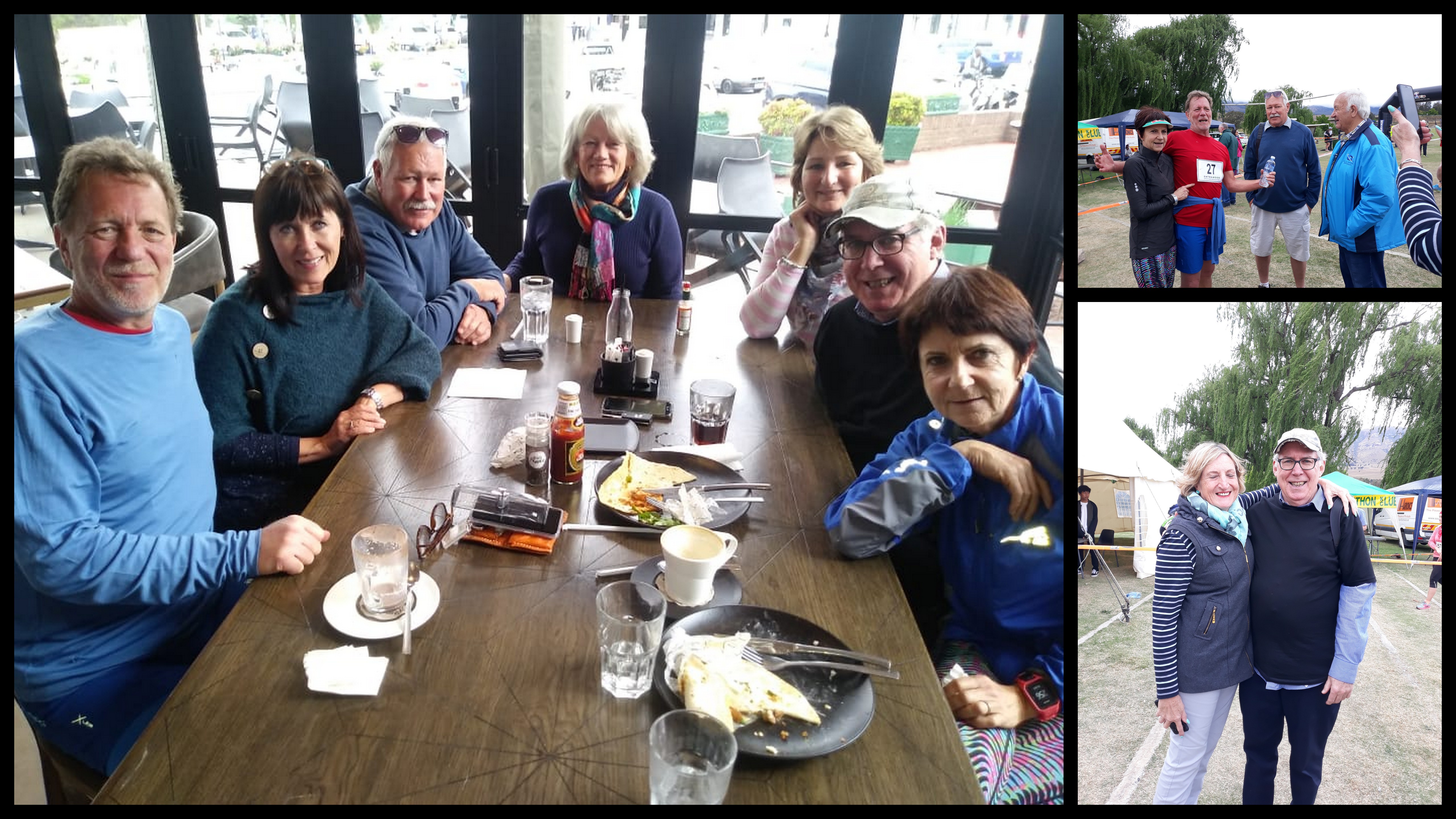
Pierre & Erika, Jacquie, Pikkie and me. Joined by the much younger Bonita who is seeking a single, life-long, male partner and who got much invaluable advice from us wiser, more experienced – OK, old – toppies. Mainly: “Don’t”.
We had gathered in the old home town to run the annual Harrismith Mountain Race, and some us even did just that. In fact, we even won one of the trophies on offer!
Pierre and I? Well, we gave much invaluable advice as wiser, more experienced – OK, old – ex-participants on that subject, too. Mainly: “Don’t”.
We were joined in the advice department by Lyn & Sonja du Plessis, Ina van Reenen and James Bell – all in the giving afdeling, none of us in advice-receiving.
We had to wait in the post-race chill for prize-giving to receive our trophy. Normally we’d have been doing our warming-down exercises at this stage:
OK, its true that Jacquie Wessels du Toit did all the actual winning per se, but still, it felt like a team trophy.
The weekend started off chilly, a full table-cloth blanketing the mountain and a fresh east wind-in-the-willows, as seen in this picture, but it ended off perfect, as per the top picture, taken on Sunday from the top of Kings Hill. ¶ ♫ The robots changed when we drove thru, the clouds dissolved and the sky turned blue . . . . and everybody loves me baby, what’s the matter with you? ¶ ♫
Saturday night at Chez Doep was delicious fresh home-made mushroom soup and bread ala Erika with light smatterings of alcohol and layers of sage advice (yep, more of the same: Don’t), all of which was ignored. Bonita still seeks Prince Charming and Pikkie and Jacquie are going to run again.
Hulle wil nie luister nie.
~~~oo0oo~~~
Hulle wil nie luister nie – invaluable, experienced advice spurned
invaluable – Of great value; costly; precious; priceless; very useful; beyond calculable or appraisable value; of inestimable worth; See?
I remember (parts of) a poem from high school. Just the one. Here’s the full version:
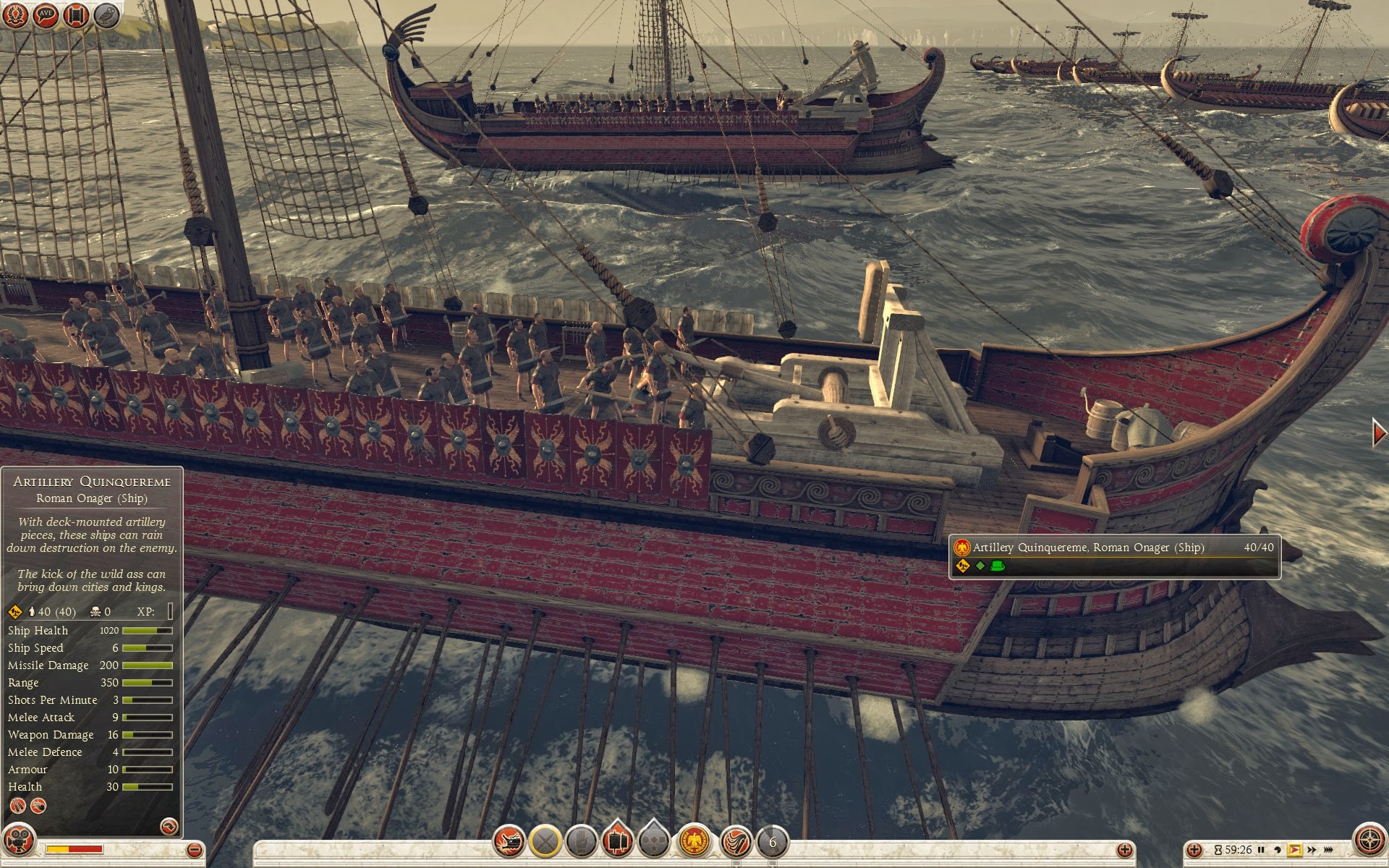
Quinquireme of Nineveh from distant Ophir Rowing home to haven in sunny Palestine, With a cargo of ivory, And apes and peacocks, Sandalwood, cedarwood, and sweet white wine.
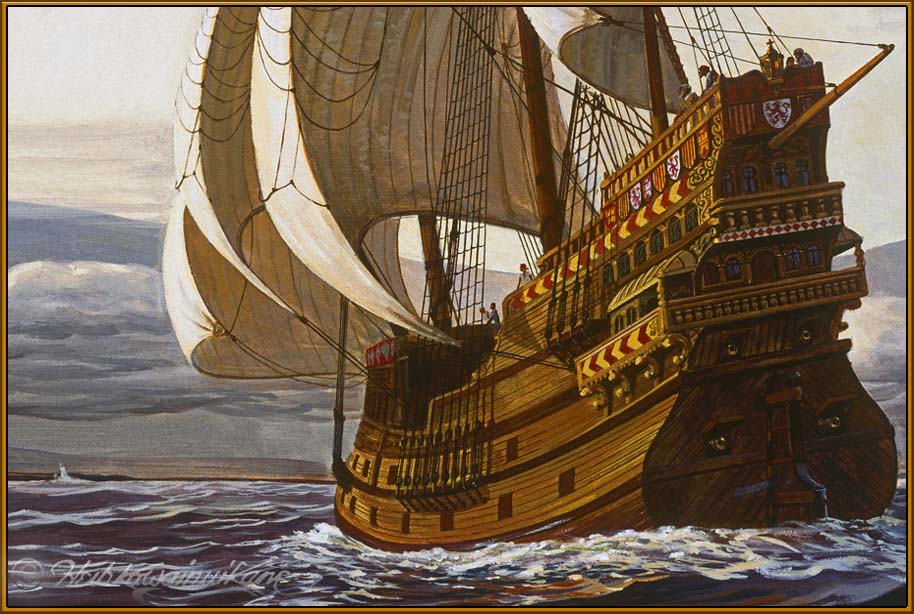
Stately Spanish galleon coming from the Isthmus, Dipping through the Tropics by the palm-green shores, With a cargo of diamonds, Emeralds, amethysts, Topazes, and cinnamon, and gold moidores.
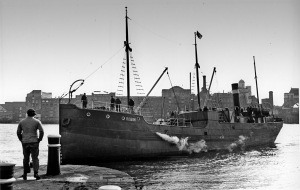
Dirty British coaster with a salt-caked smoke stack Butting through the Channel in the mad March days, With a cargo of Tyne coal, Road-rail, pig-lead, Firewood, iron-ware, and cheap tin trays.
Cargoes – by John Masefield
~~~oo0oo~~~
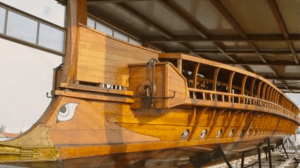
Quinquereme – ancientRomangalleywithfivebanks of oars on eachside;
Nineveh – ancient city located on the outskirts of Mosul in modern-day northern Iraq, on the eastern bank of the Tigris River. Nineveh was the largest city in the world for some fifty years until the year 612 BC;
Ophir – A city mentioned in the Bible (1 Kings 10:22) from where King Solomon got treasure every three years: gold, silver, sandalwood, pearls, ivory, apes and peacocks! Could have been anywhere; many places have been suggested, from Great Zimbabwe and Ethiopia in Africa, to the East, to the Americas.
Spanish galleon –
moidores – Portuguese gold coins
British coaster –
~~~oo0oo~~~
Another poem by Masefield became a favourite and I mentioned it in a tribute here.
I like his wishes for after his death. He wrote:
Let no religious rite be done or read In any place for me when I am dead, But burn my body into ash, and scatter The ash in secret into running water, Or on the windy down, and let none see; And then thank God that there’s an end of me.
Here’s a stirring tale of Boy Scouts and Girl Guides and my family. It also obliquely references a lockdown and social distancing. In fact a much longer lockdown than we have endured: From 13 October 1899 to 17 May 1900, the people of Mahikeng – which the Poms called Mafeking were locked down and besieged by the locals – during the Anglo-Boer War. 217 days.
In Oct 2018 I wrote: Whenever I hear Jimmy Buffet singing Pencil Thin Mustache I think of my uncle Dudley, oops, my cousin Dudley.
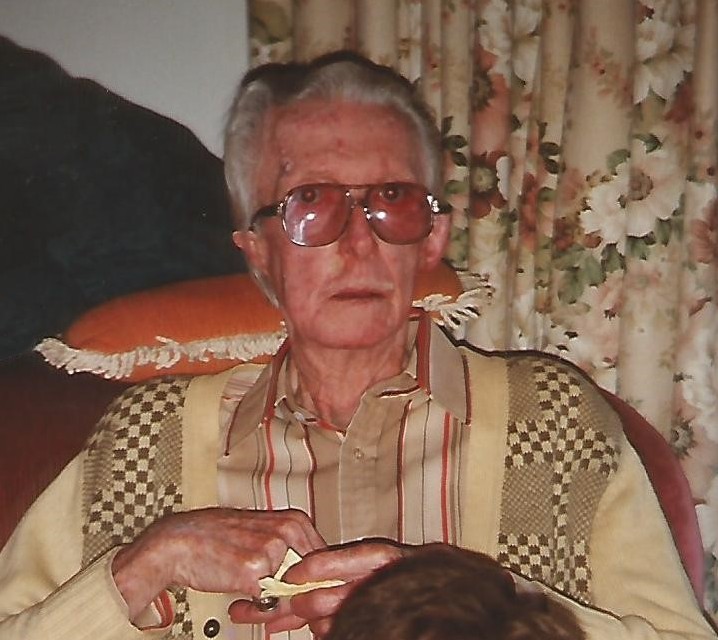
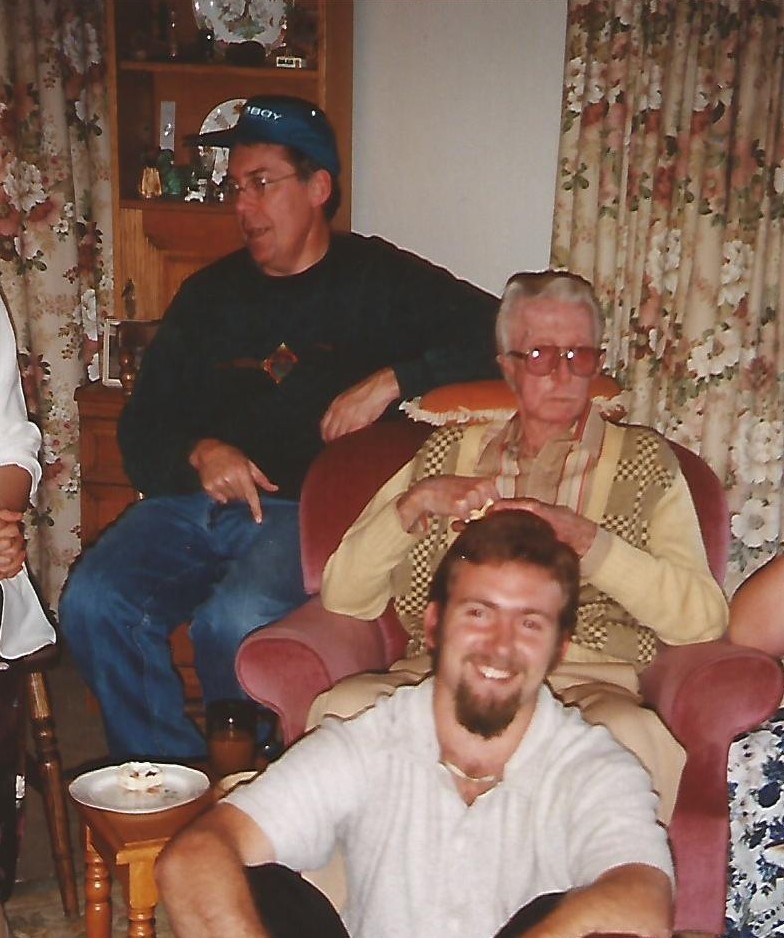
Dudley Bain was a character and my second cousin. I had known him over the years when he used to visit his old home town of Harrismith, but really got to know him once I started practicing optometry in Durban. He was very fond of his first cousin, my Mom Mary – and thus, by extension, of me.
Dudley worked in the Mens Department of John Orrs in downtown Durban back when there was only downtown. Anybody who was anybody worked in downtown. Anywhere else was “the sticks”. Even in 1980 I remember someone saying “Why would you want to be out there?” when optometrists De Marigny & Lello opened a practice in a little insignificant upstairs room on the Berea above a small gathering of shops called Musgrave Centre.
Dapper, hair coiffed, neatly dressed, often sporting a cravat, Dudley had a pencil thin moustache and definite opinions. He was highly chuffed he now had a pet family optometrist to look after him when I first hit downtown and then Musgrave centre.
Fitting his spectacle frame was a challenge as he got skin cancer and his surgeon lopped off ever-bigger pieces of his nose and ears until he had no ear one side and a tiny little projection on which to hook his glasses on the other side. He would hide these ala Donald Trump by combing his hair over them and spraying it carefully in place. I am glad I wasn’t his hairdresser.
– here he is at Ethne’s 80th birthday with me sitting behind him, a grandson at his feet –
He would pop into the practice frequently ‘to see my cousin’ – for me to adjust his frames by micro-millimetres to his satisfaction. He walk in and demand ‘Where’s my cousin?’ If the ladies said I was busy he’d get an imperious look, clutch his little handbag a bit tighter and state determinedly, ‘I know he’ll see me.’ They loved him and always made sure I saw him. He’d ‘only need a minute; just to adjust my frame, not to test my eyes,’ and half an hour later their knocks on the door would get ever more urgent. Then they’d ring me on the internal line, and I’d say ‘Dudley, I got to go.’
I would visit him occasionally at their lovely old double-storey home in Sherwood – on a panhandle off Browns Grove. Then they moved to an A-frame-shaped double-storey home out Hillcrest way, in West Riding.
We had long chats while I was his pet optometrist and I wish I could remember more of them. I’ll add as they come floating back. I’m trying to remember his favourite car. One thing he often mentioned was the sound of the doves in his youth. How that was his background noise that epitomised Harrismith for him. The Cape Turtle Dove . .
~~~oo0oo~~~
Dudley married the redoubtable Ethne, Girl Guides maven. I found this website, a tribute to Lady Baden-Powell, World Chief Guide – so that’s what me link this post tenuously to our lockdown:
Olave St. Clair Soames, Lady Baden-Powell, G.B.E., World Chief Guide, died in 1977. In 1987 her daughter and granddaughter, Betty Clay and Patience Baden-Powell, invited readers to send in their memories of the Chief Guide to The Guider magazine.
They wrote:- Everyone who knew Olave Baden-Powell would have a different story to tell, but if all the stories were gathered together, we would find certain threads which ran through them all, the characteristics which made her beloved. Here are a few of the remembrances that people have of her, and if these spark off similar memories for you, will you please tell us?
Here’s Ethne’s contribution: 3 West Riding Rd., Hillcrest, Natal 3610, South Africa When I was a newly-qualified teacher and warranted Brownie Guider in Kenya in 1941, our Colony Commissioner – Lady Baden-Powell – paid a visit to the Kitale Brownie Pack. Due to an epidemic of mumps, the school closed early and Lady B-P was not able to see the children, but she took the trouble to find me and had a chat across the driveway (quarantine distance) for a short time.
A year later at a big Guide Rally at Government House in Nairobi, the Guides and Brownies were on parade, and after inspection Lady B-P greeted us all individually, and without hesitation recognized me as the Guider who had mumps at Kitale. Each time we met in the future, she joked about the mumps.
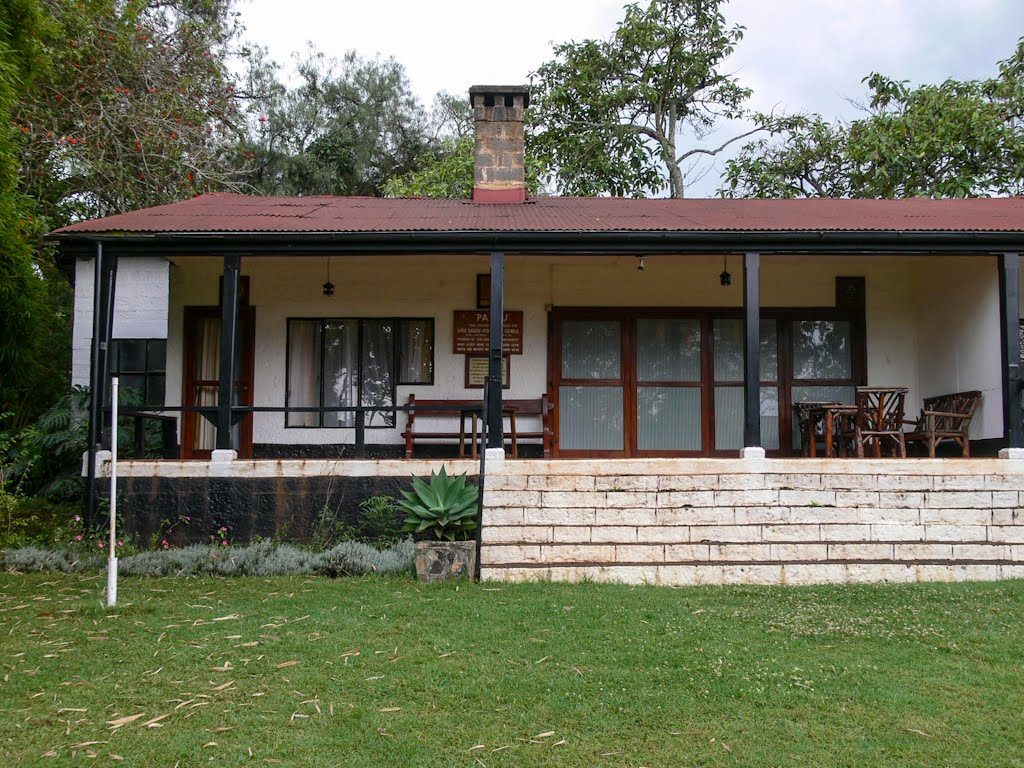
My next encounter was some twenty years later, on a return visit to Kenya, in 1963, with my husband (that’s our Dudley!), our Guide daughter D. (Diana) and our Scout son P (Peter). We stayed at the Outspan Hotel at Nyeri where the B-Ps had their second home Paxtu. We soon discovered that Lady B-P was at home, but the Hotel staff were much against us disturbing their distinguished resident. However, we knew that if she knew that a South African Scout/Guide family were at hand she would hastily call us in. A note was written – “A S.A. Scout, Guide and Guider greet you.” Diana followed the messenger to her bungalow but waited a short distance away. As lady B-P took the note she glanced up and saw our daughter. We, of course, were not far behind. Immediately she waved and beckoned us to come, and for half-an-hour we chatted and were shown round the bungalow, still cherished and cared for as it had been in 1940-41.
– paxtu at Nyeri –
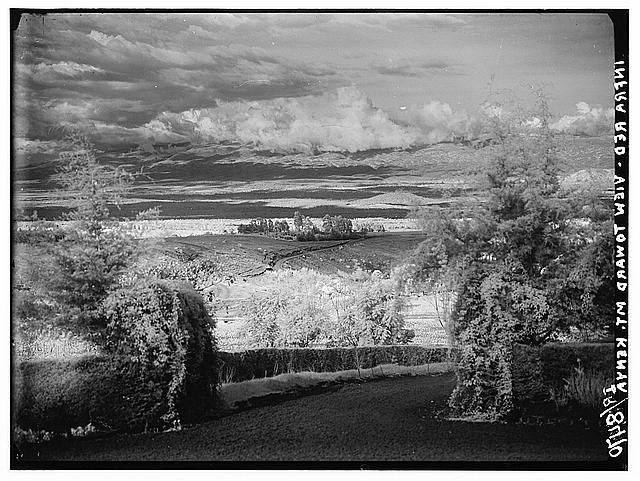
It was easy to understand her great longing to keep returning to this beautiful peaceful place, facing the magnificent peaks of Mount Kenya with such special memories of the last four years of B-P’s life. From her little trinket-box, Lady B-P gave me a World Badge as a memento of this visit which unfortunately was lost in London some years later. Before leaving Nyeri we visited the beautiful cedar-wood Church and B-P’s grave facing his beloved mountain.
– Mt Kenya from Nyeri –
My most valued association with Lady B-P was the privilege and honour of leading the organization for the last week of her Visit to South Africa in March 1970. Each function had a lighter side and sometimes humorous disruption by our guest of honour. The magnificent Cavalcade held at King’s Park, PieterMaritzBurg deviated from schedule at the end when Lady B-P called the Guides and Brownies of all race groups to come off the stand to her side; they were too far away. A surge of young humanity made for the small platform in the centre of the field where she stood with one Commissioner, a Guide and three Guiders. Without hesitation, Gervas Clay (her son-in-law) leapt down from the grandstand two steps at a time and just made Lady B-P’s side before the avalanche of children knocked her over. Anxious Guide officials wondered how they were going to get rid of them all again. The Chief Guide said to them, “When I say SHOO, go back to your places, you will disappear.” Lo, and behold, when she said “SHOO, GO back!” they all turned round and went back. You could hear the Guiders’ sighs of relief.
~~~oo0oo~~~
Steve Reed wrote: Hilarious – I reckon every family worth its salt should have had an uncle like that. Something for the kids to giggle about in secret at the family gatherings while the adult dads make grim poker faced humorous comments under their breath while turning the chops on the braai. And for the mums to adore the company of. Good value.
And funny Steve should mention that!
Sheila remembers: “After Annie’s funeral, in our lounge in Harrismith, Dudley was pontificating about something and John Taylor muttered to me under his breath ‘Still an old windgat.‘”
~~~oo0oo~~~
Family tree: (Sheila to check): Dudley Bain was the eldest son of Ginger Bain, eldest son of Stewart Bain who came out to Harrismith from Scotland in 1878. My gran Annie Bain Bland was Ginger’s sister, so Mom Mary Bland Swanepoel and Dudley Bain were first cousins.
Here’s his Funeral notice. He would have loved the picture on it – maybe he had requested it?
Me and Sarah. When one of my favourite comedians Sarah Silverman wrote her autobiography she compared herself to Ernest Hemingway and Fyodor Dostoevsky, classing herself as a brilliant and serious writer . . that’s Sarah. Bashful. Modest.
And also bashfully, her book’s ‘afterword’ is by God. He – yes, HIM – writes about Silverman in the year 2063, on the occasion of her death at 93, with the epitaph “She loved dogs, New York, television, children, friendship, sex, laughing, heartbreaking songs, marijuana, farts, and cuddling.”
In the book she tells how at age two she would make her father laugh by saying “fuck”; She admits to avidly smoking marijuana; and she tells how she wet the bed until age sixteen. It was an important enough part of her childhood that she titled the book after that fact. That’s what I love most about Sarah: Her honesty. OK, and liking to shock people.
Well . . I wet my bed until I was eleven or twelve or thirteen, too. So I am glad to find out other good people did as well. I also love the leveling effect: You know the boy who was so clever and in the first rugby team? Teachers’ favourite? You envied him? Well, he wet his bed. My message (and I think Sarah’s)? – You’re OK.
~o0o~
Nocturnal enuresis, also called bedwetting, is involuntary urination while asleep after the age at which bladder control usually occurs. Bedwetting in children and adults can result in emotional stress. Can and did!
Bedwetting is the most common childhood complaint. Most girls achieve bladder control by ages 4–7 and most boys by ages 4–6. By ten years old, 95% of children are dry at night. So I was a five-percenter.
Most bedwetting is a developmental delay – not an emotional problem or physical illness, so most treatment plans aim to protect or improve improve self-esteem – and my Mom certainly did that. At first she’d help and reassure, but as I grew older, I would kick almost automatically into a procedure Mom gave me: I would wake up horrified, jump up, roll up the wet sheets, soak them in the bath, wash, put on dry piejams and go back to sleep. The mattress would be protected by the plastic sheet we put under the bottom sheet. Usually only me and Mom would know. Thanks to her, here I am, relatively unscathed!!
Sheila asked: Hi Koos. What make were our bikes? Something with an R. Ruttludge? Rudling?
I answered, ‘Rudge’. The same Rudge ridden by the English King.
‘Strue!
Sheila’s and Barbara’s were red, mine was blue. Given to us by Mom and Dad around 1960 to 1965, I’d guess. We were certainly in the Kleinspan School and Barbara would have started there in 1958 or 1959, Sheila in 1961 or 1962 and me in-between those dates. They made the level, less-than-one-mile trip to school and back a breeze. We’d park them under cover at school in special bike afdaks with a slot in the concrete floor for the front wheel to go in and metal hoops to hold them upright.
Ours were WAY more basic than the one above though. That one was probly the Koning Jors model, not the colonial one for the great unwashed. We had only a backpedal brake, no gears, no cables, no light, no pomp. Nor any ceremony. They did have that little L-shaped attachment in front of the handle-bar where we could attach a battery-powered square silver torchlight. But seldom did.
The company Rudge-Whitworth Ltd. of Coventry, Englandwas one of the prominent pushbike makers of the classic British era … Eventually bought by Raleigh in 1943, the Rudge name takes a rightfully prominent spot in England’s cycling history.
Dan Rudge built the first Rudge high bicycles in 1870. But we weren’t ready for them then. In 1894 Rudge merged with the Whitworth Cycle Co. to form Rudge-Whitworth. They made an excellent reputation for themselves over the next twenty years for producing a full range of beautifully made machines with many clever and unique features.
Rudges were ridden by King George V and family. See?There it is! Royal bums sat on seats just like ours! In 1947 those royal bums repeated the trick in Harrismith to bring their bums full cycle, in a manner of speaking. ‘Strue! Check it out here: https://vrystaatconfessions.com/2014/01/22/hijack-orange-express/
The Rudge name was finally killed sometime in the early 1960s in Britain, but may well have been used in export markets later. To the colonies, where bums sat, but the sun never did.
Later on, in high school, I got a bigger black ‘dikwiel’ bike – a ‘balloon tyre bike’ – tougher, more adventurous! Somewhat like these:
I asked Pierre: Can you remember what we called our dikwiel bikes? Each one had a nickname. His immediate reply: Bolts, Schlump and Arrii. I had only remembered Arrii, named after a desert camel joke.
Pierre continued: Like yesterday. Also recall the (world’s) first mountain bike race now known as MBR’s down Queens Hill and Tuffy crashing into and whipping out the barbed wire fence.
Thanks to coincidence, luck and connections, I have an eyewitness account to the time my good friend Tuffy fell out of a helicopter!
Chris Greeff is one of the most connected people I know. He mentioned that John Lee is a parabat. I said: My two schoolmates did parabats in 1971 (Pierre du Plessis) and around 1975 I’d guess (Tuffy Joubert). He asked: Tuffy Joubert – that became a Recce – and raced Rubber Ducks with Maddies?
I said Yep. He’s a Harrismith boykie. So Chris sent me a pdf file: Read page 10, he said.
Interview – Major Peter Schofield by Mike Cadman 21 August 2007
Reconnaissance Regiment – Project Missing Voices
Schofield on arrival at Recce base on the Bluff in Durban:
Then I had lunch and went looking for the climbing course. Now, it wasn’t a very long walk but I walked along the length of the camp where there was a helicopter hovering at about a hundred feet. And I stopped on the edge of the hockey field where this was taking place and watched this, and out came a couple of ropes and a couple of guys came whizzing down in sort of abseil fashion. And a couple more came whizzing down sort of abseil fashion. And a couple more.
Then one came out, and came into free fall. And he literally, he got hold of the rope a little bit, but he just fell a hundred feet flat on his back wearing a rucksack and a rifle. And I didn’t even bother to walk over to him, I thought, He’s Dead. He can’t fall that far and not be.
And obviously the ropes were cast off and the chopper landed. They whipped him into the chopper and flew away. I didn’t know where to, but it was in fact to Addington Hospital, which is about three minutes flight away. And, I thought well this must be quite something of a unit, because basically they carried on with the rest of the course as though nothing had happened.
I thought, Well, I better introduce myself to the senior people here and see what’s going on. So I walked over and met the senior members of the course, and it was being run by a bunch of senior NCOs and I was impressed by the lack of concern that anybody showed for the fact that the guy had just fallen a hundred feet from a helicopter. A guy called (Tuffie?) Joubert. And Tuffie is still alive and kicking and serving in Baghdad right now.
And I said, What the hell are you doing? How did he fall over there? They said, Well nobody’s ever done it before. I said, OK, show me what you’re doing. And they were actually tying the abseil ropes direct to the gearbox of the rotor box in the roof, I think it was, in the Puma. Which gets to about a thousand degrees in no time flat. So if they had gone on long enough, they’d have broken at least one if not all four of the ropes with people on them. I said, Well let’s change that. And anyway you’re not abseiling properly so let’s send the helicopter away and let’s do some theory on abseiling and then we’ll go and do it off a building or something that stands still for a while before we progress to helicopters.
Then I went back to report to the commanding officer, John Moore, that I wasn’t really terribly satisfied with the way things were proceeding on this climbing course. He said, Oh well, have you done it before? I said Yes, I’ve done a hell of a lot of it, I was a rock climbing instructor apart from anything else. And he said, OK, well take over, run the climbing course. So I did just that. And again I was so impressed with the fairly laid back attitude of everything.
=======ooo000ooo=======
Tuffy Joubert (right) with me in his Durban recce days
I told Tuffy and he replied in his laid-back Recce way:
Good morning Koos,
Trust to find you well; This side of the coast we are all well and we think we have everything under control.
Maj Peter Schofield was a Brit, he was part of the Red Devils if I recall correctly; came to South Africa and joined the Recces. His first day at work on the Bluff he had to take over the Mountaineering Course that included abseiling. As he walked out to see what was going on, “Yes, I fell out of the helicopter”. He was not impressed.
He lived in Harrismith for a few years after retiring, Pierre knew him. He passed away a few years ago here in Cape Town.
No I have not heard or seen his talk.
Lekker dag verder, enjoy and go for gold – Groetnis – Tuffy.