Category: 8_Nostalgia

Looking back with fondness on those things we couldn’t wait to get rid of, or away from, back then . .

  • Jean-Prieur du Plessis, Texan

    Jean-Prieur du Plessis, Texan

    I contacted JP du Plessis wanting to know wassup!? Catch me up on your USA sojourn!

    He wrote:

    Good to hear from you. We’re living in Austin, Texas – since January 2016.

    We spent sixteen years in Mandeville, Lousiana – near New Orleans. We raised our kids there, and still have the house there.

    Prior stints in Chicago, Illinois, Las Vegas, Nevada and Los Angeles, California. Can’t believe we’ve been here 30 years.

    I fondly (jealously!) followed your past road trips through the States on vrystaat confessions .

    Sorry you had to experience Shreveport!? I get to travel quite a bit for work. I have extensively traveled the Gulf States by road and other places by air.

    Hopefully you made your way on I-20 through to Vicksburg and saw the mighty Mississippi River on your way up from Shreveport to New York with Larry Wingert?

    I still think that is why I came here: because of Huckleberry Finn and Tom Sawyer as well as the fascinating origins of American music in the Mississippi Delta.

    We had a great time living in New Orleans. Our daughter still lives there. We’re going there for a few days on Wednesday for a bit of Mardi Gras and work.

    Our other kids live in Brooklyn, New York City, Chicago and Fort Lauderdale, Florida.

    Funny….I thought so much of you yesterday listening to a “rubriek” on the New Yorker Radio Hour podcast about this guy who traveled all over the States on his canoe for two decades! Saying: Hey I’m not lost and I’m not homeless…..I’m just paddling on the water seeing some fantastic geography and meeting very nice people on the way, (paraphrased). He wrote three books (not published). I will try to find the link for you.

    I think that may have been Dick Conant .

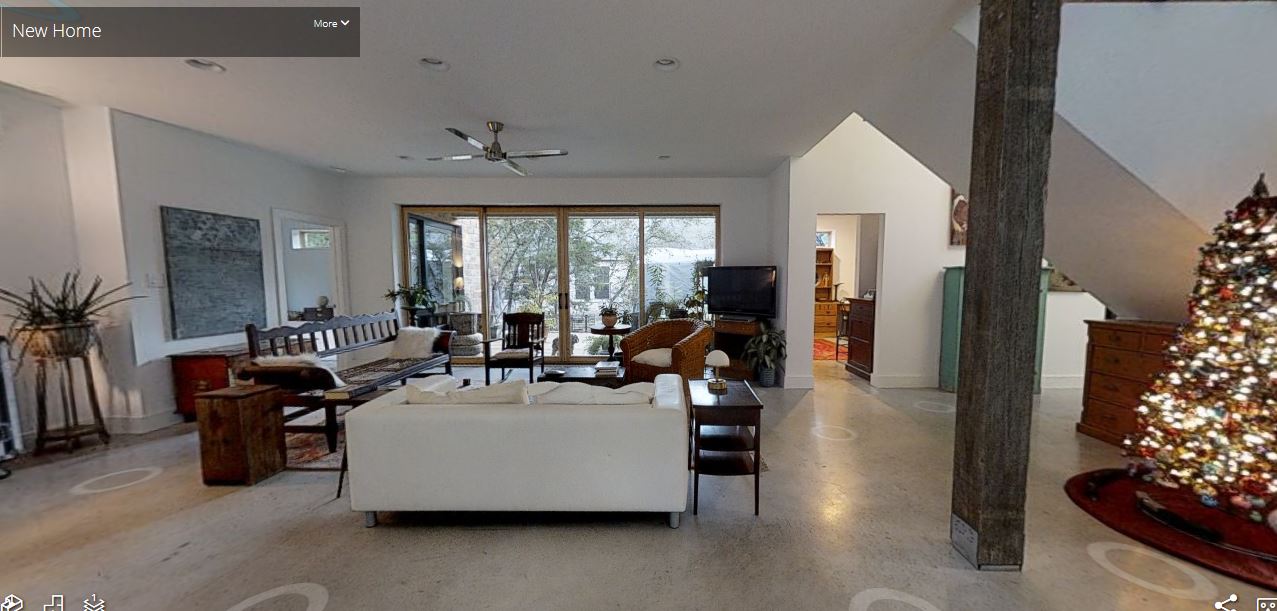
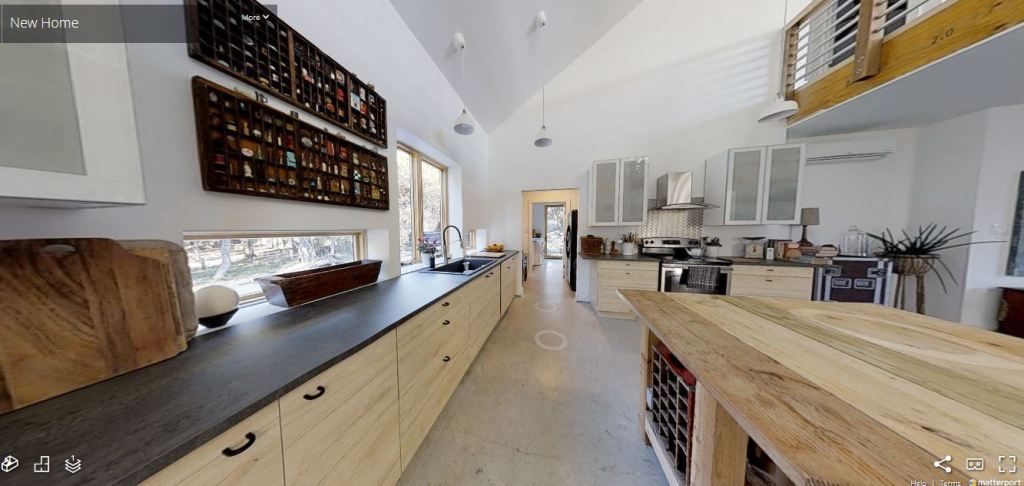
    We have built a new home:

    Take an online walk-through JP’s home here.

    ….now, after a lot of bloed, sweet en trane, we will take Sweet Melissa the Airstream on the road again – to the loud music of The Allman Brothers!

    Sweet Melissa

    See, learning from you, I have now almost written my first blog!

    Cheers brother. Keep in touch…..even better…come visit and take the Melissa the “karavaan” on a road trip.

    J-P

    Now there’s a tempting offer!

    ~~oo0oo~~

  • Workshop Swansong contd

    Workshop Swansong contd

    It’s ongoing. The emptying. The sad and reluctant emptying. The end of an era. There’s even less stuff there now, but some stuff is going to have to be pried from his tight reluctant fingers, maybe?

    – “Where’s that tack hammer? It’s here somewhere . . ” – check the hoed –
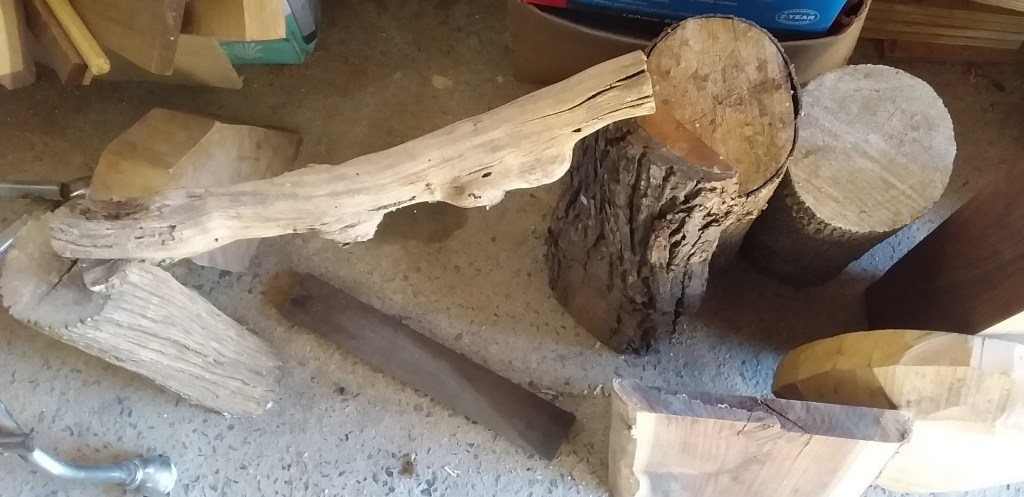
    – “No, that’s for Gavin. It’s hardwood. He wants to make knife handles . . ” –
    – “You must take these, they were Oupa’s . . ” –

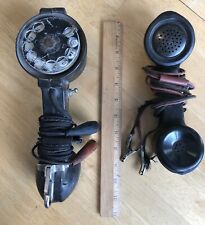
    The awl and the hand drill brace were Oupa’s in Boom street in PMB. The screwdriver and needle-nose pliers on the right were issued to Dad by the General Post Office when he started as an apprentice electrician in 1938. He had to climb up telephone poles with those in his pocket. Here’s the GPO vehicle he’d drive around in, fixing the phones! They didn’t bother with parcels and letters, no! That was old-school! They were the high-tech side of the Post Office: The telephones!

    – a young man, a truck and a dog – freedom! –
    – happy apprentices under jovial Wally Coleman in the white coat –

    ~~~~oo0oo~~~~

  • Old Oak Desk

    Old Oak Desk

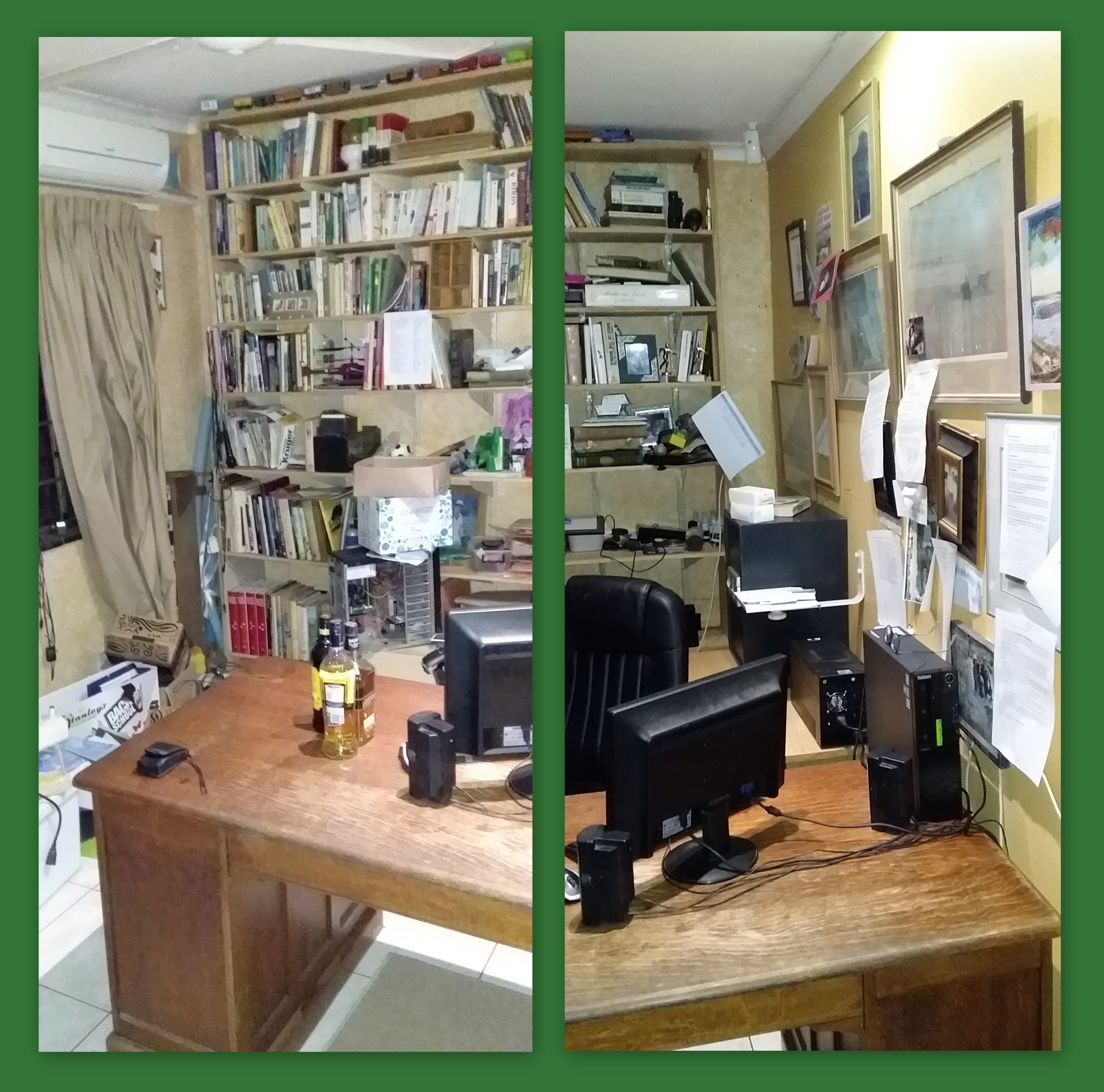
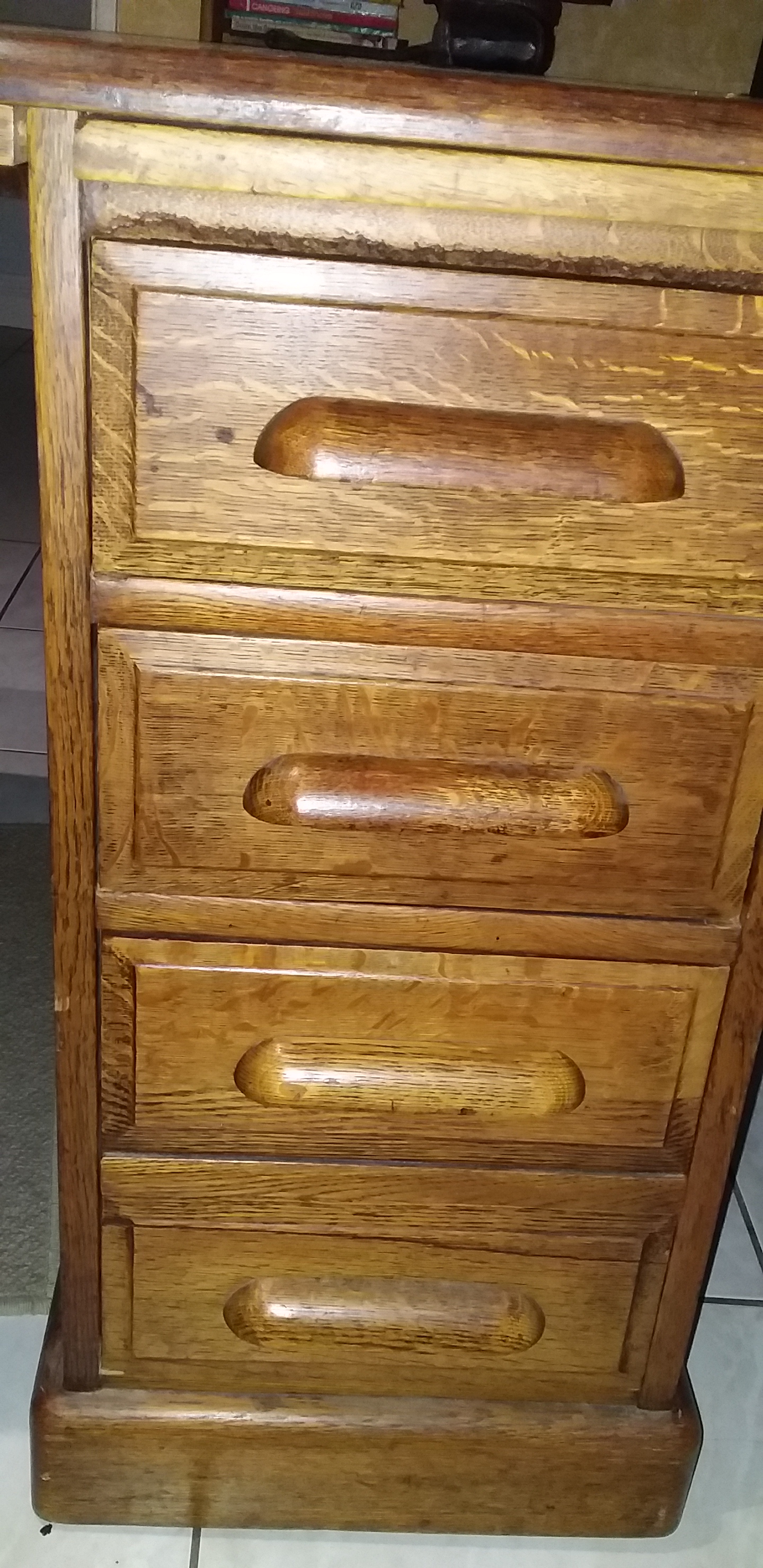
    Long long ago Annie said to me I should get her beloved husband Frank’s oak desk. We never knew Frank. He died when Mom was just fifteen or so, still in school. Annie had five grandkids and I suppose her reasoning was the only grandson should get it? A lot of mysterious value was attached to having a penis in ye olden days. OK, so not that much has changed, really.

    So now Mom’s in Azalea Gardens and Dad will be joining her soon, so it was time to fetch the desk. Dismantle, ship on the back of and inside of my Ford bakkie and re-assemble in my office.

    It looks good.

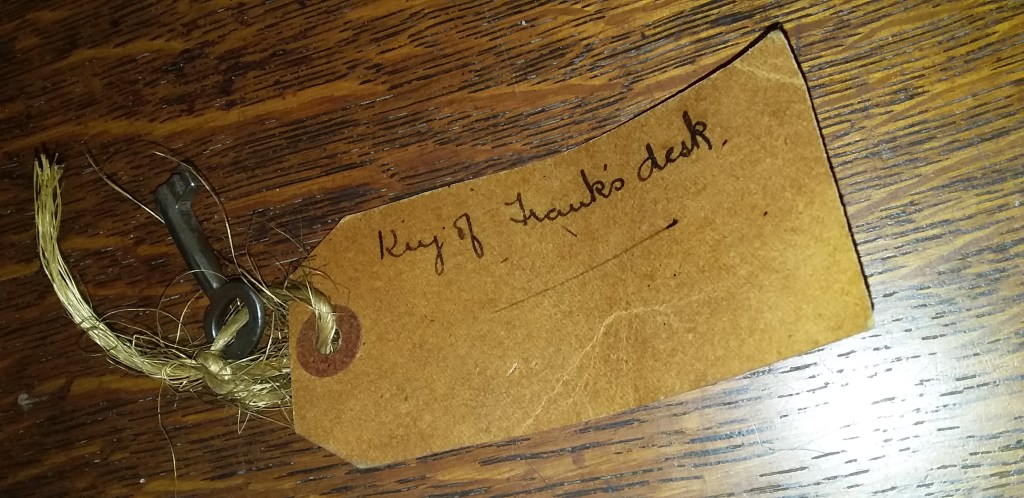
    Very importantly, the key is in the top drawer, attached to a label ticket. Written in (I suppose) Annie’s handwriting: “Key of Frank’s Desk.” Interesting, as there’s no lock or keyhole in the desk, nor any of its drawers!

    ~~~oo0oo~~~

    ‘Fraid it wasnt in my care for long, Annie! It has moved on. Into Sheila’s care now, as I’ve sold my home. Took it apart again – 14 separate pieces) and schlepped it down to her in my same Ford bakkie. I took care to make sure she got the key, too.

    I spose this means the penis (lineage) has been severed!

  • Our Automotive Designer

    Our Automotive Designer

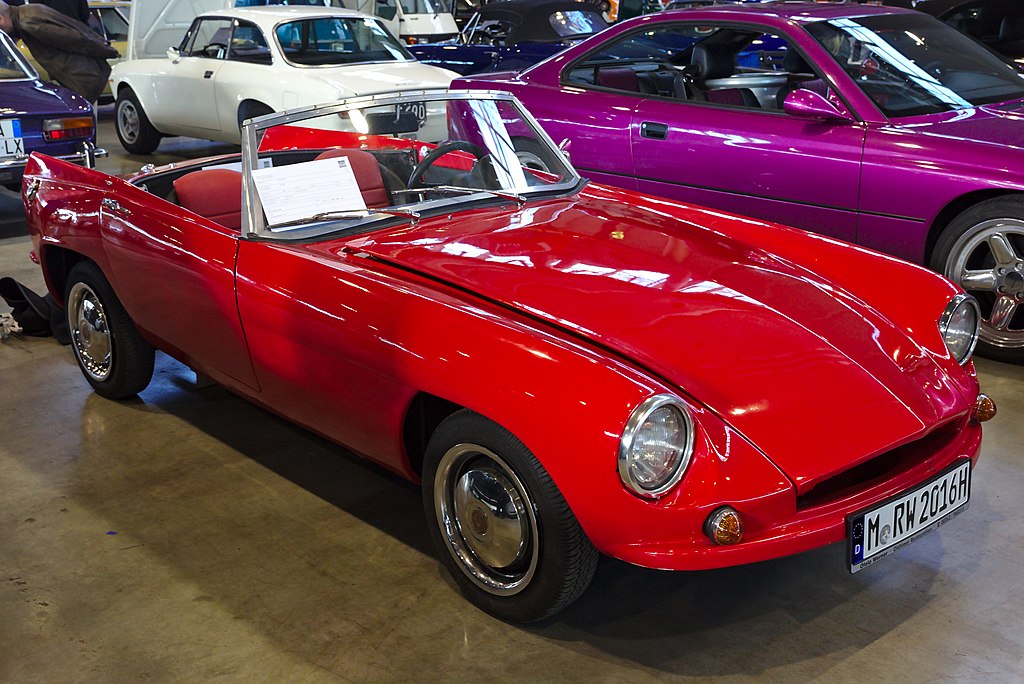
    Harrismith had a very successful sportscar designer! Sheila reminded me on her facebook. He was a big mate of Polly du Plessis. They called each other Sissel Pud (du Plessis backwards) and Tweedie (de Witt backwards). Verster was captain of the rugby team and Mary Bland’s boyfriend. He dopped a few years and was in JC when she wrote matric. A real gentleman, says Mary. When she left to go nursing he said, ‘My fear is that we don’t meet again – worse, that we’re living in the same city and we don’t even know it.’ Sensitive soul.

    Here’s the story of Verster de Witt – or the parts I could fish out:

    Two Stellenbosch university pals wanted to make a great sportscar. They were Bob van Niekerk and Willie Meissner. In 1958 Meissner went to England and saw a new technology called fibreglass. He wrote a letter to Bob van Niekerk asking him to come to England to study fibreglass crafting. Bob hopped onto a Union Castle ship and joined his mate. In those days that was called ‘instant response’: The letter took a week; the response took a week; the ship took a month; Bang! Two months later there his mate was, ready to help.

    Bob recalls: ‘We had full confidence in our ability to produce the mechanicals and a good chassis, but needed someone to put a ‘face’ on it – a good looking design. As luck would have it, Willie knew a lady Joan, nee Peters, who was married to a stylist working at Rootes who would hopefully stop us from producing a mediocre, unattractive body.’

    Mary & Polly in Harrismith schooldays

    His name was Verster de Wit, an ex-Harrismith boykie and good friend of our Polly du Plessis and Mary Bland-Swanepoel. He very soon had them building quarter-scale models with plasticene during the week in their one-roomed flat in Earls Court while he was off working in Coventry on the Sunbeam Alpine. Fridays, Verster would come down to London to inspect the work they had done. When they got to scale model number 13, it suddenly all came together, and ‘a unanimous decision was made to progress to full-scale.’

    – Bob van Niekerk racing a Dart –
    – a 1962 GSM Dart –

    ‘We rented a garage in Gleneldin Mews in Streatham and built the mock-up using wooden formers and plaster of paris. The first body came out of the mold in April 1957 and was sold for 75 pounds, which helped to pay for my trip back to Cape Town where Willie had started the Glassport Motor Company (GSM).’

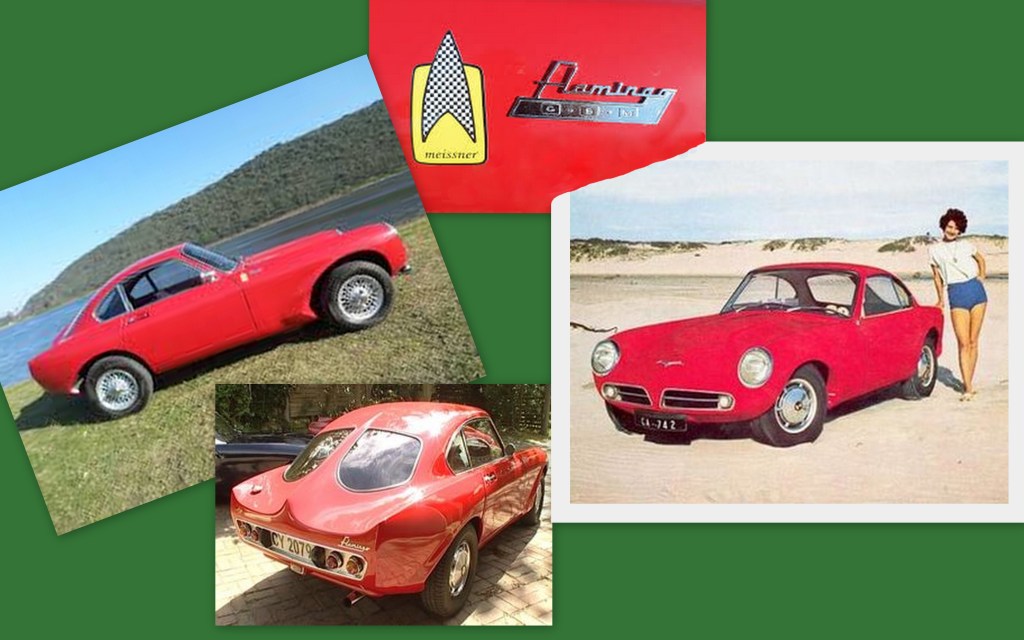
    They considered what to name their cars: Cheetah, Mamba, Simba, Zebra, Kudu, Lynx or Tyger? Eventually they called the open top the GSM Dart and the hardtop the GSM Flamingo. On returning to South Africa, they built four prototypes in 1957, and the first production car rolled off the line in early 1958. In total, 116 GSM Darts and 128 GSM Flamingos were produced from 1958 to 1964. Actually, the GSM club tracked down many of them and reckoned there were a few more than that.

    The GSM cars were astonishingly quick and agile and won a lot of races. In their first nine hour in JHB, a Dart beat Sarel vd Merwe in his Porsche into second place; they were followed by an MG, another Porsche, a Volvo and an Alfa Romeo!

    But perhaps the best story was after they had sold 41 cars by 1959, for racing and road use in Cape Town, they decided they could also be sold in England and Bob set sail with a complete body and chassis kit on the Union Castle liner. In England Bob was introduced to Mr John P Scott at Windsor Garage, West Malling in Kent. Scott agreed to give him a place to build a car and fund all the parts on condition that Bob built the car in 10 days! AND that he entered it in a race at Brands Hatch! AND that he won the race! What a tall – almost impossible – order!

    Bob accepted the challenge and worked day and night to complete the Dart by the Friday before the race. On the Saturday, April 18, 1960 Bob found himself in the middle of the grid on an unfamiliar circuit in a brand new and untested car. He steadily worked his way up into first place and won the race! He actually did it! Setting a Brands Hatch lap record that stood for seven years! A delighted Mr Scott then established a GSM production facility in a 5000 square foot factory behind the Windsor Garage to produce the first batch of cars. They couldn’t call them Dart in England, so they used ‘Delta’. Records are vague – it seems somewhere between 35 and 76 GSM Deltas were made in Kent.

    The little cars developed a legendary winning reputation in the UK, Europe and SA. To show they weren’t only about racing, the Flamingo was marketed as the road-going version:

    In 1964 they ran out of money.

    ~~~~~ooo000ooo~~~~~

    Aftermath with Verster de Wit: 1976

    A GSM club was formed in JHB and they tracked down Verster at his home in Kosmos on the Hartebeespoort Dam. He and his new wife Eva hauled out a suitcase full of his photos and sketches of his design days in England and in SA. They regaled the club members with tales of the hours of dedication and hard work Verster had put into his automotive design career. Another well-known design he had also been involved with – in addition to the Sunbeam Alpine – was the Humber Super Snipe.

    In the 1980s the design got another lease of life when Jeff Levy got Verster to help him make a series of accurate replicas known as Levy Darts.

    ~~~~oo0oo~~~~

    Anyone who knows more, I’d love to hear from you

    ~~~oo0oo~~~
    archive.org

    wikipedia

    wheels24

    motorsportmagazine.com

    carmag.co.za

    cartorque.co.za

    ~~~~oo0oo~~~~

  • Tin Ceilings

    Tin Ceilings

    A. Ross & Co. General Dealers in Harrismith had gone phut, sold out to OK Bazaars. Their big old building was being gutted. Dad enquired about the ‘pressed steel’ ceilings* and was told ‘You can have the ceilings gratis if you strip them and remove them within a week.’

    He bought six ‘nail puller pliers’ like these, and ‘did it himself’ (SA-style):

    . . by hiring six men (not that he used a decent word like men), having them take down the panels, scrape them down, scrub them with wire brushes and seal them with clear varnish; then they painted them with a mix of glossy and matt white paint to get a lovely finish: not shiny, not dull.

    He put them up in our huge lounge, our long passage and our spacious dining room of the old house at 95 Stuart Street.

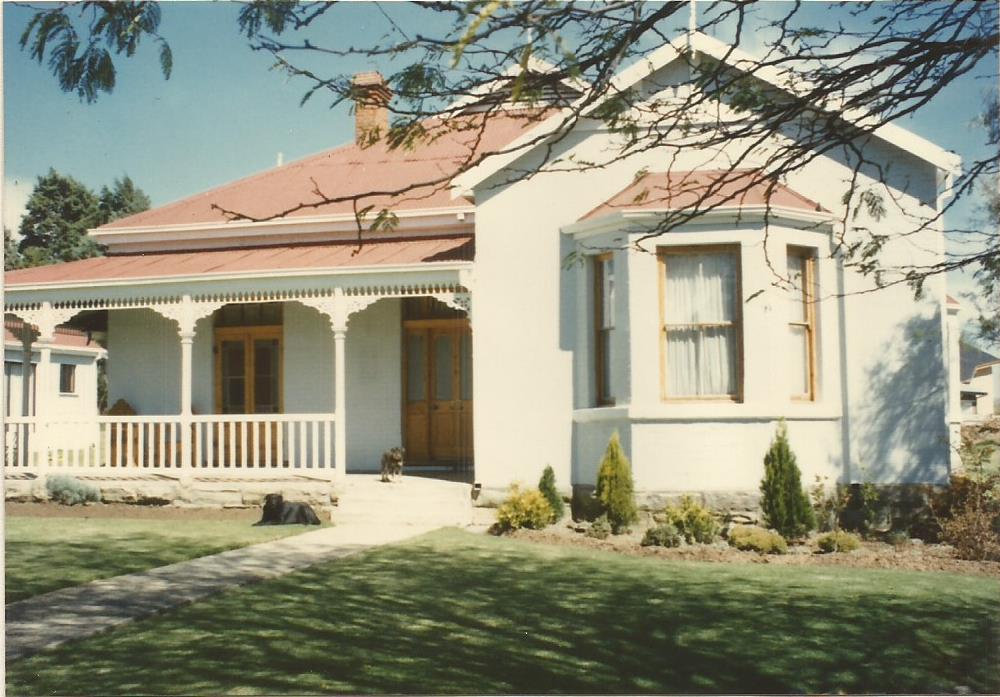
    Old family home 95 Stuart Street Harrismith

    He sold the excess panels to someone in JHB who paid and fetched.

    Dad says while he was fitting them, Ouma paid us a visit from PMB. She would sit up with him as he worked till late at night. When it got late she would encourage him to stop: ‘Kom my seun, nou moet jy gaan rus. Gaan slaap nou.’

    I’ve no pics of the ceilings . . . The feature pic and these are from the ‘net. They give a good idea of the look. Wait! See below . .

    When I was taking pictures of his old tools I lined up these pliers and he said ‘Oh, those aren’t old. I bought them.’ Yeah, I laughed; Like fifty years ago! He saw the humour in that.

    ~~oo0oo~~

    Sheila found pics of the lounge ceiling – a lovely pic of a gathering of friends on the occasion of Mom’s 45th birthday!

    – members of the choir gather together –

    ~~~~oo0oo~~~~

    *Tin ceilings were introduced to North America as an affordable alternative to the exquisite plasterwork used in wealthy European homes. They gained popularity in the late 1800s as Americans sought sophisticated interior design. Durable, lightweight and fireproof, tin ceilings were appealing to home and business owners alike as a functionally attractive design element that was readily available.

    Important chaps like this one harumphed . .

    . . that it was morally wrong and deceptive to imitate another material and blamed the degradation of society (on) the “art of shamming” rather than honesty in architecture. Oh well . . we weren’t going to invite him for tea to 95 Stuart street anyway.

    Despite these old farts, tin ceilings were also popular in South Africa and in Australia where they were commonly known as pressed metal ceilings or Wunderlich ceilings;

    ~~oo00oo~~

  • Kayak the Ocoee

    Kayak the Ocoee

    Fresh from trying to drink an aeroplane dry we sauntered up to the car hire counter in the Atlanta airport and asked the lovely lady for a medium-sized American car. We had decided American cars were so big that a medium would be plenty big enough for the five of us. We got into our car, drove fifty metres – OK, fifty yards in America – and threw a u-turn. We sauntered back up to the car hire counter in the Atlanta airport and asked the lovely lady if we could swap it for a fullsize American car. She said, Sure Thing, I have a Lincoln Continental Town Car (check a review of the Lincoln at the end of this post!), Will that be good? We said if its fullsize and can take roofracks it’ll be good. Oh, No-one Puts Roofracks on a Lincoln Continental Town Car, she said, so we kept quiet. Diplomatically.

    Atlanta Lincoln2
    – Herve, me, Chris and Jurie with our 1984 Lincoln Town Car –

    Now this was a car. A Lang en Slap car. This was like the one Fat Frank Cannon drove in the Cannon TV series; Jock Ewing drove in Dallas; Also Frank Sinatra and Jack Kennedy, but theirs were convertibles and we needed a roof.

    Atlanta Lincoln1
    – me, Herve, Dave, Jurie and Steve and the Lincoln with roofrack – which the rental lady said no-one would do –

    Trip lead-stirrer Chris drove us straight to the outfitters to fit a roofrack. He’s a legendary kayaker who has his national colours and has won national and international kayak races. He’s also a military man and a dentist and a fine beer drinker. With roofracks on he drove us to his friend’s home where we to spend the night. Dave Jones is a legendary kayaker who has his national colours and has won national and international kayak races. He’s also a military man and a dentist and a fine beer drinker. True’s Bob, I kid you not – talk about double trouble!

    The next morning, after the hospitality of Dave’s home pub, we headed North to the Ocoee River in Tennessee. Which was completely empty. Not low. Empty.

    Then they turned on the tap at twelve noon and we could paddle. The full flow of the Ocoee gets diverted to generate power! How criminal is that!? That it even flows occasionally is only thanks to hard lobbying by paddlers and environmentalists. From around 1913 to 1977 the river was mostly bone dry – all the water diverted to generate power. Now sections of it flow again at certain times.

    259

    I’m in orange.

    Here’s a description of the short stretch of river we paddled:

    The Middle Ocoee
    The Middle Ocoee is the portion of whitewater, on this stretch of water, paddlers and rafting enthusiasts, have been paddling for decades. Beginning at Rogers Branch and just over 5 miles long, this class 3-4 section of whitewater is an adrenaline junkies dream, crammed with waves and holes.

    Entrance rapid gives you whitewater from the get-go. As soon as you launch onto the middle Ocoee you are in a class 4 rapid, paddling through waves and dropping ledges. It’s a fun and exciting way to begin your trip.
    Broken Nose begins with a large S-shaped wave. Swirling water behind it will send you to a series of ledges. This is a great place for pictures, so smile.
    Next, Slice and Dice: two widely spaced ledges, fun to drop, especially the second ledge. If done correctly, you can get a great surf here “on the fly”.
    An interesting and humorous set of rock formations highlights the rapid, Moon Chute. After making your way behind the elephant shaped rock, do some 360’s in front of “sweet-cheeks,” then drop through the chute and over the ledge at the bottom.
    Double Suck, an appropriately named rapid, where a good-sized ledge drops you into two hydraulics. Paddle hard or you might catch another surf here.
    Double Trouble, which is more ominous in name than in structure, is a set of three large waves, which will have everybody yelling. This is another great photo spot. You won’t find an easier, more fun rapid.
    Next is Flipper (No, it’s not named after the dolphin). Here, a great ledge drop puts you into a diagonal wave. Hit this wave with a right hand angle and enjoy the ride, or angle left to eddy out. Then enjoy one of the best surfs on the river.
    Table saw was originally named for a giant saw-blade shaped wave in the middle of it. The rock forming the wave was moved during a flood several years ago, making this one of the most exciting rapids on the Middle Ocoee. The big waves in this one will make the boat buck like a bronco.
    At Diamond Splitter, point your boat upstream and ferry it between two rocks. Once there get a couple of 360’s in before dropping through the chute and into the hydraulic.

    Me on the Ocoee river

    Slingshot is where most of the water in the river is pushed through a narrow space, making a deep channel with a very swift current. To make this one a little more interesting, see how many 360’s you can complete from top to bottom.
    Cat’s Pajamas start with a couple of good ledges, with nice hydraulics. After those, it will look as though you are paddling toward a big dry rock, but keep going. At the last second, there will be a big splash and you will be pushed clear.
    Hell’s Hole is the biggest wave on the river. Start this one in the middle of the river, drifting right. Just above the wave, start paddling! When you crest this 7-8 ft. wave, you will drop into a large hydraulic. Stay focused because just downstream are the last two ledges known as

    Powerhouse. Drop these ledges just right of center for a great ride.
    Once through Powerhouse, collect yourself and take out at Caney Creek.

    –oo0oo~~

    The dry river when they turn off the taps. Very sad:

    ~~oo0oo~~

    ~~oo0oo~~

    Ocoee is Cherokee for the plant we call the granadilla.

    Lang en Slap – American. We opened the bonnet – the hood – and stared in awe at the space between the grille and the radiator. It looked like we could have fitted all our suitcases in there!

  • Many Marys

    Many Marys

    Sheila gave us the breakdown:

    Mary Craig married Alex Caskie; they had a daughter

    Mary Caskie, who married John Francis Adam Bland; their eldest son was

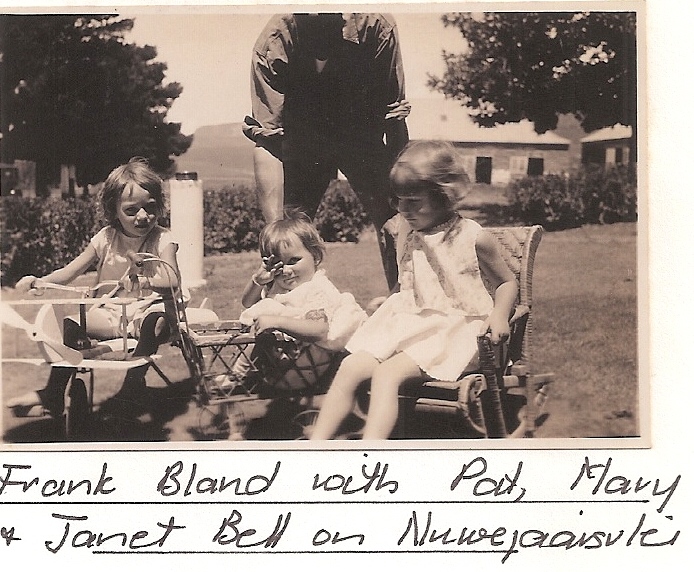
    Frank, who married Annie Watson Bain; their second daughter was

    Mary Frances, who married PG Swanepoel; their eldest daughter was

    Barbara Mary, who married Jeff Tarr; their eldest daughter was

    Linda Mary, who married Dawie Pieterse; their eldest daughter was

    Mary-Kate, boss of the house, turning six this year!

    – Sheila has this old daguerrotype of Great-Great Gran Mary Craig and Great Gran Mary Caskie and a suspicious chap –

    In this day of easy instant photography I find it fascinating to read how this image was made:

    To make the image, a daguerrotypist would – 1. polish a sheet of silver-plated copper to a mirror finish; 2. treat it with fumes that made its surface light sensitive; 3. expose it in a camera for as long as was judged to be necessary, which could be as little as a few seconds for brightly sunlit subjects or much longer with less intense lighting; 4. make the resulting latent image on it visible by fuming it with mercury vapor; 5. remove its sensitivity to light by liquid chemical treatment, 6. rinse and dry it; 7. seal the easily marred result behind glass in a protective enclosure.

    The image is on a mirror-like silver surface, normally kept under glass, and will appear either positive or negative, depending on the angle at which it is viewed, how it is lit and whether a light or dark background is being reflected in the metal. The darkest areas of the image are simply bare silver; lighter areas have a microscopically fine light-scattering texture. The surface is very delicate, and even the lightest wiping can permanently scuff it. Some tarnish around the edges is normal. (thanks wikipedia)

    ~~oo0oo~~

    Nowadays a few quick sweeps of free software Faststone and I can hide most of the cracks of the broken glass:

  • Canadian Hell Drivers

    Canadian Hell Drivers

    Who remembers the Canadian Hell Drivers performing in Harrismith? It did happen, right? I’m not imagining it? I think I remember white Chevs roaring around and jumping ramps, with a clown playing dangerous games among them. I think it was at the groot pawiljoen down in the park.

    ——-ooo000ooo——-

    groot pawiljoen – the big stadium

  • Little Switzerland on Oliviershoek Pass

    Little Switzerland on Oliviershoek Pass

    I asked Leanne Hilkovitz Williamson about Poccolan / Robinson’s Bush and this brought a flood of memories:

    She takes up the story:

    I was born on the farm De Nook which belonged to my grandfather Elias Hilkovitz and was inherited by my father Leo Hilkovitz after the 2nd World War probably round about 1945, two years before I was born.

    Dad built Little Switzerland Hotel on the farm and we made pathways through the forest called Robinson’s Bush for guests to hike to various spots: The Wishing Well, Protea Plateau, etc. I named most of the spots, and one that meandered in and out of the forest edge I named Hilky’s Way after my grandfather who was affectionately known as Hilky.

    We sold the hotel when I was in my early twenties but the various owners over the years have kept the use of the forest and the guests continue to enjoy its wonderful beauty – it is wonderfully exhilarating to either clamber down Breakneck Pass from the Wishing Well or climb up to it from the road below. The path twists and turns in amongst indigenous trees, true and mock yellowwoods, and lianas and ferns along the side of a stream full of huge beautiful boulders in all shades of grey & lichen & dappled shade. So one experiences the mountain air, the refreshing sound of the steam  and always the melodious bird song. I particularly loved calling up the Mocking Chats and Natal Robins that mimic other birds and have a whole repartee of calls, copying them and they’d call back. A wonderful game that Dad taught me.

    According to my father, Robinson’s Bush is the biggest natural forest in the Drakensberg. I wouldn’t take that as gospel. I’ve come to be a bit circumspect about those sorts of claims that locals all over the world tend to lay claim to!

    Robinson’s Bush abuts on De Nook and we treated it as part of our farm. Dad looked after it although it is part of government nature conservation; at one stage in my late teenage years there were  two nature conservation officers who lived in a hut on the edge of the forest and tended it but that did not last.

    I was there for my 70th birthday in 2017 with my two sons and their families and we climbed up Breakneck Pass through the forest and I showed it to my granddaughters and taught them the things my Dad had taught me.

    Some of my earliest memories are of picnics in the forest on the side of the stream with our neighbours Udo and Margo Zunkle of Cathkin Hotel fame when they lived on Windmill farm. Udo would put small pieces of raw steak on the river rocks and we’d be fascinated by the crabs that came from all sides to feast on it.

    ~~~oo0oo~~~
    Leanne again later:

    Hi Again

    I put together a Power Point family history together for the family and we had an evening when I showed it to them. It started with the great grandparents on both sides and their cars and the farm in the very early days and the beginnings of the hotel and its growth as I grew up & went to HS Volkschool & then boarding school, varsity, etc. and then our children growing up and then finally the grandchildren from babies to present. I can never leave the farm & the berg for long & return there often – even if it is just up and down in a day – and I climb a mountain, drink in the soul food and return home refreshed, invigorated and together. The families also love it and visit but we have never all been there together at the same time & so  took advantage of my 70th to ask this favour. So we stayed in the timeshare from 24-28 Dec & had a wonderful Christmas & my birthday on 27th. We had a wonderful time and I was able to share some of my favourite places & stories with them just this once as you know how short attention spans are when kids are having fun. Didn’t want to bore them!

    Pic of me on my birthday in my most favourite place in all the world.

    Hilkovitz Leanne Little Switzerland

    ~~~oo0oo~~~

    Famous shenanigans: South Africa’s most notorious bank robber, Trust Bank robber Derek Whitehead, was arrested at Little Switzerland in 1971 at 3am on Friday morning the 14th of May. They had arrived at 4.30pm the previous day. A team of CID detectives from Johannesburg, the Orange Free State and Natal were involved in the swoop. After the arrest, the Whiteheads were taken to Bloemfontein for questioning

    ~~~oo0oo~~~

    Drunken shenanigans: Omigoodness; You don’t want to know . .

    ~~~oo0oo~~~

    Genealogy: Our Bruno the doberman was a Hilkovitz! Dad Pieter Swanepoel told me Leo came to town one day, called in at the Caltex garage and said ‘Come and look!’  On the back of his bakkie he had a bunch of little black pups in a box. Dobermans.

    Dad chose one – he says he gave Leo a pocket of potatoes! – and we grew up with ‘Bruno’ – I only now found out he was a citizen of Little Switzerland! He grew up to be a handsome lad!

    1955 Barbs Birdhaven tyre Dad

    ~~~oo0oo~~~

  • Mexican Mayoral Meal

    Mexican Mayoral Meal

    Mom and Dad’s big mates Hester and Steve Schreiber became Mr & Mrs Mayor and Burgemeester of the City of Song and Laughter, Harrismith OFS. A celebration was called for and hizzoner your worship Oom Steve decided to go big.

    A banquet! Here, in Bain’s Folly!

    Not only would they use the huge and impressive stadsaal, they would get the new Holiday Inn to cater! They chose as their theme: Mexican! Edelagbare Mexican.

    That may have been a continent too far for the dorp as, although they had a wonderful time thanks to the liquid refreshments, it was generally agreed the food was terrible. Much grumbling was heard, but the irrepressible Jack Shannon brought light relief when he said solemnly to his wife Joan: “Ma, next time we go on our around the world tour we must remember to give Mexico a miss!”

    ~~oo0oo~~
    burgemeester – mayor

    stadsaal – city hall; we always called it the town hall, though so dorpsaal

    dorpsaal – town hall

    edelagbare – like hizzonner, your worship, all the OTT shit politicians add to their names; it should be mercilessly mocked

    dorp – town; not a big town; village