A gathering of a flock of du Plessis is always a very special occasion. Not an orderly occasion. Not a quiet occasion. Just very special. Mignon, Jean-Prieur and Jacques-Herman celebrated their Mom Mona’s wonderful ninety years of Mom, Music and Magic at a wonderful venue outside Harrismith – where I forgot to take any pictures! If anyone has any, please share a few – especially one of that magnificent pub of Rob and Cindy’s! – but also of the people, of course!
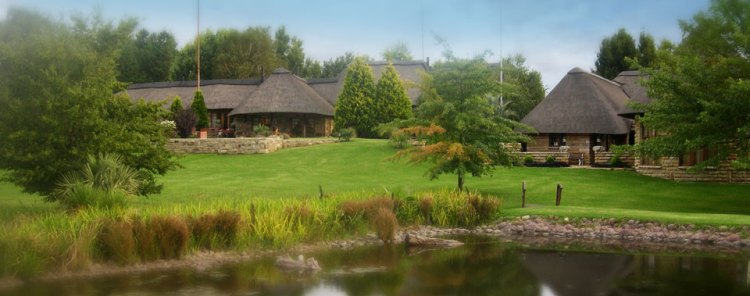
– J-H Mignon and J-P at Lala Nathi –
People poured out of the woodwork from far and wide. Austin, Texas; Vancouver, Canada – even Marquard, Free State!
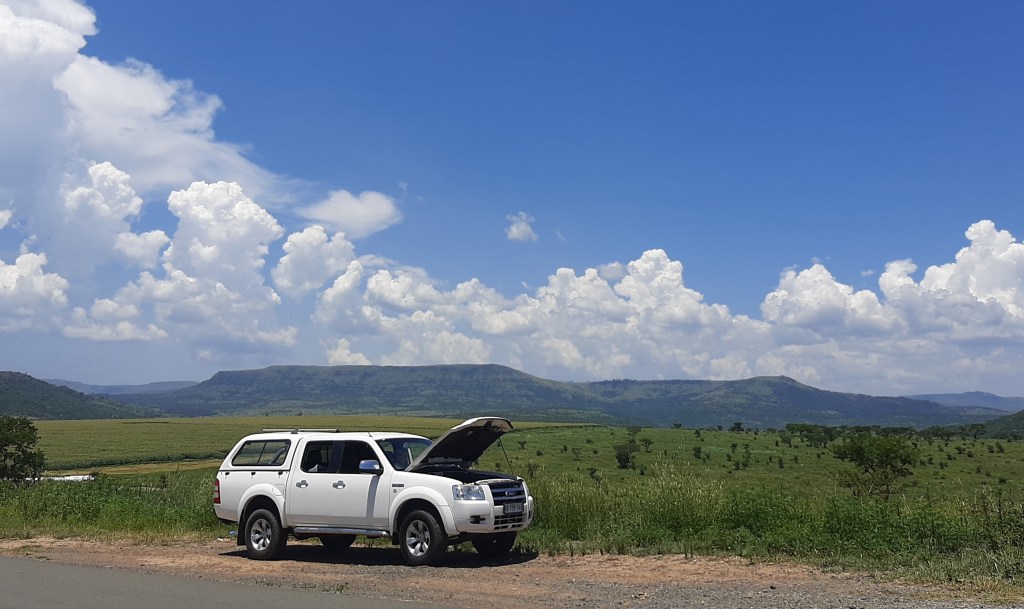
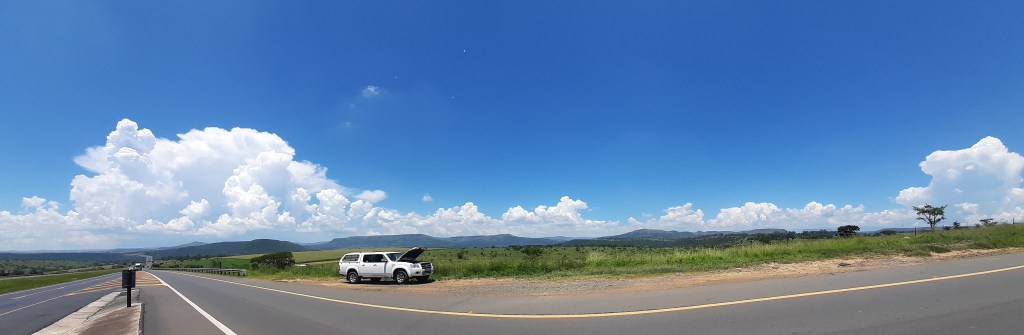
We almost didn’t get there:
– this could have been unforgettable in a bad way – but we had Zelda to sing to us –
. . but get there we did.
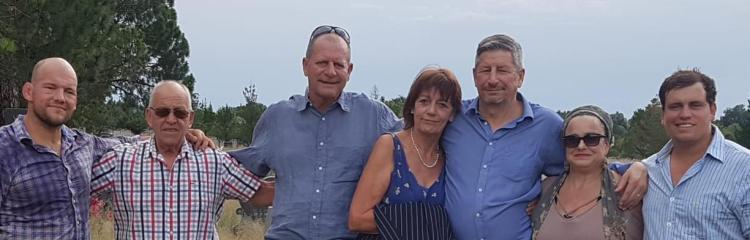
– our hosts –– mense – a formidable clan –
Later we found out we – me, sister Sheila and old Harrismith friend Zelda Grobbelaar – were stuck there – the Ford needed big repairs – so Bess put us up in her lovely home:
– I had teddy bears in my bedroom –
When we didn’t show up at the du Plessis gathering that evening, I texted them:
My car got locked up in a ballet studio among the tutus.
– that part was true, check it out:
. . and I got plied with strong liquor by three gorgeous chicks and clean forgot about any other friends I might have.
Oh, that part was partly true as well.
~~oo0oo~~
Thank goodness the Ford went vrot. It was diagnosed with terminal head gasket, whatever that means. I thought it was premature after only 300 000kms, but the upside was this meant we got an extra twenty four hours in the dorp the metropolis. We visited all and sundry, had supper with Bess; had breakfast and bought rusks at Something Lekker owned by a local lass; and then we lunched with the du Plessis clan while they ran around organising that Mona be laid to rest next to her husband and their Dad Pollie, who has been waiting patiently in the Harrismith cemetery for Mona to join him for decades. Patiently? Maybe.
I can just hear Oom Pollie. After he’d got over his joy he would comment on the very smart coffin, worried about the price. He’d relax when he heard it was made by Oom Jan, gratis and for niet. Then he’d harumph that it took Mona joining him for the grass to be mowed round his grave. Then he’d sing Hello Dolly!
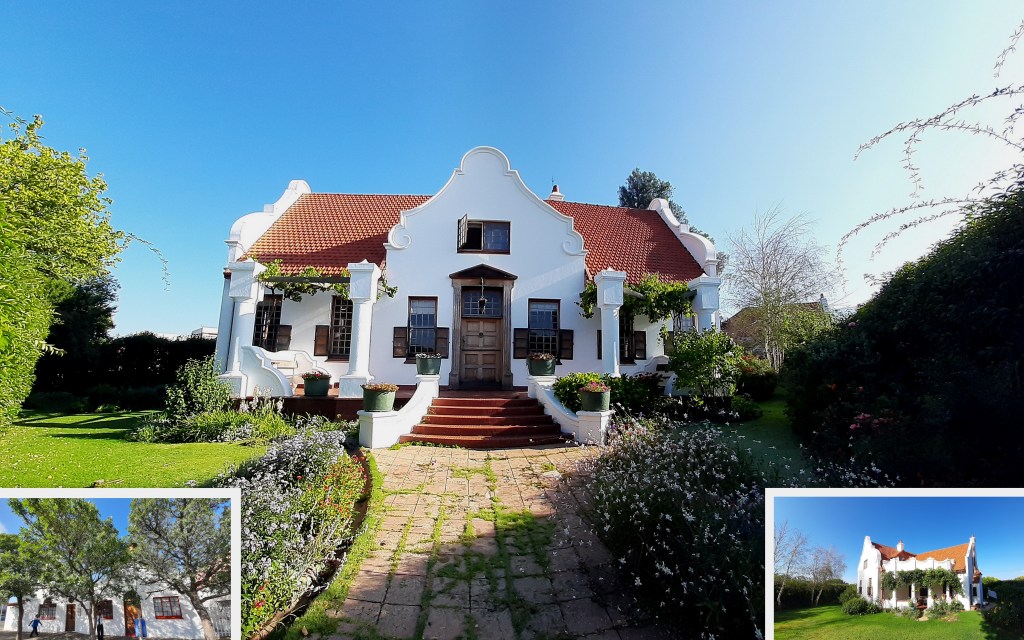
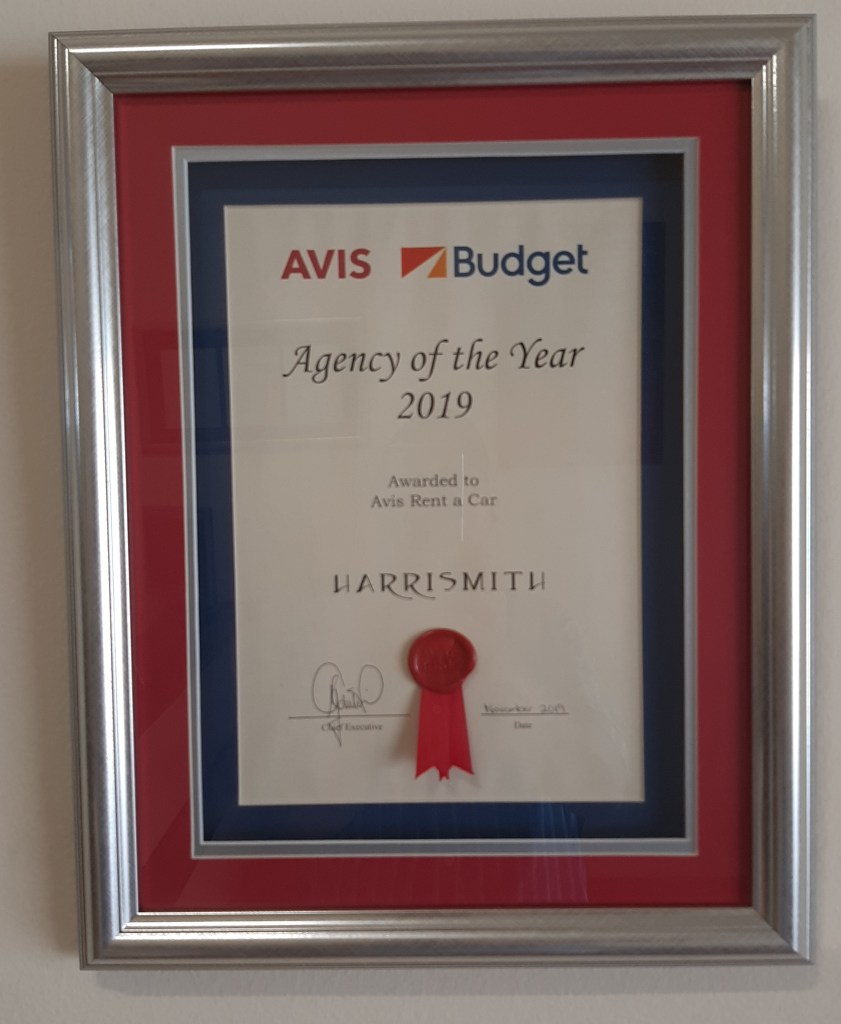
To get back to KwaZulu Natal, we hired a brand new Toyota Corolla at Harrismith Avis – of course our dorp has an Avis! Not only that, look at this: They’re the reigning champions!
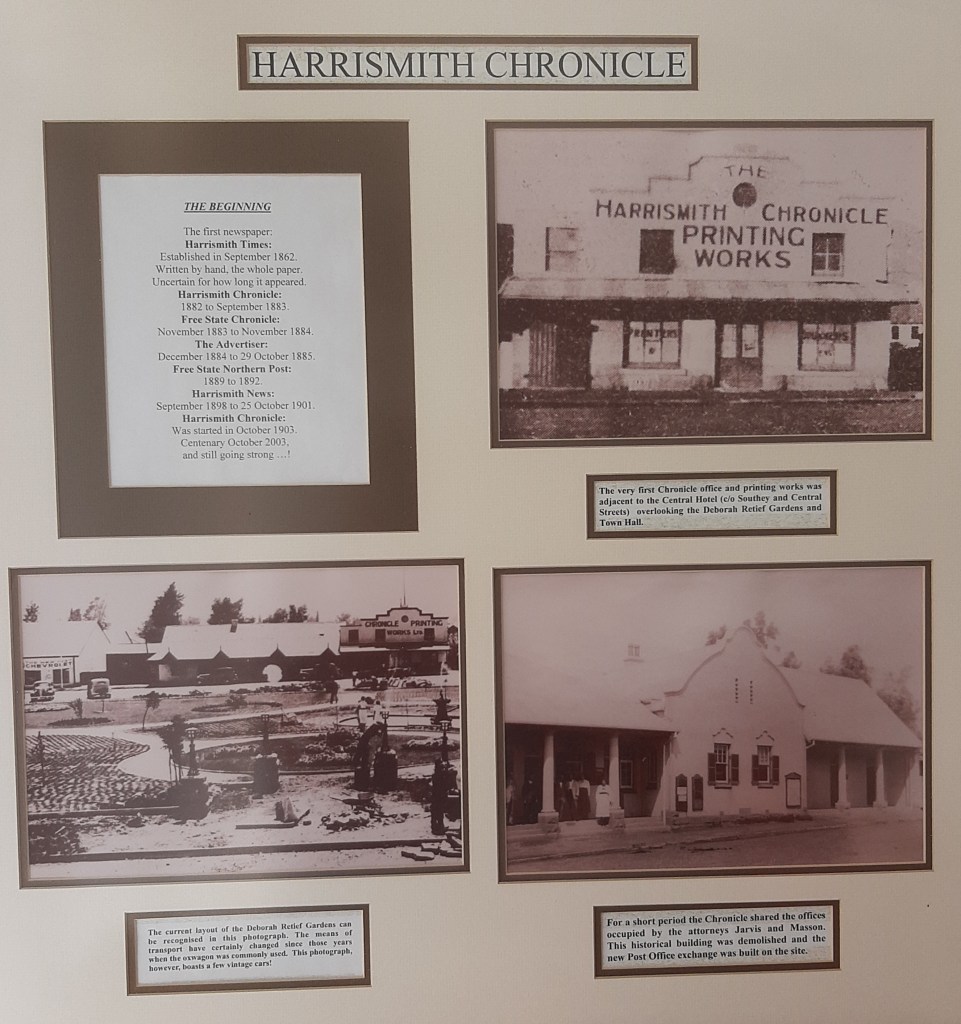
We visited Georgie Russell; and Mariette Mandy at The Harrismith Chronicle where she had already written about the gathering for her wonderful hundred-and-plenty-year-old local newspaper. I’ll post that when I get it. I’ll also link to any other reports of the day I can find. And add pictures.
~~oo0oo~~
. . . after a suitably polite interval I think Oom Pollie would also murmur hopefully, ‘Did you bring any cigarettes?’
~~oo0oo~~
Late Monday afternoon, after we’d left, the family carried out Mona’s wishes
– Jean-Prieur, Mona & Pollie in the mowed grass – Platberg behind –
~~oo0oo~~
Driving home in a brand new car where all the knobs work was a novel experience – and hey! it had six forward gears! That brought back memories of another Toyota thirty two years earlier . .
~~oo0oo~~
Two weeks later I was joined by good friend Allister Peter to drive back to the dorp in the rental to go and fetch my Ford Ranger from Riaan who had fixed it up like new! We bumped into John Venning at the coffee shop – and it turns out these two old bullets are fishing n drinking chinas from way back – apparently there’s a thing called The Grunter Hunt down in the Eastern Cape and they have indulged. And frolicked.
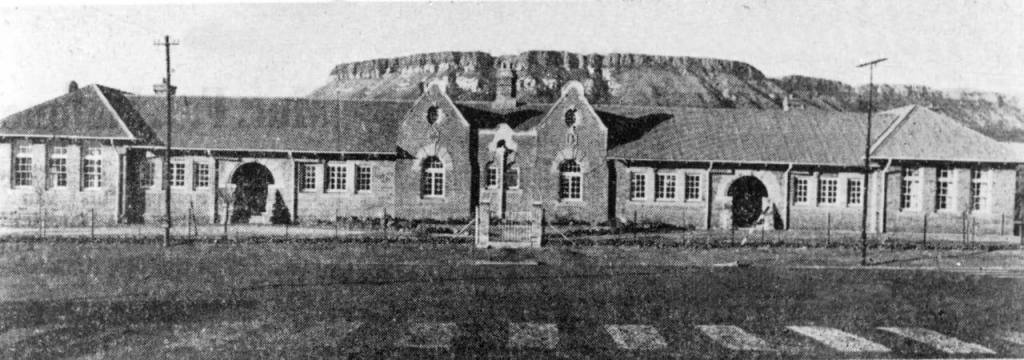
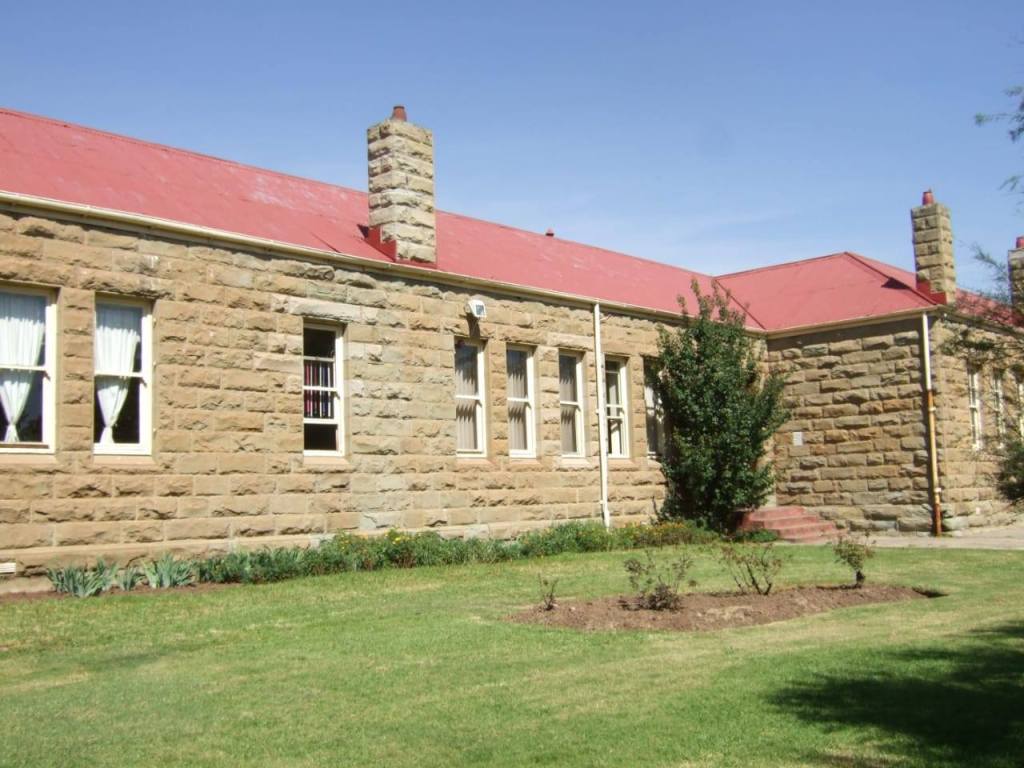
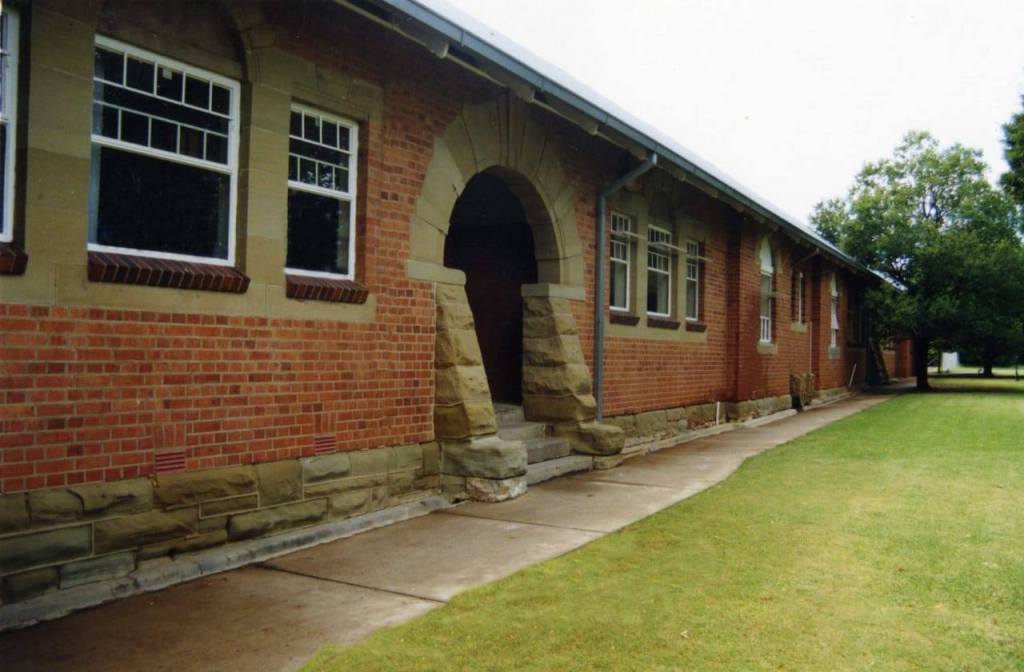
Mom went to this school, as did all three of us kids. Annie, Mom’s Mom, would not have, as it seems it was established in 1915, see below, and Annie was 22yrs old by then.
Before us, Etienne Joubert went, and he remembers:
Playing ‘Hasie’ under the Bluegums near the old Golf club house; Eating ‘Manna’ under the Bluegums; Playing ‘Bok-bok’ behind the bottom class rooms; Playing marbles in the main playground.
Also he remembers the woodwork teacher Giel du Toit – his mother Joyce had a hilarious ‘holy’ nickname for Onse Giel – Heilige Giel, I think it was; and he remembers the smell of the old fashioned wood glue; And the wood vice where ‘we tied a guy’s tie in & walloped his behind. I’ve forgotten his name, but not his face … I can see it now!
He then confesses – I do not remember much about plays & music . . .’ – No worries, sister Barbara does:
– the separate woodwork classroom was to the right, just out of picture – – some of these windows were Ou Eier Meyer and Ou Vis Alberts classrooms –
Sister Barbara was a year or two later – she finished Std 5 in 1965. She definitely remembers about plays and music, you Philistine, Etienne! She remembers that year was the school’s Golden Jubilee year – so established 1915, I guess? – and an exciting concert was planned and held on the 28th and 29th of October 1965, with all the classes in the Kleinspan School and Primary School – Volkskool – participating.
How could she remember in such detail? Well, she had her program carefully stored away in a shoe-box! She remembers the play her class put on: ‘TO BE OR NOT TO BE’ – by B.J.J. (Bruce) Humphries with Pierre du Plessis and Llewellyn Mileham – or was it Kevin Crawley? – as the smart guys, and Timothy Brockett as Mr. van Snoggery-Boggery, the drunk guy – Pierre remembered this name – and herself – Barbara Swanepoel – as the unnamed lady on the railway station platform.
Interludes between plays were filled by music by the ‘Harrismith Volkskool Orkes / Primary School Band.’ Band members were Rina Minny en Estelle Meyer on trekklaviere – pull pianos – piano accordions; Sylvia Doman on piano; Barbara Swanepoel on melodica; Pierre du Plessis on drums; Willie du Plessis on electric guitar; So much of du Plessis!; Theuns Bam en Bertus Hattingh on acoustic guitars; They were called Die Dorps Mense. Years later The Village People modelled a band on this lot. Um, so I believe.
Then came the Primary School Boys Choir – Die Seunskoor. Under the charming direction of Miss L. Fourie and that delectable redhead Miss Ethel Cronje. I was a soprano in this lot, warbling away merrily before my balls dropped. We sang (according to that program which won’t lie) Wiegeliedjie van Mozart; Drummer Boy; and Dominique; I still remember – and can still sing majestically – the second and third of these liedjies. My kids dispute this fact, unreasonably.
– Ethel Cronje looking strict or smug, her boys looking glum – it was her seunskoor, no doubt about that –
Barbara asks: ‘Now wasn’t there a record produced for this choir? I think so – our own famous ‘Platberg Boys Choir.’ Indeed there were two records cut. Vinyl. The Vienna Boys Sausages were nervous. Especially when we launched a smash hit successful sold-out tour of Zululand. If it wasn’t for rugby and puberty, we’d have usurped those Austrian suckers. We’d have parum pu pum pum’d them out of business . .
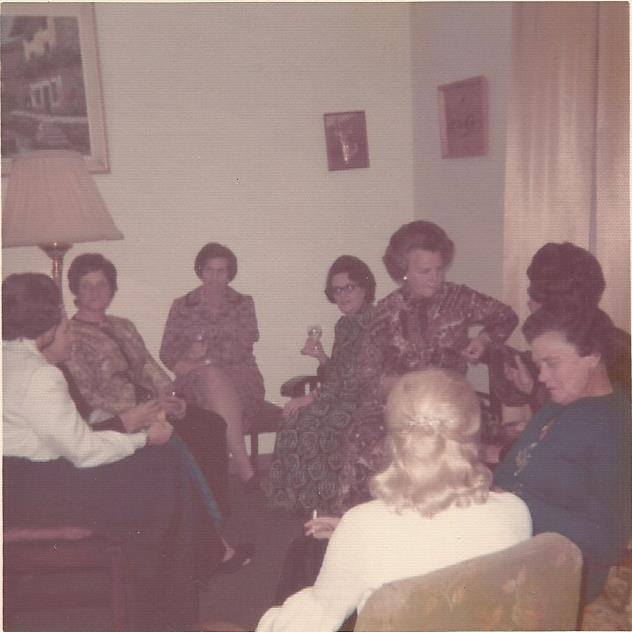
A large gathering of the Goor Koor – that assembly of happy inebriates led and accompanied by virtual-teetotaller Mary Methodist, our Mom, gathered together – assembled, amassed – on the occasion of Mom’s 45th birthday. Usually there were far fewer of them gathered at any one time, an occasional Lubricated Quartet perhaps, but this was a special occasion in the big loungexat 95 Stuart Street!
And Sheila – thanks goodness! – took pictures. She was in matric at the time, I was in Oklahoma, Barbara in Pietermaritzburg.
– Joyce Joubert; Marie Roux peeping out; Isobel Kemp; Stella Fyvie; Mary the birthday girl, wearing specs, grog in hand; Mary Wessels; Martie Dreyer; Baby Mandy; Annemarie van Wyk –
. . and here – precious picture! – Mary at the keyboard and Hugo Wessels right there, ready to belt out a number! Two very talented people, 45 years old, who were in matric together in 1945. And this fun gathering happened 45 years ago, as Mom is now 90! I think all my stats are right . . .
– in earlier years my ear would be near the floor right outside that door behind Hugo – listening in fascination –– Dina de Kock; Hester Schreiber; Koekie de Bruyn; Hugo Wessels; Hannes van Wyk; Jack Kemp; Pierre Roux; Hector Fyvie; Steve Schreiber; Dad; Bennie Dreyer; Joyce Joubert Isobel Kemp; Stella Fyvie: Anna-Marie van Wyk –
Wonderful memories of crawling down the long passage to get nearer to the sound of Mom playing the piano; Also of sundry ‘choir members’ over the years, belting out popular songs with high enthusiasm and various degrees of talent. If spotted by any of the choir it would be ‘Hello Kosie!’ – if spotted by Mom or Dad it would be ‘Get back to bed!’
Also memories of the smell of ash trays! Always plenty of ash trays. Ours were from tyre companies, so they were glass inside miniature Dunlop or Goodyear tyres!
– I couldnt find one overflowing with butts and ash! –
~~~~oo0oo~~~~
Goor Koor – Dire Choir
~~~~oo0oo~~~~
– 45yrs later here’s Mary, still beautifully at it –
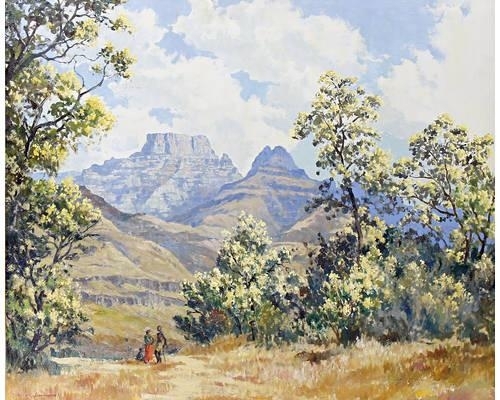
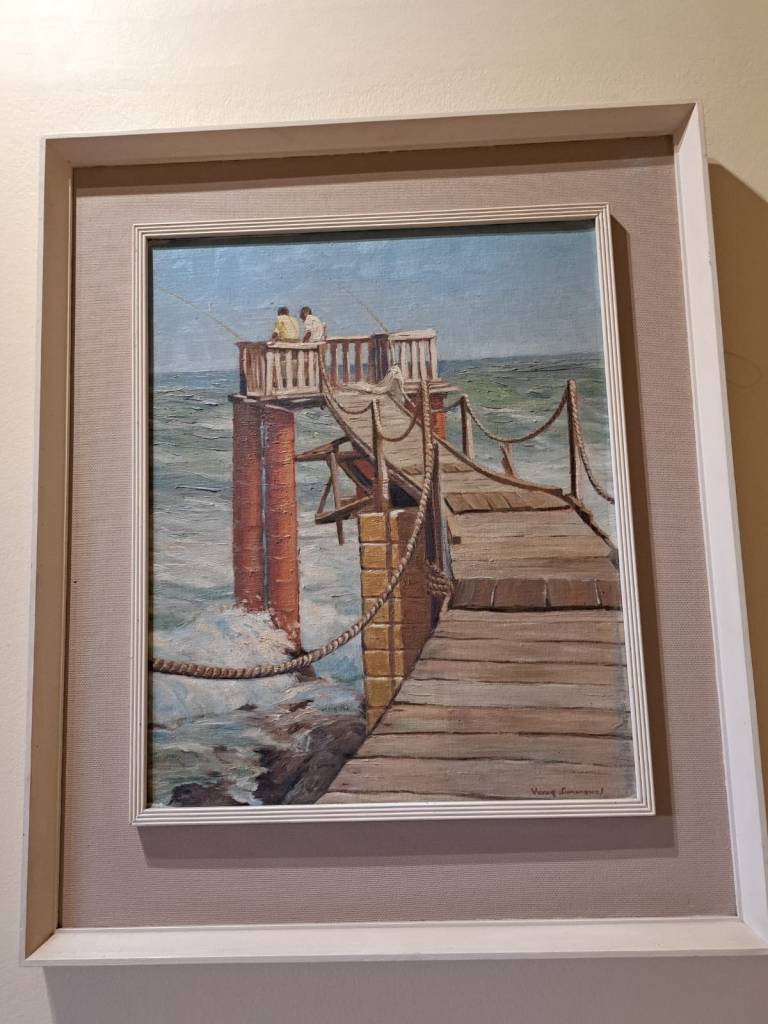
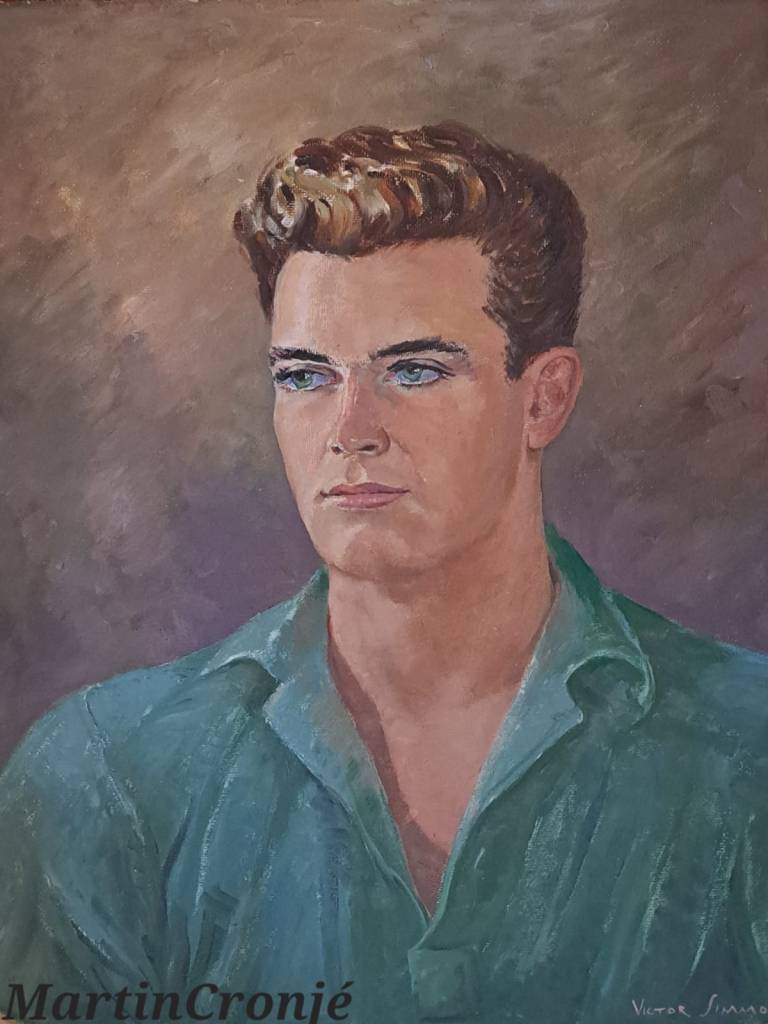
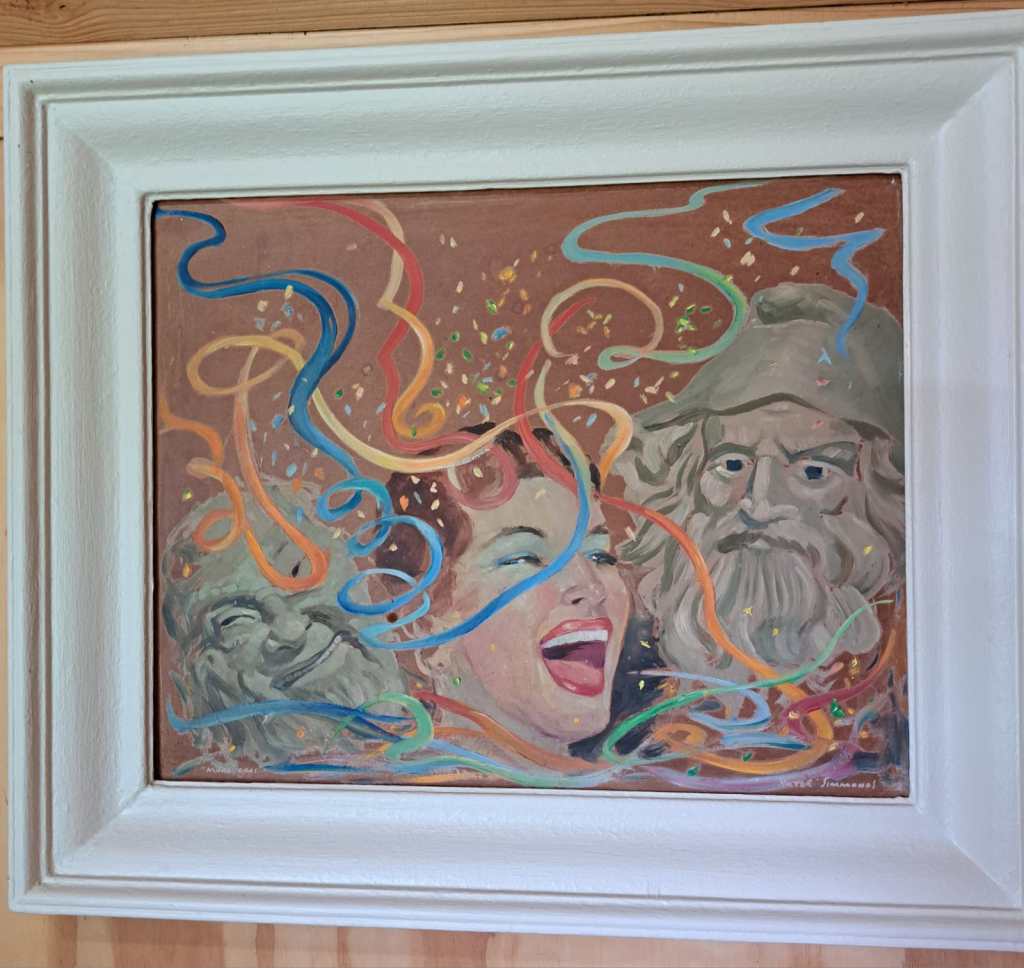
Dad: “Victor Simmonds was a lovely chap and a very good artist. He was a little man, grey, a lot older than me. What? How old? Well, I was probably 35 then and he was grey. He was probably 50. He lodged with Ruth Wright (Ruth Dominy by then) on the plot next door to ours, Glen Khyber. I doubt if he paid them any rent, they were probably just helping him out. He moved to the hotel in Royal Natal National Park where they allowed him to sell his art to the guests and that probably paid his rent.
“He was a hopeless alcoholic, unfortunately. He used to come to me begging for a bottle of brandy late at night, his clothes torn from coming straight across to Birdhaven from Glen Khyber, through the barbed wire fences. (Mom and Dad owned a bottle store, liquor store, in town) I said ‘Fuck off, Victor, I won’t do that to you,’ and sent him away. I wish I had bought one of his paintings. Sheila found these four paintings he gave me for nothing. He said he did these as a young student. As I took them he said, ‘Wait, let me sign them for you.’”
– maybe a self portrait? – – nude with amphora? – – semi-nude with two amphorae? – – maybe the Kak Spruit at or near Glen Khyber? – possibly –
So I went looking and found a lot of his work available on the internet. Once again Dad’s memory proved sound. Victor was born in 1909, thus thirteen years older than Dad:
Victor Simmonds’ work has been offered at auction multiple times, with realized prices ranging from $126 to $256, depending on the size and medium of the artwork. Since 2012 the record price for this artist at auction is $256 for South African landscape with two women carrying wood, sold at Bonhams Oxford in 2012. Also see here and here and here
– South African Landscape With Two Women Carrying Wood –– shrubs beside a cascading stream –
I knew this scene! I recognised it immediately! To me this looks like the stream above the Mahai campsite in Royal Natal National Park – So I went looking and at lovecamping.co.za I found this:
– spot on!! – an image locked in my brain for maybe fifty years! –– sunset, poplar trees, a river – the Wilge near Walton farm? – (or – see below . . )
A number of his paintings are available for sale. I’d love to see his ‘The Gorge, Royal Natal National Park, Showing the Inner Buttress and Devils Tooth’ but I’d have to subscribe for one day at 30 euros! That one was apparently painted in 1980, so he kept going for at least 23 years after he stayed in our neck of the woods. That would have made Victor around 70 and his liver a resilient organ.
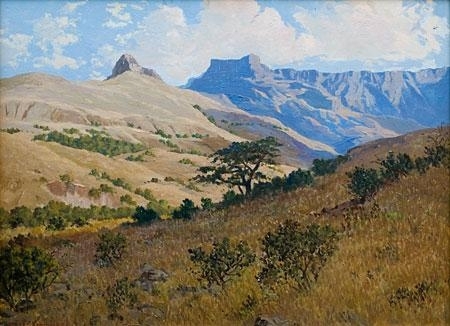
– more Victor Simmonds Drakensberg scenes – ca.1946 – click to enlarge –
~~oo0oo~~
Now its 2024 and look who has popped up onto my vrystaat confessions: All my life I’d heard Mom speak of Corry Cronje and Len Cronje, and Corry’s daughter Liz found my scribblings. Or rather, Liz wrote a delightful nostalgic personal memoir about the Cronjes of Witsieshoek, (post it online Liz and I’ll link to it!). Anthony Maeder sent it to me and put me in touch with her. We got talking and got onto the topic of this talented artist who spent time on a neighbouring plot to the one we grew up on, and on a neighbouring farm to the one Liz grew up on.
Brothers Corry and Len lived in Witsieshoek on neighbouring farms, Patricksdale and Mountainview respectively. Victor Simmonds stayed with Len and his wife Lettie on Mountainview for quite a while and painted on both farms and the surrounding area. Liz Finnie Cronje is Corry’s daughter and when I told Mom she immediately said, “Oh Corry’s wife Rosalie was a big friend of Annie’s (her mom). They would have long chats at Annie’s Caltex garage when the Cronje’s came to town.”
Len and Lettie’s daughter Josie Cronje Batchelor has a number of Victor Simmonds’ paintings and she has OK’d my posting them here. Wonderful! One more place where his talent can be appreciated.
– View from Mountainview across Patricksdale to the ‘Berg –
Click to enlarge – Left: Pier – Right: The poplars in Autumn –
This next one has to be on its own. Here’s why: Josie Bachelor, nee Cronje of Mountainview wrote: This is my favourite. The Gold Lamé in the background was my mom’s evening dress. The vase and porcelain horse also Mom’s. Mom did the arrangement. The table belonged to Vic.
Knowing a picture’s background and place and story makes it so much more interesting and valuable, doesn’t it?
~~oo0oo~~
Two more! With a note from Liz: I think I missed out on two more paintings. Both on Mountainview of the original Randall Bros. store in Witzieshoek taken over by Arthur Gray late 19th century I think. The chief (forget his name – ed. maybe Ntsane 1898 – 1918) asked if Arthur could open a shop in Witzieshoek as his people had difficulty getting to the shop during very rainy weather owing to the full Elands River. When my grandparents, Kerneels and Edie Cronje returned after the Boer War they renovated the shop and turned it into a cottage where all but the eldest Cronje (Andries) was born beginning about 1906 when my Dad, Corry was born.
Long long ago Annie said to me I should get her beloved husband Frank’s oak desk. We never knew Frank. He died when Mom was just fifteen or so, still in school. Annie had five grandkids and I suppose her reasoning was the only grandson should get it? A lot of mysterious value was attached to having a penis in ye olden days. OK, so not that much has changed, really.
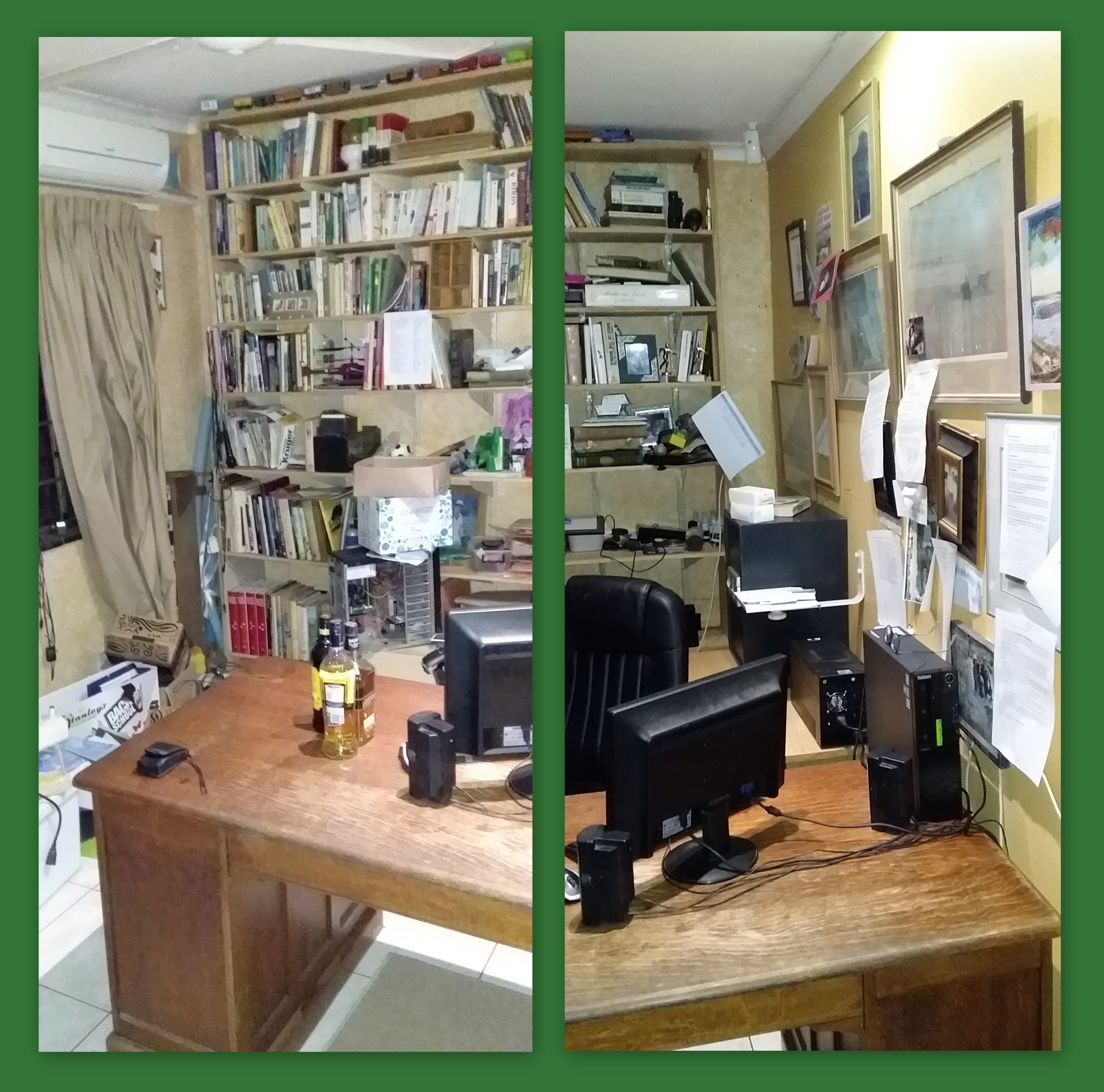
So now Mom’s in Azalea Gardens and Dad will be joining her soon, so it was time to fetch the desk. Dismantle, ship on the back of and inside of my Ford bakkie and re-assemble in my office.
It looks good.
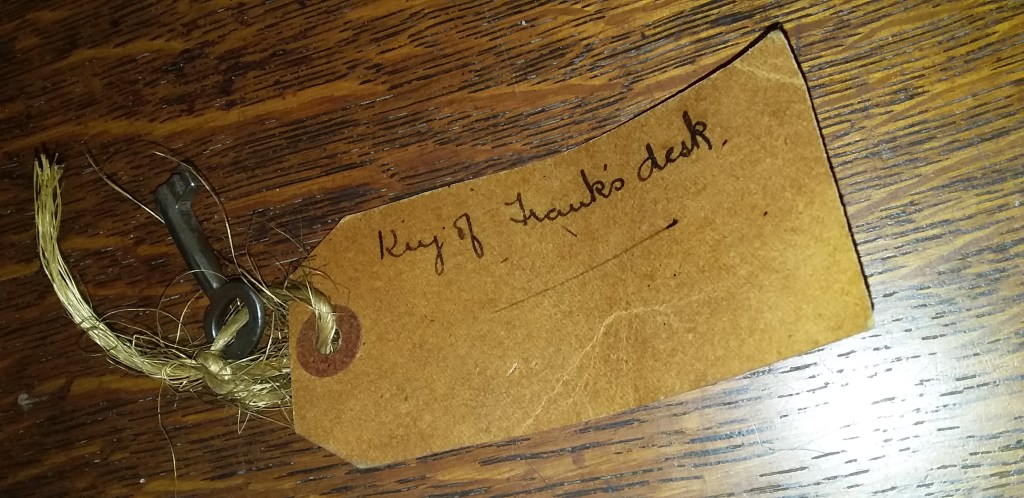
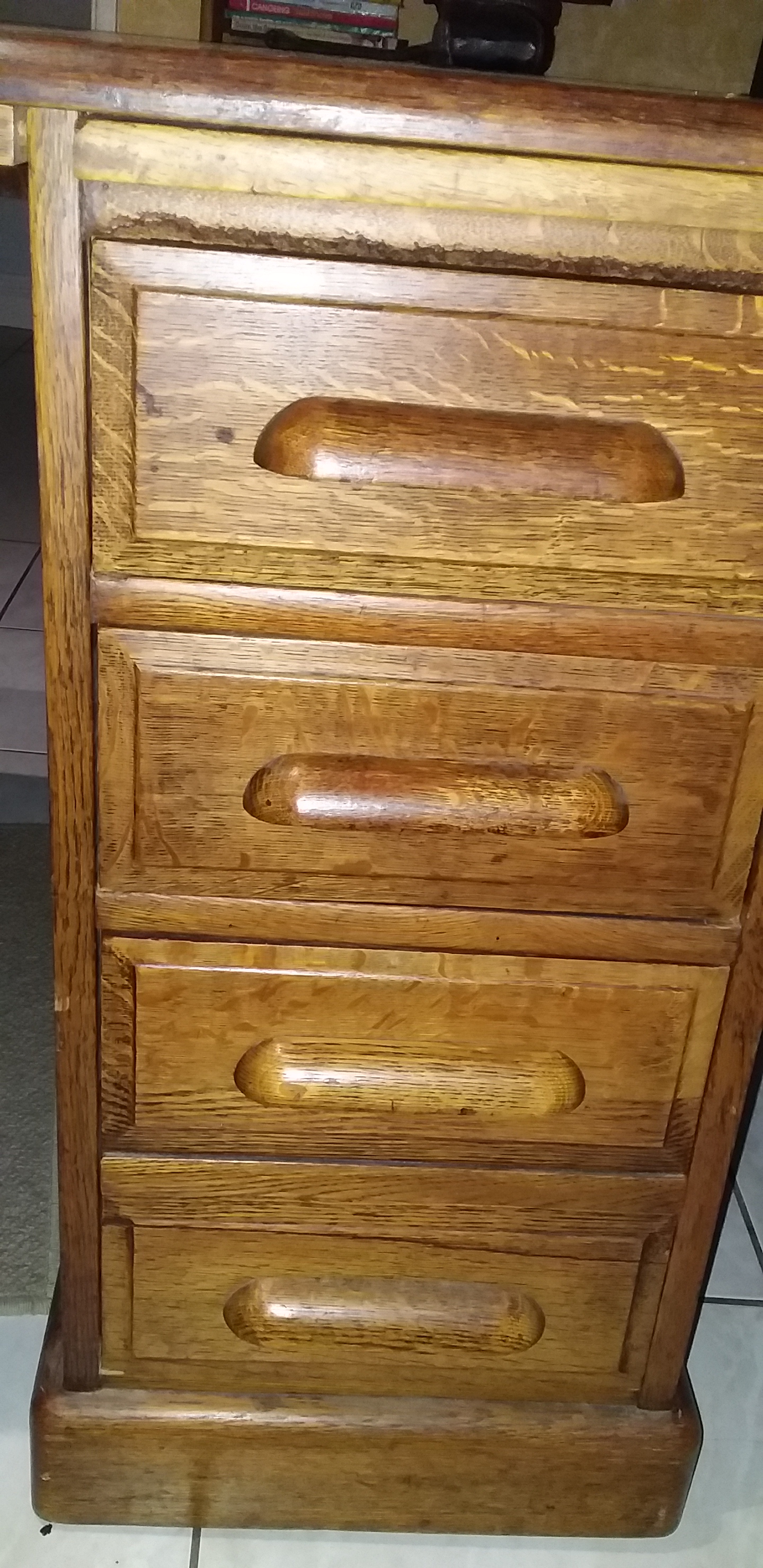
Very importantly, the key is in the top drawer, attached to a label ticket. Written in (I suppose) Annie’s handwriting: “Key of Frank’s Desk.” Interesting, as there’s no lock or keyhole in the desk, nor any of its drawers!
~~~oo0oo~~~
‘Fraid it wasnt in my care for long, Annie! It has moved on. Into Sheila’s care now, as I’ve sold my home. Took it apart again – 14 separate pieces) and schlepped it down to her in my same Ford bakkie. I took care to make sure she got the key, too.
I spose this means the penis (lineage) has been severed!
First run in 1921 – or in 1926 ? – over 3200m for a stake of 2000 pounds sterling, the Gold Cup is Africa’s premier marathon for long-distance runners. It boasts a proud history and captures the public imagination. The race starts at the 400m mark in the short Greyville straight; there’s much jockeying for position as the runners pass the winning post for the first time before turning sharply right and heading towards the Drill Hall; normally many runners are under pressure before they turn into the home straight; the race is known to suffer no fools when it comes to fitness and stamina, and it takes a special type of horse and jockey to win the event.
And away they go!
Usually the final big race meeting of the South African racing season, the Gold Cup is often decisive in determining the Equus Award winners for the season. Initially a Grade 1 race, the Gold Cup was downgraded to Grade 2 in 2016 and to Grade 3 in 2017. Nevertheless, it is still the most important horse-racing marathon in the country.
– 1985 – Occult wins –
The distance and unforgiving conditions that prevail as the field go past the Greyville winning post twice, are great levelers and a look at the list of champions beaten in the Gold Cup is a long one, with less-fancied runners carrying less weight often winning.
Sun Lad won the first running in 1926. He raced in the silks of leading owner-breeder Sir Abe Bailey. The Gold Cup was one of just two wins for Sun Lad that season. He is frankly unlikely to be regarded as one of the race’s better winners.
The first horse to win the Gold Cup on two occasions was Humidor, who was victorious in 1933 and 1935.
And so to us:
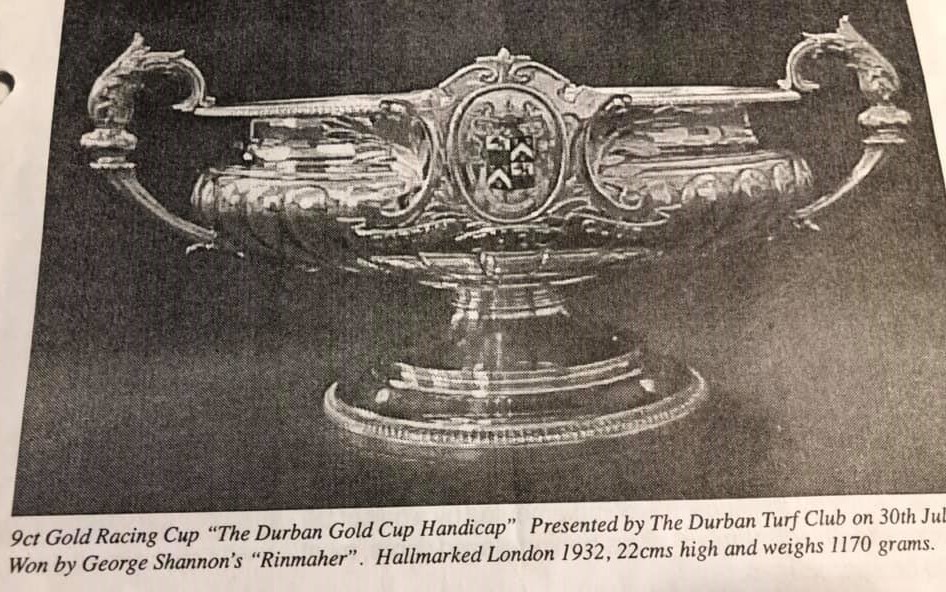
Harrismith’s winner was the horse Rinmaher (pronounced ‘Rinmahar’) owned by the George Shannons of Kindrochart. What year? Probably 1932 or 1934?
Mom and Dad both tell the story of raucous parties on the Shannon farm where at a suitably ‘sensible’ stage the Gold Cup would be taken off the mantelpiece, filled with champagne or whatever hooch was going, and passed around to the ritual comments from the more sober of “Here we go! We’re drinking moths and mosquitoes again!” At least it had lovely handles to give an imbiber a good grip!
– Jack Shannon on his Shetland pony ‘Suzanne’ on Kindrochart – with Peter Bell –
~~~oo0oo~~~
Later: Sheila rousted Colleen Walker, granddaughter of George Shannon, who straightened me out on some Gold Cup details. She even had an earlier pic of Jack and Suzanne the Shetland. More questions: Is that Kindrochart? Is that George?
~~~oo0oo~~~
May 2020 – Mom sent a message that I must phone her! She wants to tell me the full story of the brothers Shannon. Phone Me Soon does not mean that her cellphone will be on, or charged, or answered; so it was a full two days later I got hold of her;
And away they go! She took a deep breath and set off:
Jim and George Shannon left Ireland on a ship bound for South Africa. Somewhere on the journey they had a fight and fell out; They never spoke to each other again!
They reached Harrismith where they both became ‘rough riders’ – breaking in horses for the British army – I guess also for anyone else who wanted horses broken in and/or trained? Somehow and sometime, they both ended up as farmers, George on Kindrochart and Jim on Glen Gariff.
George married Mrs Belle Stephens who came complete with two daughters Betty and Bobby. Then they had a son Jack – some called him Jock – who also featured in our lives as a friendly, lean, handsome, side-burned, smiling, pipe-smoking, pickup-driving, genial figure in khaki. We loved Uncle Jack! He married Joan from Joburg – Mom Mary and her older sister Pat went to the wedding. Later Bobby married a mine manager and some people thought that was very important. Betty never married, stayed on Kindrochart, worked in town and became a beloved young-in-spirit ‘auntie’ of ours, always a smile and always a tease and some fun. We called her Betty Brooks.
Meantime Jim on Glengariff married Amy, and they had three kids, one of whom they named George, despite the feud ongoing! Maybe there was a prior ancestor George? Other kids were Marshal (died young, not sure what of) and Sylvia. George married Betty McGore and they had sons Jim and Patrick who we knew in Harrismith in the sixties. Handsome lads, Patrick maybe too handsome for his own good!
– Jack and Joan years later –
When the second of the original Jim and George died (I think it was Jim), Jack contacted young George, son of Jim, and said ‘We’re having a party. You and Betty should be there.’ And so a reconciliation took place and they normalised family relations. Up until then, their mothers Belle and Amy had been forbidden to talk to each other! She remembers that after a good few drinks and a meal and another good few drinks, the Gold Cup was taken down off the Kindrochart mantelpiece, filled with wine and passed around! George offered his wife Betty first sip and after a gulp she exclaimed ‘George! It’s full of moths and mosquitoes!’
~~~oo0oo~~~
No doubt there’ll be other versions of this tale – and much more detail. But this is how 91yr-old Mother Mary fondly remembers the story of these good friends from days of yore.
~~~oo0oo~~~
Elizabeth de Kock spotted this post and wrote:
This was so interesting for me to read. My grandfather, William Stocks, was a neighbouring farmer. We spent many holidays on their farm called Lust. We visited Aunty Betty often and enjoyed sitting on the big swing overlooking the dam. She gave us the use of a little grey pony (very naughty) to ride during our holidays. As children we got our blankets from her shop in Harrismith. The shop was an experience in itself. I’m 69 years old now and still have very fond memories of Aunty Betty.
I replied: Hi Liz – Thanks so much for commenting! Lovely memories! Betty was a lovely lady.
I’ll ask my mother Mary Bland Swanepoel (93) what she remembers about the Stocks family. I know I have heard her talk about the Stocks but can’t remember any detail.
Kind regards – BTW, I’m 66, my sister Barbara will 69 in January – maybe you remember her?
I phoned my Mom Mary Bland. She was tickled pink to reminisce about her friend! Here’s her tale:
She nursed with Margaret Stocks at the Harrismith hospital and they were great friends. She says Margaret wasfive years older and much bolder and naughtier than she was!
She once visited her on their farm at Lust. Margaret’s brother was there. Later, that brother was killed in a plane accident in the airforce. His plane wing clipped a sand dune. When she heard about it, Mary phoned Margaret to say, If you like, you can join me to mourn your brother. Margaret said, No thanks, we may as well stay here on the farm and be miserable together.
Margaret married John Reed, a farmer. A few years later, Mary took her two year old daughter Barbara and visited Margaret on the Reed’s farm near Belfast in the Transvaal. (I wasn’t born yet, so this was probably early 1955). One day he was lying in the bath and Barbara wanted to go and see him. Margaret said ‘No my girl, you’ll have to wait another twenty years for that!’ Once in Harrismith, Margaret called out the houseman on duty for her patient. When he didn’t arrive, she sent her junior nurse (who she called ‘Ginger Biscuit’) to call him. The nurse found the houseman in bed with the matron. He had to leave town.
Those were Mary’s memories of Margaret Stocks!
Liz Kibblewhite wrote again:
I was brought up on a gold mine just outside Krugersdorp and went to Lust during school holidays. If I remember correctly, Jury Swart was a neighbouring farmer to my grandfather William Stocks.
The last time I saw Aunty Betty was in 1975 with my future husband, spending the night with her reminiscing. We were on our way to Durban and I wanted to show him the beautiful Orange Free State Drakensberg and particularly Kerkenberg and the old farm before we returned to the UK.
Margaret had a twin sister Edna. My mother Joan was their younger sister.
I have been living in England for 46 years now and am proud to have passed a bit of my South African even to my grand children who live in France – they love bobotie and say muti for medicine.
There was David, Margaret and Edna, Joan (my mother), and Neil. Margaret and John (Umpie) lived in Pretoria after he left farming. Margaret died about 8/9 years ago and John before that.
Mary isn’t getting mixed up: Neil flew in Italy during WW2 and was decorated. DFC. The squadron was called 13th Hellenic Squadron. He also flew in Korea and after that a test pilot in SA.
I always wondered how his crash happened.
He was buried on the farm.
~~oo0oo~~
Ah, that’s lovely that you visited Betty before leaving South Africa!
I said to Mary: Margaret had a twin. “Edna” she said immediately. And she had a younger sister. she thought a while . . “Joan” “Their brother was Neil” she said. “He was younger than the twins.” Mary says, “When I first started dating, Margaret – never slow with her opinions! – huffed: “These people that just say yes to the first person that comes along!” Well, this time Margaret was mistaken, as Mary married her date, and seventy years later they’re still married.
Greg Seibert arrived in Harrismith from Ohio in 1972 as a Rotary exchange student.
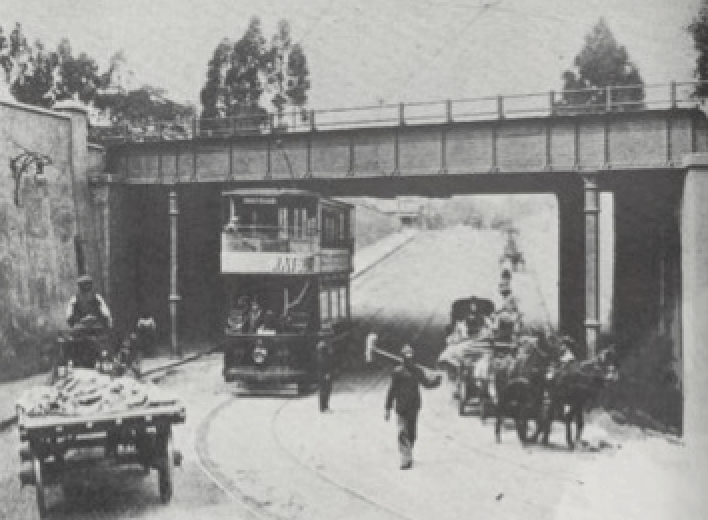
In 2014 he was sending sister Sheila some of his pictures from those wayback days. He wrote: Here is one I’m sure you will like. It is one of the very first pics that I took in Harrismith, probably the day after I got there. You or Koos took me down to the field hockey field. I remember people saying it was by the subway. Boy was I impressed! The only subways that I knew were the underground trains in London and New York! Imagine little Harrismith being so advanced as to having one of those!
The feature pic and this pic are not the Harrismth subway, but do give an idea of what it looks like. I’m looking for some actual pics of our illustrious subway.
Today Mother Mary took a break from playing the piano. She suddenly remembered a time Mona du Plessis came to her some time after a ‘do’ at the town hall. These fifty year old memories come and go, so she must tell them as she thinks of them.
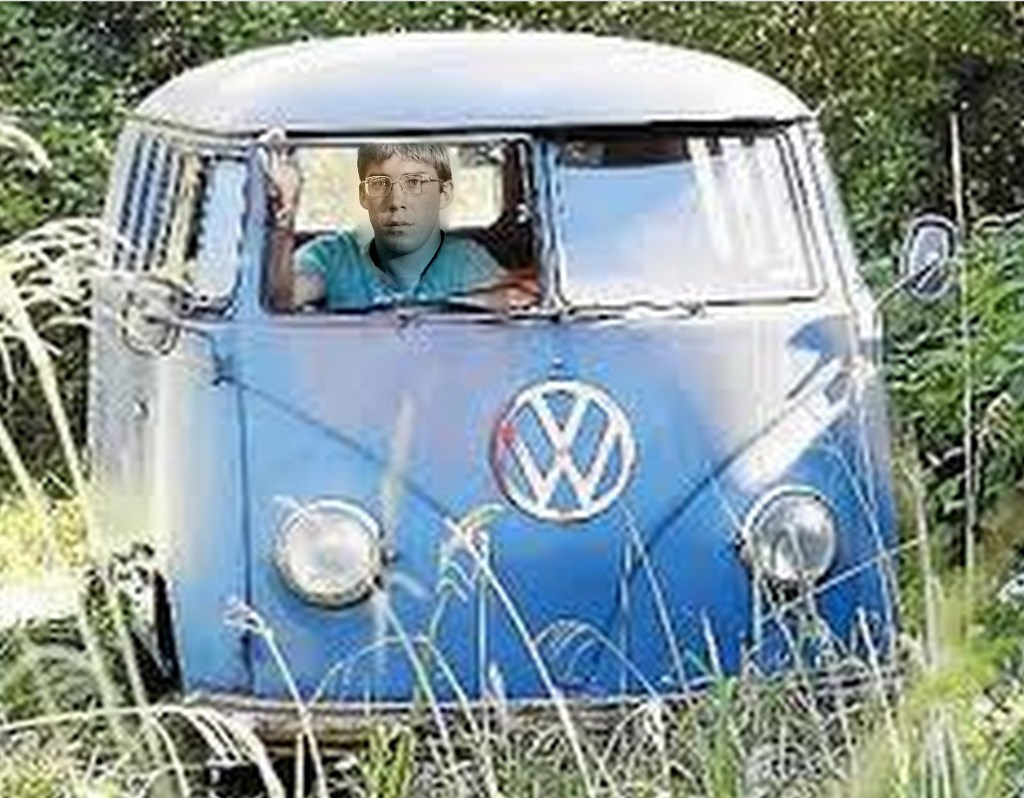
Mona said to me – says Mary – “Jinne Mary, while we were at the town hall, Kosie took the kombi, loaded up the de Villiers kids and drove to Joan and Jannie’s where our kids were. Then they all got in – Mignon, Jean-Prieur, Sheila, everybody, and they drove up and down Hector Street!”
Of course, I remember doing stuff like this – I loved “borrowing” the kombi – but I don’t really recall that specific escapade. The expedition accomplices would have included these, so here’s a possible montage of what a ‘stolen’ kombi in Hector Street might have looked like:
Mona would actually have been quite pleased at the ‘naughtiness’ of the kinders, I bet. Mary would have been worried about our safety. Joan would have shaken her head. Bonner too. We would all have said much the same: ‘Ag don’t worry, Ma!’
Back in 1963 we joined the du Plessis on a one-week beach and fishing holiday on the Natal north coast – Chaka’s Rock! They were beach regulars, this was one of our two beach holidays that I can remember. (flash: there were three!). Louis Brocket wrote in to remind us that, as Lynn’s boyfriend, he was also there for his first “vakansie-by-die-see“.
Sheila writes: “Found a postcard which Mary Methodist sent to her Mom Annie Bland (1½ cent stamp – remember the brown Afrikaner bull?). Mary wrote ‘We’re enjoying the swimming immensely. Coughs no worse in spite of it. We’re sleeping well and eating very well. The coast is beautiful. This is a picture of the pool where we swim.’ I think the three little Swanies all had whooping cough. Must have been fun for the du Plessis family who shared our holiday!”
It was amazing! The cottage on a hill above the beach, the rocks and seaside cliffs, narrow walkways along the cliffs that the waves would drench at high tide; magic swimming pools set in the rocks. The men were there to fish:
We baljaar’d on the beach and sometimes even ventured into the shallows – just up to safe vrystaat depth. A swimmer I was not, and I still vividly remember a near-death experience I had in the rock pool: a near-metre-high wave knocked me out of Mom’s arms and I was washed away out of her safe grasp! I must have been torn away by up to half a metre from her outstretched hands; little asthmatic me on my own in the vast Indian Ocean for what must have been a long one and a half seconds, four long metres away from dry land! Traumatised. To this day I am wary of the big-dam-that-you-can’t-see-the-other-side-of, and when I have to navigate across any stretches of salty water I use a minimum of a Boeing 707, but preferably a 747.
Well, after all! This was the most threatening Free State water I was used to braving before I met the Indian Ocean: Oh, and also the horse trough.
– and even then I’d lift my broek just in case –
The view from the cottage looking down the asthmatic flight of stairs:
In this next 8mm cine footage, you can see the violent waves inside the rock pools that threatened my frail existence:
vakansie by die see – beach or seaside holiday for naive inland creatures
baljaar – frolic
safe vrystaat depth – about ankle deep; not adult ankle. My ankle
postscript: I tried to keep up the luxury cottage theme but Barbara talked about the big spiders on the walls and yesterday even Dad, who was talking about Joe Geyser, mentioned ‘that ramshackle cottage we stayed in at Chaka’s Rock.’
Dad was saying Joe hardly ever caught a fish. He would be so busy with his pipe, relighting it, refilling it, winding the reel with one hand while fiddling with his pipe with the other. My theory is the fish could smell the tobacco and turned their nose up at his bait. Dad reckons tobacco was never a health hazard to old Joe. Although he was never without his pipe, it was mainly preparation and cleaning, and the amount of actual puffing he did was minimal.
Once he caught a wahoo and brought it back to Harrismith. Griet took one look at it as he walked into her kitchen and bade him sally forth. Some wives had agency. So Joe brought it to Dad and they cut it up and cooked it in our kitchen.
~~oo0oo~~
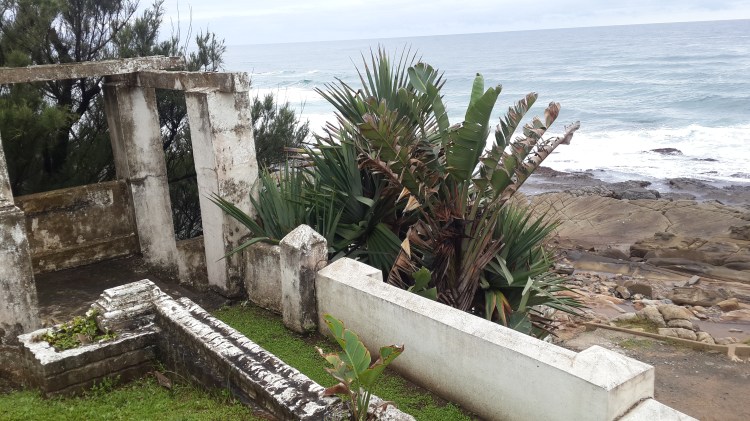
I went back in 2016 and the beach and rocks and the pools still look familiar.
But don’t look back! The green hillslopes have been concreted. When we humans see beautiful sub-tropical coastal forest we say, ‘Stunning! Let’s pour concrete on it!’
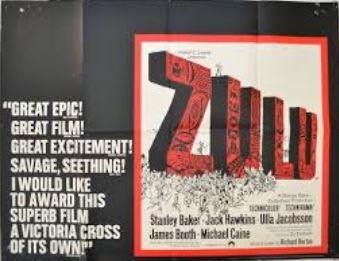
The film ZULU starring Stanley Baker, Michael Caine and Jack Hawkins was one of the biggest box-office hits of all time in England. It ‘premiered’ in 1964 and for the next twelve years it remained in constant cinema circulation before making its first appearance on television. It has since become a Bank holiday television perennial, and remains beloved by the British public. Some pommies watch it every Christmas, year after year. You know, Tell me lies, Tell me sweet little lie-ies.
The film premiered on 22 January 1964, 85 years to the day after the 1879 event it commemorates – the snotklap of Isandlwana (ignored) and the defence of Rorke’s Drift (faked into a glorious victory).
Very few people know though, that it had its REAL, ACTUAL WORLD PREMIERE in our lounge at 95 Stuart Street, Harrismith, Vrystaat in late 1963.Count yourself as one of a very tiny privileged minority who’s “in the know”!
True! If an amateur snippet can count as a premiere. Say it can!
Here’s what happened:
Back in late 1963 my old man showed us a movie he and Mom had filmed with his state-of-the-art 8mm cine Eumig camera.
Whirr whirrr whirr – those of you who watched them will remember the noise of the projector. Also maybe Thuk! Oh shit! Eina! as the film broke and had to be re-threaded in the projector and a finger touched its super-hot bulb. .
Super 8 Sound Projector Eumig Mark S810
..
He and Mom had been to Royal Natal National Park about 50 miles from Harrismith down Oliviershoek Pass to film the filming of the film ZULU.
What I remember seeing in our film was a lot of standing around, some dust and a lot of be-feathered (dead ostriches) and be-leathered (dead leopards) Zulu warriors charging at some umLungus in funny red coats, falling down in a cloud of dust and then getting up laughing, walking back and doing it all over again. And again, And a building burning.
Mom remembers being asked to stop filming, and then once the knobs saw it was just a tiny 8mm camera, being asked to stay politely out of the way. They continued filming the filming.
~~oo0oo~~
snotklap – defeat, but humiliating, embarrassing, obvious, best not spoken of; usually hugely altered in the telling (y’know, ‘there were millions of them and the two of us only had pea-shooters’)
umlungus – pale people; forked tongues
~~oo0oo~~
Thanks to the huge success of the film – which was longer than the seven or so minutes we saw in our lounge – the Battle of Rorke’s Drift has entered British folklore. Of course its main success was due to its ignoring the massive same-day British defeat at Isandlwana and portraying the defence of a hospital as a massive victory, and not mentioning the war crimes that the Poms committed.
New Film about The Film (maybe . . )
Now a New Film is being shot this year (2019/2020) by Henry Coleman which might just include some of the ole man’s 8mm footage! See all about that here.
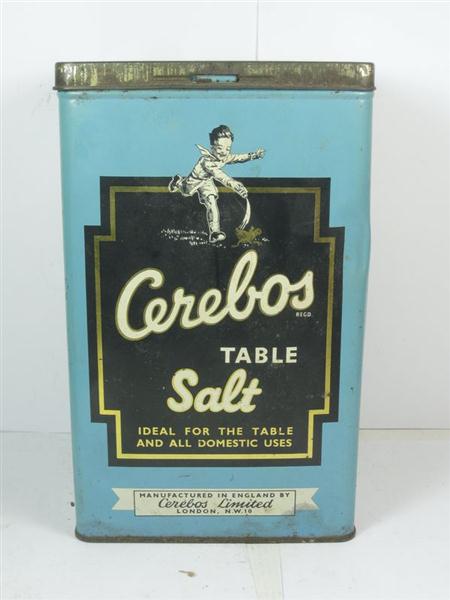
Remember always, though, to take the British ‘jingo’ version of the battle with a very large pinch of cerebos salt.
~~oo0oo~~
The background story of the film Zulu, 54 years on
Firstly, a bit of the Real History. The lesson here is always to be skeptical of ‘official’ histories.
On 22 January 1879, at a remote mission station in Natal, South Africa, 157 men, mainly British soldiers (the number is usually downplayed, sometimes “under 100”) held off wave after wave of attacks by “some 3,000 to 4,000 Zulu warriors” (the number is certainly exaggerated – your son’s rugby opposition was always MUCH bigger than your boys, right?). Remember who wrote about the battle – jingoist reporters for jingoist newspapers in a little country that thought it was a mighty empire. A defeat couldn’t be tolerated. The toffs had to be placated, not least the Queen who had a medal named after her.
Although the Zulus had some old-fashioned muskets and a few modern rifles, most of their warriors were only armed with spears, with hide shields for protection. The Battle of Rorke’s Drift lasted 10 hours (often stated as ‘over 12’), from late afternoon till just before dawn the following morning. By the end of the fighting, around 365 men lay dead. Fifteen (or maybe seventeen) British inside the barricaded buildings they had defended, and around 350 Zulu soldiers outside them. Plus many wounded Zulu men, most of whom were murdered after the battle!
The defences are almost always characterised as ‘biscuit boxes and bags’ and paintings show the British defenders hugely exposed and vulnerable. A photo taken soon after the battle looks very different to those descriptions and paintings. I haven’t seen a painting showing soldiers firing through holes in a stone wall. Is there one?
– Rorke’s Drift battle site soon after –
Historically the battle was a minor incident, which had little influence on the course of the Anglo-Zulu War. It might have – should have – remained a footnote in the history books or an anecdote told at regimental dinners had it not been for:
1. The fact that there had been a truly epic defeatat Isandlwana earlier the same day. This defence of a hospital half-heartedly attacked by men ignoring their leaders order to go home after Isandlwana, needed to be a cover-up; Needed to be hailed as a victory – and then an epic victory. In truth it was actually simply a non-defeat. It bears repeating: The mighty British army was EPICALLY DEFEATED by the Zulu army earlier that day and the British press did NOT like having to admit that. Refused to admit that. Possibly to reinforce the cover-up, the bloke in charge – LORD Chelmsford – wasn’t blamed. Was he even reprimanded for his epic mismanagement and lack of leadership?
2. The crazy number of Victoria Crosses and other awards that were dished out for this ordinary defensive battle – mainly as propaganda figleaves because of the prior resounding defeat earlier that day. Not all those possibly deserving some recognition got VC’s; and some who definitely should not have, did get VC’s. In fact the truth of the battle was far more sordid than the glorious accounts a desperate British government and press wanted to portray. This made-up story and image of valour and nobility in the Anglo-Zulu war of 1879 turned to shame when documents were uncovered which show that Rorke’s Drift was the scene of an atrocity – a war crime, in today’s language – which Britain covered up. In the hours after the battle senior officers and enlisted men of a force sent to relieve the garrison killed hundreds of wounded Zulu prisoners. Some were bayoneted, some hanged and others buried alive in mass graves. More Zulus are estimated to have died in this criminal slaughter than in true combat, but the executions were hushed up to preserve Rorke’s Drift’s image as a bloody but clean fight between two forces which saluted each other’s courage. The Zulu salute in the film was FAKE. Made-up. Never happened. A blatant lie.
3. And then, and especially, this battle became super-famous because many years later a film – ZULU – depicted the defence as a heroic victory. It wrote a story dramatically depicting British heroism, including nothing of the massive defeat earlier the same day, and none of the war crimes committed the next day. It dramatised a new story and has kept it in the public mind ever since. This film of falsities elevated a fake narrative and burnt the lies into the memories of a nation.
~~oo0oo~~
A better depiction of why Rorkes Drift was exaggerated is told here:
Oops, BBC won’t embed the video but you can find it. Also look for better, more honest accounts on history sites. You may have to search. Myths can get embedded. If what you’re reading says ‘Glorious’ keep looking.
~~~oo0oo~~~
The Film:
The story behind the film’s making. Most of this account taken from talks by Sheldon Hall, Sr Lecturer, Stage and Screen Studies Sheffield Hallam University.
The filmmakers
The principal artists responsible for Zulu were hardly Establishment figures. Screenwriter John Prebble was a former Communist Party member who had volunteered to fight in the Spanish Civil War. His co-writer, the American director Cy Endfield, had fled Hollywood in the early 1950s after he was named as a Communist during the McCarthyite witch-hunts. Endfield’s production partner and the film’s main star was Stanley Baker, a life-long supporter of the Labour Party.
All three were committed to progressive causes, but their motives in making Zulu were not political. It is not an anti-imperial diatribe any more than it is a celebration of colonial conquest. Its main purpose was frankly commercial, but Baker also saw the story as a chance to pay tribute to his Welsh homeland. This certainly explains the strong emphasis on the Welshness of the private soldiers – one of the many fictionalised elements of Zulu that have created a myth around the battle.
Filming under Apartheid
Update hot off the press: More drama in 2025! A sort of “cease and desist” letter in my comments from Stanley Baker’s eldest son! See below . .
The producers had to keep their political views in check when they made the decision to shoot the film in South Africa, then in the grip of Apartheid. There were strict, legally enforced guidelines regarding the degree of freedom permitted to the cast and crew. It was impressed upon the 60-odd British visitors that sexual relations with people of other races would result in possible imprisonment, deportation or worse. Warned that miscegenation was a flogging offence, Baker is reported to have asked – in glorious Pom tradition – if he could have the lashes while ‘doing it’. The authorities were not amused.
The main filming location was at the foot of the spectacular Drakensberg Mountains in the Royal Natal National Park, a popular tourist spot distant from any large township. But a number of incidents brought home the realities of the oppressive regime. Chatting to John Marcus, one of several professional black stuntmen employed on the film, assistant editor Jennifer Bates invited him for a drink in the bar/canteen that had been built on site for the crew. Marcus pointed out that he was forbidden by law to mix socially with whites and could not enter.
In his autobiography, Michael Caine recalls an incident in which a black labourer was reprimanded by an Afrikaans foreman with a punch in the face. Baker sacked the foreman on the spot and made clear that such behaviour would not be tolerated. Caine swore never to make another film in South Africa while Apartheid was in force, and kept to his word.
Introducing Michael Caine
Keeping watch over the tightly budgeted film was production supervisor Colin Lesslie. “I am very glad to be able to tell you,” he wrote at one point to the Embassy Pictures’ chief in London, “that in my opinion and from the little he has done so far, Michael Caine as ‘Bromhead’ is very good indeed. When he was cast for the part I couldn’t see it but I think (and hope) I was wrong.” This must have been a common reaction.
Not quite an unknown, the 30-year-old Caine was already making a name for himself on television but was becoming type-cast in working-class Cockney parts. Casting him as a blue-blooded officer in his first major film role represented a considerable risk, but it was one that paid off.
Thousands of ’em?
The soldiers were played by real soldiers – eighty national servicemen borrowed from the South African National Defence Force. And most of the Zulus were real Zulus. A mere 240 Zulu extras were employed for the battle scenes, bussed in from their tribal homes over a hundred miles away. Around 1,000 additional tribesmen were filmed by the second unit in Zululand, but most of these scenes hit the cutting-room floor.
Living in remote rural areas, few if any Zulus had visited a cinema and television would not reach Natal until thirteen years later. The crew rigged up a projector and outdoor screen, and the Zulus’ first sight of a motion picture was a Western. From then on, the “warriors” had a better idea of what they were being asked to do. Responsible for training and rehearsing them were stunt arrangers John Sullivan and Joe Powell. “The Zulus were initially suspicious of us in case we were taking the mickey,” says Powell, now 91. “After a couple of days they realised we weren’t and got into it. After that you couldn’t hold them back.”
Contrary to stories, the Zulus were not paid with gifts of cattle or wristwatches but received wages in Rand. The main corps was paid the equivalent of nine shillings per day each, additional extras eight shillings, and the female dancers slightly less again. Associate producer Basil Keys remarked: “There is no equality of pay for women in the Zulu nation!”
Buthelezi’s tribute
For the opening sequence depicting a mass Zulu wedding, 600 additional background artists were brought in, including nightclub performers from Johannesburg, to play the principal dancers. During breaks in filming, they twisted and jived to modern pop records played over Tannoys, with director Cy Endfield among the crew members joining them.
The small but key role of King Cetshwayo was given to his direct descendant, the present-day Prince Mangosuthu Buthelezi. The wedding dance was choreographed by Buthelezi’s mother, a tribal historian, and supervised by stuntman Simon Sabela, who later became South Africa’s first black film director.
History and politics
Like all films, Zulu is of its time and captures the mood of its time more profoundly than is often realised. A conservative view would see it as a hymn to gung-ho heroism, to flag-waving patriotism and the glory days of the British Empire. In fact, by 1964 the sun was already setting on the empire and undoubtedly Zulu stirred a lot of nostalgia for it. For some, that explains its appeal.
But look again. The knowledge that colonialism was in its dying fall is there in the film. The script is filled with a sense that the soldiers are in a place they don’t belong and don’t want to be. The indigenous people are not disorganised savages but a disciplined army. And the young lieutenant, played by Caine, who had earlier dismissed the enemy as “fuzzies” and the levies on his own side as “cowardly blacks”, now declares himself ashamed at the “butcher’s yard” he has brought about.
A modern awareness of racial representation means that Zulu has undoubtedly “dated”. If the film were to be remade today, as internet rumours continually suggest, it would certainly be done differently. But the absence of individuated black characters doesn’t make it racist. Though told from the British point of view, it shows that viewpoint change from dismissive contempt and naked fear to respect and even admiration. The famous (and entirely fictional) salute the departing Zulu army pays to the garrison survivors is returned with their – and our – gaze of awe and wonder.
Adapted from an article in Cinema Retro No 28 (c) Sheldon Hall 2014
Sheldon Hall is a Senior Lecturer in Stage and Screen Studies at Sheffield Hallam University. See an expanded second edition of his book ‘Zulu: With Some Guts Behind It – The Making of the Epic Movie’ – Tomahawk Press.
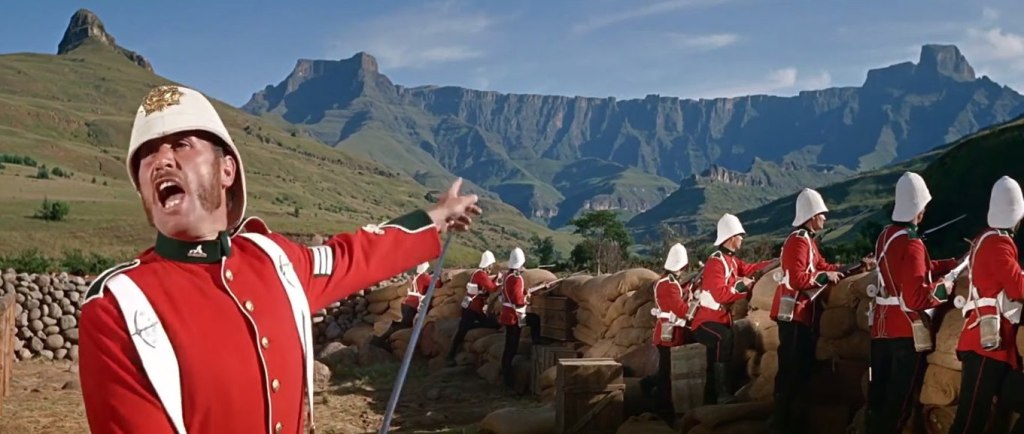
Cy Endfield’s epic military marathon about the Battle of Rorke’s Drift was actually shot 90 miles south-west of Rorke’s Drift in the Royal Natal National Park in the KwaZulu Natal province of South Africa. It had the far more mountainous and picturesque Drakensberg Amphitheatre as backdrop, rather than the low hills like the Oscarberg at the real site of the battle.
Below see the movie backdrop, the Drakensberg Amphitheatre (left) – and the real backdrop, the Oscarberg (right):
2.Many of the Zulu extras had never seen a motion picture
Many of the Zulus who were hired as extras for the film had never seen a motion picture prior to filming and were unsure what to expect. With this in mind, director Cy Endfield and Stanley Baker, who played Lieutenant John Chard, set up a projector in order for them to watch a western, starring Gene Autry. Then the Zulus probably said “Ah, so its all bulldust?” and acted accordingly.
3. The real Lieutenant Gonville Bromhead was extremely deaf…
Played expertly by Michael Caine, this snobbish character was described by Lieutenant Henry Curling, who fought alongside Bromhead at Rorke’s Drift, as “a stupid old fellow, as deaf as a post.” Major Francis Clery, who spent time with Bromhead after Rorke’s Drift, described him as “a capital fellow at everything except soldiering”, while his commanding officer said in private that Bromhead was “hopeless.” Still, political face-saving at the time saw Bromhead awarded the Victoria Cross.
4. Michael Caine initially auditioned for the role of Private Henry Hook
This was Michael Caine’s first major film role and, although he eventually put in an exceptional performance as Lieutenant Gonville Bromhead, he was crippled by nerves and beaten to the role he initially auditioned for, that of Private Henry Hook, by James Booth. Interestingly, Caine was also unable to ride a horse so a member of the filming crew took his place in the scene where he crosses the stream on horseback at the beginning of the film. This explains why the camera pans down on to the horse.
5. Private Henry Hook was badly portrayed in the film
In the film, Private Henry Hook (James Booth) is placed under arrest for insubordination. He is seen lounging around in the shade and trying to pilfer free booze as his comrades prepare for battle in the stifling heat. In reality, Private Hook was an exemplary soldier and teetotal, who was also awarded the Victoria Cross for his gallantry. Hook’s daughter walked out of the film’s premiere in disgust at this inaccurate portrayal.
6. Eleven British soldiers were given a Victoria Cross; Twelve had been nominated
Colour Sergeant Frank Bourne (played by Nigel Green in the film), requested a commission rather than the Victoria Cross. He was duly granted this wish and went on to become a Lieutenant Colonel. When he died in 1945, he was the last surviving British soldier from the battle.
7. Mangosuthu Buthelezi played his great grandfather Zulu King Cetshwayo kaMpande in the movie
Mangosuthu Buthelezi was the chieftain of the Buthelezi clan of the amaZulu when he played the role of Zulu King Cetshwayo kaMpande in 1964. Buthelezi went on to found the Inkatha Freedom Party and was the leader of the former KwaZulu bantustan. He has also held positions in the new, legitimate SA government and parliament. In fact, the Zulus “won back” the whole of the Zulu kingdom in South Africa’s first legitimate elections in 1994.
umLungus – paleface; speak with forked tongue; in Africa as well as America;
~~oo0oo~~
I’ll add a link to the 8mm movie footage the old man took on the film set in the ‘berg as soon as I can. A new movie about the making of the film is in the offing and we have offered this seven minutes of behind-the-scenes footage to Henry Coleman the film-maker. As we have undertaken not to use the footage till after his premiere, we have forfeited a chance to repeat our 1963 scoop!! Darn!
2025: I have finally added our 8mm home movie, as Coleman’s movie seems to be stuck, and Baker is mumbling.
And oops, it’s underwhelming!
– my folks’ amateur clip on-set of the filming of Zulu in 1963 –
~~oo0oo~~
2025 and no sign of Coleman’s movie yet. Recently I received a sort of “cease and desist” in this post’s comments from An Important Figure! See below:
~~oo0oo~~
Please be on notice that Henry Coleman no longer has the permission of the family of Stanley Baker to produce his proposed documentary Zulu and the Zulus nor to use the 16mm behind the scenes film print he holds, which is the property of Diamond Films.
~~oo0oo~~
Upon the downfall of his government the year after the great defeat at Isandlwana, and soon after the death of the Prince Imperial Louis-Napoleon, British Prime Minister Benjamin Disraeli asked In parliament – showing that he and his generals had not bothered to do their homework and learn about these African people – “Who are these Zulus? Who are these remarkable people who defeat our generals, convert our bishops and who on this day have put an end to a great dynasty?”.






























 Vrystaat Confessions