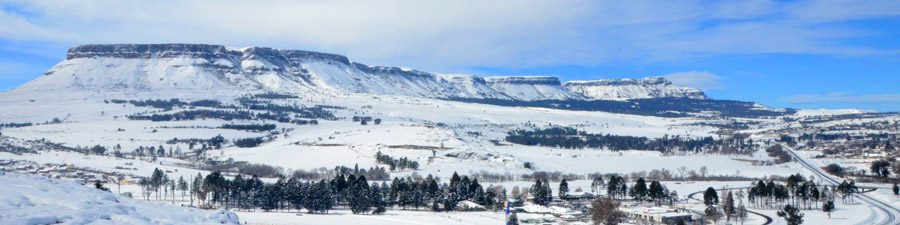
Tag: Platberg

  • Save Precarious Platberg!

    Save Precarious Platberg!

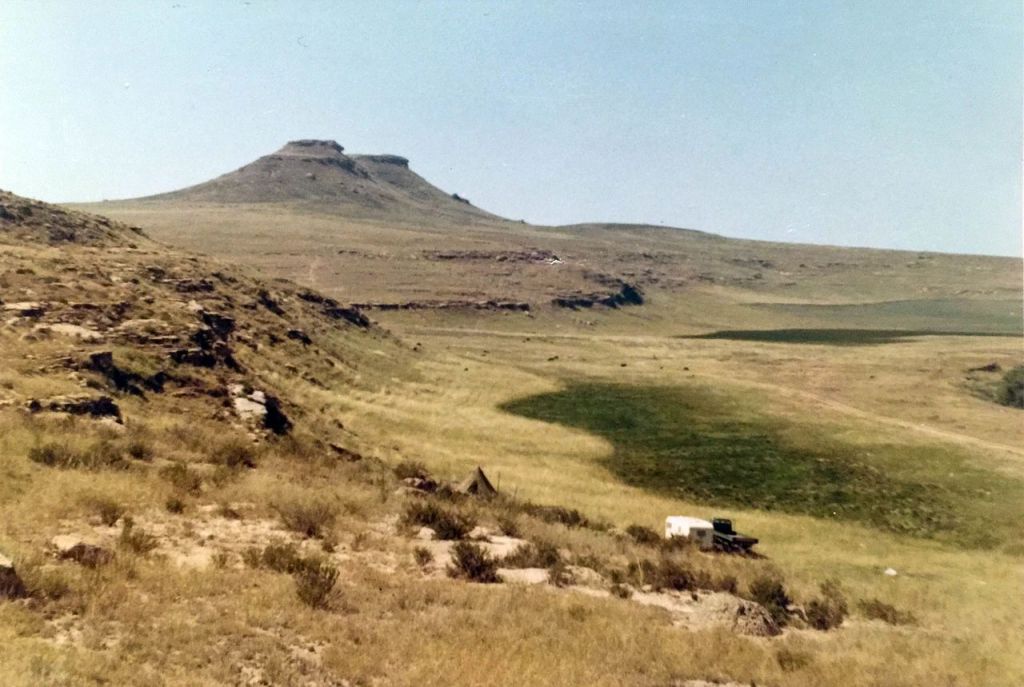
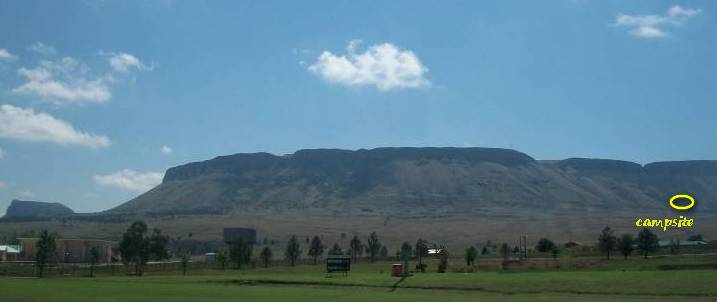
    Platberg, overlooking the town of Harrismith in the Free State, is an inselberg that presents a refuge for indigenous plants and animals. And its status is precarious.

    Platberg from Phutaditjaba side
    – Platberg behind Bakerskop in the foreground –

    ‘Little is known about the different taxa of Platberg and hence a detailed floristic and ecological survey was undertaken in 2009 by UNISA’s Robert F. Brand, Leslie R. Brown and Pieter J. du Preez to quantify threats to the native flora and to establish whether links exist with higher-altitude Afro-alpine flora occurring on the Drakensberg. Vegetation surveys provide information on the different plant communities and plant species present and form the basis of any management plan for a specific area. No extensive vegetation surveys had been undertaken on Platberg prior to this study; Only limited opportunistic floristic collections were done: Firstly, in the mid-1960s by Mrs. Jacobs. These vouchers were mounted and authenticated in 2006 and are now housed at the Geo Potts Herbarium, Botany Department, University of the Free State;

    Secondly, 50 relevés were sampled between 1975 and 1976 by Professor H.J.T. Venter, Department of Genetics and Plant Sciences, University of the Free State.

    Mucina & Rutherford 2006 say: ‘Platberg is the single largest and best preserved high-altitude grassland in the Free State. ‘

    – and I say in 2019: Look how tiny it is! You can hardly see Platberg on this map of all nearby high altitude places. Yet this is our single largest tiny piece of this grassland left!

    The authors plead: ‘As an important high-altitude grassland, it is imperative that Platberg be provided with protection legislated on at least a provincial level.’ At present, Platberg is still municipal, with very little protection! – In fact, I think they hire out the grazing for cattle – I hope not, as that really damages the veld and wetlands.

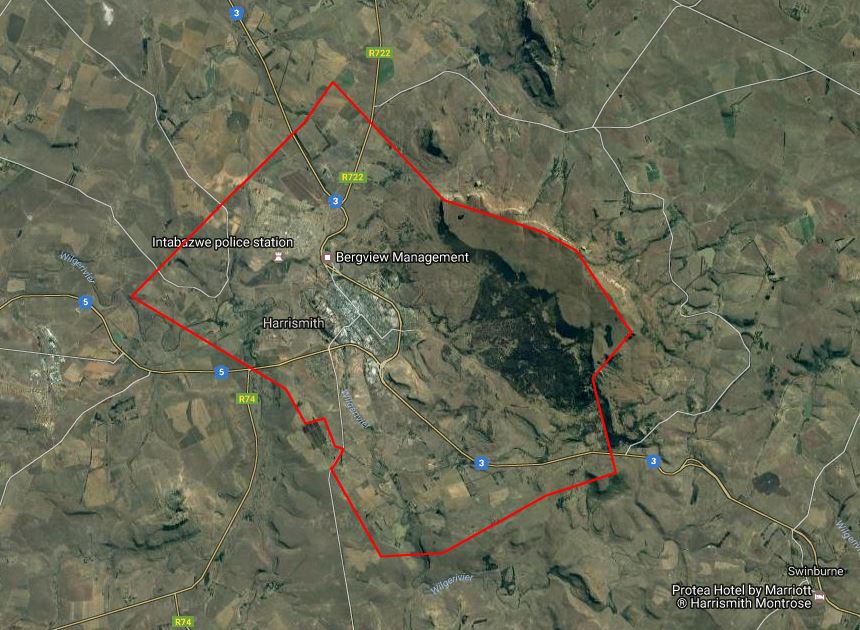
    – That tiny island above the ‘th’ in Harrismith = Platberg –
    Harrismith townlands
    – Harrismith townlands –

    More pics of Platberg.

    ~~~oo0oo~~~

    The UNISA study found 669 plant species in Platberg’s 30km2 area. To compare, Golden Gate Highlands park has 556 species in 48km2.

    Koedoe, African Protected Area Conservation and Science, is a peer-reviewed, open access journal published since 1958, which promotes protected area and biodiversity science and conservation in Africa.

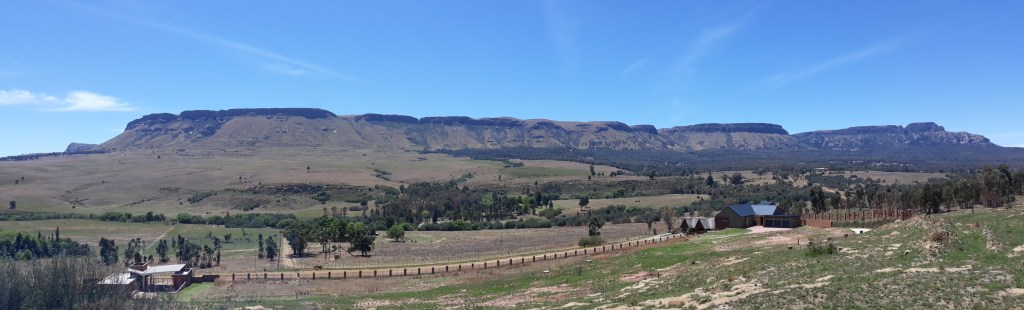
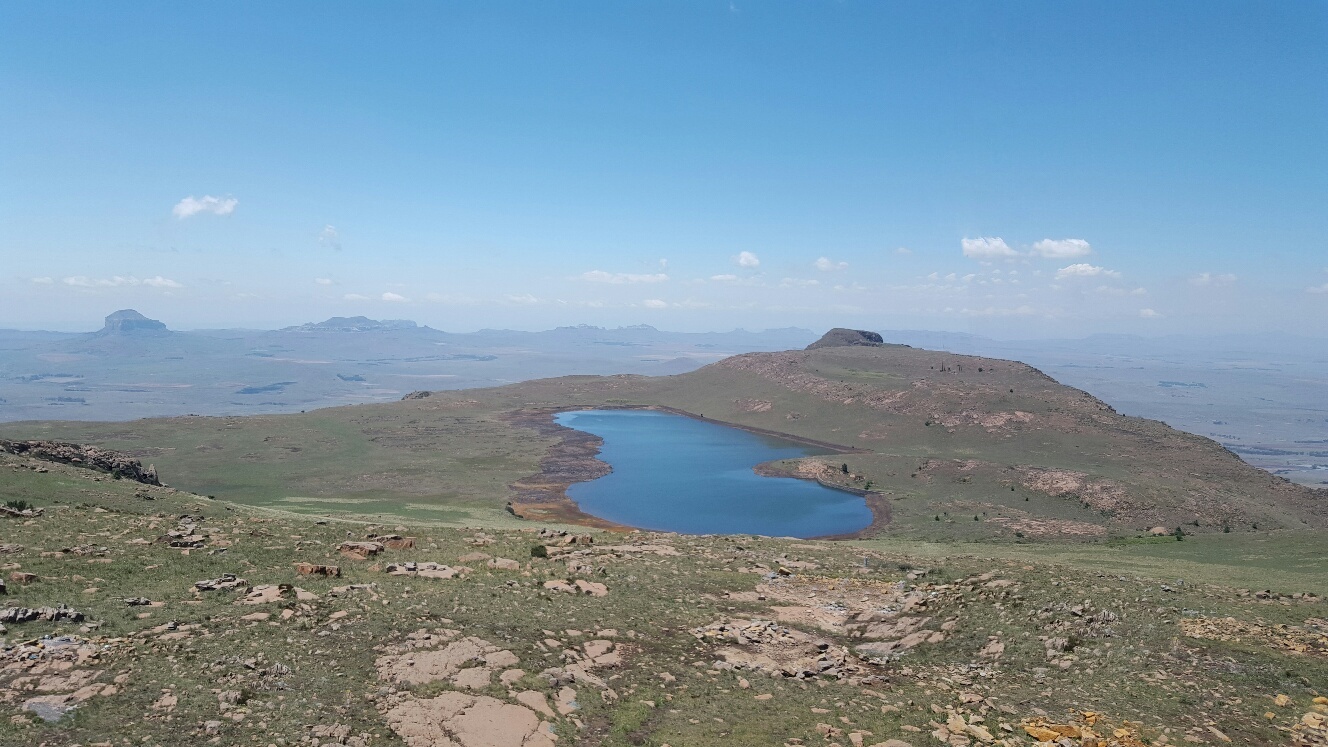
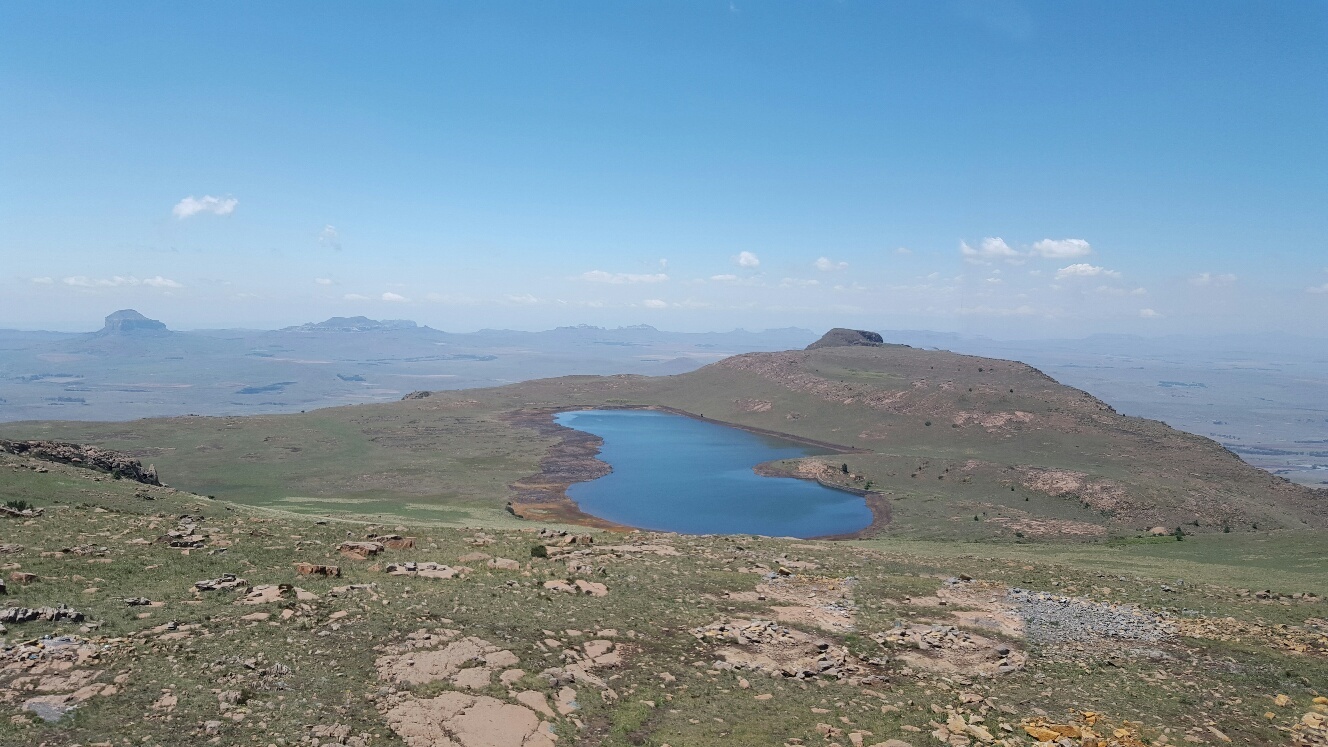
    Platberg’s altitude ranges from 1 900m to 2 394m ASL. The surface area covers approximately 3 000ha. The slopes are steep with numerous vegetated gullies and boulder scree slopes below vertical cliffs that are 20m to 45m high. Waterfalls cascade down the southern cliffs after rain. A permanent stream arising from the vleis around, and the vleis drowned by, Gibson Dam on the undulating plateau flows off the escarpment and cascades as a waterfall. From a distance, Platberg appears to have a distinct flat top. However, once on the summit the plateau is found to be undulating, with rolling grass-covered slopes. The vegetation of the plateau is dominated by grassland, with a few rocky ridges, sheet rock and rubble patches, as well as numerous seasonal wetlands and a permanent open playa (pan) – I’ve always called it a tarn – on its far western side. Woody patches of the genera Leucosidea, Buddleja, Kiggelaria, Polygala, Heteromorpha and Rhus shrubs, as well as the indigenous Mountain bamboo Thamnocalamus tessellatus, grow along the base of the cliffs. The shrubland vegetation is concentrated on the cool (town) side of Platberg, on sandstone of the Clarens Formation, in gullies, on scree slopes, mobile boulder beds, and on rocky ridges. Shrubs and trees also occur in a riparian habitat in the south-facing cleft, in which the only road ascends steeply to the summit up Flat Rock Pass. Platberg falls within the Grassland Biome, generally containing short to tall sour grasses. Platberg is a prominent isolated vegetation ‘island’ with affinities to the Drakensberg Grassland Bioregion, embedded in a lower lying matrix of Eastern Free State Sandy Grassland. Platberg also has elements of Fynbos, False Karoo and Succulent Karoo, as well as elements of Temperate and Transitional Forest, specifically Highland Sourveld veld types.
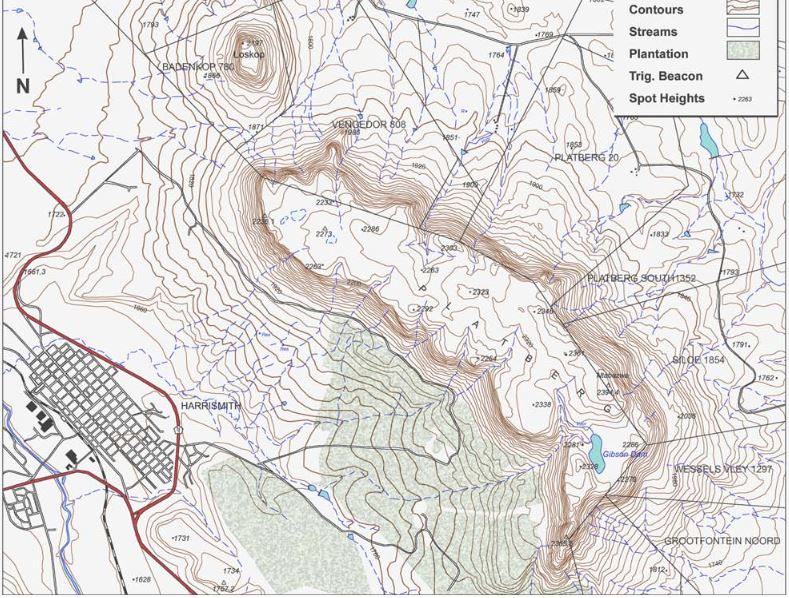
    – spot Platberg’s highest point, Ntabazwe 2394m ASL –
    Looking from highpoint Mtabazwe towards Boobejaanskop eastern tip

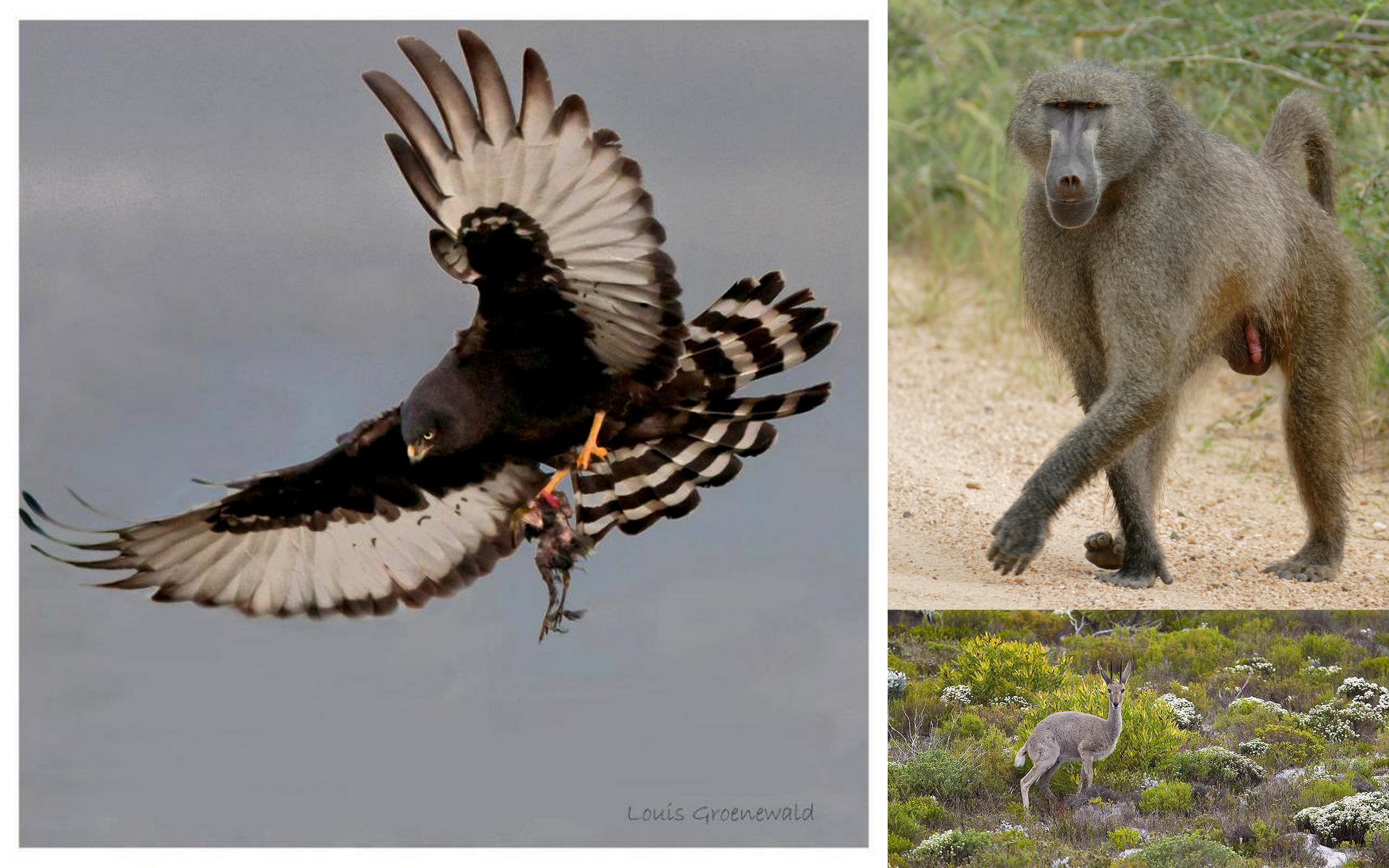
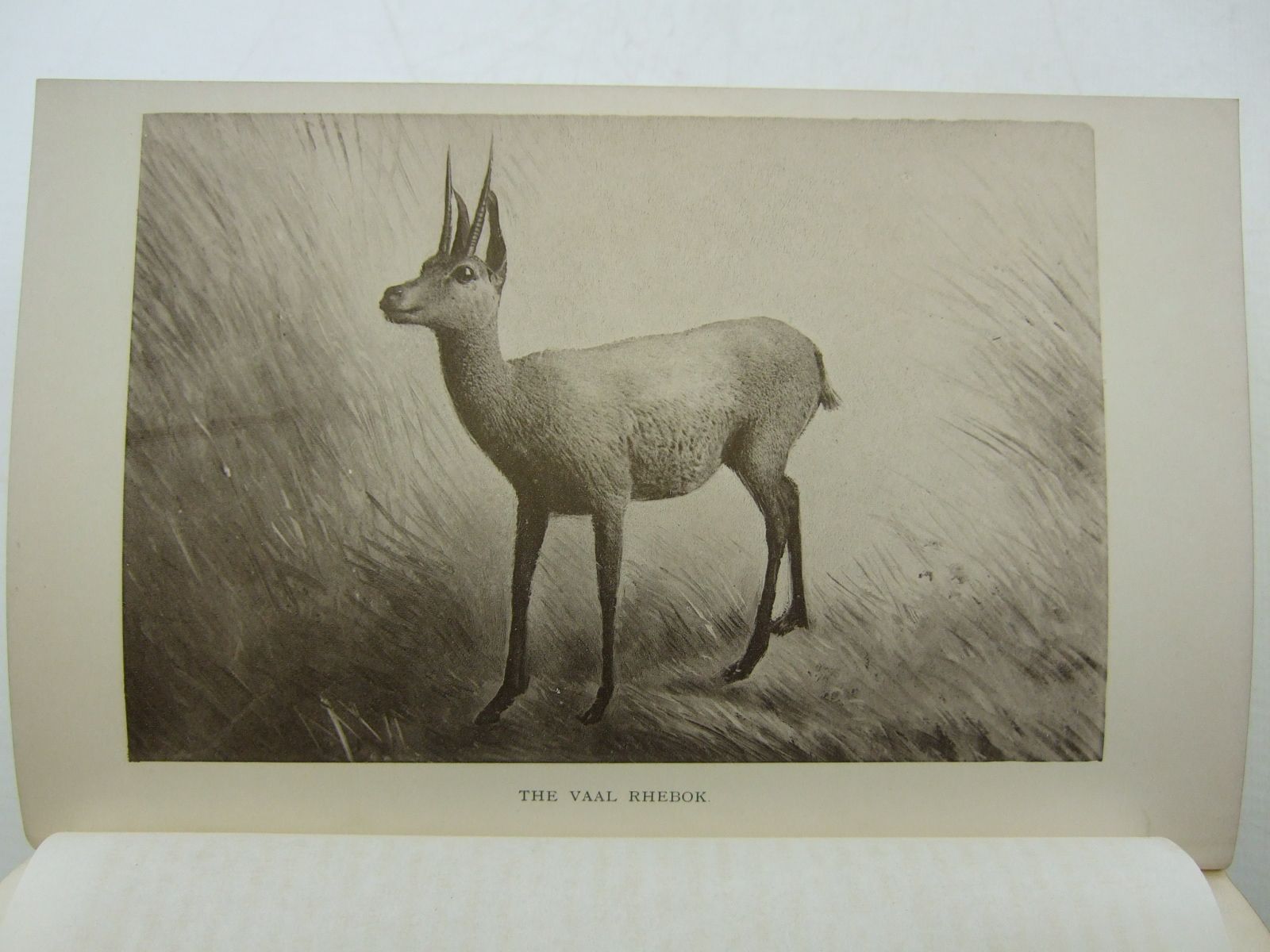
    I wonder if there are any grey rhebok left?
    Platberg specials
    – the road up Flat Rock (or Donkey) Pass –

    Mountain Passes South Africa says our Flat Rock or Donkey Pass is the sixth-highest above sea level, and the second-steepest pass in South Africa.

    See more of Platberg’s beauty in this amazing post. Damn! Sandra seems to have ended her beautiful blog! Pity!

    ~~~ooo0oo~~~

    inselberg – German for ‘island mountain,’ the word first appeared in English in 1913, apparently because German explorers thought isolated mountains rising from the plains of southern Africa looked like islands in the midst of the ocean. Geologically speaking, an inselberg is a hill of hard volcanic rock that has resisted wind and weather and remained strong and tall as the land around it eroded away. Wikipedia says in South Africa it could also be called a koppie but I think we’d klap anyone who called our Platberg mountain or inselberg a ‘koppie.’

    koppie – a smaller thing than Platberg; Just west of Platberg is Loskop; you can call that a koppie, maybe, if you call it a beautiful high koppie with an impressive cliff

    relevé – in population ecology, a plot that encloses the minimal area under a species-area curve; right

    tarn – tarn is a term derived from tjörn an Old Norse word meaning ‘pond.’ The term’s more specific use as a mountain lake comes from the upland regions of Northern England where tarn is the name given to all ponds. The term retains a broader use since it may refer to any pond or small lake regardless of where it is located or its origin. In the Scandinavian languages the terms tjørn, tärn, tjern, or tjärn are used to refer to small natural lakes that are found closely surrounded with vegetation. Other definitions say a tarn is a post-glacial pond, and Platberg’s is not that, I don’t think. I think it’s fine to keep calling ours the tarn on the western end of Platberg.

    ~~~oo0oo~~~

    Aside: Talking of special high altitude grasslands, who knew of the Korannaberg near the mighty metropolis of Excelsior of dominees-wat-meidenaai fame? It has 767 plant species in its 130km2! It sure looks like a must-visit place! 227 bird species too.

    dominees-wat-meidenaai – practicing what you preach against; the old Do as I Say, not as I Do BS that patriarchs try to enforce

  • Platberg’s Flat Rock Pass

    Platberg’s Flat Rock Pass

    The eastern-most pass up Harrismith’s Platberg is the fabled Donkey Pass. We called it Flat Rock Pass. Mountain Passes South Africa says it’s the sixth highest above sea level, and the second steepest pass in South Africa.

    The road traverses a nature reserve and you need a permit to drive up. The steep parts – with sections as steep as 1:3 – are concrete stripped to aid traction. 4X4 and low range is essential for a safe and – especially – non-destructive ascent.

    For those that do get to drive this amazing pass, you will be one of a select few to have done so.

    The fauna and flora are special – adapted to the high altitude – up to 2394m – that’s 7854 feet to those stuck in ancient Empirical measures! When the sun never used to set on old whatsername’s empire. Remember? Plant species, over 669; I know of these animals: grey rhebok; chacma baboon; dassie; there must be many more. I hope the rhebok are still there. They live a precarious existence on this little 3000ha ‘island’, with people, fires and cattle around and encroaching.

    On top you’ll find Gibson Dam, built by British soldiers soon after the Boer War. The donkeys that carried the building material up gave the pass its alternative name.

    Other passes on Platberg’s south side – the side facing the town – are Khyber Pass, ZigZag Pass and One Man’s Pass. They’re all footpaths only though.

    Hopefully Platberg’s custodians limit the number of vehicles they allow on top to keep the mountain top as undamaged as possible. Sensitive wetlands!

    Here’s the extent of Harrismith’s townlands. This means the rare grassland and wetland top of Platberg is unprotected and could be developed. We really need to up its conservation status:

    Harrismith Townlands

    See more of Platberg’s beauty in this amazing post.

    ~~~oo0oo~~~

    pics from dangerous roads and mountain passes of SA. Thanks!

  • Cosmos Niks

    Cosmos Niks

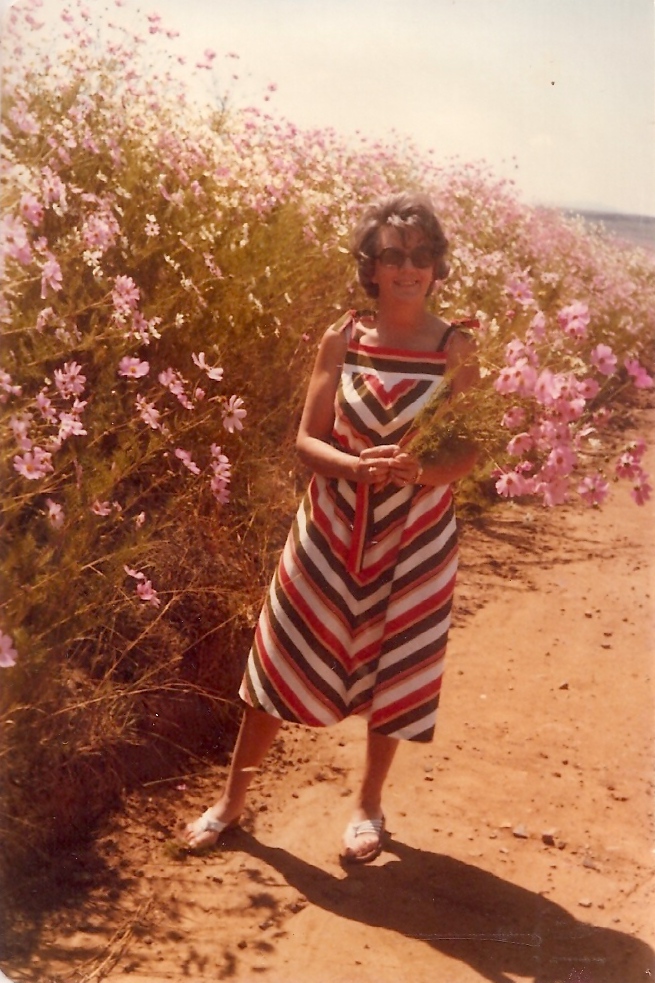
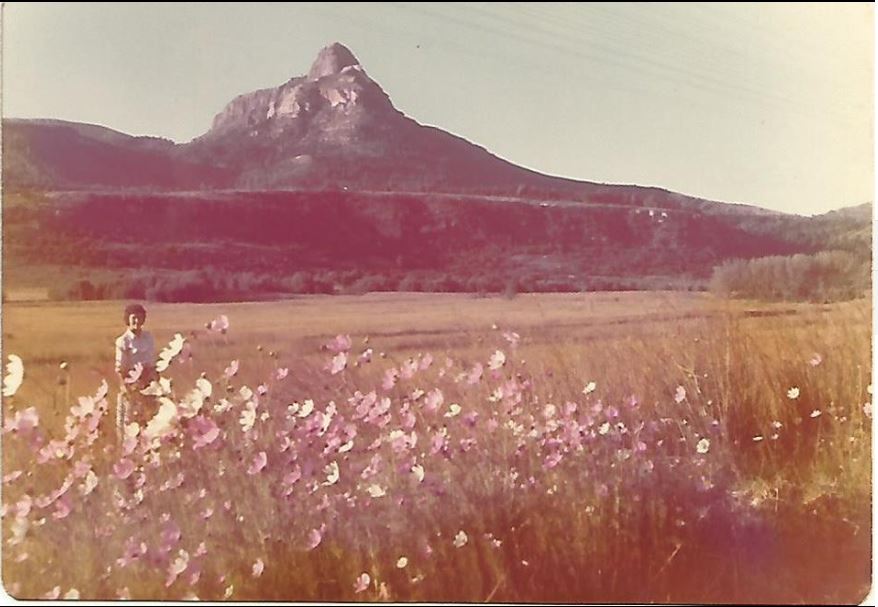
    Mom Mary in the cosmos outside Witsieshoek back ca. 1970:

    Mary Cosmos Witsieshoek2.jpg

    Sheila years later at the foot of the eastern tip of Platberg – some call it Bobbejaankop:

    Sheila cosmos Platberg.JPG

    Sheila sent a 2018 pic of Brenda Sharratt in the cosmos behind Platberg:

    Brenda_Sharratt_cosmos_Platberg[1].jpg

    Apparently cosmos got here in horsefeed imported from Argentina during the Boer War for the Poms’ horses. Hopefully only the seed, as the greenery must have tasted foul! It has a pungent smell.

    ~~oo0oo~~

    wikipedia: Cosmos is native to scrub and meadowland in Mexico where most of the species occur, as well as the USA, Central America and South America as far south as Paraguay. One mainly Mexican species, Cosmos bipinnatus, is naturalized and widespread over the high eastern plains of South Africa. It has also spread to the West Indies, Italy, Australia and Asia.

    ~~oo0oo~~

    cosmos niks – free! literally ‘costs nothing, right?’

    Cosmos
    – pic from Getaway mag –

  • Good Lord, Deliver Us!

    Good Lord, Deliver Us!

    I needed to take a hike, I really did.

    But to do it I needed a henchman. You can hike alone, but I’d really rather not, so I persuaded Stefaans Reed, The Big Weed, resident son of hizzonner the Worshipful Lord Mayor of Nêrens (aka Clarens) and fellow optometry student in Jo’burg to nogschlep.

    We sallied forth, rucksacks on our backs, boerewors and coffee and billy can and sleeping bags inside, up the slopes of Platberg, from Piet Uys Street, up past the Botanic Gardens, von During and Hawkins Dams, into the ‘Government forest.’ The pine plantation. ‘Die dennebos.’ We could discern two types of pines. The type we liked had the long soft needles and made a good bed. We walked next to the concrete furrow that led water down the mountain into town from Gibson Dam up on top. Often broken and dry but sometimes full of clear water, it made finding the way easy.

    Gibson Dam furrow
    – the furrow on top –

    Halfway up we made camp, clearing a big area of the soft pine needles down to bare earth so we could safely light a fire.

    Learning from our primate cousins we piled all those leaves and more into a thick gorilla mattress and lay down on it to gaze at the stars through the treetops. This was 1974, we were eerstejaar studente in the big smog of Doornfontein, Jo’burg. We had learnt to drink more beer, sing bawdy songs, throw a mean dart in a smoke-filled pub, hang out of friends car windows as they drove home thinking ‘Whoa! better get these hooligans home!’ and generally honed our urban skills. Steve had found a few wimmin and I almost had. Now we were honing our rural skills. Wilderness ‘n all.

    As we lay in our sleeping bags, burping boerewors and gazing through the pine fronds at the stars, we heard a loud, startling, beautiful sound.

    I was wide-eyed wide-awake! WHAT on EARTH was that!? I knew it had to be a night bird, but what? Which one?

    In the dark I scribbled down a picture of the sound. This is what it sounded like to me and I wanted to be sure I didn’t forget it:

    sonogram-fiery-necked-nightjar

    I didn’t know I was drawing a ‘sonogram’ – I’d never heard of that.

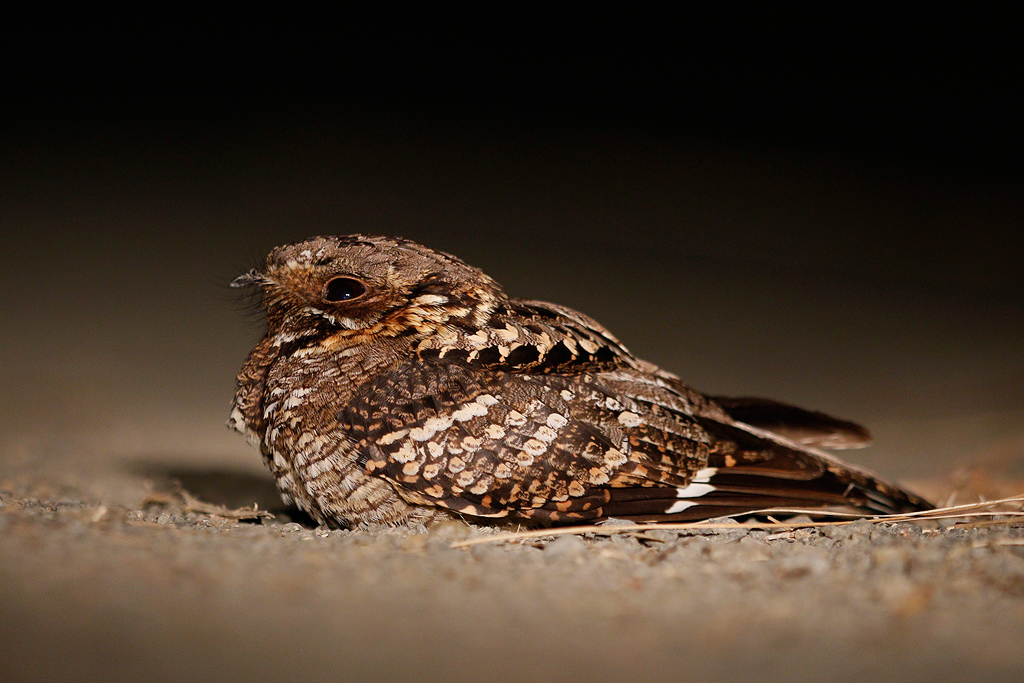
    When I got back home I looked through my ‘Birds of South Africa – Austin Roberts’ by  G.R. McLachlan and R. Liversidge, 1970 – and found there was a nightjar that said “Good Lord Deliver Us” and I knew that was it. The Fiery-Necked Nightjar – some call it the Litany Bird. I loved it, I love it, I’ll never forget it and it’s still a favourite bird fifty years later.

    – they look similar but they sound very different –
    Fiery-necked nightjar_2.jpg
    – stunning nocturnal aerial insect catcher –

    Next morning we hiked on, past the beautiful eastern tip of Platberg – some call it ‘Bobbejaankop’ – and down round Queen’s Hill through some very dense thicket, across the N3 highway, back home and a cold beer. See more pics of Platberg.

    Sheila in the cosmos
    – that dense thicket in foreground –

    ~~~oo0oo~~~

    – here’s a real sonogram of the Good Lord Deliver Us bird – top one looks like mine if you squint –
    • Thanks xeno-canto.org for sharing birdsounds from around the world.
    • Those pine trees may be Pinus patula – soft leaves, not spiky. Comfy. Still an invasive pest, though.
    • A ‘litany’ is a tedious recital or repetitive series; ‘a litany of complaints’; ‘a series of invocations and supplications‘;

    The Catholics can really rev it up – Lord, have mercy on us.
    Christ, have mercy on us.
    Lord, have mercy on us.
    Christ, hear us.
    Christ, graciously hear us.
    God the Father of Heaven,
    Have mercy on us.
    God the Son, Redeemer of the world,
    Have mercy on us. – and this is one-twelfth of the Catholic Litany, there’s eleven-twelfths more! Holy shit!!

    If I was God I’d do some smiting.

    ~~oo0oo~~

    Nêrens – nowhere, or Clarens in the Free State, named after Clarens, Switzerland to which that coward Paul Kruger fled cowardly after accusing my brave great-great Oom of cowardice. Ha! Who actually stayed and fought the war, huh?

    nogschlep – kom saam; accompany

    kom saam – nogschlep

    boerewors – raw beef wurst; just add fire

    dennebos – pine plantation; plantations are not forests!

    eerstejaar studente – first year students

    Bobbejaankop – Baboon peak

    ~~~oo0oo~~~

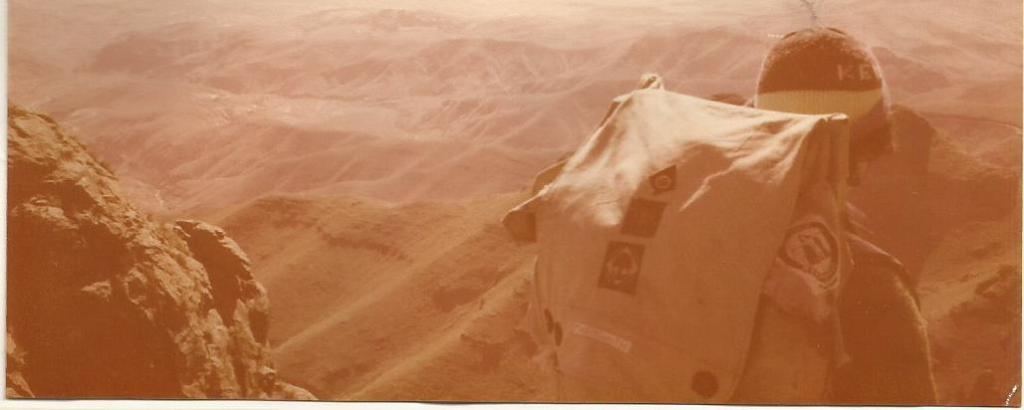
    – my rucksack – seen here on Sheila’s back –
  • Mary Bland Grew Up On A Farm

    Mary Bland Grew Up On A Farm

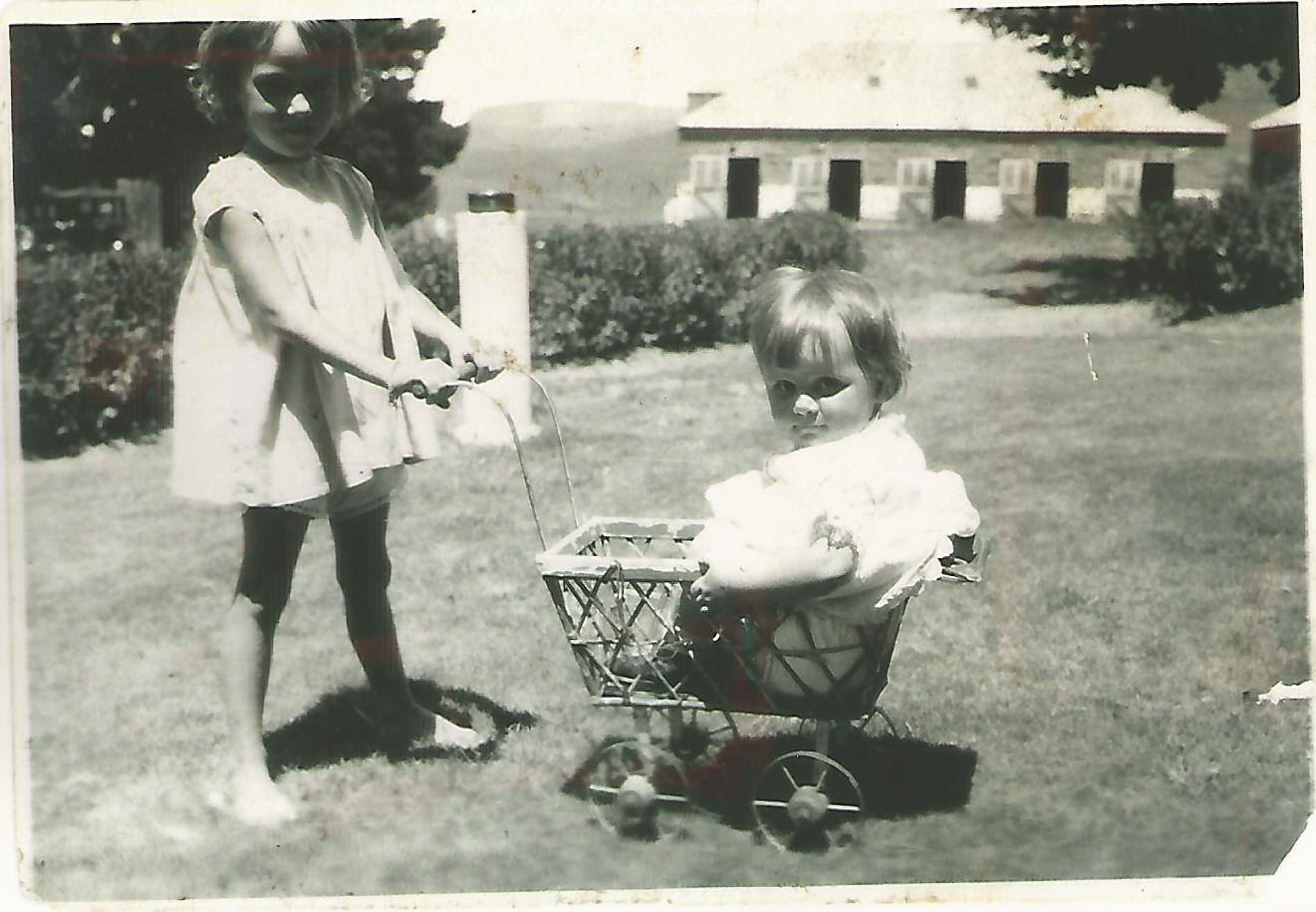
    This was taken on my grandparents’ Frank and Annie Bland’s farm, Nuwejaarsvlei in the Harrismith district, eighteen miles out on the road to Witsieshoek. The farm is now under Sterkfontein Dam. The solid sandstone stables (‘five loose boxes’) were more stable (!) than the house, which was a long thin prefabricated structure bought from the British army on Kings Hill when they left town in 1913, eleven years after the end of the Boer War. Grandpa Frank bred and raced race horses. For a while . . .

    Frank had the prefab carted out to the farm, then cut off a portion of the long house so they only lived in four rooms: A lounge, a kitchen and two bedrooms. They bathed in a zinc bath in the kitchen while Frank showered with cold water in a reed enclosure outside. In all seasons. In the Eastern Freestate. Bath water was heated in paraffin tins on the coal stove. Lighting was by lamplight. The toilet was a long-drop outside under trees along a path of white-washed stones leading from the kitchen door.

    Here’s older sis Pat pushing Mother Mary in their dolls pram in the farmyard. See the stable sandstone stables in the background.

    pat-mary-nuwejaarsvlei

    Frank started to build a big stone house from sandstone quarried on the farm. Built on a slope, it was level with the ground at the back, but ended in a high drop in front, which never did get the grand steps that were to lead up to the big veranda. The walls went up and the kids would roam around the big house, four bedrooms, big rooms, big kitchen but Mom says, “No bathroom.” Frank believed in an outside bathroom.

    The roof never went on. The builder wanted many sheep (Mom thinks 200!) to do the roof and Frank balked at that / couldn’t afford it.

    Other buildings on the farm were a workshop, Frank’s office and a garage for his yellow ‘Erskine’ tourer. Mom remembers: “It had open sides; when it rained you put up side flaps.”

    Erskine_Touring_1927
    – an Erskine Tourer –

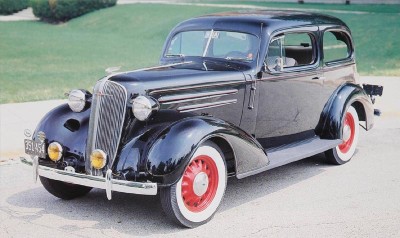
    Later Frank bought a 1936 Chev Standard – perhaps like this one, but ‘light brown’:

    Mom Mary remembers cousin Janet leaving the door open after she and older sister Pat had jumped out just before Frank drove into the garage. The door, she says, was “damaged forever.”

    The Nuwejaarspruit runs from Nuwejaarsvlei down to the Wilge river downstream of Harrismith and then into the Vaal Dam. Sterkfontein dam was built on the spruit and drowned the farm under Tugela river water pumped up from KwaZulu Natal. You would now have to scuba dive in the clear water to see the farmhouse. This picture is taken from roughly above the farm looking back towards Harrismith’s long Platberg mountain with Baker’s Kop on the left:

    sterkfontein-dam

    They called the hills on the farm ‘Sugar Loaf’ and ‘Horseshoe’. Mom loved the walks they would undertake with Dad Frank.

    I wish we had more pictures of the farm. Here are the only ones I have found so far of areas near the farm before it was flooded:

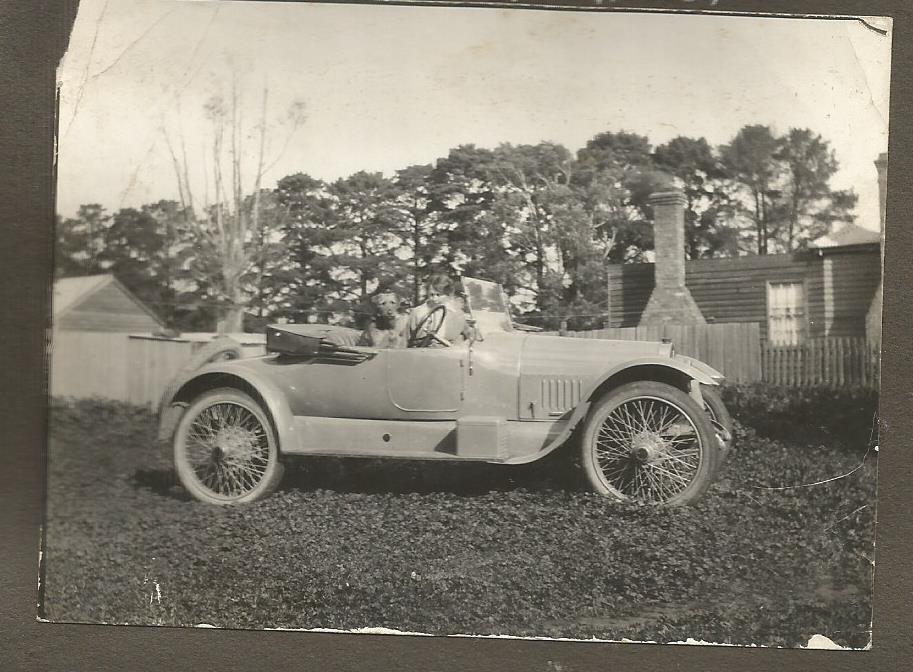
    Annie also always drove. Frank said she always drove too fast. Years later the younger crowd John Taylor and Mike Malcolm-Smith said she should speed up – “to the speed limit”!!

    Annie in old car
    Annie & dog in a _____

    Then the farming ended. The Blands moved into town – the metropolis of Harrismith – ca.1939 to start a petrol station and garage, having lost the farms. In September 1943 Frank had a colosistectomy for gallstones’ performed by his friend and GP Dr Frank Reitz. Mom went to visit him in hospital on her fifteenth birthday, 18 September. He died two months later, aged fifty. The next year, when Annie needed an op, she sent Mary off by train with Granny Bland to Durban to stay with Mrs Jim Caskie – ‘a huge fat lady’ – in the Echoes Hotel.

    Durban Echoes Hotel Mom Granny Bland

    While in Durban they saw a movie “This Is The Army.”

    Luckily Annie came through the ordeal intact. She would live for many a year yet.

    ~~oo0oo~~

    Nearby farm neighbours on Kindrochart were the Shannons, George and Belle, with son Jack, a few years older than Pat and Mary. The Shannons also bred racehorses and achieved forever fame when they won the Gold Cup with their horse Rinmaher.

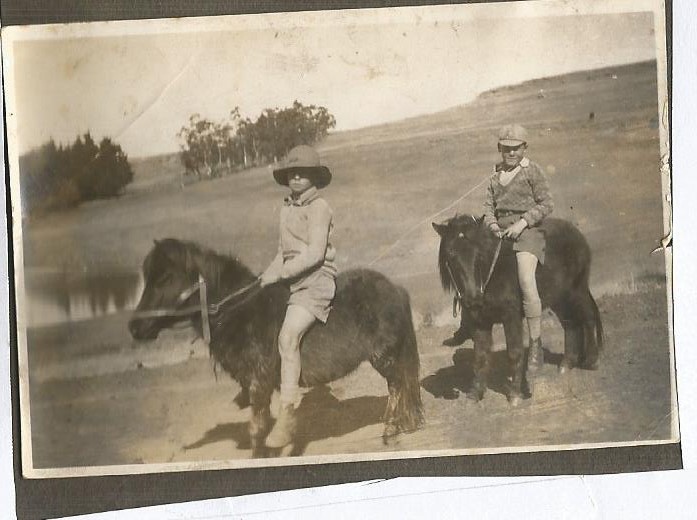
    When Jack had outgrown his Shetland Pony named ____, his parents suggested to him that he give it to the Bland girls on Nuwejaarsvlei. He looked dubious but his parents encouraged him.

    “Will you do that?” they prodded him.

    “Yes, but not with pleasure” said Jack.

    Recently Sheila found a pic of Jack – probably on that very pony!

    1920 Jack Shannon & Peter Bell
    Jack and Peter Bell

    Peter Bell (or Hastings-Bell) became a pilot in the Rhodesian airforce and tragically went missing in action in WW2.

    ~~oo0oo~~

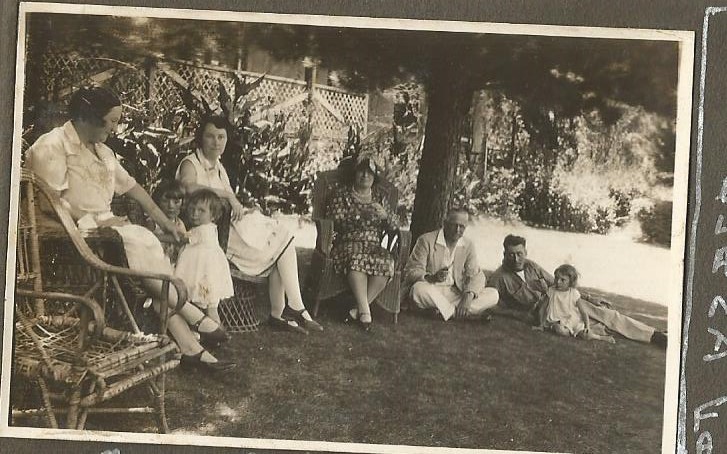
    1930 Bland group at NJV
    Jessie & Annie sitting with Janet & Mary between them – (then two unnamed guests) – Frank lying on the lawn with Pat

    ~~oo0oo~~

    Decades later, here’s Mary in 1990 cruising above Nuwejaarsvlei in a boat the ole man built, with her old family home somewhere underwater below her:

    1990 April Sterkfontein 50003

    ~~oo0oo~~

    More decades later and I phoned Mary (now aged 92). She said she’d had a lovely night’s sleep and . . . see here.

    The Erskine was an American Automobile built by The Studebaker Corp. in South Bend, Indiana from 1926 to 1930.

  • I Believe I Can Fly

    I’ve always wanted to fly. Who hasn’t? But I dislike noise, so while my first flight in a light aeroplane (I think with an Odendaal or a Wessels piloting it?) was great, and my first flight across the Atlantic in a Boeing 707 at seventeen was unforgettable, it was a glider flight that first got me saying “Now THIS is flying!!”

    We hopped into the sleek craft, me in front and pilot Blom behind me. Someone attached the long cable to the nose and someone else revved the V8 engine far ahead of us at the end of the runway of the Harrismith aerodrome on top of 42nd Hill. The cable tensed and we started forward, ever-faster. Very soon we rose and climbed steeply. After quite a while Blom must have pulled something as the cable dropped away and we turned, free as a bird, towards the NW cliffs of Platberg.

    glider-platberg
    glider_onfinal


    The finish at the Groen Pawiljoen grounds

    “OK, you take the stick now, watch the wool” – and I’m the pilot! The wool is a little strand taped to the top of the cockpit glass outside and the trick is always to keep it straight. Even when you turn you keep it flying straight back – or you’re slipping sideways. I watched it carefully as I turned. Dead straight.

    “Can you hear anything?” asks Blom from behind me. No, it’s so beautifully quiet, isn’t it great?! I grin. “That’s because you’re going too slowly, we’re about to stall, put the stick down”, he says mildly. Oh. I push the stick forward and the wind noise increases to a gentle whoosh. Beautiful. Soaring up close to those cliffs – so familiar from growing up below them and climbing the mountain, yet so different seeing them from a new angle.

    And then, even better, I flew like a bird alone with only a hankie overhead.

  • Theft and Punishment

    Theft and Punishment

    Didn’t steal much as a kid. But I did slug down a bottle of Monis red grapejuice on the quiet in the back storeroom of the Platberg Bottle Store / Drankwinkel working for Mom & Dad one Saturday morning. You can see the door to the storeroom in the pic. Warm, straight out of one of those cardboard boxes all the bottles were packed in.

    DSCF8184
    – Platberg Bottle Store – the dark side – Note that BrandyAle poster – booze “fights the high cost of living”!! –

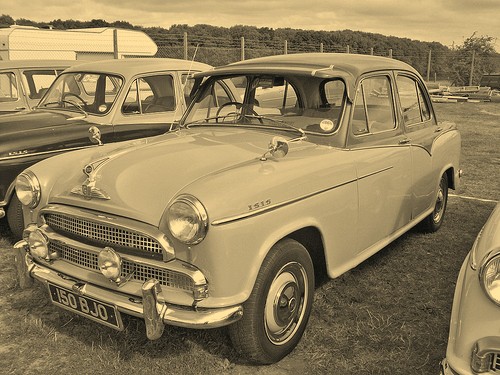
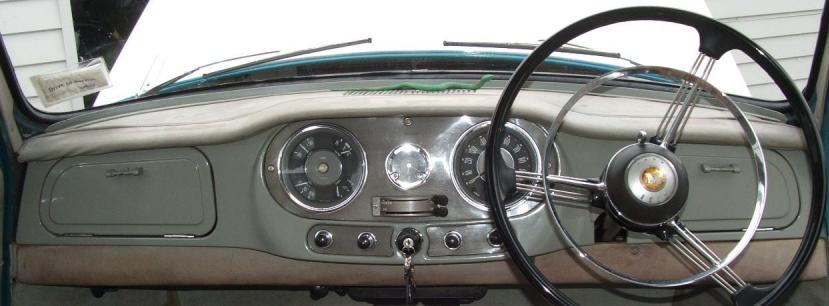
    That afternoon we went for a long drive out Witsieshoek way in the beige 1956 Morris Isis (no, not Islamic State of Iraq & Syria, just Isis, after the river in England that most call the Thames).

    After a while the car door had to be flung open for me to have a hearty grapey chunder out onto the gravel road in the veld. It would have looked like blood, so I imagine a confession then also would have had to take place. Can’t remember.

    I haven’t liked red grape juice since. Communion in the teetotal Methodist church had me being possibly the only sinner rudely reminded of theft and puke every time the shed for you came round. Divine retribution? Communion? Confession? He does seem to move in mysterious ways!

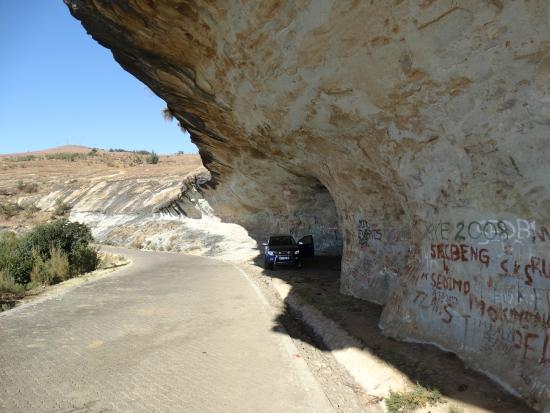
    Here’s the cave on the Witsieshoek road:

    cave-witsieshoek-road

    ~~~oo0oo~~~

    As an aside –

    – just like this one – but no visor – no spotlights – not two-tone –

    The Morris Isis was named after the River Isis – which is actually just the Thames in Oxford, you know how Poms are with names. The Morris Isis was “designed for work in the Dominions, Colonies and Protectorates” . . . “the factory’s output . . . is entirely for export. Great attention was given to providing a low appearance without sacrifice of ground clearance. The all-metal 5-seater saloon body is stated to be practically indestructible and climate-proof.”

    The 1956 version had the fascinatingly bizarre feature that both the gear lever and the handbrake were on the floor to the right of the driver, wedged in the narrow space between the seat and the driver’s door. When changing gear it looked like you were fiddling for something you’d dropped between your right thigh and the door.

    Morris Isis gear lever

    The Morris Isis Series II was based on the Morris Oxford Series III. The engine power increased to 90 bhp. The manual version had a four-speed box operated by a short gearstick located on the right-hand side of the front bench seat. The handbrake lever was located just behind the gearstick.

    Sales remained weak, and the line ended in 1958. It had a top speed of 90 mph and could accelerate from 0-60 mph in 17.6 seconds. Fuel consumption of 26.2 miles per imperial gallon (10.8 litres/100 km) was recorded. The test car cost UK£1025 including taxes.

    Morris_Isis_II_ad.jpg
    – other wimps don’t want power! they don’t want acceleration! – No, only us Aussies like those things! ‘Cos we’re Aussies! Other guys like going slowly, of course. Marketing people never change. And guys love flattery and BS.
    Morris Isis interior

    ~~oo0oo~~

  • A Farm in Eloff Street

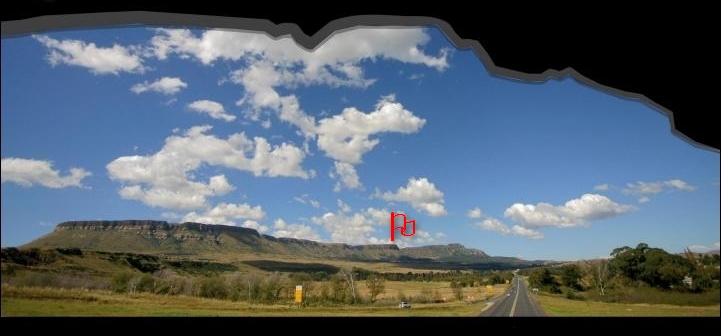
    Freezing on top of Platberg, wet and an icy wind. We huddle and chomp some snacks.

    I brought matches, I’ll light a fire, I announce. But it ain’t easy, dry kindling is hard to come by, but I persevere. Pierre and Tuffy are skeptical: If you get that going I’ll buy you a farm in Eloff Street, says one.

    But I do! Not a roaring blaze, but we warm our hands at least.

    This must’ve been ca. 1969. Eloff Street was Johannesburg’s main street and priciest real estate at the time. No longer, as businesses fled the CBD and relocated to Sandton and other nodes outside ‘Old Joburg’.
    If I had got my farm I wonder if I’d have sold it before the bust?

    We were somewhere below that red flag:

    Mountain-Race site - Crop

    Found this lovely pic on a Harrismith Mountain Race blog site – thanks!! See more and better pics here.

    ~~~oo0oo~~~

  • Donald’s Fearfully Great Lizard

    Donald’s Fearfully Great Lizard

    My mate Donald Coleman found, excavated and reassembled, a complete fossil back in about 1962. He was about ten years old at the time. I can see it now, at the back doorstep of their house at the foot of Platberg: About 500mm long I’d guess, every little bone in place. A stout, lizard-gecko-looking creature, it now seems to me. He found it thanks to the excavations for the new N3 bypass around the town which went right near the mountain end of Hector Street, which was where the Colemans lived.
    Wonder what happened to it?

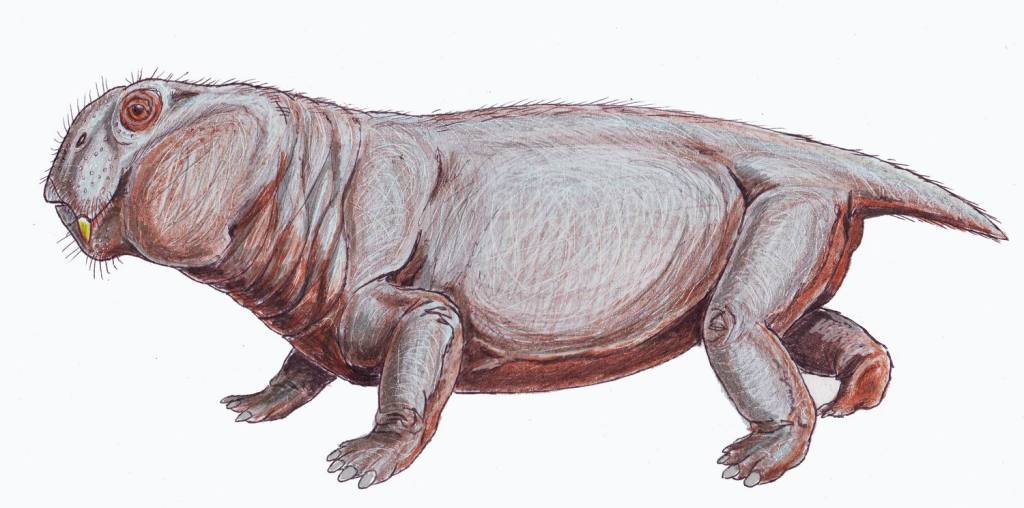
    To me, searching in hindsight, it looked like a Lystrosaurus. It could be Thrinaxodon, common in the Karoo 235 million years ago – and has been found in Harrismith. Or maybe Cisticephalus. Both lived in the Triassic-age age. I think.

    It looked something like the top picture, but completely whole, not embedded in rock. Paleontologists surmise one of the smaller species looked like this:

    – lystrosaurus –
    – the location looks right – see the tip of Africa in Gondwanaland –
    – the size looks right –

    Dinosaur: “fearfully-great lizard” – as used by Homer in THE ILIAD, written around 760–710 BC. I looked it up: While everything said about Homer is subject to debate, the popular opinion is that he was a blind bard who composed and recited The Iliad and The Odyssey a few hundred years after the events described.

    – lystrosaurus – another artist’s rendition –

    Tragically, Donald died around 1972 in a car accident, or he would have told us exactly what his fossil was and where it is. I want to find it and have it assessed. If it’s a new species I’ll ask them to call it Harrysaurus donaldii !

    1. Our Swanepoel house
    2. Pierre du Plessis’ house
    3. Donald Coleman’s house
    4. Area fossil was found
    1. Hector Street Playground.jpg

    I got some feedback – via Sheila to Eddie to Anne:

    Donald’s lil boet Eddie: Hi Koos – I got this e-mail from Anne today and it’s in reply to a request from Sheila about Harrismith days – I think the fossil mystery may have been solved! I did like my theory about the farm burial though! Eddie had said earlier: I have an idea Donald buried it on a farm we lived on near Winterton – just to confuse future geologists!

    Donald’s sister Anne: Hi Sheila – my memories are very hazy. We left Harrismith when I was nine years old. The vivid things I remember don’t really involve school. I remember going up Platberg frequently for picnics at the Gibson Dam; the new highway under construction close to Hector Street – so it became our playground and Donald found a fossilized small animal all intact – that is now at a museum somewhere – I thought Bergville. I also remember early morning Sunday swims at the public pool – Ken (my dad) had some arrangement with the caretaker and we used to pick up children in the neighborhood – definitely you guys.

    I remember Miss Nicoll – Donald and I used to go to her everyday as a kind of pre-school – she was a formidable old lady with wild grey hair – she seemed to be about 6 feet tall – but that was probably because we were so small. She taught us to knit – even the boys – and to weave cushions and do cross stitch. And every year we had our items exhibited at the Harrismith Show – with great excitement. As far as school goes – I do remember that Donald was left handed but was forced to write with his right hand – his left hand was actually strapped behind his back !!!! And he came home from school and announced that his left hand was his “home hand” and his right was his “school hand”. Poor thing ! The mind boggles at how primitive some teaching methods were in those days. I also remember a teacher that had a leather strap on a stick and she would creep up behind you and give you a resounding smack if you were being idle! Did I make that up? Sounds like something out of Matilda! I wonder if anyone else remembers such a thing. (Me: Yep. Miss Jordan).

    I do remember what fun it was to melt snow on the little stove in the classroom. I remember swimming in the gala at the public pool and it was night time. As far as the children I knew – there was Lesley Wessels whom I idolised and thought she was so beautiful. Then little Heather Mackenzie who was so sweet with amazing hair and blue eyes and freckles! I also really enjoyed the Wood family – I remember Anne and Lynette and that their mother was a kind lady and I loved going to spend the night there . Then there was Marian Searle – a bit older than me – I used to play there .

    I remember Joan du Plessis teaching us to swim and Ken impressing on us that she was a springbok swimmer and the best teacher we could have. She did a really great job and when we left to go to Bergville we swam in the Christmas gala and cleaned up! Of course I remember your farm too Sheila – and I was riding a huge tricycle at great speed down a very long driveway and the front wheel came off and I fell off and skidded on my face.

    I remember the carnation milk factory Christmas tree and that Jean made me a dress every year for the occasion . I remember the blossoms in the middle of the road above your house – and each year Ken took photos of us so that we could see how we had grown.

    Gosh it takes me back! Will email should I remember further ! Lots of love Anne

    – Me, Anne, Donald & Sheila –

    Just left of this pic (off-screen) was the Coleman back door where Donald placed his fossil; and not far past the house in the background was where he found it. Platberg mountain in the far background.

    ~~oo0oo~~

    Pics from wikipedia by Ghedoghedo – Own work, CC BY-SA 3.0,

  • Eat Your Heart Out Chuck Norris!

    Eat Your Heart Out Chuck Norris!

    The finish at the Groen Pawiljoen grounds

    Camping on the slopes of Platberg below Khyber Pass Pierre, Tuffy and I had made a fort of ouhout branches and cleared a big spot to make a fire. Sitting around talking shit when we heard a rustle and a shout and who appeared before us but Guillaume. He was excited that we were overnighting and asked to join us. Sure! we said. With pleasure!

    He first had to head back to town, though, to go to movies. He had recently left school and had a date with one of the onnies. The one with the micro miniskirts! The one we had lustful thoughts about. That little blonde one with the pageboy hairstyle. That one!

    Well after midnight there was another rustle, another shout, and Guillaume squeezed back through our hedge with a blanket over his shoulder and a plastic packet in his hand. He sat on the blanket, took a bloody ox heart out of the packet, stuck it on a stick and roasted it over the coals.

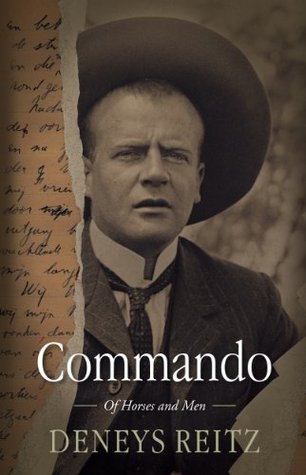
    Look: We knew he was the nephew of the famous Deneys Reitz of Boer War Commando fame; and the son of legendary Dr Frank Reitz – but MAN, were we impressed! I mean Action Man had walked up a mountain in the dark, carried the lightest provisions (when we looked at the size of our rucksacks and sleeping bags), roasted and ate an ox heart – and pomped a teacher. All in one night!

    Eat your heart out, Chuck Norris!

    ~~~ooo0ooo~~~

    ouhoutLeucosidea sericea, lovely aromatic scrub bushes and trees found in stream beds in the Drakensberg our inselbergs, and surrounding foothills

    onnies – teachers; from onderwyser

    pomped – made love; who we kidding? had sex; shunted; or so we surmised

    More great pics of Platberg here.

    ~~~oo0oo~~~