Category: 3_USA

  • ‘My’ Famous Oklahoman Tornado

    ‘My’ Famous Oklahoman Tornado

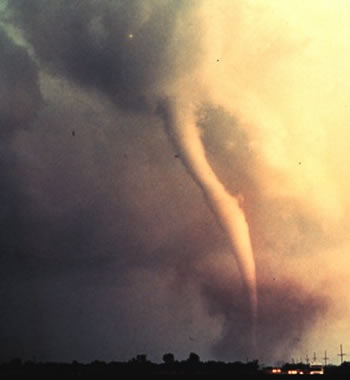
    In Apache Oklahoma in 1973 I lived with the charismatic funeral home owner, fire chief, ambulance driver, hearse driver and tornado alert man, Robert L Crews III. In the funeral home. While I was there we sounded the siren for tornadoes twice and watched them approach. Once we even went down into the basement as it came so close. But both times it went back up into the clouds – didn’t touch ground.

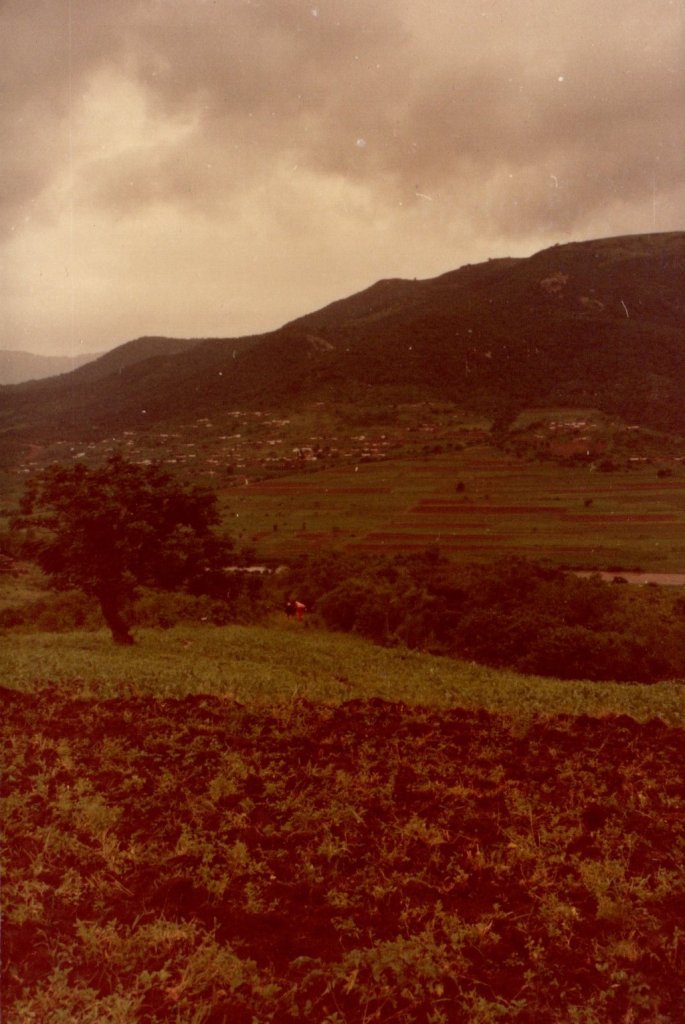
    Here’s the view on one of those days:

    ApacheOK73 (7).JPG

    In May we heard of the Union City disaster. We drove there to look-see. The image that stuck the most in my mind was the main street with many buildings completely gone. One shop had some shelves still standing – with product on the shelves – but the roof and walls were gone.

    I found this recently:
    Union City Tornado Makes History
    NSSL revisits its past as it celebrates 40 years with NOAA – by Rachel Shortt

    On May 24, 1973, a tornado rated F4 struck the Union City area and was the first tornado widely documented by science as part of storm chasing field research. NSSL out of Norman, Oklahoma placed numerous storm chasers around it to capture the life cycle on film.
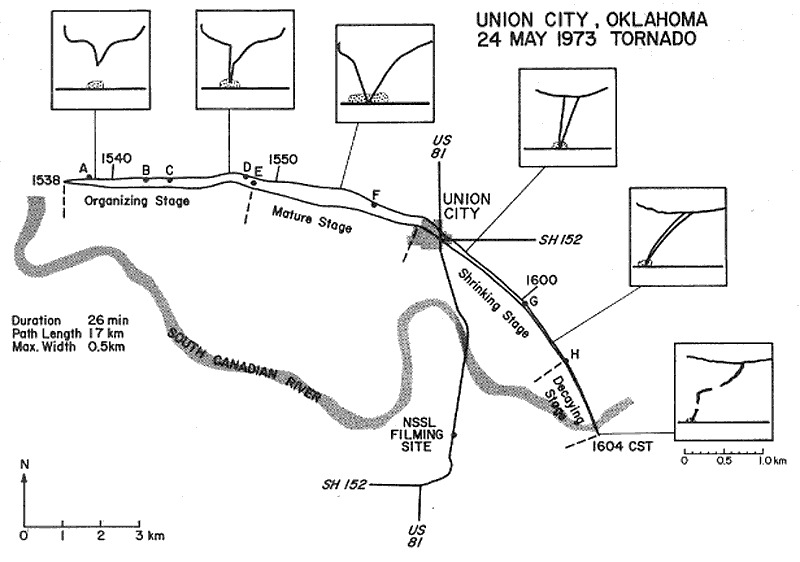
    tornado-union-city-1973-path

    As the devastating tornado tore through the small town of Union City, no one knew the tremendous impact it would have on the development of weather radar. Researchers from the NOAA National Severe Storms Laboratory now look back on that day as a significant event in the history of severe weather research and forecasting.

    And I was (sorta) there!

    For a human interest story, see this article written in 1993, on the 20th anniversary of the tornado:
    New York Times 27 May 1993 – Tornado Veterans Wait For Next One

    The tornado that people in Union City talk about the most twisted in from the northwest twenty years ago this week, killing two people and demolishing half the downtown buildings. It blew the cross atop St. Joseph’s Roman Catholic Church into a field six miles away.

    Another tornado destroyed the same church in 1896, and another flattened fifteen farmhouses in 1927. Yet another reduced two barns on the edge of Union City to kindling and seemed hell-bent on roaring toward town until it hit the South Canadian River nearby, spun away to the east and died out.

    Here in the heart of “Tornado Alley” almost everybody knows that a new tornado will eventually show up on the western horizon. But they also agree on this: There is not much use in being obsessed about it.

    “You can’t let it rule your life,” said Leo Radtke, who in 1973 watched from the storm cellar as the house where he was born, as well as his new Chevrolet El Camino, was swept away. “If it hits, it hits, and you just start over again, which is what I did. It’s part of living in this country.”

    Where the Winds Collide – ‘This country’ is a swath of the Great Plains stretching diagonally from the Texas Panhandle to southern Iowa where warm, moist winds from the Gulf of Mexico frequently collide with cold, dry winds from the west at this time of year, combining to produce more tornadoes here than in any comparably sized place on earth.

    And while most of the attention is understandably focused on communities when they are actually hit, a more typical tableau of life in Tornado Alley is found in places like Union City, a town of about 1,000 people in central Oklahoma, 23 miles west of Oklahoma City. Here and in thousands of communities like it, tornadoes exist not as a present danger but as a grim memory and a future threat.

    Early warning? – There have been major advances in the radar equipment that helps meteorologists to detect a tornado while it is forming and to warn of its approach. Because of those advances and improved communications through radio and television, there has been a steady decline in the average number of fatalities caused by tornadoes every year — from 311 people in the 1920’s to 138 in the 1950’s to 56 in the most recent 10-year period, according to the National Severe Storms Forecast Center in Kansas City, Missouri.

    But the average warning time is still only 19 minutes, and many tornadoes cannot be detected at all until they hit the ground, meaning that the first warning is an old-fashioned one: a human being sees it and yells. And even when people know it is coming, a tornado remains one of the most destructive hazards of nature, a vortex of winds swirling at up to 300 miles an hour and often churning up everything in its path, making any effort to protect property generally futile. ‘There’s Nothing You Can Do’

    “If your home is in the way, you’ve had it — there’s nothing you can do,” said Leo Demmer, 64, who has seen five tornadoes in his lifetime but escaped the path of all of them.

    Mr. Demmer, a wheat farmer and cattle rancher, quickly added that he was talking more about property than people, who will almost always be safe if they manage to get underground, perhaps to the kind of storm cellar that sheltered Auntie Em and Uncle Henry when the tornado struck Kansas in the “Wizard of Oz.”

    Mr. Demmer should know. As he spoke he was adding two and a half tons of concrete to help anchor his own storm cellar, made of two steel cargo containers sunk into his back yard. “It was frightening, it was beautiful, and here it was coming right at us,” Mr. Demmer said of the 1973 tornado. He snapped a few pictures, then headed for the cellar.

    It was 20 years ago, but people who describe the tornado can make it sound as if it hit last week. Several recalled that in the hours and even minutes before the tornado struck, at 4:55 in the afternoon, it seemed like the balmiest of spring days.

    A Scrapbook of Memories – “It was just real pretty out,” recalled Odessa Bromlow, the owner of the T&B Country Market, which at the time was a cafe. “I had just been to the beauty shop, and it was time for a shift change — then poof. The wind just started howling.”  As she spoke, she flipped through a scrapbook she had put together full of headlines from the Oklahoma City papers. “Union City Devastated,” said one. “Twister Leaves Trail of Ruin,” read another. A Union City woman died because she could not get the door to her storm cellar open. The other victim was a man named Corp Sanders who had insisted on watching the tornado from a chair on his porch, even as the police officer screamed at him to run for cover.

    Most People Stay – But while almost everybody here seems to have vivid memories of the tornado and the daze that settled over the town after it struck, most of those whose property was damaged eventually rebuilt and stayed put. Several people, asked what it was like to live in a place where each spring brought the threat of tornadoes, quickly said it was far preferable to living on either coast of the United States. On the east coast were hurricanes and on the west were earthquakes, they said, both of which can yield a far broader trail of destruction than a tornado.

    “As terrible as it was, I’d rather deal with a tornado than an earthquake any day,” said Georgia Rother, the town clerk and treasurer. “With a tornado, at least you can see it coming. You can try to run away from it. With a quake, there’s no place to hide.” Others pointed out that even in Tornado Alley, the chances of getting killed or having a home destroyed by a tornado are very low — about as low as the chance of hitting the jackpot in a state lottery.

    Early warning 2 – Many towns, including Union City, have installed emergency warning sirens on their streets — but only after experiencing the terror of a tornado when they did not have such devices.

    Earlier this year Catoosa, a suburb of Tulsa, tabled as too expensive a motion to buy used warning sirens from a nearby town that was installing a more modern system. Then, in late April, a tornado struck, killing seven people and causing millions of dollars in damage. This week the neighboring town donated the used sirens to Catoosa.

    For those who get their warnings by television, though, some experts fear an altogether different problem: too many warnings. Television stations throughout Kansas and Oklahoma have become ferociously competitive over the years. “Some of them will interrupt programs with a tornado alert at the slightest provocation,” said Frederick P. Ostby, the director of the National Severe Storms Forecast Center. “It’s getting to the point where people feel they can’t see any television program in its entirety during tornado season. People are getting angry about it.”

    Mobile homes and fatalism – Here in Union City, when people think about tornadoes at all, it is usually with fatalism. That was especially true in a mobile-home development on the south side of town. At one trailer some old tires and cement blocks were placed on the roof to give the unit a bit more heft if a storm hit. “But I don’t suppose it will make much of a difference,” said Beverly Brookshire, a 48-year-old waitress who lives in the trailer. “If it’s our time, it’s going to hit. I just pray, ‘Lord, don’t let it be our time.’ ” Mobile homes can be unsafe in even the weakest of tornadoes. “There’s kind of a folklore out there that tornadoes actually seek out trailer parks,” said Frederick J. Gadomski, a meteorologist at Pennsylvania State University. “But it’s not that at all. It’s really that because of poor construction, they’re simply more vulnerable.”

    The article as it originally appeared.

  • Colorado USA

    Colorado USA

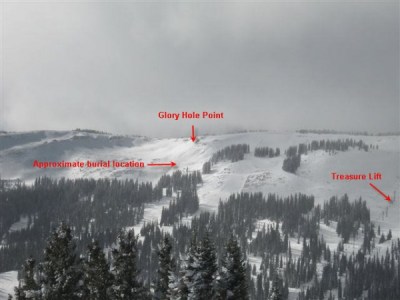
    I was going to ski – we would have called it snow ski! – for the first time in my life. Wolf Creek Pass in the San Juan mountains in Colorado. We’d be catching a bus from Oklahoma, driving there and staying at the lodge. Jim Patterson was taking me on a host-Dad and Son special treat. It was 1973, and in the previous summer he and Katie had taken friend Dottie Moffett and I on a steam train ride nearby – the Durango to Silverton narrow gauge railroad.

    durango_silverton

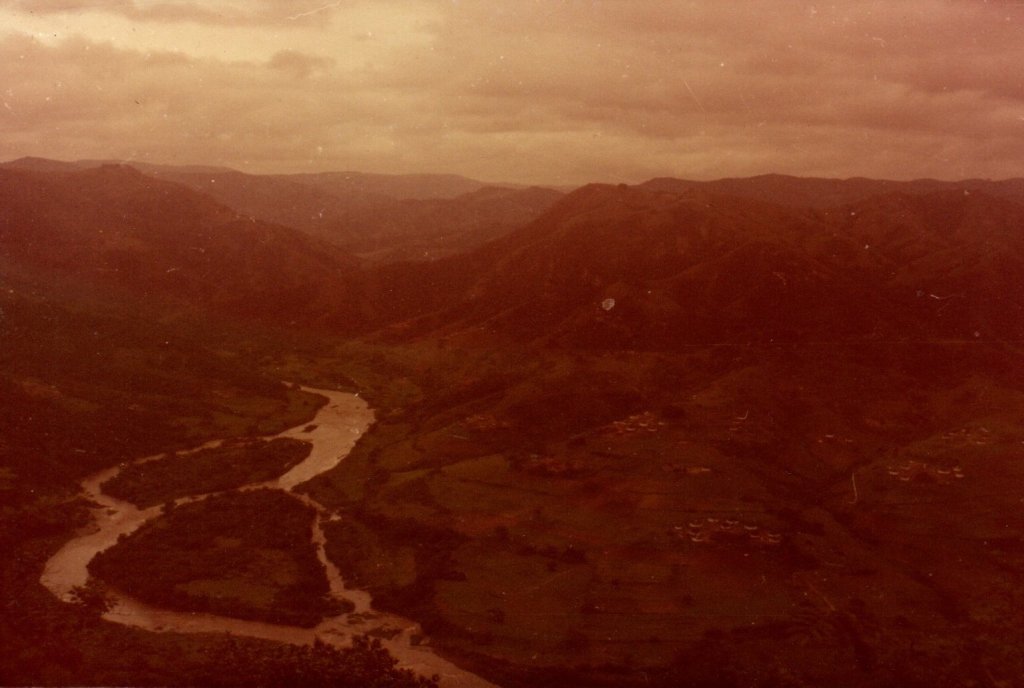
    My pic of the Animas River out the train window:

    Between Silverton & Durango in Colorado from the steam train window

    That was a glorious summer. But now we were going in winter:

    As the day approached we watched the snow reports with bated breath. Nothing. No snow. The day before we were to leave the bad news came: Trip cancelled.

    True to form Jim looked on the bright side – he always did! – and invited me to join him in drowning our sorrows as he opened up the big heb cooler full of Coors beer he had packed for the trip! Jim always put a good spin on everything!

    I would have to wait fifteen years till 1988 before my first snow skiing – in Austria.

    ~~~oo0oo~~~

    Also, another new sport I had started but wouldn’t really get into for another nine years, took place on the Colorado rivers next to that railway line: White-water kayaking:

    ~~~oo0oo~~~

  • Basket Weaving

    When I got to Apache Oklahoma in 1973 I had already finished high school. Not much academic enthusiasm or effort had gone into my matric and I was keen to put minimal effort into this second matric, or ‘senior year’, at Apache High. In my mind I had been sent to America to socialise and be an ambassador, ‘period’.
    So I carefully selected my subjects – I had to take American history – I was OK with that. I learnt about George Washington. I had to take English (compulsory for all foreigners). I added typing, ag shop (agricultural workshop – farming, welding, etc making me a member of the FFA – Future Farmers of America), annual staff (making the school annual, acting as a journalist, and selling ads in town – a hoot! Actually, they chose me, you couldn’t just elect to do it. I was lucky). I’m sure there was a sixth. Yes, Oklahoman history, I think. My mind wasn’t really on these details. No wait, it was Phys Ed.
    Here’s me focusing on my typing. I’m with fellow annual staffers Robbie Swanda and David Lodes slaving over our hot typewriters. I reached a blistering 19 words a minute with ten mistakes.

    When I told host Dad Jim Patterson my subjects he grimaced. Then he grinned and said – “Peter, are you sure they didn’t offer Basket Weavin’!”
    Jim was a great teacher. He taught me all about ‘counting fence posts’. He would pack a sixpack of Coors into a coolerbox full of ice and we would drive around the district in his old red Ford F150 pickup along the farm roads with Jim recounting all the tales of who lived where, what they farmed and some history of the area. We were ‘counting fence posts’.
    Here’s Jim waking up on the back of that pickup one camping trip:

  • Pow Wow

    Pow Wow

    I was warmly welcomed by the friendly Native American folk in Apache. I really enjoyed them and I think they enjoyed me. They invited me as their guest to a Pow Wow one night.

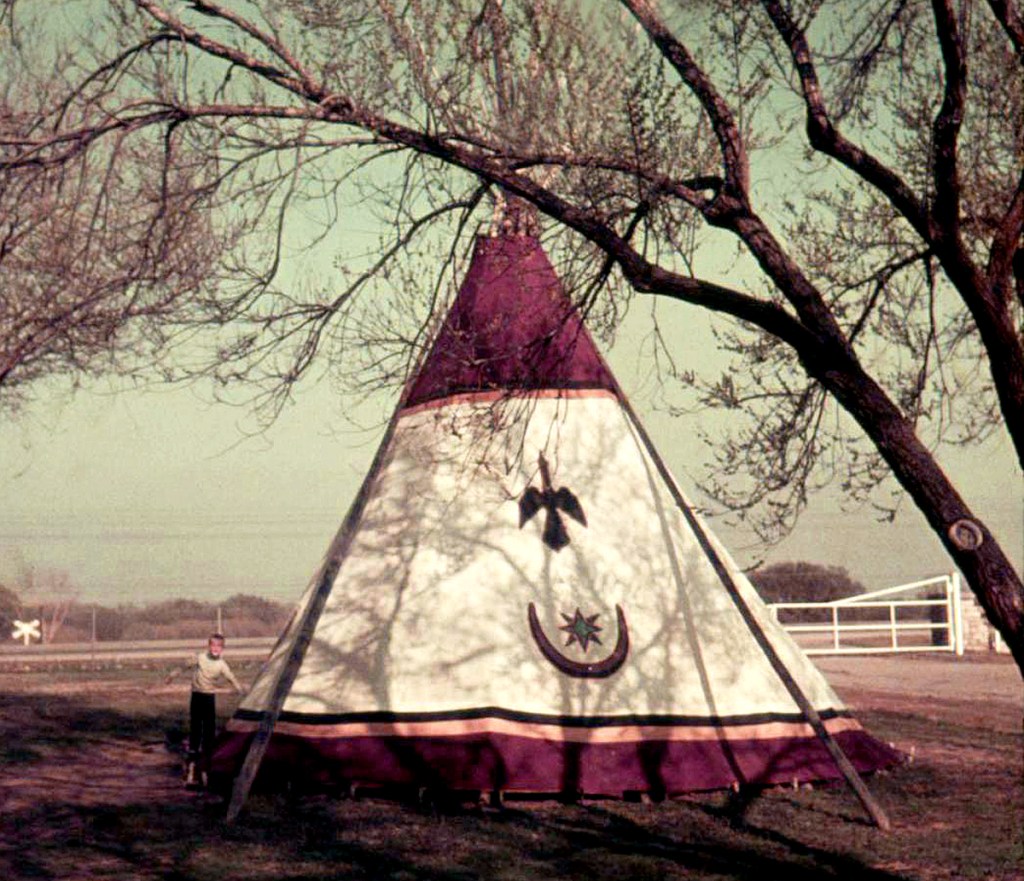
    Here’s a teepee in the Apache showgrounds.

    Apache showgrounds

    At school the American Indian society presented me with gifts. Debbie Pahdapony Grey does the honours:

    The Apache Indian Society presented me with a special hand-made shirt

    Oklahoma was Indian Territory before we whites stole it all back, and there’s quite a bit of Indian history about. Read something about it here: http://www.smithsonianmag.com/history/the-shocking-savagery-of-americas-early-history-22739301/

    For more, read Harvard historian Bernard Bailyn, who has revealed the very ugly, savage treatment of the indigenous Americans in his book The Barbarous Years.

    European and U.S. settler colonial projects unleashed massively destructive forces on Native peoples and communities. These include violence resulting directly from settler expansion, intertribal violence (frequently aggravated by colonial intrusions), enslavement, disease, alcohol, loss of land and resources, forced removals, and assaults on tribal religion, culture, and language.  http://americanhistory.oxfordre.com

    Here Melvin Mithlo readies Joe Pedrano for an event.

    Melvin Mithlo dresses Joe Pedrano

    apache-powwow-4

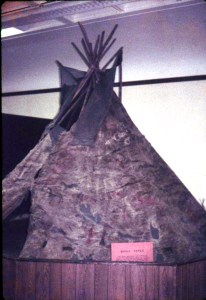
    Museum stuff at Fort Sill north of Lawton, south of Apache. Apache chief Geronimo died here, 23 years after being taken captive. His Apaches were the last tribe to be defeated.

    Robert L Crews IV at the Apache museum in Lawton (Ft Sill?)

    apache-powwow-5

    Brief History

    Earliest Period – 1830
    The tribes usually described as indigenous to Oklahoma at the time of European contact include the Wichitas, Caddos, Plains Apaches* (currently the Apache Tribe), and the Quapaws. Following European arrival in America and consequent cultural changes, Osages, Pawnees, Kiowas and Comanches migrated into Oklahoma, displacing most of the earlier peoples. Anglo-American pressures in the Trans Apalachian West forced native peoples across the Mississippi River; many including Delawares, Shawnees and Kickapoos-found refuge or economic opportunities in present Oklahoma before 1830. However, some of those tribes split in the process.

    *Naisha-traditional reference to the Plains Apache

    1830 – 1862
    The Indian Removal Act of 1830 culminated federal policy aimed at forcing all Eastern Indians west of the Mississippi River. The Choctaws, Cherokees, Creeks, Chickasaws and Seminoles–the “Five Civilized Tribes”– purchased present Oklahoma in fee simple from the federal government, while other immigrant tribes were resettled on reservations in the unorganized territories of Kansas and Nebraska. Passage of the Kansas-Nebraska Act in 1854 precipitated further Anglo-American settlement of these territories, setting off a second wave of removals into present Oklahoma, which became known as “Indian Territory.” In 1859, with the state of Texas threatening genocide toward Indians, several tribes found refuge in the Leased District in western Indian Territory.
    1865 – 1892
    The Civil War (1861-1865) temporarily curtailed frontier settlement and removals, but postwar railroad building across the Great Plains renewed Anglo-American homesteading of Kansas and Nebraska. To protect the newcomers and provide safe passage to the developing West, the federal government in 1867 once again removed the Eastern immigrant Indians form Kansas and Nebraska reservations and relocated them on Indian Territory lands recently ceded by the Five Civilized Tribes. The same year, the Medicine Lodge Council attempted to gather the Plains tribes onto western Indian Territory reservations. Resistance among some resulted in periodic warfare until 1874. Meanwhile, the last of the Kansas and Nebraska tribes were resettled peacefully in present Oklahoma. Geronimo’s Apache followers, the last to be defeated, were established near Ft. Sill as prisoners of war.

  • Thanks, Charlie Ryder!

    Thanks, Charlie Ryder!

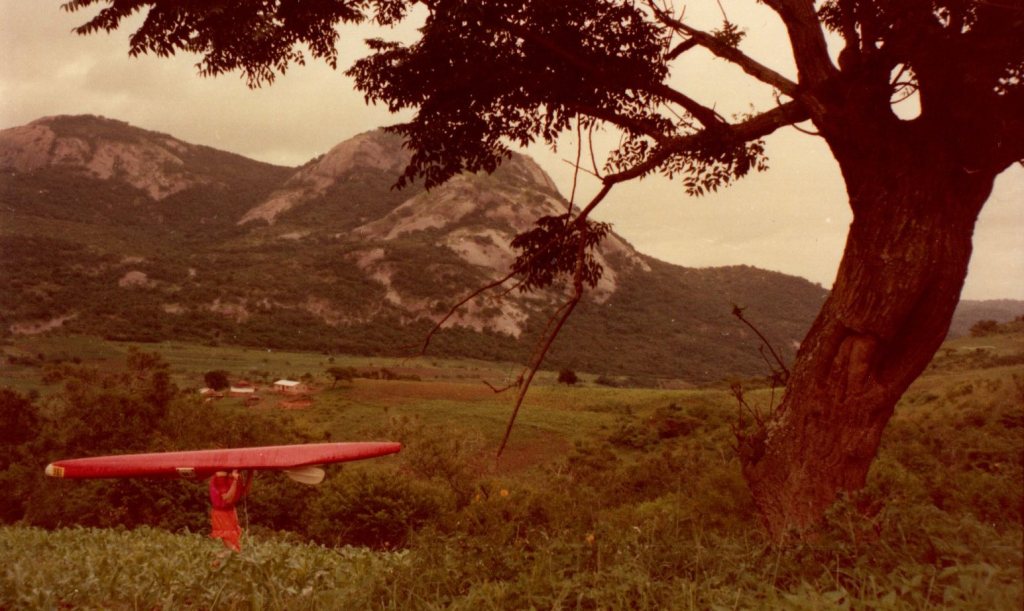
    I canoed the Vrystaat Vlaktes thanks to Charles Ryder, who arrived with Jenny in Harrismith – about 1968 or ’69 I’d guess – to start his electrical business, a rooinek from Natal. He roared into town in a light green Volvo 122S with a long white fibreglass thing on top of it like this:

    First Duzi. Dad seconds in my Cortina 2,0l GL

    I asked:
    What’s that?
    It’s a canoe
    What’s a canoe?
    You do the Dusi in it
    What’s the Dusi?

    Well, Charles now knew he was deep behind the boerewors curtain! He patiently made me wiser and got me going and I got really excited the more I learned. I decided I just HAD TO do the Dusi. What could be more exciting than paddling your own canoe 120km over three days from Pietermaritzburg to the sparkling blue Indian Ocean at the Blue Lagoon in Durban? Charles made it sound like the best, most adventurous thing you could possibly think of. He showed me how to paddle and was so generous with his time. Both in paddling and with Harrismith’s first Boy Scouts troop, which he helped establish.

    I started running in the early mornings before school with a gang of friends. Tuffy Joubert, Louis Wessels, Fluffy Crawley, who else? We called ourselves the mossies as we got up at sparrow’s fart. Then I would cycle about two miles  to the park in the afternoons and paddle on the flat water of the mighty Vulgar River in Charles’ Limfjorden, or Limfy, canoe, which he had kindly lent me/given to me. That was in 1971 and it was the fittest I’ve ever been, before or since.

    Overnight I would leave it on the bank tethered to a weeping willow down there. One day around Christmas time with only a couple of weeks to go before Dusi I got there and it was missing. I searched high and low, to no avail. So I missed doing the Dusi. Not that I had done anything but train for it – I hadn’t entered, didn’t know where to, didn’t belong to a club, didn’t have a lift to the race, no seconds, nothing! Still enthused, though, I persuaded my mate Jean Roux to join me in hitch-hiking to the race.

    1972 Dusi: We got to Pietermaritzburg and the next morning to the start in Alexander Par PMB. Milling around among the competitors and their helpers, we watched the start and as the last boats paddled off downstream Alexandra Park started emptying, everyone seemed in a big hurry to leave. We asked Wassup? and someone said, We’re Following Our Paddler! so we bummed a lift with some paddler’s seconds to the overnight stop at Dusi Bridge. We slept under the stars and cadged supper from all those friendly people. They let us continue with them the next day to the second overnight stop at Dip Tank and on the third and last day to the sea, the estuary at Blue Lagoon, following the race along the way.

    Back in Harriesvlei I continued the search for my missing kayak and found a bottle floating in the Kak Spruit, a little tributary that flows down from Platberg and enters the river downstream of the weir. It had a string attached to it. I pulled that up and slowly raised the boat – now painted black and blue, but clearly identifiable as I had completely rebuilt it after breaking it in half in a rapid in the valley between Swinburne and Harrismith. Come to remember, that’s why Charles gave it to me! I knew every inch of that boat: the kink in the repaired hull, the repaired cockpit, the wooden gunwales, brass screws, shaped wooden cross members, long wooden stringer, shaped wooden uprights from the cross members vertically up to the stringer, the white nylon deck, genkem glue to stick the deck onto the hull before screwing on the gunwales, the brass carrying handles, aluminium rudder and mechanism, steel cables, the lot. In great detail.

    1976 Duzi – In 1976 I entered the race and convinced a friend at College Louis van Reenen to join me. He had asked ‘What’s that?’ when he saw my Limfy on my grey and grey 1965 Opel Concorde in Doornfontein, and ‘What’s that?’ when I said ‘The Dusi,’ so he was ripe for convincing. Later in the holidays he bought a red Hai white-water boat with a closed cockpit from Neville Truran and paddled it once or twice on Emmerentia Dam. In those days that sort-of qualified you for Dusi! Then he loaded it up on his light blue VW Beetle and drove down from Jo’burg to meet me in Harrismith. Only one of us could paddle, the other had to drive as the ‘second’ taking food and kit to the overnight stops. So we tossed a coin. I lost, and so we headed for Alexandra Park in PMB with the red Hai on the roofrack. A great pity for me, as I had done a lot of canoeing, also in flood-level rivers, and had broken two boats in half and repaired one, getting it going again in time for the 1972 Dusi as related above. But – a coin toss is a coin toss. For Louis, the coin toss won him first-ever trip down a river. And what a river!

    In that 1976 flood-level high water Louis swam his first Dusi!

    He swam and he swam and he drank half the water, lowering the level somewhat, but not enough, as it continued raining and filled up faster than he could drink it down. Evenings he had to hang his bum out the tent door, wracked with ‘Dusi Guts’, but he rinsed and repeated the performance three days in a row and finished the marathon. He was a tough character, Louis!

    I drove that pale blue VW in the thick mud of the Valley of a Thousand Hills. Us seconds took turns getting stuck and helping each other out. In places there was a queue of dozens of cars, but one-by-one we’d give each car a shove and we all got through.

    Here’s Louis at Blue Lagoon finishing that epic Duzi!

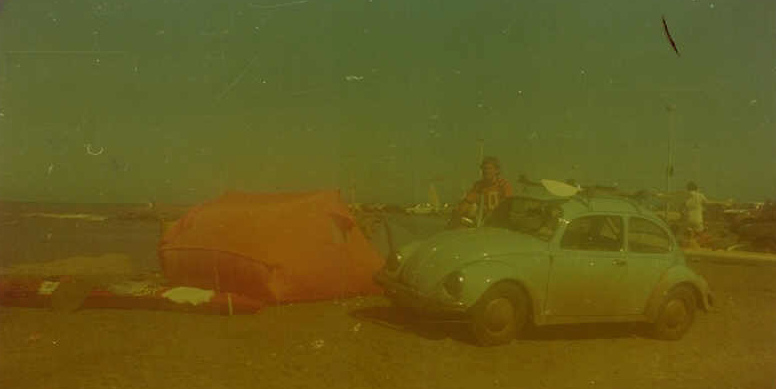
    Here’s my orange pup tent and Louis’ red Hai and blue VW at Blue Lagoon after the race, wind howling:

    1983 Duzi – It was only in 1982 that I eventually got round to paddling again – and then in 1983 I finally did my first Dusi. On a low river:

    1983 Umko:

    umko_no1

    1983 Berg:

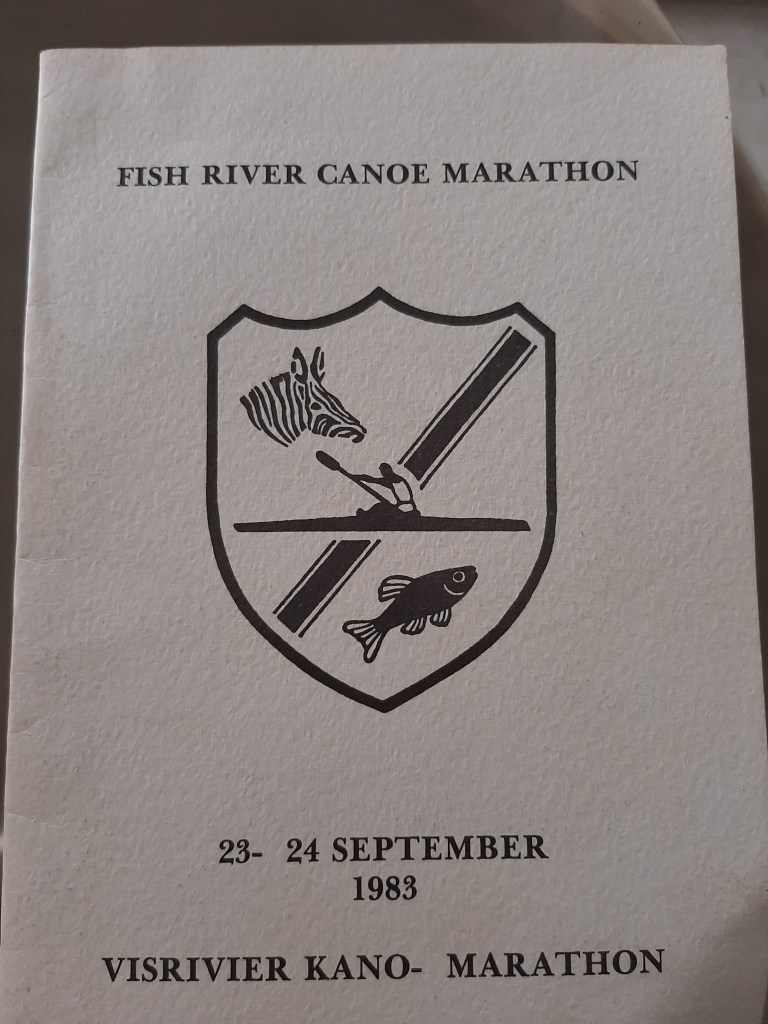
    1983 Fish:

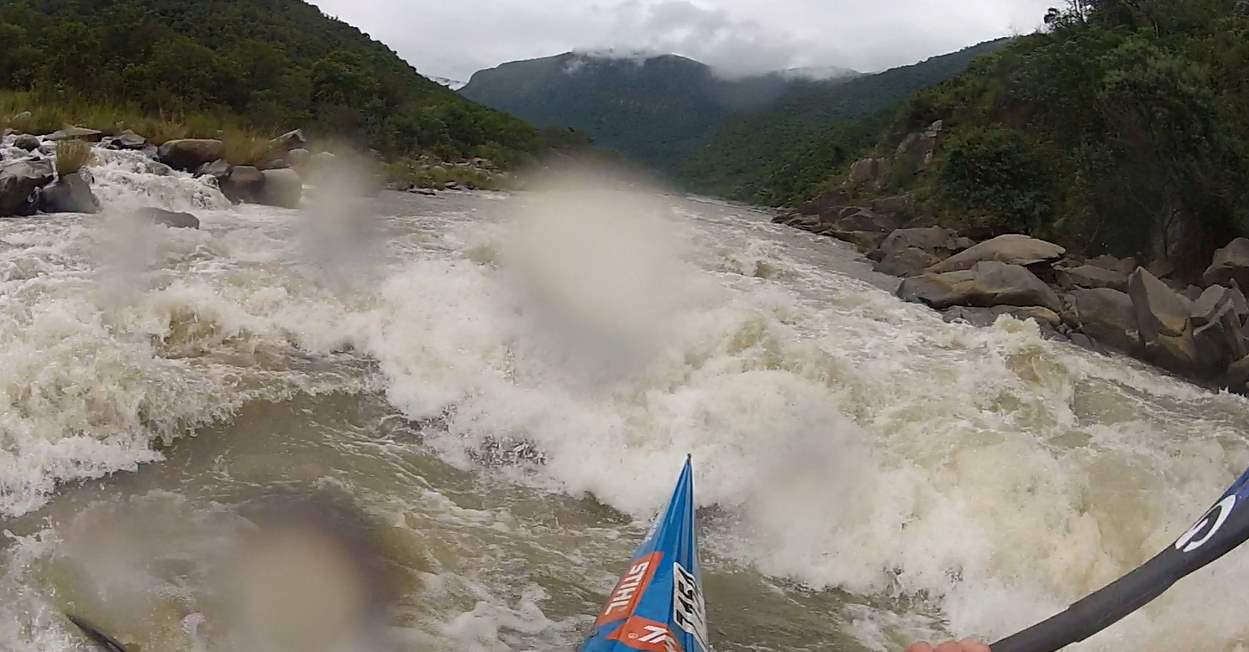
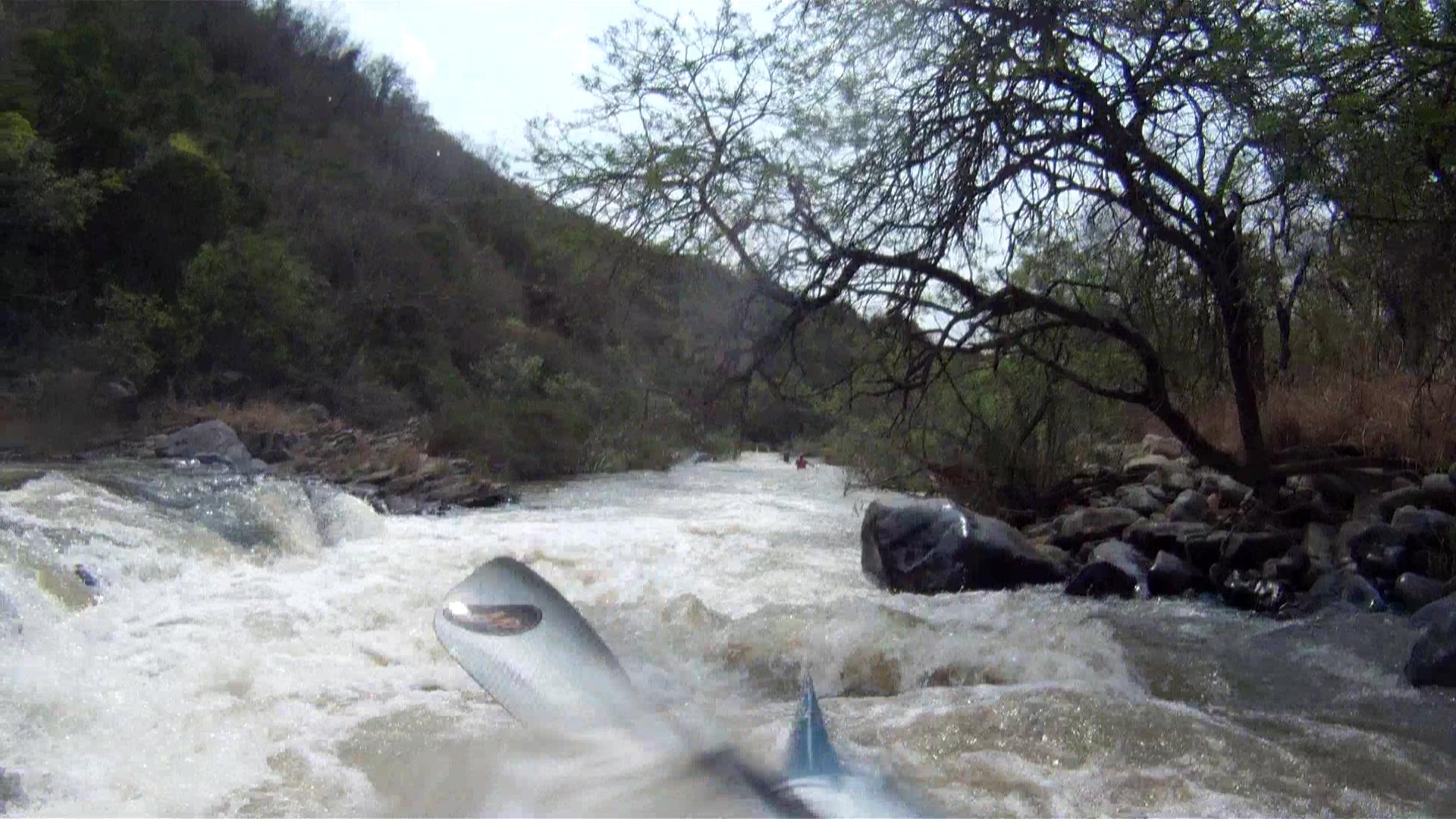
    and the Lowveld Croc:

    lowveld-croc_1
    – a more recent ‘Croc’ –

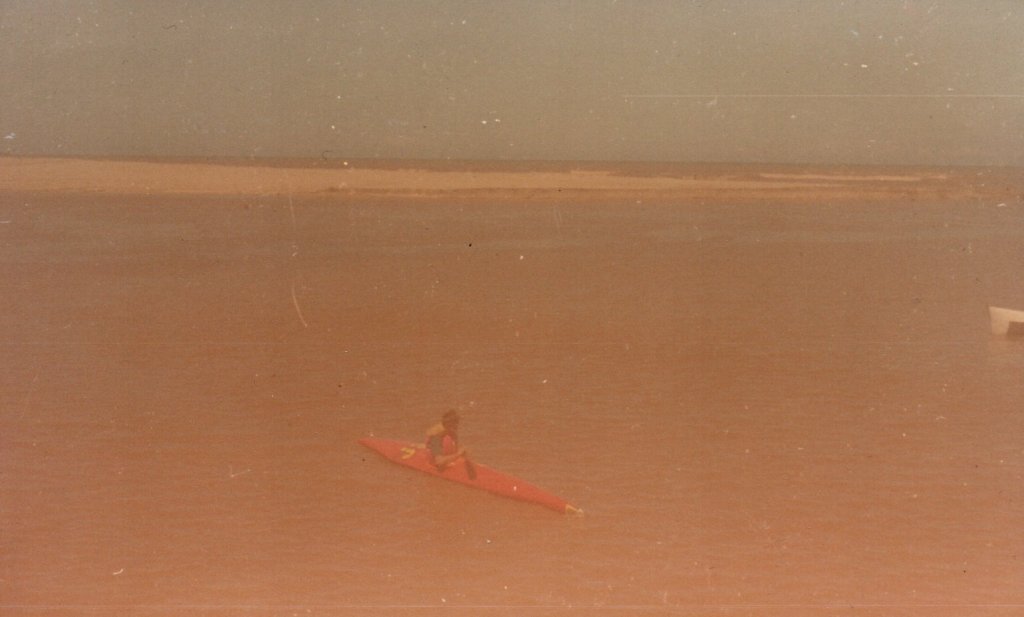
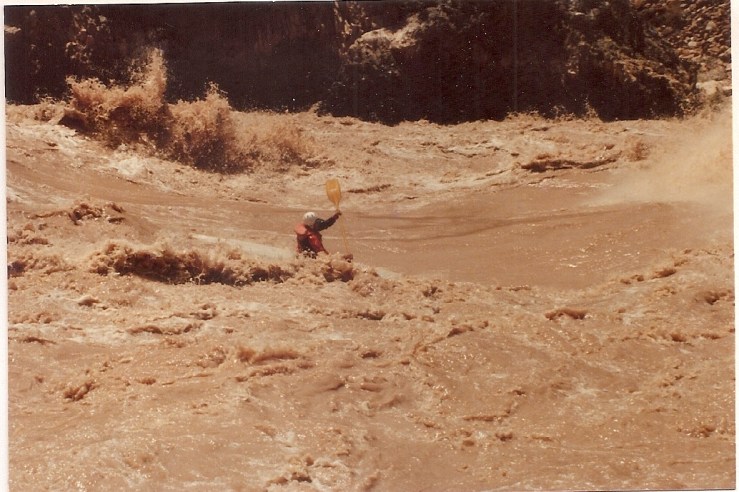
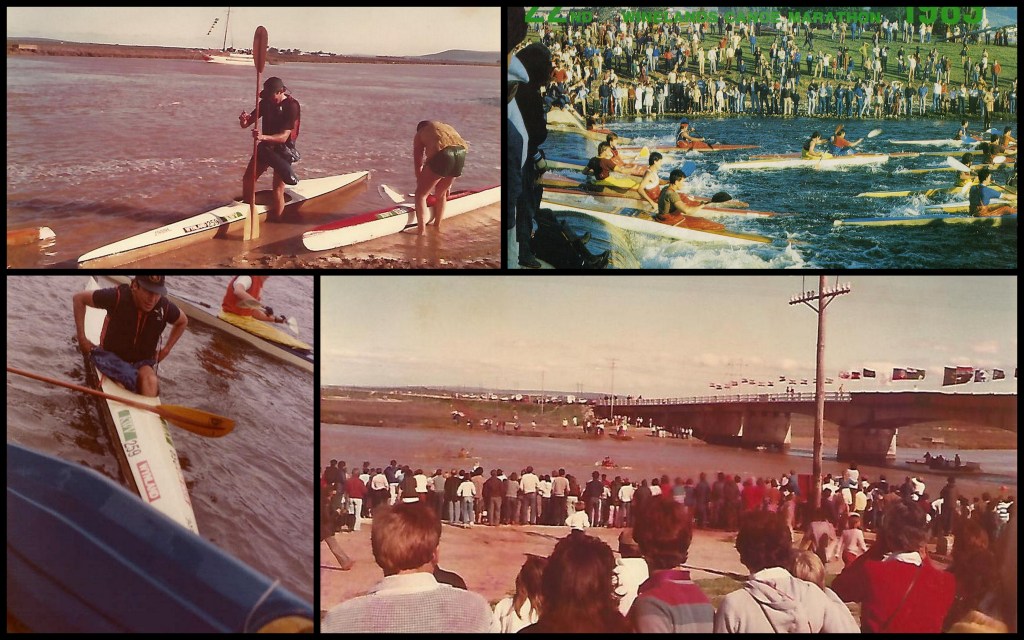
    All in quick succession, and all at my not-furious pace, staring at the scenery, which was good practice for kayaking the Colorado through the Grand Canyon in 1984.

    – Colorado River 1984; Crystal rapid –

    When I got back from America I thought I must get hold of Charles and tell him what his enthusiasm had led to.

    But I didn’t do it then – procrastination – and then I was too late. His heart had attacked him, he was no more. Thank you Charlie Ryder. You changed my life. Enhanced it. Wish I had told you.

    ~~~oo0oo~~~

    Years later good friend Harry Pikkie Loots forwarded this post to Charlie’s son Bradley. I hope Jenny also got to see it.

  • I saw Joan Rivers live . .

    I saw Joan Rivers live . .

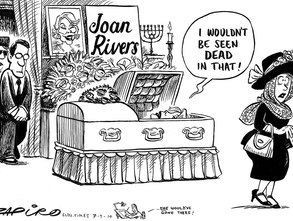
    . . . in Las Vegas in 1973 ! Whoa! Can that be true? When she died recently, I went searching for details of her Vegas show way back then. Joan Rivers Zapiro

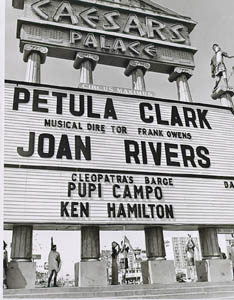
    She was 40yrs old already – and she was delightfully rude. She and Petula Clark were double-billed at Caesar’s Palace:

    joan & pet 1973

    Hollywood Reporter – August 1, 1973 – Bravo Sid Gathrid of Caesar’s Palace for giving the summer crowds one of the freshest, brightest and most entertaining bookings of the year in the lady stars Petula Clark and Joan Rivers. Destroying the old hand-me-down Strip myth that two females are artistically incompatible and or have ineffectual drawing power, Pet and Joan’s opening string of standingroom-only crowds found the duo irresistible. There’s a delightful mix-up of interplay of the stars’ talents; Petula does comedy bits and Joan sings! The “raid” on the other’s forte only adds to the evening’s abundance of style, polish and charm.
    Songs Performed:

    Color My World / You Are the Sunshine of My Life / Don’t Sleep in the Subway / Beatles medley: Something / Penny Lane / All You Need is Love / You and I (from Goodbye Mr. Chips) / I Couldn’t Live Without Your Love / Your Cheatin’ Heart / You’ve Got a Friend / I Don’t Know How to Love Him (from Jesus Christ Superstar) / What the World Needs Now / Downtown —————————————-    ——————————

    – 1973 internet pic – we stayed in the Stardust –
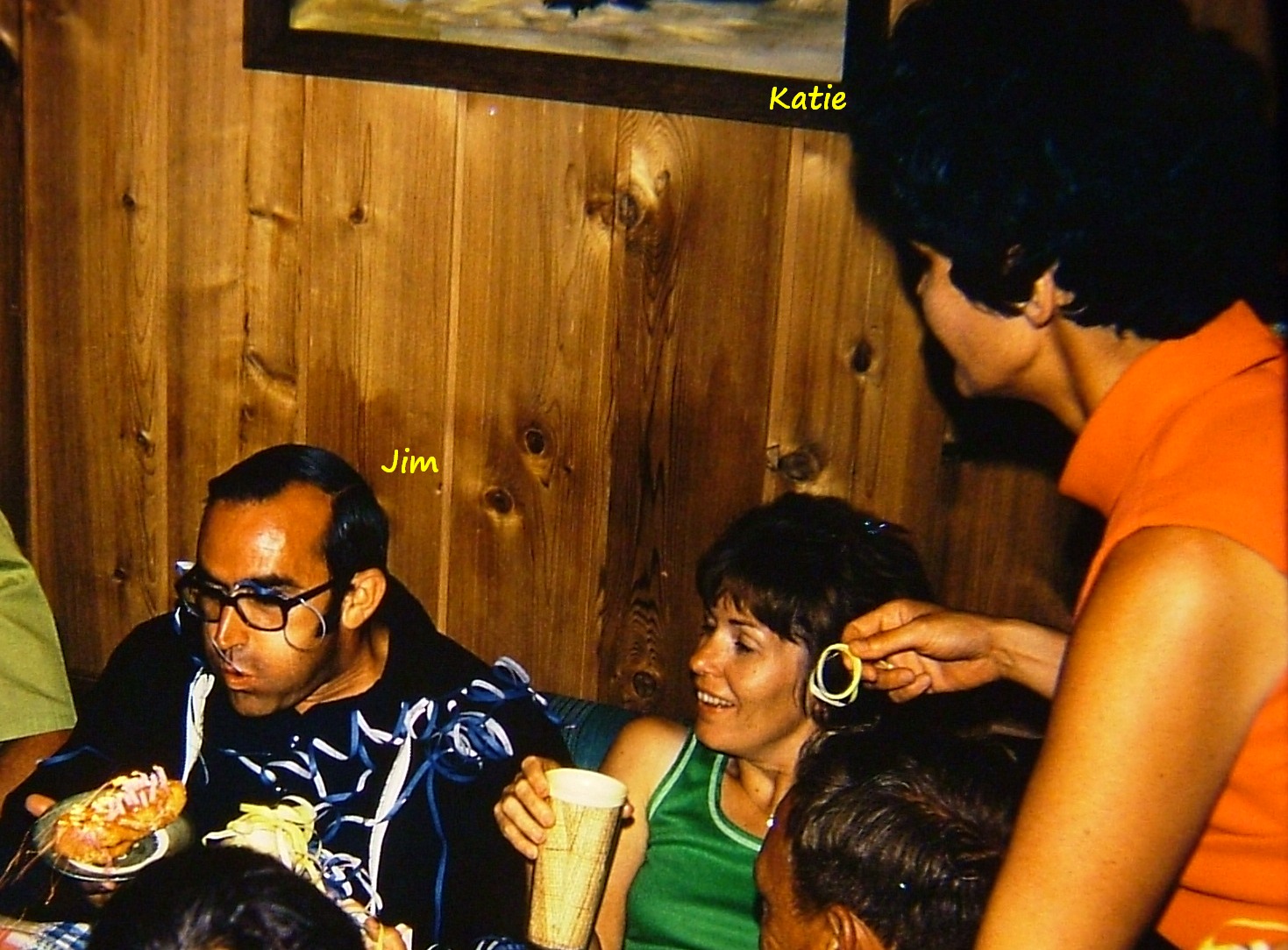
    RedRiver NewMexico 1973 Jim Katie
    – Jim blows the birthday cake Katie (in red) made for him –

    ~~~oo0oo~~~

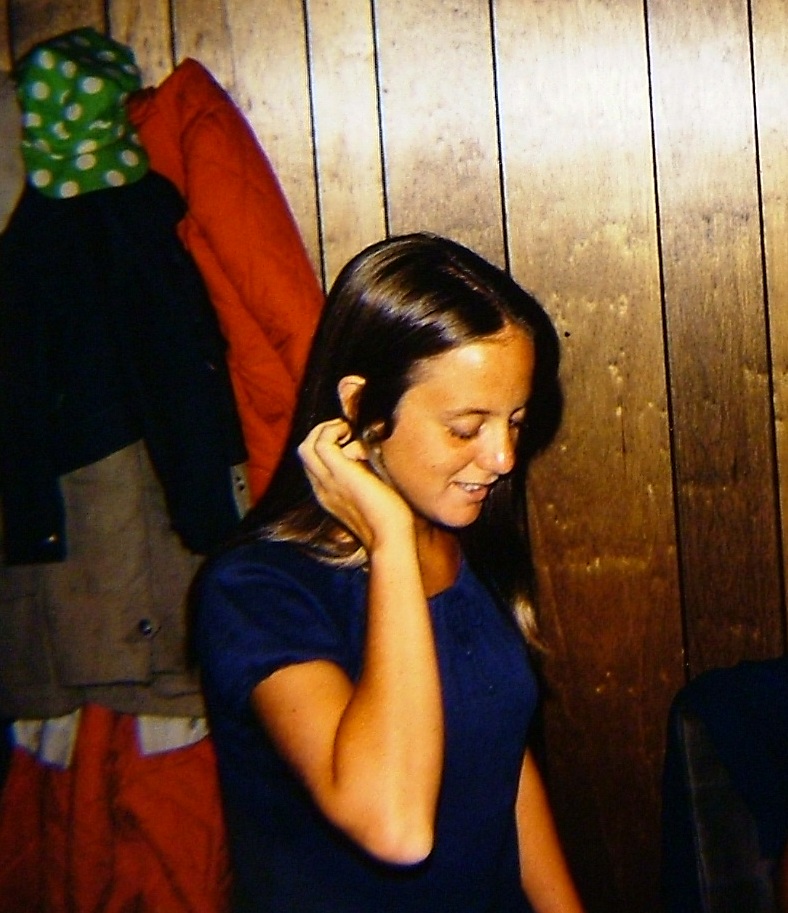
    I went with wonderful Oklahomans Jim & Katie Patterson, magnificent host family of Apache Oklahoma, and very special lady Dottie Moffett of Ardmore Oklahoma, who had been a Rotary exchange student to Cape Town the year before. Clever Katie saw we were keen on each other and arranged for Dottie to join us!!

    Red River New Mexico 1973 Dottie
    – Dottie Moffett –
  • Fresh in the USA

    Fresh in the USA

    Fresh from the City of Sin and Laughter, OFS, where I’d spent my first seventeen years, I arrived in New York with great expectations.

    I was READY – more than ready! – to see the big wide world. After landing we – the gang of South African Rotary Exchange students -were bussed to a hotel in Queens. Someone – a Rotarian, I guess? – checked us in and then left us to go to bed for the night. Early the next morning we’d be boarding different planes to the various states we’d been assigned to.

    Go to bed?! Fuhgeddaboudit!

    But most did! I was horrified. “Excuse me, no WAY I’m going to bed”. Only one other guy (was he Gary or was he heading to Gary, Indiana?) joined me and we went to the night porter. “Right! Where can we go for a night on the town, sir? We want to go for a walk, which way shall we head?”

    Oh, I wouldn’t advise you did that, he drawled, I’ll get the hotel bus to take you someplace.

    So off we went, noses plastered against the windows, fascinated. Our personal chauffeur dropped us off at a brightly-lit truck stop and asked when we wanted to be fetched. “Three Ay Emm” we said, pushing our luck. Check, he said without blinking. So we sat and watched a New York night go by drinking beer and eating burgers n fries till he fetched us as arranged.

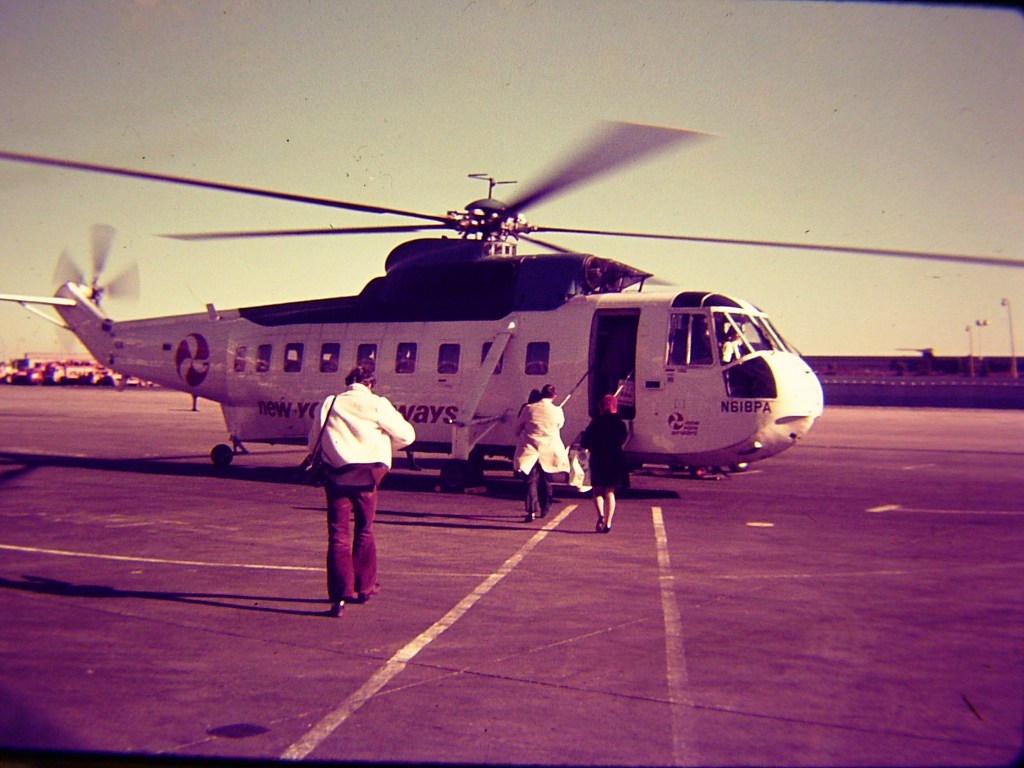
    After three hours sleep, we were taken back to JFK where we split up. Some of us boarded a HUGE helicopter for the hop over to La Guardia airport from where I would be going on to Oklahoma, OFS – uh, USA.

    Sikorsky chopper JFK airport 1973

  • Playing in the Snow

    Playing in the Snow

    1973, on my way back from the States, I fly to New York on a Monday in December and ask for a flight to Johannesburg via London.

    ‘Sorry you can’t. Your ticket is non-transferable, and the next SAA flight is via Rio on Friday’. The old man had paid for my ticket on his shiny new Barclaycard and had put it over 12 months, so one last payment was still outstanding.

    Ooh shit, four days in NY with no money. Well, about $19. I got a $25 a month allowance in Apache from the Rotary club. Seventeen South African Diederiks Ront it was back then. And sixty cents. R1 was worth $1.42 – how times have changed if you’re reading this in 2020!

    I put my suitcase in a locker, put a quarter in the slot and take the key.

    Hop on a bus to Grand Central Station in Manhattan to look for the SAA office / kantoor. ‘That’ll be $2’ says the bus conductor.

    At the SAA office / kantoor I get, ‘Sorry, can’t help’. Hey asseblief man! ‘OK, we’ll try’.

    Back to JFK airport and sleep on the floor. The damn benches spitefully have armrests for each seat so you can’t lie down on them. Fitful sleep on the hard floor broken by a huge sit-on vacuum and polish machine that roars up to me at 3am. ‘Move along there’, says the cleaner driving the vengeful beast.

    Tuesday I do the same locker-bus-SAA office run, but now I’m rather peckish so I stroll around Manhattan looking for something cheap to eat. I find a burger for $3. Not cheap in ’73, but that includes as much beer as you can drink, so I think OK. Big glasses, though, so I could only drink two. Then I wander the Manhattan streets with a nice beer buzz going. Going up the Empire State building was an amazing experience.

    800px-Empire_State_Building_(aerial_view)

    Wednesday I do the same locker-bus-SAA-hamburger-with-beers run but this time when I go into SAA at the end of the day they tell me ‘Good News, you’re free to go!’ To celebrate I book into the YMCA without my suitcase so I can have a shower. ‘That’ll be $11’ for the smallest room I have ever slept in: Just barely bigger than a small single bed.

    Thursday I’m squeaky clean on the bus back to JFK. My ticket is now ‘transferable’ and I take the first plane to London: Air India. I grab a discarded newspaper lying on a bench on my way to board. It’s a jumbo jet – my first!

    Air India 1973.jpg

    Settling into my seat I read: “Air India has just been voted ‘Worst Airline in the World’ – Again”. Their cabin crew is on strike so admin staff are ‘standing in for them’ – by doing nothing. A delightful Irish lass is sitting next to me. Much older – she was probably all of thirty – she feels sorry for me so buys me a Pommy cold pork pie on the way out of Heathrow. Tastiest pie ever.

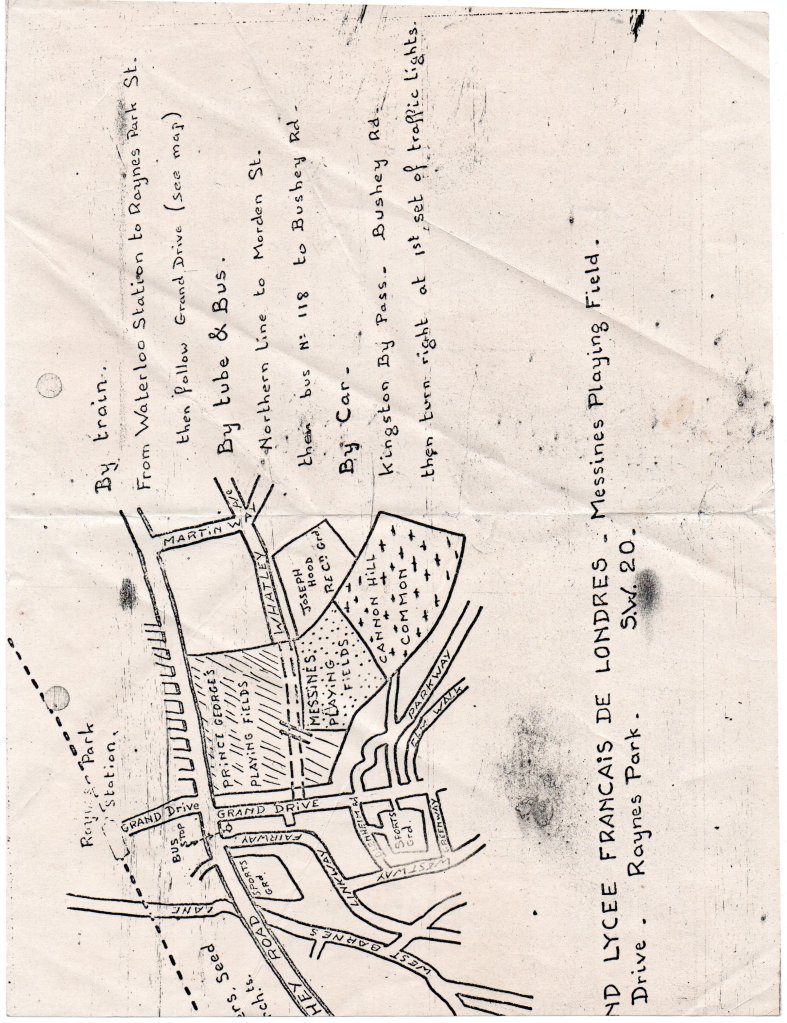
    I’m on my way to meet a connection Don Inglis who once lived in Harrismith and is now in London for a year, so he knows the place. Turns out he has a rugby match playing for some Saffer team against the London Irish, so we scurry around Buck House circle and somewhere else where someone lived or died or married someone, and head off to near Wimbledon for the game. Five rugby okes are squeezed into his little Austin something, and we’re reading a map. I’ve been there one hour and I’m saying ‘Left, I think.’ At the ground the players huddle in a cold shed to change and notice they’re a couple of boerkies short can I play? Sure, I say, but only half the first half, then I have to catch a tube to Heathrow.

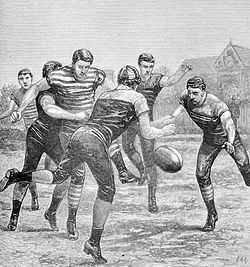
    Rugby in London_2

    Thank goodness (it’s sleeting outside) Don says rather don’t risk missing your flight. So they run out onto the mud with one blade of grass every ten yards without me and start puffing out steam and shoving some fat Irish blokes around.

    Between scrums Don shouts out which tubes and buses I should catch and I leave before the halftime whistle to head south after a year in foreign climes. I’m very much looking forward to getting home now.

    Once in the air the SAA koffie poppie gives me lip when I order a third beer so I’m feeling at home while still thousands of kays away.

    ~~~oo0oo~~~

    Diederiks Ront – SA currency; Our finance minister’s name was Diederiks

    office / kantoor – office / office

    asseblief – puh-leez!

    Saffer – South African

    boerkies – South Africans

    koffie poppie – SAA air hostess

    ~~~oo0oo~~~

    The old man’s Barclaycard was brand new. Maybe he was persuaded to get one by a glass of sherry and a blonde?

    barclaycard_launch

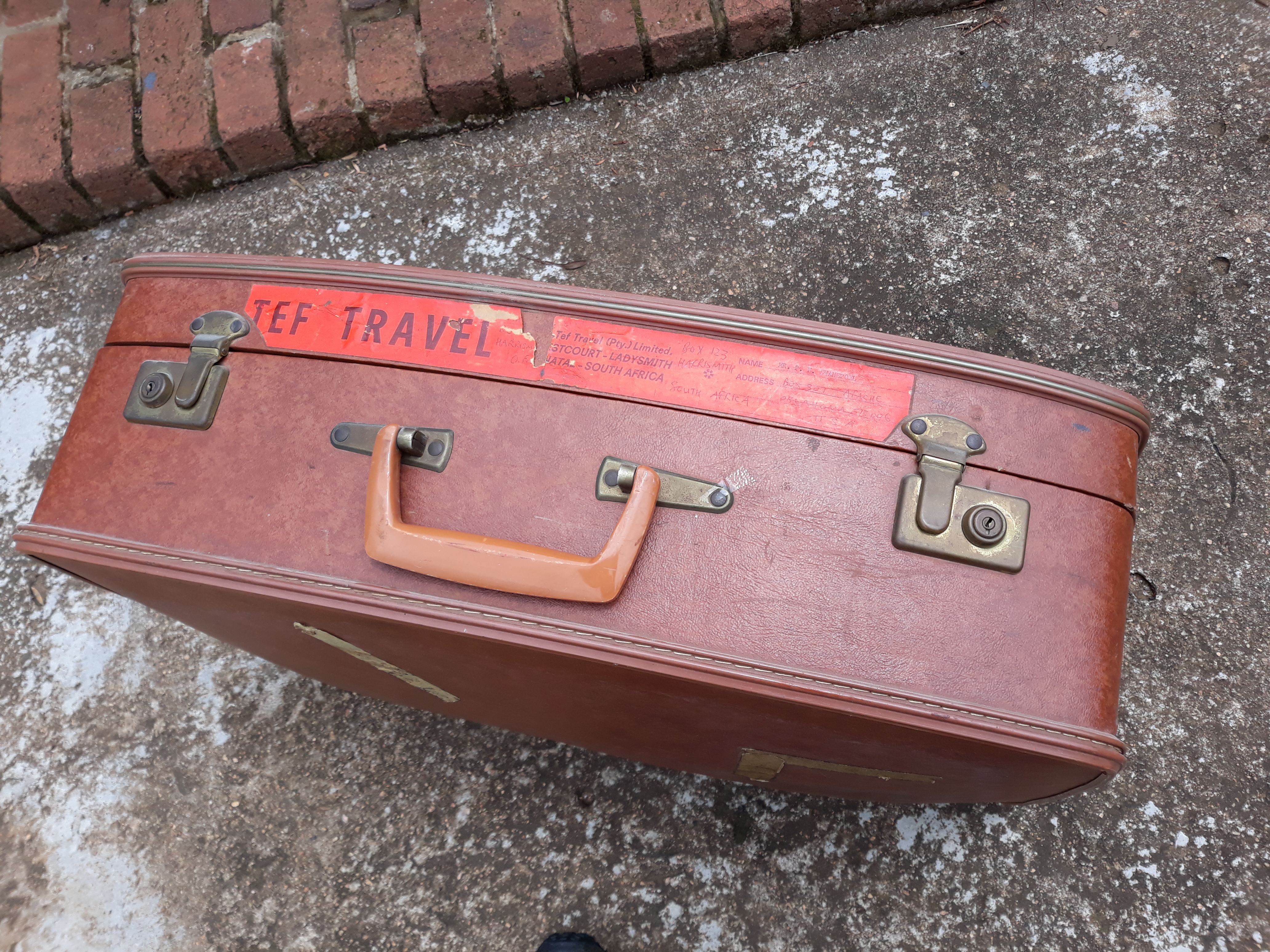
    I recently (2019) packed some clothes for my 90yr-old Mom as she was going to stay in a home for the aged for a while. Get my suitcase down from on top of my cupboard, she said. It was the suitcase I had parked in the JFK locker 46 years ago! And it was probably old when she loaned it to me!

    From: Box 123 Harrismith – To: Box 307 Apache OK 73006

    ~~~oo0oo~~~

  • Definitely No Driving

    Definitely No Driving

    Rotary had a few strict rules for exchange students. I can remember one: Definitely No Driving. So I didn’t. Except when really drunk.

    Off we went one night into the sticks for beer and loud music. After a few hours we needed more beer to be fetched from town and I shouted “I’ll Drive!”

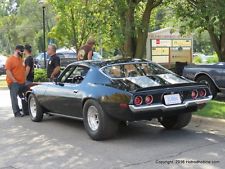
    camaro_2

    Amazingly (also a beer effect?) Jay said OK!

    His beautiful, prize Camaro looked a lot like this one.

    So off we went with this foreigner driving on the wrong (left) side of the car and the wrong (right) side of the road. Driving perfectly and safely until we got to a right turn on the country dirt road. Most bends around Apache are right-angle bends – the roads mostly run north-south or east-west.

    And then the wheels came off. Quite literally. Jay’s prize 15-inch back slicks on his beautiful hot dark green ’69 Camaro popped off the rims as I blacked out momentarily and gunned too fast around the bend, off the left-hand side into a ditch.

    Jay crapped all over me but – friend he was – let me off amazingly lightly. This poor – guilty – foreigner was allowed to get away with it.

    Yikes! VERY lucky escape! *embarrassed*

    ~~~oo0oo~~~

  • Dottie Moffett 1955-2006

    Dottie Moffett 1955-2006

    RedRiver NewMexico 1973 Dottie
    – Dottie Moffett, Red River, New Mexico 1973 –

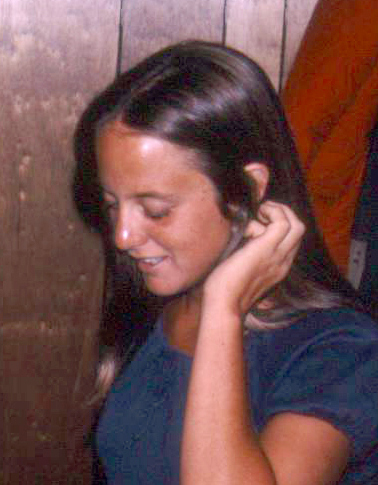
    I went looking for Dottie, wondering where she was and what she was doing. And found an obituary on the internet!

    Dottie Moffett Butler died unexpectedly at her home in San Diego, California on Wednesday 5 July 2006. Dottie was born 8 July 1955 in Daytona Beach Florida. At the age of seven her family moved to Chickasha Oklahoma and then, several years later, moved to Ardmore Oklahoma. Dottie graduated from Ardmore High School where she was active in several student organizations, including the women’s tennis team.

    During her junior year she was a Rotary Exchange student to South Africa.

    She earned her bachelor’s degree from the University of Cape Town, South Africa, and then her master’s degree in psychology from East Central University in Ada Oklahoma. As a psychologist, Dottie was a compassionate and caring counselor whose gift for helping others through difficult times will long be remembered. Dottie is survived by her husband, Dr. Harrison Butler, in San Diego; her mother, Dorothy Moffett McCall, in Durham North Carolina; her sister, Dale Moffett, in Cary North Carolina; two brothers, David Moffett and his wife Mary, Minneapolis Minnesota, and Denny Moffett and his wife Mary, Tulsa Oklahoma, as well as several nieces and nephews. She was preceded in death by her father Dr. J. Denny Moffett Jr.

    Condolences to the family may be sent in care of Dorothy McCall (her mother), Durham, NC (note: since deceased – in 2014, aged 88).

    Her family suggests contributions in Dottie’s memory be made to The Wilson House, East Dorest Vermont. A remembrance service for Dottie was held July 15, in San Diego. A second service will be held on Saturday, 4 September 2006 on Mt. Desert Island in Maine, where Dottie and others in her family have enjoyed the serenity and peacefulness of Long Pond.

    Information provided by Haigh-Black Funeral Home and Cremation Service.

    ~~~oo0oo~~~

    Devastated. Too soon! Dottie was a special lady. I knew her only for a couple years, in Oklahoma and in Cape Town, but she was unforgettable – her big heart, her hearty laugh, and much else – just a special person . . . . . darn!

    Here’s Dottie with Jim Patterson of Apache OK in the Sangre de Christo mountains of New Mexico in 1973.

    RedRiver NewMexico 1973 (10).JPG

    Dottie in Montreal in 1973.

    Dottie in Montreal (I think - Ottawa?)

    ~~~oo0oo~~~

    UPDATE July 2020: I have just discovered a bunch of old letters in boxes in the garage; some of them from Dottie! Lovely surprise. I had visited her in Cape Town and she was all confused. Something about a boyfriend. Good thing she didn’t ask for advice – I was pathetic at relationships! She was taking him home to meet her twin sister Dale and her Mom and I think there was some nervous tension.

    ~~~oo0oo~~~

    – Dottie’s Dad Dr Denny Moffett gave me this lovely book in Ardmore, OK –

    ~~~oo0oo~~~