Sheila sent me an old picture of the du Plessis’ beautiful pool in Harrismith. Joan and Jannie built a big one as they had three amazing swimmers in their stable. As far as I know, Lynn, Pierre and Sonja all represented Vrystaat and South Africa (or at least went to ‘Top Ten’ where the ten fastest swimmers in the country all get into one pool and then see who can get out first on the far side in the big final national gala).
Here’s Gary Beaton’s butt, Pierre’s leg and a du Plessis poodle with Platberg in the background. Plus the big wooden fence shielding the pool from Arthur Kennedy’s famous triangular wood and glass house next door.
Which reminded me:
We painted that fence with creosote. Child labour unpaid by Jannie. Pierre, Tuffy and me, topless in our swimming cozzies. It was great fun. When one of us (must have been Pierre, he was usually our chief instigator) ‘mistakenly’ painted another on his bare skin, it was hilarious. Retaliation followed. More hilarity.
And then it started to burn. Really, really burn. Creosote on your skin is unfunny. We ended up in the pool scratching and rubbing and wiser. We’d learnt a chemistry lesson.
Fifty years later they invented the internet and now I know this:
Coal tar creosote is a mixture of hundreds of chemicals in a thick and oily liquid. People need to be trained and certified to use creosote. Creosote is also a pesticide. A pesticide is a substance that kills pests.
Jock Grant was a Harrismith legend. “A legend in his own lunchtime” as they say.
Fresh out of Scotland he joined the golf club and announced to the usual crowd leaning up against the bar in his broad accent that he was taking Afrikaans lessons.
“Jock”, said Jannie du Plessis, “We think you should first take English lessons!”
He started a plumbing business, married lovely local lass Brenda Longbottom and ended up owning the quarry, becoming famous for his loud booms which would rattle the windows of the town at noon, as he dynamited rock on 80th hill on the western edge of town.
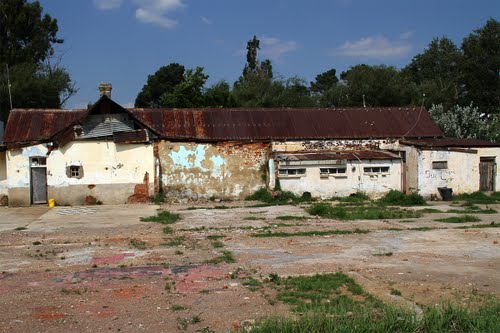
Then he owned Swinburne. Well, the Montrose Motel, anyway. Not much left now:
The entrance was around the corner on the left and as you walked in there was a pianola in the hallway.
———
Ian Fyvie has a story about when Jock went over to visit his family in Scotland. On his return they were playing golf and Ian asked him if he had enjoyed the visit. Jock’s reply was very non-committal and unenthusiastic. Ian said “But you must have enjoyed some part of the trip! What was the highlight of the whole holiday?”
“When I came over 42nd hill and saw the lights of Harrismith!”
—————————————————————
Nick Leslie tells of going for a walk in the veld with Jock and Brenda. Climbing through a barbed wire fence Brenda got her slacks caught. Jock said “Well your name’s not Longbottom for nothing!”
————————————————————–
Dad tells of Jock’s big talk which was most unlike most of their Harrismith friends’ more modest approach. Jock could swagger. He arrived at a party (always there were parties!) smoking his big cigars and between puffs boasted “He wanted *puff* six million *puff* but I said I’ll offer you five million and not a penny more *puff*”. When he left that night Hector Fyvie said in his quiet way “There goes Jock Maximilian”.
————————————
Jock brought his nephew Morris Crombie out from Scotland to join him in his plumbing business. Morris was invited to join Round Table and at his first meeting stood up to announce himself. In his broad Scots accent the lanky Scotsman intoned: “I’m Mawriss Crawmbie – Ploomer” and probably didn’t understand why the whole room collapsed with laughter.
———————
Mom was dancing with Jock at yet another party on Swiss Valley, the Venning’s farm. “Och, its smoky in here, I’m going oot fir a breath a fresh air” said Jock. Mom thought that was rich as he’d been smoking his cigars like a chimney, causing the haze indoors. He was soon back, muttering “I toook one deep breath ootside and I came running back in!” (He was referring, of course, to the famously strong smell of pigshit from the piggery).
Whenever any new guests on the farm referred to the smell the Venning they mentioned it to would look mystified, sniff around cautiously and then pronounce seriously “I smell money”.
Dogs accomplish mating by a unique physical way and process. Unlike most other mammals, the dog’s penis has a large bulbous enlargement at the base. When the dog’s penis enters the vagina of the bitch, it must go through a muscular ring or constriction of the external opening of the vagina. The moment the penis is through, the pressure of the tube on the reflex nerve center causes a violent thrust and the dog clings to the bitch with all his strength. The swelling of the bulb prevents the dog from withdrawing his penis.
Dogs remain hung in this manner for on average twenty minutes. The male turns around and faces the opposite direction from the bitch. While the two are hung in this manner, they may get their nails into the dirt and pull with far more than their own weights, stretching the penis amazingly. Do not be alarmed when they pull this way; neither dog is being hurt. As the valve relaxes, the blood leaves the penis, usually from the bulb part first, and allows the enlarged penis to slip out.
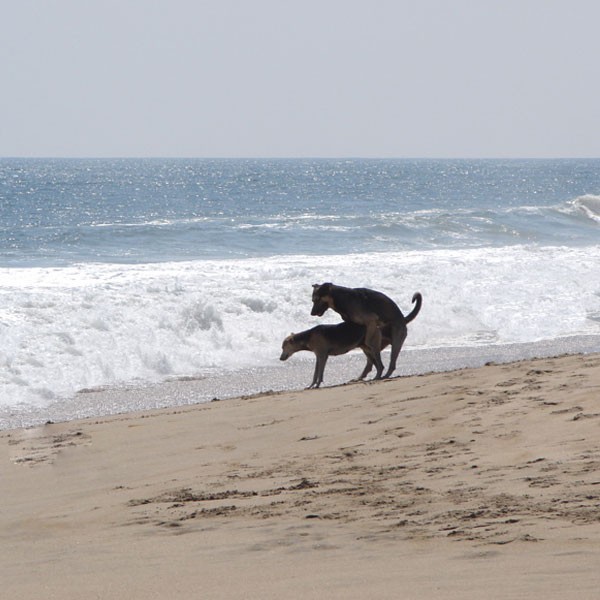
They’re usually bound together for about twenty minutes. Quite long. In fact, in animal kingdom terms I think you could almost call it . . ‘True Love.’ Or ‘commitment.’
I didn’t know this when I first saw it on the Fyvie’s Gailian farm outside Harrismith in the Free State. Tabs and I were farming with his Dad Hector, who was driving the pickup. We rounded a bend and there they were. I watched in fascination. It did seem a bit like, after the passion, they had turned their backs on each other, avoiding eye contact, and were like:
I can’t believe this; He doesn’t write, he doesn’t call; and him: Will she still respect me in the morning . . . ?
We watched a few seconds and then Uncle Hec in his inimitable quiet, deadpan way, said: “Locked in Holy Matrimony.”
~~oo0oo~~
Another famous dog knot featured our first dog’s famous father: Stan the Man
The Harrismith Stadsaal was propvol. Albert Hertzog was coming to speak as leader of his new breakaway party, Die HNP, Die Herstigte Nasionale Party. And the doubtful and the faithful were all there. Plus one Yank.
The doubtful were there to worry about the severe liberalisation evident in the Nat Party lately – I mean, they were considering allowing television, and Engels, and sulke kak! – while the faithful were there to heckle ou Hertzog.
A dapper little dutchman, he gave a rousing speech about the great injustice done to them by the Nats, building up to a rousing “en hulle het ons UITGESKOP!” flinging his arm out in what looked suspiciously like a Nazi salute. Upon which, from the back of the hall rang out a clear “NETJIES!” which brought the house down and quite ruined the dramatic effect.
This as reported to me by the Yank Larry Wingert, Rotary exchange student from Cobleskill New York, who’d gone along to witness democracy, Old-SA-style.
In typical political fashion the verligtes hated their brother verkramptes even more than they hated the old enemy, the Sappe. The Sappe they could say, were just stupid, but these ous were verraaiers!
In the election that followed, the Sappe (United Party – the nickname was from an older party, the South African Party) made gains, the Nats losing seats in parliament for the first time since they came to power in 1948.
But ou Hertzog’s Herstigtes won 0 seats. Zero. That’s roughly equivalent to fokol. Not one, despite appealing to Larry that they were the way forward to the past!
The Nats were still in power, but to put their “power” in perspective, in a country of 22.5 million people, 821 000 people voted for them!
Talk about illegitimate.
~~oo0oo~~
propvol – full – full to bursting
“en hulle het ons UITGESKOP!” – The Nats in power booted out the doubters; Who then formed the “re-established National Party” (Herstigtes); You know, like brothers falling out; famielietwis;
famielietwis – family feud
“NETJIES!” – Well Done! Neat Move!
verligtes – sort of ‘enlightened’ racists; a bit more realist than the verkramptes; would allow TV a mere seven years later;
verkramptes – cramp-ass racists; Keep the world at bay! Send the Indians back to India! Drive the Blacks into the sea! Much longing back to their imaginary ‘good old days’! Fond of re-enactments like this:
verraaiers – people whose opinion differs from yours; people who don’t have your insight; blerrie traitors; andersdenkendes; anderskleuriges; kommuniste; liberales;
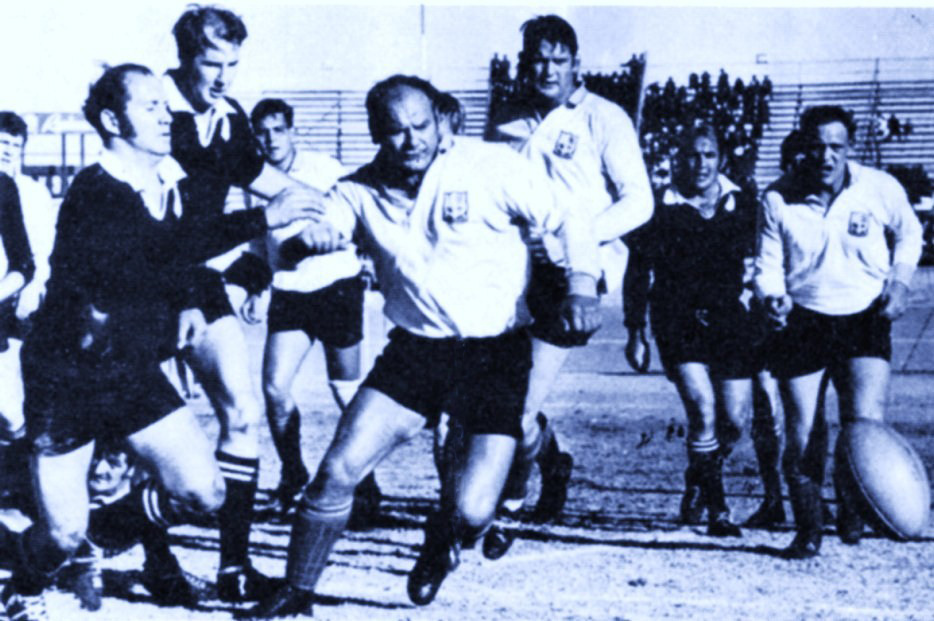
July 1970. The All Blacks were on tour. We had gone to Bethlehem to see them play. Rugby.
Now, surely Bethlehem must be the only town in the world where a big sign at the entrance says not WELCOME, butFAKKELHOF ? I bet the one in Palestine didn’t.
Bryan Williams, the first Maori allowed to play in South Africa (inconveniently handsome and popular, strong and fast) scored two tries in his very first game in an All Black jersey.
Check the Bethlehem news: ‘en daar was rugby ook’ – with more coverage of the pomptroppies than the rugby!
We got klapped 43-9, so the rugby was just an afterthought! You can be sure there’d have been much more rugby coverage had we – Oos Vrystaat – won!
Rugby writer Terry McLean said: (The) Paul Roos XV was, bluntly, a nothing team. Dannhauser and Fourie had good stances as locks in the scrummage. Lyell at No 8 had bags of pace which he used much too little and Burger, a hooker of some note, took a heel from Urlich, though he lost five in the process. But behind the scrum Froneman was an obsessive kicker and Kotze at fullback defended principally by making meaningful gestures from a distance.
And McLook said: I get heart burn (sooibrand) just reading remarks like this; it has always been one of the most irritating and frustrating things for me about South African rugby. As a provincial player you get one opportunity in your life to play against an international team so why would you waste the opportunity by constantly kicking the ball away. Secondly, it totally eludes me why selectors would pick individuals for a team if that individual does nothing else than kicking. If you want to kick a ball go play soccer. Eina!
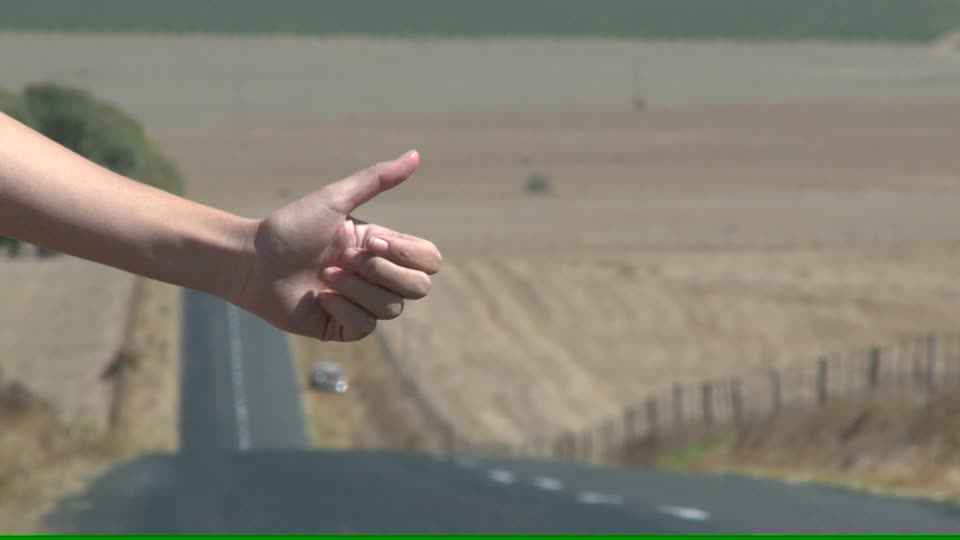
Later the Silver Ferns played Free State (hak Vrystaat) in Bloemfontein and my mate Jean Roux and I decided we needed to go and see that game as well. We hitch-hiked to Bloem, arrived in time and watched the game.
Let’s conveniently forget the score. You know how those All Blacks are.
After the game we realised it was getting dark and cold. We had made zero plans or arrangements, so we made our way to the pulley staasie, the cop shop, told our tale of need and were met with excited enthusiasm and hospitality. NOT. We were actually met with complete indifference and ignored. Eventually one konstabel saw us and asked, ‘Wat maak julle hier?’ and we told our tale again. He said nothing but fetched some keys and beckoned us to follow him. ‘There’s a ladies cell vacant,’ he muttered, letting us in and locking the door behind us.
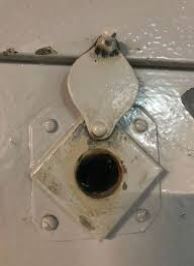
Toilet in the corner with no cistern, no seat and a piece of wire protruding through a hole in the wall: the chain. Four mattresses with dirty grey blankets. Lots of graffiti, mostly scratched into the plaster. Yirr, some vieslike words! We slept tentatively, trying to hover above those mattresses, which were also vieslik, and woke early, eager to hit the road back to Harrismith. After waiting a while we started peering out of the tiny little peephole in the door, hoping someone would walk past. Then we called politely with our lips at the hole but not touching. Eventually we started shouting – to no avail. After what seemed like ages someone came to the door. Thank goodness!
‘Vaddafokgaanhieraan?’ he asked. ‘Please open up and let us out, we have to hitch-hike back to Harrismith,’ we said, eagerly. ‘Dink jy ek is vokken mal?’ came the voice and he walked off. We realised it was probably a new shift and no-one knew about our innocence! They were these ous:
We had to bellow and yell and perform before we eventually could get someone to believe us and let us out.
And then:
~~oo0oo~~
FAKKELHOF – doesn’t sound like welcome; sounds like Go Forth and Multiply; literally ‘Torch Court’
‘en daar was rugby ook’ – oh, there was some rugby (after ooh’ing about all the ancillary pomp)
pomptroppies – drum majorettes; microskirts
klapped – pasted; smacked
Wat maak julle hier? – what are you doing here?
vieslik – disgusting; sis
Vaddafokgaanhieraan? – Can I help you gentlemen?
Dink jy ek is vokken mal? – Do you think I’m gullible, old chap?
Quora asked this question recently: “How do you know when you are fluent in a language?”
I answered thus: My guess is usually you won’t really know. Native speakers are usually polite and will flatter you with a better assessment than is true. Maybe a better question to ask yourself is “When am I fluent enough?”
My guess? When you’re enjoying using it and not really thinking about it. I am fluent enough in Afrikaans and can happily hold any conversation with someone who only speaks that language. But even though I have spoken it since I was little, no native speaker would mistake me for a native Afrikaans speaker.
Confession: I laboured under the mistaken impression that I was completely fluent. No-one told me otherwise. Then at age fourteen I went to Namibia (South West Africa as it was) and visited third cousins I had never met before. Within two sentences one of them blurted out “Jis! Jy kan hoor jy’s ’n rooinek!” (Boy, You can hear you’re English-speaking!) and my bubble burst. I’m now amazed I was so deluded!
Another case in point: My 94-yr old Dad speaks “fluent Italian” which he learnt in Italy in WW2. I asked an Italian-born schoolfriend a few years ago “How well does the old man actually speak Eyetie?” and he said “Really well. Really”. Somehow I think that’s politeness. I mean, two years in Italy seventy years ago when he was already 22yrs-old – ?? How likely is that? But I have no way of telling, so I’m happy to go with Claudio’s assessment! Thanks, figlio!
Another: I often get complimented for speaking good Zulu. This is definitely not true and is just polite people’s way of saying “Thank you for trying to speak isiZulu to me”.
This post needs work by someone who knows what they’re on about. This is almost as confusing as the Bible’s begats. Advice: If your name is John, name your son Basil. Or Cyril. Or Percy. Anyway, here goes with what I’ve got:
Our distant cousin Hugh Bland has been doing some wonderful detective work sniffing out the Bland family history. He’s of the Blands that trekked north, to the lowveld and on to Southern Rhodesia (if it was called that yet?), leaving their cousins behind on a farm at Oliviershoek on the Natal-Free State boundary. Maybe on a farm called Oliviershoek.
Today Hugh found the grave of Josiah Benjamin Adam Bland.
Josiah Benjamin Adam Bland was born in 1799 in England. His parents were Reverend John Francis Bland (born 1764 Fordham, Cambridgeshire died 1807) and Elizabeth Adams (born Dunfermline, Scotland. He arrived at the Cape in 1825 on the good ship Nautilus, under the care of the ship’s captain, a Mr Tripe. The voyage cost his family £42.
He got a job on a wine farm, in the Drakenstein area of Stellenbosch, met his future wife Cecelia there (du Plessis?), married her, packed their belongings in a Cape cart and trekked to Mossel Bay. They found land on the Gourits river and settled there. Their first son, John Francis Adam, was born in 1836, followed by eight more children. John the eldest then married Petronella Johanna ‘Nellie’ de Villiers and had a son, John Francis Adam II. He and Nellie left for inland while the baby JFA the second was just a few months old. They headed for Colesberg, Bloemfontein, Winburg and on to Harrismith, where they settled ‘in a house not far from the centre of town’ – 13 Stuart Street, maybe?
Back in Mossel Bay, Josiah Benjamin Adam Bland (JBA) became mayor and the main street was called Bland Street. Maybe it still is? He died in 1861. His grave is now hidden in thick bush on a farm in the Wydersrivier district near Riversdal.
When Hugh Bland visited die Kaap ca.2010 the farmer very kindly took him to the gravesite. Hugh says you can still read the inscription on the gravestone – it’s indistinct, but there’s no doubt that it’s JBA’s grave. He says it was “quite a moment” for him – JBA was buried there 156 yrs ago and Hugh wondered when a Bland last stood at that grave.
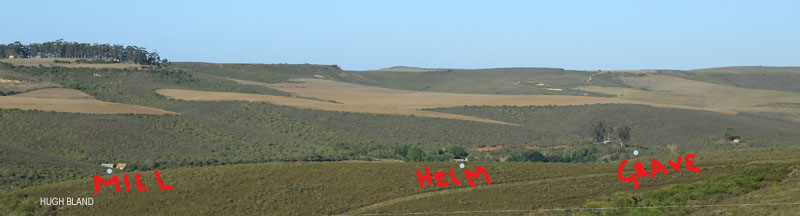
Hugh put two proteas – which it looks like he skoffel’d out nearby? – on the grave; then laid his shadow down next to his great-great-great grandfather and took this pic:
– Hugh Bland’s shadow next to Josiah Benjamin Adam Bland’s grave – left – Mossel Bay – right – Blands Drift on the Gourits River –
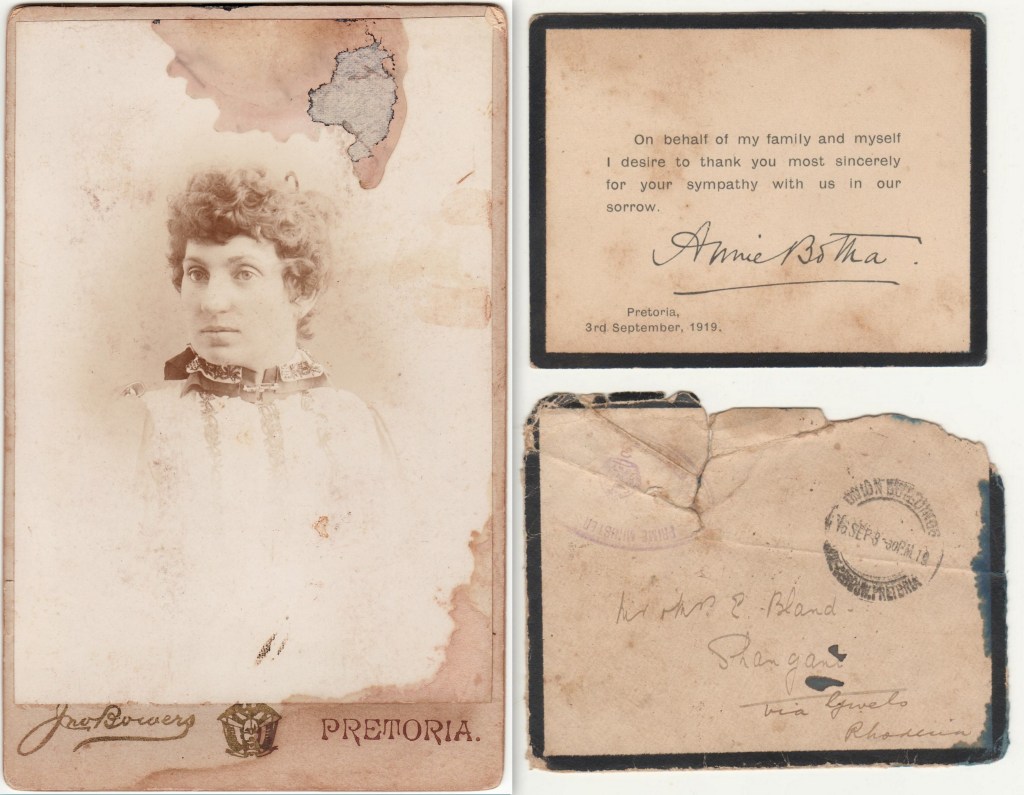
Valuable memorabilia from Hugh:
Prime Minister’s wife’s letter to the Rhodesian Blands
~~oo0oo~~
The Harrismith Branch of the Blands:
Josiah Benjamin Adam Bland had a daughter, Annie Emmett Bland, who married Louis Botha, Boer war general who became the first President of the Union of South Africa in 1910.
He also had a son John Francis Adam Bland (JFA), born in 1836.
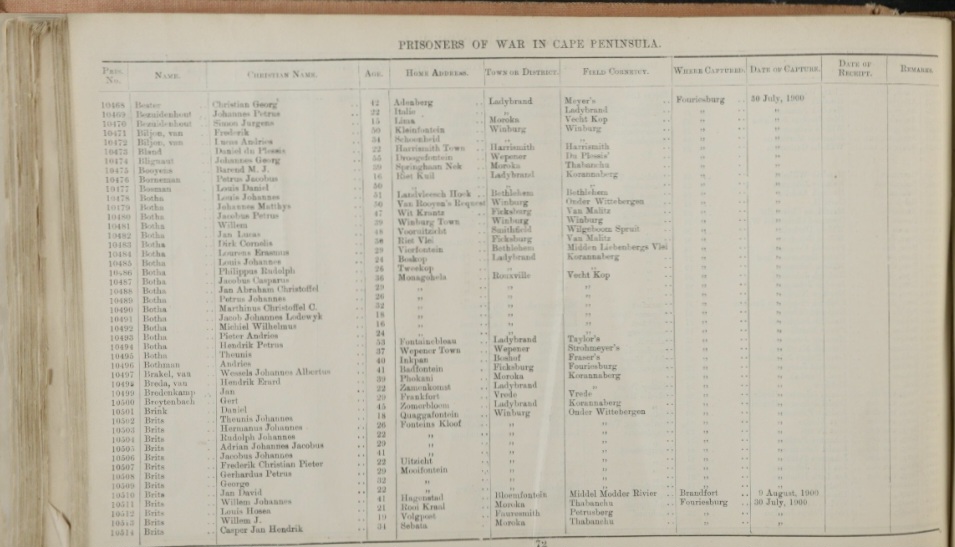
This JFA I later trekked inland ca.1861 to Harrismith in the Orange River Colony with a small baby – John Francis Adam Bland the Second – JFA II. This started ‘our branch’ of the Blands, The Vrystaat Blands. One of them – I must try and find out who – would end up as a prisoner of war in Ceylon for doing the right thing and fighting for his new homeland against the invading, thieving, plundering British in the Boer war of 1899-1902.
John Francis Adam Bland II married Mary Caskie, who became the beloved Granny Bland of Harrismith. They had five sons of whom our grandfather Frank was the oldest, again: John Francis Adam; JFA III.
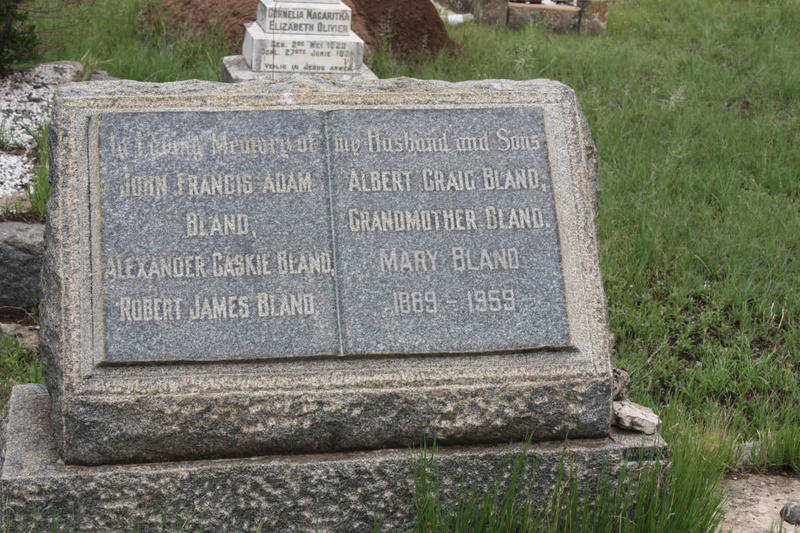
Hugh found out that JFA the First died on 10 September 1891 aged 55, and is buried in the lost, dusty, verlate metropolis of Senekal, Vrystaat. In Harrismith Granny Bland buried her husband JFA II and four of her five boys, including JFA III. As Sheila said, ‘What a tragic life.’ Poor Granny Bland! She loved her namesake grandaughter Mary, our Mom, and she lived long enough to know us, her great grandkids before she died in 1959. So in that she was Lucky Granny Bland! We knew Bunty, the only child who outlived her, very well. He died in 1974 and joined his father JFA II, his mother, and his four brothers in the propvol family grave in Harrismith.
JFA III married Annie Watson Bain – our lovely granny Annie Bland. Known as just Annie. They farmed racehorses and clean fingernails on the farm Nuwejaarsvlei on the Nuwejaarspruit outside Harrismith on the road to Witsieshoek, towards the Drakensberg. He died in 1943 while my Mom Mary was still at school. Pat was nursing in the Boksburg-Benoni hospital. Pat also died at age 49 in 1974. Mom Mary then looked after Annie until she died aged ninety in 1983. Mom Mary is still alive and well. She turned ninety in September 2018 (update, 95 in 2023). Nuwejaarsvlei was later submerged under Tugela river water pumped up the Drakensberg to fill the new Sterkfontein dam. Drowning vleis is environmental destruction, BTW!!! Grrrr!
(I’m hoping sister Sheila will fact-check me here! Also that cousin Hugh will tell us what happened to the misguided Bland branch that didn’t stay in the Vrystaat, but got lost and ended up in Zimbabwe. They lived near Oliviershoek for a while before trekking on. Hugh tells tales of transport riding, ox wagons, meeting Percy Fitzpatrick, farming in Rhodesia and other exaggerations . . . you know how historians are).
~~oo0oo~~
Must add:
A Bland grave pic – Harrismith cemetery
Annie’s oldest daughter Pat Bland – married Bill Cowie, and had two daughters Frankie & Gemma; Bill worked in Blyvooruitsig on the gold mine; We visited them once, and would see them on their way to their wonderful Wild Coast fishing trips. They called Blyvooruitsig ‘Blayfore or Blayfaw,‘ and pronounced Gert as though it didn’t have an ‘r.’
Mary Bland second and youngest daughter – married Pieter Swanepoel in Harrismith in 1951.
~~oo0oo~~
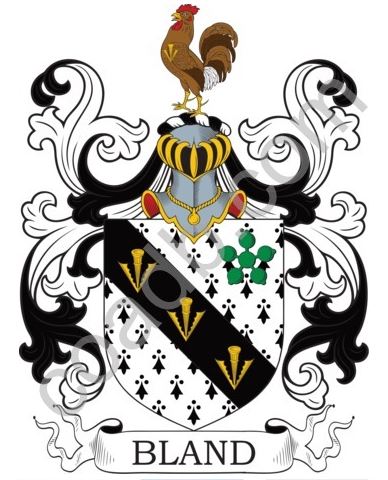
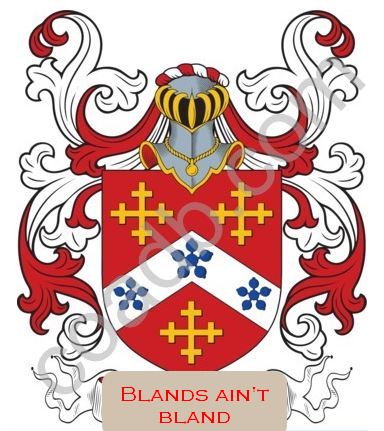
Bland might sound bland, but hey, the surname is thought to derive from Old English (ge)bland meaning ‘storm’, or ‘commotion.’ Don’t use dictionaries that say, ‘dull, flavorless, or just plain ‘blah.’ Rather use the Merriam-Webster that says it means ‘smooth and soothing in manner or quality;’ or use vocabulary.com that says it means ‘alluring;’ or try ‘flattering’ from the Bland Family History on ancestry.com; That’s better. A new motto for the coat of arms, maybe? Blands ain’t bland.
~~oo0oo~~
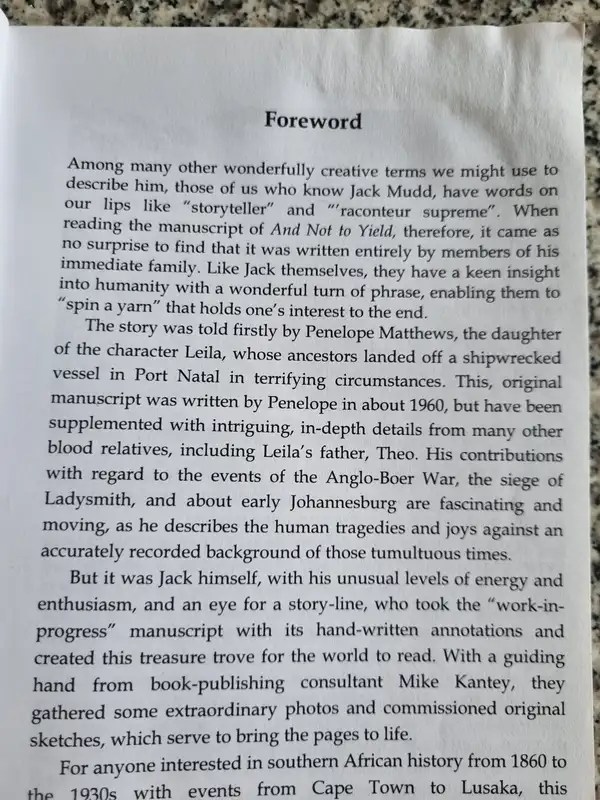
Some of the information on Josiah Benjamin Adam Bland first coming to the Cape I got from Sheila’s book And Not To Yield about Susan Bland. Susan was born in Harrismith, had a brother Willie, married a Theo Allison and lived seven miles outside Harrismith – west, I think, near Sarclet? – farming ostriches for a while.
And Not To Yield by Penelope Matthews, Watermark Press – ISBN 978-0-620-58162-2
~~oo0oo~~
Mom’s more contemporary assessment of her Bland, the Eastern Vrystaat Nuwejaarsvlei branch of the Bland Clan:
She didn’t know her dear Dad Frank’s father – he died rather young. He farmed on Nuwejaarsvlei and sent his son Frank to Michaelhouse. After high school Frank went straight back to the farm, he didn’t do any further studying or training. Mom thinks her grandfather must have had some money, as he built his wife a rather lovely house in town while still on the farm – 11 or 9 Stuart Street. After Frank lost the farm (maybe because as Annie once told me reproachfully when she saw me covered in mud one Christmas morning at 95 Stuart Street, “You know, I never once saw Frank with dirty fingernails!” I loved and admired my gran Annie but I just knew that day that what me and Sheila and Jemma had done in getting covered in mud at the Kakspruit down Hector Street past the du Plessis’ house that Christmas morning was not a bad thing. We washed off in the horse trough and made it to church that morning, I’m sure looking like spotless sweet little angels. JC and FC both would have nodded approvingly, methinks. I’m sure we got presents later that day, so there’s some proof that the Religion of Father Christmas is an understanding, forgiving one.
Frank lost the farm – too many racehorses and too few sheep? – and he and Annie, older sis Pat and Mom moved to town into Granny Bland’s home. Frank bought a filling station in Warden Street in town. When he died – early like his father before him – Annie surprised traditionally-minded people in town by carrying on with the Central Service Station. It was near the corner of Retief Street; later she moved it half a block nearer to the Town Hall, to Caskie Corner, probably the prime spot in town, on the corner of Southey Street. In time she rented spaces to the Flamingo Restaurant and Platberg Bottle Store. Between the Flamingo and the VC Cafe in Southey Street was the ramp up to her workshop, where At Truscott fixed cars for her.
Granny Bland was a Caskie. Maybe she owned Caskie Corner? I asked Mom Mary and she thinks her gran Mary Caskie Bland may well have. And that would be how Annie could move her Caltex filling station and garage to the best corner in town from half a block down Warden Street – and later how Mom Mary could move the bottle store next door to it from round the corner in Southey Street.
Mr Pretorius was a new teacher in Harrismith. This is back in the ‘forties. One Geography lesson he asked a question and the answer he wanted was the town “Heilbron.”
Johnny Priest (chosen perhaps because the teacher knew he wouldn’t know?) answered, “The Free State” at which Mr P lifted his eyes to the heavens, rolled them and sighed sarcastically, “Why don’t you just say, The Union of South Africa?” at which Johnny hastened to say, “I meant the Union of South Africa”.
~~oo0oo~~
High school teachers Mr Coetzee taught Afrikaans and Mrs Coetzee taught English. One day in matric she asked Linden Weakley a question. He was slouched low in his chair with his legs stretched in front of him and crossed, his feet almost under her desk. He was a languid chap, Linden. He answered as he was, not moving. “Uncross your legs” she said. So he did. “I mean GET UP!” she said, more sharply this time.
Once Mom was playing tennis with Linden when their opponent got cramp in a leg. Mom, ever helpful, went to the net to tell him to how to cope and what to do to get rid of it. “Let him keep his cramp” said Linden. “I want to win this match!”.
~~oo0oo~~
Outside toilets
Toilets were outside, well away from the house, usually at the back border of the yard where the alley ran past, so that the ‘Night Car’, or ‘Honey Cart’, could get to them easily. If you had a big yard it could be a long walk. Mrs de Beer used to say theirs was “Halfway to Warden”!
“Oh, the embarrasment”, says Mother Mary, “of meeting the Honey Cart at night when walking home from the bioscope!”
~~oo0oo~~
Jack Shannon was dancing with Brenda Longbottom from across the road at Granny Bland’s once. Watching them, Annie said critically, “He can’t dance for toffee.”
~~oo0oo~~
Mom’s doctor in Harrismith was Dr Hoenigsberger, who was married to Janet Caskie, an Australian cousin of Mom’s Granny Bland. They lived in a big brick house similar to Granny Bland’s, just over the road. He was the government doctor (district surgeon) and part of his job was to attend to the inmates in the Harrismith Gaol. On the way back from there one day in his big _____ automobile, he hit the bridge over the Kakspruit and landed up in the spruit below the bridge. He was taken home, a bit shaken.
Later one of his friend phoned the house and one of his sons (Leo or Max) answered. “Hello, is the doctor in? We want him to come around and play bridge with us” said the voice.
“No, I think he’s had enough bridge for one day,“ answered the son.
~~oo0oo~~
Wealthy Casper Badenhorst was apparently very tight with a dollar. Had plenty, spent little. When Harrismith people free-wheeled downhill in their cars they would say “Ons ry nou op Casper se petrol.“
~~oo0oo~~
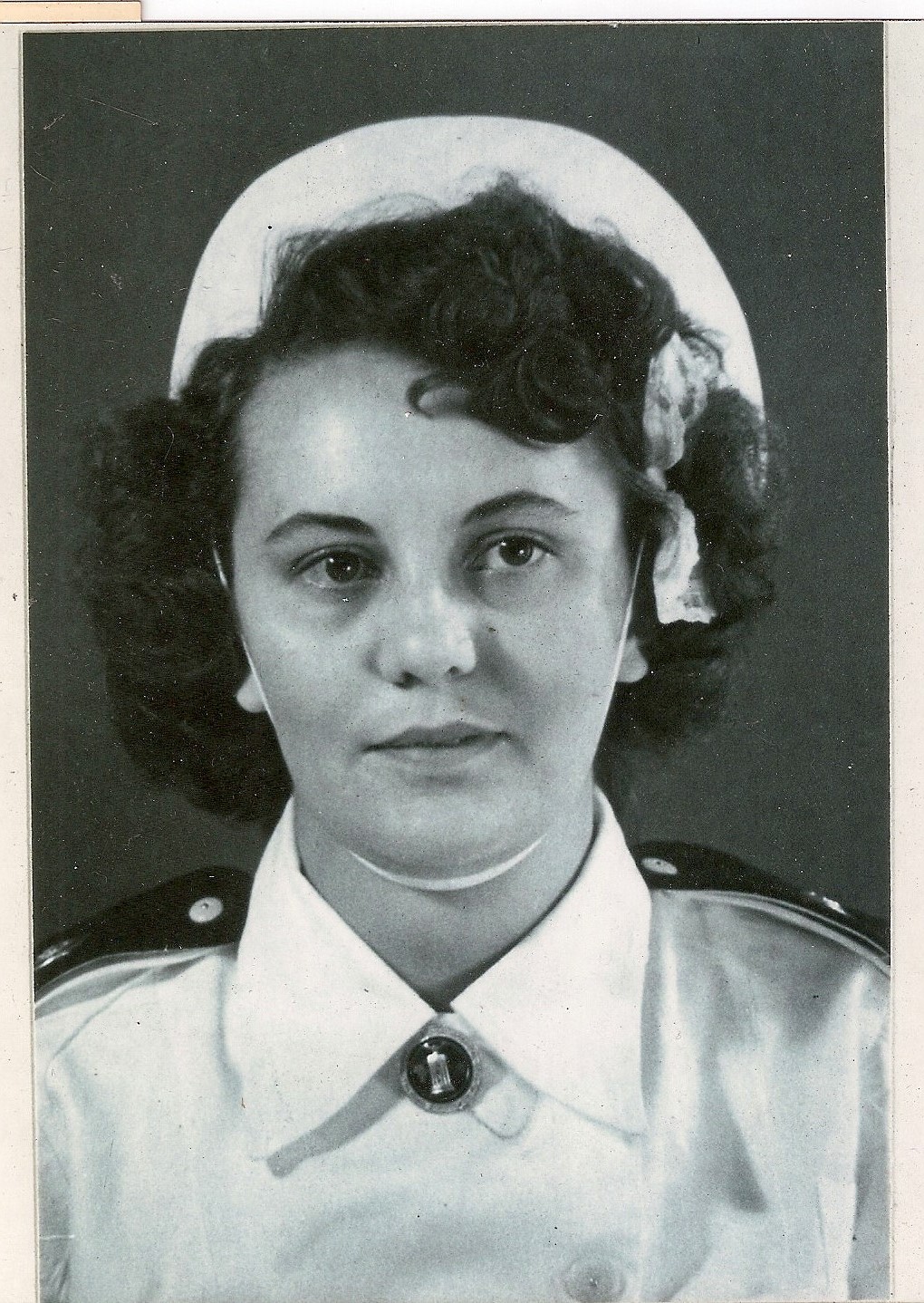
After matric Mary went to do nursing at the Boksburg-Benoni hospital. Older sister Pat had gone there three years before, with Janet. Pat was highly regarded by her colleagues and she took Mom to her first ward, ward 10 in the old block to introduce her to the nurse already there, Nurse Groenewald. The ward was on the fourth floor and they got into the old rattle-trap lift but no go – it was out of order. She found out it was often that way.
So they started off up the stairs at speed. Mom got to the top out of breath. She soon got fitter and learnt to run up those steps with ease.
~~oo0oo~~
“Ons ry nou op Casper se petrol” – We’re riding on Casper’s petrol – freewheeling
Tobogganing – We didn’t invent tobogganing in the Vrystaat, but we thought we maybe invented summer tobogganing. We did it on old car bonnets that we found in the dongas east of town between King Street and the new bypass, which wasn’t there yet – just veld. Cardboard boxes worked too, but had a short lifespan. These guys were doing it in 1872 in the snow. OK, we were in the 1960’s – not cardboard on grass, but upside -down car bonnets down dongas.
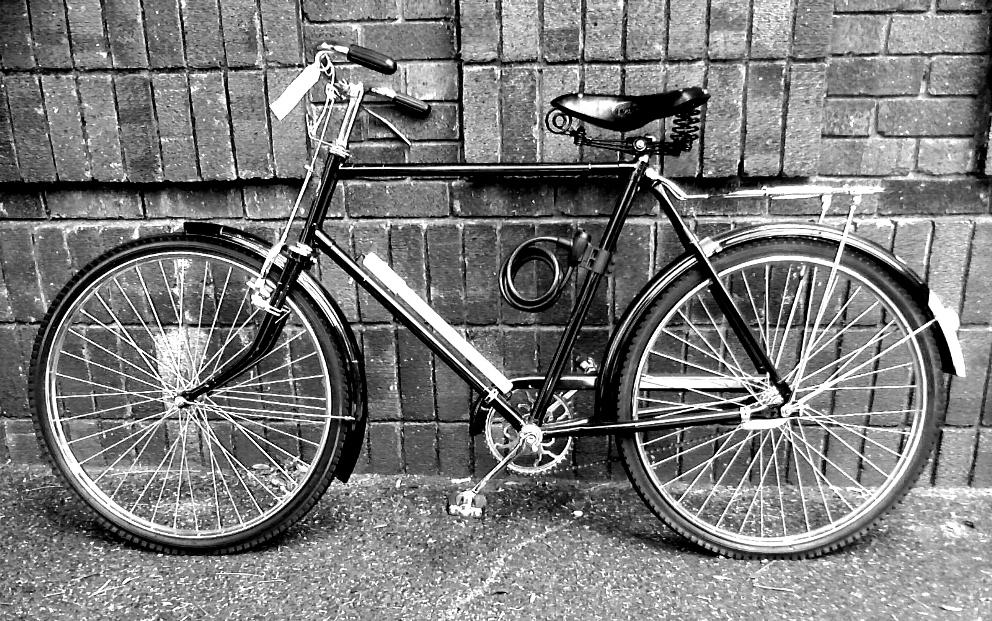
But we did invent Mountain Biking, we were sure. MTB’ing on our dikwiel fietse in and around those same dongas ca 1966 to 1970. Ramping, jumping and gooi’ing squares. Along the dongas and across the dongas. Maybe those fietses weren’t really built for that kind of action (no shocks, flimsy mudguards), as the mudguards caught on the wheels and got scraped up into weird shapes. We find the excessive use of helmets these days puzzling.
History according to wikipedia: The original mountain bikes were modified heavy cruiser bicycles used for freewheeling down mountain trails. The sport became popular in the 1970s in Northern California with riders using older single speed balloon tyre bicycles to ride down rugged hillsides. See! We were first!
Hijacking – The earliest documented instances of maritime hijacking were in the 14th century BC, when the Sea Peoples, a group of ocean raiders, attacked the ships of the Aegean and Mediterranean civilizations. OK, that was before us. Train hijacking? OK, there was this military raid that occurred on April 12, 1862, in Georgia during the American Civil War. Volunteers from the Union Army commandeered a train and took it northward toward Chattanooga Tennessee. If you look closely, one of the raiders does look a bit like a Venning;
Streaking – When and where streaking started is unknown. A 1967 article in the student paper at Carleton College in Minnesota laments that streaking was a tradition during winter when temperatures were well below freezing. OK, so we were in 1969, maybe they beat us. Anyway it seems Lady Godiva beat us all to it: An English noblewoman who, according to a 13th century legend, rode naked – but covered by her long hair – through the streets of Coventry to gain a remission of the oppressive taxation that her husband imposed on his tenants. In later versions of this legend, a man named Tom watched her ride and was struck blind or dead. The name ‘Peeping Tom’ for a voyeur originates here;
Drifting – Although the origin of drifting is not known, Japan was one of the earliest birthplaces of drifting as a sport. It was most popular in the Japan Touring Car Championship races. Kunimitsu Takahashi was the foremost creator of drifting techniques in the 1970s. But first there was us in the late 60’s in a black front-wheel-drive Saab! The venue: the streets of the metropolis of Kestell and the athletic track in Harrismith. Steph at the wheel! Deftly dodging the bluegum tree stompe specifically placed on the track to deter hooligans. In vain.
This church saw some good drifting in its day
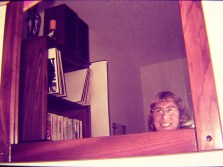
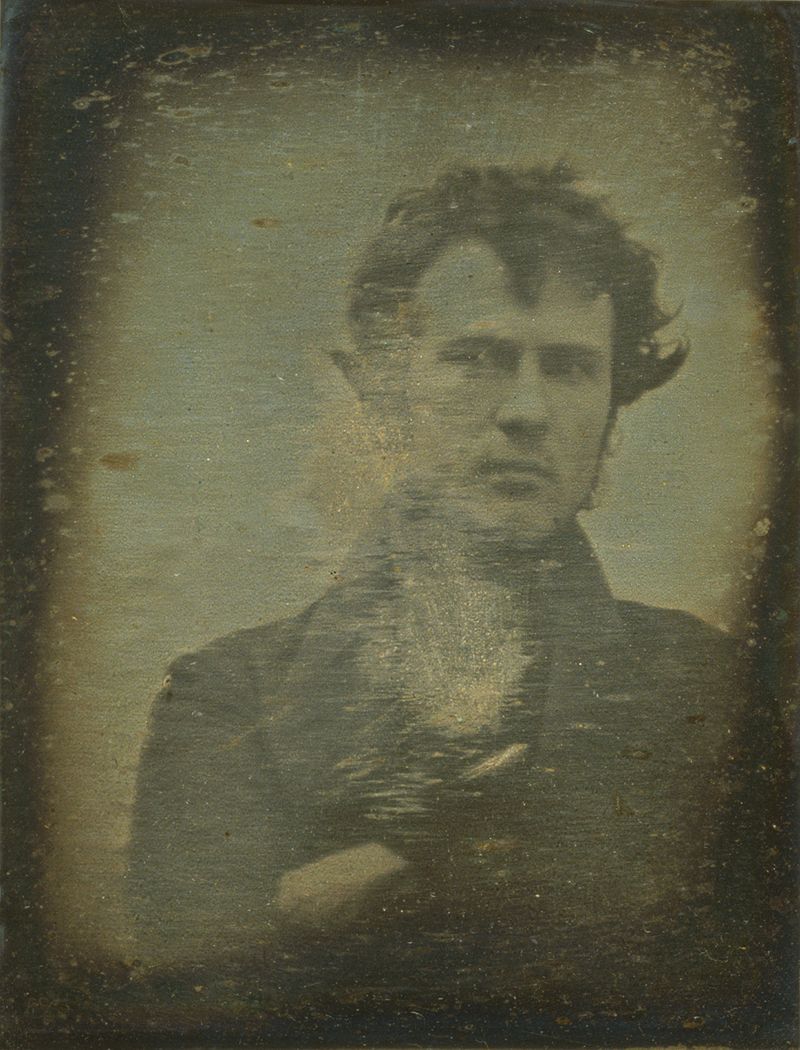
Selfies – I took my selfie in 1973 in Oklahoma, which was WAY before it became popular.
OK, this Robert oke did it in 1839, and this lady had better equipment – in both ways.
.
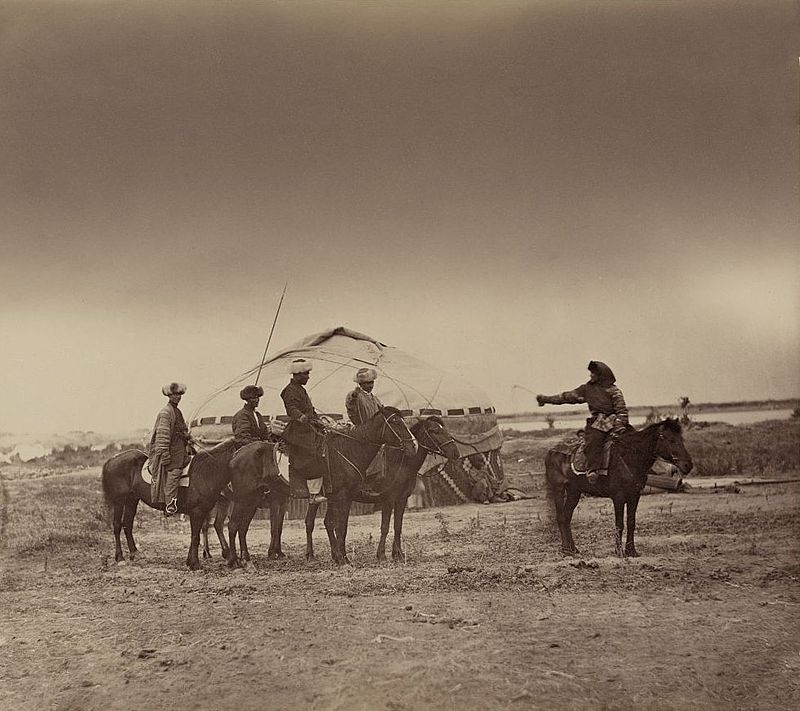
Kidnapping – Tuffy started kidnapping in 1970 but these fellas kidnapped this bride 100yrs earlier in 1870:
*Birthdays: Tuffy started the tradition of birthday kidnapping, grabbing a birthday boy and bundling him into a sleeping bag, tying the top closed. Then driving him somewhere and dumping him to make his own way home. When it was Tuffy’s turn we simply dumped him out of the sleeping bag into the pool at the du Plessis’ place as he happened to be born on the Winter Solstice, 21st June, shortest day of the year. Oh, yes – and the coldest! So he didn’t have a long walk home, lucky fella. Funny thing is, he didn’t thank us . . .
.
Rally Cross – Tim Venning in the blue Triumph 2000 roared around and between the old popular trees and oke trees and other trees on the far side of the Harrismith President Brand park across the Vulgar river. Just when you thought he had to go straight he’d cut left between trees and hare off on another tack. People watching might have dreamt up today’s rally cross.
.
Self-driving cars – Or cars fuelled by one kind of inflammable substance while the drivers were fuelled by another. Old hat. Elon Musk was still growing pimples.
=========ooo000ooo=========
donga – Dry gully or arroyo, formed by the eroding action of running water; fantastic cowboy movie scenery;
gooi’ing squares – slamming on the back brake while throwing the bike on its side, skidding dramatically while looking nonchalant; chicks swooned;
dikwiel fietse – fat- or balloon-tyred bicycles; Chicks swooned over ous who rode them;
When I was around six years old Sheila came marching up to me and demanded: –
“Do you know what Dad’s name is?”
Well, of course I did! I was the older brother.
It’s “Dad”
“No man, his real name!”
What did she mean? Oh, of course – I’d heard Mom call him that lots of times.
“Peter”
“No. It’s PIETER GERHARDUS!!”
What rubbish! I’d never heard such foul language! And this from my MUCH younger sister! She was a whole year younger’n me. Which was like: All of living memory!
Amazingly, investigation and enquiry proved her right!


























 Vrystaat Confessions