The first recorded polo game in South Africa took place in October 1874 at the King Williams Town Parade Ground between the Gordon Highlanders and the Cape Mounted Rifles.
The Military Ninth Division played during the 1880s at Harrismith, Orange Free State.
Polo was played in Cape Town in 1885 at a club formed by army officers, and in Natal by the officers stationed at Fort Napier, in Pietermaritzburg; a year later, they formed the Garrison Polo Club.
Play in Transvaal began in Johannesburg in 1894, when the owner of the Goldfields Hotel founded a polo club. The game was dominated by the military, but civilian clubs like this did sprout up in several places.
~~oo0oo~~
Someone must have the history of Harrismith polo. I hope. The first polo field I remember was in the sixties on the far side of the railway tracks; you drove under the subway to get there. Across the road was the sportsfields: a hockey field and then the cricket oval. Legend has it that Jimmy Horsley once hit a famous six across the hockey field, across the road and onto the polo clubhouse roof!
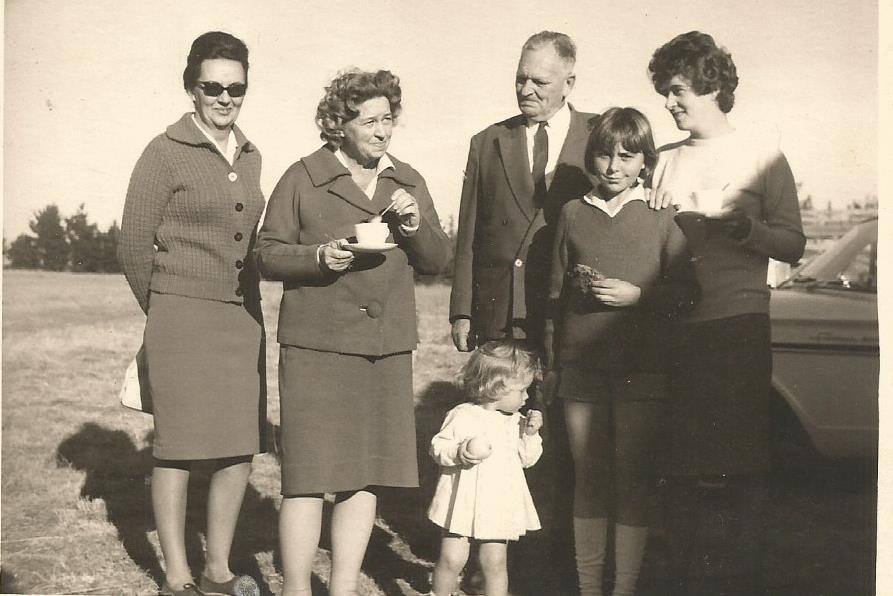
During a recent visit to Harrismith I spotted this on good friend Bess Reitz’s passage wall: Her Dad and Ginger Bain in the winning team!
– tea at the old polo field in the sixties – – note the Ford Fairlane!! –– poms in Africa –
I was born in Harrismith in 1955, as was Mom Mary in 1928, and her Mom Annie in 1893. Annie thought “the queen” of that little island above and left of France was also the queen of South Africa (and for much of her life she was right!).
I attended the plaaslike schools in Harrismith till 1972. A year in the USA in 1973 as a Rotary exchange student in Apache Oklahoma. Studied optometry in Joburg 1974 – 1977. Worked in Hillbrow and Welkom in 1978. Army (Potch and Roberts Heights, now Thaba Tshwane – in between it was Voortrekkerhoogte) in 1979 and in Durban (Hotel Command and Addington Hospital) in 1980.
I stayed in Durban, paddled a few rivers, and then got married in 1988. About then this blog’s era ends and my Life With Aitch started. Post-marriage tales and child-rearing catastrophes are told in Bewilderbeast Droppings.
‘Strue!! – These random, un-chronological and personal memories are true of course. But if you know anything about human memory you’ll know that with one man’s memory comes: Pinch of Salt. Names have been left unchanged to embarrass the friends who led me (happily!) astray. Add your memories – and corrections – and corrections of corrections! – in the comments if you were there.
~~~oo0oo~~~
Note: I go back to my posts to add / amend as I remember things and as people mention things, so the posts evolve. I know (and respect) that some bloggers don’t change once they’ve posted, or add a clear note when they do. That’s good, but as this is a personal blog with the aim of one day editing them all into a hazy memoir, this way works for me. So go’n re-look at some posts you’ve enjoyed before and see how I’ve improved over time (!). It’s just as my friend Greg says: ‘The older we get, the better we were.’
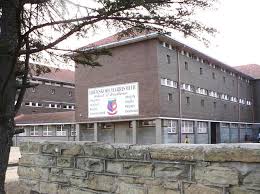
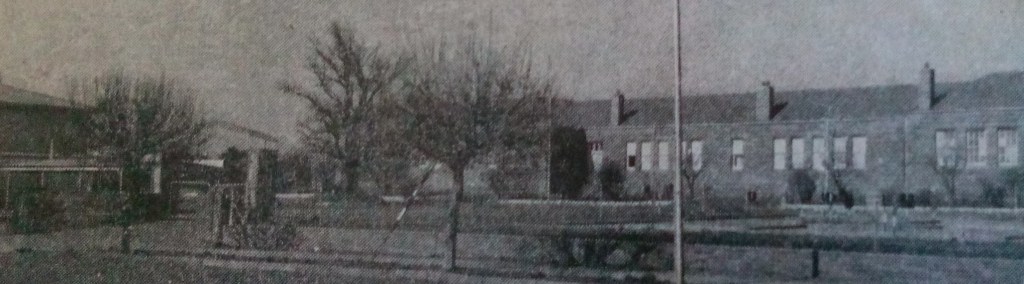
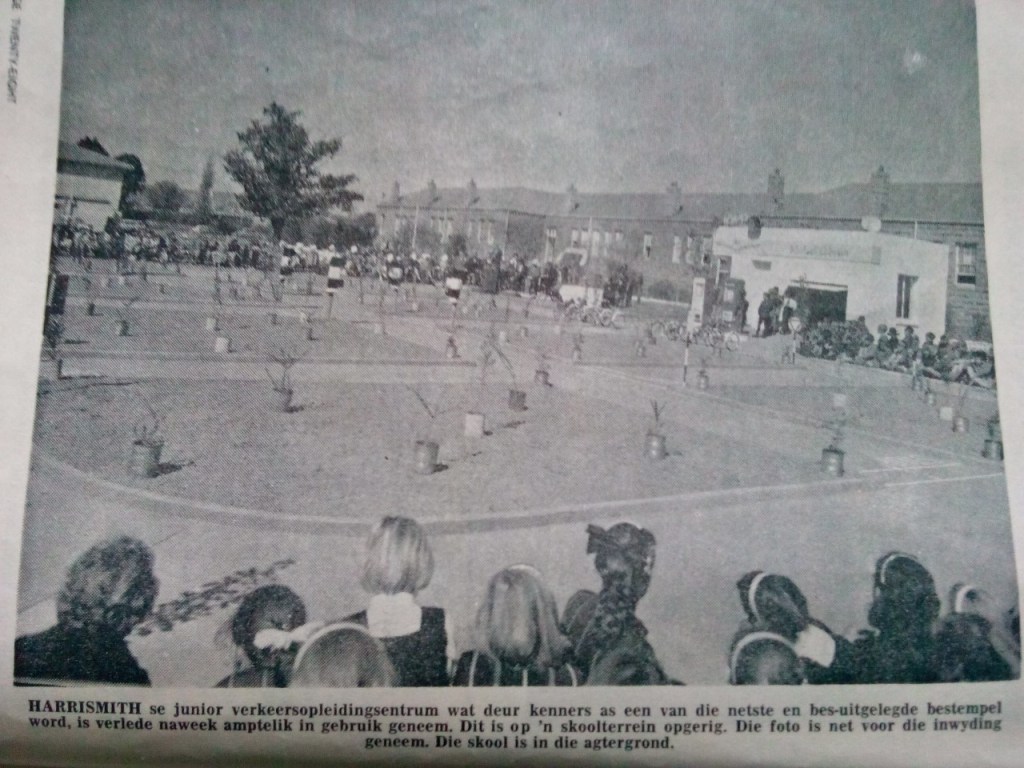
This building used to be something else, I think – not sure – but in our time it was the junior primary school. Occupying a full block between Stuart and Warden Streets near the centre of the metropolis, our Sub A to Std 1 classes were here. Except if your Std 1, 2 and 3 was all together in one room with one teacher (‘die Engelse klas’). Then you went down to the next school in Std 1. So I had Sub A and Sub B in this old sandstone building. I entered age five and departed age seven. With a blue bicycle. A Rudge, I believe.
My greatest achievement in this time was probably winning a high-pissing contest in the sandstone boys room and having big mate Fanie Schoeman report the feat to Mrs Van Reenen. Miss! Miss! Peter pee’d on my head, he said. Brief fame, diplomatically handled. The urinal was open to the sky and we’d been trying to see who could leave his wet mark highest up on the sandstone wall above the trough. Wee on sandstone leaves a very satisfactory, undeniable mark which cannot be disputed, in contests like these. It lasts long enough for judges to judge and disputes to be resolved. Mine was highest. And some did go astray and hit Fanie, it’s true.
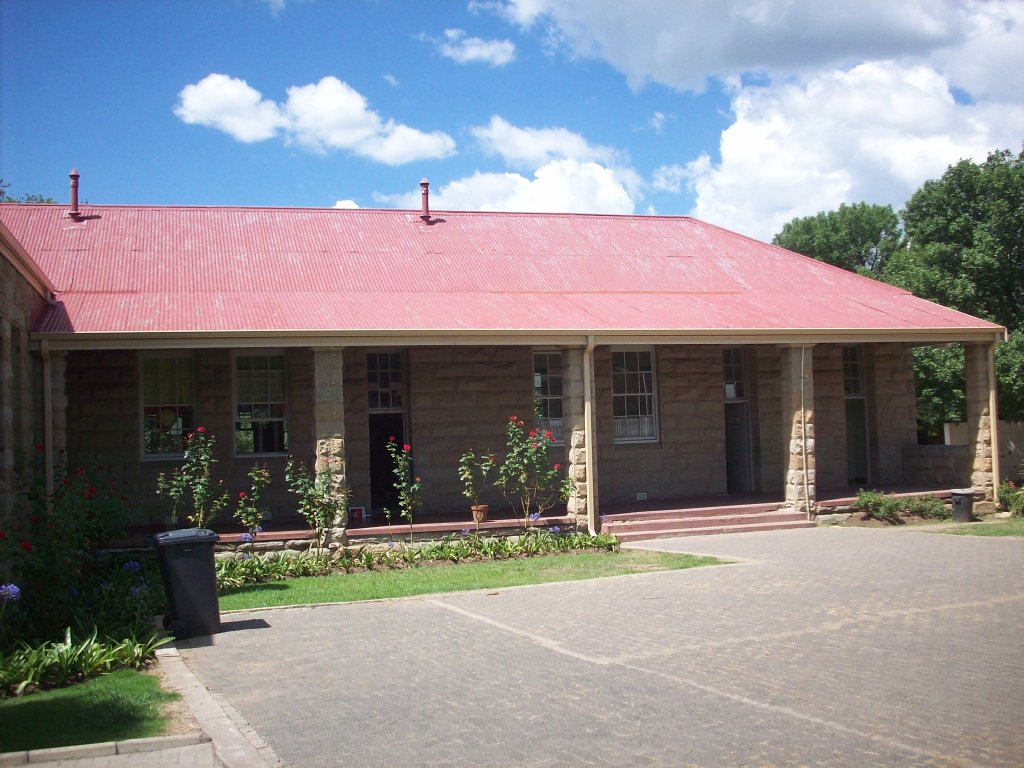
Here’s a view of our classroom taken from the boys toilets. In fact this photographer’s head is very near where Fanie’s head was back then. Chips! or Duck!
– second door from right was our classroom – Far right was girls toilet –
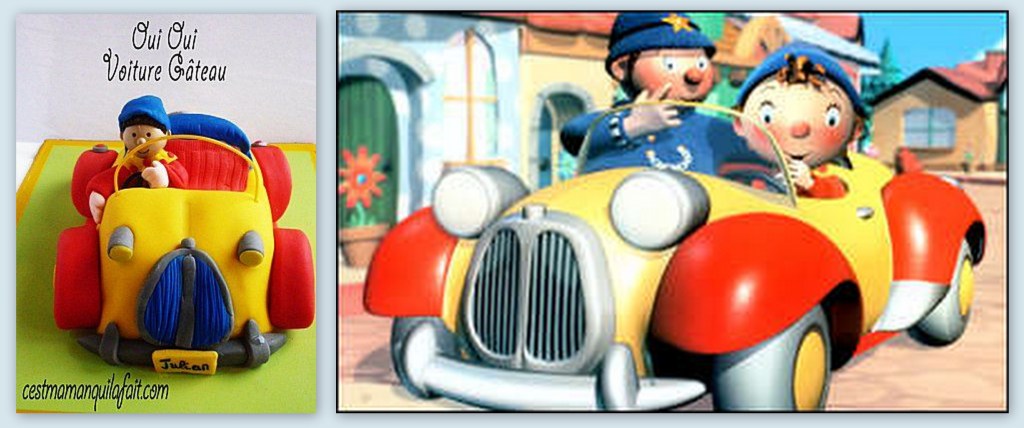
Another clear memory of that class was admiring the beautifully accurate Noddy car Lincoln Michell made of yellow and red plasticine.
– Lincoln’s Noddy car looked just like this –
That sums up my first year of formal education. Luckily it didn’t cost a lot.
– this was there, but I don’t remember ever using it –
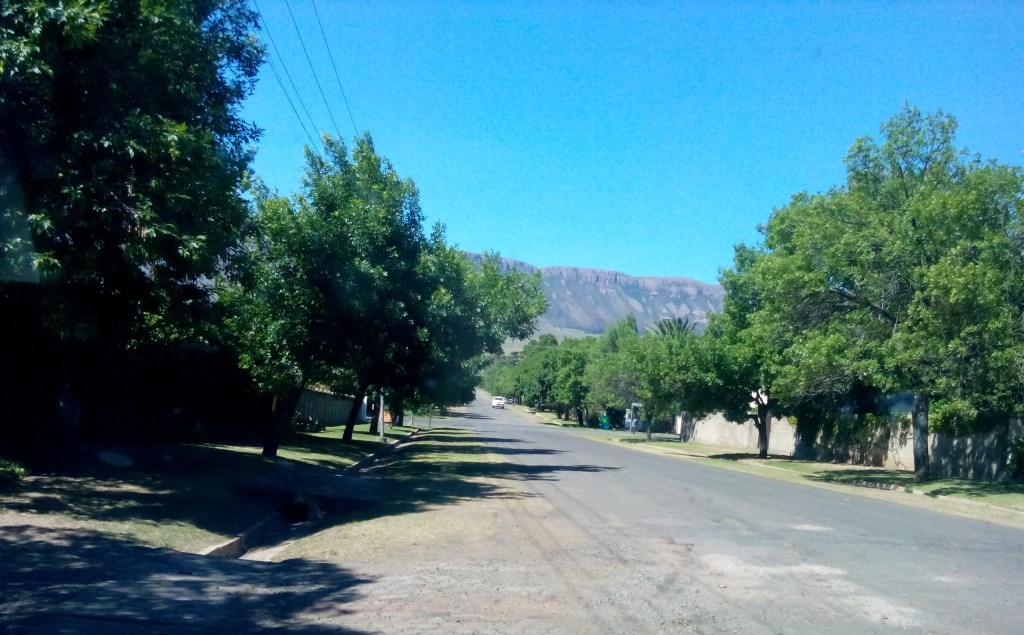
One of the joys of being in this kleinspanskool was it was a junior part of the bigger primary school down the road and quite regularly something would need to be schlepped down there. To be chosen to pull the wooden trailer or trolley, with its rubber wheels from one school to the other was a much sought-after diversion from classtime. You’d be FREE! FREE AT LAST! and wandering the shady tree-lined streets in school time on a Long Walk To Freedom! Bliss!
– streets like this –– our trolley was like this ‘cept ours had proper, bigger, rubber tyres –
~~~oo0oo~~~
Behind that long building was a rugby field where Giel du Toit despaired of my ever learning one end of a rugby ball from the other – or one end of the rugby field, for that matter. His coaching methods consisted of patting me on the head and muttering ‘There, there; Moenie worrie nie!’ Everyone was very kind to me in my young days. Occasionally onse Giel (Joyce Joubert called him Heilige Giel) would get a faraway look in his eyes and talk about walking behind the ploughshare and picking up a clod of freshly-turned earth, smelling it and saying something about nothing in the world could ever smell better. The dorpsjapie in me thought ‘huh?’ Years later I speculated he was angling to marry a farmer’s daughter and was practicing his pitch to Pa. Then verily, that came to pass.
I played for the under-eleven B team, and the only reason for that was there was no C team. Although we were now down the road at the bigger school, rugby practice was at the old kleinspan school, as the bigger school didn’t have a field.
The end of the season arrived – near the end of winter – and the last game loomed. The traditional big derby day against the Olde Enemy, Vrede, played home and away each year. This year the final game was away, in that far-off dusty city of sin and ribaldry. OK, dusty dorp. Now famous for not having a dairy, back then it was famous for losing at a range of sports to Harrismith. Though, every now and then they’d spring a surprise and beat us.
For some unfathomable reason, Giel decided I would captain the under-eleven B’s on that auspicious occasion. It was 1966, so maybe England winning the soccer world cup got him thinking, ‘Miracles Can Happen?’ Anyway, as the lowest of the most junior teams, we would be playing the first game early in the cold Vrede winter morning, long before most spectators arrived, only dedicated Ma’s and Pa’s on the rickety stand. Our job was to break through the frost on the dead grass on the rock-hard ground for the more important games to follow. With our bare feet.
Which is how I came to have the leather odd-shaped ball in my hand that morning. This was a novel experience. Usually I was only vaguely aware that there WAS even a ball involved in this mysterious game that onse Giel was despairing that I’d ever get the hang of.
My orange-clad barefoot underlings, now fully under my command, dutifully formed a line behind me as I ran onto the field and skopped the leather ball to start the game. I remember only four things about that game, but they are indelibly etched in my newly rugby-focused tactical brain:
1. We were awarded a penalty quite late in the game with the score still on 0 – 0;
2. I made a show of going down on my haunches, and staring at the posts, then tapped the ball and hared straight for the line and dotted the ball down. TRY!!
3. The ref awarded the try. We were 3 – 0 up!
4. There was a muttering from the tiny partisan home crowd of early-morning Ma’s and Pa’s, and the ref seemed agitated. At the next lineout I asked him ‘That was a try, nê?’ and he growled ‘Play on!’ So we won the game. My record as captain was 100% wins.
The next year – 1967 – I was suddenly a rugby player and in the U/13 A team. I’d like to say it was because of this revelation, revival, awakening and discovery of deep latent talent, plus a realisation of my brilliance thanks to Giel’s inspired and kind gesture and talent-forecasting genius, but it was mainly cos my balls dropped, and I shot up four inches and became the tallest oke among the under-thirteens! Size counts in a shoving and huffing and puffing game. When guys have to look up to you they often give way to you. We had a helluva year in 1967, so achieving Harrismith-wide fame by becoming the undisputed World Champions . . OK maybe I’m getting ahead of us here.
~~oo0oo~~
Kleinspanskool – small persons school; junior primary school
Way back around 1968 a new book appeared at 95 Stuart Street Harrismith. I was fascinated. Nearly as fascinated as I’d been when cousin Jack Grundling was reading Valley Of The Dolls and left it in the big wooden bookshelf in our long, dark, carpeted passage. That novel must have been good, as Mom actually physically took it from me, saying ‘You can’t read that’! Oh? Censorship!
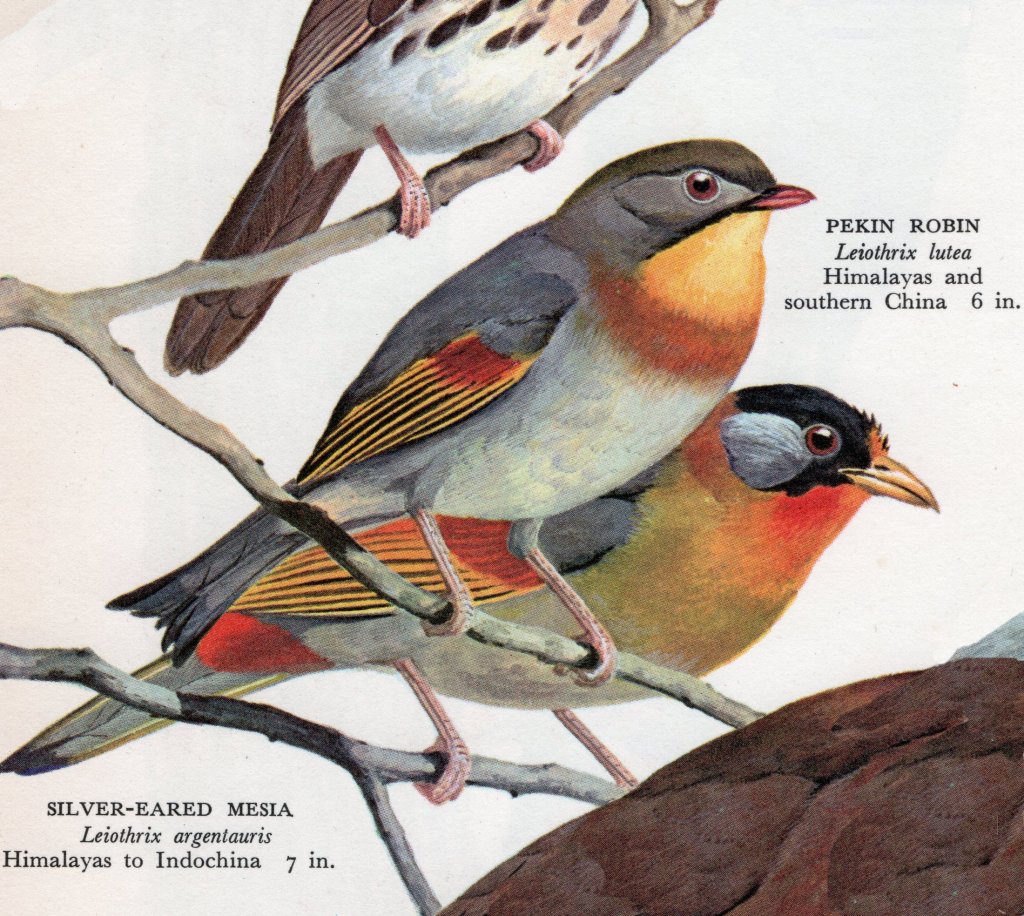
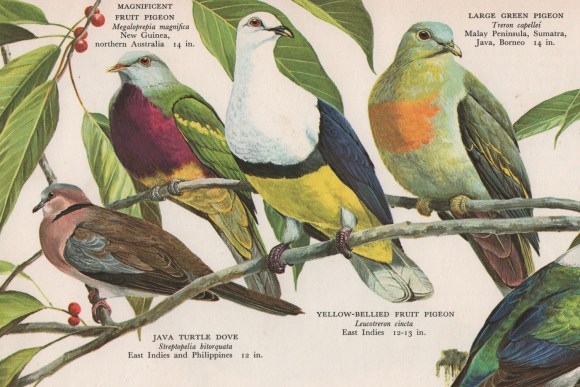
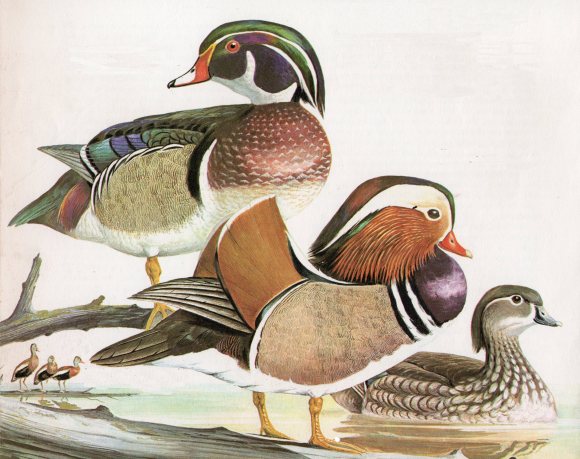
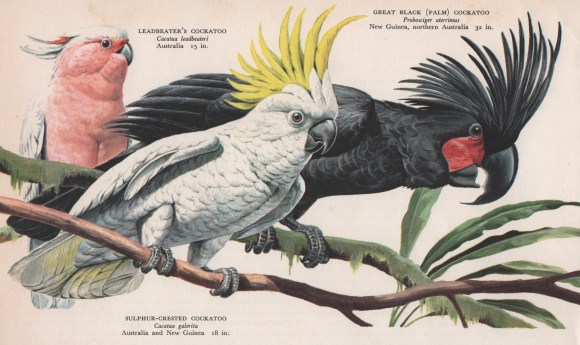
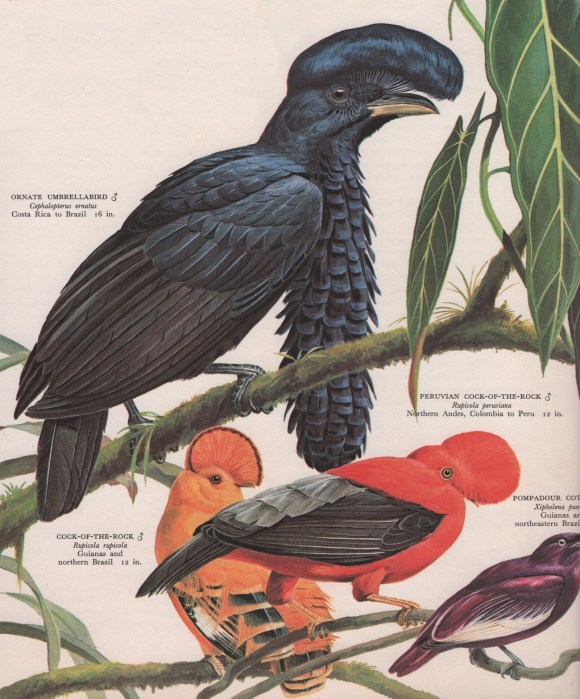
by Oliver Austin, beautifully illustrated by Arthur Singer. I was fascinated by the orange Cock-of-the-Rock on the cover. Fifty years later the book was on my bookshelf in Westville and I was sad recently to discover other bookworms also liked it and had got into it in a big – and deep – way. It was riddled with holes. I copied the pages with the plates I remembered best before turfing it out. Hopefully a whole extended family of borer beetles went with it!
Roberts bird book and this book fuelled a lasting fascination.
~~oo0oo~~
Valley of the Dolls – by Jacqueline Susann was about film stars, their raunchy pecadilloes and their use of ‘dolls’ – amphetamines and barbiturates. Time magazine called it the ‘Dirty Book of the Month,’ probably thinking ‘that’ll kill sales,’ but that and other anti-reviews made people think ‘that sounds interesting,’ and the book was a runaway commercial success, becoming the best selling novel of 1966. I mean, a review saying ‘Dirty Book of the Month’ might have made Mom Mary not buy it, but it likely had cousin Jack head straight for the bookstore! So there it was: From one metropolis to another – New York to Harrismith – in no time.
By the time of Susann’s death in 1974, it was the best selling novel in publishing history, with more than 17 million copies sold. By 2016, the book had sold more than 31 million copies. In 1967, the book was adapted into a film. Like the book, the reviews were scathing, but it was an enormous box-office hit, becoming the sixth most popular film of the year, making $44 million at the box office. Author Jacqueline Susann had a cameo role in it as a news reporter, but she said she hated the film, telling director Robson that it was ‘a piece of shit.’ – wikipedia
~~oo0oo~~
Birds of the world: a survey of the twenty-seven orders and one hundred and fifty-five families, by Oliver L. Austin, (1961); Illustrated by Arthur Singer; Edited by Herbert S. Zim, New York, Golden Press; Many reprints were made and it was eventually published in seven languages over many years. I think ours was the 1968 edition published by Paul Hamlyn;
~~oo0oo~~
bookworms: The damage to books attributed to ‘bookworms’ is usually caused by the larvae of various types of insects including beetles, moths and cockroaches, which may bore or chew through books seeking food. Mine were little brown beetles. Buggers. I’m procrastinating about checking all my other books! Must do it . .
On March 24, 2015 Danny Moodley wrote a comment on that wonderful website Facts about Durban – and this brought back distant memories:
Danny wrote: I started work at the Killarney Hotel in 1962. The first Durban to Johannesburg oil pipeline started in 1964. The Contract was given to the Americans. I was offered a job. The contract was completed in 1966. The name of the contractors were McAlpine Somerville. The Artisans came from Canada, USA and Britain. Most of us South Africans were assistances. This contract was given by the South African Railways And Harbours.
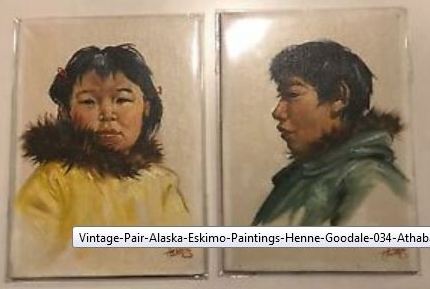
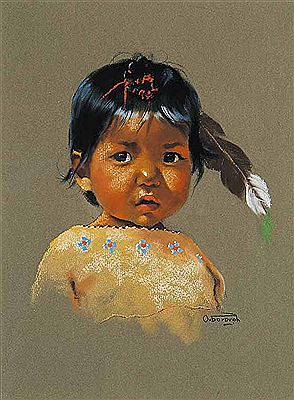
McAlpine and Somerville – that name brought back memories! Memories of new people with strange accents visiting us at 95 Stuart Street in Harrismith Free State from Canada and America. One lady did beautiful rich pastel paintings of Inuit children (Eskimo children as we called them then).
When they left Harrismith we were left with a few of those beautiful portraits – wonder where they are today?
– this similar-looking pair of 1960s paintings are on ebay for R9 000 –– more like this –
~~~oo0oo~~~
McAlpine started in Britain and Somerville in Canada, both in the fifties. Both became huge pipeline companies. Their SA project was a joint venture. Driving along the roads I remember seeing the signs McAlpine & Somerville near the pipeline; I seem to recall seeing them near Sunnymede and near Swinburne?
~~~oo0oo~~~
A few years later came another influx of workers, called locally – and tongue-in-cheek – ‘Die DamPaddas.’ They arrived to build the Sterkfontein, Driekloof, Driel, Woodstock and other dams for the Tugela-Vaal water scheme, where water was stolen from Natal and pumped uphill to Joburg; canals were dug, and a power station was drilled into the mountainside at Oliviershoek Pass.
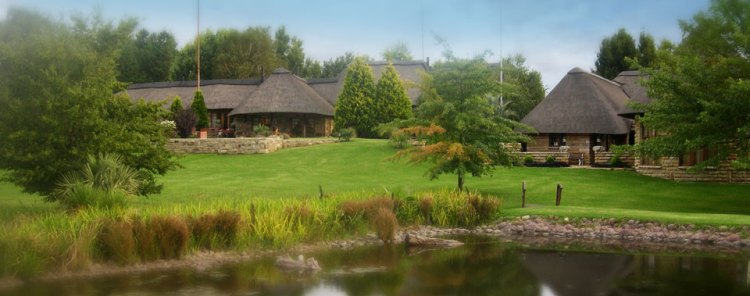
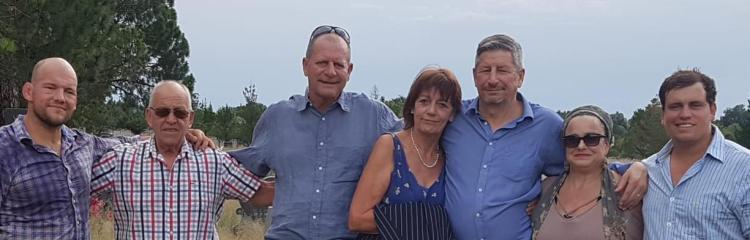
A gathering of a flock of du Plessis is always a very special occasion. Not an orderly occasion. Not a quiet occasion. Just very special. Mignon, Jean-Prieur and Jacques-Herman celebrated their Mom Mona’s wonderful ninety years of Mom, Music and Magic at a wonderful venue outside Harrismith – where I forgot to take any pictures! If anyone has any, please share a few – especially one of that magnificent pub of Rob and Cindy’s! – but also of the people, of course!
– J-H Mignon and J-P at Lala Nathi –
People poured out of the woodwork from far and wide. Austin, Texas; Vancouver, Canada – even Marquard, Free State!
We almost didn’t get there:
– this could have been unforgettable in a bad way – but we had Zelda to sing to us –
. . but get there we did.
– our hosts –– mense – a formidable clan –
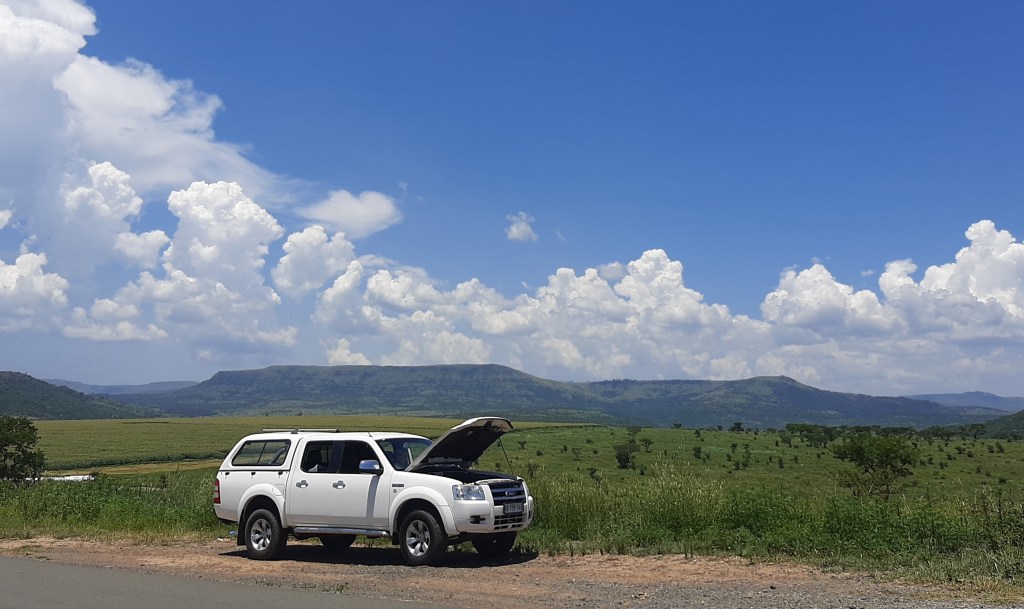
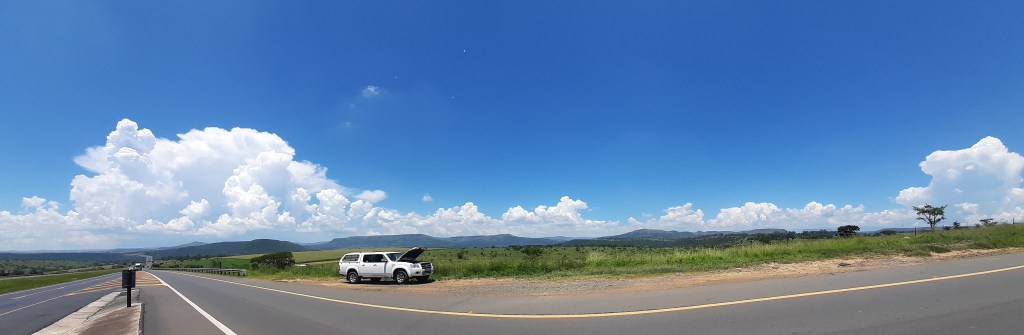
Later we found out we – me, sister Sheila and old Harrismith friend Zelda Grobbelaar – were stuck there – the Ford needed big repairs – so Bess put us up in her lovely home:
– I had teddy bears in my bedroom –
When we didn’t show up at the du Plessis gathering that evening, I texted them:
My car got locked up in a ballet studio among the tutus.
– that part was true, check it out:
. . and I got plied with strong liquor by three gorgeous chicks and clean forgot about any other friends I might have.
Oh, that part was partly true as well.
~~oo0oo~~
Thank goodness the Ford went vrot. It was diagnosed with terminal head gasket, whatever that means. I thought it was premature after only 300 000kms, but the upside was this meant we got an extra twenty four hours in the dorp the metropolis. We visited all and sundry, had supper with Bess; had breakfast and bought rusks at Something Lekker owned by a local lass; and then we lunched with the du Plessis clan while they ran around organising that Mona be laid to rest next to her husband and their Dad Pollie, who has been waiting patiently in the Harrismith cemetery for Mona to join him for decades. Patiently? Maybe.
I can just hear Oom Pollie. After he’d got over his joy he would comment on the very smart coffin, worried about the price. He’d relax when he heard it was made by Oom Jan, gratis and for niet. Then he’d harumph that it took Mona joining him for the grass to be mowed round his grave. Then he’d sing Hello Dolly!
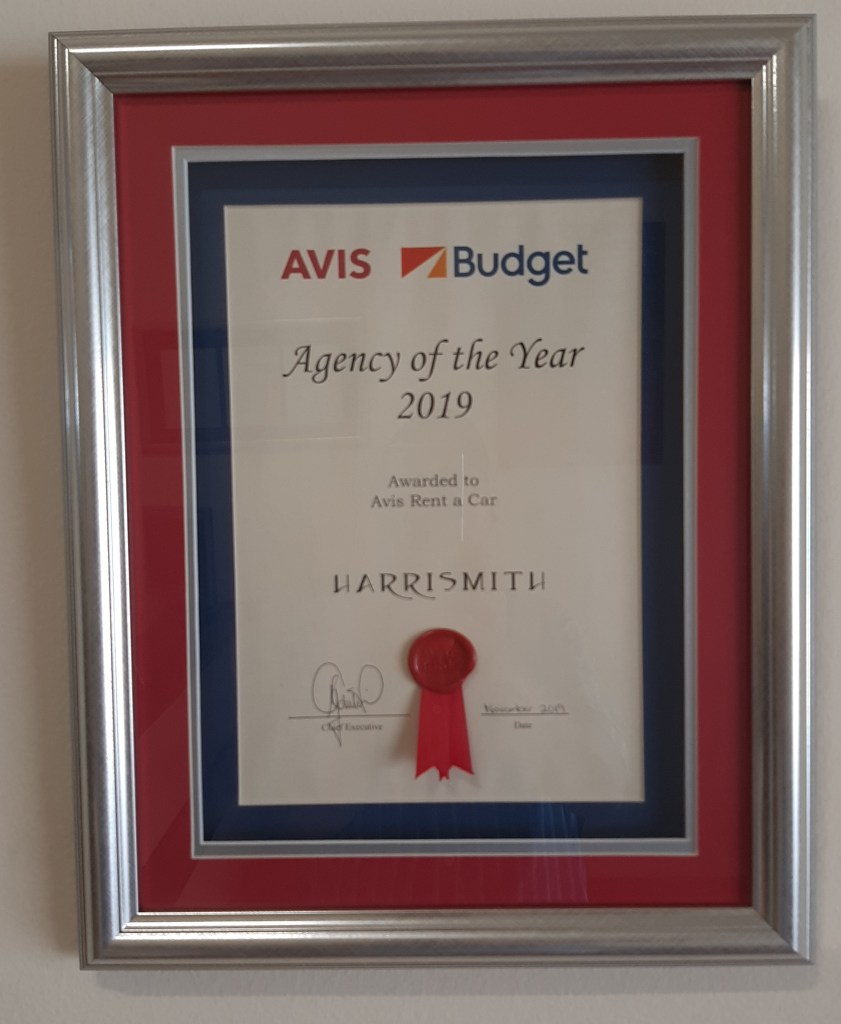
To get back to KwaZulu Natal, we hired a brand new Toyota Corolla at Harrismith Avis – of course our dorp has an Avis! Not only that, look at this: They’re the reigning champions!
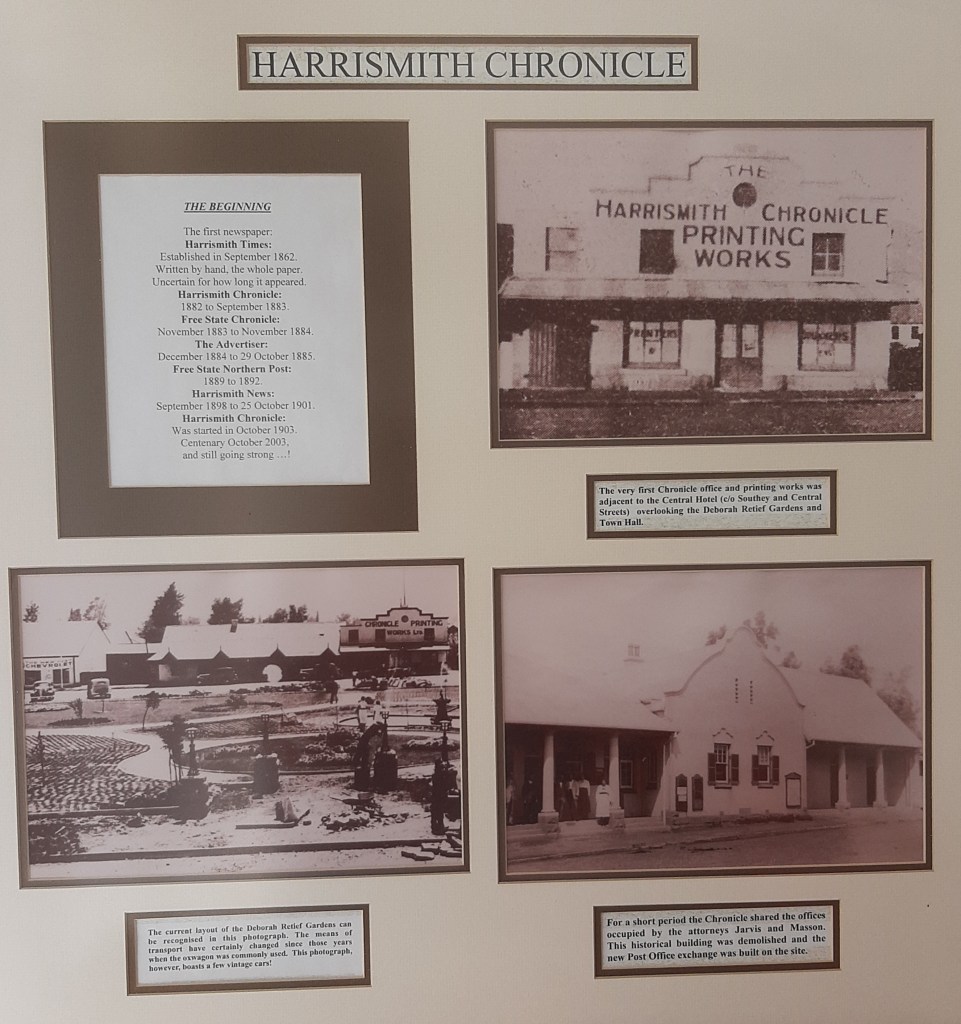
We visited Georgie Russell; and Mariette Mandy at The Harrismith Chronicle where she had already written about the gathering for her wonderful hundred-and-plenty-year-old local newspaper. I’ll post that when I get it. I’ll also link to any other reports of the day I can find. And add pictures.
~~oo0oo~~
. . . after a suitably polite interval I think Oom Pollie would also murmur hopefully, ‘Did you bring any cigarettes?’
~~oo0oo~~
Late Monday afternoon, after we’d left, the family carried out Mona’s wishes
– Jean-Prieur, Mona & Pollie in the mowed grass – Platberg behind –
~~oo0oo~~
Driving home in a brand new car where all the knobs work was a novel experience – and hey! it had six forward gears! That brought back memories of another Toyota thirty two years earlier . .
~~oo0oo~~
Two weeks later I was joined by good friend Allister Peter to drive back to the dorp in the rental to go and fetch my Ford Ranger from Riaan who had fixed it up like new! We bumped into John Venning at the coffee shop – and it turns out these two old bullets are fishing n drinking chinas from way back – apparently there’s a thing called The Grunter Hunt down in the Eastern Cape and they have indulged. And frolicked.
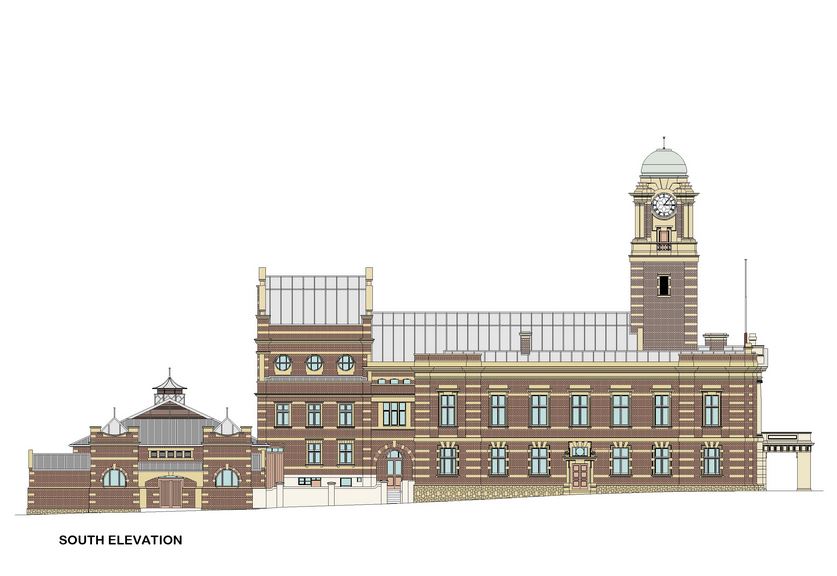
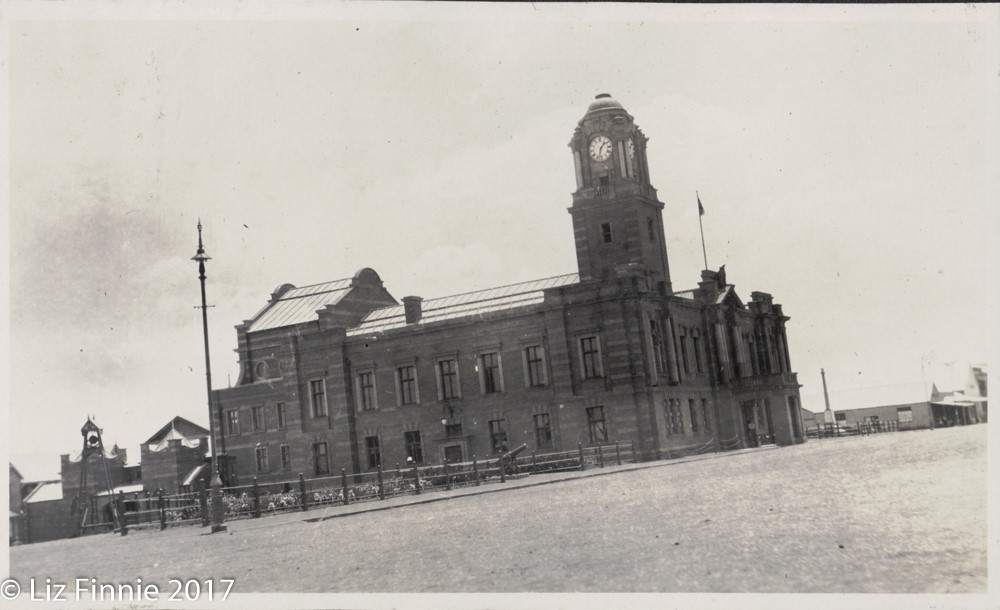
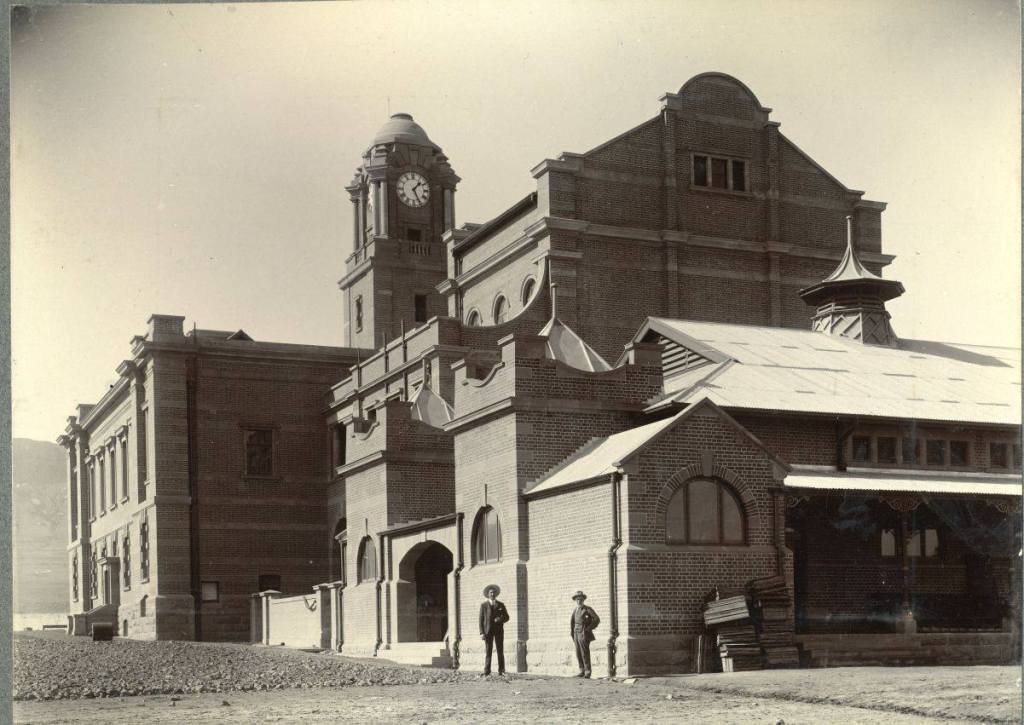
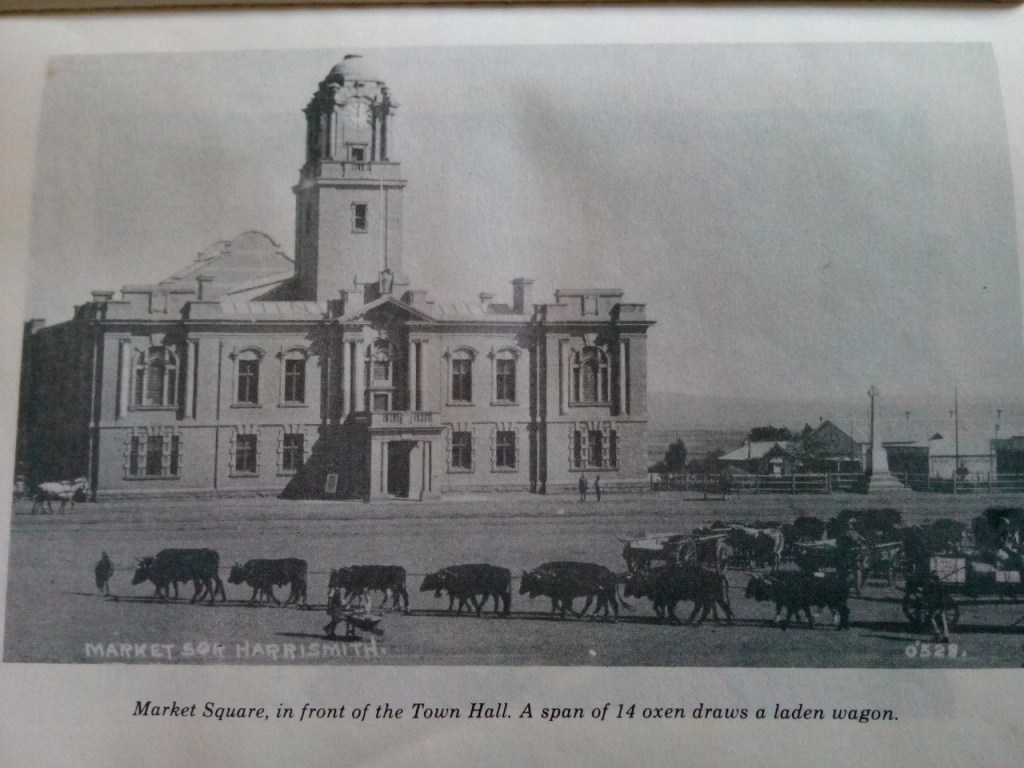
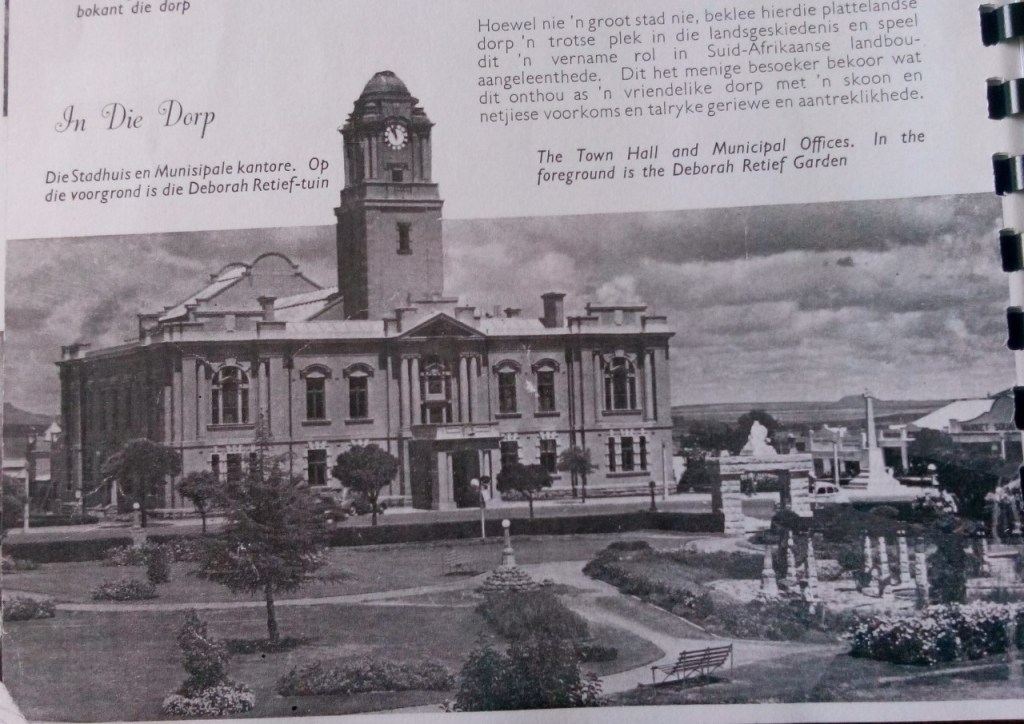
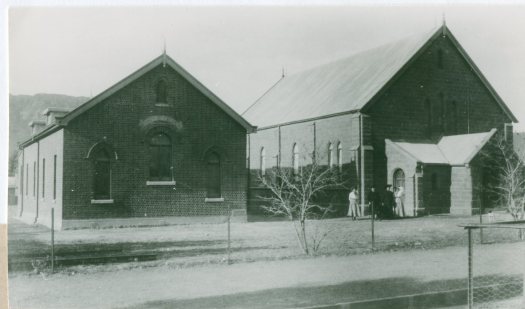
It’s quite an amazing building for a dorpie! When it was being built sensible locals called it Bain’s Folly, believing the mayor Stewart Bain – my great-grandad – was overdoing things. What’s wrong with the dorpsaal we already got!?
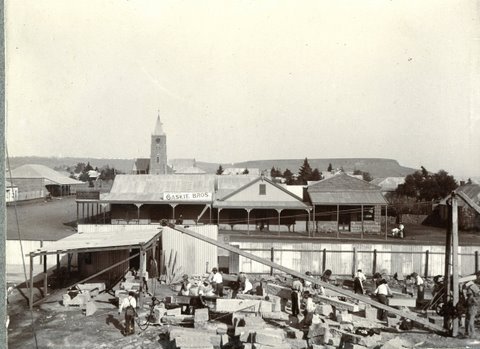
– the old town hall / dorpsaal – perfectly adequate if anyone had asked me! –
Do we really need this. concerned citizens may have asked?
and this inside (thanks to Sandra & Hennie Cronje and Biebie de Vos):
Well, ready or not, we got The Grand Old Man of Harrismith’s dream town hall:
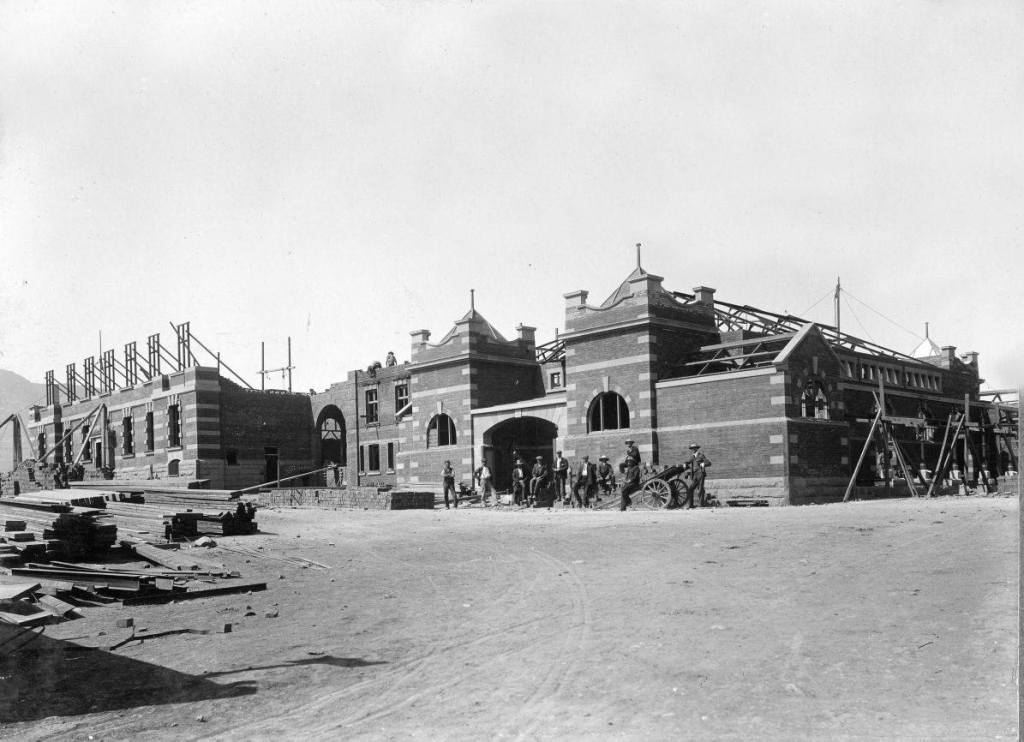
Building operations:
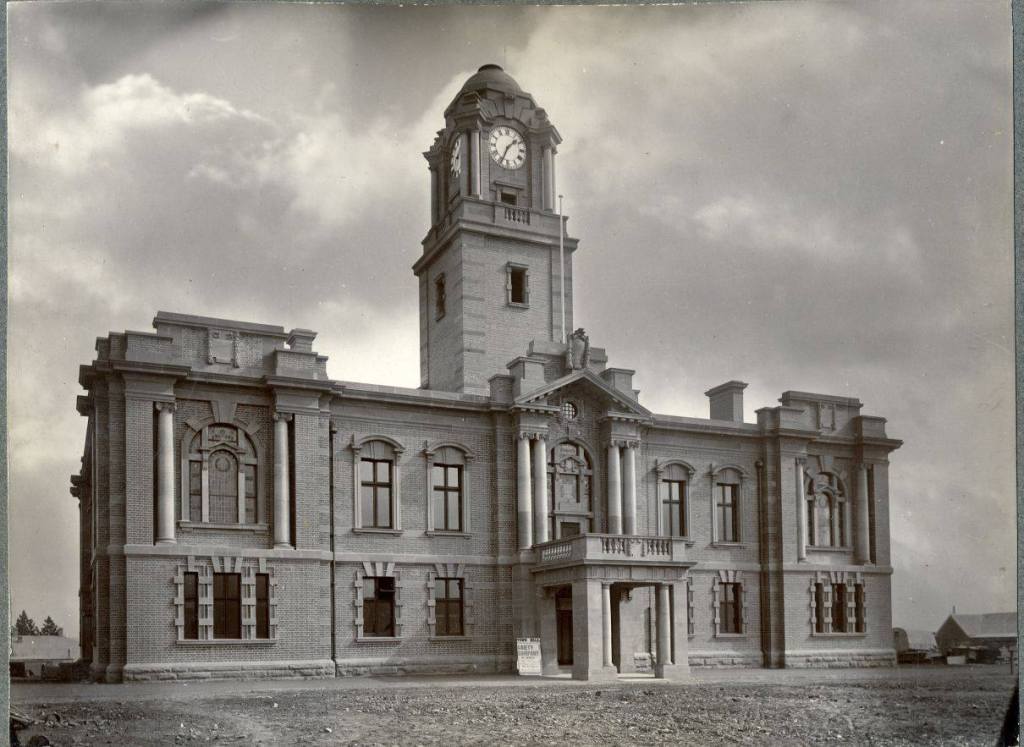
Newly-completed:
In front of it was the market square, which later was turned into an ornamental garden once cars with tighter turning circles than ossewas were invented:
The main entrance and the stage after a recent revamp:
And the setting for this beautiful building is spectacular:
In the end the townsfolk liked it, some called Stewart Bain The Grand Old Man of Harrismith, and he was given a fancy funeral when he died in 1939.
In tiny cages. Cocky the African Grey Parrot and Jacko the Australian Sulphur-crested Cockatoo. We grew up with them and didn’t think anything of parrots in cages. Poor things.
– their cages behind Francois –– Jacko on Jabula – our pedal-car was ‘Happy’ –
But when you see a free-flying one and realise Jacko never flew five metres, never mind five kilometres, it makes ya think. Friend Steve Reed ‘shot’ this one in his neighbour’s tree in Brisbane, and put it on his blog.
Also left-handed, I see – as was Jacko. Cocky was right-handed.
– free-flying in Brisbane –
I commented on Steve’s blog: So amazing to me that this can be a bird that flies free and visits you! We had one in a cage, poor thing. My old man got him from an old lady in Pietermaritzburg in KwaZulu Natal who had had it for – you know – forty years, and then he had it for – you know – forty years. These numbers don’t get reduced. They grow. And we grew up with Jacko. Who suddenly laid an egg and became ‘she,’ but kept her name Jacko. Poor thing.
~~~oo0oo~~~
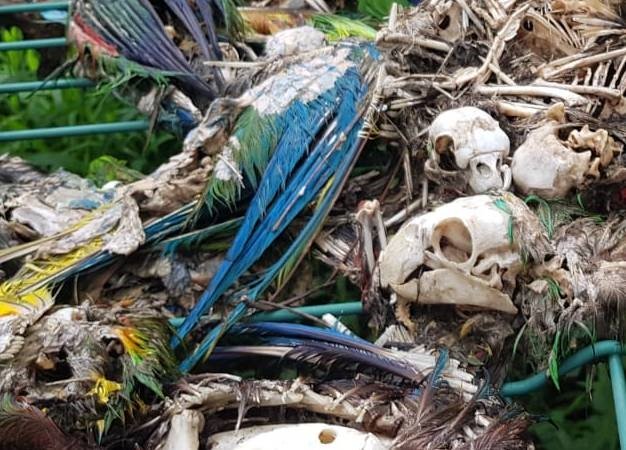
And what happened to them? “Given away” yet again. To a ‘Mnr Boshoff’ in Krugersdorp or Klerksdorp, who ‘trained’ parrots and put on shows where he would demonstrate how Jacko could ‘dance’ and Cocky could ‘talk.’ He was very well-known and that made it a good thing. Except well-known and ‘respected’ bird-cage people aren’t always what they say they are. Here’s what a raid on a parrot breeder found when the South African vice-president of the parrot breeders association’s aviaries in Randburg were raided this week: 150 dead parrots and the live birds in cages in shocking condition! Strange how almost all people who keep wild animals say how they LOVE them, but as far as I’m concerned it’s all Dancing Bears – they’re kept for money, fame, personal ego, etc. For their humans, not for the animals themselves.
~~oo0oo~~
Here they are flocking in the wild:
– thanks kidcyber.com.au –
Mea culpa: While raising kids we let them keep things in cages too! Only fair to admit that! A gerbil, a hamster, a snake.




























































 Vrystaat Confessions