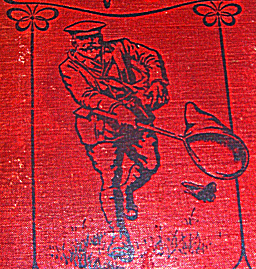
I notice I put an olden-day post about a fascinating old rooinek Swanepoel in my Bewilderbeast Droppings blog. It actually belongs here, so here it is.
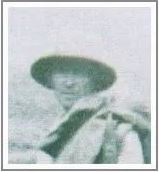
Swanepoel, David Abraham (1912–1990). Swanepoel began collecting in 1925. Pennington’s Butterflies of southern Africa (Pringle et al. 1994) describes Swanepoel as follows: ‘Probably no other person has spent as much time and effort in the pursuit of butterflies in the field as this great collector, who had the tremendous gift of being able to excite others about butterflies. His immaculate collection is in the Transvaal Museum. He discovered many new species and subspecies and published many descriptions of new taxa.’
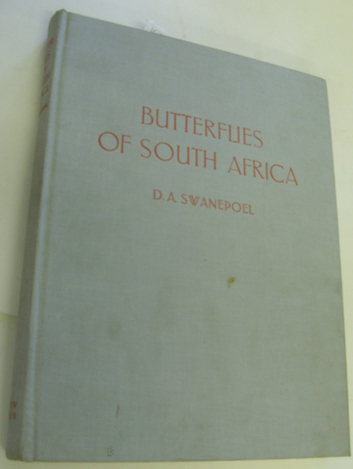
His list of publications includes the book Butterflies of South Africa: where, when and how they fly, published in 1953 in Holland at his own cost. At the time, it was the most valuable reference guide to South African butterflies, citing his many collection localities across the length and breadth of South Africa. He collaborated closely with both Georges van Son and Ken Pennington. Popular names for many of South Africa’s butterflies were proposed by him. (SANBI Biodiversity Series 16 (2010)6 ).
Swanepoel ended his book with these words: ‘In laying down my pen at the end of what has been to me a pleasurable task, I take occasion to dedicate this book to all naturalists and friends, without whose kindness and ungrudging aid it must inevitable have left much to be desired; and to those naturalists who may one day wander over the numerous paths that have afforded me so many happy, unforgettable hours – these would hardly have been possible without the grace of the Creator of all the beautiful forms described in this book. As mentioned in the introduction, this work is by no means complete, and if one day it is revised by some future observer, may he fulfil my dearest wish by building a great entomological castle upon this small foundation stone.’ (Epilogue of D.A. Swanepoel’s book, page 316).
Read more about David A Swanepoel and other pioneering flutterby enthusiasts here. And read some of what he wrote here.
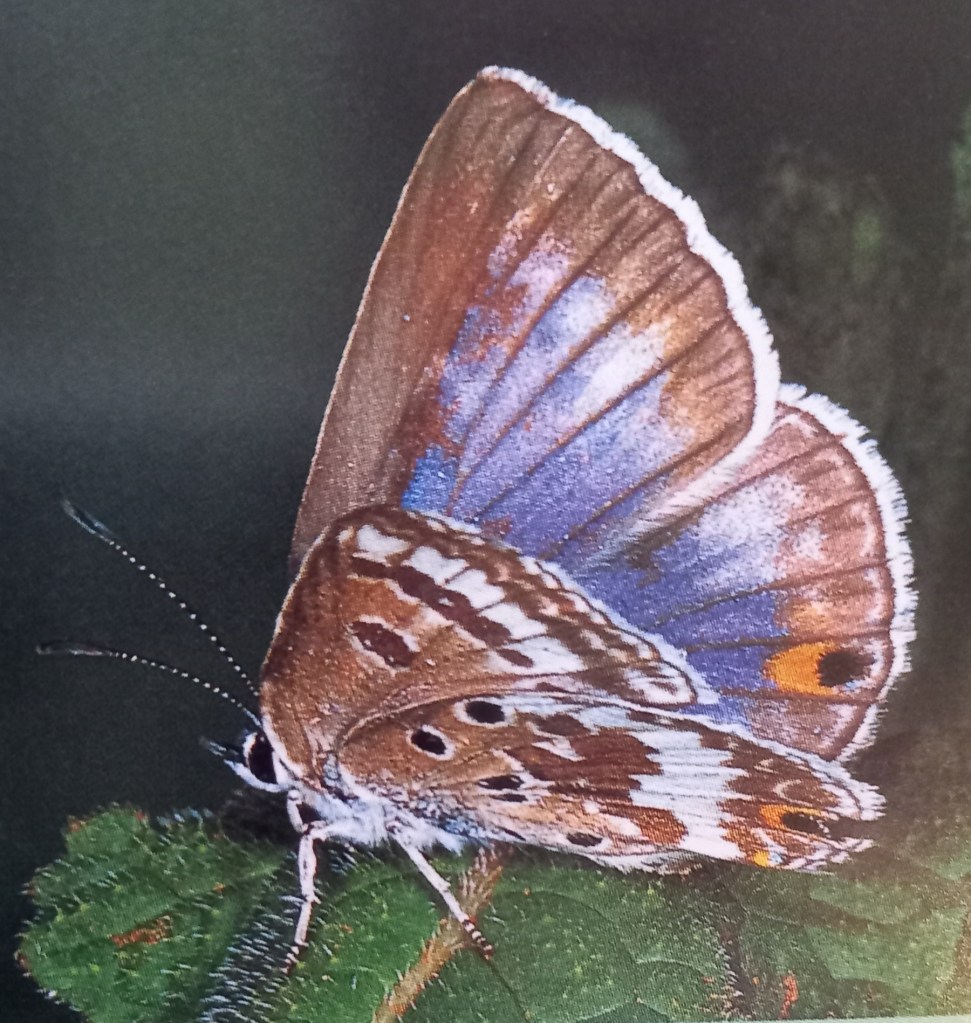
Here are three of the butterflies named after him:
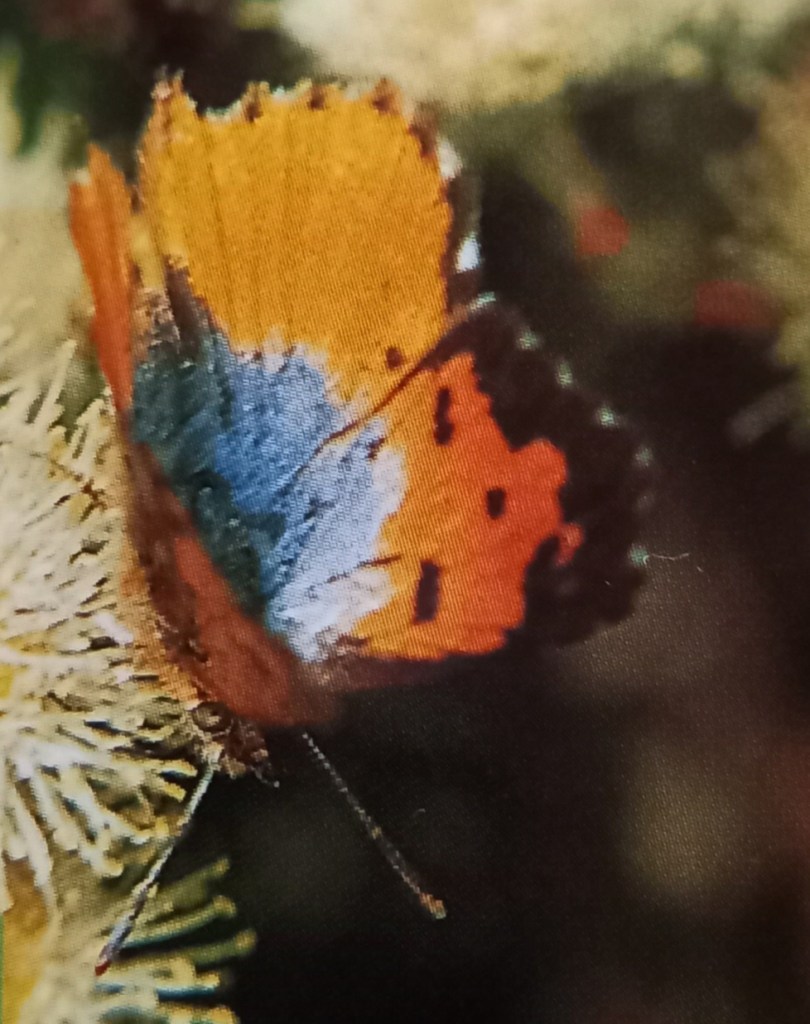
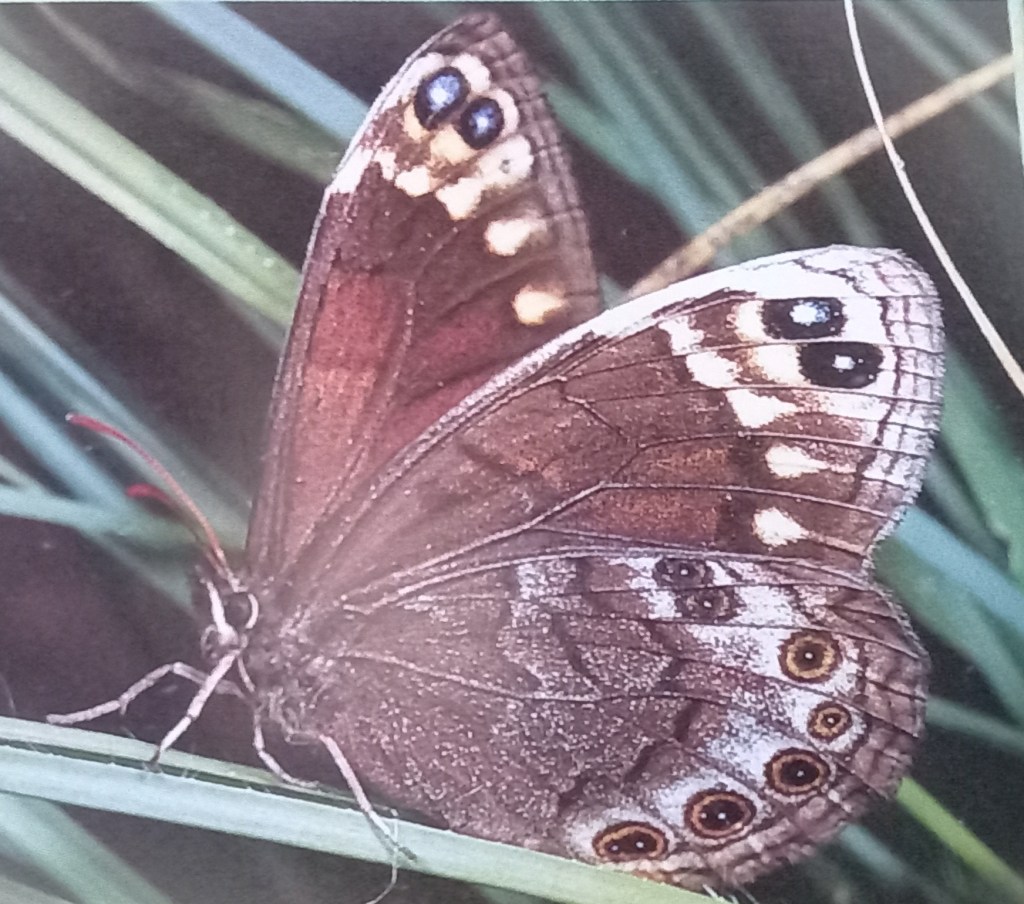
~~~oo0oo~~~
steve reed wrote: When we lived in Clarens we had an annual visitation by what must have been the self-same Swanepoel. Khaki clad solitary figure, fleet-footing round the village with his net like something out of Peter Pan. Regarded by the locals with great interest (and a good level of suspicion) . . .
~~oo0oo~~


 Vrystaat Confessions