Tag: Mary Frances Bland Swanepoel

  • 1963 World Premiere of the 1964 film ZULU

    1963 World Premiere of the 1964 film ZULU

    The film ZULU starring Stanley Baker, Michael Caine and Jack Hawkins was one of the biggest box-office hits of all time in England. It ‘premiered’ in 1964 and for the next twelve years it remained in constant cinema circulation before making its first appearance on television. It has since become a Bank holiday television perennial, and remains beloved by the British public. Some pommies watch it every Christmas, year after year. You know, Tell me lies, Tell me sweet little lie-ies.
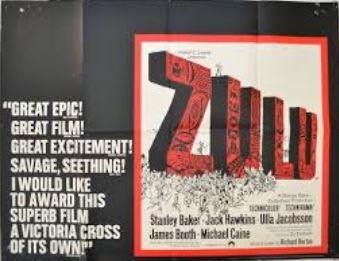
    Zulu film poster

    The film premiered on 22 January 1964, 85 years to the day after the 1879 event it commemorates – the snotklap of Isandlwana (ignored) and the defence of Rorke’s Drift (faked into a glorious victory).

    Very few people know though, that it had its REAL, ACTUAL WORLD PREMIERE in our lounge at 95 Stuart Street, Harrismith, Vrystaat in late 1963. Count yourself as one of a very tiny privileged minority who’s “in the know”!

    True! If an amateur snippet can count as a premiere. Say it can!

    Here’s what happened:

    Back in late 1963 my old man showed us a movie he and Mom had filmed with his state-of-the-art 8mm cine Eumig camera.

    Whirr whirrr whirr – those of you who watched them will remember the noise of the projector. Also maybe Thuk! Oh shit! Eina! as the film broke and had to be re-threaded in the projector and a finger touched its super-hot bulb. .

    rorkes drift_not_behind-the-scenes-zulu-1964

    ..

    He and Mom had been to Royal Natal National Park about 50 miles from Harrismith down Oliviershoek Pass to film the filming of the film ZULU.

    What I remember seeing in our film was a lot of standing around, some dust and a lot of be-feathered (dead ostriches) and be-leathered (dead leopards) Zulu warriors charging at some umLungus in funny red coats, falling down in a cloud of dust and then getting up laughing, walking back and doing it all over again. And again, And a building burning.

    Mom remembers being asked to stop filming, and then once the knobs saw it was just a tiny 8mm camera, being asked to stay politely out of the way. They continued filming the filming.

    ~~oo0oo~~

    snotklap – defeat, but humiliating, embarrassing, obvious, best not spoken of; usually hugely altered in the telling (y’know, ‘there were millions of them and the two of us only had pea-shooters’)

    umlungus – pale people; forked tongues

    ~~oo0oo~~
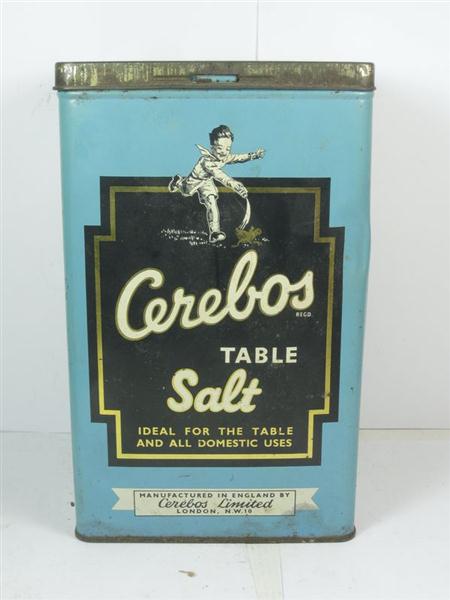
    salt cerebos

    Thanks to the huge success of the film – which was longer than the seven or so minutes we saw in our lounge – the Battle of Rorke’s Drift has entered British folklore. Of course its main success was due to its ignoring the massive same-day British defeat at Isandlwana and portraying the defence of a hospital as a massive victory, and not mentioning the war crimes that the Poms committed.

    New Film about The Film (maybe . . )

    Now a New Film is being shot this year (2019/2020) by Henry Coleman which might just include some of the ole man’s 8mm footage! See all about that here.

    Remember always, though, to take the British ‘jingo’ version of the battle with a very large pinch of cerebos salt.

    ~~oo0oo~~

    The background story of the film Zulu, 54 years on

    Firstly, a bit of the Real History. The lesson here is always to be skeptical of ‘official’ histories.

    On 22 January 1879, at a remote mission station in Natal, South Africa, 157 men, mainly British soldiers (the number is usually downplayed, sometimes “under 100”) held off wave after wave of attacks by “some 3,000 to 4,000 Zulu warriors” (the number is certainly exaggerated – your son’s rugby opposition was always MUCH bigger than your boys, right?). Remember who wrote about the battle – jingoist reporters for jingoist newspapers in a little country that thought it was a mighty empire. A defeat couldn’t be tolerated. The toffs had to be placated, not least the Queen who had a medal named after her.

    Although the Zulus had some old-fashioned muskets and a few modern rifles, most of their warriors were only armed with spears, with hide shields for protection. The Battle of Rorke’s Drift lasted 10 hours (often stated as ‘over 12’), from late afternoon till just before dawn the following morning. By the end of the fighting, around 365 men lay dead. Fifteen (or maybe seventeen) British inside the barricaded buildings they had defended, and around 350 Zulu soldiers outside them. Plus many wounded Zulu men, most of whom were murdered after the battle!

    The defences are almost always characterised as ‘biscuit boxes and bags’ and paintings show the British defenders hugely exposed and vulnerable. A photo taken soon after the battle looks very different to those descriptions and paintings. I haven’t seen a painting showing soldiers firing through holes in a stone wall. Is there one?

    Rorke's Drift building
    – Rorke’s Drift battle site soon after –

    Historically the battle was a minor incident, which had little influence on the course of the Anglo-Zulu War. It might have – should have – remained a footnote in the history books or an anecdote told at regimental dinners had it not been for:

    • 1. The fact that there had been a truly epic defeat at Isandlwana earlier the same day. This defence of a hospital half-heartedly attacked by men ignoring their leaders order to go home after Isandlwana, needed to be a cover-up; Needed to be hailed as a victory – and then an epic victory. In truth it was actually simply a non-defeat. It bears repeating: The mighty British army was EPICALLY DEFEATED by the Zulu army earlier that day and the British press did NOT like having to admit that. Refused to admit that. Possibly to reinforce the cover-up, the bloke in charge – LORD Chelmsford – wasn’t blamed. Was he even reprimanded for his epic mismanagement and lack of leadership?
    • 2. The crazy number of Victoria Crosses and other awards that were dished out for this ordinary defensive battle – mainly as propaganda figleaves because of the prior resounding defeat earlier that day. Not all those possibly deserving some recognition got VC’s; and some who definitely should not have, did get VC’s. In fact the truth of the battle was far more sordid than the glorious accounts a desperate British government and press wanted to portray. This made-up story and image of valour and nobility in the Anglo-Zulu war of 1879 turned to shame when documents were uncovered which show that Rorke’s Drift was the scene of an atrocity – a war crime, in today’s language – which Britain covered up. In the hours after the battle senior officers and enlisted men of a force sent to relieve the garrison killed hundreds of wounded Zulu prisoners. Some were bayoneted, some hanged and others buried alive in mass graves. More Zulus are estimated to have died in this criminal slaughter than in true combat, but the executions were hushed up to preserve Rorke’s Drift’s image as a bloody but clean fight between two forces which saluted each other’s courage. The Zulu salute in the film was FAKE. Made-up. Never happened. A blatant lie.
    • 3. And then, and especially, this battle became super-famous because many years later a film – ZULU – depicted the defence as a heroic victory. It wrote a story dramatically depicting British heroism, including nothing of the massive defeat earlier the same day, and none of the war crimes committed the next day. It dramatised a new story and has kept it in the public mind ever since. This film of falsities elevated a fake narrative and burnt the lies into the memories of a nation.

    ~~oo0oo~~

    A better depiction of why Rorkes Drift was exaggerated is told here:

    Oops, BBC won’t embed the video but you can find it. Also look for better, more honest accounts on history sites. You may have to search. Myths can get embedded. If what you’re reading says ‘Glorious’ keep looking.

    ~~~oo0oo~~~

    The Film:

    The story behind the film’s making. Most of this account taken from talks by Sheldon Hall, Sr Lecturer, Stage and Screen Studies Sheffield Hallam University.

    The filmmakers

    The principal artists responsible for Zulu were hardly Establishment figures. Screenwriter John Prebble was a former Communist Party member who had volunteered to fight in the Spanish Civil War. His co-writer, the American director Cy Endfield, had fled Hollywood in the early 1950s after he was named as a Communist during the McCarthyite witch-hunts. Endfield’s production partner and the film’s main star was Stanley Baker, a life-long supporter of the Labour Party.

    All three were committed to progressive causes, but their motives in making Zulu were not political. It is not an anti-imperial diatribe any more than it is a celebration of colonial conquest. Its main purpose was frankly commercial, but Baker also saw the story as a chance to pay tribute to his Welsh homeland. This certainly explains the strong emphasis on the Welshness of the private soldiers – one of the many fictionalised elements of Zulu that have created a myth around the battle.

    Filming under Apartheid

    Update hot off the press: More drama in 2025! A sort of “cease and desist” letter in my comments from Stanley Baker’s eldest son! See below . .

    The producers had to keep their political views in check when they made the decision to shoot the film in South Africa, then in the grip of Apartheid. There were strict, legally enforced guidelines regarding the degree of freedom permitted to the cast and crew. It was impressed upon the 60-odd British visitors that sexual relations with people of other races would result in possible imprisonment, deportation or worse. Warned that miscegenation was a flogging offence, Baker is reported to have asked – in glorious Pom tradition – if he could have the lashes while ‘doing it’. The authorities were not amused.

    The main filming location was at the foot of the spectacular Drakensberg Mountains in the Royal Natal National Park, a popular tourist spot distant from any large township. But a number of incidents brought home the realities of the oppressive regime. Chatting to John Marcus, one of several professional black stuntmen employed on the film, assistant editor Jennifer Bates invited him for a drink in the bar/canteen that had been built on site for the crew. Marcus pointed out that he was forbidden by law to mix socially with whites and could not enter.

    In his autobiography, Michael Caine recalls an incident in which a black labourer was reprimanded by an Afrikaans foreman with a punch in the face. Baker sacked the foreman on the spot and made clear that such behaviour would not be tolerated. Caine swore never to make another film in South Africa while Apartheid was in force, and kept to his word.

    Introducing Michael Caine

    Keeping watch over the tightly budgeted film was production supervisor Colin Lesslie. “I am very glad to be able to tell you,” he wrote at one point to the Embassy Pictures’ chief in London, “that in my opinion and from the little he has done so far, Michael Caine as ‘Bromhead’ is very good indeed. When he was cast for the part I couldn’t see it but I think (and hope) I was wrong.” This must have been a common reaction.

    Not quite an unknown, the 30-year-old Caine was already making a name for himself on television but was becoming type-cast in working-class Cockney parts. Casting him as a blue-blooded officer in his first major film role represented a considerable risk, but it was one that paid off.

    Thousands of ’em?

    The soldiers were played by real soldiers – eighty national servicemen borrowed from the South African National Defence Force. And most of the Zulus were real Zulus. A mere 240 Zulu extras were employed for the battle scenes, bussed in from their tribal homes over a hundred miles away. Around 1,000 additional tribesmen were filmed by the second unit in Zululand, but most of these scenes hit the cutting-room floor.

    Living in remote rural areas, few if any Zulus had visited a cinema and television would not reach Natal until thirteen years later. The crew rigged up a projector and outdoor screen, and the Zulus’ first sight of a motion picture was a Western. From then on, the “warriors” had a better idea of what they were being asked to do. Responsible for training and rehearsing them were stunt arrangers John Sullivan and Joe Powell. “The Zulus were initially suspicious of us in case we were taking the mickey,” says Powell, now 91. “After a couple of days they realised we weren’t and got into it. After that you couldn’t hold them back.”

    Contrary to stories, the Zulus were not paid with gifts of cattle or wristwatches but received wages in Rand. The main corps was paid the equivalent of nine shillings per day each, additional extras eight shillings, and the female dancers slightly less again. Associate producer Basil Keys remarked: “There is no equality of pay for women in the Zulu nation!”

    Buthelezi’s tribute

    For the opening sequence depicting a mass Zulu wedding, 600 additional background artists were brought in, including nightclub performers from Johannesburg, to play the principal dancers. During breaks in filming, they twisted and jived to modern pop records played over Tannoys, with director Cy Endfield among the crew members joining them.

    The small but key role of King Cetshwayo was given to his direct descendant, the present-day Prince Mangosuthu Buthelezi. The wedding dance was choreographed by Buthelezi’s mother, a tribal historian, and supervised by stuntman Simon Sabela, who later became South Africa’s first black film director.

    History and politics

    Like all films, Zulu is of its time and captures the mood of its time more profoundly than is often realised. A conservative view would see it as a hymn to gung-ho heroism, to flag-waving patriotism and the glory days of the British Empire. In fact, by 1964 the sun was already setting on the empire and undoubtedly Zulu stirred a lot of nostalgia for it. For some, that explains its appeal.

    But look again. The knowledge that colonialism was in its dying fall is there in the film. The script is filled with a sense that the soldiers are in a place they don’t belong and don’t want to be. The indigenous people are not disorganised savages but a disciplined army. And the young lieutenant, played by Caine, who had earlier dismissed the enemy as “fuzzies” and the levies on his own side as “cowardly blacks”, now declares himself ashamed at the “butcher’s yard” he has brought about.

    A modern awareness of racial representation means that Zulu has undoubtedly “dated”. If the film were to be remade today, as internet rumours continually suggest, it would certainly be done differently. But the absence of individuated black characters doesn’t make it racist. Though told from the British point of view, it shows that viewpoint change from dismissive contempt and naked fear to respect and even admiration. The famous (and entirely fictional) salute the departing Zulu army pays to the garrison survivors is returned with their – and our – gaze of awe and wonder.

    Adapted from an article in Cinema Retro No 28 (c) Sheldon Hall 2014

    Sheldon Hall is a Senior Lecturer in Stage and Screen Studies at Sheffield Hallam University. See an expanded second edition of his book ‘Zulu: With Some Guts Behind It – The Making of the Epic Movie’ – Tomahawk Press.

    Some interesting facts about the movie:

    1. It was not shot at Rorke’s Drift

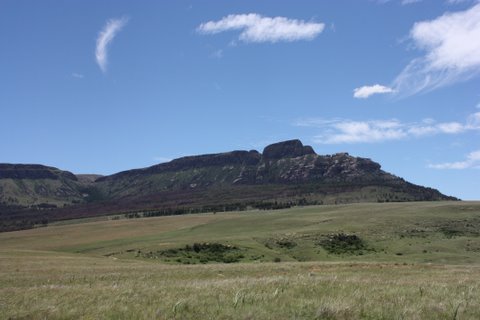
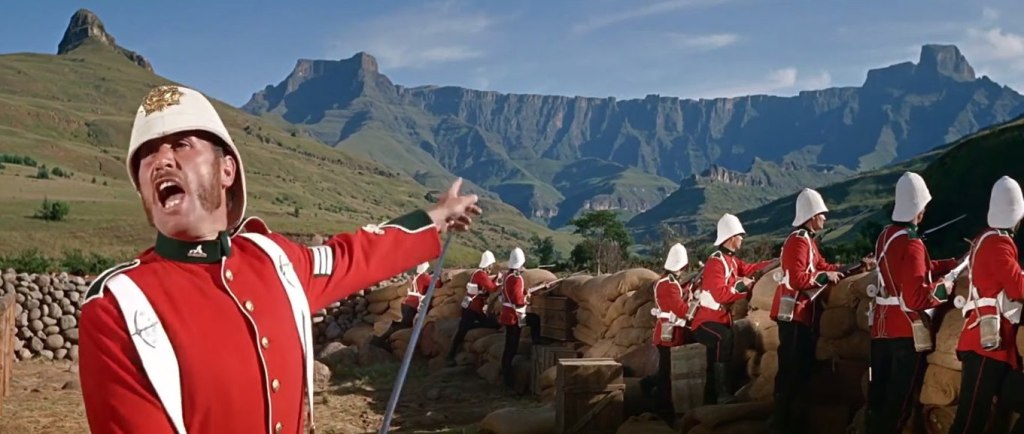
    Cy Endfield’s epic military marathon about the Battle of Rorke’s Drift was actually shot 90 miles south-west of Rorke’s Drift in the Royal Natal National Park in the KwaZulu Natal province of South Africa. It had the far more mountainous and picturesque Drakensberg Amphitheatre as backdrop, rather than the low hills like the Oscarberg at the real site of the battle.

    Below see the movie backdrop, the Drakensberg Amphitheatre (left) – and the real backdrop, the Oscarberg (right):
    2. Many of the Zulu extras had never seen a motion picture

    Many of the Zulus who were hired as extras for the film had never seen a motion picture prior to filming and were unsure what to expect. With this in mind, director Cy Endfield and Stanley Baker, who played Lieutenant John Chard, set up a projector in order for them to watch a western, starring Gene Autry. Then the Zulus probably said “Ah, so its all bulldust?” and acted accordingly. 

    3. The real Lieutenant Gonville Bromhead was extremely deaf…

    Played expertly by Michael Caine, this snobbish character was described by Lieutenant Henry Curling, who fought alongside Bromhead at Rorke’s Drift, as “a stupid old fellow, as deaf as a post.” Major Francis Clery, who spent time with Bromhead after Rorke’s Drift, described him as “a capital fellow at everything except soldiering”, while his commanding officer said in private that Bromhead was “hopeless.” Still, political face-saving at the time saw Bromhead awarded the Victoria Cross. 

    4. Michael Caine initially auditioned for the role of Private Henry Hook

    This was Michael Caine’s first major film role and, although he eventually put in an exceptional performance as Lieutenant Gonville Bromhead, he was crippled by nerves and beaten to the role he initially auditioned for, that of Private Henry Hook, by James Booth. Interestingly, Caine was also unable to ride a horse so a member of the filming crew took his place in the scene where he crosses the stream on horseback at the beginning of the film. This explains why the camera pans down on to the horse.

    5. Private Henry Hook was badly portrayed in the film

    In the film, Private Henry Hook (James Booth) is placed under arrest for insubordination. He is seen lounging around in the shade and trying to pilfer free booze as his comrades prepare for battle in the stifling heat. In reality, Private Hook was an exemplary soldier and teetotal, who was also awarded the Victoria Cross for his gallantry. Hook’s daughter walked out of the film’s premiere in disgust at this inaccurate portrayal.

    6. Eleven British soldiers were given a Victoria Cross; Twelve had been nominated

    Colour Sergeant Frank Bourne (played by Nigel Green in the film), requested a commission rather than the Victoria Cross. He was duly granted this wish and went on to become a Lieutenant Colonel. When he died in 1945, he was the last surviving British soldier from the battle.

    7. Mangosuthu Buthelezi played his great grandfather Zulu King Cetshwayo kaMpande in the movie

    Mangosuthu Buthelezi was the chieftain of the Buthelezi clan of the amaZulu when he played the role of Zulu King Cetshwayo kaMpande in 1964. Buthelezi went on to found the Inkatha Freedom Party and was the leader of the former KwaZulu bantustan. He has also held positions in the new, legitimate SA government and parliament. In fact, the Zulus “won back” the whole of the Zulu kingdom in South Africa’s first legitimate elections in 1994.

    Now Buthelezi himself has a very interesting grandchild! She sings.

    ~~oo0oo~~

    Thuk! Oh shit! Eina! – gosh;

    umLungus – paleface; speak with forked tongue; in Africa as well as America;

    ~~oo0oo~~

    I’ll add a link to the 8mm movie footage the old man took on the film set in the ‘berg as soon as I can. A new movie about the making of the film is in the offing and we have offered this seven minutes of behind-the-scenes footage to Henry Coleman the film-maker. As we have undertaken not to use the footage till after his premiere, we have forfeited a chance to repeat our 1963 scoop!! Darn!

    Here’s his trailer on Vimeo.

    2025: I have finally added our 8mm home movie, as Coleman’s movie seems to be stuck, and Baker is mumbling.

    And oops, it’s underwhelming!

    – my folks’ amateur clip on-set of the filming of Zulu in 1963 –

    ~~oo0oo~~

    2025 and no sign of Coleman’s movie yet. Recently I received a sort of “cease and desist” in this post’s comments from An Important Figure! See below:

    ~~oo0oo~~

    Please be on notice that Henry Coleman no longer has the permission of the family of Stanley Baker to produce his proposed documentary Zulu and the Zulus nor to use the 16mm behind the scenes film print he holds, which is the property of Diamond Films.
    ~~oo0oo~~

    Upon the downfall of his government the year after the great defeat at Isandlwana, and soon after the death of the Prince Imperial Louis-Napoleon, British Prime Minister Benjamin Disraeli asked In parliament – showing that he and his generals had not bothered to do their homework and learn about these African people – “Who are these Zulus? Who are these remarkable people who defeat our generals, convert our bishops and who on this day have put an end to a great dynasty?”.

  • Road Trip with Larry RSA

    Road Trip with Larry RSA

    Mom lent us her Cortina. Like this, but OHS:

    cortina 1970

    How brave was that!? The longer I have teenagers of my own the more I admire my Mom and her quiet courage and fortitude back in the ’70’s! The thought of giving my teenage son my car and allowing him to disappear (it would be in a cloud of dust and tyre smoke) on a three week jaunt fills me with querulous whimpering. (I’ll do it, I’ll do it, but only ‘cos Mom did it for me).

    Larry Wingert was an ex-Rotary exchange student to SA from Cobleskill, New York. He and I had been on a previous Road Trip USA in 1973; now he was teaching English in Athens and had flown to Nairobi, then traveled overland down to Joburg where we joined up and hitch-hiked to Harrismith. There, Mom parted with the Cortina keys and we drove to PMB then on to Cape Town. We took ten lazy days in going nowhere slowly style back in 1976.

    Wherever we found a spot – preferably free – we camped in my little orange pup tent. In the Weza Forest we camped for free; In the Tsitsikamma we paid.

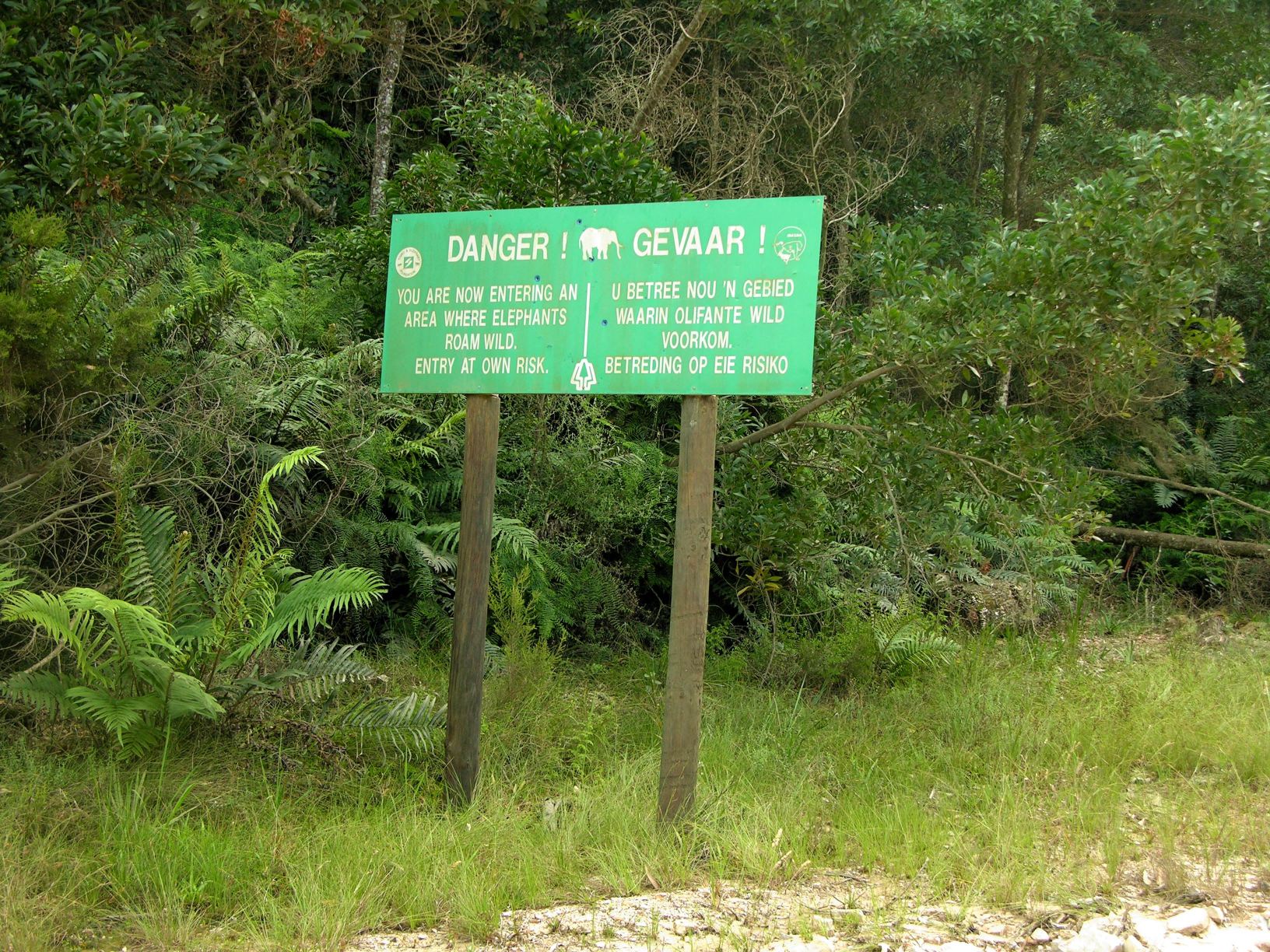
    Driving through the Knysna Forest we saw a sign Beware of the Effilumps.

    knysna forest

    So we took the little track that turned off nearby and camped – for free – out of sight of the road in the undergrowth. Maybe we’d see a very rare Kynsna elephant? Not.

    In Cape Town we stayed with Lynne Wade from Vryheid, lovely lass who’d been a Rotary exchange student too. She played the piano for us and I fell deeply in love, then disappeared on yet another beer-fueled mission. Coward. We also visited the delightful Dottie Moffett in her UCT res. She had also been a Rotary exchange student to SA from Ardmore, Oklahoma and was now back in SA doing her undergraduate degree. I was in love with her, too.

    We headed for Malmesbury to visit Uncle Boet and Tannie Anna. Oom Boet was on top form, telling jokes and stories and laughing non-stop. That evening he had to milk the cow, so we accompanied him to the shed. Laughing and talking he would rest his forehead against the cow’s flank every now and then and shake with helpless mirth at yet another tale. Meantime, this was not what the cow was used to. It had finished the grain and usually he was finished milking when she had finished eating. So the cow backed out and knocked him off the stool, flat on his back, bucket and milking stool upturned. He took a kick at the cow, missed and put his back out. Larry and I were hosing ourselves as we helped him up and tried to restore a semblance of order and dignity.

    Back at the house we gave Oom Boet and Aunt Anna a bottle of imported liqueur to say thanks for a lovely stay. It was a rather delicious chocolate-tasting liqueur and it said haselnuss mit ei. It was only a 500ml bottle, so we soon flattened it. It looked something like this:

    haselnuss liquer

    “Ja lekker, maar ag, dis bokkerol, Kosie – Ons kan dit self maak!”

    Ja?

    Larry and I decide to call his bluff. In the village the next day we looked for dark chocolate and hazelnuts, but hey, it’s Malmesbury – we got two slabs of Cadbury’s milk chocolate with nuts.

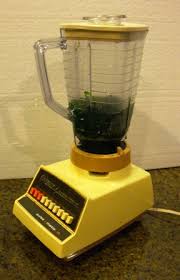
    Oom Boet is bok for the challenge. He dives under the kitchen sink and starts hauling things out. He’s on his hands and knees and his huge bum protrudes like a plumber’s as he yells “Vrou! Waar’s die masjien?” Anna has to step in and find things and do things as he ‘organises’. She finds a vintage blender and – acting under a string of unnecessary instructions – Aunt Anna breaks eggs and separates the yolks, breaks chocolate into small pieces. Boet then bliksems it all into the blender and adds a fat dollop of a clear liquid from a label-less bottle. “Witblits, Kosie!” he says triumphantly. He looks and goois more in, then more. Then a last splash.

    Oom Boet blender_2

    It looked like this, but the goo inside was yellowy-brown, not green. And it had a layer of clear liquid overlaying it nearly to the top.

    He switches the blender to ‘flat-out’ with a flourish and a fine blend of egg yolk, chocolate and powerful-smelling hooch splatters all over the kitchen ceiling, walls and sink. He hadn’t put the lid on! And it was like a V8 blender, that thing.

    Vroulief starts afresh, patient and good-humoured as ever. We mop, we add, he blends, and then it’s ready for tasting at last.

    And undrinkable. That aeroplane fuel strength home-distilled liquor was just too violent. We take tiny little sips, but even Oom Boet has to grudgingly admit his is perhaps not quite as good or as smooth as the imported stuff. We add sugar, more chocolate and more egg yolk, but its only very slightly better, and still undrinkable.

    Ten years later I still had the bottle and despite offering it to many people to sip as a party trick, it was still three-quarters full!

    If we had marketed it we’d have called it Oom Boet se Bokkerol Haselnuss mit Eish!

    I visited Oom Boet and Aunty Anna in a Ford Cortina again in 1983. The top featured pic with the old Chevy pickup was actually taken then by Sheila.

    ~~~oo0oo~~~

    haselnuss mit ei – hazelnuts with egg

    “Ja lekker, maar ag dis bokkerol, Kosie – Ons kan dit self maak!”- Nice, but we could make this stuff ourselves!

    “Vrou! Waar’s die masjien?” – Wife! Where’s the machine?

    bliksems – throws

    witblits – moonshine

    goois – throws

    Oom Boet se Bokkerol Haselnuss mit Eish! – the same stuff except very different

  • Being Bland in Africa (two branches . . )

    Being Bland in Africa (two branches . . )

    This post needs work by someone who knows what they’re on about. This is almost as confusing as the Bible’s begats. Advice: If your name is John, name your son Basil. Or Cyril. Or Percy. Anyway, here goes with what I’ve got:

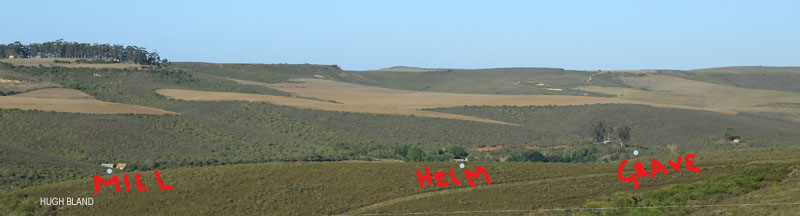
    Our distant cousin Hugh Bland has been doing some wonderful detective work sniffing out the Bland family history. He’s of the Blands that trekked north, to the lowveld and on to Southern Rhodesia (if it was called that yet?), leaving their cousins behind on a farm at Oliviershoek on the Natal-Free State boundary. Maybe on a farm called Oliviershoek.

    Today Hugh found the grave of Josiah Benjamin Adam Bland.

    Josiah Benjamin Adam Bland was born in 1799 in England. His parents were Reverend John Francis Bland (born 1764 Fordham, Cambridgeshire died 1807) and Elizabeth Adams (born Dunfermline, Scotland. He arrived at the Cape in 1825 on the good ship Nautilus, under the care of the ship’s captain, a Mr Tripe. The voyage cost his family £42.

    He got a job on a wine farm, in the Drakenstein area of Stellenbosch, met his future wife Cecelia there (du Plessis?), married her, packed their belongings in a Cape cart and trekked to Mossel Bay. They found land on the Gourits river and settled there. Their first son, John Francis Adam, was born in 1836, followed by eight more children. John the eldest then married Petronella Johanna ‘Nellie’ de Villiers and had a son, John Francis Adam II. He and Nellie left for inland while the baby JFA the second was just a few months old. They headed for Colesberg, Bloemfontein, Winburg and on to Harrismith, where they settled ‘in a house not far from the centre of town’ – 13 Stuart Street, maybe?

    Back in Mossel Bay, Josiah Benjamin Adam Bland (JBA) became mayor and the main street was called Bland Street. Maybe it still is? He died in 1861. His grave is now hidden in thick bush on a farm in the Wydersrivier district near Riversdal. 

    When Hugh Bland visited die Kaap ca.2010 the farmer very kindly took him to the gravesite. Hugh says you can still read the inscription on the gravestone – it’s indistinct, but there’s no doubt that it’s JBA’s grave. He says it was “quite a moment” for him – JBA was buried there 156 yrs ago and Hugh wondered when a Bland last stood at that grave.

    Hugh put two proteas – which it looks like he skoffel’d out nearby? – on the grave; then laid his shadow down next to his great-great-great grandfather and took this pic:

    JBA Bland's grave
    – Hugh Bland’s shadow next to Josiah Benjamin Adam Bland’s grave –

    Valuable memorabilia from Hugh:

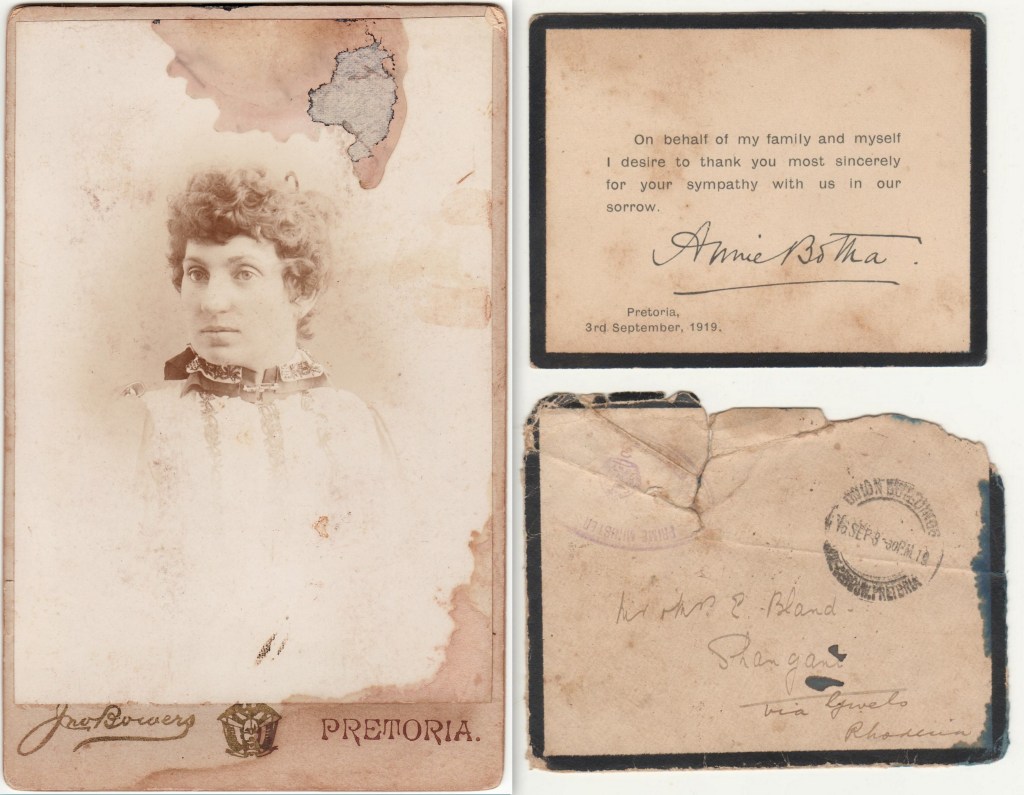
    Prime Minister’s wife’s letter to the Rhodesian Blands

    ~~oo0oo~~

    The Harrismith Branch of the Blands:

    Josiah Benjamin Adam Bland had a daughter, Annie Emmett Bland, who married Louis Botha, Boer war general who became the first President of the Union of South Africa in 1910.

    He also had a son John Francis Adam Bland (JFA), born in 1836.

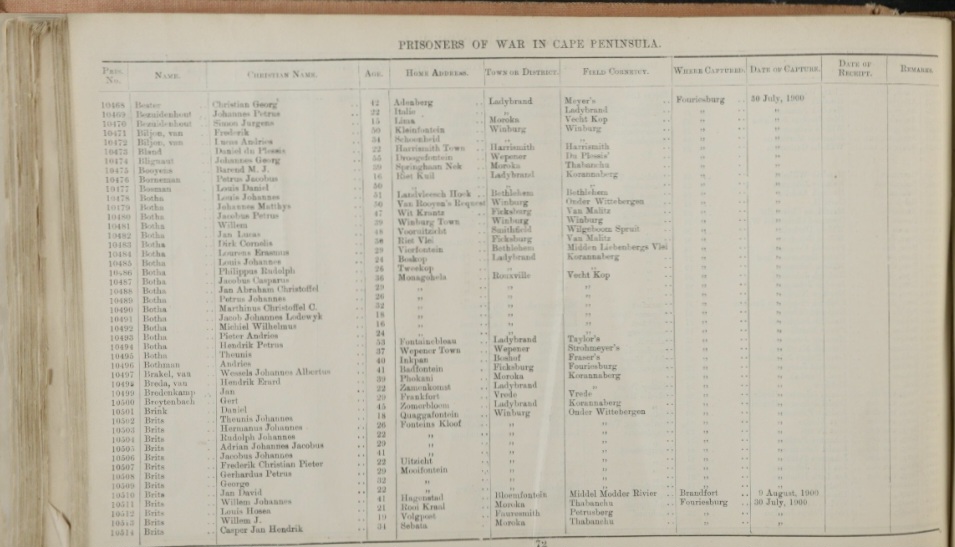
    This JFA I later trekked inland ca.1861 to Harrismith in the Orange River Colony with a small baby – John Francis Adam Bland the Second – JFA II. This started ‘our branch’ of the Blands, The Vrystaat Blands. One of them – I must try and find out who – would end up as a prisoner of war in Ceylon for doing the right thing and fighting for his new homeland against the invading, thieving, plundering British in the Boer war of 1899-1902.

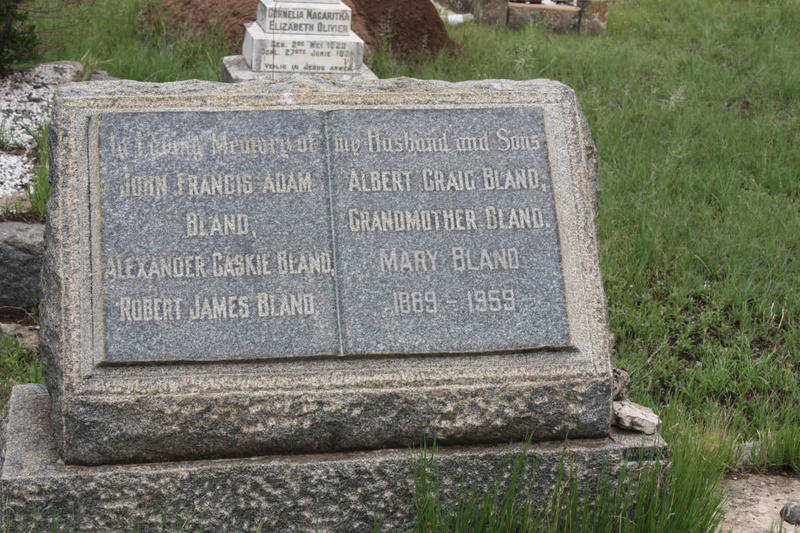
    John Francis Adam Bland II married Mary Caskie, who became the beloved Granny Bland of Harrismith. They had five sons of whom our grandfather Frank was the oldest, again: John Francis Adam; JFA III.

    Hugh found out that JFA the First died on 10 September 1891 aged 55, and is buried in the lost, dusty, verlate metropolis of Senekal, Vrystaat. In Harrismith Granny Bland buried her husband JFA II and four of her five boys, including JFA III. As Sheila said, ‘What a tragic life.’ Poor Granny Bland! She loved her namesake grandaughter Mary, our Mom, and she lived long enough to know us, her great grandkids before she died in 1959. So in that she was Lucky Granny Bland! We knew Bunty, the only child who outlived her, very well. He died in 1974 and joined his father JFA II, his mother, and his four brothers in the propvol family grave in Harrismith.

    JFA III married Annie Watson Bain – our lovely granny Annie Bland. Known as just Annie. They farmed racehorses and clean fingernails on the farm Nuwejaarsvlei on the Nuwejaarspruit outside Harrismith on the road to Witsieshoek, towards the Drakensberg. He died in 1943 while my Mom Mary was still at school. Pat was nursing in the Boksburg-Benoni hospital. Pat also died at age 49 in 1974. Mom Mary then looked after Annie until she died aged ninety in 1983. Mom Mary is still alive and well. She turned ninety in September 2018 (update, 95 in 2023). Nuwejaarsvlei was later submerged under Tugela river water pumped up the Drakensberg to fill the new Sterkfontein dam. Drowning vleis is environmental destruction, BTW!!! Grrrr!

    (I’m hoping sister Sheila will fact-check me here! Also that cousin Hugh will tell us what happened to the misguided Bland branch that didn’t stay in the Vrystaat, but got lost and ended up in Zimbabwe. They lived near Oliviershoek for a while before trekking on. Hugh tells tales of transport riding, ox wagons, meeting Percy Fitzpatrick, farming in Rhodesia and other exaggerations . . . you know how historians are).

    ~~oo0oo~~

    Must add:

    A Bland grave pic – Harrismith cemetery

    Annie’s oldest daughter Pat Bland – married Bill Cowie, and had two daughters Frankie & Gemma; Bill worked in Blyvooruitsig on the gold mine; We visited them once, and would see them on their way to their wonderful Wild Coast fishing trips. They called Blyvooruitsig ‘Blayfore or Blayfaw, and pronounced Gert as though it didn’t have an ‘r.’

    Mary Bland second and youngest daughter – married Pieter Swanepoel in Harrismith in 1951.

    ~~oo0oo~~

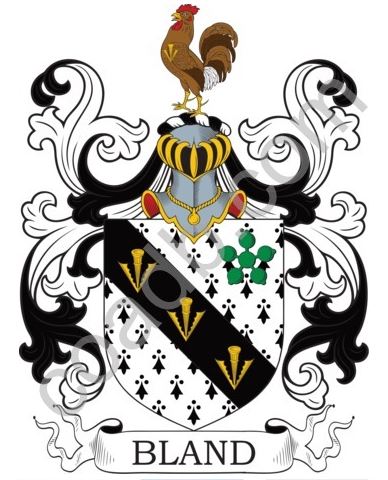
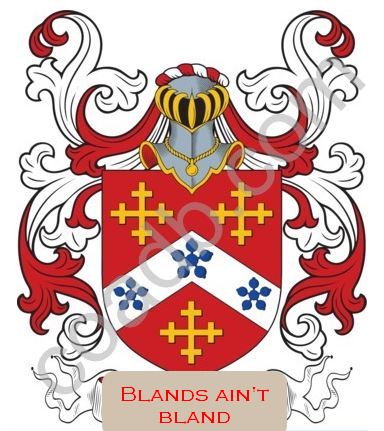
    Bland might sound bland, but hey, the surname is thought to derive from Old English (ge)bland meaning ‘storm’, or ‘commotion.’ Don’t use dictionaries that say, ‘dull, flavorless, or just plain ‘blah.’ Rather use the Merriam-Webster that says it means ‘smooth and soothing in manner or quality;’ or use vocabulary.com that says it means ‘alluring;’ or try ‘flattering’ from the Bland Family History on ancestry.com; That’s better. A new motto for the coat of arms, maybe? Blands ain’t bland.

    ~~oo0oo~~

    Some of the information on Josiah Benjamin Adam Bland first coming to the Cape I got from Sheila’s book And Not To Yield about Susan Bland. Susan was born in Harrismith, had a brother Willie, married a Theo Allison and lived seven miles outside Harrismith – west, I think, near Sarclet? – farming ostriches for a while.

    And Not To Yield by Penelope Matthews, Watermark Press – ISBN 978-0-620-58162-2

    ~~oo0oo~~

    Mom’s more contemporary assessment of her Bland, the Eastern Vrystaat Nuwejaarsvlei branch of the Bland Clan:

    She didn’t know her dear Dad Frank’s father – he died rather young. He farmed on Nuwejaarsvlei and sent his son Frank to Michaelhouse. After high school Frank went straight back to the farm, he didn’t do any further studying or training. Mom thinks her grandfather must have had some money, as he built his wife a rather lovely house in town while still on the farm – 11 or 9 Stuart Street. After Frank lost the farm (maybe because as Annie once told me reproachfully when she saw me covered in mud one Christmas morning at 95 Stuart Street, “You know, I never once saw Frank with dirty fingernails!” I loved and admired my gran Annie but I just knew that day that what me and Sheila and Jemma had done in getting covered in mud at the Kakspruit down Hector Street past the du Plessis’ house that Christmas morning was not a bad thing. We washed off in the horse trough and made it to church that morning, I’m sure looking like spotless sweet little angels. JC and FC both would have nodded approvingly, methinks. I’m sure we got presents later that day, so there’s some proof that the Religion of Father Christmas is an understanding, forgiving one.

    Frank lost the farm – too many racehorses and too few sheep? – and he and Annie, older sis Pat and Mom moved to town into Granny Bland’s home. Frank bought a filling station in Warden Street in town. When he died – early like his father before him – Annie surprised traditionally-minded people in town by carrying on with the Central Service Station. It was near the corner of Retief Street; later she moved it half a block nearer to the Town Hall, to Caskie Corner, probably the prime spot in town, on the corner of Southey Street. In time she rented spaces to the Flamingo Restaurant and Platberg Bottle Store. Between the Flamingo and the VC Cafe in Southey Street was the ramp up to her workshop, where At Truscott fixed cars for her.

    Granny Bland was a Caskie. Maybe she owned Caskie Corner? I asked Mom Mary and she thinks her gran Mary Caskie Bland may well have. And that would be how Annie could move her Caltex filling station and garage to the best corner in town from half a block down Warden Street – and later how Mom Mary could move the bottle store next door to it from round the corner in Southey Street.

    ~~oo0oo~~

    POW register - Bland
    – POW register –
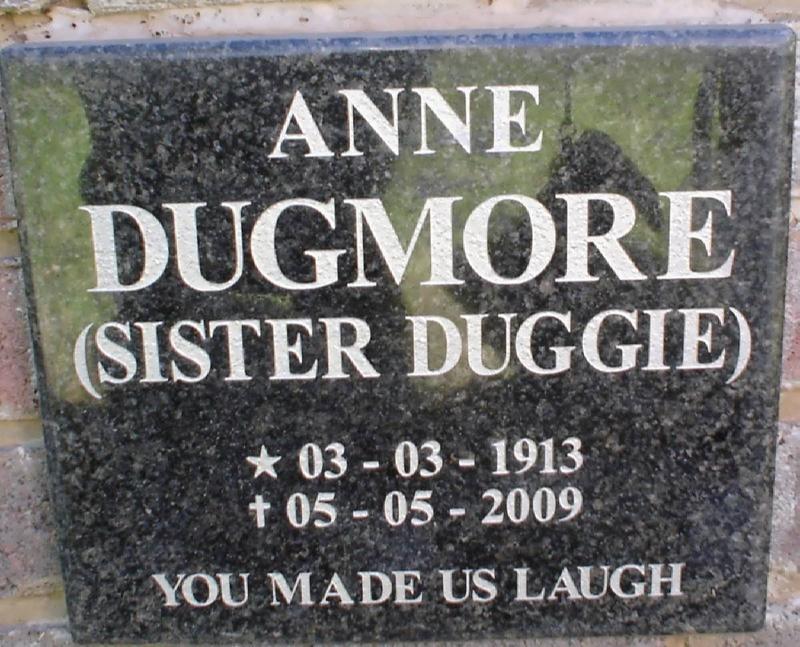
  • Thanks, Sister Dugmore

    Thanks, Sister Dugmore

    On 19 December 2015, Sheila wrote:

    This was taken at the sad occasion of Jean Coleman’s funeral yesterday. Jean was Mum’s great friend in Harrismith in the 50’s & 60’s. They lived in Hector Street, opposite the du Plessis’ first home.

    Mum says when we still lived on the ‘townlands’ on the way to the waterworks, Jean would often ‘phone and say “Have you got a little visitor?” – once again her son Donald had gone missing *** and she knew exactly where he was – he used to walk all the way to our farm to visit his great mate, Koos. The two were inseparable.

    Mary Methodist is Anne’s godmother. The Colemans left Harrismith in about 1964.

    While we were standing around chatting yesterday, Anne suddenly realised that she, her brother Eddie, and George Elphick (whose daughter is engaged to Anne’s son – small world) had all been delivered by Sister Dugmore at the maternity home on Kings Hill.

    “So were we!” chorused Koos & Sheila!

    So we had to have this pic taken!

    – born in the same spot – Eddie Coleman, George Elphick, Anne Coleman Immelman, Sheila & Koos Swanepoel –

    Duggie Dugmore’s maternity home – and below what was left of it the last time I visited. )

    Kings Hill2.jpg
    – Anglo-Boer War doctors house – then Duggie Dugmore’s maternity home – Kings Hill –

    More from Sheila: George Elphick is an architect in Durban. His parents John & Una, also left Harrismith in about 1964. They lived in Lotsoff Flats where Una had a grand piano in their tiny sitting room!  She was a very talented pianist and used to accompany Mary Methodist, Trudy Else and other singers. We used to have ‘musical evenings’ in our home in Stuart Street – wonder what the neighbours thought?  John Elphick, bless his soul, had an enormous reel-to-reel tape on which he would record the proceedings.  I have had these tapes put on CD – no Grammy winners here – but just to have this music preserved is so special.  I have Mrs Euthemiou singing ‘La Paloma,’ William vd Bosch singing and playing his guitar, Harold Taylor singing ‘Til the sands of the desert grow cold.’  Harold lost his leg at Delville Wood and on tape he tells us that he learnt the song on board ship en route to Alexandria in Egypt, in World War 1. So now you know.

    ~~~oo0oo~~~

    *** Donald once did a big ‘going missing’ on the beach somewhere on the KwaZulu Natal Coast. That time the police were called to help find him. But – as always – he was just exploring. He’d have made it home sooner or later, I’m sure.

    He and I once walked home from the Kleinspan school – a distance of less than a kilometer – and got home somewhat later than our folks thought we should have.

    ~~~oo0oo~~~

    Duggie in a nutshell: What a wonderful epitaph!!

    ~~~oo0oo~~~

    We’ve just heard Una Elphick died this year. – R.I.P –

  • The Night We Hijacked the Orange Express

    The Night We Hijacked the Orange Express

    Trudi won Miss Personality at Maritzburg Varsity. We could have told them that she’d win beforehand if they’d asked. Her prize: A trip to Rio de Janeiro! Steph arranged a farewell party at Shady Pines in Stuart Street in the mighty metropolis of Harrismith Vrystaat on the night of her departure; after which we would deliver her safe and pickled to the Harrismith stasie. You didn’t know trips to Rio de Janeiro start at Harrismith Railway Station?! Ha! It goes to show . . . bone up on your geography.

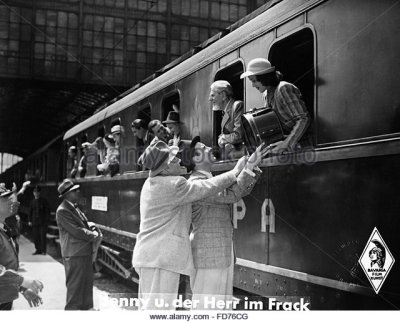
    At the station we bid her farewell in moviestar style, Trudi hanging out the window, fans crowded on the platform, much hubbub (just like in any good romantic movie). Here we are, hubbubbing:

    party goers saying bye – Bibi de Vos pic

    Here’s Trudi with her hatbox:

    train-station
    credit: alamy free use

    All the mense are on the platform looking up to Trudi. Except some ringleaders are missing. Where could John and Nick be? Ah, the-ere they are, off the very far end of the platform on the tracks talking to the train driver. I recognise Nick’s leg of plaster of paris in the gloom. I scurry over and get there just in time to hear: “Nooit, meneer, this are not a melktrein, this are ve Orange Express! No stops before Beflehem.”

    He reminds me of the rumour that you can’t find three wise men in the Vrystaat. But he does turn out to be wise after some rooinek private school farmer persuasion, as he partially relents: “OK, ve bess I can do for yous is I’ll slow down when I pass Rivierdraaistasie.”

    Right!

    We hop on, and soon the train pulls off. John the agile gymnast has a case of beer under his one arm and a wicked grin under his one moustache. We make our way to Trudi’s cabin. “What on earth are you guys doing here?” We repeat a very hasty goodbye because already the train is FLYING! I myself am now rather nervous and if it wasn’t for the medicinal value of beer I might have said something sensible. We each take position at a door and watch as the poles whizz past us in a blur. Past the crossing to Swiss Valley where Nick (whose leg is in plaster so he is chosen to drive the getaway car, having proved his mettle and driving skills by breaking his leg when he pranged his car – just like in any good gangster movie) was going to meet us. The railway crossing whizzes past and it feels like we’re accelerating!

    – the lantern held aloft –

    Suddenly a decrease in speed and, peering forward, some lights in the dark. Get ready to jump. Arse over kettle each one of us hits the ground and tumbles. I almost stayed on my feet but then had to duck for the big sign RIVIERDRAAISTASIE one word. But one man didn’t fall: He who held the case of beers on stocky legs kept it together! Likely helped by that brush moustache acting as a windbreak and steadying the ship. We ran back up the track into the dark as a man came stumbling out of the stasie kantoor, lantern held aloft (just like in any good Orient Express movie), yelling that famous Afrikaans query, ‘Vuddafokgaanhieraan!?’

    When we gathered, a sober head prevailed. Probly Nick’s, limping driver of the getaway car. “Boys, we can’t go! We can’t ‘drop’ the train driver. The stasiemeester will have to put in a report and our man the driver will get into trouble. We have to go and talk to the stasiemeester.

    So a delegation is sent back to the stasie, one limpong, one carrying a carrypack as a peace offering. The rest of sit in the veld in thecpotch dark awaiting their return, supping thoughtfully on John’s case of ales. And we await and await.

    Eventually – just when we think maybe they’ve gone to jail – they return, much merrier and cleverer than when they left. Apparently as they started to say Naand Meneer, ons is jammer . . the oke said: “That’s the BEST thing that’s happened to me in all my years at Rivierdraai Stasie!” and insisted they sit and join him for a dop, pulling a bottle of brandewyn from the top drawer of his desk (just like in any good cowboy movie).

    ~~oo0oo~~

    A sequel:

    Is nothing a secret in a small dorp? I get home before sunrise, and later that same morning my Mom peeps her head into my bedroom in my garden cottage, The Country Mansion: “Were you on that train?” asks Mary Methodist in her woe-unto-us voice, “I’m so glad you’re home safely,” what a special Mom. At about nineteen years old, though, I couldn’t understand why she was fussing. It did sort-of dawn on me decades later, just like in any good psychodrama movie, when I had a nineteen year old who inherited all the wrong genes from me.

    – my Country Mansion on the left –

    ~~~oo0oo~~~

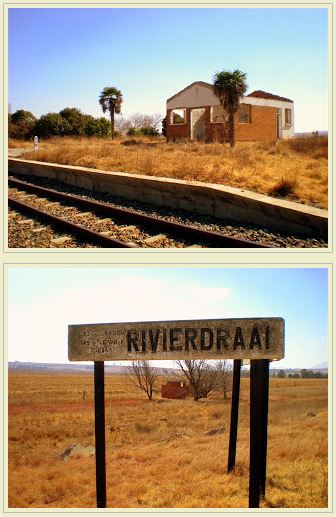
    stasie – Harrismith: famous station; opened just in time for the Boer War, still going; Rivierdraai: now also a famous tiny siding station; now derelict

    stasie kantoor – station master’s office furnished with govt issue desk and chair; desk has a top drawer

    nooit meneer – sorry, china; beg pardon, sir; no way, José

    china – my frie-end!

    melktrein – slow moving train; frequent stops; never called ‘express’

    stasiemeester – station master; CEO

    Vuddafokgaanhieraan? – what’s up, gentlemen?

    naand meneer, jammer – evening sir; we apol . .

    dop – stiff tots from that brandy bottle in the top drawer

    brandewyn – brandy; or whatever was on special at Platberg drankwinkel

    drankwinkel – drinking shop; bottle store; liquor store

    A Prequel

    Riverdraai had received belangrike and almost-as-exciting visitors along its railway line once before!

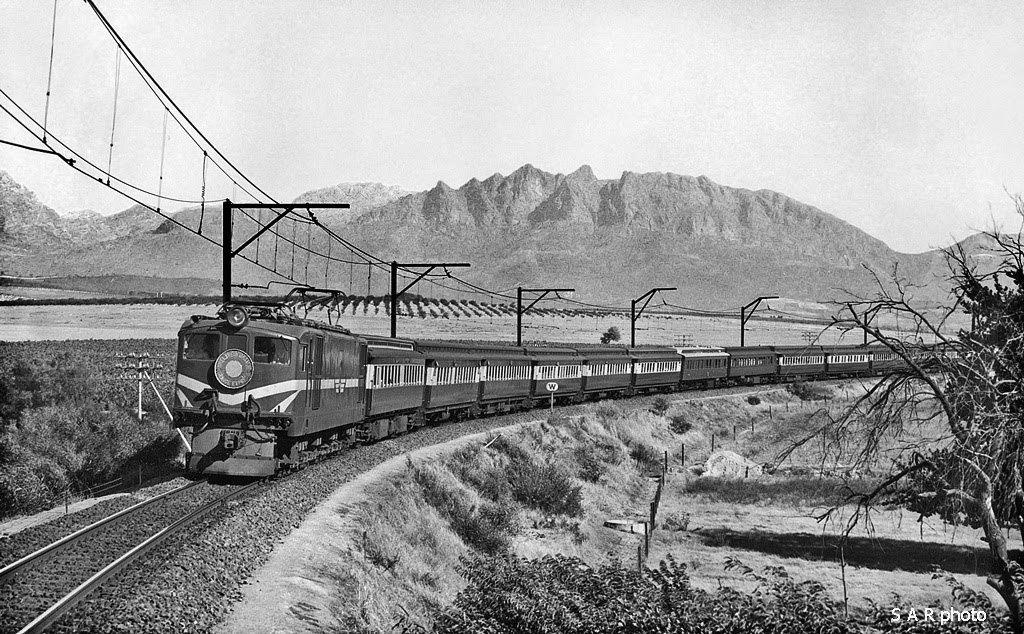
    The South African Railways – actually SA taxpayers – provided a fairly new Royal Train for Mr and Mrs King of Britain when they visited Southern Africa in 1947, so that they could get to Rivierdraaistasie and then ride horses to Platberg, our mountain above Harrismith. The spoorweg ous painted the coaches white, and the Garratt locomotives a deep royal blue for the trip to Rivierdraai. We actually provided three trains for the donners. The Royal Party travelled in the White Train, recycled from the 1925 Prince of Wales and 1934 Prince George Royal Tours, thank goodness, to save a bit of ponde. A Pilot Train ran 30 minutes in front of the White Train and carried lesser officials, tame gushing press people and servants. And bringing up the rear, a Ghost Train followed the White Train carrying spare parts for the trains, maintenance gear for the trains, and maybe inappropriate boyfriends for princesses? No horses, though.

    Our dorpie Harrismith down the track had to provide horses for the royal bums (get the double entendre there?). I only know that Margaret got Piet Steyn’s grey; I’m sure they all got good mounts from the good people of the dorp. They rode to the akkerbos and back and I’m sure they had fun and I’m sure the Rivierdraaistasie stasiemeester gave them a nice welcome.

    But I bet he didn’t haul out his secret brandewyn stash for them!

    An Update

    Darn! The desk with the brandy bottle in the top drawer has gone . .

    – Ah, the sign didn’t have ‘stasie’ – just RIVIERDRAAI one word –

    ~~oo0oo~~

    belangrike – important; Rivierdraaistasie was used by the 1947 royal visit when King Jors brought the tannie and two dogters to visit HS and Platberg

    tannie – queen

    dogters – princesses

    spoorweg ous – railwaymen

    donners – bliksems

    bliksems – blighters

    ponde – money; pounds shillings n pence

    akkerbos – oak forest on the slopes of Platberg

  • Harrismith Xmas 1979

    Harrismith Xmas 1979

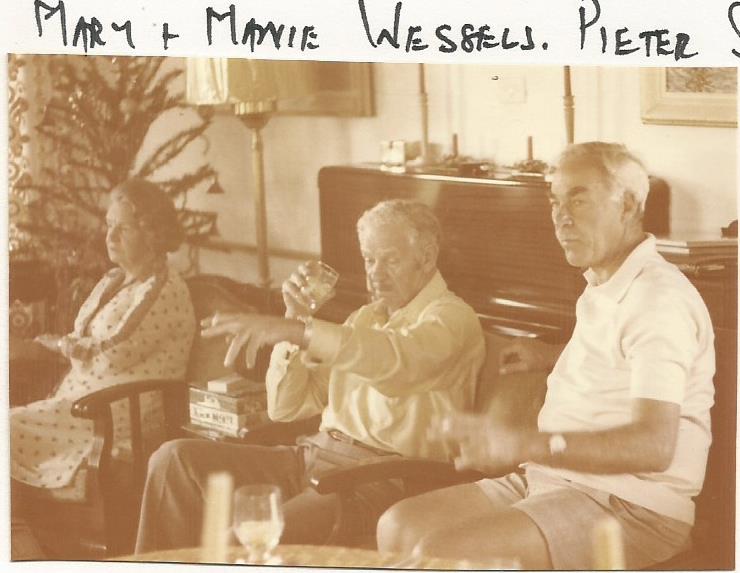
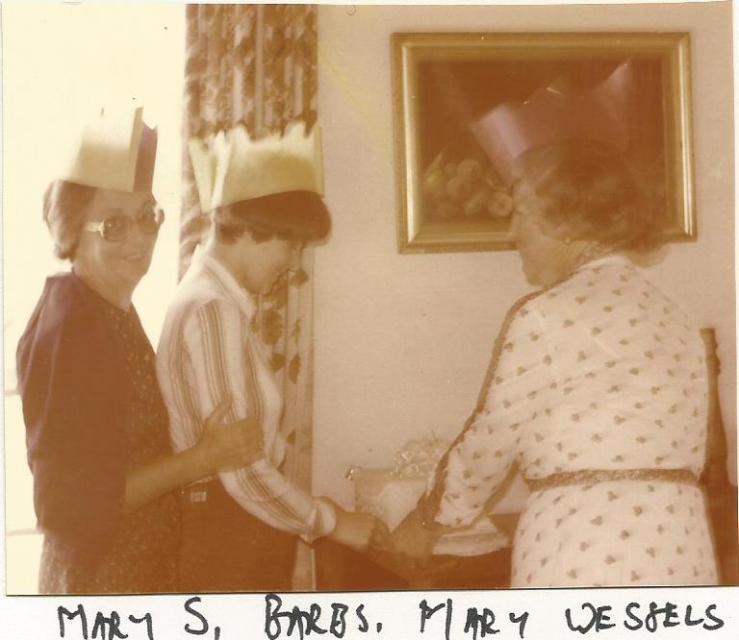
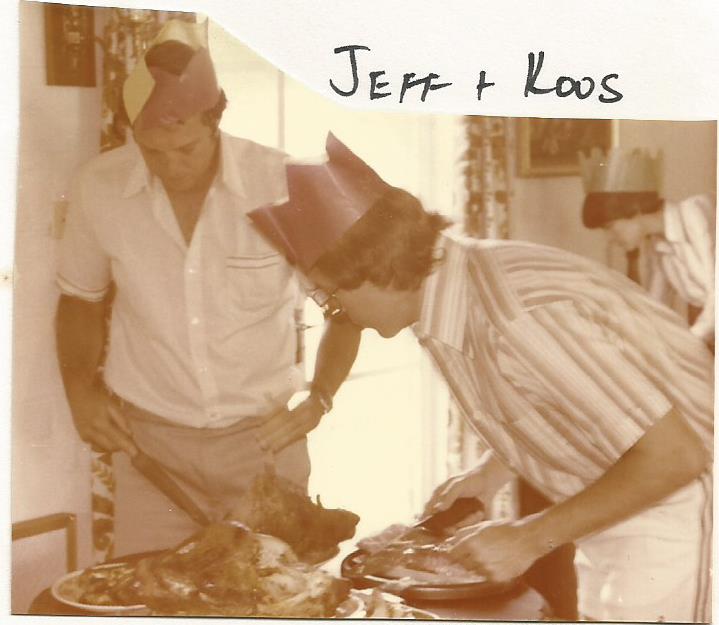
    Mary and Manie Wessels Rietvlei joined the folks Mary and Pieter Swanepoel for Xmas 1979 at 37 Piet Uys street. Barbara and Jeff, Koos and Sheila and Annie were there, too. As was poor Selina! Hopefully she got time off for being on duty on Xmas day!

    Looks like colour film hadn’t been fully invented yet . .

    Barbara – and Selina behind her, working on Xmas day!