After Maritzburg College, Dad joined the General Post Office as an apprentice electrician. He recalls leaving school on 1st April 1938. Here’s a spirit level he was issued that day:
– Spirit level – Wilson Lovatt & sons Wolverhampton –
While he was still apprenticing, he tried to enlist to join the WW2 war effort, but was sent back. He was sent to the Himeville/Underberg area with a GPO truck and a sidekick called Freddie to do his bidding. Later he was transferred to Harrismith – which fell under Natal for the GPO although it was actually in the Orange Free State – from where he again made his way to Durban to try and enlist, and was again sent home, finally being allowed to join after Oupa reluctantly signed his papers. He left for ‘up north’ in 1941.
While in Harrismith ca.1940, he met old Mr Buckle the Blacksmith down in McKechnie street, near the railway station. He was from England.
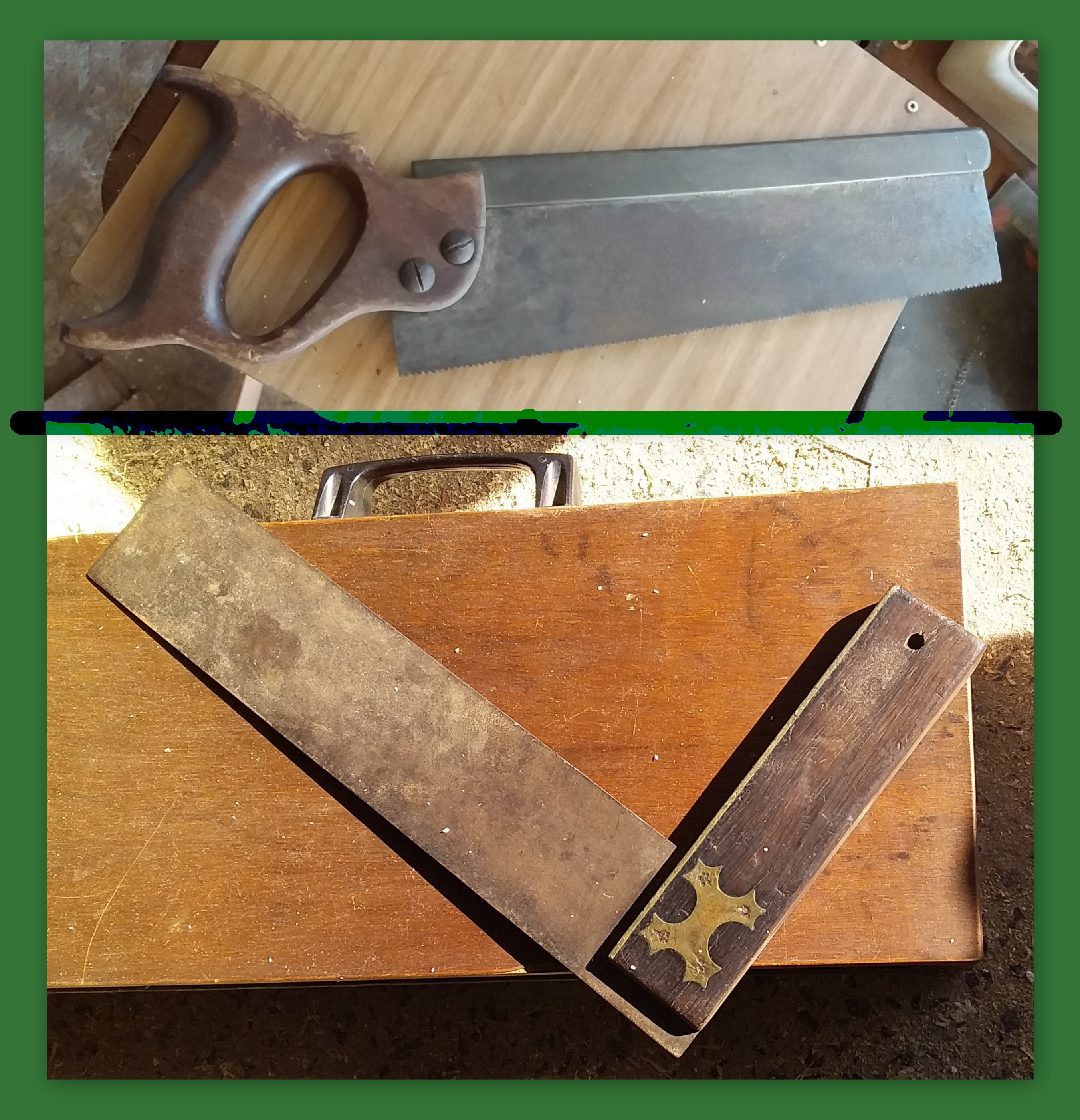
He ended up with a few tools from old man Buckle: a back saw and a set square with a beautiful brass inlay and brass leading edge.
After boarding at the Royal Hotel, whicvh had stables, Dad moved to a plot outside town – townlands – west of town on the Wilge River, downstream of town. There he bought horses, schooled them and sold them for a profit. I assumed he’d had them shod by Buckle but he corrected me. Buckle was a blacksmith, upholsterer, wheelwright and wainwright/wagon-maker. He didn’t shoe horses. That was up to Charlie Rustov, Harrismith’s only farrier.
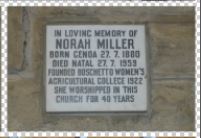
From his plot on townlands out west of town** he would ride out to Boschetto Agricultural College for Ladies on the slopes of Platberg, the mountain that dominates the town. Boschetto was where the girls were. They were the main buyers of his ponies. The first time he went there, he met the formidable Miss Norah Miller, the founder and principal. Luckily for him she needed a few pictures on her office wall. He was able to help and so became a firm favourite of hers from the outset.
While he was telling the story Mom remembered a story about Norah: She knocked on someone’s door. Whoever answered went back and was asked ‘Who was there?’ They said, I don’t know, but she’s got one eye, one leg and a hell of a cough! Norah had one lens of her glasses frosted out, she wore a leg brace (probably childhood polio?) and smoked like a chimney. When her leg brace buckled, Dr Frank Reitz made her a new one. A better one. He would have loved that challenge. He was a hands-on fixer.
~~~oo0oo~~~
Harrismith author Leon Strachan found some fascinating info on Norah Miller’s leg – it was not polio. His source, Isobel Kemp (Dr Frank Reitz’s receptionist for thirty years. Isobel knew everything): It was probably osteoporosis resulting in a hip fracture in 1928, only six years after she established her college. Usually this would have resulted in incapacity and excruciating pain, but Norah was in luck: she was in the right place at the right time, and knew just the right man, bold innovator and pioneering surgeon Frank Reitz, trained at Guys Hospital in London, then did surgery specialisation in Germany.
He operated and joined the femur using an ordinary screw to hold the femur ends together! This technique would only become common decades later, in the fifties. Thirty years later she was still walking – with difficulty, but still mobile, and in charge of her college. When Cedara took over Boschetto she moved there, where she died in 1959, aged 79.
~~~oo0oo~~~
Aug 2021: Ole man phoned me. He found some (one? more? maybe the one I photographed above?) old ‘tri-squares’ with handles made of ebony with brass inlay. Do I want them? I bought them in the late 40s and Buckle was already an old man, maybe eighty. So they are probably 100yrs old. Hell yes, I’d like to have them!
~~~oo0oo~~~
** Old man bought his first townlands from old Englishman Bill Mundy. On the right bank of the Wilge river downstream from town; out on the road that turns south towards Swallow Bridge after leaving the west edge of town below 42nd Hill.
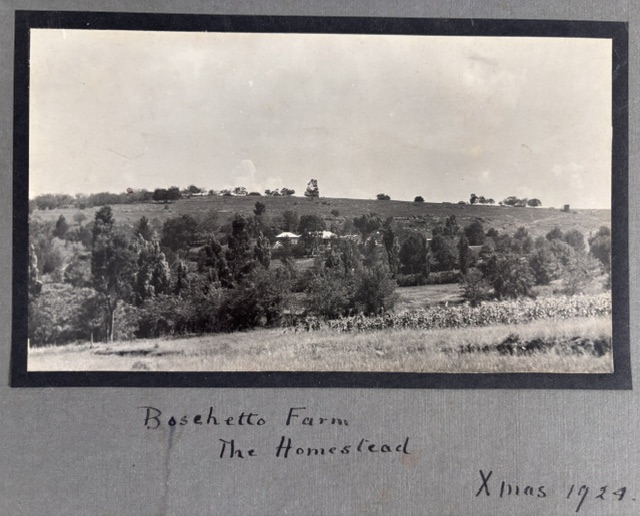
I know very little about Boschetto Agricultural College on the slopes below Platberg and above the town of Harrismith, Free State, so I’m writing this hoping someone who knows more will make sure we preserve the history.
‘No successful South African settlement for women’s agricultural or horticultural training appeared until Miss Norah Miller, an émigré from the Edinburgh College of Domestic Service, acquired a farm and began receiving students in 1922, forming the basis for the Boschetto Agricultural College.’
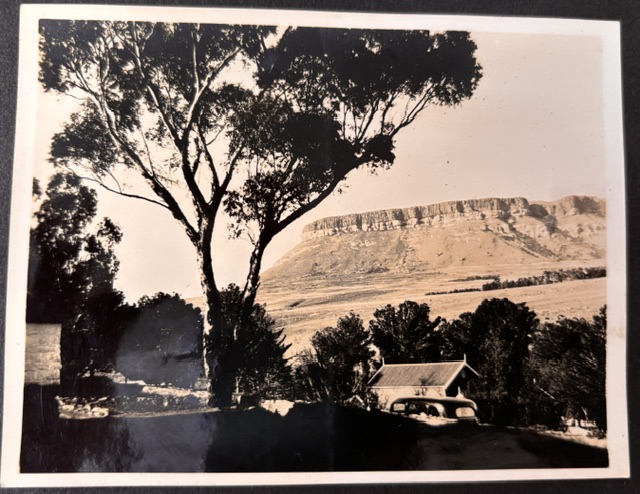
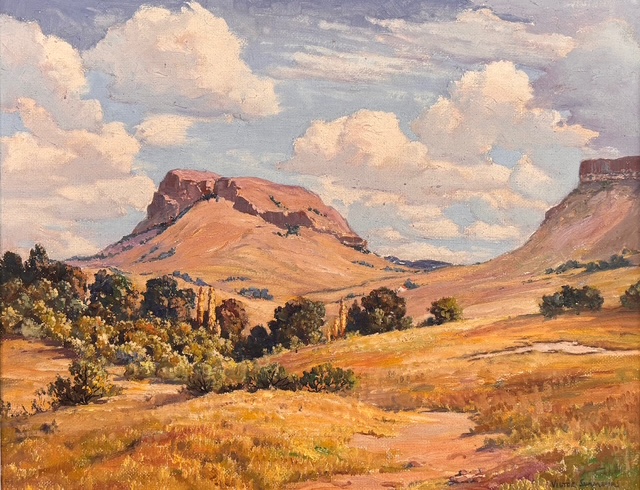
– it’s somewhere near here . . – up in those trees – those ‘boschettos’ of trees –
‘Boschetto’ is Italian for a copse or grove – and there are a few of them in that picture. Ah! Leon Strachan found a bit more – a snippet from Eric Rosenthal’s 1967 Encyclopedia of Southern Africa: The Boschetto property was about 250 acres and had belonged to a relative of Norah Miller’s named H.R. Wisely. It was named after a house in Malta that belonged to the family. Although it was a private undertaking, Boschetto enjoyed the support of the government. Rosenthal noted ‘it no longer exists.’
Here’s a fairly recent pic of the ruins of one of the buildings:
– one of the pics Candia Bradshaw sent me –
The driving force was the College head, Norah Miller, a formidable capable and well-liked person who wore a leg brace and limped – until her brace was replaced by Dr Frank Reitz – had one lens of her spectacles blacked out, and apparently smoked cigarettes all day long.
I found a 1931 video clip on Boschetto showing the students working in the grounds of the college. Platberg can be seen in the background. The students are seen milking a cow, making butter, spraying trees with fertiliser or pesticide, and tending to beehives wearing protective clothing. The clip is worth watching if only to shake your head at the jolly, gung-ho, empire-confident British what-what voice of the narrator!
– the west end of Platberg in a still capture from that 1931 video –
Here’s something on a Boschetto graduate. See the comments after the post for more.
Gwendaline Bessie Ryan was born on 22 January1917 in Keiskammahoek, Cape, the daughter of Hugh Joseph Ryan and Louise Alvilde Thesen. She was educated at Boschetto Agricultural College in Harrismith. Gwen founded a dairy farm at Charlesford, on the Phantom Pass near Knysna, and was a keen horsewoman – in one article she is called the doyenne of Cape polocrosse – and was a well known horse breeder. Gwen also bred racehorses. She ran a horse livery yard and riding school from the farm and held regular polocrosse events at the Old Drift.
Gwendaline married Col Robert Devenish, Dep Commissioner South African Police, son of Robert Devenish, of Rush Hill, county Roscommon, Ireland, on 29 Nov 1952. Gwendaline died on 8 August 2002, in Knysna, Western Cape, and is buried in Knysna cemetery.
More Boschetto old girls that Mom Mary remembers:
Rosemary Dyke-Wells was in or near Kruger Park in the 50’s. Mom & Dad Pieter & Mary Bland Swanepoel visited her on their honeymoon in 1951. She was married to famous game ranger Harry Wolhuter’s son.
Sir Percy Fitzpatrick‘s daughter, ‘who dated Michael Hastings for a while.’ Fitzpatrick had a farm near Verkykerskop where he wrote his famous book Jock of the Bushveld.
~~oo0oo~~
Before I forget them, I must tell you Dad Pieter Swanepoel’s story about Norah Miller:
As a bachelor working on telephones for the Post office, he lived on a smallholding on the right bank of the Wilge River just west (downstream) of town. He tells how he used to ride his horse over to Boschetto hoping to meet girls. The first time he went, Miss Miller asked him to sort out some pictures or things in her office and he was able to do so. He says from then on he was “in,” and she was was always helpful to him.
and Mom’s story: (Mary Bland)
Leslie Bell told the story of a house in town, where someone said: “There’s someone at the door.”
Who is it? asked somebody else, from inside.
“I don’t know,” said the one at the door, “but it’s got one eye, one leg and a hell of a cough!”
Of course, it was Norah!
Mom tells of a visit to the hospital by Norah where Mom was Sister Mary Bland. It was her last day there as she was getting married – so it was 1951.
“Nora of Boschetto came in – I can’t remember what for. She was very excited about her leg. ‘Dr Reitz took an interest in my leg brace and made me a new one, It’s wonderful! So much more comfortable, and I can walk evenly!’ She was delighted.”
~~oo0oo~~
Miss Peggy Wiseley wrote a puff piece in “United Empire”, Brisbane, Australia, on 14 January, 1932. Try and sound like Mrs Queen – also an agricultural woman after all – when you read it.
Women Farmers in South Africa
In most countries of the Empire, the farmer has his part to play, and this is essentially true of South Africa, where the farming community is so important a factor and one in which the influence of women cannot be overlooked
During my recent tour in South Africa I was very much impressed by the opportunities that are opening up for the trained woman farmer, and it has been shown that an agricultural career need not necessarily be confined to men. Women farmers are to be found all over South Africa: on fruit farms, more especially in the Cape, and on dairy, poultry, and horticultural farms in all parts of the country.
In the second group are the wives and daughters of farmers. It is only fair that these women should be given some interest beyond the ordinary household duties, and be allowed a share in the life of the farm. Many cases of discontent could be avoided if farmers would allow their wives and daughters to run a section of the farm, such as the dairy or poultry, thus giving them some responsibility to counteract the attractions of the towns where many women go to escape from the boredom of farm life, a boredom which would not present itself if sufficient Interests were forthcoming at home.
In the third group are those women who are filling paid posts. Until recent years “Land Girls” were practically unheard of in South Africa, and although they are by no means general, a few posts are offering where girls are employed by farmers, either to run some special section or to give all round assistance. The salaries vary from £5 to £10 a month or more with keep. To some people these figures may appear low, but they compare very favourably with the average secretarial posts in England, where girls, many of them with University degrees, receive £3 a week, and out of this have to keep themselves, and have all the heavy expenses of town life. The South African Government provides excellent agricultural colleges for men all over the Union, but makes very little provision for the women farmers.
It is in this connection that a great work is being done for South Africa by Miss Norah Miller, the principal of Boschetto Agricultural College, Harrismith, Orange Free State, which she started privately in 1922, and which is the only Institution of its kind in the country providing women with a thorough training in all branches of agriculture. While I was in South Africa at the beginning of this year I spent two months at this college, and I was very much impressed with the work that is being done.
The place is charmingly situated at the foot of Platberg Mountain, two miles from Harrismith, in the Orange Free State, and about 5500 ft. above sea level in one of the most healthy parts of the country. The college is fitted with the most up-to date equipment in all sections, and has sleeping accommodation for about twenty students. The tuition is in the hands of four highly qualified young women from agricultural colleges In England, and the students are divided into town sections—lands, dairy, poultry, and horticulture—on which they work in rotation for three weeks at a time, thus obtaining the individual attention of the experts and the opportunity of acquiring an intimate knowledge of every branch of agriculture.
The usual course at Boschetto occupies a year, at the end of which time a certificate is given to those students who are successful in the examination set by the Government College for men at Glen, and all along the results attained have been amazingly good. Lately a second-year diploma course has been started for those students wishing to qualify still further, and for these more advanced subjects the Government provides supplementary lecturers. A bursary is awarded in alternate years to girls from England and South Africa.
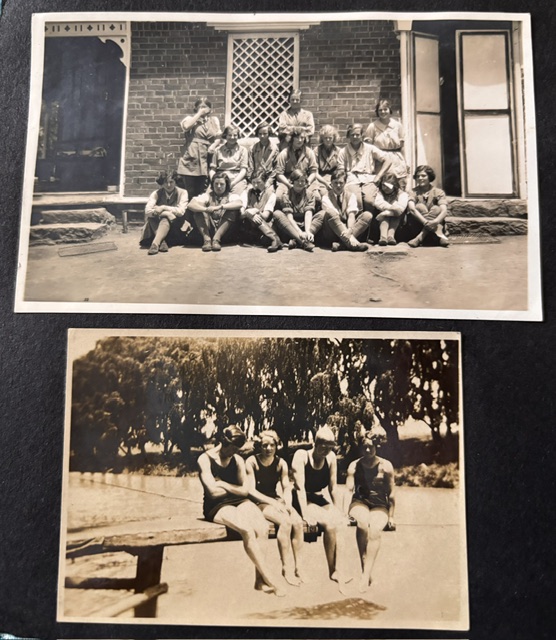
The practical as well as the theoretical side of the training is well maintained, a portion of each day being spent at work on the farm, at lectures, and at study. But although the students are kept busy, there is time enough for amusement. They are free most week-ends and on Thursday afternoons, and at these times you can see the girls going off for rides and picnics, while some amuse themselves In Harrismith with hockey and tennis, and all enjoy the swimming baths which have lately been opened in the town. At half-term a week-end camp is organised, and it would be hard to find a more jolly or healthy party of girls.
Each year the students are given the opportunity of attending one the large agricultural shows of the Union, either at Bloemfontein or at Johannesburg, and at the latter place, in 1930, the Boschetto butter-making team beat all the men’s colleges in open competition, and were awarded the silver cup. This year none of the men’s colleges entered for the competition, but the judges decided to award the silver cup to Boschetto for the second year In succession, seeing that the marks gained by that team were 86 per cent, four points higher than anything attained for several years. Both at Johannesburg and at Bloemfontein the college has gained numerous prizes for butter, cheese, honey, and poultry, while at a recent show in Harrismith, out of 19 entries, 12 first prizes, four specials, three seconds, and a silver cup in the poultry section were won in open competition.
The success gained by Boschetto at these various shows, where the college has to compete with experienced men farmers from all over the country, is proof indeed that the woman farmer is able to hold her own. A still further proof is seen in the past students of the college, who are to be found in every part of the Union, and in Rhodesia. Some are now married to farmers, and find that their agricultural training has made all the difference in their married life, while parents constantly write to say that their daughters now have a new interest in life.
~~oo0oo~~
In 2023 Mary Pitchford wrote:I was intrigued and delighted to read about Boschetto as my mother, Kate Hoare Taute, was a lecturer at Boschetto, having travelled from England to take up a position at the College. My husband and I have travelled to Harrismith to try and find out more about the College but found it quite run down. My husband’s aunt, Anne Pitchford Palmer, was also one of my mothers students, along with Gwen Devenish. I grew up in Knysna and my parents remained friends with Gwen and her husband, Bob, until first Bob, then my parents and then Gwen died. I do have some photos of Mum’s stay at Boschetto – I wonder if there would be anyone interested in them. We would indeed! They will be uploaded right here when you send them:
**pics will be uploaded here when I receive them**
Mary Pitchford also told another lovely tale of a recent link with Boschetto: About 10 – 15 years ago, the Riding for the Disabled ponies were stabled at our small holding in Birnham wood and the riding lessons were held there every week during the school terms. We had a man called Andy Ward who helped with saddling up and leading the ponies that were used in the lessons. He lived in Harrismith at the time that Boschetto was running. He remembered the ‘girls’ that used to ride into town to dances held in the town hall? They carried their dresses in saddle bags, changed into the dresses and then back into their riding gear to be able to ride back to the college again. My mum told me about how seasick she got riding in the pitch dark but could rely on her horse who knew exactly where to go. Andy said they were referred to as the ‘broekie girls’.
~~oo0oo~~
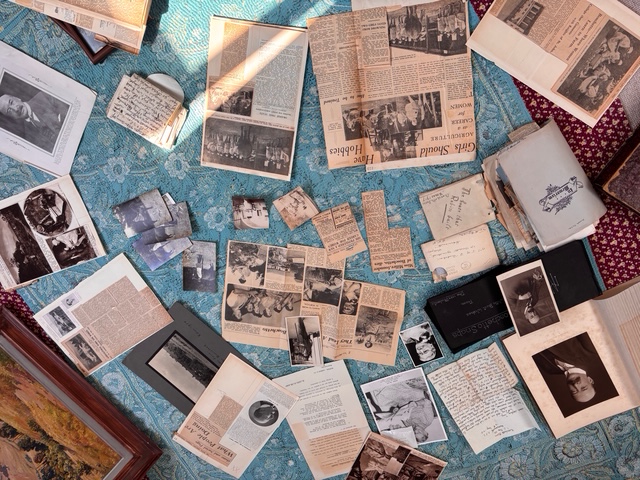
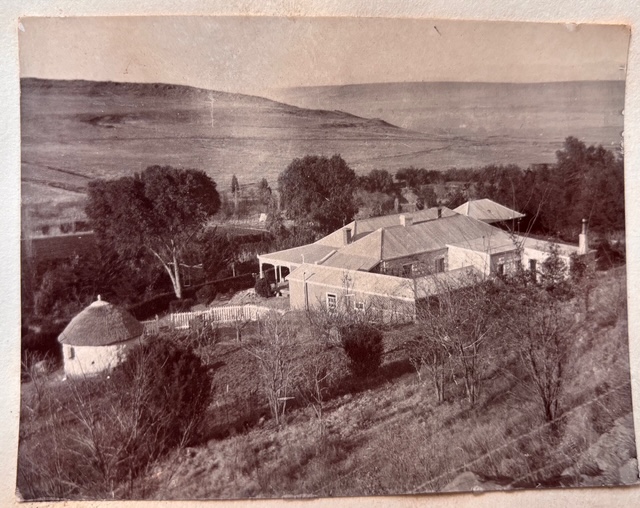
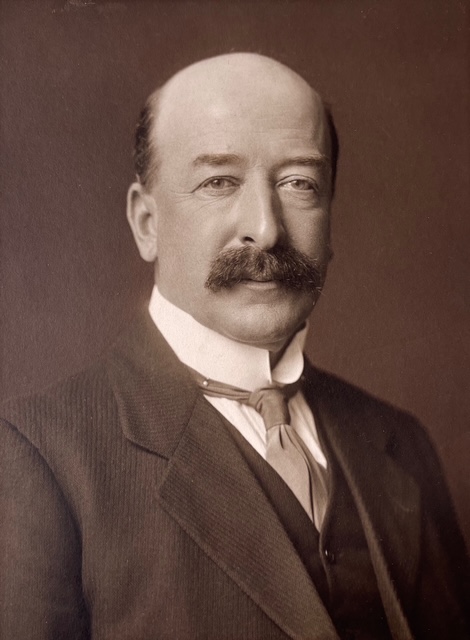
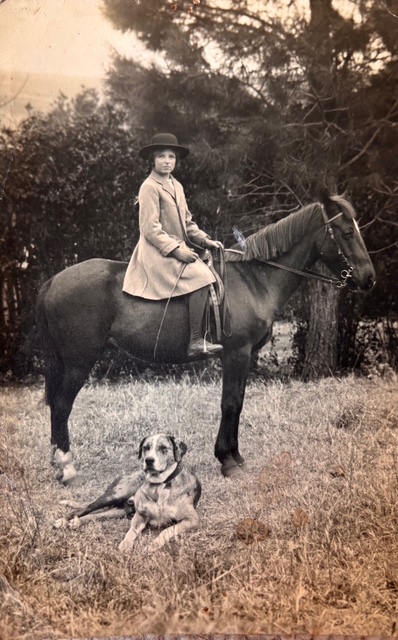
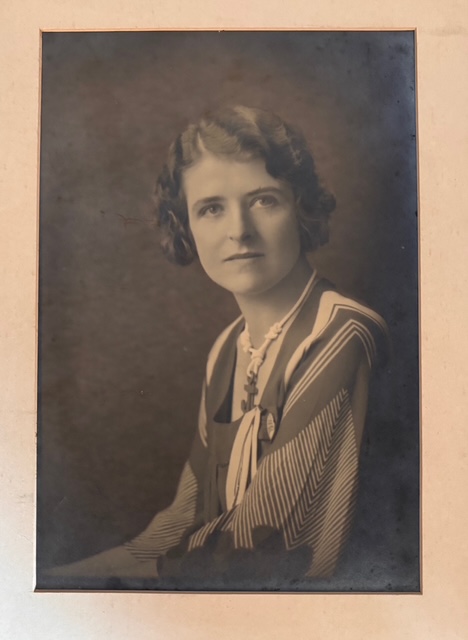
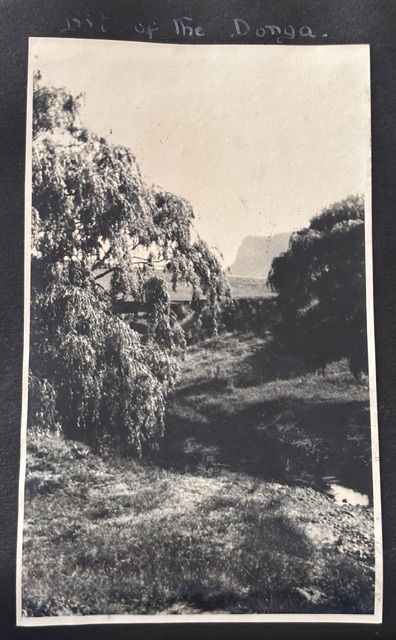
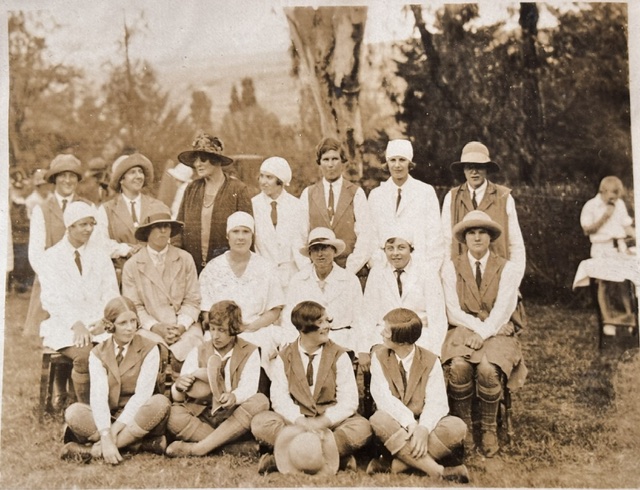
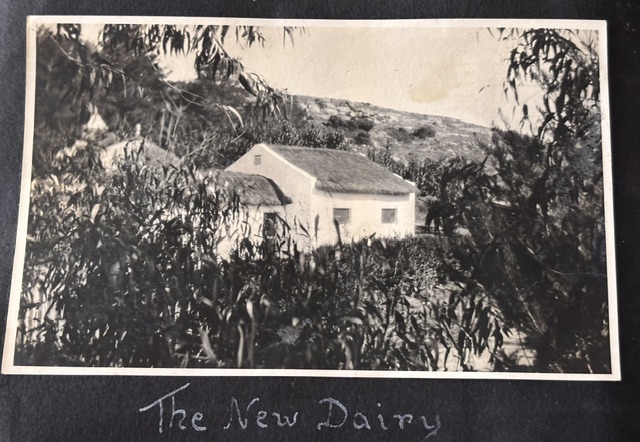
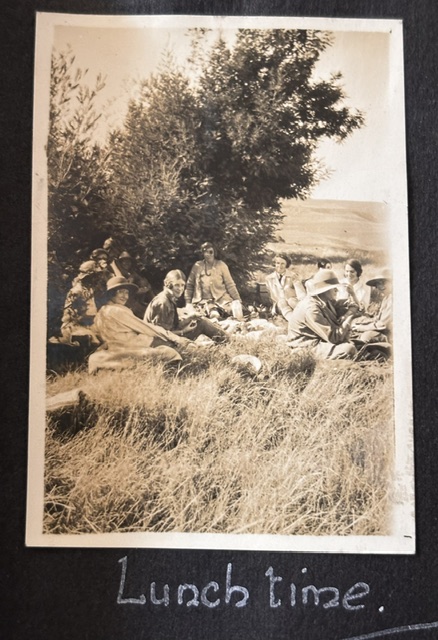
In 2025 Candia Bradshaw found this post and made a welcome contribution, with precious photos:Hello! H.R Wisely was my great-grandfather (He built Boschetto) and Peggy Wisely was my grandmother. Norah Miller was her cousin. My father, Robin Bradshaw lived at Boschetto during the 2nd World War and had many very memorable stores of his time there. I have lots of photographs, letters and other documents relating to Boschetto if you are interested? Interested indeed, here they are: Click to see each pic separately.
I have also used one of Candia’s pics as the feature pic at the beginning.














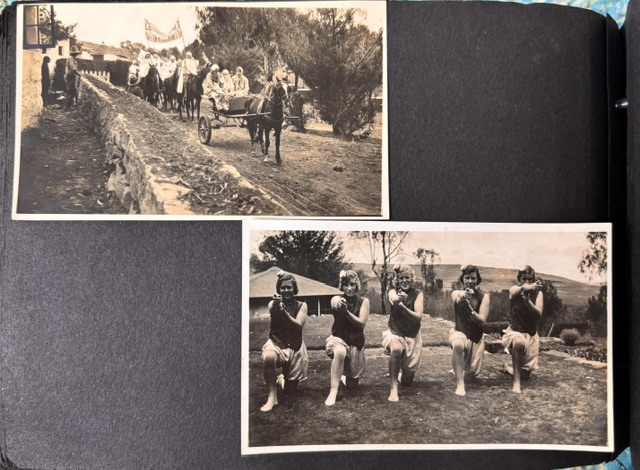
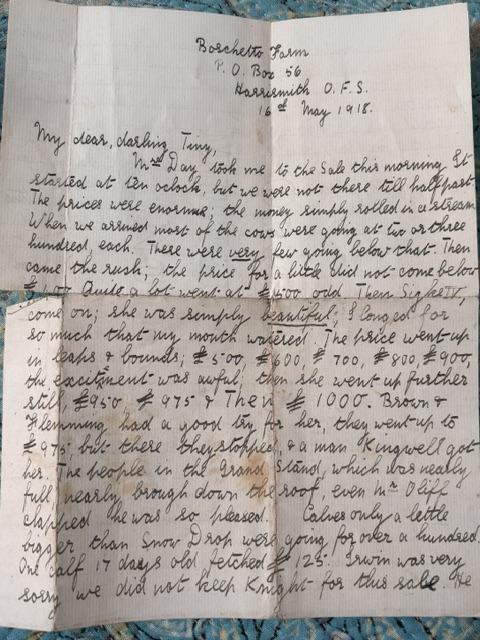
 Vrystaat Confessions