(I’ve done a similar post! on the park in more recent days – ‘Our era,’ the 1960s. Enjoy both, and take both with a pincha cerebos).
~~oo0oo~~
Harrismith’s young town council, established only in 1875, though the town had been going for much longer, decided in 1877 to lay out a large park for its citizens to enjoy on the banks of the Wilge River on the south-west edge of the new dorpie.
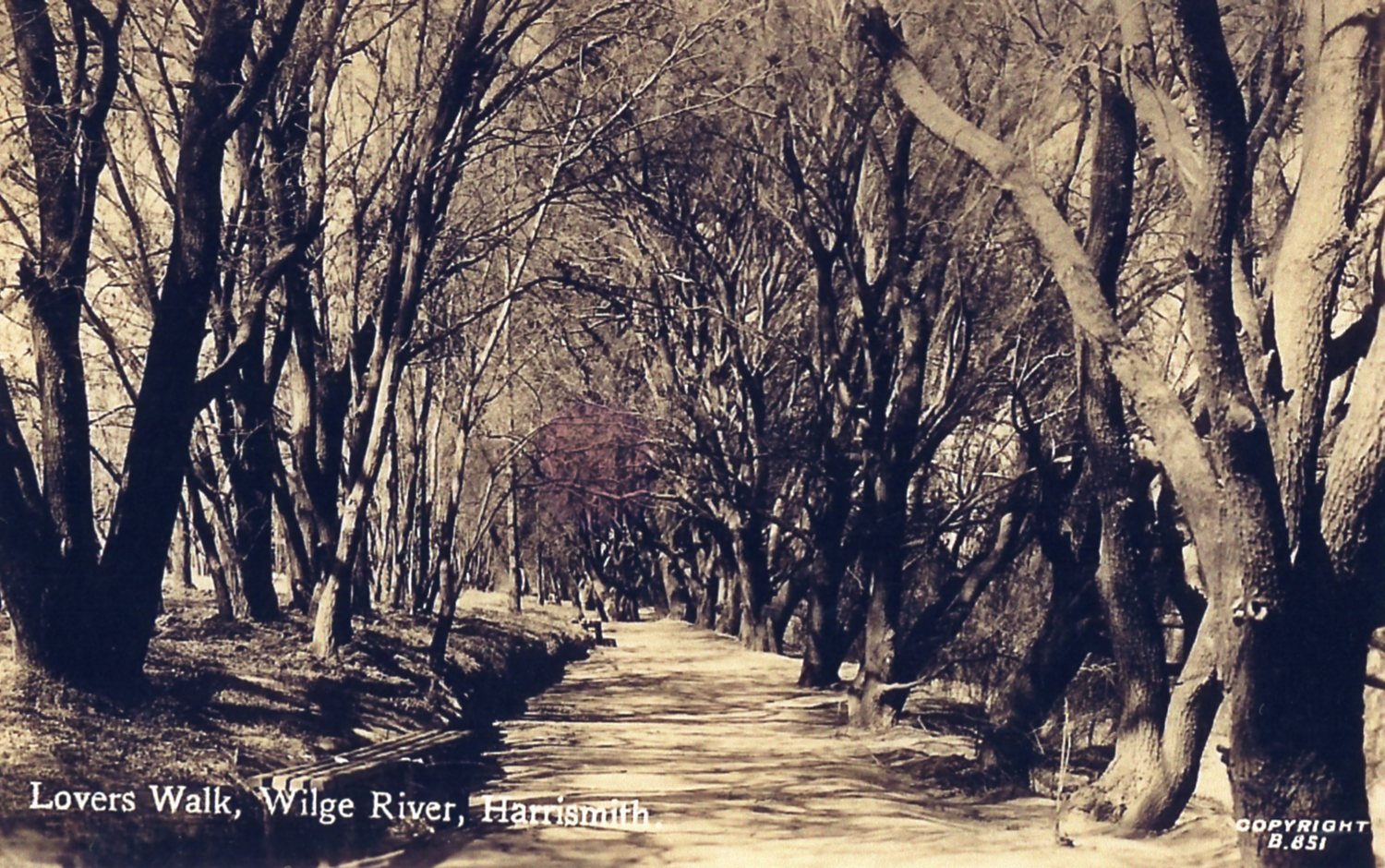
Over the following years – and mainly thanks to the efforts of the Landdrost Warden who came to Harrismith in 1884, and Harrismith’s first Town Clerk A. Milne, the area was laid out with winding roads, walking paths, a “lovers lane of poplar trees” and up to 38 species of other foreign trees, in what was then highveld grassland. Or, as described by park praise-singers: “a bare, crude piece of ground!”
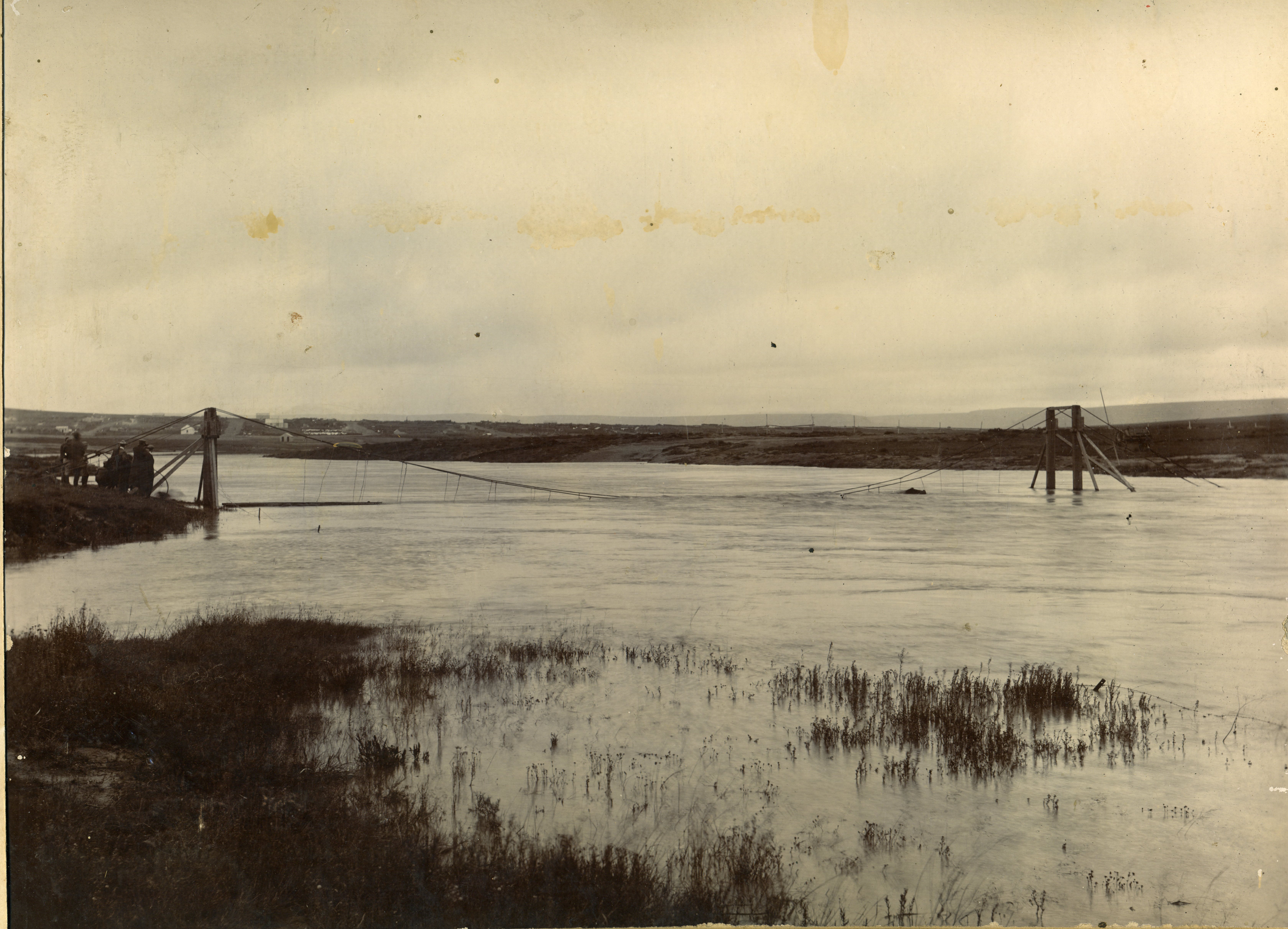
Here we see the Wilge River banks and surrounds just upstream of the park site – near where the ysterbrug, or Hamilton Goold bridge was later built:
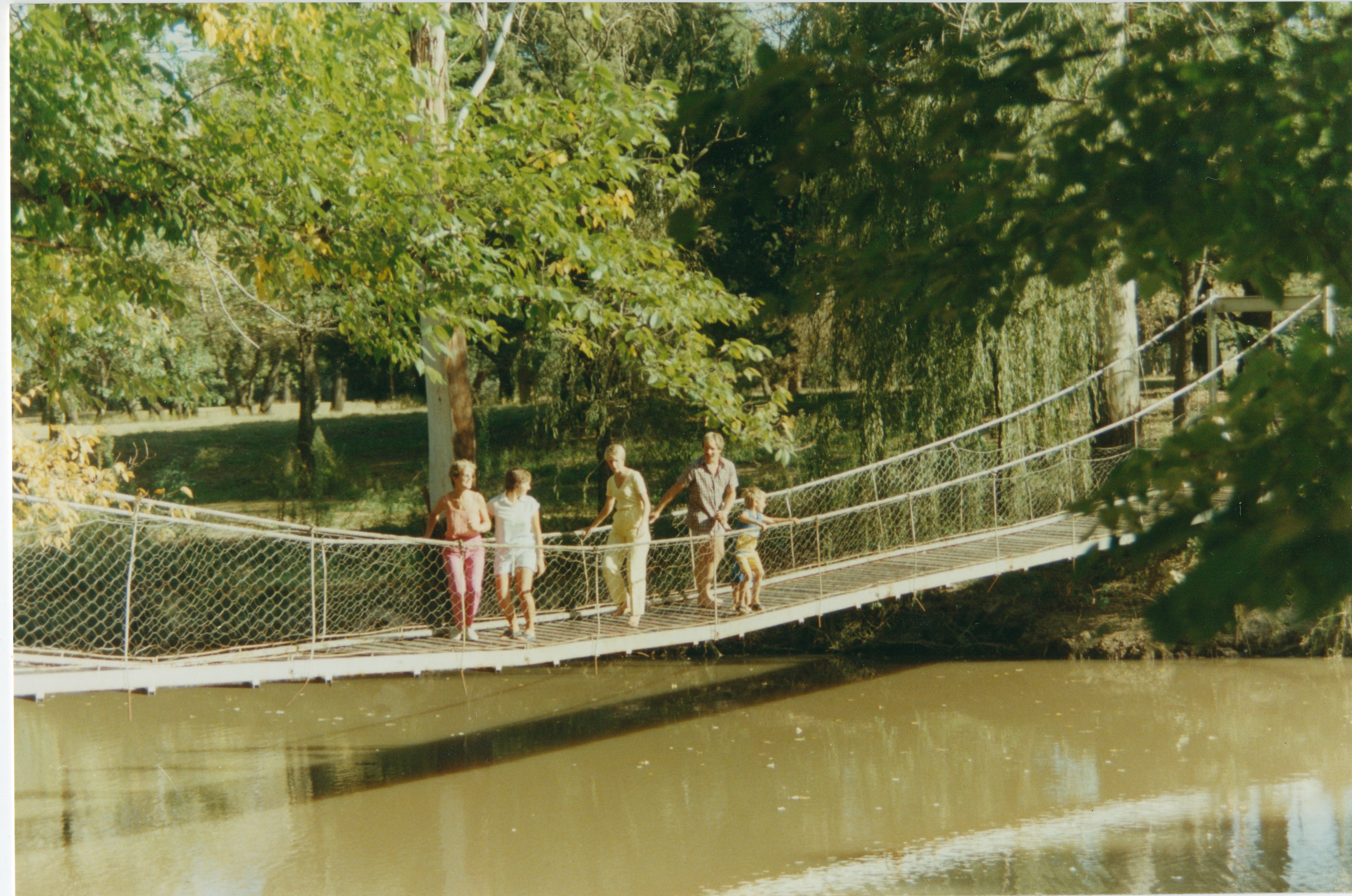
– the troops stationed in the town around the time of the Anglo-Boer War erected this suspension bridge –
Tree planting commences. Platberg the backdrop.
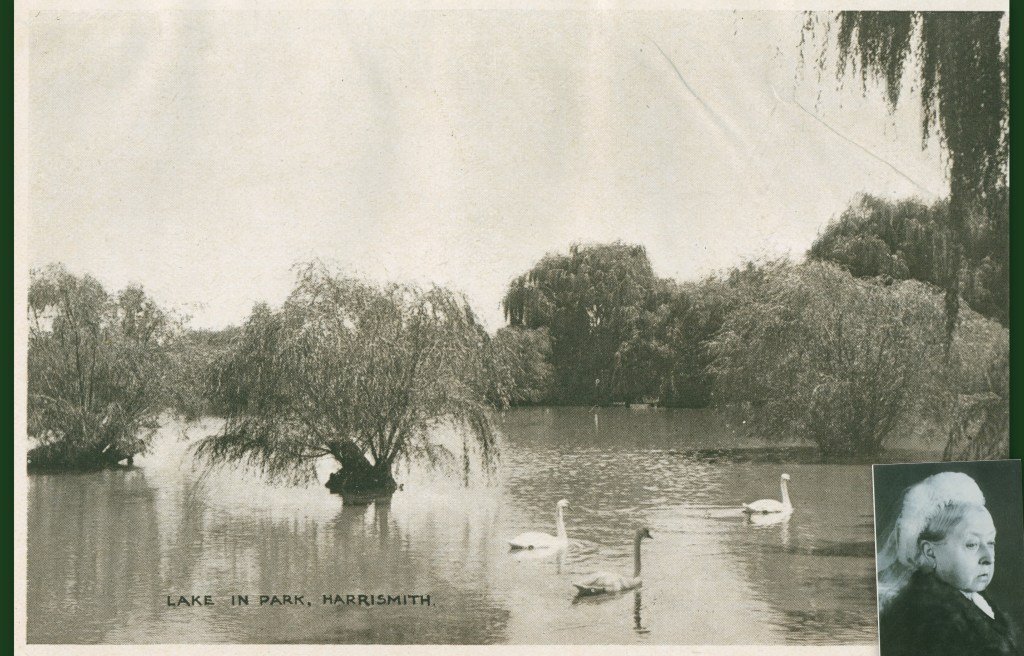
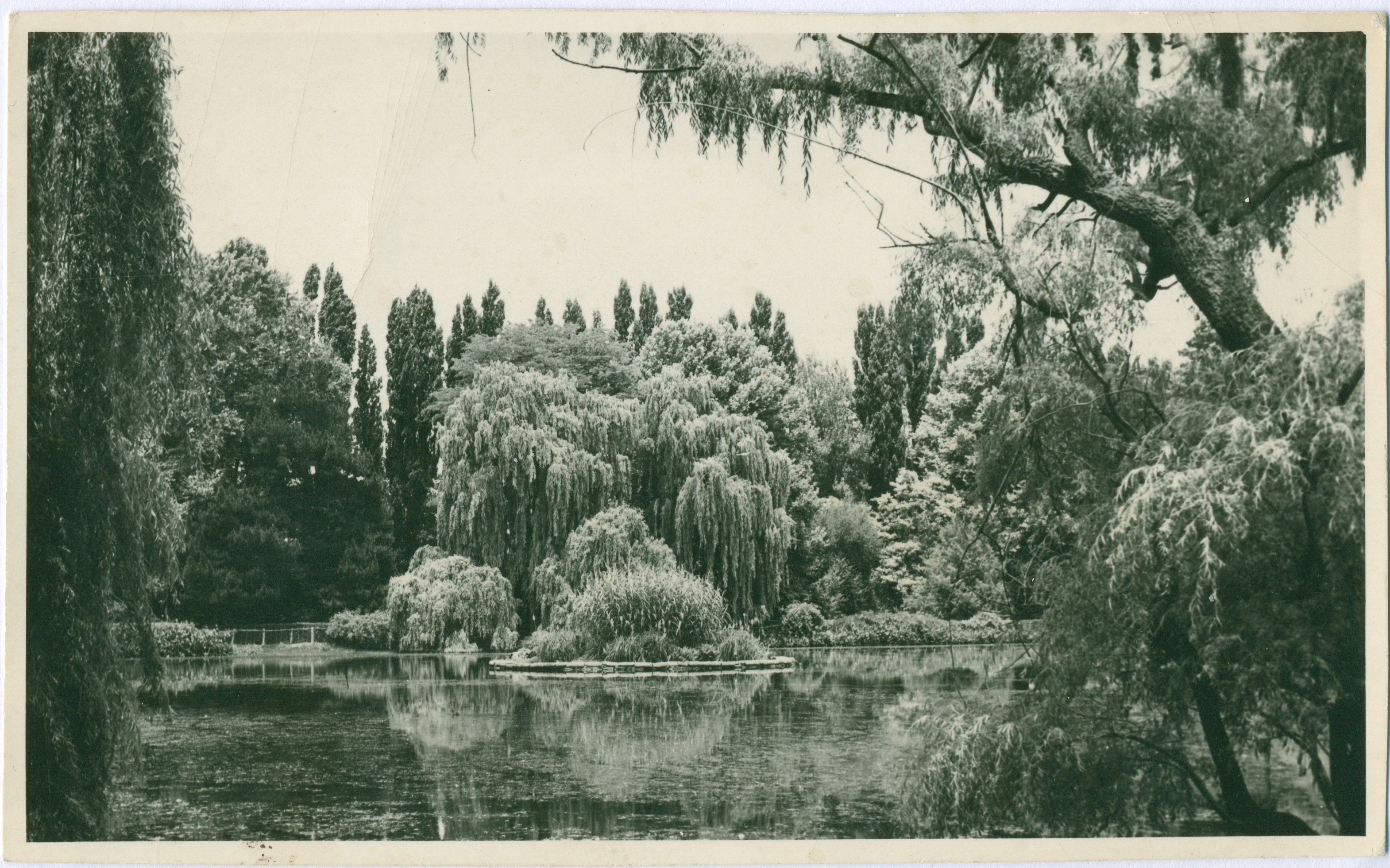
The typical Free State river was narrow and shallow, so an attractive little lake with a central island was built on the right bank (town side) and used for boating. Swans were introduced from London ‘for beauty.’ As for trees, so all local life **sniff** was regarded as inferior to things imported from “home”! Home being a small island to the NW of France. The swans did quite well, settled in and bred, the cygnets being sold for £15 a pair, but not long after, they met their end at the hand of ‘some unidentified vandal with a .22 gun.’ Probably an early indigenous wildlife fan, I’d like to suggest?
As the trees grew, so more and more birds roosted in them, large heronries eventually being established. Predictably people complained and as predictably, the council “did something about it,” shooting the local birds while pontificating against the shooting of the foreign birds! The birds’ carcasses dropped into and frotted in the lake, causing a big stink! In the 60s there were still many cattle egrets in the trees and I recall lots of white poo and some dead babies on the ground beneath their nests.
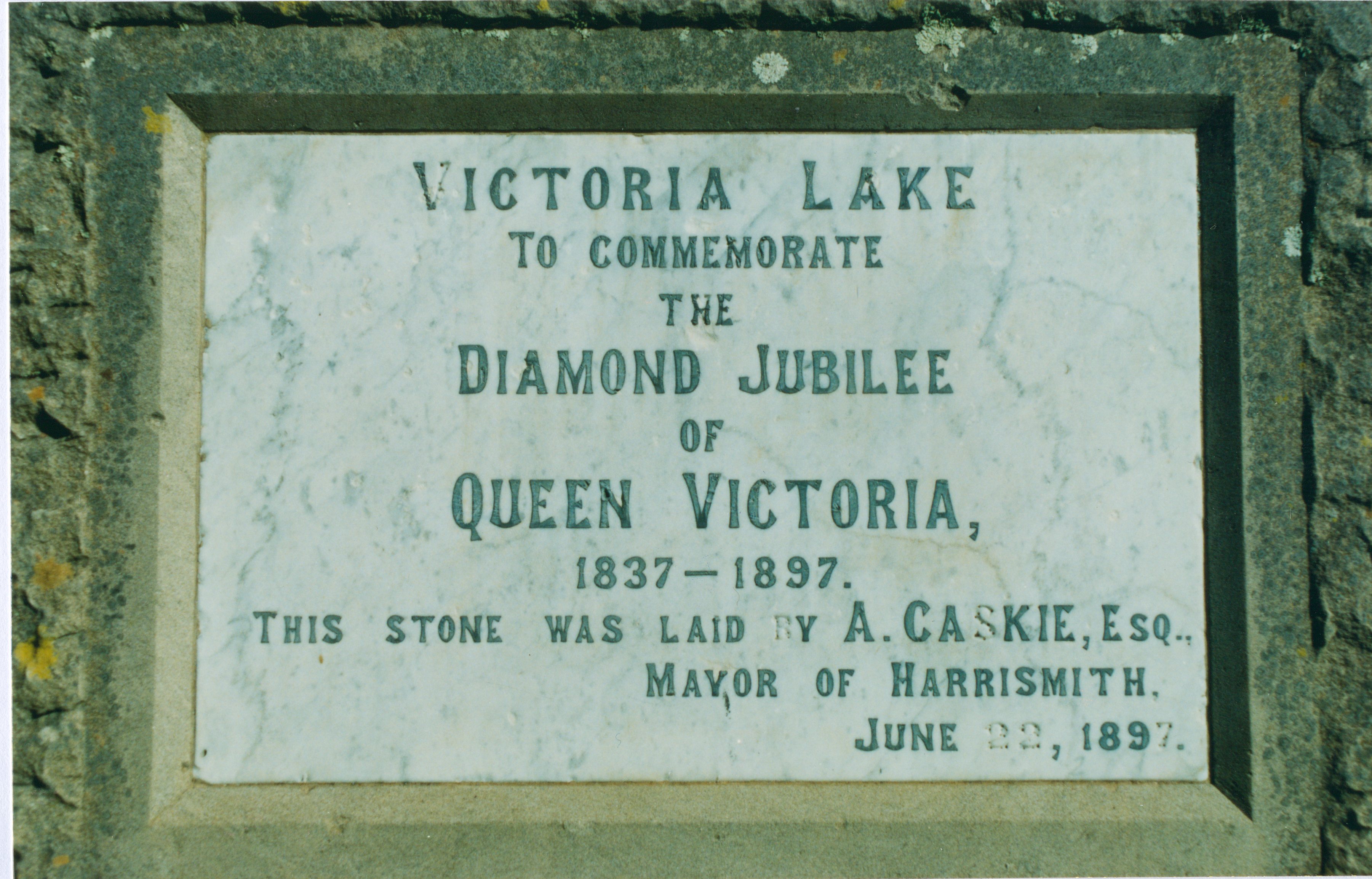
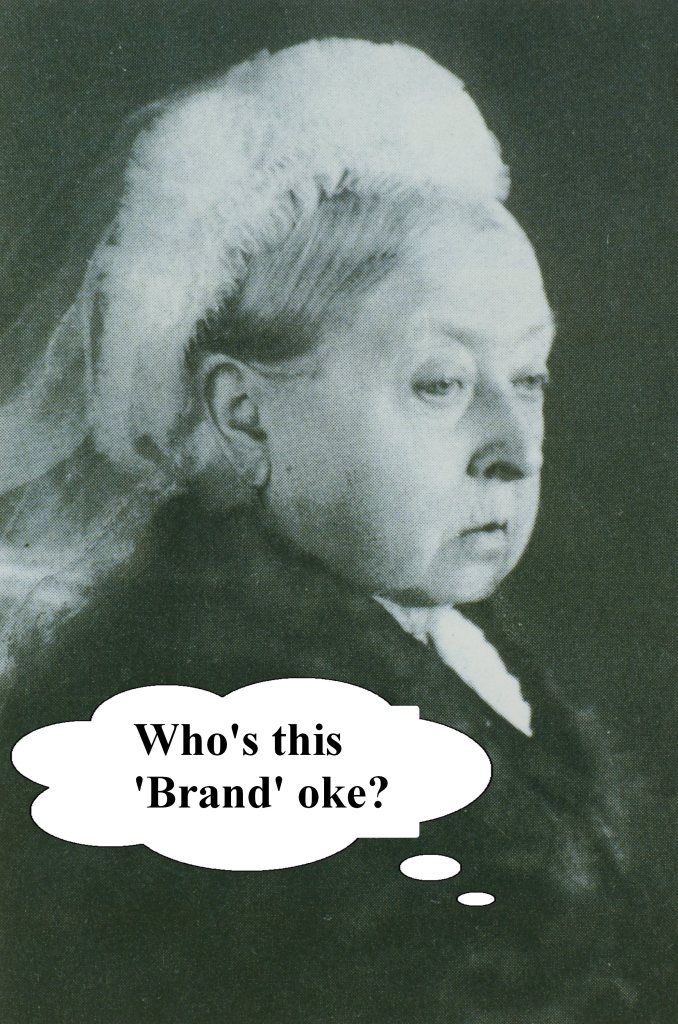
In 1897 the lake was named Victoria Lake in honour of the silver jubilee of the Queen – that’s the queen of England, that little island to the NW of France – along with thousands of other things named “Victoria” that year around the world – much genuflection was expected of the colonies. Also they were probably trying to ease her pain over the royal pasting (or snotklap) we had given her at Majuba.
– they named the lake “Victoria” to arse-creep the queen . . of England – didn’t amuse her, though – never once came to ghoef in it –– more recently – sans swans – we shot them all –
More & more trees would be planted over the years by schoolkids and enthusiasts. Gotta get this place looking more like England, dammit!
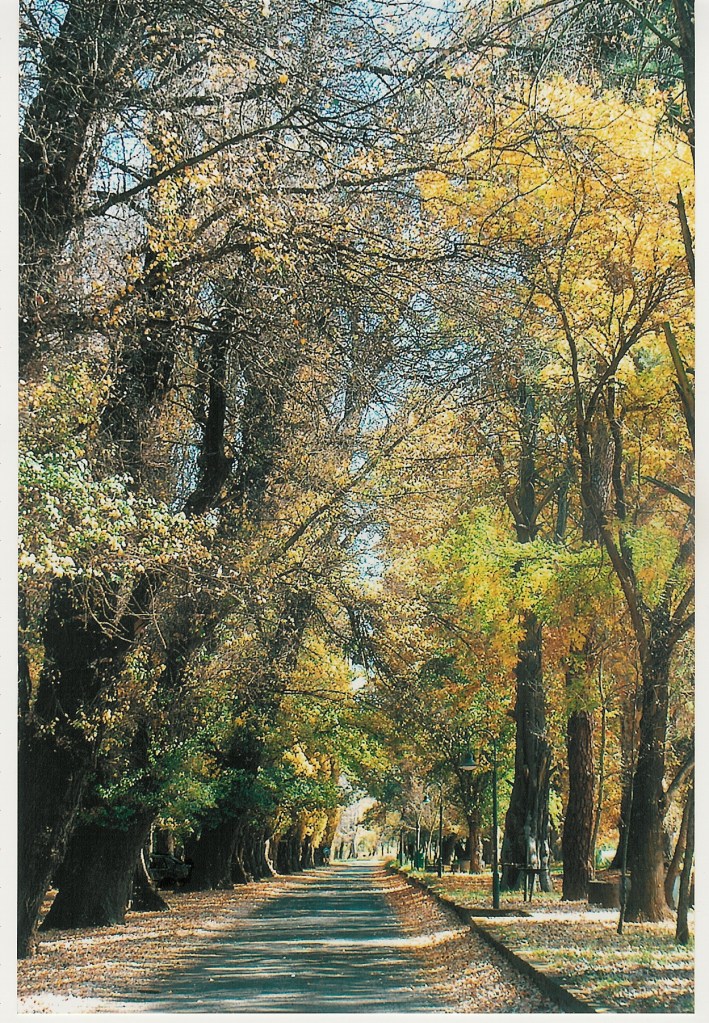
– lovers walk – I remember the poplar trees leaning ominously – were they trying to tell me something about my lovelife? –
The park was officially opened in 1906 by Sir Hamilton Goold Adams, at “a colourful ceremony with troops on parade and a military band in attendance.” Now they were gloating, having given us a revenge pasting in the 1899-1902 Tweede Vryheids Oorlog (Anglo-Boer War).
In 1907 the river was dammed by a weir just downstream of the park, thus creating a wider and deeper river for the full length of the park.
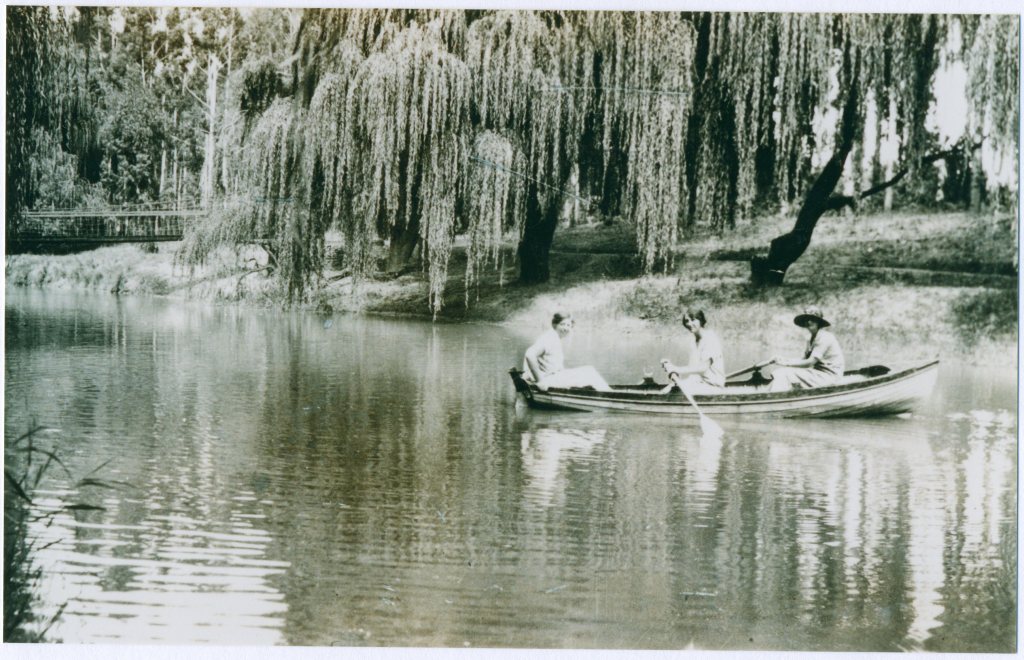
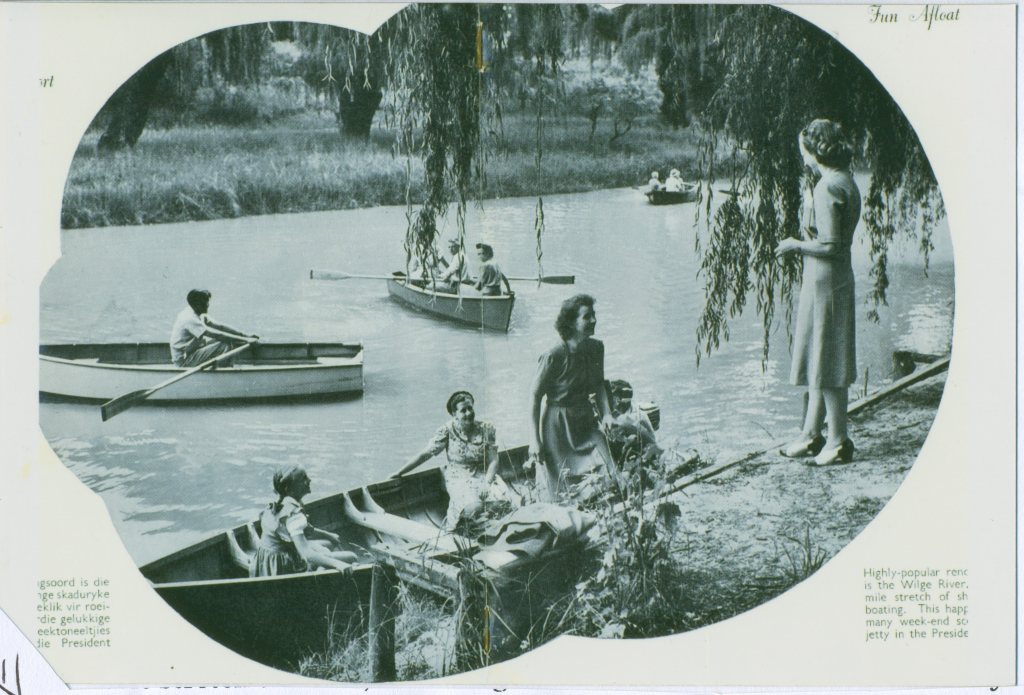
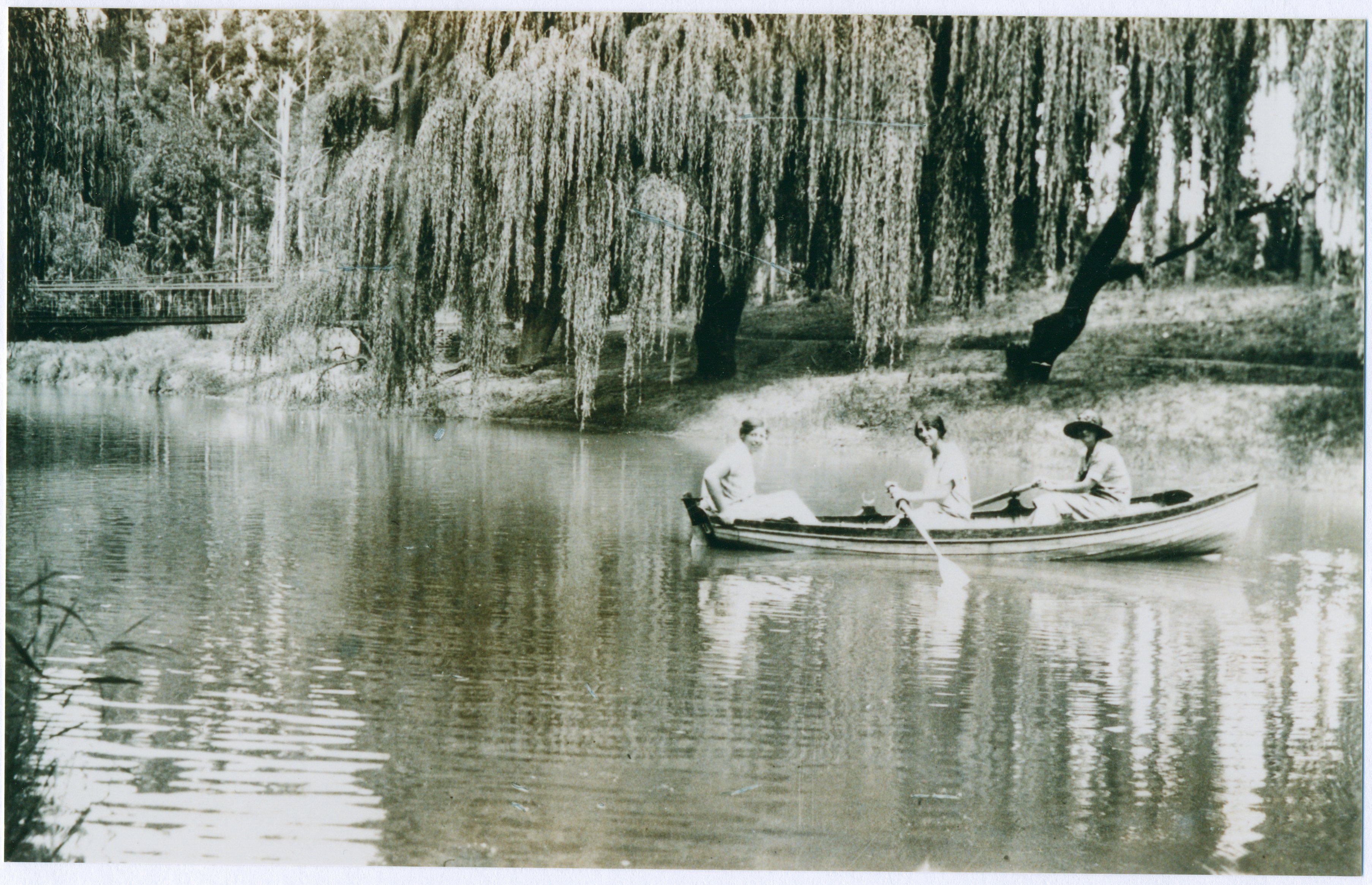
This greatly added to the river’s charm and utility, allowing for swimming, drowning, more boating and bigger boats – even the first motorboat in 1918, owned by Mr E.H Friday. Later a boat house and a landing stage were erected by the Boating Syndicate who advertised ‘Boats for 2 and boats for 4 and boats for all’ in 1922. The Syndicate graduated to a motor launch capable of taking 14 passengers slowly along the river, including full-moon evenings where people would sing the songs of the day, accompanied by “the plaintive sounds of the ukelele”.
On the edge of the park nearest town sportsfields were laid out, starting with a cricket oval and an athletic track, then rugby, soccer, softball and hockey fields; and jukskei lanes. No croquet?
The park was extended across the river and a new suspension bridge about 300 yards downstream replaced the one the military had erected (the thrifty town council using some of the metal from the original in the replacement). In time a caravan park was started, but this was soon moved to the town side of the park.
An impressive entrance – wrought iron gates between sandstone pillars – was erected and named the Warden-Milne gate in honour of those who had done so much to get the park established. Well done, chaps! We enjoyed the fruits of your labour in our youth in the 1960s! OK, not really labour, organisational abilities, nê?
~~oo0oo~~
It’s only thanks to the preservation efforts of Biebie de Vos that we can see these old pics. Thanks, Biebie! Also thanks to SA Watt’s military history articles here and here.
Gallery:
~~oo0oo~~
Gotta love marketing! In a brochure extolling the virtues of our lovely dorp, the blurb says – where we would have said Dammit, it’s FREEZING! – “the town enjoys a bracing climate.”
More Gallery:
~~oo0oo~~
Wilge river – Willow river; Interesting name, as the willows are from the northern hemisphere, and were planted later; only after a while would they have become such a feature of this river (and many other South African rivers); Wonder if our river had another name when the town was first settled?
dorpie – village
ysterbrug – iron bridge; for horsedrawn carriages and those newfangled automobiles / motorcars
snotklap – a tight slap that – if timed right – whips the snot out of the klap-ee’s nose and leaves it wrapped round his face ear-to-ear
Stewart Bain was born in Wick, Scotland on 9 September 1854. He and his brother James came to South Africa in 1878, to Durban. They soon got a job building bridges for the railway line extension up the Drakensberg from Ladysmith to Harrismith. How, one wonders, did two herring fishermen convince people they could build bridges? And so they reached the metropolis of Harrismith in the Oranje Vrijstaat, an independent sovereign state at the time. Britain had recognised the independence of the Orange River Sovereignty – before that it had been the Orange River Colony ORC – after losing the first Anglo-Boer War at Majuba. The Vrijstaat officially became independent on 23 February 1854, seven months before Stewart was born, with the signing of the Orange River Convention. This history is important in view of Britain’s and many of Harrismith’s inhabitants’ conduct in the Anglo-Boer War of 1899-1902.
– sandstone bridge across the Wilge River at Swinburne –
So they built bridges. I am not sure, but I fondly imagine they built the beautiful sandstone bridge across the Wilge River at Swinburne, where I launched two separate canoe ‘expeditions’ with good friends Fluffy Crawley and Claudio Bellato many decades later.
Settling down in Harrismith after their bridge-building days, Stewart bought the Railway Hotel and changed its name to the Royal – we believe with official ‘royal” permission – while brother James built the Central Hotel uptown, on the central market square.
It appears here as if some people (!) carried on referring to the Vrijstaat as the ORC, even though it was actually the sovereign nation Oranje Vrijstaat by then!?
Stewart married Janet Burley in Community of Property in Durban, I’m not sure whether that was before moving to Harrismith or after. Janet was born in Hanley, Staffordshire, England in 1859 of David Burley and Caroline Vaughan. They had __ children between 18 __ and 18__ . . . the fifth child in 1893 being our grandma Annie. Annie married Frank Bland and had two daughters, Pat and Mom Mary, Mom Mary remembered the hotel as having two big (‘huge’ says Mom, but she was little back then!) statues at the front door: A lion rampant with a human face, fighting; an antelope rampant on the other side of the door – she thinks a hartebees or a sable or something. Both were rearing up on their hind legs.
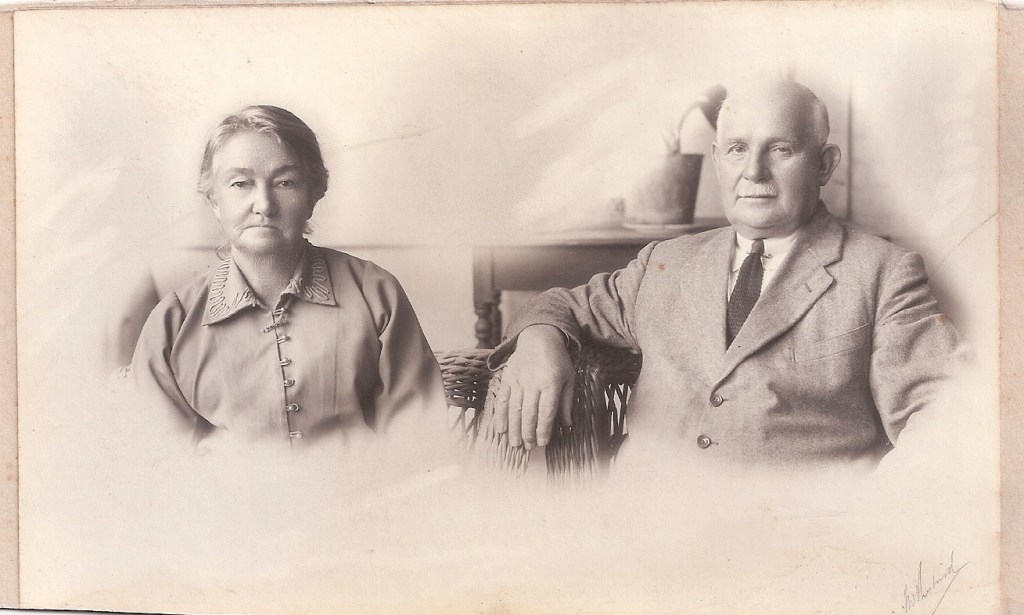
Stewart became Mayor of the town and ‘reigned with the gold chain’ for years, becoming known – by some – as ‘The Grand Old Man of Harrismith.’ To their grandkids they were always ‘Oupa’ and ‘Ouma’ Bain;
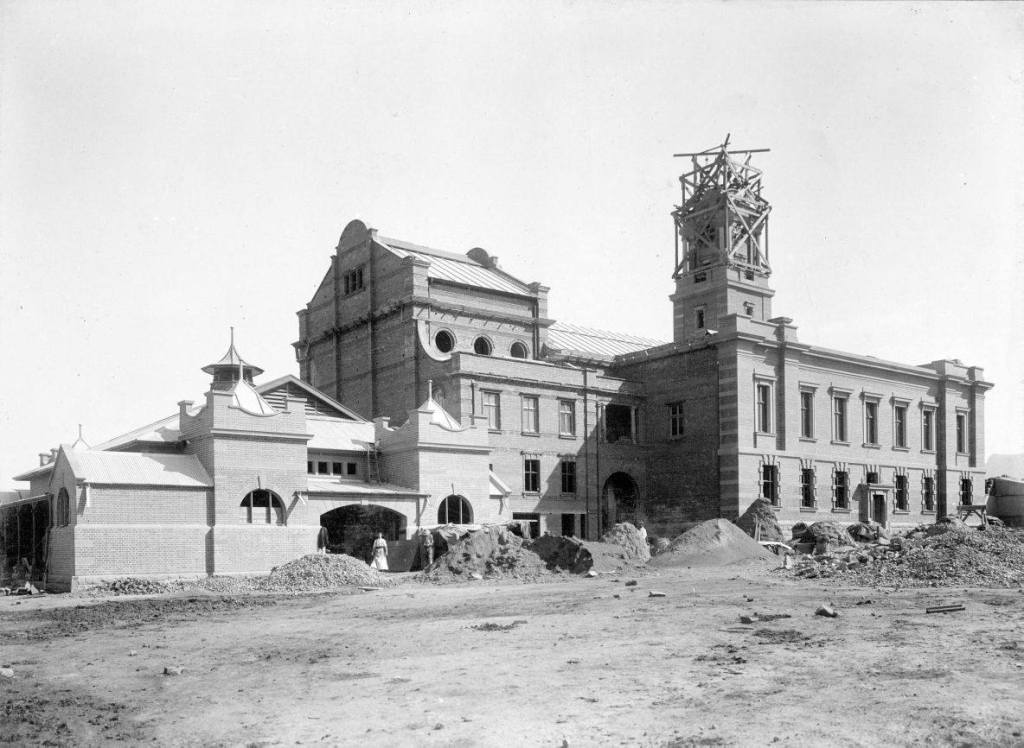
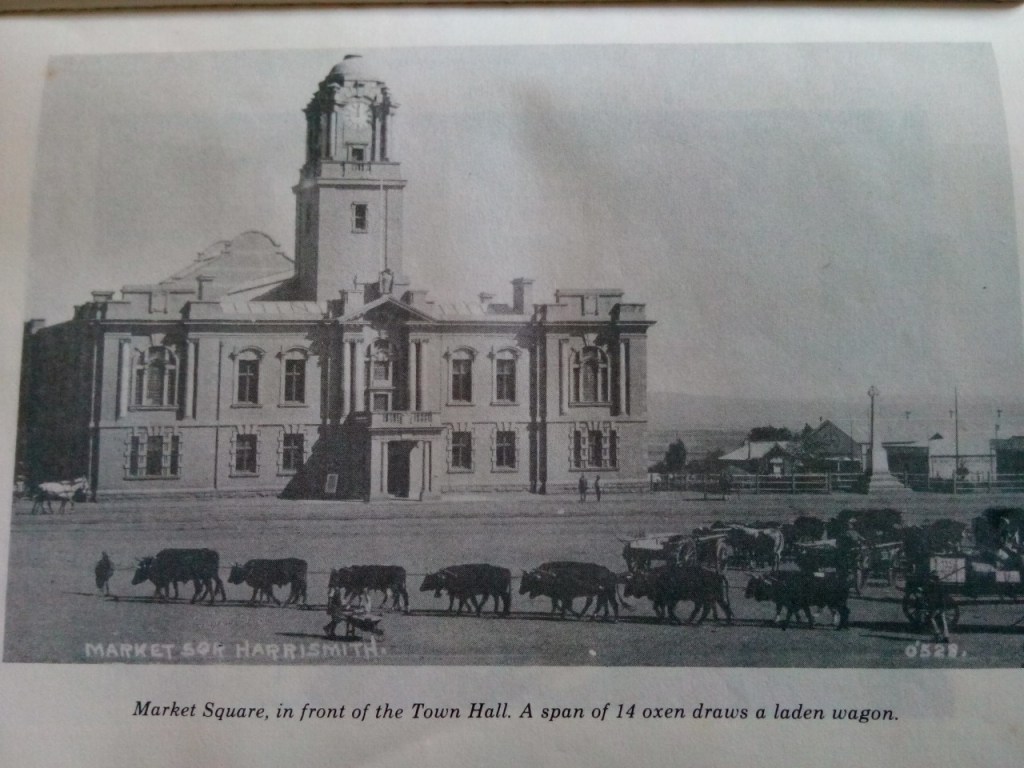
He pushed for the building of a very smart town hall. Some thought it was way too fancy – and too big – and too expensive – and called it ‘Bain’s Folly.’ Did Stewart have the tender? Was he an early tenderpreneur? Was it an inside job? *
Here’s a reason someone gave for the “need” for such a grend gebou: ‘The erection of the new Town Hall, officially opened in September 1908, was largely the result of support the troops had given for theatrical performances and concerts in the former building which had proven unsuitable.’ – (found that here: http://samilitaryhistory.org/vol082sw.html)
– building operations – lots of imported stuff –– ta da! – a palace fit for a dorp –
Here’s a lovely 3min slide show of the building of Bain’s Folly – completed in 1908 – by Hennie & Sandra Cronje of deoudehuizeyard.com and thanks to Biebie de Vos, Harrismith’s archive and treasures man. Thank goodness for all the stuff that Biebie ** has saved and rescued!
Here’s that impressive building in a dorp on the vlaktes!
– the market at the rear of the building soon after completion – 1908 –
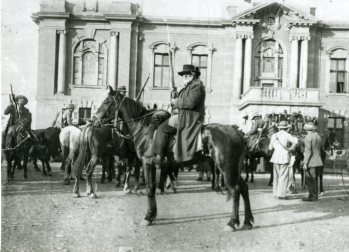
Opskops probably had to be arranged to justify the place, and the occupying British force that remained after the illegal and unjust invasion that was the Anglo-Boer War which saw so many war crimes committed by the British, benefited hugely, their officers dancing nights away with the local lasses.
Janet died on 15 January 1924; Her daughters Jessie & Annie (who was then aged thirty) were with her when she collapsed. They summoned Dr Hoenigsburger (Hoenigsburg?), but Ouma died within minutes. The Harrismith Chronicle article reads in part: ‘Ex-Mayoress’s Death. Sudden demise of Mrs S Bain. The news which stunned the town on Tuesday morning of the painfully sudden death of Mrs Stewart Bain, evoked a feeling of deepest sympathy from all who knew the deceased lady, not only in Harrismith and the district but in places far remote.’
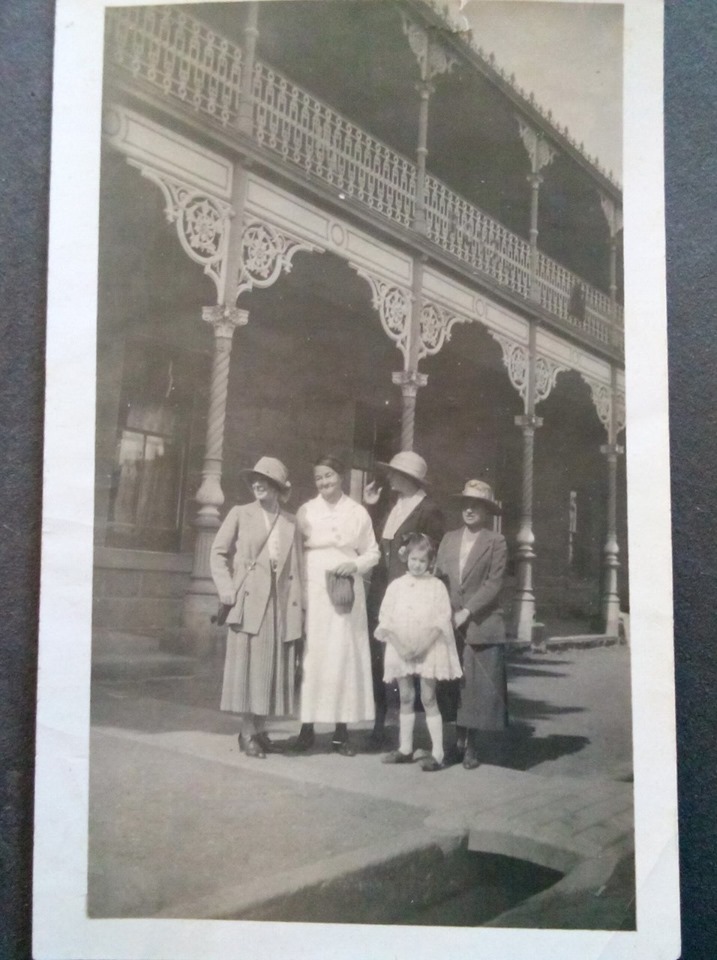
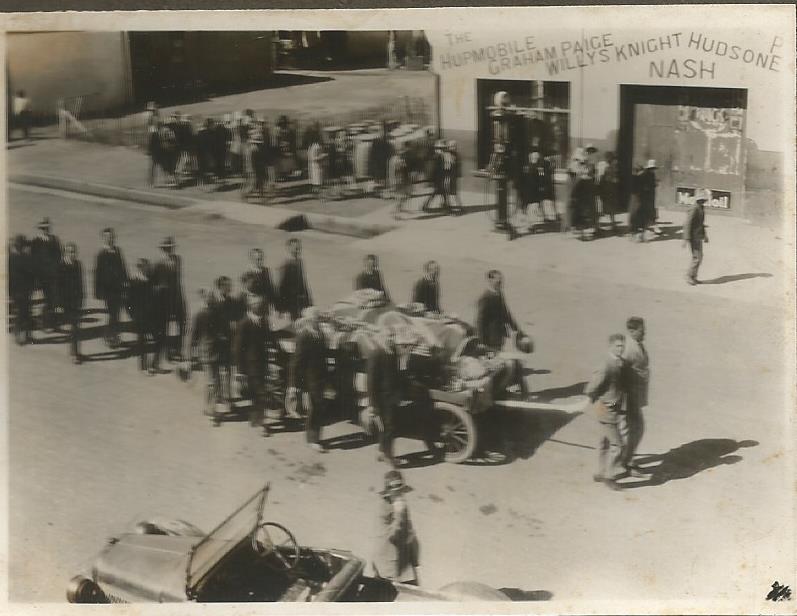
When the dust settled on the town hall, the townsfolk must have quite liked the result, as when Stewart Bain died in September 1939, the town pulled out all the stops for his funeral; These pictures were taken from the balcony of his Royal Hotel, with ‘his’ Town Hall visible in the background, and ‘his’ mountain behind that. Most Harrismithers and Harrismithians regard Platberg as ‘theirs.’
– Oupa Bain’s funeral procession – who paid?! –
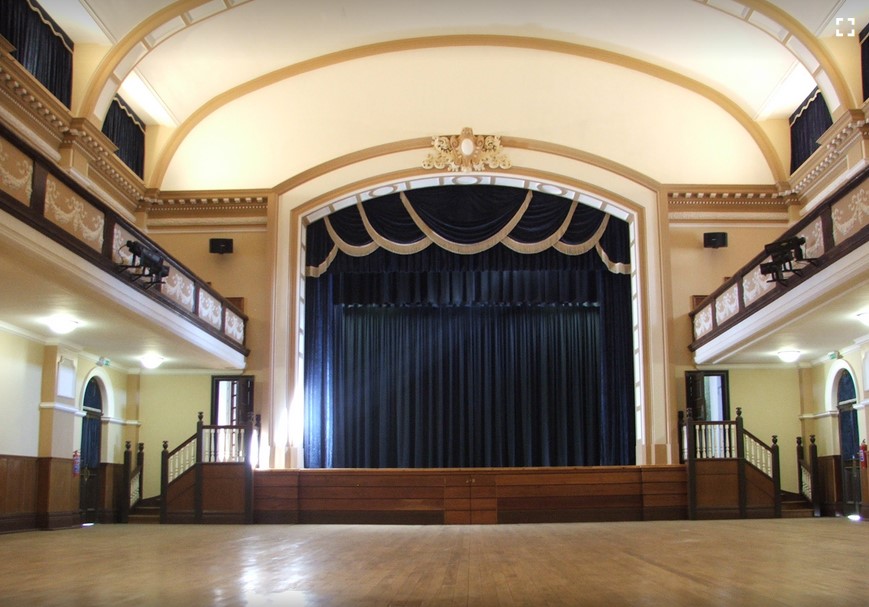
At one notable local event ca.1949 in this huge hall – an Al Debbo concert! – Stewart’s grand-daughter Mary met her future husband. Maybe that was the Lord Mayor Hizzonner’s intention in building this impressive edifice all along? In 1951 they got married there. Years later Stewart’s great grandaughter Barbara also got married in ‘his’ town hall.
~~~oo0oo~~~
Found this pic of the town hall in Wick and wondered if Stewart got the idea of a bigger, better town hall for his new town from his old town?
– built in 1828 –
~~~oo0oo~~~
Snippet: Old Mrs Batty was Stewart Bain’s housekeeper at the Royal Hotel. Mum’s cheeky cousin, Janet Bell – later enhanced to Hastings-Bell – asked Mrs Batty one day, “Why do you say ‘somethink and nothink?” Back came the reply, “Cos I aren’t eddacated.” Mrs Batty lived around the corner from the Royal, on the same block, in a little house right on the pavement.
~~~oo0oo~~~
I thought I remembered that, despite every dorp in South Africa seeming to boast a ‘Royal Hotel’ – from whence ‘hier sirrie manne innie Royal Hotel’ – the Harrismith Royal Hotel was one of only two in South Africa that could officially call itself ‘Royal’. Sister Sheila, family Keeper-of-the-Archives, has hereby confirmed that I have a flawless memory. Well, something along those lines:
– evidence – or “evidence” – of our close link to royalty –
~~~oo0oo~~~
Couldn’t resist this close-up so enthusiasts can read which cars were around in 1939:
~~~oo0oo~~~
Postscript:
A young post office worker left his little 1935 Morris in that garage in the care of the owner Cathy Reynolds (nee Bain), while he went off to war, ca 1941; When he returned around 1946 it was waiting for him. He then met Mary, second daughter of Annie Bland, nee Annie Watson Bain, Stewart’s fifth child. Their first date was in the Town Hall. Best and luckiest thing that ever happened to him. They got married in the Town Hall in 1951. He was Pieter G Swanepoel, originally from Pietermaritzburg, and my Dad.
So two women, a Central Bain and a Royal Bain, ran garages in Harrismith.
* Shades of our Moses Mabida stadium in Durban for the 2010 FIFA soccer world cup – ‘Do we need such a big, fancy stadium!?’ I called it the Moses MaFIFA stadium. Call it FIFA Folly, Corruption it almost certainly is. Americans call it a boondoggle.
opskops – parties, shindigs, events, pissups, balls, dances, concerts; involve alcohol; kick up your heels
grend gebou – grand building
~~oo0oo~~
Phone call to Mom May 2025, Talk turned to the Bains, her Oupa Bain and his Royal Hotel. He was Stewart Bain, Mayor of Harrismith.
The Bain sons went to Hilton. At least two – Ginger and Stewart – came home to work for Oupa, their Dad, and play sport. Never studied after school.
Dick the Waiter
Ginger played polo and rugby. Stewart (Smollie) worked in the bar. Smollie was thin and stooped, walked with a shuffle. Getting in and out of his wife Marie’s car was a struggle. Something about his legs couldn’t bend. Like ‘welded straight.’ Arthritis maybe?
The chef’s name was Kaiser Adam. He wore a white uniform and a tall white hat. The two waiters were Dick and Shabalala – ‘smartly dressed waiters.’ Kaiser and Dick were Indians from Durban. They must have had a lonely life living in Harrismith, unable to go anywhere really. They lived on the large hotel grounds with their families. Shabalala was a local Sotho man. Dick, with his jet black hair and little moustache, was said by local wags to look just like Rhett Butler from the movie Gone With The Wind! …
Koos (me): This is weird, and maybe I’m constructing the memory from tales told at home, but I have a clear memory of sitting at a table in the dining room; being handed a paper menu; then a tiny bit of fish arriving on a large plate followed by a piece of meat and two veg on a large plate, followed by a tiny bit of pudding in a bowl. I do remember the dining room and the big fireplace and the staircase. The bar leading off the front stoep I remember from later years, once we started looking for beer after dark.
Big sis Barbara remembers visting the Royal when her good friend and cousin Glenda Taylor used to visit Smollie and Marie Bain.
In Harrismith Vrystaat in the sixties you could hear, if you listened carefully, the sound of lions roaring in the evenings and the early mornings. This is true. If you listened you’d hear the uuuuunh uuuuunh uh uh uh uh of a male lion. Here’s how that came about:
The Man
On 1st June 1955 Mr CJ (Bossie) Boshoff was appointed as parkkurator of the now well-established President Brand Park by the Harrismith Municipality. It seems to have been a happy choice, as his entertaining letter about the history of the zoo he established attests. It was written in November 2005, fifty years after he started his new job. He moved to Harrismith to take up the post, which included accommodation in the form of a house in the park he’d be in charge of. This sounds good, but the house was ‘in a state’ due to the previous tenant living in it with etlike groot honde, so the house needed major cleaning and opknap. So much so that Bossie had to stay in the Royal Hotel for a while till the house was livable.
parkkurator – curator of the HS park
etlike groot honde – a few big dogs
opknap – renovate
The Thought
According to Bossie there was a runaway fire on Municipal property in 1958, and after the municipality had been paid insurance money for the damage, Bossie laid his eyes on a pile of fire-damaged treated fence posts, now written off, and he thought: As ek van hierdie pale in in die hande kon kry dan kan ek n kampie in die park aanle waarin n paar wildsbokkies kon loop wat ‘n aantrekking vir die publiek sou wees.
Once he was given the nod by the town council, he chose an area about one hectare in size just above the Victoria lake, and put a fence round it using those burnt poles, then put a road round the fence so people would be able to see his planned wild animals from their cars once he managed to bekom some wildsbokkies.
If I can get my hands on those I could make a fenced paddock and keep a few antelope to attract the (paying) public!
The Animals
According to Bossie, his first inmate was a mak ribbok ooi – a tame mountain reedbuck ewe (‘rooiribbok’) donated by councillor Mike van Deventer. However, as human memories go, according to The Harrismith Chronicle of January 1956 the first inmate was a blesbok ram donated by Hendricus Truter of ‘Sandhurst’. So it seems Bossie’s zoo had an earlier start then he remembers! Such are fifty year old memories!
More animals were offered ‘if they could be caught’ like two fallow deer by Lieb Swiegers. ‘Mes‘ Snyman would be asked to do the catching. After that the park was given a tame aap mannetjie – a male monkey, likely a vervet.
Then the floodgates opened and all sorts of pets were donated to hierdie toevlugsoord! The first of these was a female baboon named Annemarie, so now Bossie needed better cages. Luckily, he says, the town councillor in charge of the park, Pye von During, owned a grofsmit behind the Kerkenberg kerk, and willingly welded iron cages for Bossie.
hierdie toevlugsoord – this sanctuary or refuge!
grofsmit – blacksmith; or engineering works
Bossie’s next tenant was a blesbok ram who he thought was behaving a bit oddly – nie lekker op sy pote nie. On enquiry he discovered it was onder sterk brandewyn kalmering.
Not steady on its feet – it had been given a strong brandy tranquiliser to relocate it!
Then he got a tipiese raasbek boerbok – a typical ‘loudmouth’ goat!
Next he was offered a lioness from one of the Retiefs from Bergville (hy dink dit was Thys). The asking price was fifteen pounds Sterling, and as with all finances, he would need council’s permission and a formal decision to be taken. He went instead to Soekie Helman, as he knew Soekie’s “voice was loud in the council at that time.” He’d got to know Soekie when he stayed in his hotel. Soekie’s decision: “Buy the thing and we’ll argue later.” They did. Bossie soon noticed this five month-old pet was gentle for a while and then would ‘suddenly get serious,’ so he realised a strong cage was needed fast. Two high brick walls were built at right angles, a roof on top and a semicircular front made by councillor and blacksmith Pye von During of strong iron bars was installed from the end of one wall to the other with a sliding door. Inside, a brick shelter was built in the back corner. The roof of that shelter became the lions resting and outlook spot. This was the concrete stage where the male lion we heard in our youth would lie and roar his frustration over the hills of Harrismith.
At this stage Bossie asks impishly: Sien u nou in watter rigting die onskuldige wildskampie besig is om te beweeg?
can you spot where this ‘innocent little animal enclosure’ idea is going?
Now there was a lion cage, and next thing Henrie Retief (Thys se broer) phoned from Bloemfontein to say he had bought a male lion which he was donating to what was now undeniably a zoo (not just a wildskampie) on condition that if ‘something happened to the animal one day’ he would get the pelt! The lion-lioness introduction was – according to Bossie – ‘Love at first sight’!
A lady ‘anderkant Warden’ gave them three small jackals which Bossie fetched and built an enclosure for. The increased enclosures within the overall 1ha camp now necessitated footpaths winding about between them, as most visitors were now on foot, no longer just driving around the perimeter.
Tannie Marie Rodgers donated a spoilt hans – hand-reared – duiker ram which head-butted visitors, his sharp horns sometimes hurting folks. Bossie solved this by putting .303 shell casings on his horns to blunt them!
The male lion grew up and his roars could be hear all over town, ‘to the top of 42nd Hill,’ says Bossie, and certainly at 95 Stuart Street where we lived. The lioness fell pregnant but died in childbirth. The male watched them closely as they removed her body. She was soon replaced by another from Bloem, who was placed in a separate cage for two months so they could grow accustomed to one another, but – alas! says Bossie – when they introduced them the male killed her with one bite! (this happens; and we don’t learn!) Later they got new lions: A male and two females. Bossie said they had to ‘wegmaak’ the original male – kill? sell? Did ou Henrie get his pelt? Wait – The Chronicle of December 1959 says there was talk that ‘a local farmer’ would take the lion in exchange for two blesboks which would be swopped for three lions from Bloem! How common must captive lions have been? The three new lions cost them two blesbok ewes in an exchange! These were donated by Kerneels Retief who hand-caught them himself on his farm Nagwag from his moving bakkie at 45mph to Bossie’s amazement. So, Kerneels probably took the lion, then?
More on pricing game: The zoo later got two wild dogs and a warthog from South West Africa in 1959, swopped for two mahems – crested cranes. In 1965 the Natal Parks Board donated six impala and two warthogs. I wonder which of the warthogs became ‘Justin’ the famous one the Methodist minister Justin Michell would feed and talk to on Sundays after his sermon?
In January 1964 three lion cubs were born. One was killed the same night, the others were removed and raised by Mrs JH Olivier. In 1966 the Chronicle told of two five month-old cubs for sale. These cubs had ‘been involved in a hectic incident’ a while before when two African attendants were tasked to remove them from their mother and she attacked them! Workman’s Compensation, anyone? And was the story suppressed when it happened?
Two porcupines arrived at the zoo, and soon made a nuisance of themselves, chewing the fence posts. One night Bossie’s assistant Machiel Eksteen saw one in the road outside the zoo, caught it with a hessian sack and put it back in the dark enclosure. Only to find three porcupines there in the morning!
Mrs Lindstrom (‘Redge se vrou‘) promised Bossie a python from Pongola and duly delivered it in a hessian sack, saying it was 3m long. Bossie put it in the storeroom on top of the ‘mieliedrom‘. The next morning Tobie (‘the feeder’) said the sack was empty! Of course Tobie was told he was talking nonsense, but he wasn’t. A big search was instigated, the Voortrekkers were even called in but the snake ‘is missing to this day.’ Bossie says, ‘Just as well, as I don’t think he’d have adapted to Harrismith’s cold!’ Um, that doesn’t make things better, Bossie! Another escapee was a civet cat, one of a pair from Ladysmith. But it was found.
Then came their ‘biggest challenge’: A lady phoned. She was oom Kaalkop vd Merwe’s skoondogter (daughter-in-law). Kaalkop was the MP for Heilbron. Did Bossie want two Russian brown bears? They were her children’s pets but had grown too big and they were going for thirty pounds Sterling the pair. The ever-resourceful Bossie got to work: He went to business owners in town and said ‘You owe me one pound.’ Bossie says he badgered ‘Jan van Sandwyk of Harrismith Motors, Rheine Lawrence of the chemist, Redge Lindstrom of the tyres, Jannie du Plessis of the tractors, etc etc’! and by that same afternoon he had his 30 pounds and bought the bears, which, he says, made Bloemfontein zoo, ‘yellow with jealousy!’ Here, he says was a postage stamp-sized zoo in a small dorp that was now known nationwide! Again with the willing help of Pye von during, he made the cage of iron, with a concrete waterhole and some tree stumps, just what zoos of the time thought bears needed.
In 1963 a concerned resident wrote to the Chronicle about the poor condition of some of the animals. Mayor Boet Human and councillor Pye von During were interviewed and basically said ‘all is well.’
Bird Aviary
A large aviary was built. People donated peacocks, guineafowl, fantail pigeons, a tame crow, ‘mahem’ crowned cranes and an ostrich. And tortoises. It became ‘a certain status’ to donate an animal to the zoo, says Bossie – and he ‘appreciated that enormously.’
How to Feed this Menagerie!?
Suddenly food was an issue! How to feed the growing menagerie? They started charging adults a sixpenny entrance fee. Kids were free but had to be accompanied by an adult. Most of the meat for the lions was supplied by generous farmers. He mentions oom Frikkie (probably Varkie?) Badenhorst whose dairy had no use for bull calves and donated these. Mostly it was on a ‘yours if you fetch it’ basis, so Bossie would have to travel all over the district to keep his lions in meat. Farmers would donate their horses once they got too old to ride. The fact that many of these had names, and that they were still ‘on the hoof’ and looking at him when Bossie arrived didn’t make matters any easier for him.
One such was Ou Klinker, a Clydesdale used in the town’s forestry department. Piet Rodgers, the forester, told Bossie he could fetch Ou Klinker – but only when Piet wasn’t there! Bossie says usually when the shot was fired the horse’s legs would just fold and they would drop on the spot, but not old Klinker! When the shot went off he rose ‘like a loaf of bread and fell as stiff as a pole, says Bossie. And then he says ‘dit was baie vleis!’
that Clydesdale was a lot of meat!
The local police also phoned whenever they came across road kill, and the health inspector Fritz Doman would tell him whenever he condemned a pig with measles at the abbatoir. One guy even offered a dog on a chain. But surely Bossie didn’t . . Oh, yes he did! But the lions ‘het nie baie van die vleis gehou nie,’ says Bossie. They did like the pork, however.
didn’t much like the dog meat
Meat Storage
To keep surplus meat cool, Bossie built an old-time ‘evaporation fridge’ of bricks and clinker in chicken mesh, kept wet so the evaporation cooled the interior. It worked ‘uitstekend’ (very well).
The Wheels of Change
Bossie took a job in East London, and without its champion this wonderful eccentric project was in a precarious position. A new town clerk De la Rey arrived and decided Harrismith was too small ‘n dorpie to afford a zoo (wasn’t that exactly the fun thing?) – he must have been a beancounter! According to Bossie the animals were ‘sold to circuses, given away – and Harrismith is the poorer for it.’
Most of this source material comes from Harrismith historian Biebie de Vos. Thank you Biebie! Without you, Harrismith would have been the poorer for it! Much would have been lost if Biebie hadnt saved it.
More Research Needed
But here we need to find out what really happened with the sale? Can Mariette Mandy help? Did the Chronicle report on this? Where’s de la Rey? Where did Patrick Shannon, who ended up with the cheetah, fit into the tale of the Harrismith zoo? I heard he bought it lock, stock n barrel and then sold what he could, kept what he wanted and turned the rest loose! I know that I saw Justin the warthog floating pote in die lug * all bloated up, stone dead and smelly in the Wilge river when I was out canoeing one afternoon (1970 or 1971 if my memory is right, so we can check that timing).
legs sticking up vertically out of the water as I paddled past
~~oo0oo~~
I’d love to get some pics of the zoo from a distance or from outside, plus any of the animals. Who knows the general layout? I can draw a rough plan as I know where warthog corner was, where the lion cage was, and where the entrance gate was; plus the aviaries (and am I right there were vultures?). But other than that I’m a bit vague. Someone will know!
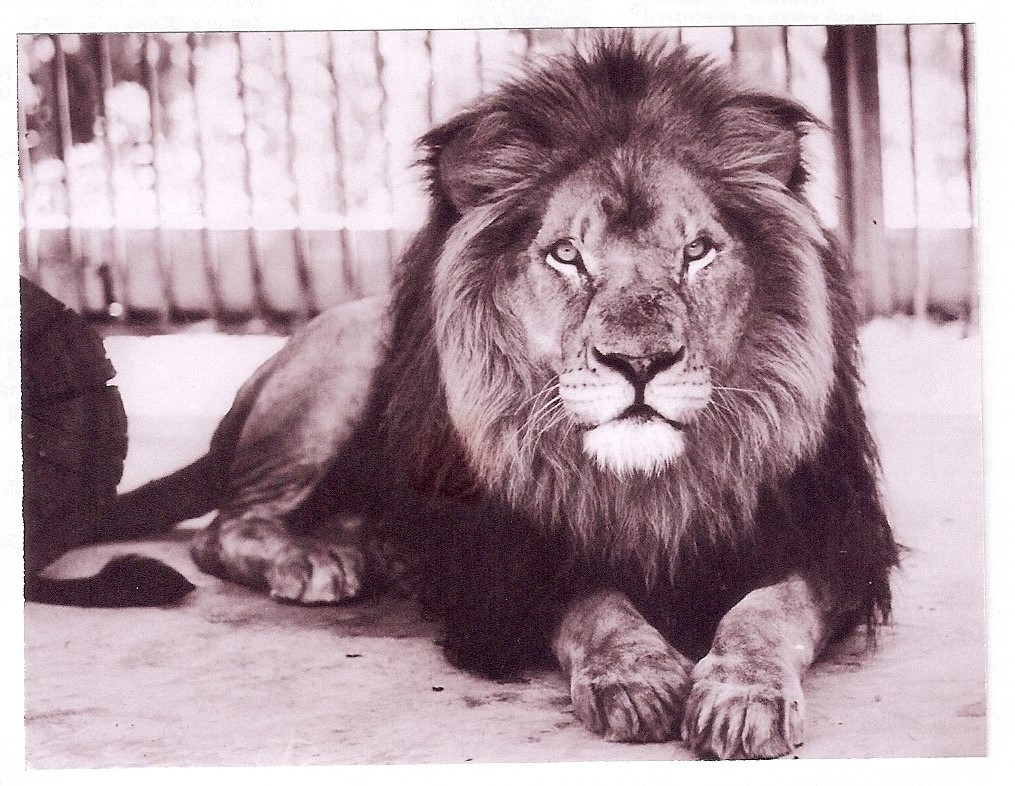
Biebie’s pic of our Harrismith lion. What a magnificent specimen!
~~oo0oo~~
Footnote: Mom remembers a Mr Patterson running the zoo. His one daughter Mary married tall Jack Hunt; the Hunts ran the dry cleaners and were Steve and Jenny de Villiers’ loving grandparents. Another daughter Margaret, married Frank Mandy, Syd’s father.
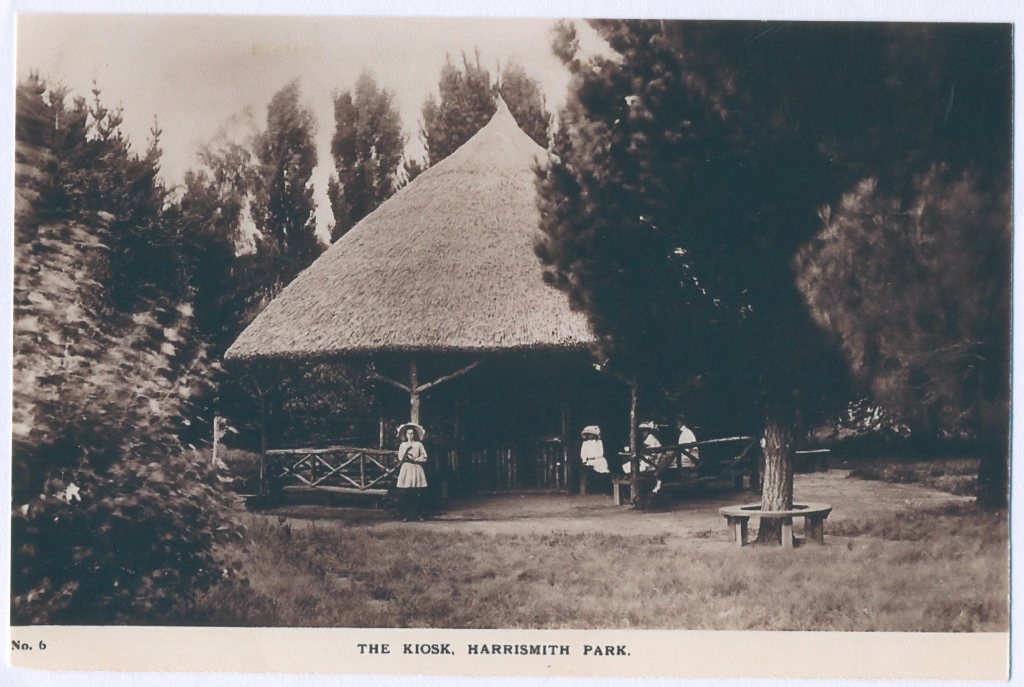
We loved the park down by the riverside. We’d go there on Sundays with Mom or Annie or both – in our light blue VW beetle ca.1959, or in Annie’s beige Chev Fleetline ca.1949. The centre of attraction at first were the swings, but the kiosk was the real place if you could get Mom to buy anything from them. You can read some dodgy history of the establishment of the park here.
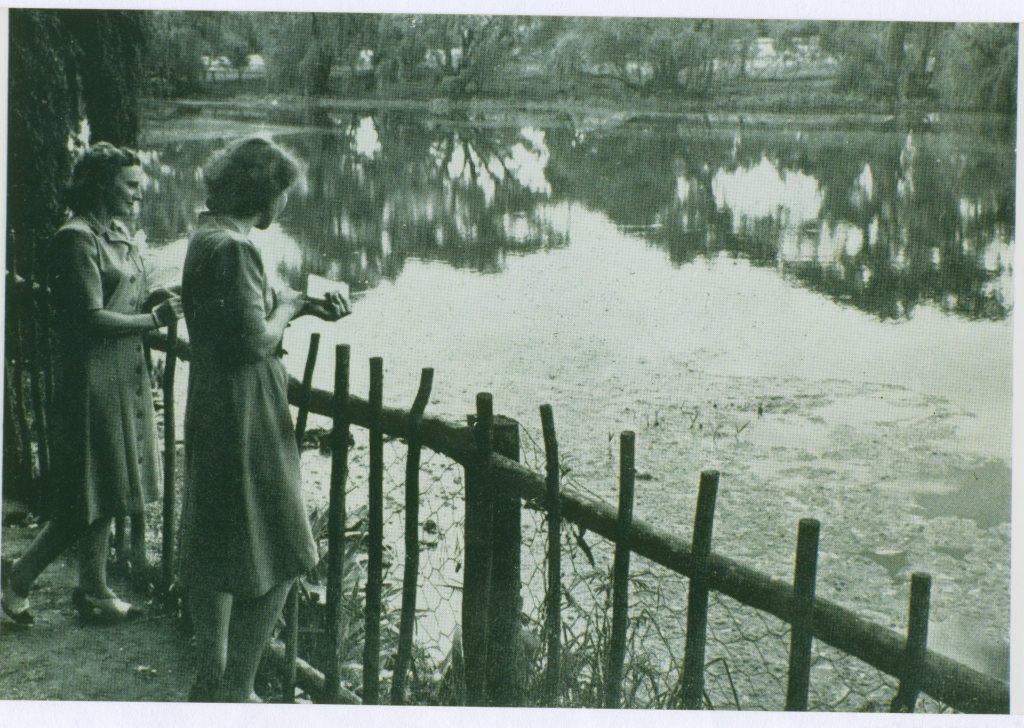
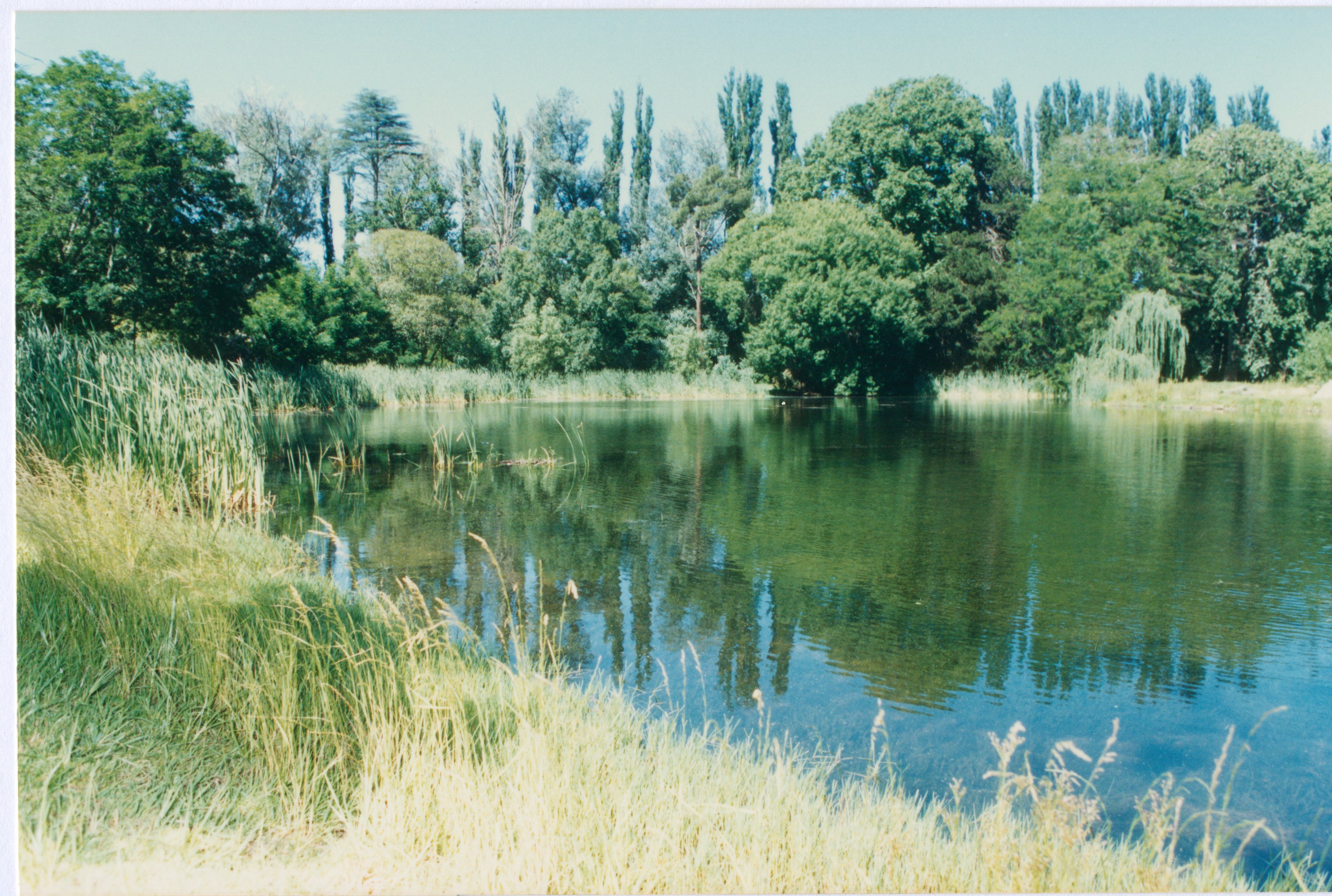
Near the lake there was a cork tree, surrounded by a fence to protect it, as people would pull off the cork bark. The lake had some ducks, I think. I seem to remember feeding them at this fence, which was probly quite old by the 60s when we used to go.
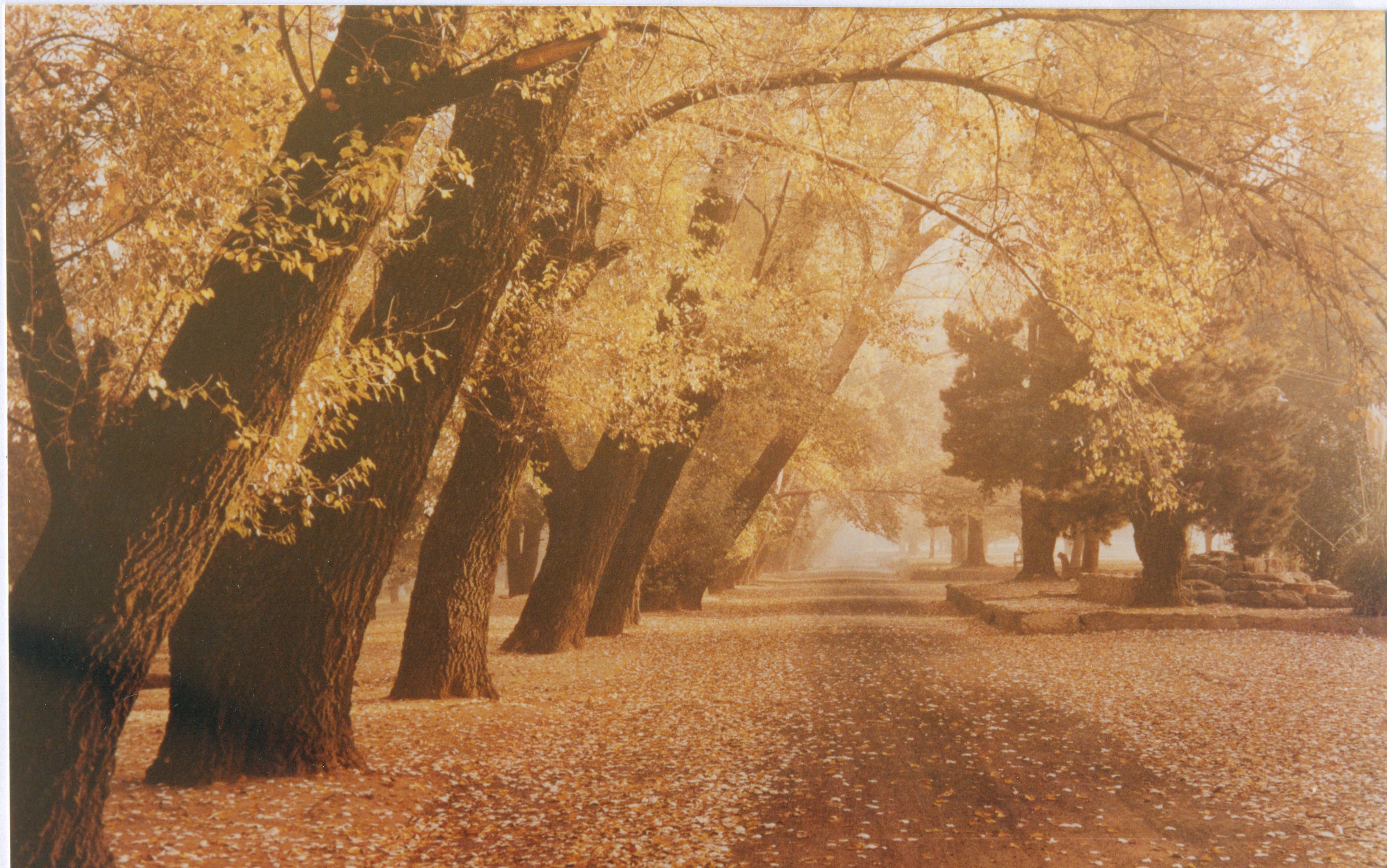
Later the road next to the river became a focus, with its huge leaning trees that I just knew were going to fall down at any time! Then the suspension bridge which was great fun – some wanted to make it sway and some said Hey! Stoppit! Don’t make it sway! When we were even bigger, the swing from the willow tree a couple of hundred metres further down the road. It swung out over the river. Being a bit of a bangbroek, I remember my first swing and successful return to dry land quite clearly. And I remember teacher Bruce Humphries not making it back once and causing quite a splash.
By now another weir had dammed the river much further upstream at Sunnymede, creating a bigger and wider expanse of water, so not much motor boating was done in the park in our time.
In the fifties a zoo was added in the NW corner of the park. That’s a fascinating story in itself!
As time went on we used the park more for its sportsfields – there was a cricket oval, a rugby field surrounded by a 440m cinder athletics track overlooked by a big new concrete pavilion for spectators, a hockey field, a netball field and probably some jukskei sandpits for those stuck in the past.
The park was extended across the river, but the other side was not oft-frequented by us. I remember it mainly as a late night race track and a picnic spot for the annual MOTH picnic.
In our time, a caravan park was started on the town side of the park with a new ablution building.
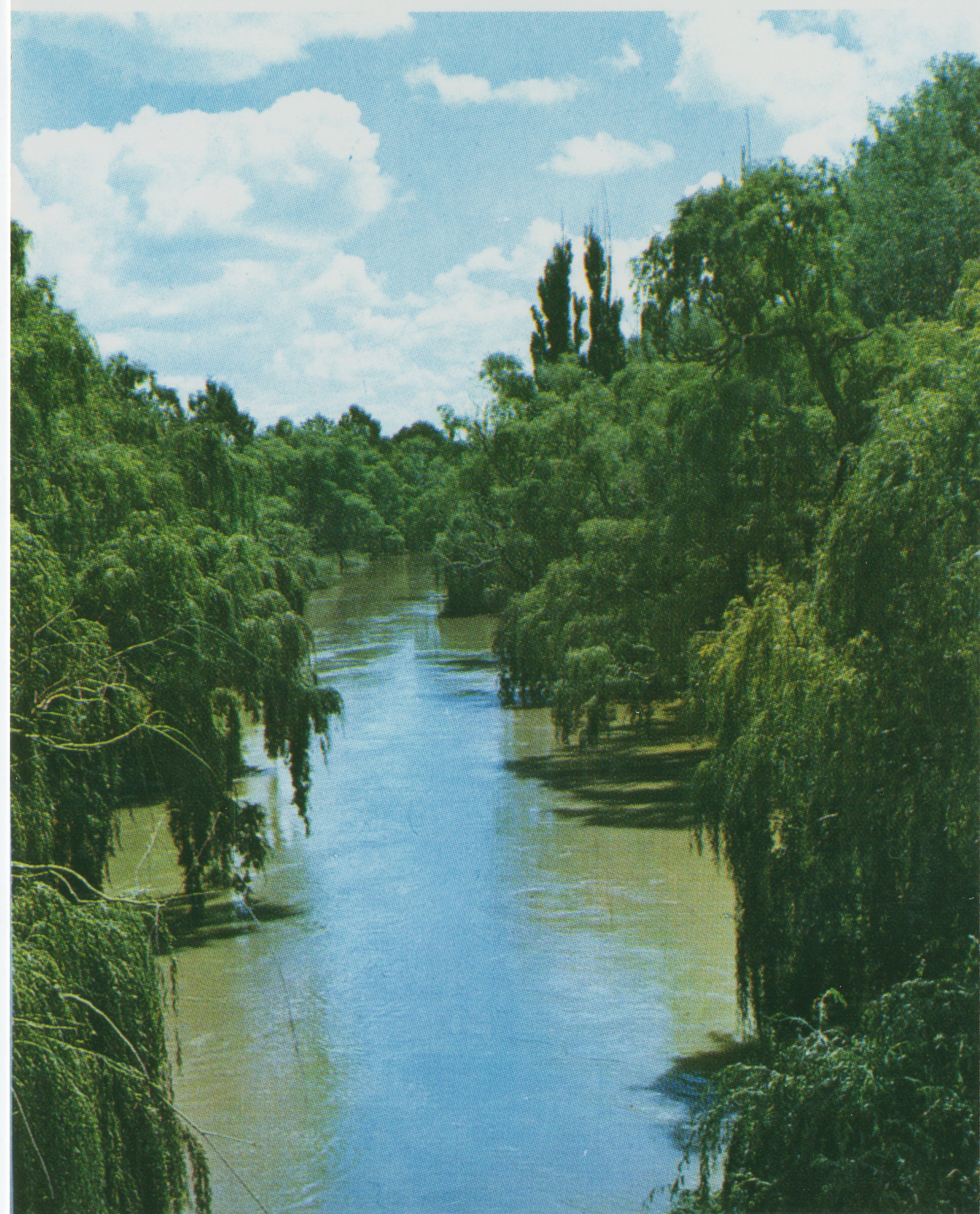
– view of the Wilge River from a bridge – the suspension bridge or the ysterbrug, not sure-
Victoria Lake
Personal memories of the park were about rugby games, athletic meetings and then later on, cars – cars before we were actually allowed to drive! ‘Borrowed’ cars. Stealthily borrowed late at night from our parents on a no-permission-sought understanding. The best was Steph de Witt’s black Saab. Actually Gerrie Pretorius’ Saab but ours for the night – ‘borrowed!’ We would hurtle around the atletiekbaan at speed , drifting sideways left then sideways right long before ‘drifting’ had a name. One night we hugged the final bend coming into the home straight and there was a moerse big bloekom stump in the headlights right in front of us! Someone must have seen our tracks and thought ‘I’ll put a stop to this!’ or ‘Ek sal hierdie bliksems wys!‘ How Steph missed that huge log I do not know, but we hosed ourselves and roared off. Instead of Yee Ha! we’d say Arrie-ee! (from a joke about camels . . )
On the other side of the river it was in Tim Venning’s light blue Triumph 2000. Actually Dr Dick Venning’s Triumph, but ours for the night – ‘borrowed!’ Tim behind the wheel, laughing his head off as we roared around in a cloud of dust late at night, drifting sideways most of the time.
We were good kids all in all though, of course. Nostalgia makes it ‘naughtiness,’ ‘mischief.’ Nowadays people would slate the ‘Hooliganism Of The Youth Of Today!’ Maybe adults did then? Tut tut, how wrong they were . . and are.
~~oo0oo~~
atletiekbaan – 440 yard athletic track – a cinder track
moerse big bloekom stump – huge ‘blue gum’ eucalyptus log or stump – over half a metre in diameter and three to five metres long. If we’d hit it, the SAAB would have been moertoe
moertoe – varktap
varktap – damaged
Ek sal hierdie bliksems wys! – I’ll show them! Ha! he missed! We were too rats























 Vrystaat Confessions