1995, so their fiftieth reunion!

One Harrismith wag on his way to a different class 50th reunion said – mischievously and perceptively – “I’m going to my matric farewell.”

1995, so their fiftieth reunion!
One Harrismith wag on his way to a different class 50th reunion said – mischievously and perceptively – “I’m going to my matric farewell.”

Arthur Kennedy arrived in Harrismith like a dwarrelwind. Why we were so lucky as to get Arthur to our town I don’t know, but I think his wife Zita had family here. I think she was related to the Kerkenberg mountain vd Bosch’s.
He brought an exciting new venture to the dorp: A new motel on the N3 on the south-east end of town – at the Jo’burg-Durban-Bloemfontein junction – or the Warden-Swinburne-Kestell junction you could say if you weren’t going to drive far.
The motel – Kennedy Motel – was going to have a ‘flyover’ restaurant suspended over the road so diners could watch the road as they munched their mixed grills. All the Durban-Joburg traffic – the busiest rural freeway in South Africa by far – would have to drive underneath them. But meantime the motel and petrol station had to be built, plus all the rooms – the chalets. A cable car to the top of Platberg was also in the pipeline, according to Arthur. Big plans!
The Kennedy family stayed right on-site in novel half-round semi-portable wooden bungalows above the building site and below the track that was an extension of Vowe Street, below the SE end of Hector Street. Arthur was very hands-on and was deeply involved in everything. He made the cardinal apartheid error of starting to pay his workers more than the “known” Harrismith wage which, according to Steph de Witt, got 5ft 6 inch Arthur a visit from 6ft 4 inch Koos de Witt, Steph’s Dad. Steph says Koos found Arthur in a foundation ditch. He jumped in next to him and “explained” to him in international language how he was not to bend the “local rules” of wage exploitation.
Later he built a triangular house of wood and glass above Vowe Street – a huge novelty for the town. It was next door to the du Plessis home, and Pierre and I hopped the fence and inspected it while under construction. The bathroom had a novelty in it which we hadn’t seen before. We didn’t know it was called a bidet, but we spotted right away what it was for. HaHaHa! Our schoolboy humour kicked in. Arthur’s initials were AW (were they? or did we invent that?) and we proceeded to call him Arse Washer after that bathroom furniture that so tickled our crude funny bones. We weren’t always Methodist-polite, ’tis true.
He even became a town councillor, this foreign rooinek in the vrystaat! If America could have a President Kennedy at that time, why couldn’t we have a possible future mayor Kennedy? Quite a guy was our Arthur!
~~~oo0oo~~~
The Cupboard Snake
For a while the Kennedys lived in the middle of town – in or near the house where Nick Duursema lived, near the circle in Warden street, just down from Arthur Grey’s corner store. That’s where the puff adder landed on top of the bedroom wardrobe.
The first and last puff adder I saw ‘in the wild’ was in Hector Street outside our house in about 1965 when – ware vrystater that she was – Mother Mary ran over the poor thing in the blue VW OHS 155. Doelbewus! Swear! The old man was called out from the pub. He came home, caught it and put it in a box which he gave to Zita Kennedy to give to her brother Tommy van den Bosch. Maybe he’d first stunned it with a blast of cane spirits breath. Probably.
Tommy lived against the slopes of Kerkenberg and wore a cowboy hat and played the guitar. He’d sing you a mournful – or toe-tapping if that was your poison – cowboy song at the drop of a hat. His 10-gallon stetson hat. He collected snakes and took them to the Durban snake park who paid him by the foot. They estimated this puffy at five foot, though of course that length may have grown over time! SSSSS – Snake Stories Seldom Suffer Shrinkage. And: Who knew snakes even had feet?
That night in bed just before lights out Arthur Kennedy asked Zita “What’s that box up on the cupboard?” She hadn’t finished telling him and he was already out in Bester Street opposite the ou groot kerk near the traffic circle in his tiny pie-jarm shorts shouting “Get that thing out of there ! I am NEVER going into that house again until that thing is gone!” and other earnest entreaties.
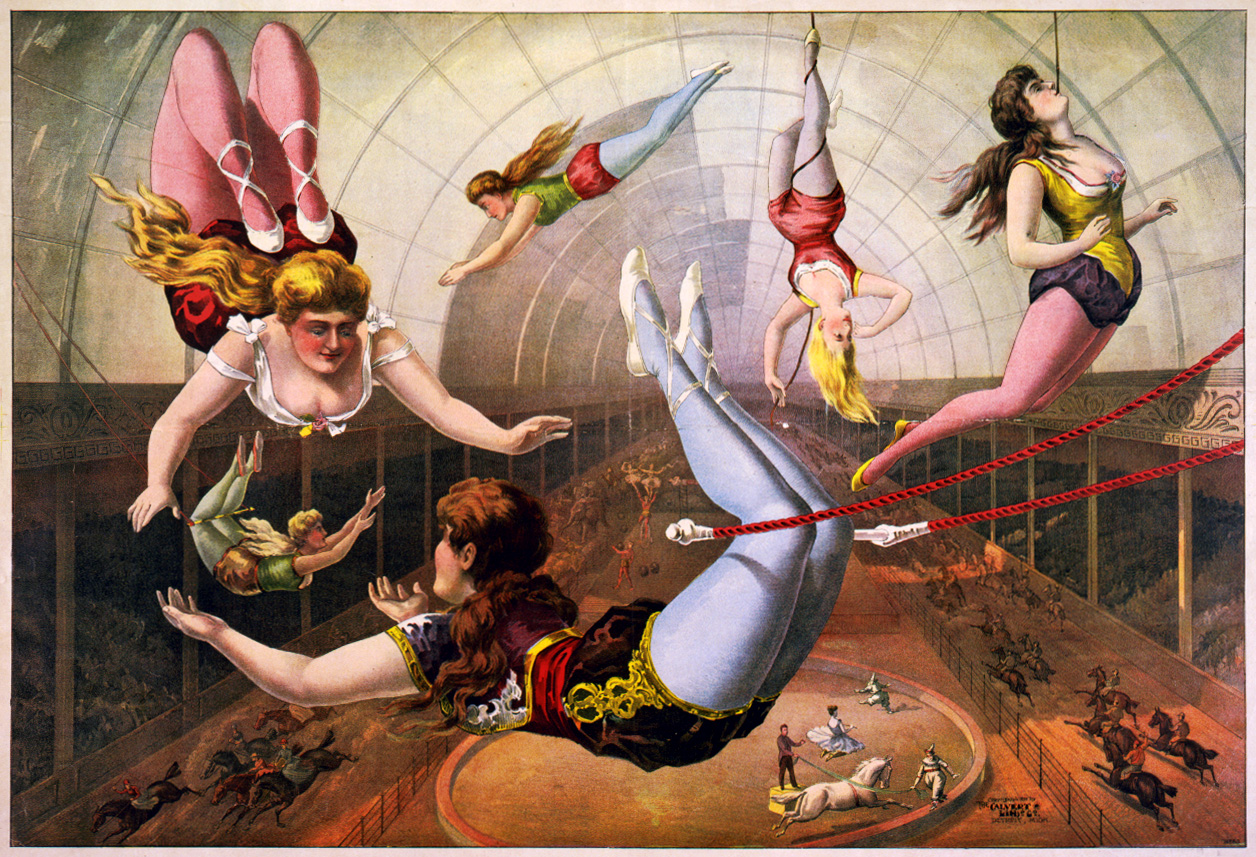
Flying through the air with the greatest of ease – Flew Arthur K on his flying trapeze!
He did! He flew the full length of the stadsaal; again in his tight broeks. So he might have had a fear of snakes, but he was fearless in other ways: Who can forget Arthur Kennedy dressed only in a white Tarzan loincloth, swinging right across the hele stadsaal on a trapeze high above the gob-smacked and ge-be-indrukte Harrismith dorpsmense? And outdoors upside-down high on a thin pole above the skougronde? Fearless aerobatics and acrobatics.
But a snake on his cupboard? That was too much for him!
For a while he made Harrismith seem part of the wider world! It was a bit like this: Flying onderbroeks flashing past your very eyes. In daytime!
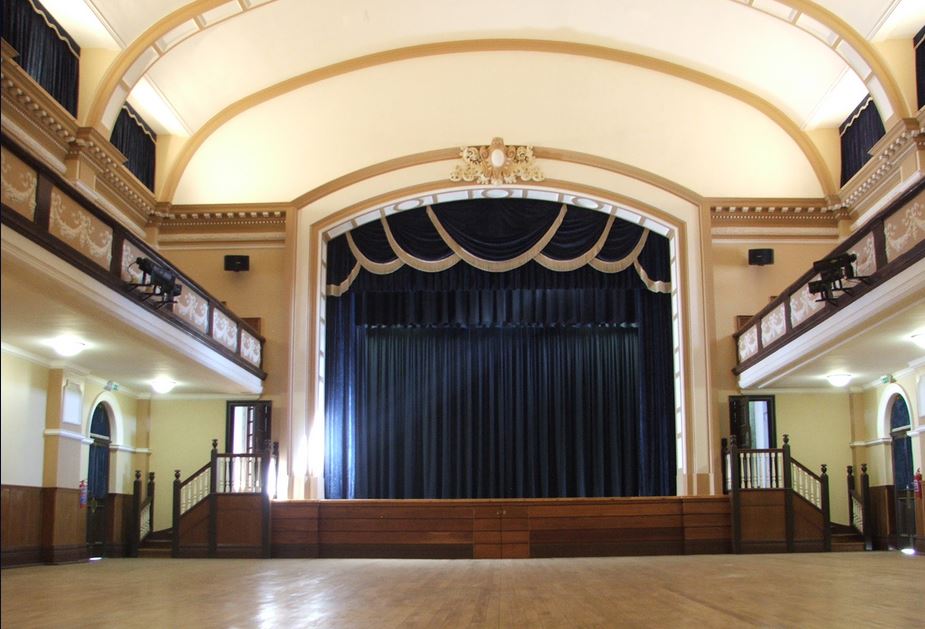
Here’s the actual scene of the thrill (the curtains were red back then):
Republic Day 31 May 1961: On the big day celebrating South Africa’s freedom from the tyranny (or oversight?) of Mrs British Queen, Arthur gave a stunning performance on his own equipment down at the President Brand Park in front of a full pawiljoen of ge-be-indrukte Harrismith mense! Dad filmed it:
~~~oo0oo~~~
Arthur ran our mountain race and, further proving his commitment to Harrismith he married a second local girl – much, much younger than him.
~~~oo0oo~~~
dwarrelwind – breath of fresh air; or whirlwind, tornado
doelbewus – with murderous intent; or on purpose; Swear! ‘Strue’s God! Gentle Mary did that. In those days you did. The only thing that made you think maybe you wouldn’t drive over it was the story that it would wind itself around your axle and then climb up into your engine, then climb under your dashboard and THEN . . pik you on the foot! Swear!
pik – snakebite
ware vrystater – genuine free stater; born and bred in the free state, as was her mother before her (who would not have been celebrating the 1961 demotion of QEII from monarch to foreign tannie)
tannie – auntie
ou groot kerk – the old Dutch Reformed Church, the Moederkerk
hele stadsaal – the full length of the town hall
ge-be-indrukte – highly impressed, awe-struck, yes, gob-smacked
mense – people, citizens; pale, of course
skougronde – agricultural show grounds
pawiljoen – pavilion; stadium, place of worship
rooinek – English-speaking; andersgesinde
andersgesinde – blerrie rooinek
freedom from the tyranny of Mrs British Queen – Republic Day 31 May 1961 on which the Union of South Africa became the Republic of South Africa
~~~oo0oo~~~

Back in 1963 we joined the du Plessis on a one-week beach and fishing holiday on the Natal north coast – Chaka’s Rock! They were beach regulars, this was one of our two beach holidays that I can remember. (flash: there were three!). Louis Brocket wrote in to remind us that, as Lynn’s boyfriend, he was also there for his first “vakansie-by-die-see“.

Sheila writes: “Found a postcard which Mary Methodist sent to her Mom Annie Bland (1½ cent stamp – remember the brown Afrikaner bull?). Mary wrote ‘We’re enjoying the swimming immensely. Coughs no worse in spite of it. We’re sleeping well and eating very well. The coast is beautiful. This is a picture of the pool where we swim.’ I think the three little Swanies all had whooping cough. Must have been fun for the du Plessis family who shared our holiday!”
It was amazing! The cottage on a hill above the beach, the rocks and seaside cliffs, narrow walkways along the cliffs that the waves would drench at high tide; magic swimming pools set in the rocks. The men were there to fish:
We baljaar’d on the beach and sometimes even ventured into the shallows – just up to safe vrystaat depth. A swimmer I was not, and I still vividly remember a near-death experience I had in the rock pool: a near-metre-high wave knocked me out of Mom’s arms and I was washed away out of her safe grasp! I must have been torn away by up to half a metre from her outstretched hands; little asthmatic me on my own in the vast Indian Ocean for what must have been a long one and a half seconds, four long metres away from dry land! Traumatised. To this day I am wary of the big-dam-that-you-can’t-see-the-other-side-of, and when I have to navigate across any stretches of salty water I use a minimum of a Boeing 707, but preferably a 747.
Well, after all! This was the most threatening Free State water I was used to braving before I met the Indian Ocean: Oh, and also the horse trough.

The view from the cottage looking down the asthmatic flight of stairs:

In this next 8mm cine footage, you can see the violent waves inside the rock pools that threatened my frail existence:
vakansie by die see – beach or seaside holiday for naive inland creatures
baljaar – frolic
safe vrystaat depth – about ankle deep; not adult ankle. My ankle
postscript: I tried to keep up the luxury cottage theme but Barbara talked about the big spiders on the walls and yesterday even Dad, who was talking about Joe Geyser, mentioned ‘that ramshackle cottage we stayed in at Chaka’s Rock.’
Dad was saying Joe hardly ever caught a fish. He would be so busy with his pipe, relighting it, refilling it, winding the reel with one hand while fiddling with his pipe with the other. My theory is the fish could smell the tobacco and turned their nose up at his bait. Dad reckons tobacco was never a health hazard to old Joe. Although he was never without his pipe, it was mainly preparation and cleaning, and the amount of actual puffing he did was minimal.
Once he caught a wahoo and brought it back to Harrismith. Griet took one look at it as he walked into her kitchen and bade him sally forth. Some wives had agency. So Joe brought it to Dad and they cut it up and cooked it in our kitchen.
~~oo0oo~~
I went back in 2016 and the beach and rocks and the pools still look familiar.
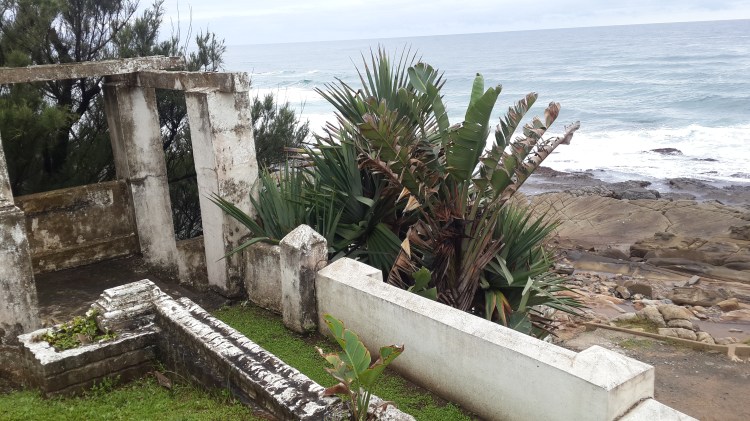

But don’t look back! The green hillslopes have been concreted. When we humans see beautiful sub-tropical coastal forest we say, ‘Stunning! Let’s pour concrete on it!’

~~oo0oo~~

Before we learnt to drink beer on the banks of the mighty Tugela, we drank oros and water while observing our elders drinking beer on those same rocks on the same bend in the river that gives the farm its name. Here’s an 8mm ‘cine’ movie taken back in the early 1960’s – before we followed suit in the seventies.
These were the days when Thankful and Grateful – as that incorrigible axis of mirth Sheila-Bess-Georgie-Lettuce called Frank and Gretel Reitz – would have large soirees on the farm with the Swanies, the Kemps and others gathering ‘in their numbers.’
In the movie Gretel, Joyce, Mary and Isabel walk along that stunning driveway lined with (amIright here?) Grecian (Roman?) columns to the old double-rondawel thatched homestead. Then the drinking party moves down to the river where Gee and Kai pilot the motorboat and Barbara and Bess paddle in the shallows. Check out Doc Reitz’s old Chev OHS 71.
–oo0oo–

My Mom Mary Bland learnt to play the piano on her Granny Mary Bland’s upright Otto Bach at 13 Stuart Street. Mom’s sister Pat Cowie didn’t play, but when Granny Bland died the piano had to go to the older granddaughter. But how to get it there?
Jack Shannon had a bakkie and he volunteered to schlep it to Blyvooruitzicht, or as the Cowies called it, ‘Blayfore’. It got dropped at some stage in the loading or offloading and had to be repaired when it got there. All was well.
Years later Pat died and Bill decided it should go to Barbara as she played, and his daughters Frankie and Gemma did not. So another farmer with a bakkie was roped in to schlep it back from Blayfore – this time Barbara’s long-suffering husband Jeff Tarr carted it to PMB or Howick or Greytown (must ask Barbara). Barbara still has the piano in her home on their farm Umvoti Villa on the Mispah road outside Greytown. It’s now her daughter Linda’s home and Linda does play – hockey, jolling, all else – just not the piano. Maybe her daughter Mary-Kate will keep up the tradition of ‘Marys that play that piano’?

Meantime Mom had bought another: an upright Bentley. Marie Bain had bought her daughter, Mom’s cousin, Lynn the Bentley hoping she’d learn to play ‘like Mary.’ Well, Lynn never took to playing, so Mom bought it from Marie for the same £100 she had paid for it years before. This was the piano we were so privileged to grow up with at 95 Stuart Street, listening to Mom playing her Methodist Hymns, and her Classical and Popular music. Who could forget the late night drinking songs when the Goor Koor gang would gather round her and bellow out their alcohol fumes, cigarette ash and varying levels of talent with gay abandon.
Mom still has the Bentley in PMB and still plays it beautifully. They’re upright pianos, not ‘grand’ pianos, but they certainly have been a grand part of our lives from about 1920-something – Mom Mary was born in 1928 – to 2019. And hopefully many more to come.
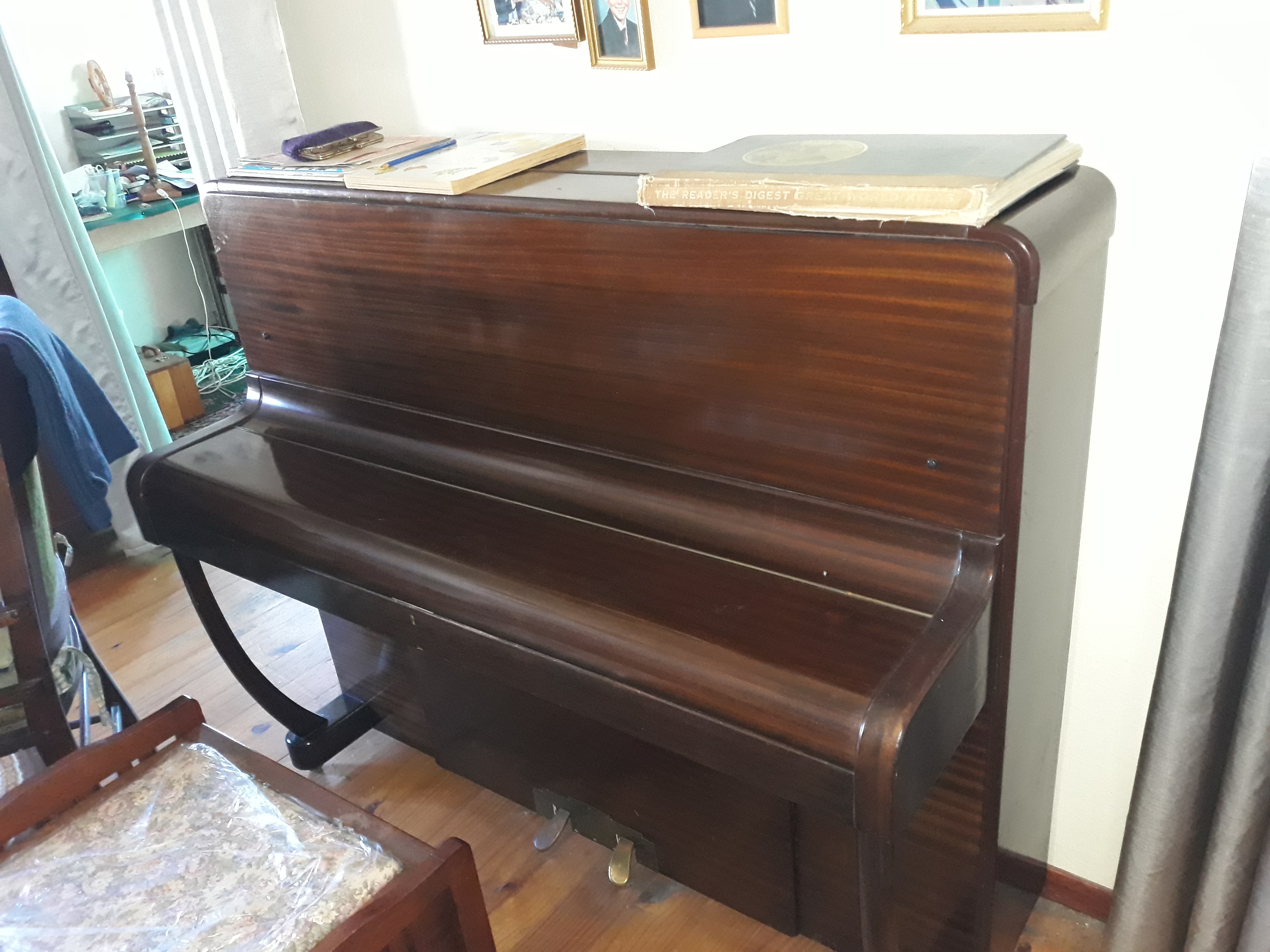
Here Mary at 90 plays someone else’s piano. Her classical pieces she always played with the music score in front of her. She can no longer see well enough to read it, so mainly plays her popular pieces by memory now.
We grew up to these sounds in the background. How lucky can you get!? These next few classical pieces are ones she played. Played here by some wonderful pianists who are almost as good as Mom in her prime!
also this:
I remember a few times getting so overcome by the music – melancholy or something? – I’d run down the passage and ask Mom to stop playing! weird.
~~~oo0oo~~~
Which are the ‘good’ pianos?
In the last 200yrs about 12 500 brands of pianos have been sold – and many more models – 12 500 actual brand names! The branding of pianos is a minefield of bulldust. Here Martha Beth writes amusingly about her forthright opinion on the quality of the pianos she is asked about:
Hilariously, the more authentically German the name sounds, the more it may have been made in Indonesia, Korea, Malaysia, South Africa, America or anywhere else! Once a piano did get a good name, a host of others suddenly had that or a very similar name! Steinway success spawned Steinbergs, Steinburgs, Steinerman, Steiner, Steingraber, Steinbach, Steinhoven, Steinmeyer, you get the picture. Each of them would claim to be THE famous Stein-what-you-call!
English piano makers Whelpdale Maxwell & Codd made – or ‘controlled’ – these brands, among others: Bentley, Broadwood, Knight, Welmar. They’re now out of business.
Otto Bach: See Dietman and Zimmerman for manufacture details. Otto Bach piano are possibly the most popular intermediate pianos in South Africa; the brand is certainly the most well known in South Africa. There are a wide range of Otto Bach pianos assembled in South Africa and some that were manufactured in the Zimmerman Factory in Germany.
“Otto Bach” ~~~~ seems originally to have been a name for pianos exported by Zimmermann, Leipzig for their export range. It appears that they took on the “Otto Bach, Leipzig” name by the twenties. It then seems that Dietmann, South Africa, purchased the “Otto Bach” brand in the 1950s and out it onto pianos they made, apparently not mentioning Leipzig. Alastair Laurence tells me that Knights supplied the piano parts to Dietmann for these, so they were virtually Knight pianos. There are still thousands of these Otto Bach pianos around; besides famous brands such as Steinway or Bösendorfer, it is probably the best-known piano brand in South African homes. By 1971, there were also “Otto Bach” pianos made entirely by Knight in Essex, and identical to their others except for the name on the front. Because of the varying origins of the name, it is not possible to date the pianos by their numbers.
See: https://www.piano-tuners.org/piano-forums/viewtopic.php?t=11202 and http://pianohistory.info/numbers.html
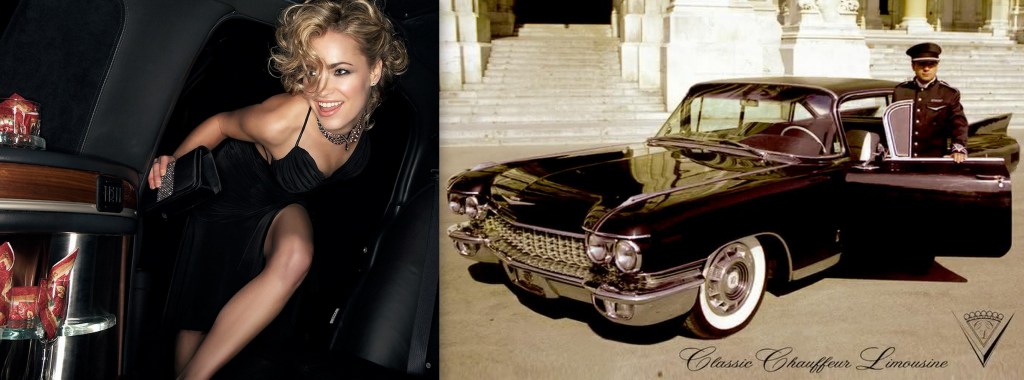
Found this picture on the ‘net. It says “The Doors Nightclub Johannesburg”. It reminds me very strongly of my impression of an unusual night on the town with young Fotherby, back in the Jurassic.
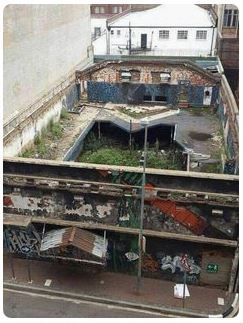
I was just as boring then as I am now. My idea of a good night out was find a pub, drink a lot, laugh.
Well, Fotherby thought there must be more to life than that – even though she was from Kimberley out – and so she announced one night that we were going to a nightclub.
A what? Of course I’d heard of them, but I didn’t think they allowed FreeStaters in. Shuddup And Let’s Go was the reply and also Don’t You Have Anything Better To Wear Than That?
You can’t believe it! I was wearing what I had worn since shortly after the rinderpest: Boring shirt, plain pants, brown shoes. What else would one wear?
Sighing, she lifted up my collar so at least I would look slightly different, mussed my flowing locks a bit and then ordered me to drive the grey and grey 1965 Opel Concorde to some dingy back street, somewhere near Joubert Park I think. Was it Mandys nightclub in End Street?
Don’t park near the door, I was told. Even though we were in the grey and grey 1965 Opel Concorde. Amazing!

At the door the bouncers looked us over and because we looked suave and masculine – or maybe as we were with attractive nubile lasses – or maybe cos we paid – let us in. I can’t recall who else was with us – I only had eyes for the delightful Fotherby, of course. I remember an entrance hall and then a huge area filled with people, smoke and noise. Huge. Only later I realised the heavens were the ceiling. The ‘room’ could be as big as it was because we were actually sort of outdoors.

Boys danced with boys and girls with girls and some mixed. Getting a drink was a mission. Why the hell would anyone want to go to such a place?, I thought.
I still think that.
~~~oo0oo~~~
Stephen Reed wrote: If I was there, the memory could well have fallen between the sizable cracks between the ears. I do remember one night coming down Smith / Wolmarans street towards the Doories Res, full to the brim with alcohol with you and Fotherby in the car and Forsdick I think. The Austin Apache was purring along nearing it’s rather modest V-max when you decided to pull up the handbriek as we went through the intersection with Steil Street or Gould street … Shrieks of protest from the back seat as the Apache battled to retain its composure . . On reflection, that may have been on the way back from a nightclub, but just as likely from the Dev or maybe Float-Building.
Me: You see, the problem is: Sometimes our carefully stored and index’d memories are filed on exactly the grey cells targeted for destruction by that particular alcoholic binge. Of course, sometimes that’s a happy occurrence – we don’t always want to remember everything.
As you know, one of my oft-repeated mantras is, ‘The trouble with marriage is wimmin have such good memory glands;’ or maybe, we have much better filters; better discretion? Right!
And as I once told you, that particular handbriek trick was a Pierre du Plessis invention. We used to pile into his Mom Joan’s Ford Prefect for a lift home from swimming lessons. As we piled in we’d all say a loud and cheerful HI BEAM! to the light on the dash that said hi beam.
Then he’d wait for just the wrong moment – usually where Joan had to drive around the inconveniently placed Moeder Kerk in the middle of the hoofstraat – and yank up the handbriek so the car would do a sideways slither to her consternation. Trouble is, she had such a sense of humour and loved ole duP so much she could never actually get cross with him!
So we never learned.
~~~oo0oo~~~
handbriek – handbrake; a car handbrake, not . . . forget it
shuddup – domineering wimmin talk
grey cells being murdered by grog – might not be true!
Moeder Kerk – temple of indoctrination and sermons of thunder
hoofstraat – Warden Street
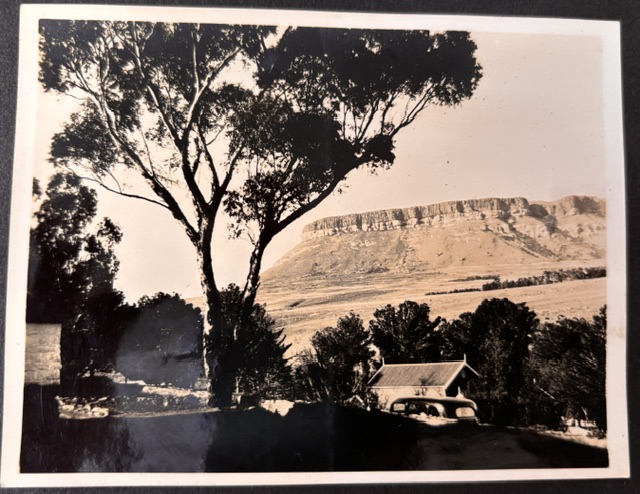
I know very little about Boschetto Agricultural College on the slopes below Platberg and above the town of Harrismith, Free State, so I’m writing this hoping someone who knows more will make sure we preserve the history.
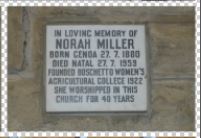
‘No successful South African settlement for women’s agricultural or horticultural training appeared until Miss Norah Miller, an émigré from the Edinburgh College of Domestic Service, acquired a farm and began receiving students in 1922, forming the basis for the Boschetto Agricultural College.’

‘Boschetto’ is Italian for a copse or grove – and there are a few of them in that picture. Ah! Leon Strachan found a bit more – a snippet from Eric Rosenthal’s 1967 Encyclopedia of Southern Africa: The Boschetto property was about 250 acres and had belonged to a relative of Norah Miller’s named H.R. Wisely. It was named after a house in Malta that belonged to the family. Although it was a private undertaking, Boschetto enjoyed the support of the government. Rosenthal noted ‘it no longer exists.’
Here’s a fairly recent pic of the ruins of one of the buildings:

The driving force was the College head, Norah Miller, a formidable capable and well-liked person who wore a leg brace and limped – until her brace was replaced by Dr Frank Reitz – had one lens of her spectacles blacked out, and apparently smoked cigarettes all day long.
I found a 1931 video clip on Boschetto showing the students working in the grounds of the college. Platberg can be seen in the background. The students are seen milking a cow, making butter, spraying trees with fertiliser or pesticide, and tending to beehives wearing protective clothing. The clip is worth watching if only to shake your head at the jolly, gung-ho, empire-confident British what-what voice of the narrator!

Here’s something on a Boschetto graduate. See the comments after the post for more.
Gwendaline Bessie Ryan was born on 22 January1917 in Keiskammahoek, Cape, the daughter of Hugh Joseph Ryan and Louise Alvilde Thesen. She was educated at Boschetto Agricultural College in Harrismith. Gwen founded a dairy farm at Charlesford, on the Phantom Pass near Knysna, and was a keen horsewoman – in one article she is called the doyenne of Cape polocrosse – and was a well known horse breeder. Gwen also bred racehorses. She ran a horse livery yard and riding school from the farm and held regular polocrosse events at the Old Drift.
Gwendaline married Col Robert Devenish, Dep Commissioner South African Police, son of Robert Devenish, of Rush Hill, county Roscommon, Ireland, on 29 Nov 1952. Gwendaline died on 8 August 2002, in Knysna, Western Cape, and is buried in Knysna cemetery.
More Boschetto old girls that Mom Mary remembers:
Rosemary Dyke-Wells was in or near Kruger Park in the 50’s. Mom & Dad Pieter & Mary Bland Swanepoel visited her on their honeymoon in 1951. She was married to famous game ranger Harry Wolhuter’s son.
Sir George Albu‘s daughters;
Sir Percy Fitzpatrick‘s daughter, ‘who dated Michael Hastings for a while.’ Fitzpatrick had a farm near Verkykerskop where he wrote his famous book Jock of the Bushveld.
~~oo0oo~~
Before I forget them, I must tell you Dad Pieter Swanepoel’s story about Norah Miller:
As a bachelor working on telephones for the Post office, he lived on a smallholding on the right bank of the Wilge River just west (downstream) of town. He tells how he used to ride his horse over to Boschetto hoping to meet girls. The first time he went, Miss Miller asked him to sort out some pictures or things in her office and he was able to do so. He says from then on he was “in,” and she was was always helpful to him.
and Mom’s story: (Mary Bland)
Leslie Bell told the story of a house in town, where someone said: “There’s someone at the door.”
Who is it? asked somebody else, from inside.
“I don’t know,” said the one at the door, “but it’s got one eye, one leg and a hell of a cough!”
Of course, it was Norah!
Mom tells of a visit to the hospital by Norah where Mom was Sister Mary Bland. It was her last day there as she was getting married – so it was 1951.
“Nora of Boschetto came in – I can’t remember what for. She was very excited about her leg. ‘Dr Reitz took an interest in my leg brace and made me a new one, It’s wonderful! So much more comfortable, and I can walk evenly!’ She was delighted.”
~~oo0oo~~
Miss Peggy Wiseley wrote a puff piece in “United Empire”, Brisbane, Australia, on 14 January, 1932. Try and sound like Mrs Queen – also an agricultural woman after all – when you read it.
Women Farmers in South Africa
In most countries of the Empire, the farmer has his part to play, and this is essentially true of South Africa, where the farming community is so important a factor and one in which the influence of women cannot be overlooked
During my recent tour in South Africa I was very much impressed by the opportunities that are opening up for the trained woman farmer, and it has been shown that an agricultural career need not necessarily be confined to men. Women farmers are to be found all over South Africa: on fruit farms, more especially in the Cape, and on dairy, poultry, and horticultural farms in all parts of the country.
In the second group are the wives and daughters of farmers. It is only fair that these women should be given some interest beyond the ordinary household duties, and be allowed a share in the life of the farm. Many cases of discontent could be avoided if farmers would allow their wives and daughters to run a section of the farm, such as the dairy or poultry, thus giving them some responsibility to counteract the attractions of the towns where many women go to escape from the boredom of farm life, a boredom which would not present itself if sufficient Interests were forthcoming at home.
In the third group are those women who are filling paid posts. Until recent years “Land Girls” were practically unheard of in South Africa, and although they are by no means general, a few posts are offering where girls are employed by farmers, either to run some special section or to give all round assistance. The salaries vary from £5 to £10 a month or more with keep. To some people these figures may appear low, but they compare very favourably with the average secretarial posts in England, where girls, many of them with University degrees, receive £3 a week, and out of this have to keep themselves, and have all the heavy expenses of town life. The South African Government provides excellent agricultural colleges for men all over the Union, but makes very little provision for the women farmers.
It is in this connection that a great work is being done for South Africa by Miss Norah Miller, the principal of Boschetto Agricultural College, Harrismith, Orange Free State, which she started privately in 1922, and which is the only Institution of its kind in the country providing women with a thorough training in all branches of agriculture. While I was in South Africa at the beginning of this year I spent two months at this college, and I was very much impressed with the work that is being done.
The place is charmingly situated at the foot of Platberg Mountain, two miles from Harrismith, in the Orange Free State, and about 5500 ft. above sea level in one of the most healthy parts of the country. The college is fitted with the most up-to date equipment in all sections, and has sleeping accommodation for about twenty students. The tuition is in the hands of four highly qualified young women from agricultural colleges In England, and the students are divided into town sections—lands, dairy, poultry, and horticulture—on which they work in rotation for three weeks at a time, thus obtaining the individual attention of the experts and the opportunity of acquiring an intimate knowledge of every branch of agriculture.
The usual course at Boschetto occupies a year, at the end of which time a certificate is given to those students who are successful in the examination set by the Government College for men at Glen, and all along the results attained have been amazingly good. Lately a second-year diploma course has been started for those students wishing to qualify still further, and for these more advanced subjects the Government provides supplementary lecturers. A bursary is awarded in alternate years to girls from England and South Africa.
The practical as well as the theoretical side of the training is well maintained, a portion of each day being spent at work on the farm, at lectures, and at study. But although the students are kept busy, there is time enough for amusement. They are free most week-ends and on Thursday afternoons, and at these times you can see the girls going off for rides and picnics, while some amuse themselves In Harrismith with hockey and tennis, and all enjoy the swimming baths which have lately been opened in the town. At half-term a week-end camp is organised, and it would be hard to find a more jolly or healthy party of girls.
Each year the students are given the opportunity of attending one the large agricultural shows of the Union, either at Bloemfontein or at Johannesburg, and at the latter place, in 1930, the Boschetto butter-making team beat all the men’s colleges in open competition, and were awarded the silver cup. This year none of the men’s colleges entered for the competition, but the judges decided to award the silver cup to Boschetto for the second year In succession, seeing that the marks gained by that team were 86 per cent, four points higher than anything attained for several years. Both at Johannesburg and at Bloemfontein the college has gained numerous prizes for butter, cheese, honey, and poultry, while at a recent show in Harrismith, out of 19 entries, 12 first prizes, four specials, three seconds, and a silver cup in the poultry section were won in open competition.
The success gained by Boschetto at these various shows, where the college has to compete with experienced men farmers from all over the country, is proof indeed that the woman farmer is able to hold her own. A still further proof is seen in the past students of the college, who are to be found in every part of the Union, and in Rhodesia. Some are now married to farmers, and find that their agricultural training has made all the difference in their married life, while parents constantly write to say that their daughters now have a new interest in life.
~~oo0oo~~
In 2023 Mary Pitchford wrote: I was intrigued and delighted to read about Boschetto as my mother, Kate Hoare Taute, was a lecturer at Boschetto, having travelled from England to take up a position at the College. My husband and I have travelled to Harrismith to try and find out more about the College but found it quite run down. My husband’s aunt, Anne Pitchford Palmer, was also one of my mothers students, along with Gwen Devenish. I grew up in Knysna and my parents remained friends with Gwen and her husband, Bob, until first Bob, then my parents and then Gwen died. I do have some photos of Mum’s stay at Boschetto – I wonder if there would be anyone interested in them. We would indeed! They will be uploaded right here when you send them:
**pics will be uploaded here when I receive them**
Mary Pitchford also told another lovely tale of a recent link with Boschetto: About 10 – 15 years ago, the Riding for the Disabled ponies were stabled at our small holding in Birnham wood and the riding lessons were held there every week during the school terms. We had a man called Andy Ward who helped with saddling up and leading the ponies that were used in the lessons. He lived in Harrismith at the time that Boschetto was running. He remembered the ‘girls’ that used to ride into town to dances held in the town hall? They carried their dresses in saddle bags, changed into the dresses and then back into their riding gear to be able to ride back to the college again. My mum told me about how seasick she got riding in the pitch dark but could rely on her horse who knew exactly where to go. Andy said they were referred to as the ‘broekie girls’.
~~oo0oo~~
In 2025 Candia Bradshaw found this post and made a welcome contribution, with precious photos: Hello! H.R Wisely was my great-grandfather (He built Boschetto) and Peggy Wisely was my grandmother. Norah Miller was her cousin. My father, Robin Bradshaw lived at Boschetto during the 2nd World War and had many very memorable stores of his time there. I have lots of photographs, letters and other documents relating to Boschetto if you are interested? Interested indeed, here they are: Click to see each pic separately.
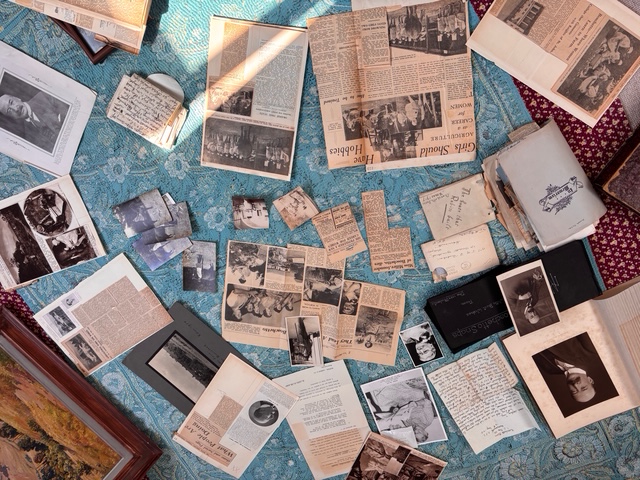
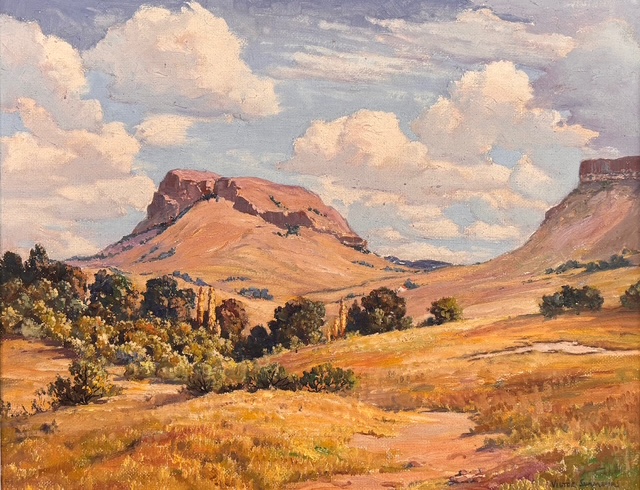

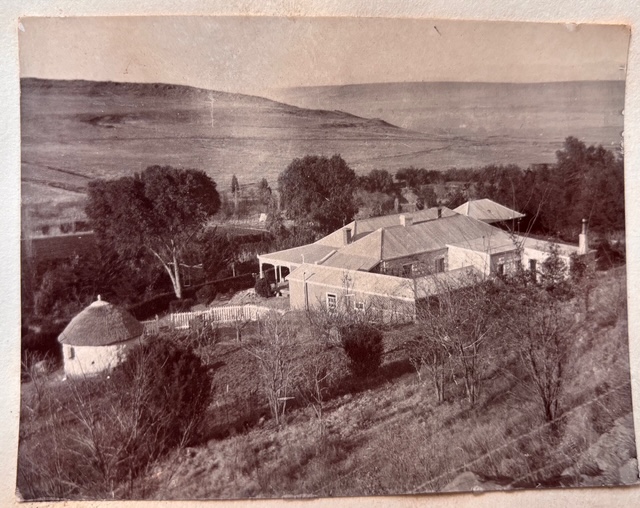


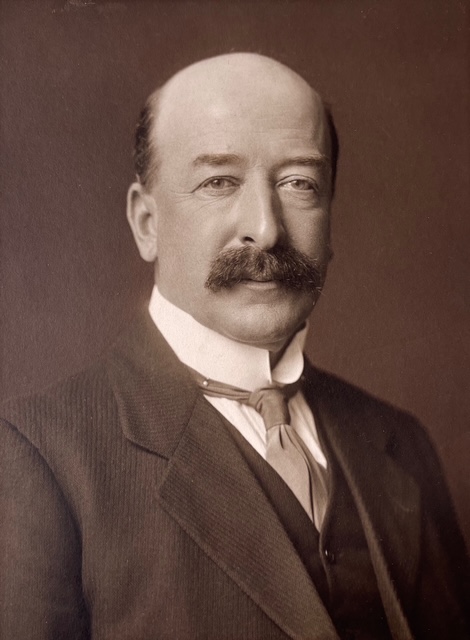


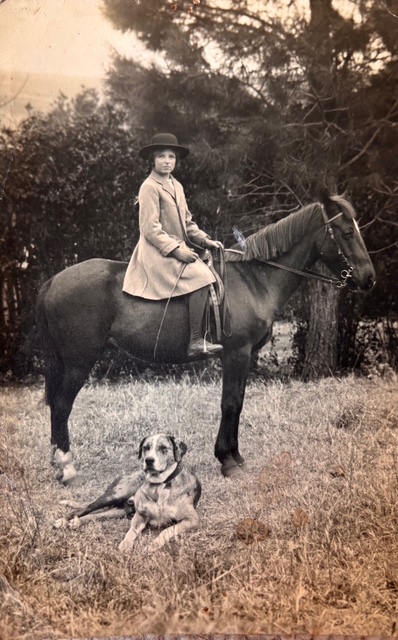
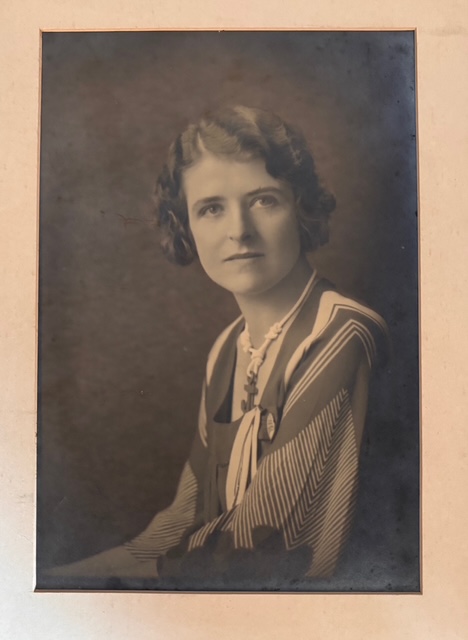
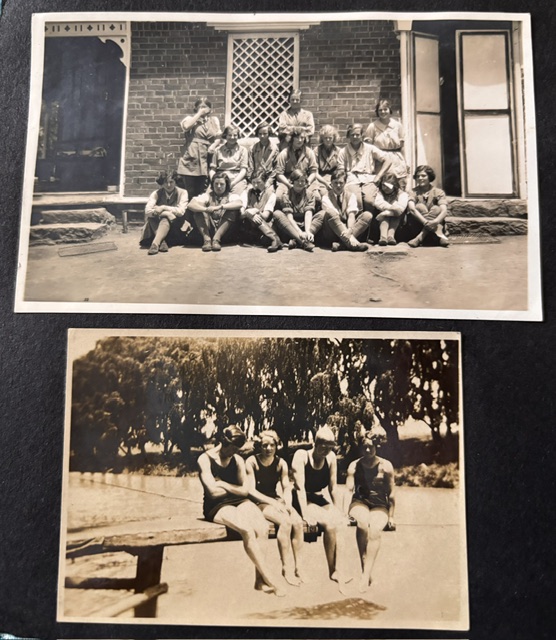


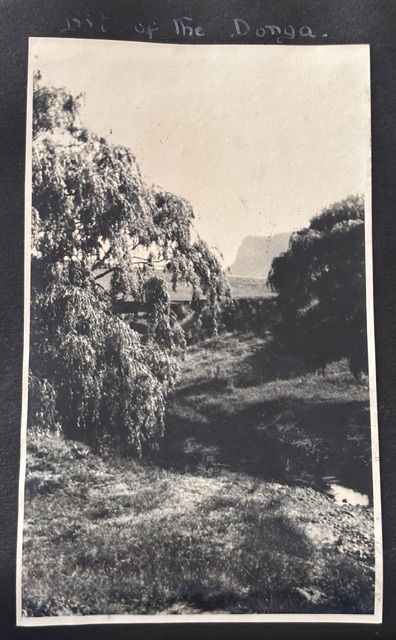
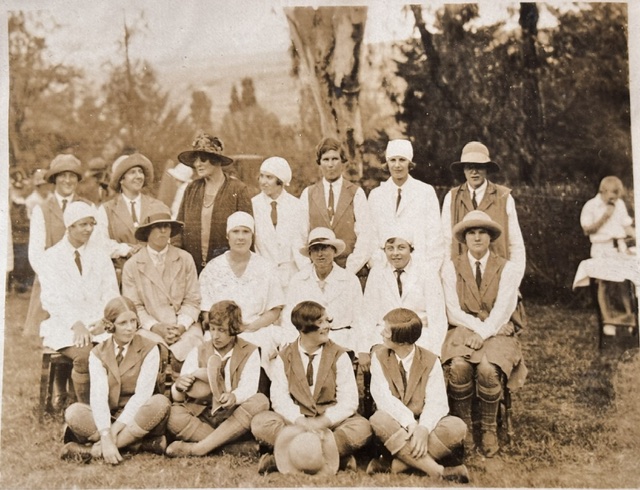

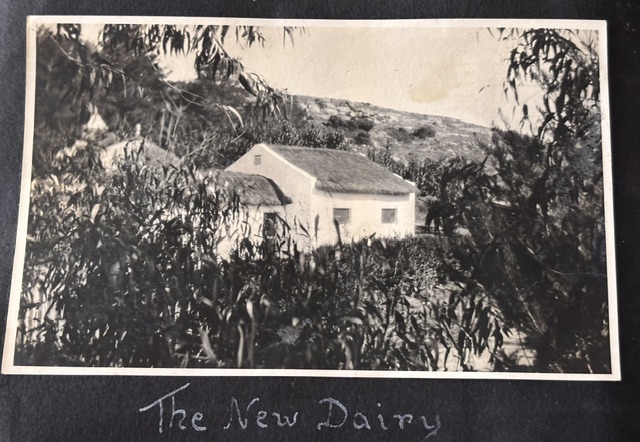

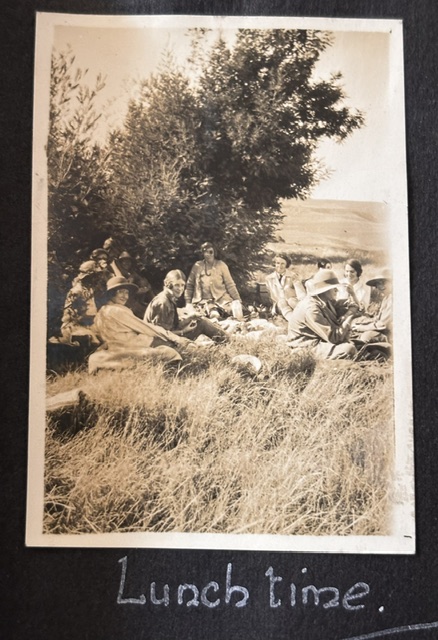
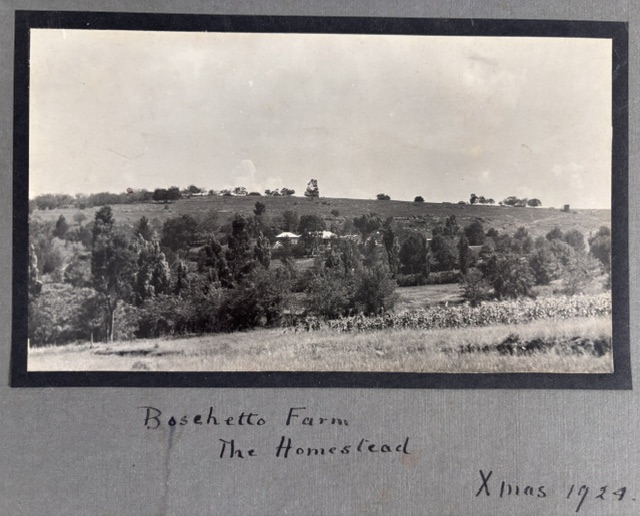
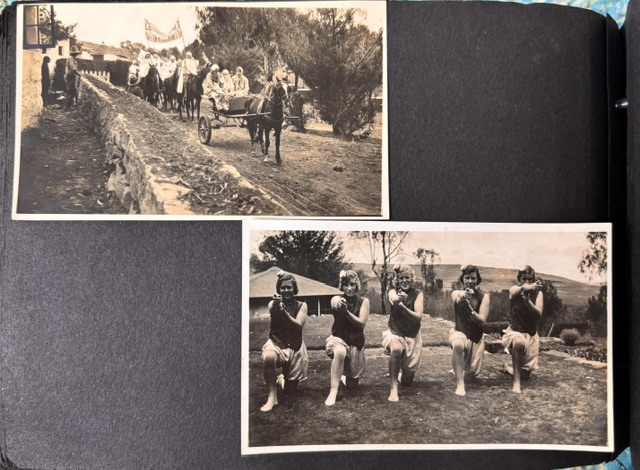
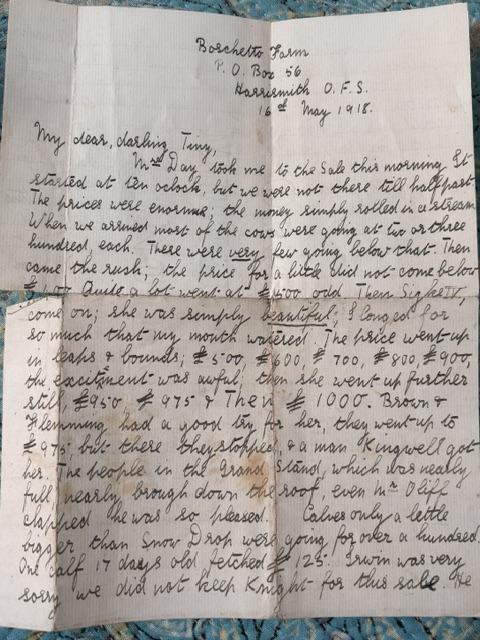
I have also used one of Candia’s pics as the feature pic at the beginning.
~~oo0oo~~
Sources:
~~oo0oo~~

People often rail against cuckoos and use all sorts of pejorative descriptions about them and their ways. Hey! Cuckoos gotta do what cuckoos gotta do. Nature. Survival. Survival of the fittest. Evolution. Life. Bird life.
Consider three things: 1. Cuckoos have no alternative. This is the ONLY way they can breed; 2. Cuckoos eat a whole bunch of caterpillars, even the ones with poisonous hairs and barbs. We need cuckoos. 3. Anthropomorphising animals is never a good idea. Cuckoos aren’t little feathered humans deciding ‘What the hell, I’ll drop the kids off at a neighbour’s house and abandon them there.’ And don’t the lucky among us humans drop off our young at other places for at least part of at least some days?
So I’m always disappointed when people use descriptions like ‘nasty cheat’, ‘treacherous’, ‘deceitful’, etc when describing cuckoos. Many birds like hawks and eagles who do bring up their own young catch and kill other birds – including baby birds taken from their nests – to feed to their young. It’s all just nature, people!
In fact the ‘arms race’ between cuckoos trying to lay their eggs in their hosts’ nests and the hosts trying to thwart the cuckoos makes for fascinating natural history.
And every now and then one might even get to see it happening! I did once and this story of an African Cuckoo coming to a sticky end after trying to enter an Indian Mynah nest reminded me of it.
My encounter was on the last day of a Dusi Canoe Marathon back in the nineteen eighties. I was drifting along on the Umgeni River just upstream of the big N2 bridge across the river, wishing the current would do a bit more to get me to the finish at Blue Lagoon, when I heard a ruckus and saw a bunch of weavers chasing and mobbing a bird. As I got closer I saw it was a Diederik Cuckoo pulling its best aerial dogfighting maneuvres to try and escape the mob. Even flying upside down some of the time so its claws could fend off the pecking. To no avail. They beat her down into the reedbed and then down the reeds onto the water. Then I was past the scene of this neighbourhood vigilante action. So I didn’t see the end and don’t know if the Diederik was actually killed, as the Mynahs in North West Province killed the African Cuckoo. Fascinating!
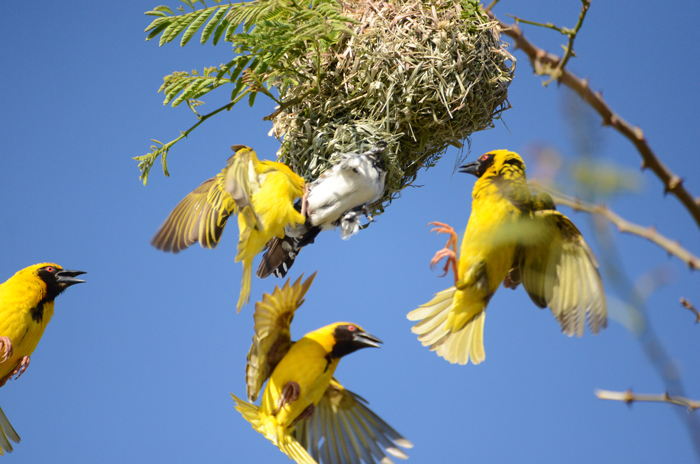
Thanks to rockjumperbirding.com for the Diederik and hbw.com for the African cuckoo photos.

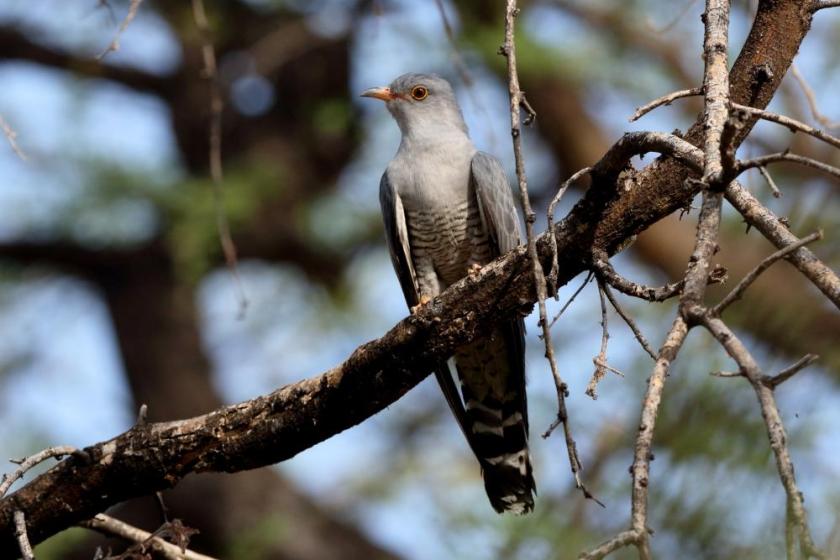
Other birds also parasitise nests. And here’s a fascinating talk if you’re really keen. It’s The Royal Society’s premier annual talk. About an hour on youtube.
pejorative – yeah, I also thought it was perjorative

Steve Reed visited SA from Aussie. He’s a Vrystaat boykie, mainly Bethlehem and was the mayor of Clarens – the first son actually – so was on a visit home.
Him: When visiting my bro in Johannesburg we had plenty of jams and preserves all from ‘Annies Kitchen’ in Harrismith. Wouldn’t be the famous Ann Euthimiou from Harries, would it?

Me: No, not the gorgeous young Annie the Greek, another Annie from Harrismith, a contemporary of my gran – who was also Annie.
Her grandson Leon Strachan was one year ahead of me at Harrismith se Hoerskool. Lived on a farm, but his gran lived next door to us in town. He hopped over the fence one day ca.1965 to come and moer me for my insults. He was giving me a good and well-deserved whipping when younger sister Sheila came to my rescue, jumping on his back and beating him wif a bamboo, putting him to flight.
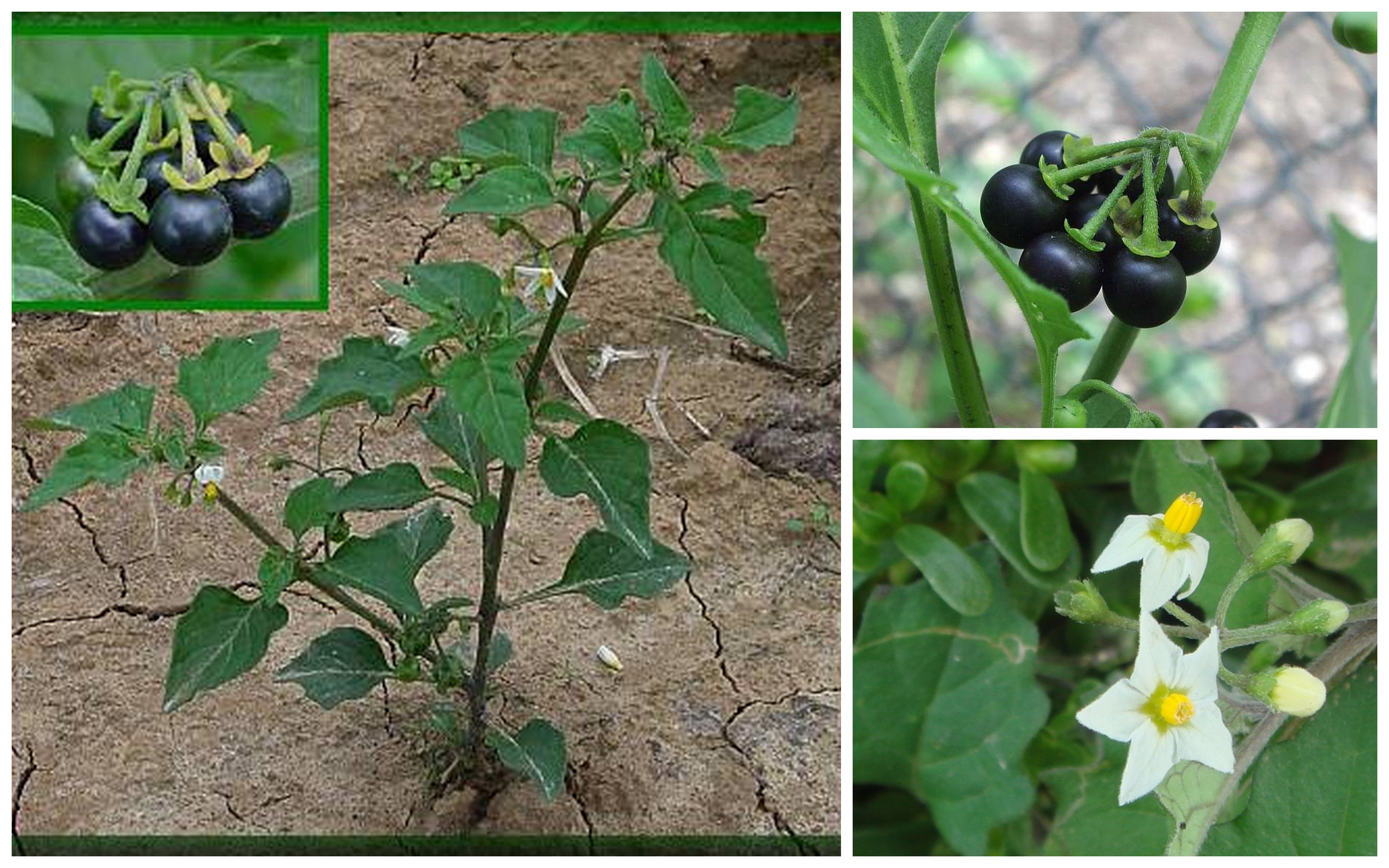
A first-class fella, he has written four books about Harrismith. I have one, Sheila has loaned me two more, and I have borrowed the fourth from Leon himself. He and his wife Elsa farm on Nesshurst, south of Harrismith on the Natal border. He grows and harvests black nightshade (nastergal – Solanum nigrum) and makes that mauve jam with black berries we called masawba – more correctly umsobo or sobosobo. They also make lots of other jams ‘in season.’
They branded it ‘Annie’s’ after his rooinek gran. Like me he had an Afrikaans side Strachan that originated in Scotland, and an Engelse side Davie. ‘Twas his rockspider gran Strachan what lived next door to us.
This info from the defunct harrismith.co website:
Op Nesshurst met sy allemintige dam groei en besproei Leon en Elsa Strachan nastergal wat hulle in die plaasfabriek inmaak om die wyd-bekende Annie’s konfyte met die veelkleurige etiket met twee tarentale op te maak. Jare lank reeds sien ‘n mens nou oral in die land die bekende flessies met nastergal en tot soveel as twintig ander soorte konfyt. Die beroemde Annie’s konfyte van Nesshurst. Nastergal (Solanum nigrum) dra bossies klein, ronde bessies wat donkerpers is wanneer hulle ryp is.
My translation: Leon and Elsa Strachan make lovely jams (American: jellies) on their farm Nesshurst near the Free State / KwaZulu Natal border. Probably their most famous one uses Solanum nigrum berries, European black nightshade. Although parts of this plant can be toxic, the real deadly nightshade is a different plant. The good one’s berries are a dull, powdery, dark purple in bunches, the deadly one has single glossy black berries.

Steve: Well it was blerrie lekker konfyt. And he obviously did not moer any significant amount of sense into you from what I have been able to observe since ca.1974. My eldest brother Doug (68) looks after his health, having had a couple of stents a few years ago. He cycles furiously (the Argus, the 96.4 or whatever long races are going) and golfs twice a week. His one weakness is for the blue cheese, crackers and Annie’s preserves, accompanied by bottomless refills of post-prandial brandy, port, or whatever other alcohol comes to hand. I spent seven nights with them and woke up with a headache on all seven mornings. He woke me up fresh as a daisy with heart-stopping strength coffee every day. Most mornings I was in an arrhythmic state as a result. He couldn’t understand what the hell was wrong with me.
~~oo0oo~~
2025 update: Annie’s Jams have cut back on their jam making, mainly just servicing a few long time outlets – but they also do orders via courier. So you can try and order on mobile number (as well as Whatsapp) 083 277 1891 and e-mail: anniesjam50@gmail.com
~~oo0oo~~
Harrismith se Hoerskool – Harrismith High School; remember your umlauts for decorum; altho without the umlaut you could learn a lot more
moer – thump; but when Steve said it: educate
Rooinek – English-speaking; Pommy; uitlander; often preceded by fokkin
Engelse – English, but usually not from England; more ‘not Afrikaans’; Like when any new product or gadget impresses, someone might say admiringly / mockingly ‘Dis wonderlik wat die Engelse kan doen,’ even if the gadget was made in Sweden
blerrie lekker konfyt – bladdy nice jam
Dis wonderlik wat die Engelse kan doen – this is a nifty new gadget
~~oo0oo~~
The pics of the museum on Nesshurst are from Harrismith’s best blog deoudehuizeyard – now blogging at https://kameelhuisetussenspore.blogspot.com/

The Native Americans in Apache welcomed me very hospitably. One concerned Rotarian drew me aside at the time of the 1973 Wounded Knee incident which was very big news in Oklahoma. Oglala Sioux and AIM activists occupied the town of Wounded Knee, South Dakota. US Marshals, FBI agents, and other law enforcement agencies cordoned off the area.

The activists had chosen the site of the 1890 Wounded Knee Massacre for its symbolic value. The military was armed, the protesters were not. The Rotarian told me to be careful; the AIM was restless and could kidnap me to make demands. He certainly meant well, but it sounded far-fetched to me. After 71 days the occupation ended. Two protesters had been shot dead.
I got nothing but inclusive friendliness from the many American Indians, as they called themselves then, at school. At school they were classmates and Apache Warrior teammates in athletics and football. They invited me to a traditional pow wow one evening, and they presented me with gifts at one of their functions.
. . .
Melvin Mithlo was a year my junior at school. He was a keen member of the American Indian Movement AIM and was fascinated by stories he had heard of the Zulus in South Africa. He would ask me about them and teach me about American Indian history. Given my avoidance of history – I gave it up in high school as soon as I could – and the poor white-wash version of history that we were taught anyway, he taught me way more than I taught him. Not that he learnt his history in school. The real history of the American West was so much more crooked, sad and brutal than the star-spangled bullshit taught by teachers. As in South Africa, they would be following the official white-wash school syllabus.
Melvin taught me about the AIM which, just before I got to Apache, had gathered about 800 members and people from other Indian groups from across the United States for a protest in Washington, D.C. known as the Trail of Broken Treaties.
He also taught me about Wounded Knee the tragic last hurrah of Indian independence in 1890. Briefly, Native Americans were squeezed into ever-smaller areas and every time they were allocated land, promises were reneged on and more and more land was stolen by settlers or government. Any resistance was depicted as hostility and the army – and vigilante bands – were sent in to murder any resisters – or even peaceful people. Many settlers believed the only real solution to the “Indian Problem” was extermination.
In broad strokes, U.S. government policy toward the Indians of the Great Plains and Far West went through four phases in the 19th century:
The natives lost at every step, they were lied to and cheated at every turn, and their territory and rights shrunk with each new phase. The saying ‘White Man Speak With Forked Tongue’ was simply the plain truth.
Around 1890 a Paiute holy man in Nevada preached a new sort of nonviolent religion. If Indians gave up alcohol, lived simply and traditionally and danced a certain slow dance, the Great Spirit would return them their lands, and white ways and implements would disappear. By the time the belief reached the Northern Plains and the Sioux tribe, it had garnered a slightly more militant message and spread widely among the hopeless and despondent tribe. The “Ghost Dance” terrified whites and Indian agents, and when a band left the main reservation to dance on the Badlands of South Dakota, the U.S. Army sent in the Cavalry. Tribal police were sent to arrest Sitting Bull at his home, and in the violence that followed, Sitting Bull and more than a dozen other men—both policemen and supporters of the chief—were killed.
490 cavalrymen then set out in the winter snow and surrounded the Ghost Dance band along Wounded Knee Creek. The soldiers began disarming the Sioux when a gun went off. A massacre ensued, and the soldiers fired four new big machine guns down into the encampment from all sides.

Virtually all the Indians – one hundred and forty-six of them – were killed, including 62 women and children. It was a massacre. Twenty-five soldiers were killed, most of them probably shot in crossfire from their own forces.
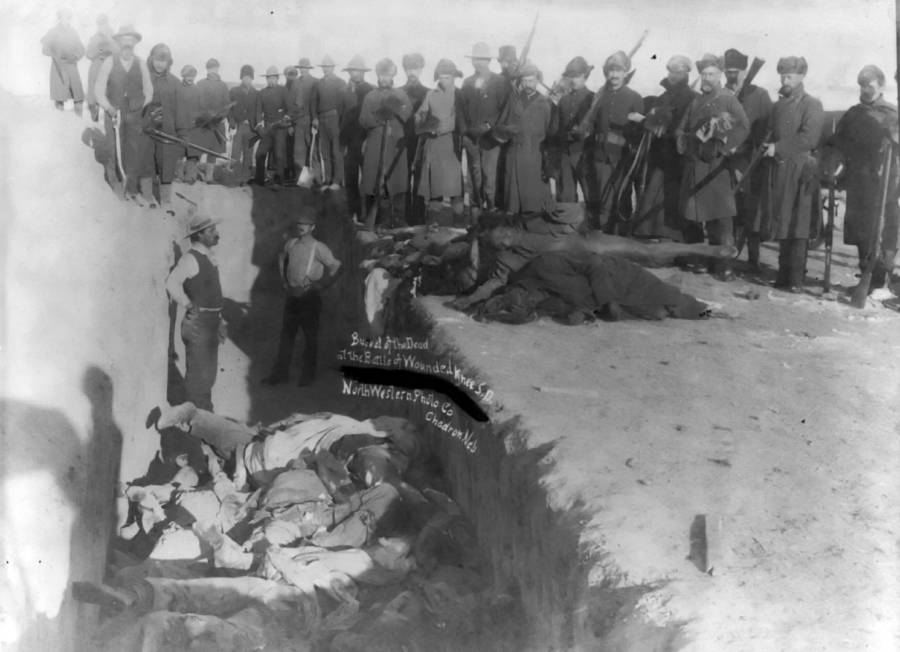
The U.S. Army – desperate to depict the incident as a “battle”- in a despicable, dishonest aftermath, awarded no fewer than twenty ‘Medals of Honor’ to the troopers at Wounded Knee. They have never been rescinded.
(Shades of the British defence against the Zulus at Rorke’s Drift after their big thrashing at Isandlwana. Eleven Victoria Crosses were dished out there to act as fig leaves and little was said of the equally despicable massacre that followed the defence. I wish I had known that inside story to tell Melvin!)
The Massacre at Wounded Knee was the biggest domestic massacre in U.S. history. One hundred years later both U.S. houses of congress issued a half-baked apology of sorts: only a voice vote was taken, no-one had to stand up and be counted; no reparation was offered; no shameful, undeserved “Massacre Murder Medals of (dis)Honor” were rescinded.
=======ooo000ooo=======
 Vrystaat Confessions