Whaddabout?

  • The MacFadyen Boys

    The MacFadyen Boys

    Mr & Mrs MacFadyen had a shop in Harrismith where they sold implements. Farm implements? I dunno, says 96yr-old Mom, I think so. They lived in a house near Dr Reitz. That’s in the centre of town. They had four boys and Margaret. Then I think Mrs said enough.

    We always pronounced their name ‘MacFadgin.’ I don’t know why. It was spelt with a Y but pronounced MacFadgin or MacFadjin.

    All four boys went to war and only two came back.

    Douglas and Ian died, Billy and Bruce made it home. When the King and Queen came to Harrismith in 1947 they made a point of calling Mr & Mrs MacFadyen up to shake their hands.

    ~~oo0oo~~

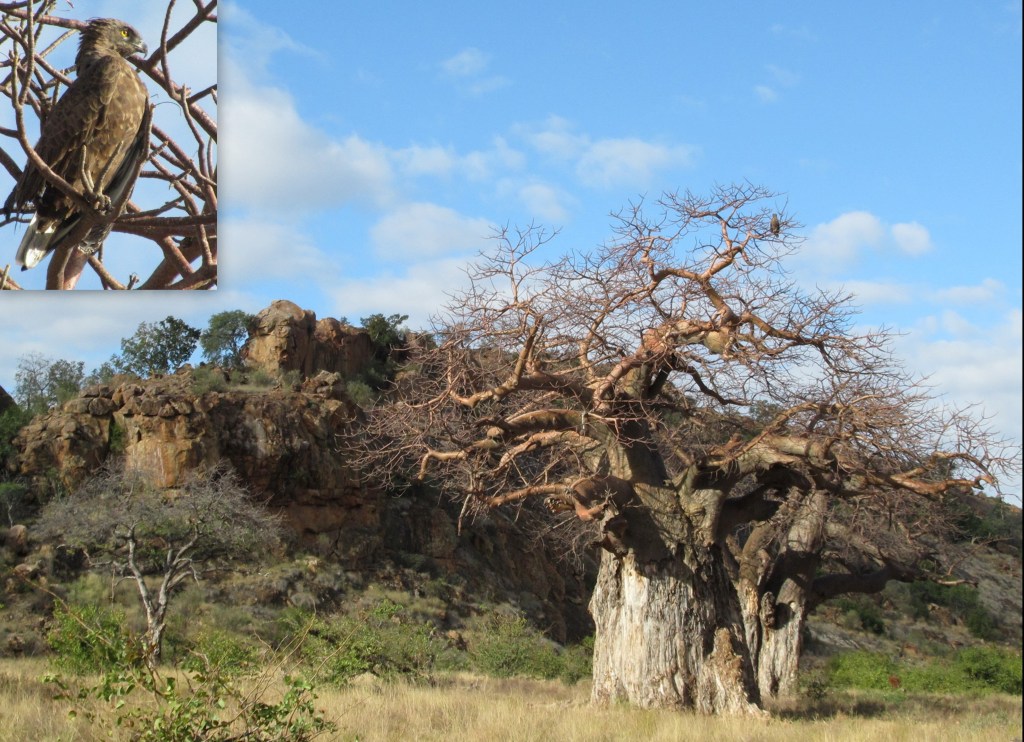
    The feature pic is Kaoxa Camp near Mapungubwe. I used it because across the road is a Duncan MacFadyen gate to the Oppenheimer ranch/diamond mine. He is a conservationist and maybe a descendant of our MacFadyen boys, who knows?

  • Fore, Jimmy!

    Fore, Jimmy!

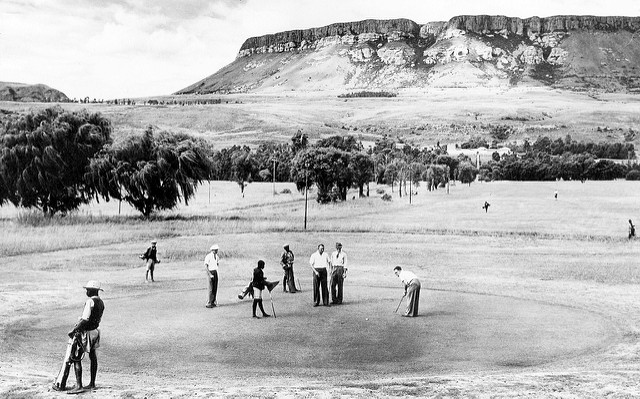
    Mom was playing golf on the front lawn of Granny Bland’s home in Stuart Street. Her Dad Frank had laid out a course and Annie, Frank, cousin Leslie and her youngest son Michael joined in, Michael only about 4yrs old. As they were playing, James Farquhar Esq walked past, raised his hat and said in his broad Scots accent, straight from Orkney Archipelago, “Good Morning Frank!” Frank replied, “Good morning Jimmy.”

    Raising his club lil Michael called out, “Good morning Jimmy!”

    Mom and Leslie packed up laughing. That just wasn’t done, you know, back then, says Mom chuckling now, eighty years later. For a little boy to call a gentleman by his nickname!

    – Granny Bland standing on the fairway –

    ~~oo0oo~~

    Orkney is 10 miles colder than Wick in Caithness, where our great-grandad Stewart Bain came from. It’s off the Scottish mainland and consists of seventy little islands. So it should be called Orkney Islands, or Orkney Archipelago, but no, the Orkney ous call it Orkney and they call the biggest of those tiny islands “the Mainland.”

  • There was a Good Harry Smith

    There was a Good Harry Smith

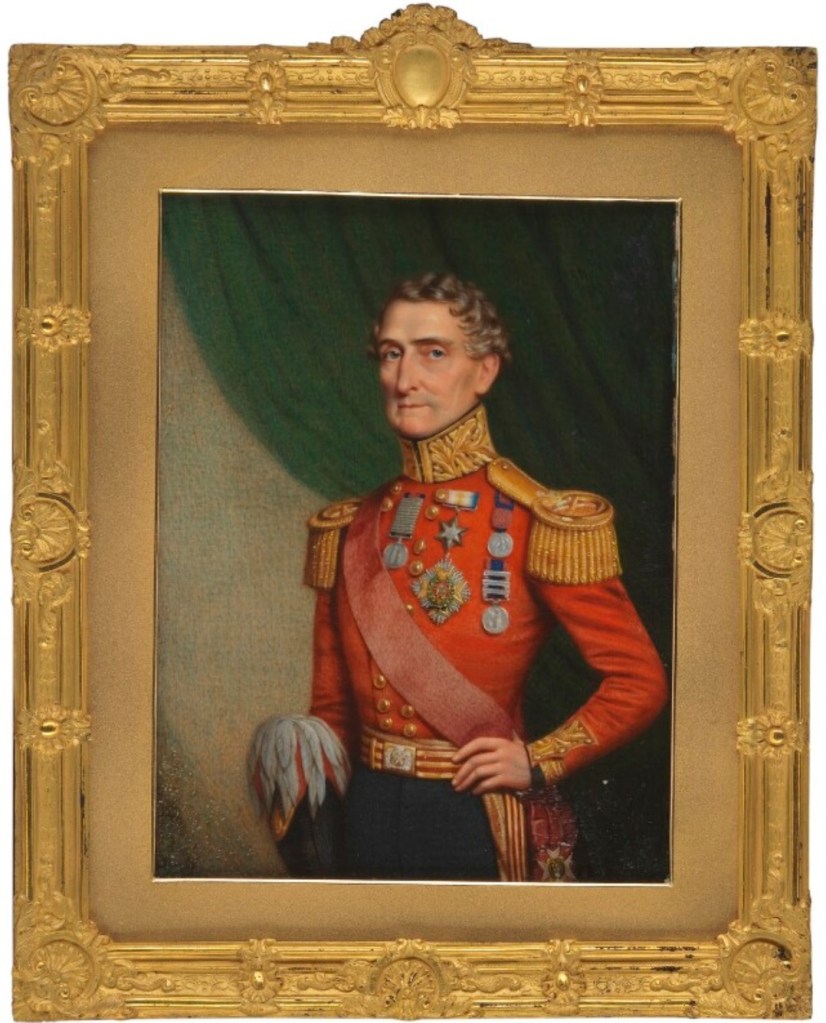
    I don’t like Harry Smith, so make my bias obvious upfront. I have taken the things I dislike about him from some very interesting writings on him by Andrew L. Harington and Thomas Keegan. So this is not a one-eyed view; I believe it to be true as these fellas do their homework! Maybe his redeeming quality was his abiding love for his wife; and maybe the fact that he was just doing what the white supremacists who reigned at the time and who were his ‘bosses’ and his fellows, secretly or overtly actually wanted him to do.

    Henry Wakelyn Smith or, as his juniors sometimes called him behind his back, Hurry Wackalong Smite’s first entry into Grahamstown as governor of the Cape ‘was the greatest celebration the town had ever known. Triumphal arches and every means of decoration and salute that could be devised adorned the streets.’

    The white people of Grahamstown were welcoming one of the most villainous characters in South African history, renowned for his excitable nature, appalling temper and unfortunate habit of ferocious swearing. They were wanting him to lead the war against the Africans who lived there. Smith was, by all accounts, incredibly belittling and aggressive in his interaction with the native chiefs. Soon after arriving at the Cape in 1847, Smith announced himself as the ‘Paramount Chief’ and ‘father’ of all the Xhosa. Smith believed that, ‘The Kaffir, like every other barbarian, is a desponding creature; and, when, once subdued, easily kept subordinate.’ On a number of occasions Smith presented himself as an overly antagonistic bully. Upon his arrival on the docks at Port Elizabeth, he was greeted by hundreds of individuals who gathered to hear him speak. One of these was said to be Chief Maqoma of the Ngqika Xhosa – a general who had fought against Smith to great avail in the Sixth Frontier War of 1835. Upon seeing Maqoma, Smith apparently glared at the chief whilst half drawing his sword from his scabbard. After the speech, Maqoma was summoned by Smith and ordered to his knees. Smith lay his boot onto Maqoma’s neck and is claimed to have said, ‘This is to teach you that I am come hither to show Kaffirland that I am chief and master here.’ Later, in an incident wherein Chief Sandile offered to shake Smith’s hand, Smith ordered that he kiss his boots instead. He was also said to have torn up a piece of paper, symbolizing the treaty of 1835, in front of a gathering of Xhosa chiefs, and thereafter ordered these chiefs to once again kiss his boots.

    To this day we are are living the consequences of his – and many others’ – brutal arrogance.

    There’s a good Harry Smith?

    Wikipedia has four baseball Harry Smiths; six cricketer Harry Smiths, one who appeared to always bat number nine for Transvaal and South Africa, yet never bowled! Ten footballing Harry Smiths; And sundry others, one of whom I think was a good Harry Smith: Harry Leslie Smith, born in England in 1923 and died in Canada on 28 November 2018.

    My kind of Harry Smith tweeted common sense like this at the age of 92: If a dentist can afford to spend $50,000 to kill a lion, it tells me the rich aren’t taxed enough. #CecilTheLion http://t.co/8kKuzPRE0b — Harry Leslie Smith (@Harryslaststand) July 28, 2015 

    This Harry Smith was the son of a coalminer; he grew up in poverty after his father became unemployed. His sister Marion died of tuberculosis. When he was seven he was working as a barrow boy for a beer bottler in Bradford, supporting his entire family. They moved frequently and he spent time sleeping in workhouses. He joined the RAF, subsequently spending several years in Germany as part of the Allied occupation force. While there he met his future wife, Friede.

    Here’s Good Harry Smith’s decision to not honour ongoing warfare:

    https://www.theguardian.com/commentisfree/2013/nov/08/poppy-last-time-remembrance-harry-leslie-smith

    Modest Circumstances

    SIR Harry Smith’s biographers will tell you he was also born in modest circumstances. However, there’s modest and modest: He was born in Whittlesea, Cambridgeshire in 1787, where his father was a surgeon. In 1805 he caught the eye of Brigadier-General Sir William Stewart, who made him an officer, immediately hugely improving his prospects.

    ~~o0o~~

    update: So I for one am happy to call my town by the old name for the mountain that makes the town what it is: Ntabazwe

    ~~oo0oo~~

    Here’s a kinder look at the soldier Harry Smith by Harrismith blogger Sandra of deoudehuizeyard.


  • Crafts – Early Attempt

    Crafts – Early Attempt

    Arts n Crafts were not I nie. I made a skinkbord in houtwerk and it was coming along nicely. I could envisage a gold OK maybe bronze medal at the Landbou Skou. One of those ribbons, a rosette, maybe a card saying ‘excellent dovetail joints’ or some such.

    Sanding was a pain tho, so when Giel wasn’t watching I gryp’d the belt sander and ‘sped things up.’

    Oops! That machine has quite a kick!  Varktap. End of my skinkbord!

    ~~oo0oo~~

    skinkbord – tea tray

    houtwerk – woodwork

    Landbou Skou – Agricultural show

    Giel – Heilige Giel, woodwork teacher, talent-spotting rugby coach and black Mercedes 190E owner

    gryp’d – grabbed, without permission

    Varktap – beyond repair

  • Sheila Family History – The de la Rey Connection

    Sheila Family History – The de la Rey Connection

    Me to Sheila: (2012)

    Subject: de Wet

    Sheila, tell me again where Generaal de Wet fits in to Ouma’s family.
    Apparently he won a battle in the Freestate where the Hysterical Tour is headed right now, so I need to brag about my connections.

    When the Brits win the battle Ken Gillings is brainwashing us about, I tell them about Annie and her love of Mrs Queen, but this battle I’m gonna need my Boer connections.

    Who else can I claim? 

    ~~oo0oo~~

    Sheila: Not de Wet, but de la Rey and Botha

    Not de Wet – but de la Rey. Ouma’s ouma (her mother’s mother) was Boer Generaal Koos de la Rey’s sister – she married a Bezuidenhout and produced a daughter who married a Bodenstein and they produced Ouma. So we are directly descended from de la Rey’s father, not Gen Koos de la Rey himself.

    Boer Generaal Louis Botha was married to John Bland’s first cousin, Annie Bland Emmett. John FA Bland II was Granny Bland’s husband. He was a lawyer in Harrismith – his own wife called him Mr Bland!

    Mr John Bland and Annie Bland Emmett were both grandchildren of  Josiah Benjamin Adam Bland – the first Bland who came to SA in 1829. He became mayor of Mossel Bay – the main street is named after him.  I have the letter of introduction he had for the Cape and the ship captain’s receipt for his passage on the Nautilus; Hugh Bland has the ring he was wearing.  He married a du Plessis and had lots of kids.

    There is something about the English Blands from Harrismith going to Ceylon as POWs during the Boer War, but I’m not exactly sure who they were – must have been two of our Granddad Frank’s brothers?

    ~~oo0oo~~

    Me:

    Aha! So: General Koos de la Rey had a sister who had a great great great great (4 greats) grandson: Me, Koos.

    Anyone who fought for the Brits?

    ~~oo0oo~~

    Sheila:

    No, not four greats – just two.

    Sister of de la Rey married a Bezuidenhout. Her Daughter married a Bodenstein. Then her Granddaughter (our Ouma) married a Swanepoel. Ouma and Oupa Swanepoel in Maritzburg.

    So her Granddaughter was Ouma. Her Great Grandson was our Dad. And her Great Great Grandson was YOU!

    I don’t know of any Pom soldiers.

    And that’s it, I’m afraid.

    ~~oo0oo~~

    So I’m two greats down from the sister of ‘The Lion of The West,’ and have zero bragging rights in any Freestate battles, zero connection to Die Dapper Generaal De Wet! *sigh* Gonna have to keep my mouth shut on this Hysterical Tour outing.

  • Old Broads – Harrismith and Abroad

    Old Broads – Harrismith and Abroad

    Email from: steve reed – Mon, 28 Nov 2011

    to: Pete Swanepoel; Peter Brauer; Dave Rorke; Sheila Swanepoel

    Subject: Old timers rock.

    A joke shared at work this week reminded me of a classic moment from the past.

    Pringle and Maddie were sisters, both spinsters in their early eighties. Pringle lived a good three hour drive away up the west coast at Omapere. She would come down to Auckland about four times a year to see her sister and get her stuff done, among other things an occasional eye test with their tame optometrist, yours truly, who would deliver the glasses to Maddie’s place up the road when necessary. Lately they are both looking a bit older and shakier.

    So Pringle comes in (late as usual for her 10am appointment)  and when we are getting up close she says to me (no apology mind you): “Look, there may be a whiff of alcohol. Maddie and I like to have a whisky and milk when I arrive from up north. It’s a bit of a nerve wracking drive down, you know.”

    “Women after my own heart,” I say to her, cementing our friendship even further, thinking I wouldn’t mind one myself.

    ~~oo0oo~~

    Brauer replied: The old duck was probably too bashful to admit that the wee dram was in preparation for the trying ordeal of decision making required between “number one and number two” when they all look the bloody same – and awful at that!

    ~~oo0oo~~

    Koos wrote: Harrismith had a number of sets of old spinster sisters:

    The Hawkins, Flo & Madge & Bill & Blanche
    Lived at Watersmeet, where the Kak Spruit flows into the mighty Vulgar River on the northern edge of the metropolis. The new bypass slices through their front garden. One was a headmistress and varsity lecturer and author (I have one of her books, The History of Harrismith – riveting stuff);

    The Simpsons, Vera** & Joan
    Ran a dairy on townlands on the JHB road just past the Verkykerskop turnoff; Seen in town every day with just a shock of white hair peeping above the steering wheel of their tiny grey Morris Minor bakkie with huge silver milk cans on the back, strapped to the cab – delivering milk to their faithful customers. Supply your own bottles, they’ll decant into them – how green was that! One of them slept on the open verandah of their old farmhouse – I can see her bed in my mind’s eye as clear as yesterday – summer and Harrismith winter for about 100 years. About. Wonder what the price of their milk was? Years later I got a letter in America. 1973. From my sat-next-to-each-other-from-Sunday School-to-Kathy-Putterills-to-Sub-A-to-Matric buddy Fluffy bemoaning the terrible fact (he even said “I don’t know where it will end”) that the price of milk had gone up to 6c a pint and the Scope magazine now cost 20c;

    The Jacobs, Marie & Bessie
    Lived on Walton farm, a paradise on the upper Vulgar River, huge old sandstone house in a garden filled with massive oak trees; Took over the farming when their father died and slowly earned the respect of all the boere with hairy chins (by out-farming them and not rubbing their noses in it); Had a second farm in the Vrede district and roared between the two in their white bakkies; Beesboere, mainly. They helped rescue me and my Italian mate Claudio when we wrapped a canoe borrowed from the Voortrekkers around a tree stump wedged in a rapid on their farm while tripping from Swinburne to Herriesmif on a swollen Vulgar River back in Std 9. 1971. I see old Claudio, engineer, from time to time and when he introduces me he says “Meet Koos. I slept with him.” We shared a damp sleeping bag – the other one was soaked.

    As far as I know, though, none of these spinster sisters “dopped” publicly. Or not much.

    **Vera was famous for asking, at a church meeting where they were desperately searching for “elders” to take the collection for the dwindling Anglican church, and Tabs Fyvie’s name was mentioned as a possible sanctimonious candidate – or anyway as a candidate:
    “Has his shadow ever darkened the door of this church?”

    The nomination was quietly shelved.***

    (Mom Mary also thinks this may have been Flo Hawkins)

    ~~oo0oo~~

    Sheila wrote: Loved reading your e-mail – brought back so many memories – am going to forward it to Etienne, Lynn, Redge, Pierre, Ann and Shirley Mason if you don’t mind and cousin Mike in USA – his memories of Harrismith are also priceless – I’m sure he’ll remember some of these old ducks. 

    Who wrote to you about the price of milk? Was that Fluffy Crawley? (ed: Yep)

    Spoke to Mum – the 5th Hawkins sister was Vi – she was tall and rangy; Mab (not Madge) was short and fat; Blanche wrote the book on Harrismith history; Bloody Bill (actually Mary) was a nurse up north in the war.  They had one brother, who actually married. His grandchild Jill used to visit and play with Barbara – her mother was Val. Their plot on the edge of town was called Watersmeet, full of tall lush green trees, probly cos one of the Waters that Met was the Kak Spruit.

    The Simpsons’ farm was Moyeni – windy. Their step-mother, Dame Simpson, came to live with them for a while. Vera was the bigger of the two and had the square jaw and the wild grey hair – Joan slept on the veranda.  They also sold cream.  I can see that old grey bakkie so clearly, with that mop of grey hair spilling over the steering wheel.

    Mum nursed Norah Miller, who smoked like a chimney – apparently some guy went to Boschetto one day and knocked on the door – as he was telling the story, someone said, “Who opened the door?” “I don’t know, but she had one eye, one leg and a helluva cough!” This was the principal, Norah Miller – she had smoked glass on one lens of her glasses and a very bad leg – Dr Reitz made her some sort of metal caliper which helped enormously with her walking.  Dad used to sell ponies to the young lady students – Billy Leslie was one of them.  Mum remembers her cousin Leslie (Jessie Bain’s daughter) telling her the story of the “cough” but she can’t remember who the man was. (The feature pic shows Boschetto below the mountain with agricultural gals hard at work).

    ***Stella was furious about Blanche’s (ed: or Vera’s) comment – Tabs was perfect, didn’t she know that?

    The Jacobs – Mum agreed that old Mrs Jacobs didn’t have a name – she was just Mrs Jacobs – Bessie was the wizard in the kitchen and Marie worked with the animals and the crops.  Their cousin Robin Jacobs inherited everything when they died.  Remember the scuff marks from the British officers’ spurs which could still be seen on the low down window sills in that beautiful old farmhouse? I remember them so clearly.  The men used to hop in and out of the windows, instead of using the doors.  The house was commandeered by the Poms during the Boere Oorlog.  I seem to remember that we were camping on their farm when either the first heart transplant was done – or man walked on the moon – I can see us sitting huddled in the caravan listening to the radio – am I right?

    Koos: I don’t remember I’m afraid, my only clear memory of a visit to Walton was this: I veered off from the rest of the people in that beautiful garden to have a pee under one of the impressive oak trees. When I got back to the group, Mom was disapproving! She whispered that she “could see – and everybody could have seen,” how I was weeing because my one leg of my shorts was pulled right up, so it was obvious from behind what I was doing. I remember thinking that was not such a big deal, and though I just kept quiet, I couldn’t imagine that it was a cardinal sin. I was fairly sure me n Jesus were still an item.

    Who can add to these memories?  And the man who started all this is Steve Reed, whom many of you will remember as Spatchmo, Koos’s great mate from Optom Student days, now resident in NZ.  Ex-resident of Clarens – known as Nêrens since he left.

    ~~oo0oo~~
  • Update – Some of Mary’s Concerts

    Update – Some of Mary’s Concerts

    Hi Koos

    I remember you were “putting together” music played by Mum – I found these:

    From the programme “Musical Evening. In aid of the Hospital Fund” 8 March 1957

    Trio with Trudy Else & Esther Mouton –  “Eriskay Love Lilt” by Coleridge Taylor and “Passing By” by Edward Purcell and “Funiculi Funicula” by Danza

    Trio with Mona du Plessis and Esther Mouton.”Stil soos die nag”

    Verskeidenheidskonsert ten bate van Winburg Weeshuis 24 Mei 1957:

    Front cover billing:

    Damestrio: Ester Uys – Trudie Els – Mary Swanepoel

    Eriskay Love Lilt

    Passing By

    Wiegeliedjie – Mozart

    Somerstemming – Schubert

    In this hour of softened splendour – Pinsuti

    Funiculi Funicula – Danza

    From the programme of the “Hospitaal Konsert” 23 November 1957:

    Piano solo: Pierette by Cecile Chaminade

    Piano solo: Rustle of Spring by Sinding

    Trio with Trudy Else & Esther Mouton -“The dream of Olwyn” and “Come to the Fair”

    Sang en musiek konsert ten bate van M.O.T.H. 30 November 1957

    Piano solo “Autumn” and “Warsaw Concerto”

    Duet with Trudy Else “Somerstemming and One Alone”

    Now you know.

    Cheers

    Sheila

  • Precious Highveld Grasslands

    Precious Highveld Grasslands

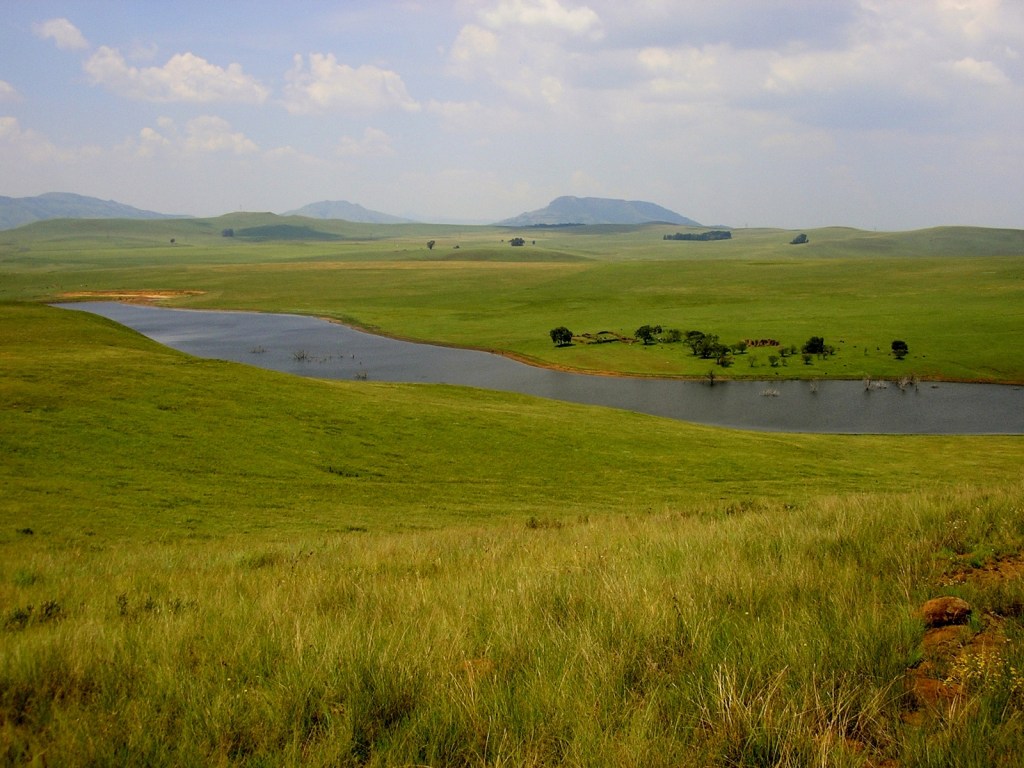
    This is a snippet, but I’m publishing it rough as I really wish more people valued grasslands and stopped ruining them!

    Beyond Harrismith, the travellers met with a wonderful sight. Almost as far as the eye could see was one huge, living, moving mass of game – wildebees, blesbuck, springbuck and quaggas. It was an indescribable, unforgettable sight.

    ELIZABETH RUSSELL CAMERON: REMINISCENCES OF AN EIGHTY YEAR OLD by Win de Vos

    In parts of the Free State where they outspanned there was no wood to be had for their camp-fires. To overcome this difficulty they would make a hole in the bottom of one of the ant-heaps, which were dotted all over the veld, and another at the top. Into the lower one they would stuff old, dry grass and bushes and set these alight, while the other acted as a chimney. Soon the ant-heap would start burning slowly, and some hours later they would have a mass of glowing coals. On these they boiled their kettles, grilled their meat and baked their as-koek.

    Near Harrismith the wagon in which the girls were travelling capsized. The tent was smashed to pieces but they were not hurt at all. Two men named Marais, passing that way with cart and horses, kindly offered to drive them to the neighbouring village. The native boys, however, managed to fix up the tent roughly so the sisters decided to continue their journey by wagon.

    When they reached the dorp, Elizabeth sold her wildebees skin for 4/6. What with this, the fresh meat and the biltong, she reckoned she got good value for her cup of ground coffee.

    Game was exceedingly plentiful in those days roundabout Harrismith. One of the storekeepers, a Mr. Evans, told her that he had bought two hundred thousand wildebees skins that year.

    LINK – https://samilitaryhistory.org/diaries/russl4.html

    CHAPTER 4Two Journeys by Wagon.

    In 1868 Mr. Russell’s lease of the mills expired and he could not get a renewal, so the family trekked to Maritzburg while he travelled about to look for a good business site. He decided to go to Bloemfontein for this purpose. Elizabeth wished to accompany him, as she did not want to let the chance of such a trip pass, so it was arranged that Annie should take her place at the school.

    When the travellers reached the Tugela, the river was up and there were between three and four hundred wagons waiting to cross. These belonged to the Boers from the Free State and the Transvaal who went once or twice a year to Natal to get supplies. These wagons, with their ox-hides filled with salted butter slung hammock-wise under them, made a sight never to be forgotten. The butter thus carried was exchanged for goods to the shopkeepers who packed it in barrels and shipped it to Mauritius.

    …….

  • The Battle of Harrismith

    The Battle of Harrismith

    . . 1966 and all that

    Mom Mary and Jo Hastings were nursing sisters at Harrismith Hospital. They got on well. She was a lovely person, says Mom Mary.

    When the time came for them to leave Harrismith for pastures new, Jo’s husband Michael said to Mom:

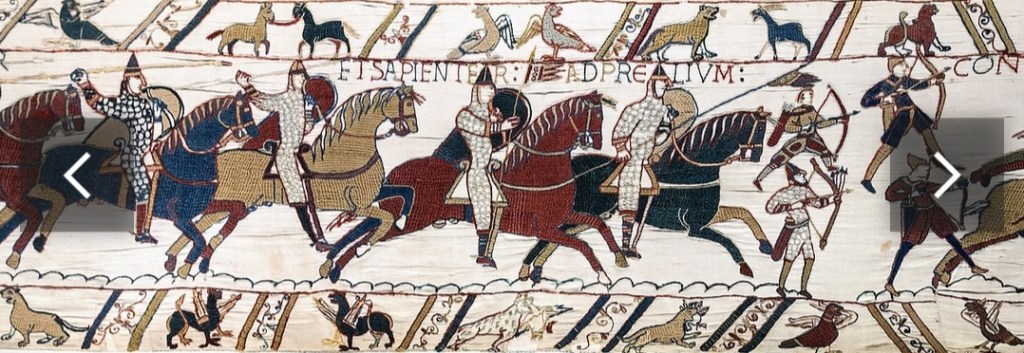
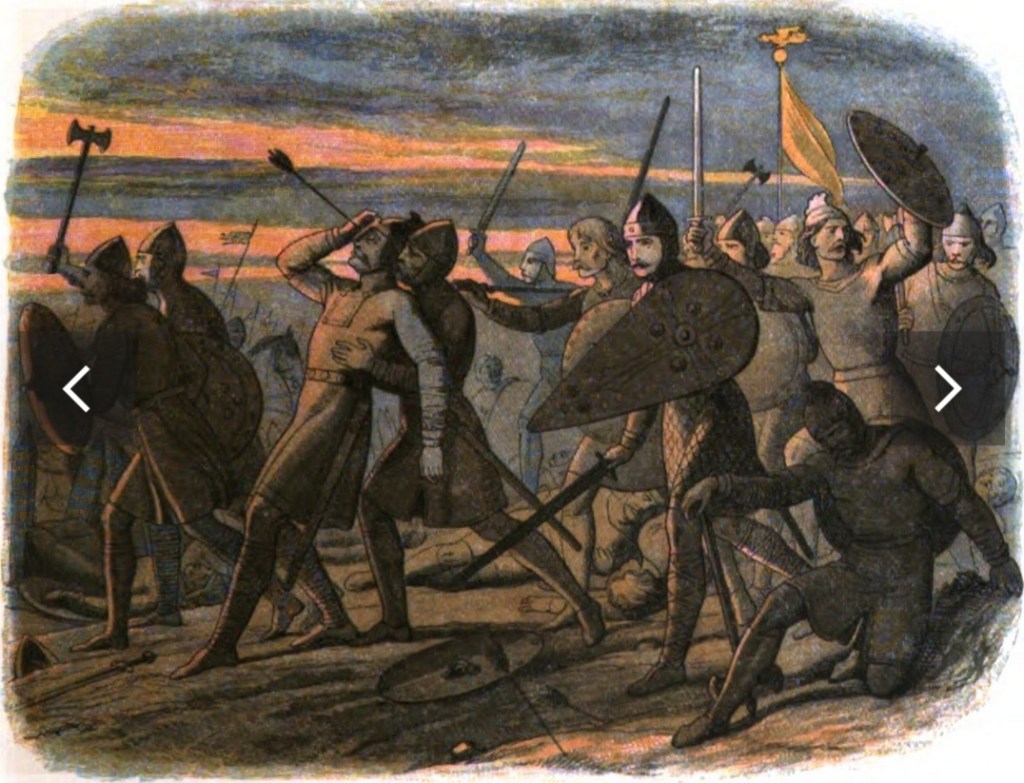
    ‘You know, there’s been a Hastings in Harrismith since 1066, but now the last one is leaving!’

    – Harold cops one in the eye at that other battle –
  • Guard the Manse

    Guard the Manse

    Raise the drawbridge!

    Mom tells of the time when The Formidable Terror, Tim Michell, our Methodist dominee’s youngest with a reputation for disturbing the peace, ran into our youngest sibling Sheila.

    One fine day Mom and Sheila went to visit Dorianne and Tim at the manse, next door to the old Wesley Hall in Warden Street. As soon as they arrived the Moms, looking forward to a peaceful chat, shoo’d the kids out to play outdoors.

    In no time Tim came wailing into the house complaining of something and demanding, Who are these people!? Dorianne said soothingly, ‘Timmy my boy it’s Mary and Sheila and they’ve come to visit.’

    Well why did you open the door!?

    Apparently he was not impressed as Mary and Dorianne collapsed with laughter.

    ~~oo0oo~~

    In the picture Tim left, Sheila right, Dries Dreyer in the middle