Found some old pics from Apache Oklahoma back in 1973.
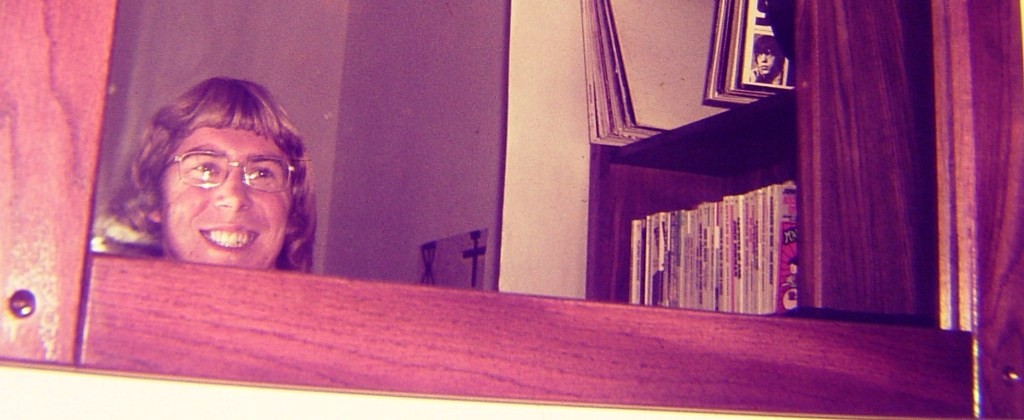
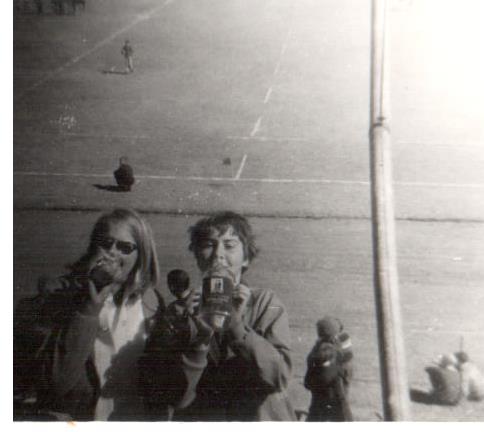
Dragging Main in a Ford Mustang with my Olympus camera – and taking original 1973 selfies!
Next, a self portrait at the Swandas home – my last hosts in Oklahoma.
Their farm outside Apache was called ‘The Swandarosa’ – kidding!! Not really – that was Robbie Swanda’s joke. But can you hear the theme tune?
– Bonanza – and the Ponderosa Ranch –
~~~oo0oo~~~
Well, can you believe this!? I was narrowly beaten to the prize of taking the world’s first-ever selfie! In fact the first photographic portrait ever taken might have been a ‘selfie.’
Taken in 1839 by an amateur chemist and photography enthusiast from Philadelphia named Robert Cornelius. Setting up his camera at the back of the family store in Philadelphia, Cornelius took the image by removing the lens cap and then running into frame where he sat for a minute before covering up the lens again.
~~~oo0oo~~~
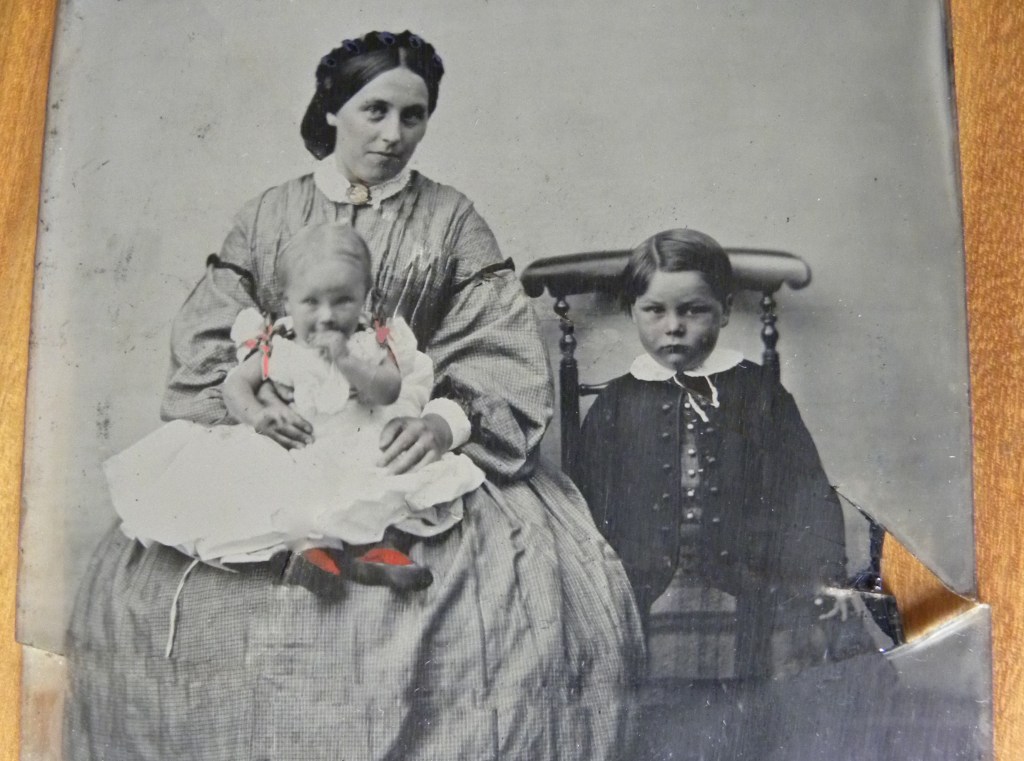
And hey! Cornelius himself was also a johnny-come-lately! Selfies were started way earlier . .
The baby in the feature picture is Mary Caskie, daughter of Alexander Caskie and Mary Craig.
Her father Alexander Caskie became mayor of Harrismith. She married JFA Bland II and gave birth to JFA Bland III.
JFA III Bland, called Frank, married Annie Watson Bain, daughter of Stewart Bain, mayor of Harrismith. So much of mayors, your worships!
Part of the stone wall which surrounded Granny Bland’s home in Stuart Street, Harrismith; and the oak tree her grand-daughter Pat Bland Cowie planted.
– Granny Bland’s garden wall in 2017 –– Pat Bland planted this oak in her Granny Bland’s garden – 13 Stuart Street Harrismith –
Bain Sisters Annie Bland and Jessie Bell lived with Granny Mary Bland after their husbands died. Annie’s daughter Mary and granddaughter Barbara Mary also lived there for a while. Barbara now has a daughter Linda Mary, who has a daughter Mary-Kate – So much of Marys !
– Annie Bain Bland, Granny Bland, Jessie Bain Bell –
The old home now has an artist family living in it and has been beautifully restored.
Apparently this was Granny Bland’s – we grew up with it in our display cabinet
– Bacchus – the God of Wine, Music and Dance – and 95 Stuart Street –
Granny Bland had a husband and five sons. She buried her husband and three of her sons in the same grave – later she was buried there. Her only surviving son Bunty later joined them all.
Mum says Barnie Neveling had a rather caustic tongue at times – it was he who told Mum that Frank Bland’s brother – either Bobby or Bertie – had “taken his own life” – he was a pharmacist and couldn’t live with his asthma any longer. Granny Bland spoke of it as an accidental overdose. Mum didn’t think it was necessary for Barnie to tell her that.
One of Granny Bland’s other sons, Alex, who was the Royal Hotel barman, played the piano. He cut his finger and it couldn’t straighten properly, so a friend offered to pay for the op to straighten it. Dr Reitz did the op and Alex died on the operating table. One of his favourite pieces was Rachmaninoff’s Prelude – Mum couldn’t remember the key – she sang a bit of it to me – looked it up and I think it was G Minor. Mum says that whenever it was played on the radio, they had to switch the radio off because it made Granny Bland too sad.
This wooden carving was from Granny Bland’s house. We (speculated?) it was carved in Ceylon by a Boer War POW. I wonder if it was actually carved by a Bland (Daniel du Plessis Bland) – the only family member we know was a POW, captured in the Free State, sent to Cape Town, then sent to Ceylon. I’m pretty sure the reverse side was blank, but didn’t take a pic!
– very Roman and Catholic though –– Granny Bland’s hot water jug – then Mary Bland Swanepoel’s –– ‘Ceylon 1902’ – we think this is from a Bland POW – Anglo-Boer War –– Granny Mary Bland’s silver serviette ring – which her granddaughter Mary used for years – I never did understand serviettes once there were shirtsleeves and tablecloths –
~~oo0oo~~
For those interested, here you can see the original broken daguerreotype Sheila had, and how I digitally ‘stitched’ or ‘healed’ it with FastStone Image Viewer (lovely program):
~~oo0oo~~
Update from Sheila on Granny Bland’s five sons:
John Francis Adam Bland III (aka Frank) our grandfather – married Annie Bain – two daughters, Pat – born 1925 died 1974 (married Bill Cowie – two daughters, Frankie and Jema) and Mary born 1928 (married Pieter Swanepoel and had 3 kids, Barbara, Koos – me – and Sheila)
Bunty Bland – married Eve Richter – one son, John (not the golfer) – he married Ethel, and they had a son James and a daughter Janine. John & Ethel divorced. John married a girl about 40 years his junior – I bumped into them in Durban once. Ethel, James and Janine all live in NZ. Janine has two kids, James has never married and has no kids – so out of Granny Bland’s five sons, there is no Bland to carry on the name. Granny Bland buried her husband and four of her five sons – only Bunty outlived her. They are all buried in the same grave in HS.
Albert (Bertie ) Bland never married, pharmacist, committed suicide
Robert Bobbie) Bland never married

Alec Bland - he had a crooked little finger, which he couldn't straighten - he played the piano and this finger bugged him, so Dr Frank Reitz offered to fix it for him - a friend sponsored the op (Mum knows who it was - I've just forgotten his name) and Alec died on the operating table.
Harrismith History – Free State Fables – Rural Legends . . well told.
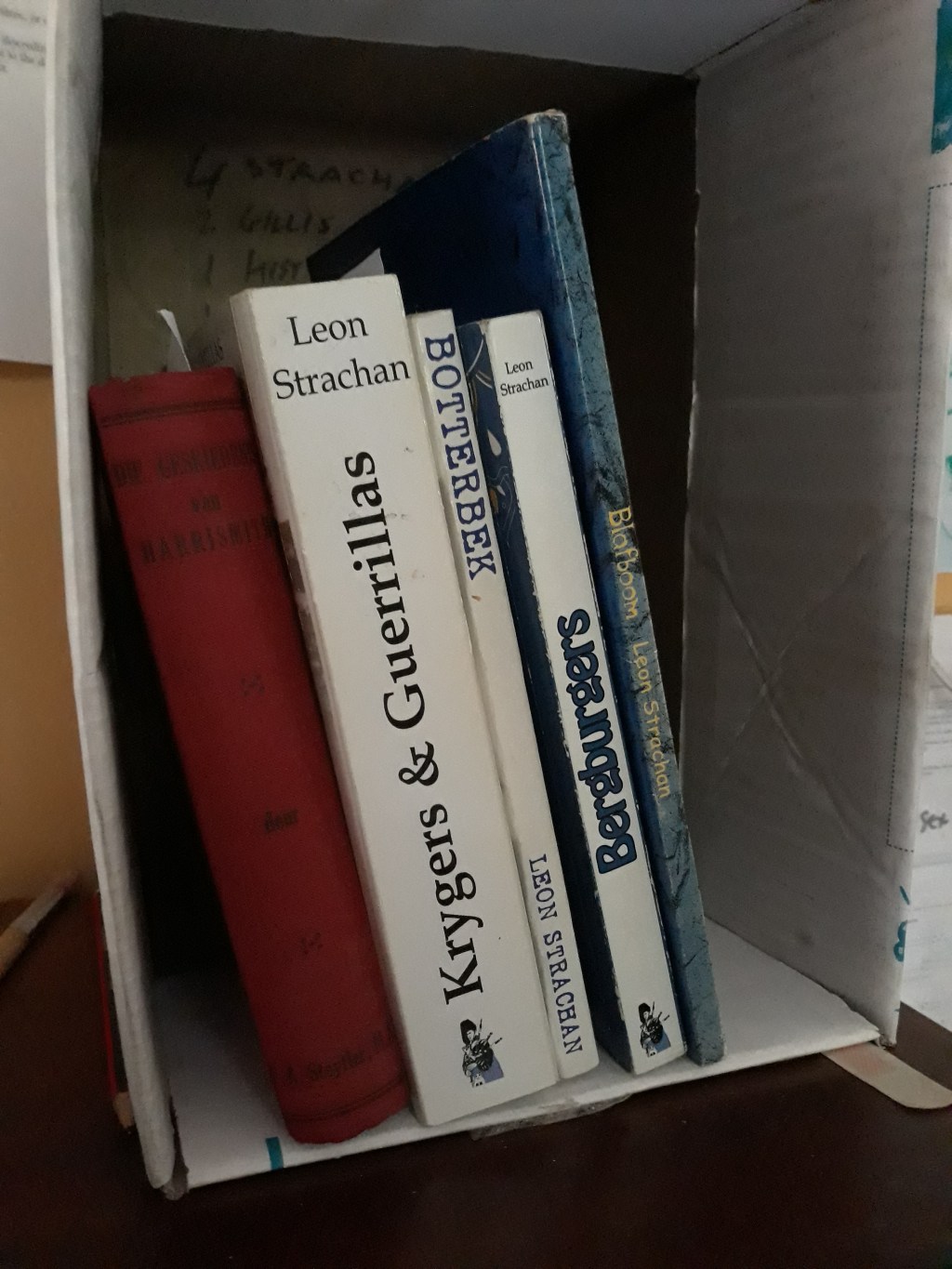
Harrismith has had a few published authors over the 171 years of the town’s existence. One day I’ll make a list. The best by far is Leon Strachan – imho of course! I have four of his books and am searching locally for the others.
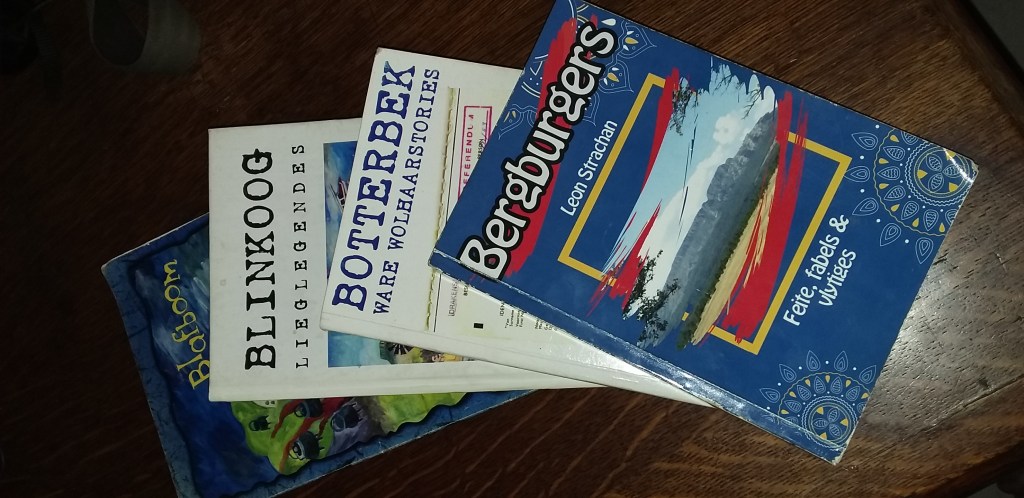
– Leon Strachan’s four books on Harrismith characters’ achievements, foibles, shenanigans, pecadilloes and kakaanjaag –
In 1999 Leon wrote Blafboom, tales of Harrismith characters bravely told even when some may not have wanted them told! Admittedly some are told anonymously, but those in the know would know exactly who he was writing about . . and shudder. Some, I must confess, left me in the dark, but with a burning curiosity: One day I’d love to ply him with whisky – he drinks scotch, as like me, he has Scottish ancestry – and get him to tell me who the culprits, the instigators and the victims were! Known characters include ‘the man who swapped his wife for a bicycle;’ Petronella van Heerden, pioneer, leader, doctor and farmer; Caveman Spies, famous local mischievous strongman; He also tells the story of some Byrne settlers who moved to Harrismith from Natal – a step up.
Blinkoog followed in 2002. My mother Mary Bland grew up on Nuwejaarsvlei on the Nuwejaarspruit. Their neighbours were Badenhorsts on Stratherick, and Odendaals on Sterkfontein and Eskol. She told the story of how freewheeling downhill was known as ‘using Casper’s petrol’ – ‘ons ry nou op Casper se petrol’ she would say, smiling. He was known as Suinige Casper (Frugal Casper Badenhorst would be one way of explaining his nickname). Today the beautiful and precious wetlands and streams and valleys of Nuwejaarsvlei and neighbours are irreplaceably lost, drowned under Sterkfontein dam. Sacrificed to feed the industrial monster of Gauteng / iGoli / Joburg. Dead water waiting to be flushed downstream and then flushed down a toilet, where before an amazing ecosystem existed. You’ll notice I love wetlands . .
Botterbek in 2004 – I’d love to know the true identity (identities?) of ‘Botterbek,’ Leon’s narrator! More whisky! Characters who feature here include the very well known Kethlaan Odendaal, Jan Schambreel and jackal hunter Frans Olivier. Jurie Wessels’ remarkable ‘Harrismith Harem‘ is featured and explained in Strachan’s characteristic way: he seeks to understand the people involved; and while he will tell you the scandal and the rumours, he won’t simply leave accusations hanging without investigating them. And so it turns out the impressive building was really meant to be the most impressive home in the district for his wife. And it would have been had the 1914 rebellion – Die Rebellie – not intervened . .
Bergburgers: his fourth book published in 2017 tells of Platberg, the beloved mountain that looms over the town and is visible for miles around; the book’s title alludes to the fact that the citizens of the town – past and present – all consider Platberg ‘theirs.’ Ours. The annual foot race up and down the mountain, started by an insult and a challenge; the geology of the mountain and how it formed over the millennia; Leon corrects the injustice done to the families living in the Lost Valley by telling their real story – a fascinating tale of quietly capable people living their own lives, yet interacting regularly with neighbours and townsfolk, not at all totally isolated, as rumours eagerly repeated would have it; old Professor Bloch the violin teacher who lived down the road from us in Stuart Street; old archeological and fossil findings by Arthur Putterill – one of them maybe the same as the one my mate Donald Coleman found? and two boats built in our district, far from the coast, that sailed the high seas – one in 1886 to England and one in 1986 to the Caribbean;
Some of his stories are in the fine English he was taught by Mrs Ella Bedford, mother of Springbok rugby captain Tommy Bedford, but for most of them you have to be able to read Afrikaans.
~~~~oo0oo~~~~
I know of three heftier tomes he has written:
Leon’s Grandad’s Story
– Charles Davie –
Probably all in suiwer Engels (I don’t have a copy, so guessing), Son of England, Man of Africa (2009 is the story of a Harrismithian who led the South African chapter of The Sons of England – Leon Strachan’s grandfather Charles Davie. Leon tells the little-known inside story of a secretive organisation for the first time. He then takes a look at other similar societies which took a leaf out of the SOE book. The SOE’s aim of uniting men who were loyal to England and wanted to remain ‘English,’ – sometimes more ‘English’ than their fellow countrymen ‘back home!’ – was based on the Freemasons; SOE was more influenced by the ‘correct’ political and religious powers of the day; plus they were more into charity work. The Afrikaner Broederbond, the Hebrew Order of David and the Caledonians based their organisations to some extent on the principles of the SOE. Ah, well, nothing exceeds like success . . and there was a time when little ‘England’ was the centre of the known Universe. Leon and I both had grandparents who lived secure in that knowledge!
~~~~oo0oo~~~~
Then Matters Military:
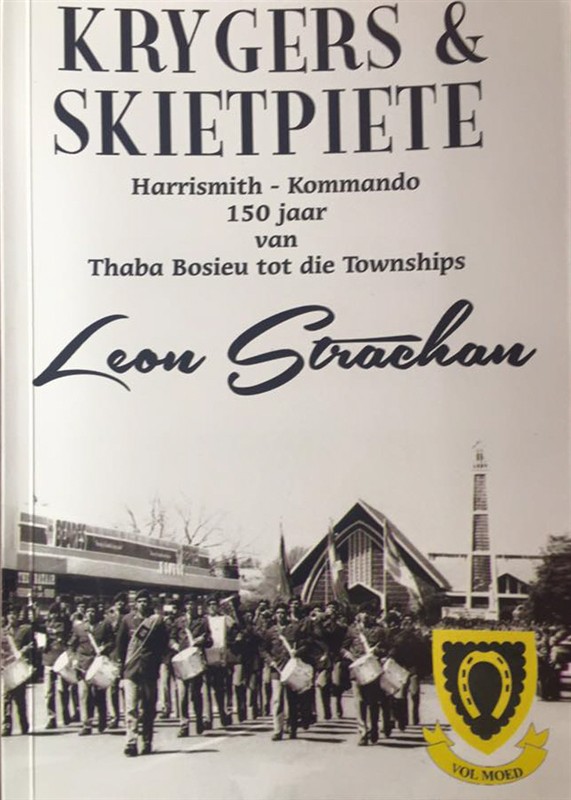
Krygers en Skietpiete (2011): The 150 year history of the Harrismith Kommando, excluding the Boer War, which tale is told in his next volume. From Thabo Bosigo, through the ‘skietpiet’ period; to duty on South Africa’s borders; to deployment against fellow-citizens (though this was denied – ‘they’ were not citizens of South Africa, remember?!) in South Africa’s ‘townships’ – towns in which indigenous African people had to live by law. Leaders and interesting characters; the influence of political developments; incidents, good and bad.
– image from Leon Strachan facebook page –
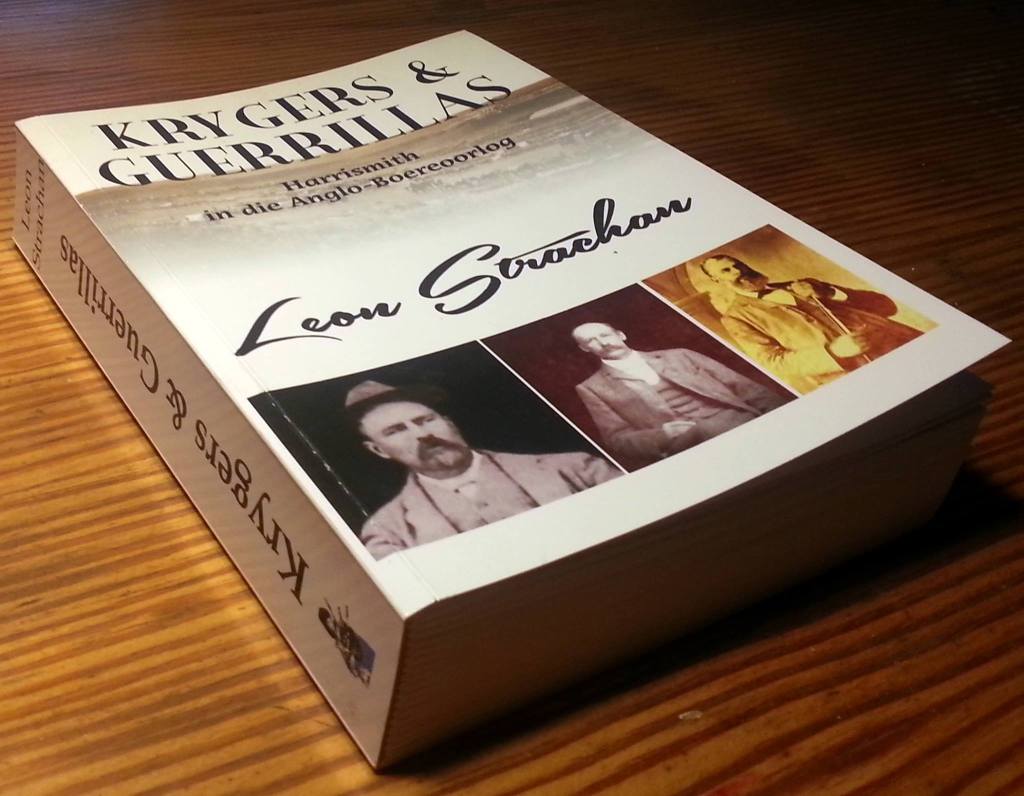
Krygers en Guerrillas (2015). Experience the Anglo-Boer War as it was experienced by people in the Harrismith district, daily as the war unfolded; sometimes far and away and only read about, sometimes in their midst. See why the defenders, invaded by a foreign power, called it the Tweede Vryheids Oorlog – they were fighting for their freedom. Good tales and shocking deeds, including war crimes; the whole war time is unfolded from beginning to end. Comprehensive, the data includes names, casualties, Boer deaths, Brit deaths, prisoners, concentration camp deaths; ‘hensoppers,’ Boers who surrendered; ‘joiners,’ Boers who joined the British invaders; and ‘verraaiers’ who were outright treacherous. Boer Jews and Boer Irishmen and men of other nations who joined the Boers to help them against the invasion by the world’s biggest war machine, deployed by the world’s biggest looting and plundering machine. The war is presented from a local ‘on the ground’ perspective as well as a wide-angle perspective, showing how national and international decisions affected the people doing the actual fighting, suffering and dying.
~~oo0oo~~
A keen horseman, Leon has led 22 annual rides down into and through the Lost Valley.
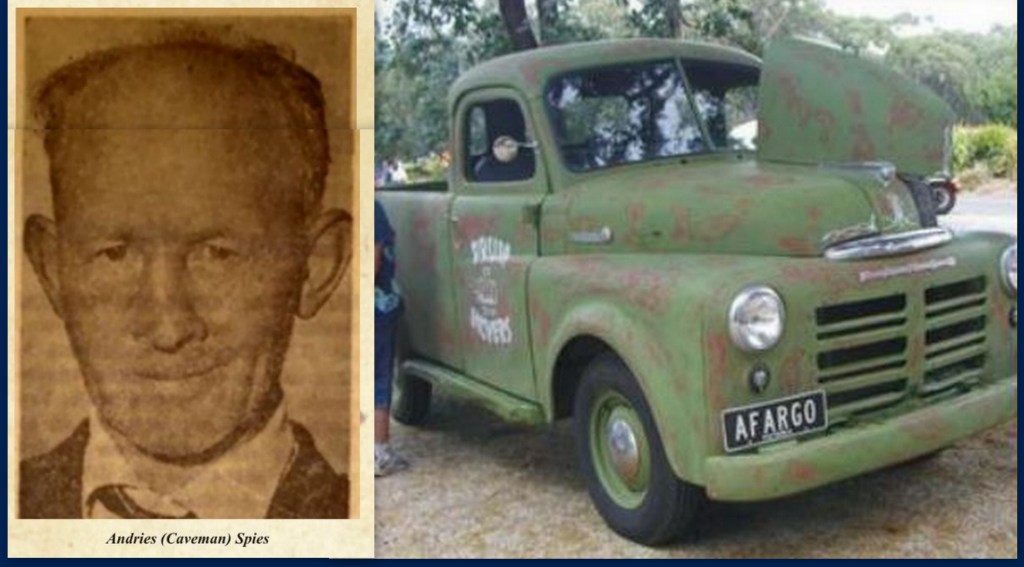
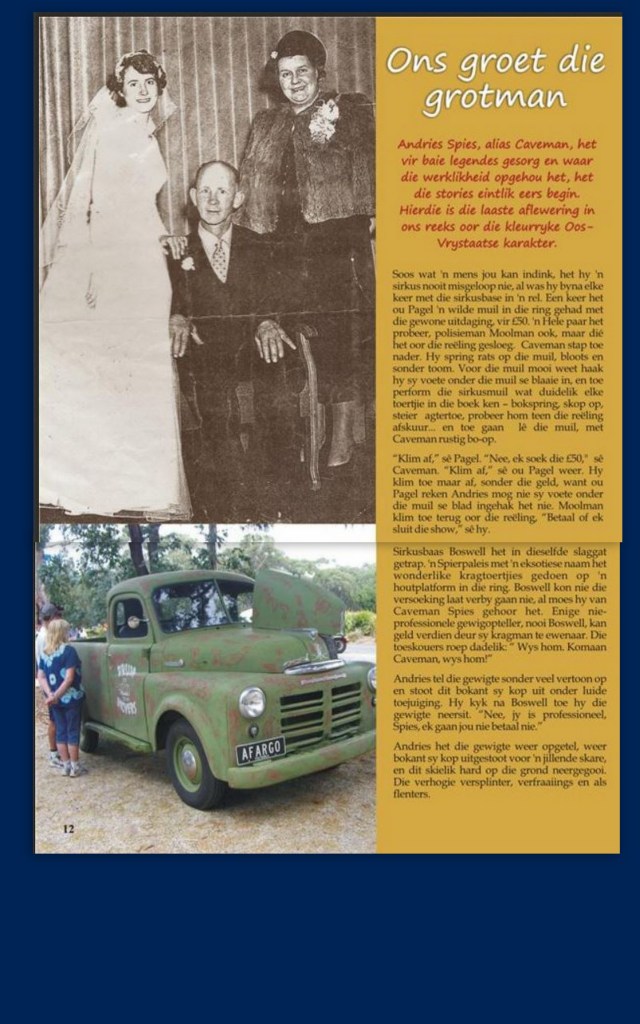
Four Spies brothers lived in the Harrismith and Kestell district. These broers had very different personalities; it was said Andries fought for the Spies clan, Hans cursed for them, Frikkie drank for them and Martiens prayed for them all. Harrismith’s historian Leon Strachan has kept this lovely tale of an amazing Eastern Free State character alive.
Andries was known locally as Thor, as his strength was legendary. People soon knew not to mess with him. Somewhere around 1920 a young Andries Spies went hunting jackals on Freek de Jager’s farm. The jackal escaped down an aardvark hole and the dogs could not get it out. Andries shucked off all his clothes and went into the hole butt-naked, head-first, taking a riem and a pocket knife. After fifteen minutes of noise and dust down the hole he came into view again, reversing out feet first. Covered in dust and blood he handed the riem over and said “pull’ – and out came the jackal. One of many instances told of where he did unusual things and performed unusual feats of strength and bravery – and foolhardiness? This story was to have an uncanny follow-up a century later.
He was a boxer, wrestler and strongman, and he was also a very wily showman and self-promoter. Legend has it he would hop on his bicycle, pedal to Bloemfontein – that was over 200 rough miles back in the 1920’s – enter a boxing tournament at Ramblers Club, win it and cycle home with the prize money!
One day in 1929 his neighbour came to him with devastating news: his fiancee had upped and offed with another man. Hugely upset, Andries packed a suitcase and left the farm without a backward glance. It would be ten years before he returned. In those years he was mainly a boxer. He fought in Joburg and Durban. One fight at the Seaman’s Institute in Point Road in Durban so stunned an English preacherman – Andries’ style consisted of a non-stop flurry of furious blows from the opening bell with no thought of any defensive tactics – that he christened him ‘Caveman.’ And the name stuck.
The Seamen’s Institute & Rest in Point Road – “All Nations”
His next port of call was England. He left on a below-decks ticket with just £10 in his pocket and one extra set of khaki clothes. In London in his first fight he KO’d his opponent with his first blow. He could still get opponents after that as his build was not impressive – he looked average and he used that to his advantage, as he was often underestimated. Soon his reputation started preceding him and it grew harder to find men who would fight him, so he crossed the Channel.
A typical story was a fight in Stockholm where the ref tried to stop him as his opponent Anders Anderson was ‘out on his feet.’ But Caveman wanted him out off his feet! So he KO’d the ref! Spectators stormed the ring in fury – so he KO’d a few of them too!
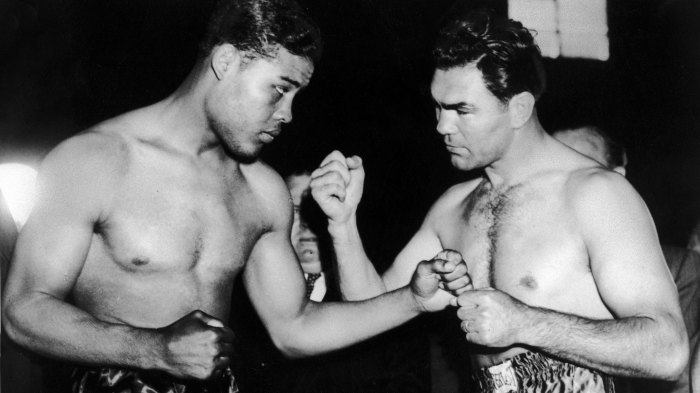
The same pattern happened in Holland, Belgium and Germany: He would knock out a number of opponents, then run out of people to fight and move on. When this happened in Germany, he issued a challenge to Max Schmeling, heavyweight champion of the world: Fight me for 500 marks! Apparently this was all Andries had in his money belt. Eventually Schmeling gave in to his persistence and agreed to fight this Caveman character from South Africa.
UNITED STATES – MAY 31: The American Boxer Joe Louis Fighting The German Boxer Max Schmeling During The Heavyweight Championship In New York In June 1938. At The Close Of The Match, Joe Louis Preserved His Title Of World Heavyweight Boxing Champion By Beating Max Schmeling By K.O. In The 1St Round In New York. (Photo by Keystone-France/Gamma-Keystone via Getty Images)
Well, this was a horse of an entirely different kettle of tea! In his own words he approached Max in his usual crouched stance and received a mighty short right hook to the head and after that ‘I don’t remember much at all! Except a minute or two of gloves raining on me and then merciful oblivion! The biggest hiding I ever received, but well worth it, as I met the great Max Schmeling. He was a good sport – and after the fight he sent me back to my hotel full of beer and Rhine wine, plus an amazing 1000 marks! Schmeling gave me his 500 marks too!’
In Spain he knocked out ‘The Basque Wrestler’ Antoine Germatte in the first round – drying up any chance of further fights, so he thought he’d try bullfighting. One look at the bull, though and he decided ‘this is out of my league!’
His French opponent Leon Cartout was disqualified for biting the Caveman. After eighteen fights on the Continent, he returned to England, where a raft of better fighters were keen to challenge him as his fame was now such that they wanted to be seen in the ring with him. Things were looking up.
– Caveman Spies’ record as a pro boxer – 9 wins, 8 by knockout – 9 losses, 3 by knockout – 3 draws –
Then he caught a bad bout of flu and ended up becoming asthmatic. He got so bad in the English winter he decided it was home time. Back in South Africa he won a few good fights then ran up against the experienced Tommy Holdstock. He lost so badly that he decided to switch to all-in wrestling which had become very popular and was paying well. The showmanship also suited his extrovert and mischievous personality and his remarkable strength.
In a typical rabble-rousing traveling series he fought a Russian named Boganski, who became a great friend. They toured the land. The legend of Caveman cycling to Bloemfontein was well-known, so at each scheduled fight venue he would stop their car outside the town and get onto his bicycle; timing his arrival at the ring just in time for the fight, covered in sweat having ‘just got there all the way from Harrismith!’ This put all the locals on his side like – our poor man now has to fight this blerrie Russian when he’s so tired, having cycled so far!
The showman promoter in him loved public wagers. On the wrestling tour in Grahamstown he bet the local auctioneer, a Mr King, that he could carry a 200lb bag of mealie meal across the town square in front of the cathedral in his teeth without stopping. He did it, donated the bag to child welfare and publicity from the stunt filled the hall for the fight that night!
In Chodos furniture store in Harrismith’s main street the guys were ragging him as they often did about his strength: You can’t really punch a hole through a meal bag! ‘Bring it,’ he said, and walked away with £10, leaving Woolf Chodos and his staff to clean up the flour all over the counter and the floor. He couldn’t resist a challenge or a dare. In 1936 someone said he’d never walk from Harrismith to Cape town in less than ninety days. He did it in seventy three, averaging twenty eight miles a day. This one earned him £75.
Whenever the circus came to town Caveman would be there, ready to shine. Owner and strongman William Pagel‘s feats of strength and his control of the big cats soon made him a household name in South Africa, particularly in the countryside. Small towns loved the circus!
Pagel had a wild mule and offered £50 to anyone who could ride it. Many tried, including Moolman the policeman. Very soon there was Moolman, soaring through the air back into the stalls in an ungraceful arc. Caveman stepped up, jumped on and the mule went wild, bucking, backing up, scraping his legs against the railing, but Cavemans’ legs were firmly hooked under its ‘armpits’ and he rode every move. In the end the mule lay down, exhausted, Caveman still astride it. Get off, said Old Pagel, ‘No, first give me my £50,’ said Caveman. Get off first, said Pagel. He then refused to pay on the grounds that Caveman ‘wasn’t allowed’ to hook his legs under the mule! Caveman threatened ‘Pay me or I shut down the show. Honour your bet!’ Two Alpha males at bay, both famous! Caveman got his due.
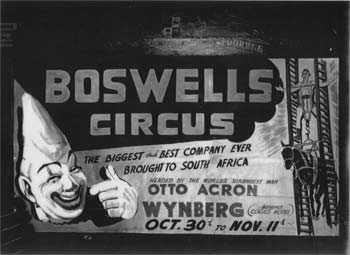
Stanley Boswell also had challenges meant to draw the crowds which drew Caveman like a magnet. He had a strongman lifting weights on a wooden platform. ‘Any non-professional weightlifter who can match (exotic strongman name – maaybe Otto Acron?) will win a prize!’ he boasted. The Harrismith crown bayed for their hero, ‘Show him Caveman! Wys hom! Show him!’
– Otto Acron – World’s Strongest Man – he thought – till he got to Harrismith! –
Caveman stepped up, nonchalantly lifted the main man’s maximum weight and looked at Boswell. Boswell, knowing Spies’ reputation, said, ‘ No, you’re professional,’ ducking out of his responsibility. Caveman looked at him, looked at the crowd and slammed the weights down, wrecking the stage as the crowd roared their approval.
Stories grow. Seldom will a re-teller tell a milder story than the original! And so Caveman’s legend grew. Not only did he ride a bicycle to Cape Town; when he got there he boarded a ship to America; the ship sank and he had to swim more than halfway across the Atlantic; arriving in America just in time (covered in sweat?) for a fight against Joe Louis! Of course, he bliksem’d Joe, caught a ship back to Cape Town, where he got on his bicycle and pedal’d back to Harrismith to calmly tend to his flock of sheep! Of course . .
In our time in Harrismith – fifties to seventies – Hansie and Pieter Spies were legends in their own right. Nephews of Caveman, they would apparently tell stories of this special and unusual extrovert uncle. In his old age his right hand started shaking – probably the beginnings of Parkinson’s disease. Challenged, he would blurt, ‘Ag, it’s my hand! Leave it alone if it wants to shake! Or I’ll donner you!’
~~~oo0oo~~~
A Century Later
Truth is stranger than fiction! In 2020, just about one hundred years after Andries went down an aardvark hole to drag out a jackal this video appeared on youtube:
It went viral and I saw it on two of my whatsapp groups. Soon after, Leon Strachan messaged me: Hi Pete, Do you remember how Caveman crawled down a hole to drag out a jackal? Pure madness! Well, believe it or not, the people in this video are my neighbours and the man down the hole is a great grandson of Hans Spies – Caveman Spies’ brother!
The strain of eccentricity lives on! Mind you, getting diluted. Notice how he kept his clothes on?
Harrismith has always had Spies families. The ones I remember were horsemen; or at least, the times I saw them they were usually riding horses at our agricultural shows, playing polo or competing at gymkhanas. Leon Strachan, Harrismith’s historian, tells of one family of four brothers who all had different characters or traits – and how one became world-famous!
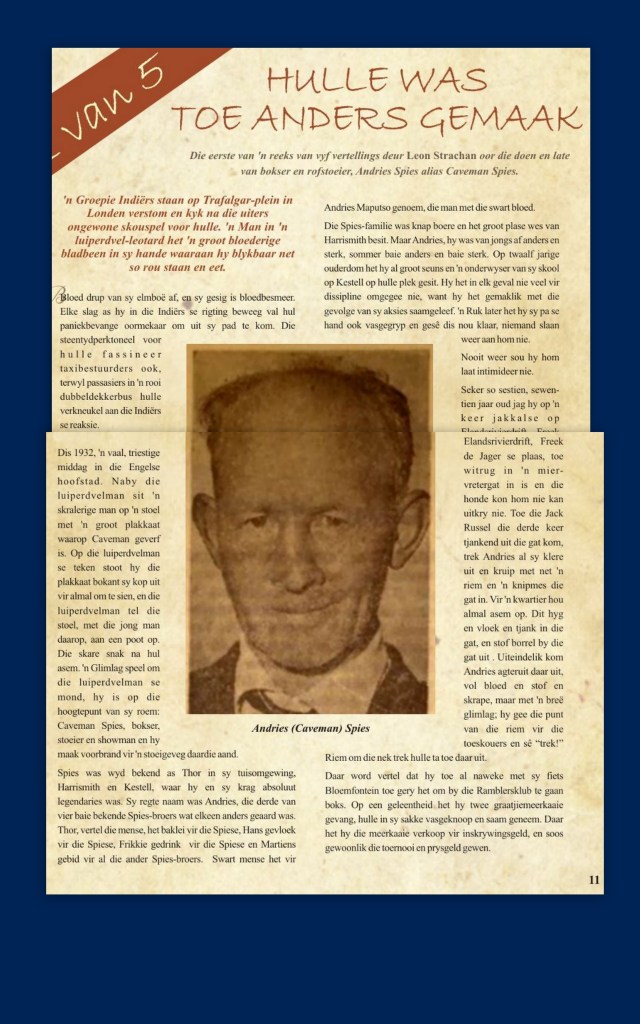
I found this lovely series of articles by Leon at a website promoting Stephen Reed’s hometown Clarens, Free State – inclarens.co.za. I have simply taken snapshots of the articles to save them and be able to access them again. I must check in which of his four books on Harrismith characters Leon wrote about Andries ‘Caveman’ Spies.
I have now tidied and stitched them together in sequence. If you can read Afrikaans – go for it. It’s a fascinating story, which I have translated into English here with Leon’s and the inclarens.co.za editor’s permission. Summarised, mind you, so it loses some of Leon’s spice and story-telling vernuf!
02 – Caveman Spies – stitched
Durban’s Seamen’s Institute & Rest in POint Road – “All Nations” – now also a backpackers
The first recorded polo game in South Africa took place in October 1874 at the King Williams Town Parade Ground between the Gordon Highlanders and the Cape Mounted Rifles.
The Military Ninth Division played during the 1880s at Harrismith, Orange Free State.
Polo was played in Cape Town in 1885 at a club formed by army officers, and in Natal by the officers stationed at Fort Napier, in Pietermaritzburg; a year later, they formed the Garrison Polo Club.
Play in Transvaal began in Johannesburg in 1894, when the owner of the Goldfields Hotel founded a polo club. The game was dominated by the military, but civilian clubs like this did sprout up in several places.
~~oo0oo~~
Someone must have the history of Harrismith polo. I hope. The first polo field I remember was in the sixties on the far side of the railway tracks; you drove under the subway to get there. Across the road was the sportsfields: a hockey field and then the cricket oval. Legend has it that Jimmy Horsley once hit a famous six across the hockey field, across the road and onto the polo clubhouse roof!
During a recent visit to Harrismith I spotted this on good friend Bess Reitz’s passage wall: Her Dad and Ginger Bain in the winning team!
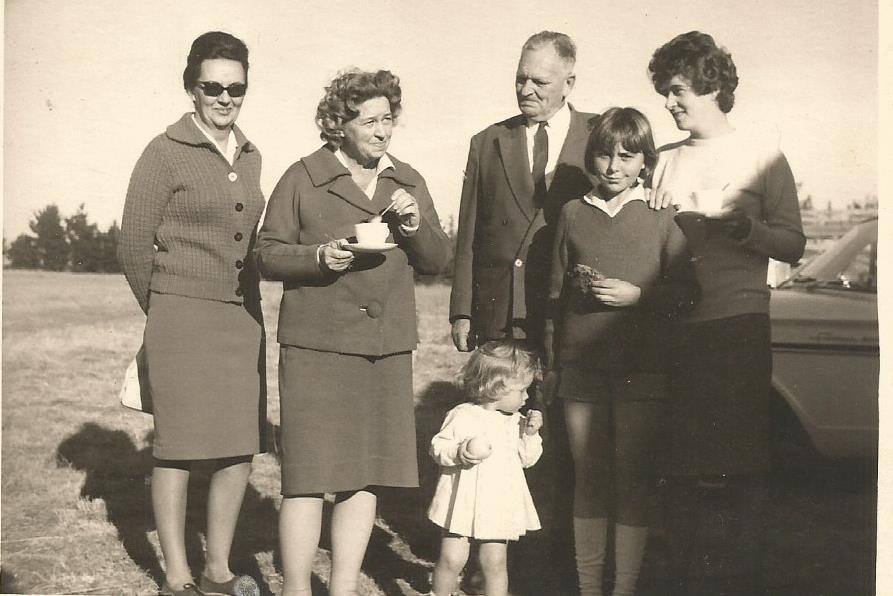
– tea at the old polo field in the sixties – – note the Ford Fairlane!! –– poms in Africa –
I was born in Harrismith in 1955, as was Mom Mary in 1928, and her Mom Annie in 1893. Annie thought “the queen” of that little island above and left of France was also the queen of South Africa (and for much of her life she was right!).
I attended the plaaslike schools in Harrismith till 1972. A year in the USA in 1973 as a Rotary exchange student in Apache Oklahoma. Studied optometry in Joburg 1974 – 1977. Worked in Hillbrow and Welkom in 1978. Army (Potch and Roberts Heights, now Thaba Tshwane – in between it was Voortrekkerhoogte) in 1979 and in Durban (Hotel Command and Addington Hospital) in 1980.
I stayed in Durban, paddled a few rivers, and then got married in 1988. About then this blog’s era ends and my Life With Aitch started. Post-marriage tales and child-rearing catastrophes are told in Bewilderbeast Droppings.
‘Strue!! – These random, un-chronological and personal memories are true of course. But if you know anything about human memory you’ll know that with one man’s memory comes: Pinch of Salt. Names have been left unchanged to embarrass the friends who led me (happily!) astray. Add your memories – and corrections – and corrections of corrections! – in the comments if you were there.
~~~oo0oo~~~
Note: I go back to my posts to add / amend as I remember things and as people mention things, so the posts evolve. I know (and respect) that some bloggers don’t change once they’ve posted, or add a clear note when they do. That’s good, but as this is a personal blog with the aim of one day editing them all into a hazy memoir, this way works for me. So go’n re-look at some posts you’ve enjoyed before and see how I’ve improved over time (!). It’s just as my friend Greg says: ‘The older we get, the better we were.’
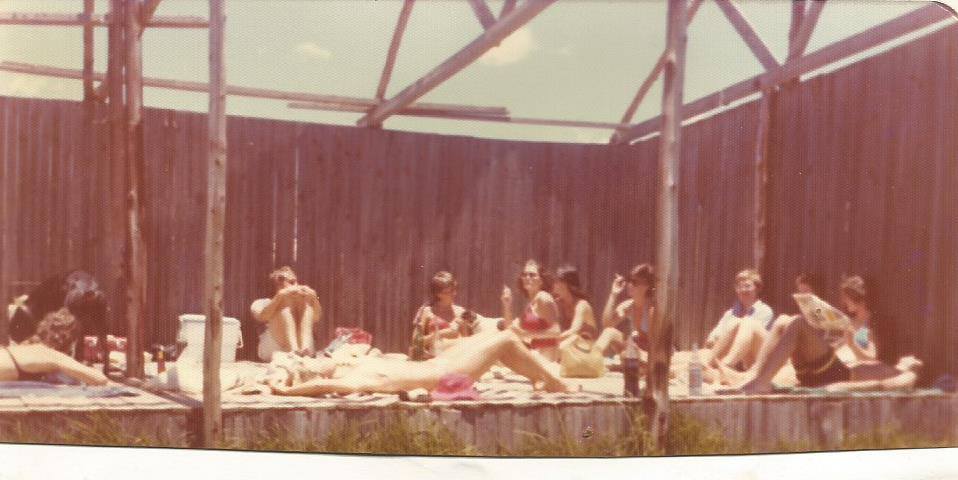
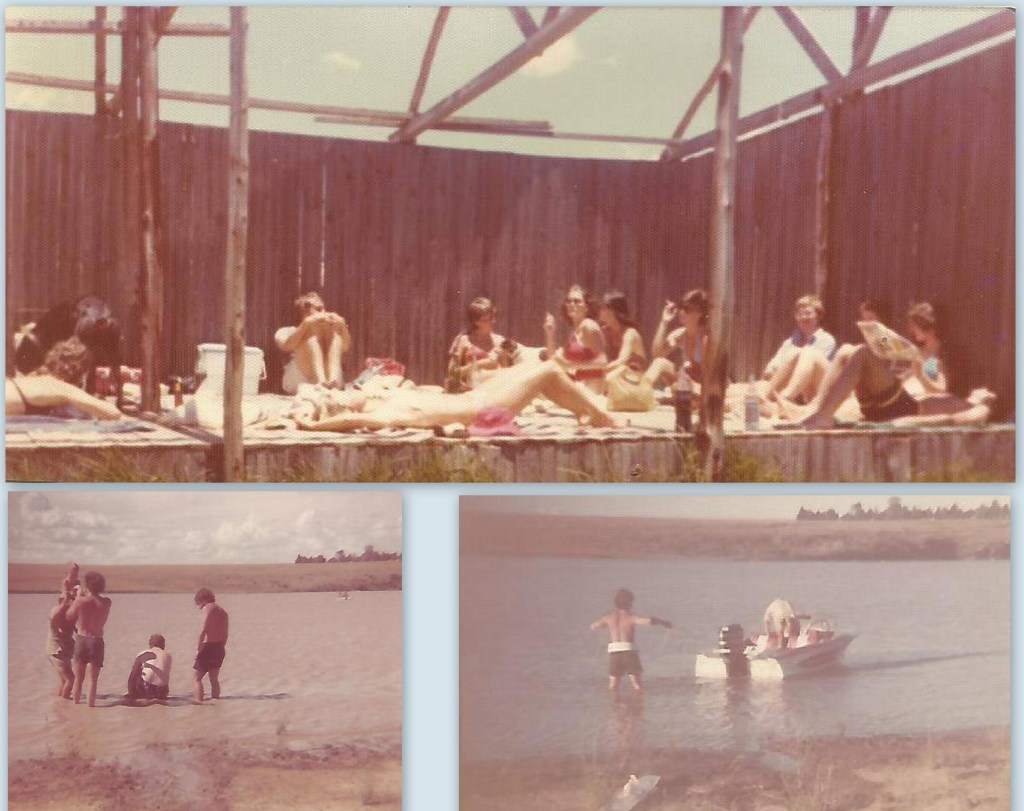
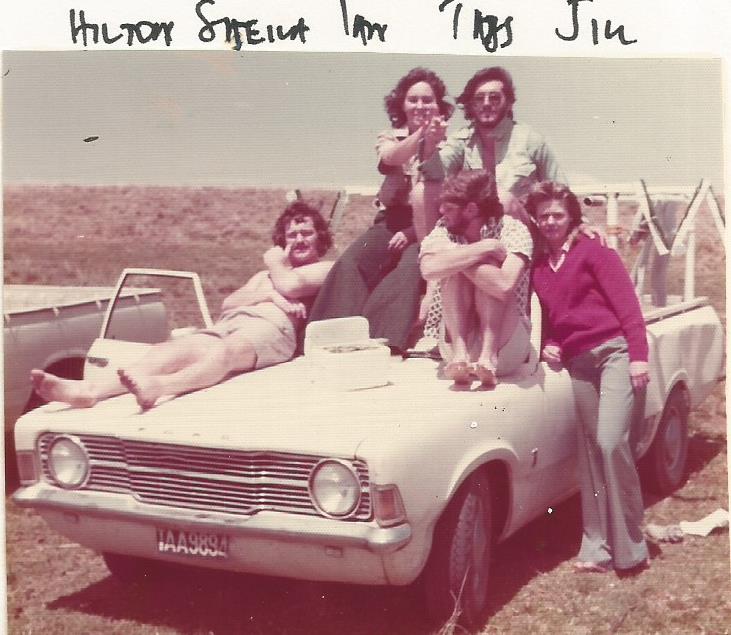
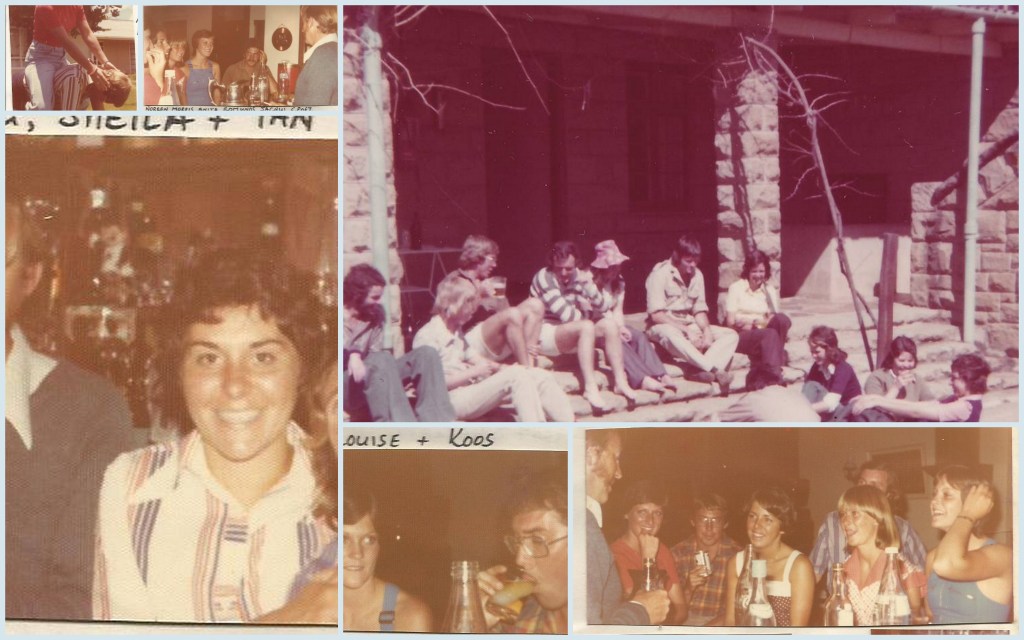
Hector and Stella, Ian and Bev and Tabs – all or some of them! – built a large dam on the Swartspruit, a tributary of the Wilge river on Ian and Bev’s farm Sarclet.
The Fyvie’s Balmoral dam – If you build a dam you need a boat and Tabs found one in Howick, going cheap. As always, Tabs needed a side-kick to join him on his ventures and I was more than willing. We fetched the wee boat in Howick. I wrote about that misadventure here.
Later Tabs got a bigger boat, ‘The Pheasant Plucker’ with a V6 inboard motor and a Hamilton jet. The name likely affirmed for certain Anglicans that an earlier decision they’d made was right.
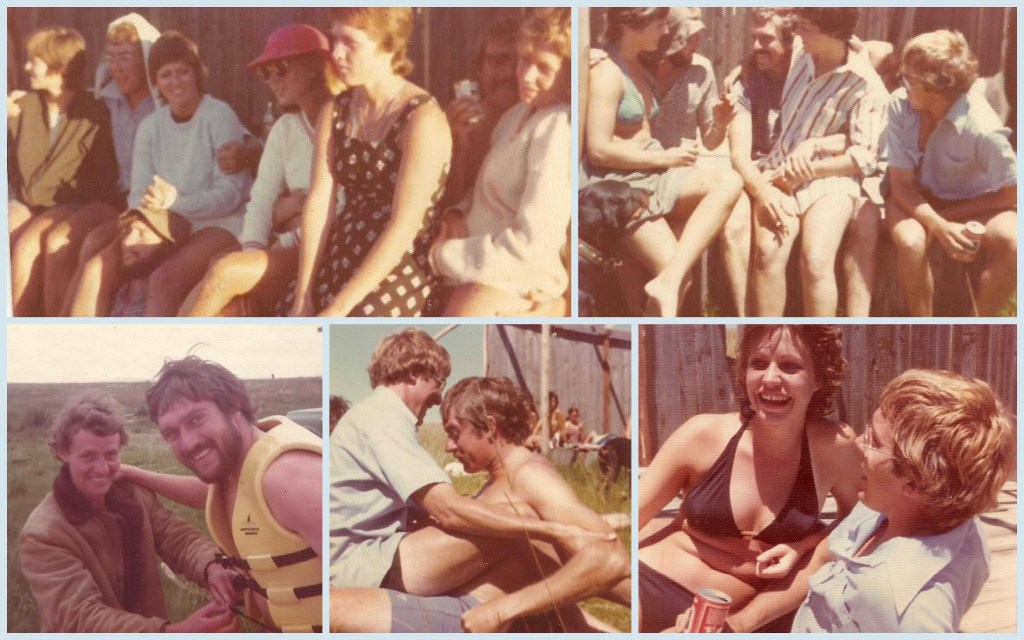
– Sarclet – Balmoral Dam beautiful peeps and a different boat – Braithwaite’s boat, I think –
I once embarrassingly beached it when the motor cut at speed; I aimed to roar close to the starting point then fling then gear lever into reverse, causing a huge wave and hugely impressing the impressionable gorgeous ladies present! Well, none of that.
I landed up high and dry next to the cars parked on the bank; I learnt that when the engine cuts in a Hamilton Jet there’s no steering, no brakes, no nothing. Without that plume of water thrusting out the back, there’s no direction! Suddenly you’re a passenger; you’re no longer the skipper.
– sometimes Barberton Braithwaite wind power would be harnessed –
Ah, we had many a pleasant day next to the dam, gently mixing petrol, beer and water into a cocktail of fun and laughter. Thirsty work, though. After – apres ski – we’d have to repair to Gailian for drinks:
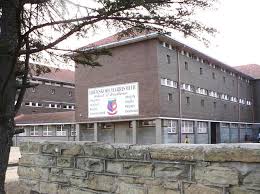
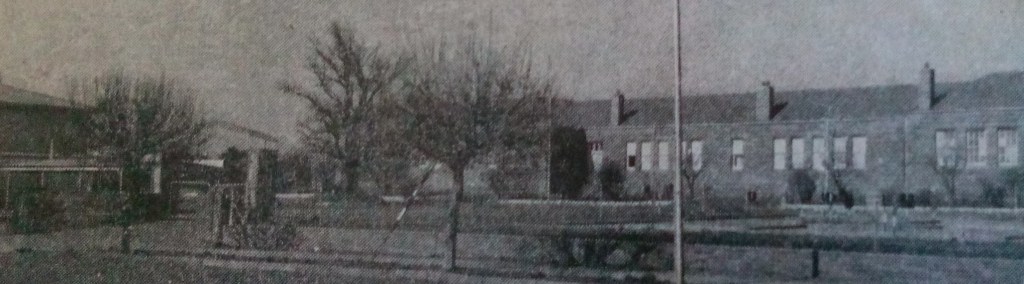
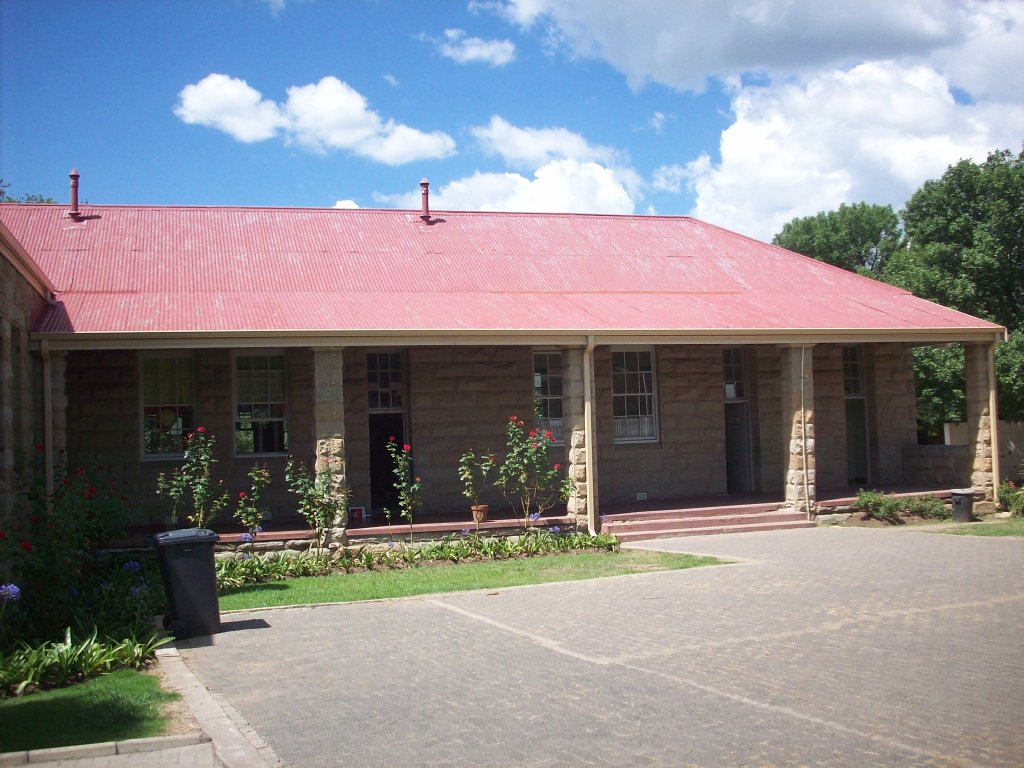
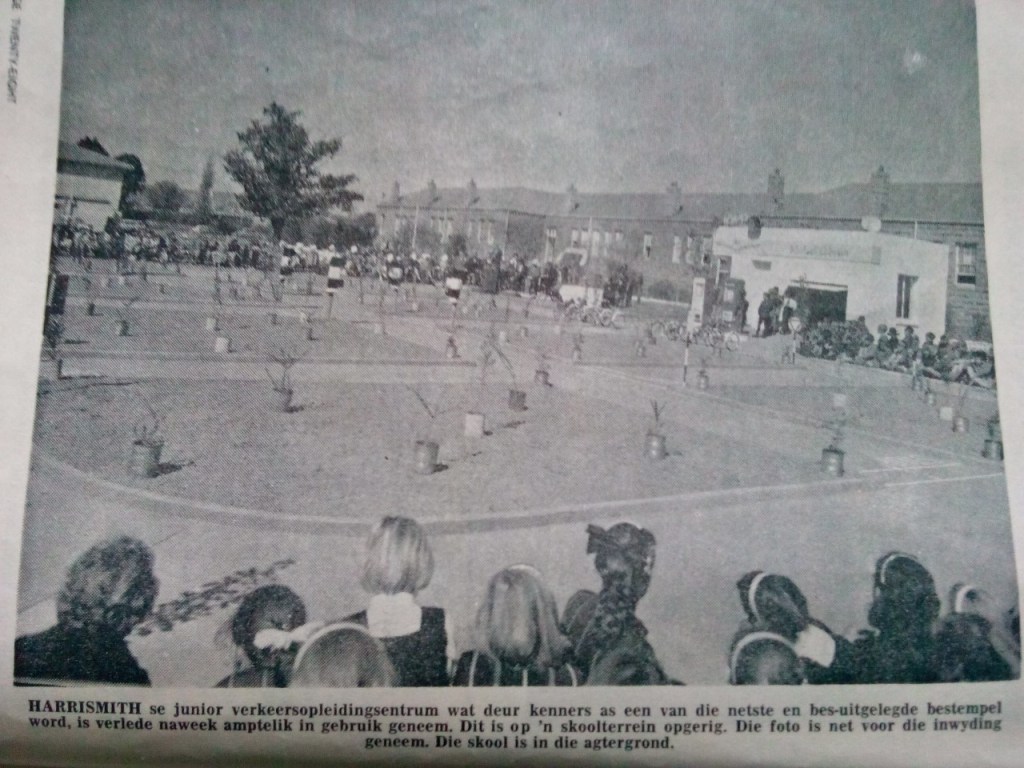
This building used to be something else, I think – not sure – but in our time it was the junior primary school. Occupying a full block between Stuart and Warden Streets near the centre of the metropolis, our Sub A to Std 1 classes were here. Except if your Std 1, 2 and 3 was all together in one room with one teacher (‘die Engelse klas’). Then you went down to the next school in Std 1. So I had Sub A and Sub B in this old sandstone building. I entered age five and departed age seven. With a blue bicycle. A Rudge, I believe.
My greatest achievement in this time was probably winning a high-pissing contest in the sandstone boys room and having big mate Fanie Schoeman report the feat to Mrs Van Reenen. Miss! Miss! Peter pee’d on my head, he said. Brief fame, diplomatically handled. The urinal was open to the sky and we’d been trying to see who could leave his wet mark highest up on the sandstone wall above the trough. Wee on sandstone leaves a very satisfactory, undeniable mark which cannot be disputed, in contests like these. It lasts long enough for judges to judge and disputes to be resolved. Mine was highest. And some did go astray and hit Fanie, it’s true.
Here’s a view of our classroom taken from the boys toilets. In fact this photographer’s head is very near where Fanie’s head was back then. Chips! or Duck!
– second door from right was our classroom – Far right was girls toilet –
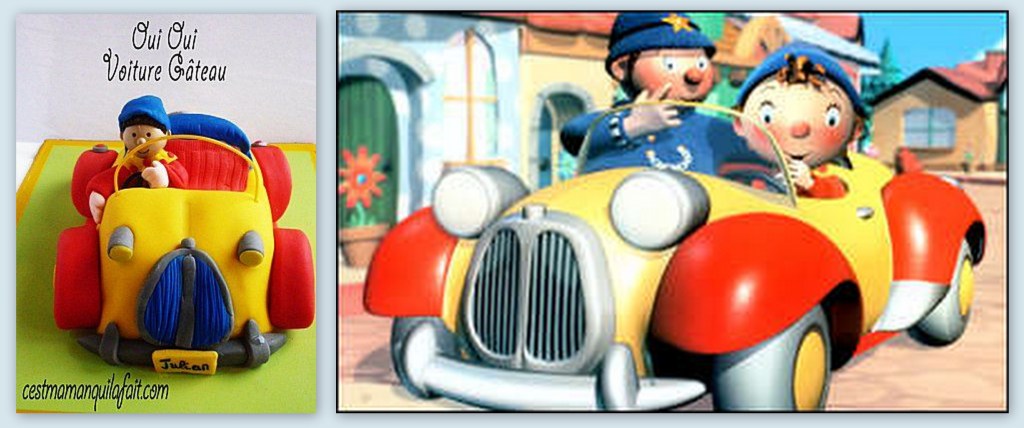
Another clear memory of that class was admiring the beautifully accurate Noddy car Lincoln Michell made of yellow and red plasticine.
– Lincoln’s Noddy car looked just like this –
That sums up my first year of formal education. Luckily it didn’t cost a lot.
– this was there, but I don’t remember ever using it –
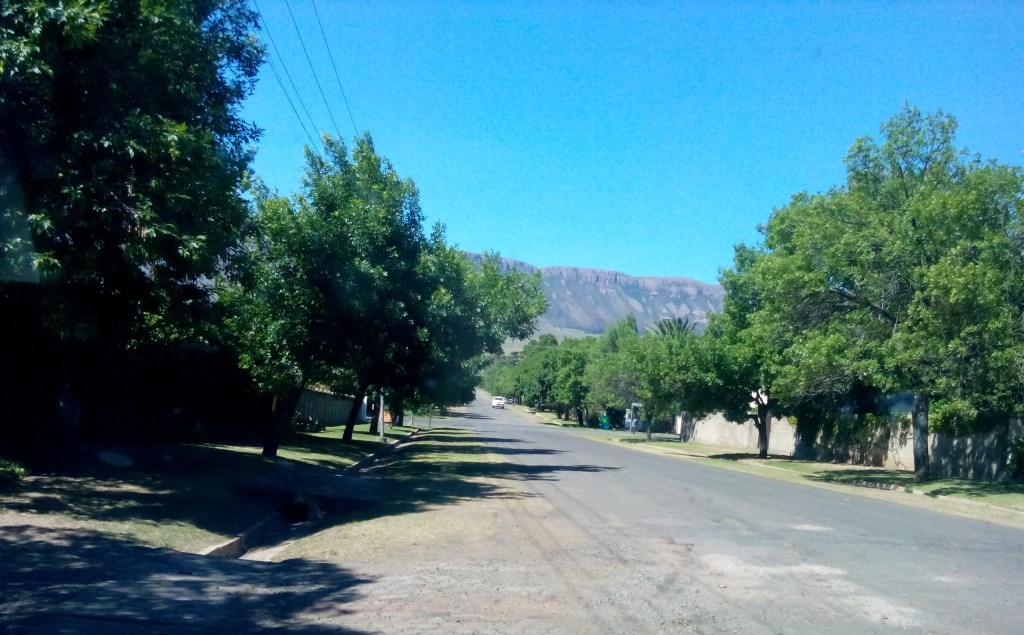
One of the joys of being in this kleinspanskool was it was a junior part of the bigger primary school down the road and quite regularly something would need to be schlepped down there. To be chosen to pull the wooden trailer or trolley, with its rubber wheels from one school to the other was a much sought-after diversion from classtime. You’d be FREE! FREE AT LAST! and wandering the shady tree-lined streets in school time on a Long Walk To Freedom! Bliss!
– streets like this –– our trolley was like this ‘cept ours had proper, bigger, rubber tyres –
~~~oo0oo~~~
Behind that long building was a rugby field where Giel du Toit despaired of my ever learning one end of a rugby ball from the other – or one end of the rugby field, for that matter. His coaching methods consisted of patting me on the head and muttering ‘There, there; Moenie worrie nie!’ Everyone was very kind to me in my young days. Occasionally onse Giel (Joyce Joubert called him Heilige Giel) would get a faraway look in his eyes and talk about walking behind the ploughshare and picking up a clod of freshly-turned earth, smelling it and saying something about nothing in the world could ever smell better. The dorpsjapie in me thought ‘huh?’ Years later I speculated he was angling to marry a farmer’s daughter and was practicing his pitch to Pa. Then verily, that came to pass.
I played for the under-eleven B team, and the only reason for that was there was no C team. Although we were now down the road at the bigger school, rugby practice was at the old kleinspan school, as the bigger school didn’t have a field.
The end of the season arrived – near the end of winter – and the last game loomed. The traditional big derby day against the Olde Enemy, Vrede, played home and away each year. This year the final game was away, in that far-off dusty city of sin and ribaldry. OK, dusty dorp. Now famous for not having a dairy, back then it was famous for losing at a range of sports to Harrismith. Though, every now and then they’d spring a surprise and beat us.
For some unfathomable reason, Giel decided I would captain the under-eleven B’s on that auspicious occasion. It was 1966, so maybe England winning the soccer world cup got him thinking, ‘Miracles Can Happen?’ Anyway, as the lowest of the most junior teams, we would be playing the first game early in the cold Vrede winter morning, long before most spectators arrived, only dedicated Ma’s and Pa’s on the rickety stand. Our job was to break through the frost on the dead grass on the rock-hard ground for the more important games to follow. With our bare feet.
Which is how I came to have the leather odd-shaped ball in my hand that morning. This was a novel experience. Usually I was only vaguely aware that there WAS even a ball involved in this mysterious game that onse Giel was despairing that I’d ever get the hang of.
My orange-clad barefoot underlings, now fully under my command, dutifully formed a line behind me as I ran onto the field and skopped the leather ball to start the game. I remember only four things about that game, but they are indelibly etched in my newly rugby-focused tactical brain:
1. We were awarded a penalty quite late in the game with the score still on 0 – 0;
2. I made a show of going down on my haunches, and staring at the posts, then tapped the ball and hared straight for the line and dotted the ball down. TRY!!
3. The ref awarded the try. We were 3 – 0 up!
4. There was a muttering from the tiny partisan home crowd of early-morning Ma’s and Pa’s, and the ref seemed agitated. At the next lineout I asked him ‘That was a try, nê?’ and he growled ‘Play on!’ So we won the game. My record as captain was 100% wins.
The next year – 1967 – I was suddenly a rugby player and in the U/13 A team. I’d like to say it was because of this revelation, revival, awakening and discovery of deep latent talent, plus a realisation of my brilliance thanks to Giel’s inspired and kind gesture and talent-forecasting genius, but it was mainly cos my balls dropped, and I shot up four inches and became the tallest oke among the under-thirteens! Size counts in a shoving and huffing and puffing game. When guys have to look up to you they often give way to you. We had a helluva year in 1967, so achieving Harrismith-wide fame by becoming the undisputed World Champions . . OK maybe I’m getting ahead of us here.
~~oo0oo~~
Kleinspanskool – small persons school; junior primary school
























 Vrystaat Confessions