Whaddabout?

  • Mendelssohn Mom Used to Play – Consolation

    Mendelssohn Mom Used to Play – Consolation

    Mendelssohn’s Consolation, she called it

  • swanepoelii

    swanepoelii

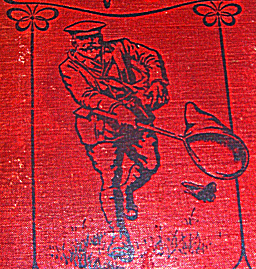
    I notice I put an olden-day post about a fascinating old rooinek Swanepoel in my Bewilderbeast Droppings blog. It actually belongs here, so here it is.

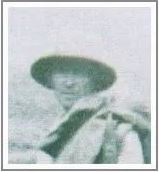
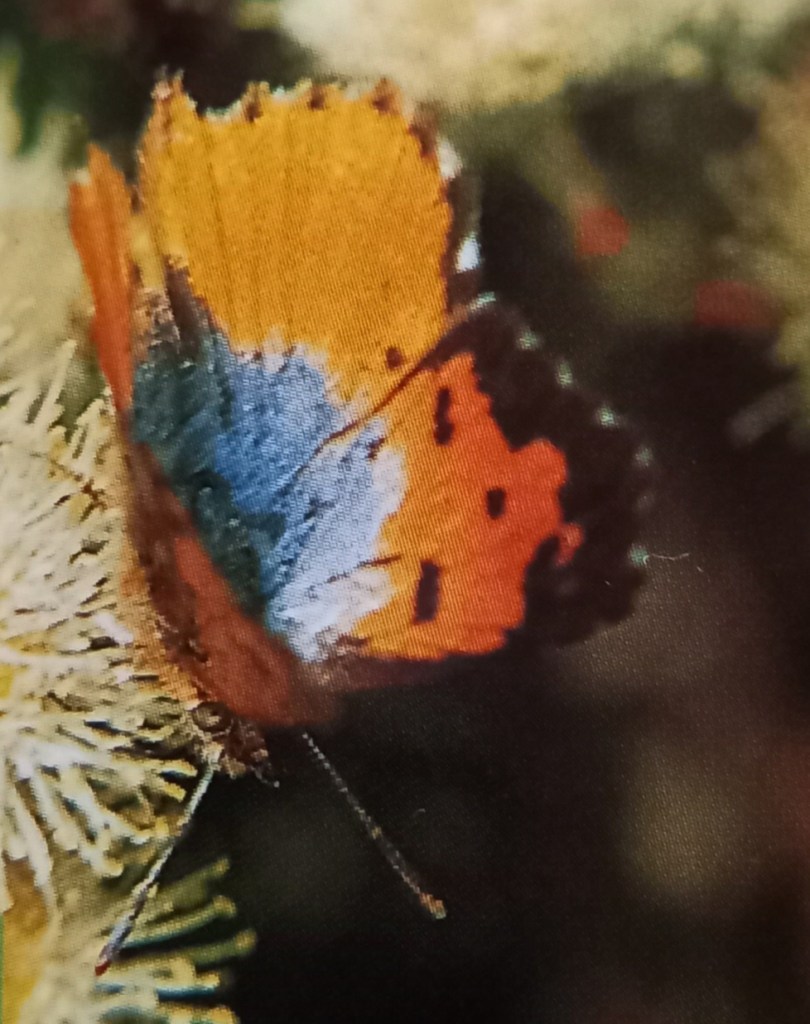
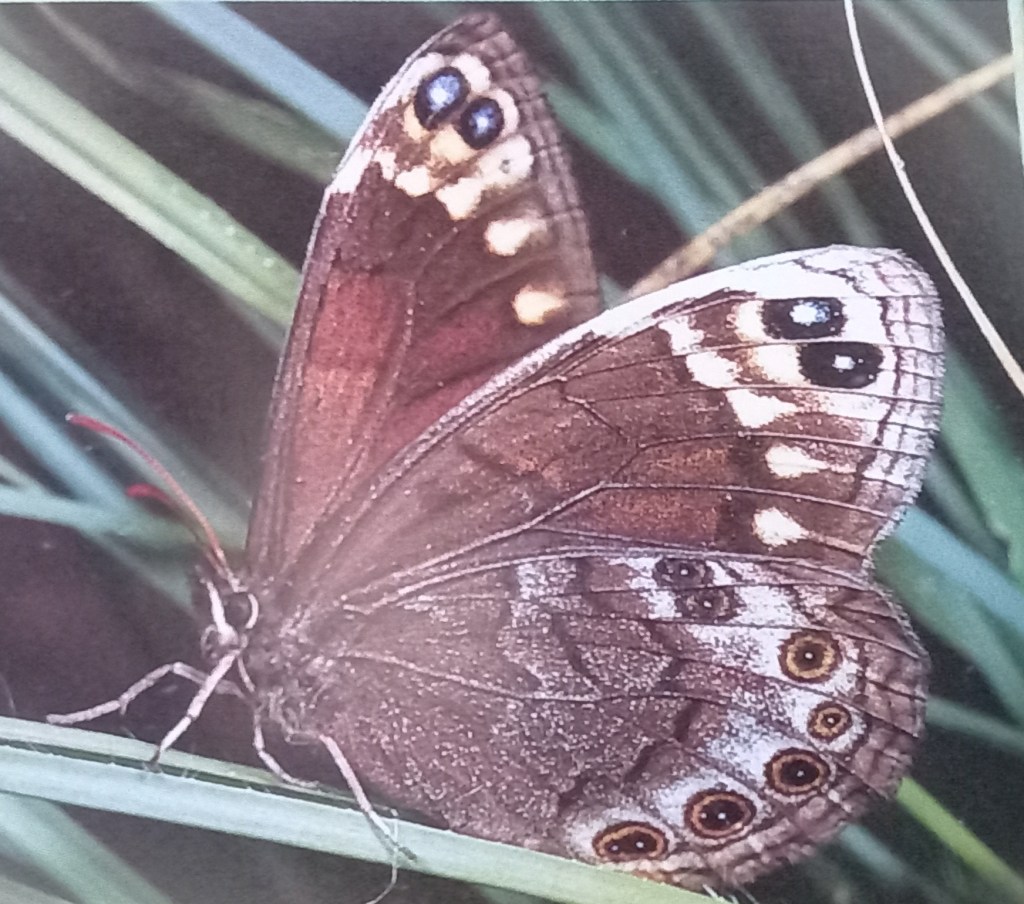
    Swanepoel, David Abraham (1912–1990). Swanepoel began collecting in 1925. Pennington’s Butterflies of southern Africa (Pringle et al. 1994) describes Swanepoel as follows: ‘Probably no other person has spent as much time and effort in the pursuit of butterflies in the field as this great collector, who had the tremendous gift of being able to excite others about butterflies. His immaculate collection is in the Transvaal Museum. He discovered many new species and subspecies and published many descriptions of new taxa.’

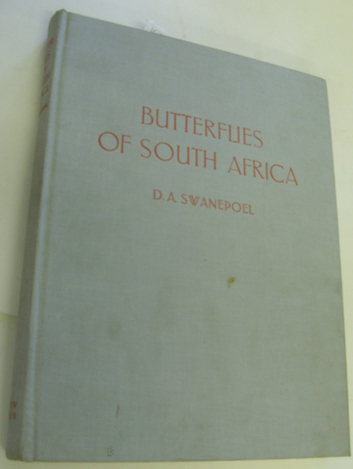
    His list of publications includes the book Butterflies of South Africa: where, when and how they fly, published in 1953 in Holland at his own cost. At the time, it was the most valuable reference guide to South African butterflies, citing his many collection localities across the length and breadth of South Africa. He collaborated closely with both Georges van Son and Ken Pennington. Popular names for many of South Africa’s butterflies were proposed by him. (SANBI Biodiversity Series 16 (2010)6 ).

    Swanepoel ended his book with these words: ‘In laying down my pen at the end of what has been to me a pleasurable task, I take occasion to dedicate this book to all naturalists and friends, without whose kindness and ungrudging aid it must inevitable have left much to be desired; and to those naturalists who may one day wander over the numerous paths that have afforded me so many happy, unforgettable hours – these would hardly have been possible without the grace of the Creator of all the beautiful forms described in this book. As mentioned in the introduction, this work is by no means complete, and if one day it is revised by some future observer, may he fulfil my dearest wish by building a great entomological castle upon this small foundation stone.’ (Epilogue of D.A. Swanepoel’s book, page 316).

    Read more about David A Swanepoel and other pioneering flutterby enthusiasts here. And read some of what he wrote here.

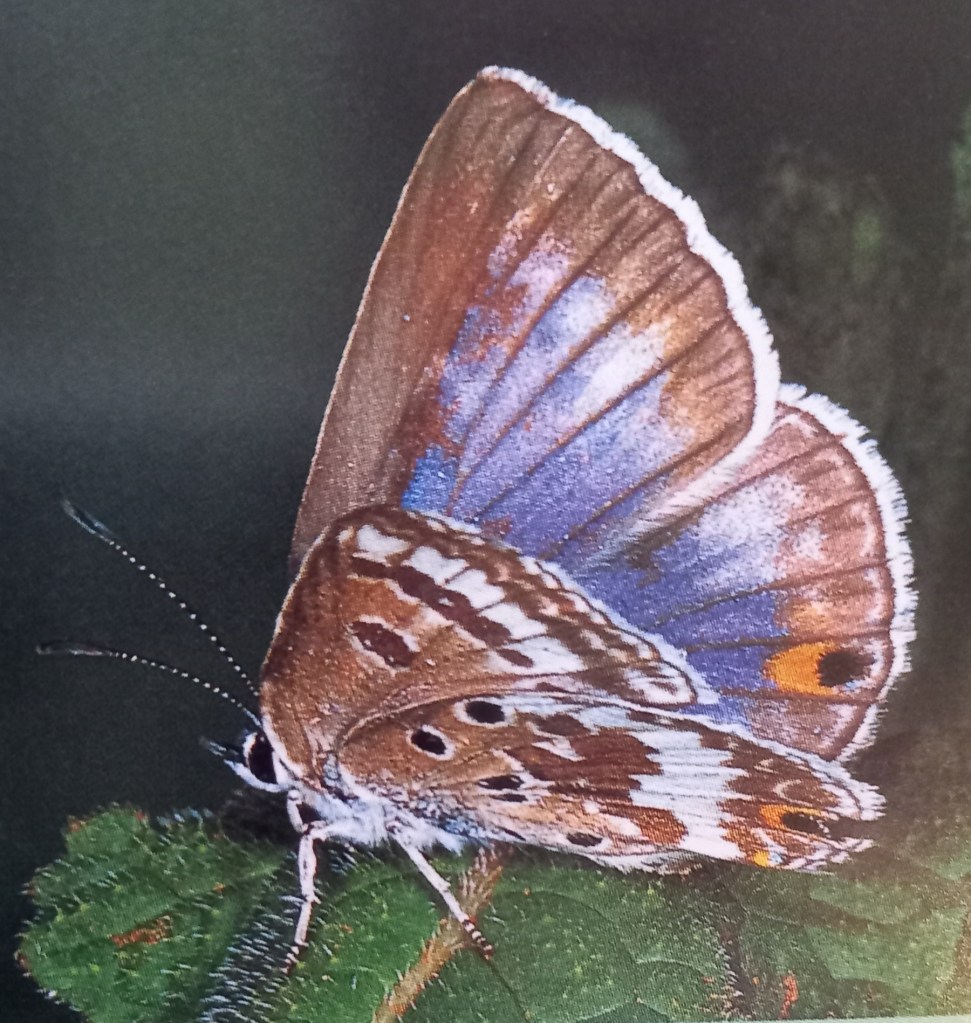
    Here are three of the butterflies named after him:

    ~~~oo0oo~~~

    steve reed wrote: When we lived in Clarens we had an annual visitation by what must have been the self-same Swanepoel. Khaki clad solitary figure, fleet-footing round the village with his net like something out of Peter Pan. Regarded by the locals with great interest (and a good level of suspicion) . . .

    ~~oo0oo~~

    Tragic postscript

  • Mary and the Prinsloos

    Mary and the Prinsloos

    92yr-old Mother Mary told me a story tonight:

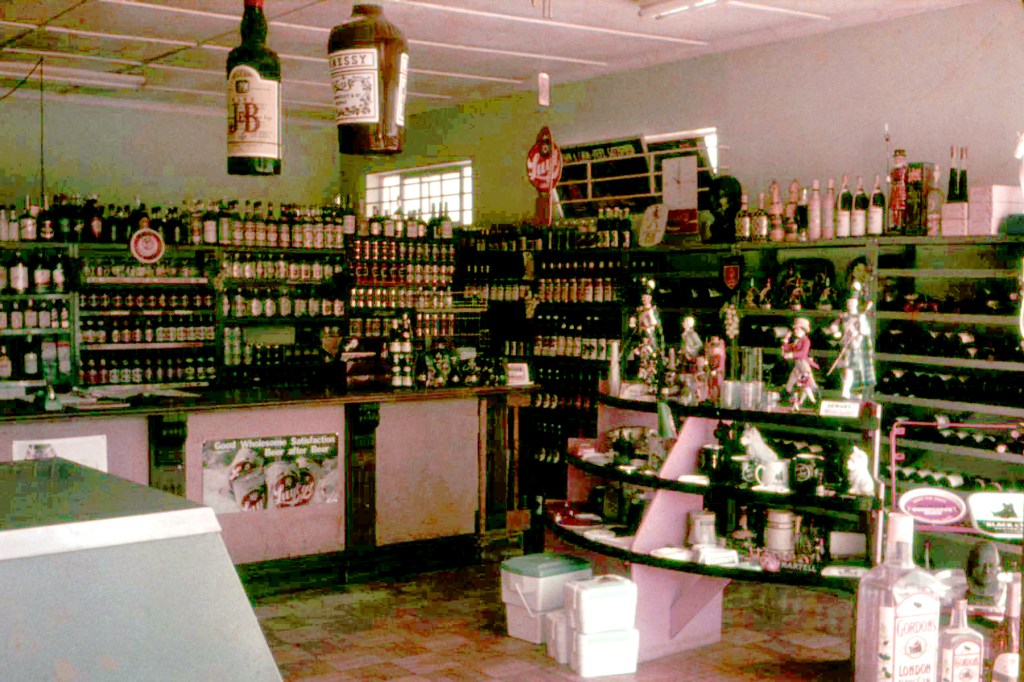
    Ina Prinsloo came into the bottle store one day many years ago to get stuff for a party. Said Ina, “Don’t tell Egbert. I’m arranging a surprise party for him.”

    She bought plenty of grog.

    Later Egbert came in. Tongue-in-cheek he said: “I don’t like this Harrismith tradition on your birthday. People fall all over you, make a fuss of you, and you have to buy them food and drink!”

    He also bought plenty of grog.

    Dear old honest Mom was torn as she accepted the second Prinsloo grog payment of the day: I didn’t know what to say . .

    ~~oo0oo~~

    I didn’t know this: Mom met Ina when she first started nursing at the Boksburg-Benoni hospital – her very first hospital. Egbert was a houseman there and that’s where he and Ina met. Years later Egbert joined a general practice in Harrismith. They stayed and raised their kids Adri, Yalta and Willem, and became a big, active and well loved part of the town.

  • War Correspondent

    War Correspondent

    While suffering terribly (NOT) during Basic Training in the weermag in a remote outpost outside Potchefstroom (which is itself remote) called Loopsruit, I had a brief respite from the relentless um, tedium, to pen a hurried note to sister Sheila and friend Joey K Nott. They were being paid to drink beer and lead schoolchildren astray in the gin-soaked hills of Empangeni. So briefly, you see, I was a war correspondent.

    The lasses had kindly sent me a letter and a parcel and how welcome that was, if you’ve ever sat through a whole posparade where every Tom, Dick and Jannie gets a letter and you sit there like kippie and get fokol, then you know the humiliation of the latter and the unbridled joy of the former. Looking down your nose at the poor poeses whose Ma’s haven’t written to them that week cos they’re working, and anyway there’s no news in their little tuisdorp, and secretly, they don’t actually have a girlfriend even though they’re always talking about a girlfriend, gives one a great sense of superiority and one needs superiority when the whole point of Basic Training is inferiority. Y’unnerstand?

    My parcel contained – as I wrote in appreciation – “grub, Scopes, sweets, Time magazines, etc.” Ha! ‘Scopes’ were poesboekies in the days of nipple-censorship. In 1979 gentlemen were expected to go through a marriage ceremony before legitimately seeing their first nipple. Black stars covered the area where a nipple might hide, and if you scratched the black ink off, it just left a hole in the page.

    My main news was normal army shit: We’d had 2,5hrs of punishment drill cos we missed a 4.45am deadline to go on a route march. Turned out – this is NOT unusual – the punishment drill for missing the route march was way milder than the actual route march. We were relaxed after 2,5hrs punishment, whereas the ous were fucked after the 5hr route march experience. Don’t look for logic.

    According to my letter the only two ‘hard’ days we’d had were a Monday and a Tuesday on which we did ‘leopard crawl’ and ‘rolling down a hill’ in full kit and helmets and ‘carrying our pea-shooters.’ The toughness was relieved by the hilarity of ‘watching the others’ – ‘you just saw helmets, arms, rucksacks, feet and rifles flying.’

    And weekend passes had been cancelled, so I would miss Des’ wedding.

    ‘Lotsa love, Koos’

    ~~oo0oo~~

    image found somewhere on the internets years ago

    weermag – weather might; defence force; army

    posparade – ceremony of the handing out of the postal delivery

    like kippie and get fokol – like a fool and no post for you

    poeses – pricks; fools

    poesboekies – skin magazines; soft (very soft) porn

    tuisdorp – hometown

  • Ancient Caskie Connections

    Ancient Caskie Connections

    In February 2021, out of the blue, Leo Caskie Wade wrote:

    Good morning Rob.
    I thought the Caskies in SA were something of the past.
    I am 81 years old and my Caskie connections were from Harrismith years ago.
    Should you feel inclined I would like to hear from you.
    Regards - Leo wade

    Rob Caskie replied: Good morning, Leo,
    Thank you for your email which arrived as a great surprise. Yes, indeed, our family also stems from the Caskie family in Harrismith. Our cousin Sheila Swanepoel knows far more about the family and early Harrismith days than I do.
    Neither I nor my brother have children, so this line of the Caskie family unfortunately dies with us. Our father, Alexander Maynard Caskie (Taffy) died on 6 March 1989, aged 61. His brothers and both parents passed on early in our father’s life.

    Enter Sheila, she with the family info: Hello Leo, What a delightful surprise to make contact with another Caskie.

    Alexander (Alec) Caskie was born in Scotland in 1839. He married Mary Craig, and they came to Harrismith from Pietermaritzburg. He was my great-great grandfather and Rob’s great grandfather.

    They had two sons and two daughters: 1. Robert (Bob) married Doreen (Doe) and Rob is his grandson; 2. James (Jim) married Ethel and they had four kids; 3. Mary who is my great grandmother – she married John Francis Adam Bland II. She was my Mum’s beloved Granny Bland, who died in Harrismith in 1959, so she had me as a great-grandkid till I was three; 4. Jessie who married a Mr Tapling and then a Mr Tarling – she had no children.

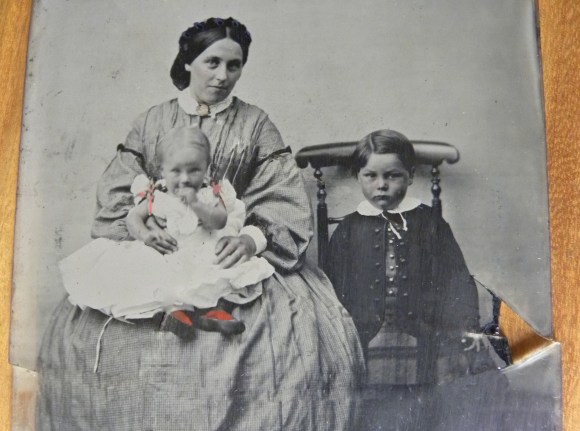
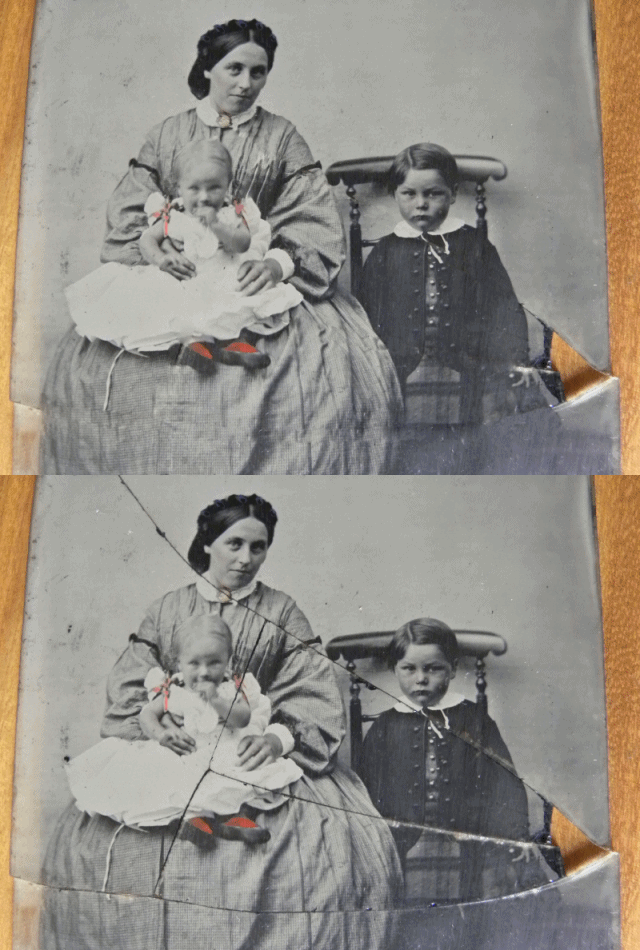
    – Sheila has this old cracked daguerreotype ** of Great-Great Gran Mary Craig Caskie with Great Gran Mary Caskie Bland on her lap –

    See: The Many Marys

    Alec Caskie died in Harrismith on 14 August 1926.

    My Mum Mary – grandaughter of young Mary on the lap above – is 92 (2020), still alive and well, and now living in Pietermaritzburg. She remembers all the Harrismith Caskies very well.  She and Taffy (Rob’s father) were both born in 1928 and were great mates when they were little.

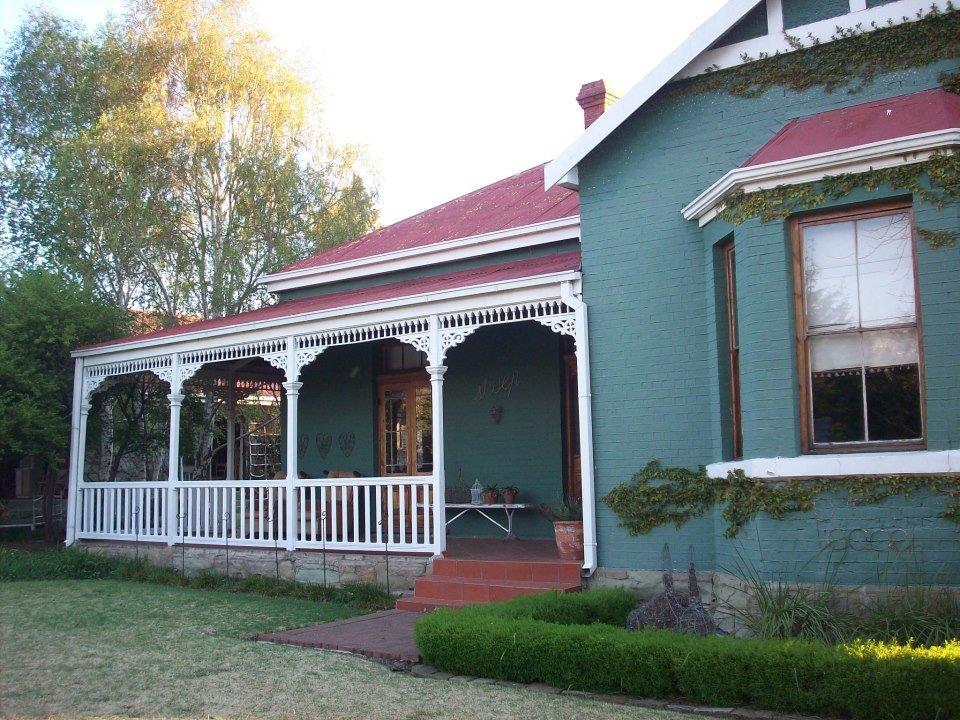
    There are three Caskie homes in HS – all beautifully restored, all in Stuart Street. We grew up in this one on the east end from 1960 to 1973. It had been owned by the original Alec Caskie. The others were on the west end of town.

    – 95 Stuart Street –
    – view from that front stoep – or veranda –

    It turns out Leo Caskie Wade is the grandson of Janet Caskie, who came to Harrismith from Australia, and Harrismith’s well-known doctor Leo Hoenigsberger, who our gran Annie insisted on calling Dr ‘Henningsberg’. A great friend of her Dad, our great grandfather, Stewart Bain, he was the family GP as well as the Harrismith government doctor, or ‘district surgeon’.

    One day, driving back to town from his duties at the prison, he missed the bridge and his car landed in ‘the spruit with the name.’ The Kak Spruit. Only his pride was injured. In the meantime, back in town, the hostess of the weekly bridge evening was getting a bit perturbed as Dr H hadn’t arrived yet and they couldn’t start playing bridge without him. She ‘phoned the Hoenigsberger home and was told by Dr H’s young son Max: “No, I don’t think my father will be coming tonight. He’s had enough bridge for one day.”

    After decades of hearing this story from mother Mary, here’s Leo Caskie Wade to add some more detail:

    “Leo Hoenigsberger, methodical, careful and pedantic as he was, was rushing in his huge German Sperber motorcar over the narrow bridge that led to the Harrismith Hospital. It was an emergency. He crashed over the side into the river and was admitted to his own hospital.

    Now fast forward to the mid-1970’s. I am at university in Durban; I am asked to take an Italian female exchange student to digs where she would stay over the week-end on her way to Rhodes University. I dropped her at the gate to return later to take her out. When I arrived she was not ready yet, and in chatting to the elderly German landlady I discovered she was my grandfather Dr Leo Hoenigsberger’s theatre nurse! She had nursed him after the said crash. She wanted to know all about the Harrismith family etc. What a coincidence!”

    ~~oo0oo~~

    ** The Two Marys photo: To make the image, a daguerreotypist would polish a sheet of silver-plated copper to a mirror finish, treat it with fumes that made its surface light sensitive, expose it in a camera for as long as was judged to be necessary, which could be as little as a few seconds for brightly sunlit subjects or much longer with less intense lighting; make the resulting latent image on it visible by fuming it with mercury vapour; remove its sensitivity to light by liquid chemical treatment, rinse and dry it, then seal the easily marred result behind glass in a protective enclosure. (thanks, wikipedia). Later, the daguerreotypist would go mad from the mercury fumes, of course.

    ~~~oo0oo~~~

    – Sheila’s ‘Two Marys’ daguerreotype: As is, and ‘digitally doctored’ –

    Mary Caskie Bland’s Stuart Street home:

    – Granny Bland’s house 13 Stuart Street –

    ~~oo0oo~~

    Sheils found this handwritten note – most likely written by Alec Caskie himself – among her gran Annie’s effects. Annie was his granddaughter:

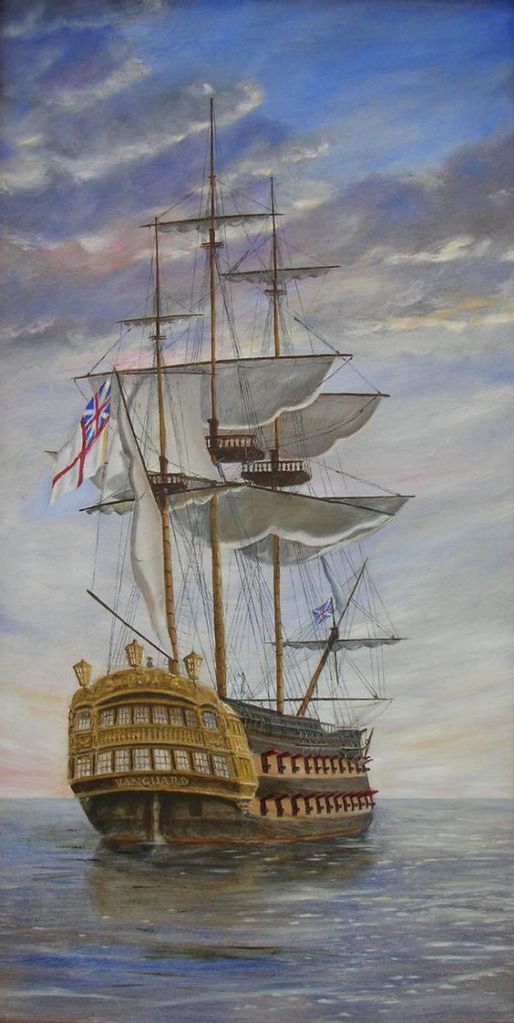
    – H.M.S. Vanguard – In 1862 it left Liverpool, reaching Australia on 3 June, probably via SA –

    Born at Kilmarnock Dec 1839. Brought up in Stewarton where his father’s folks lived for several centuries. Was sent to the parish school under Mr Sinclair Sincular ?. Graduated in the big college of the worlds.

    ” survived 4yrs to the (WHOLE LINE MISSING) ” in __ of the large __ __ __ questions involved __ __(HM ??)  Paul to release political prisoners.
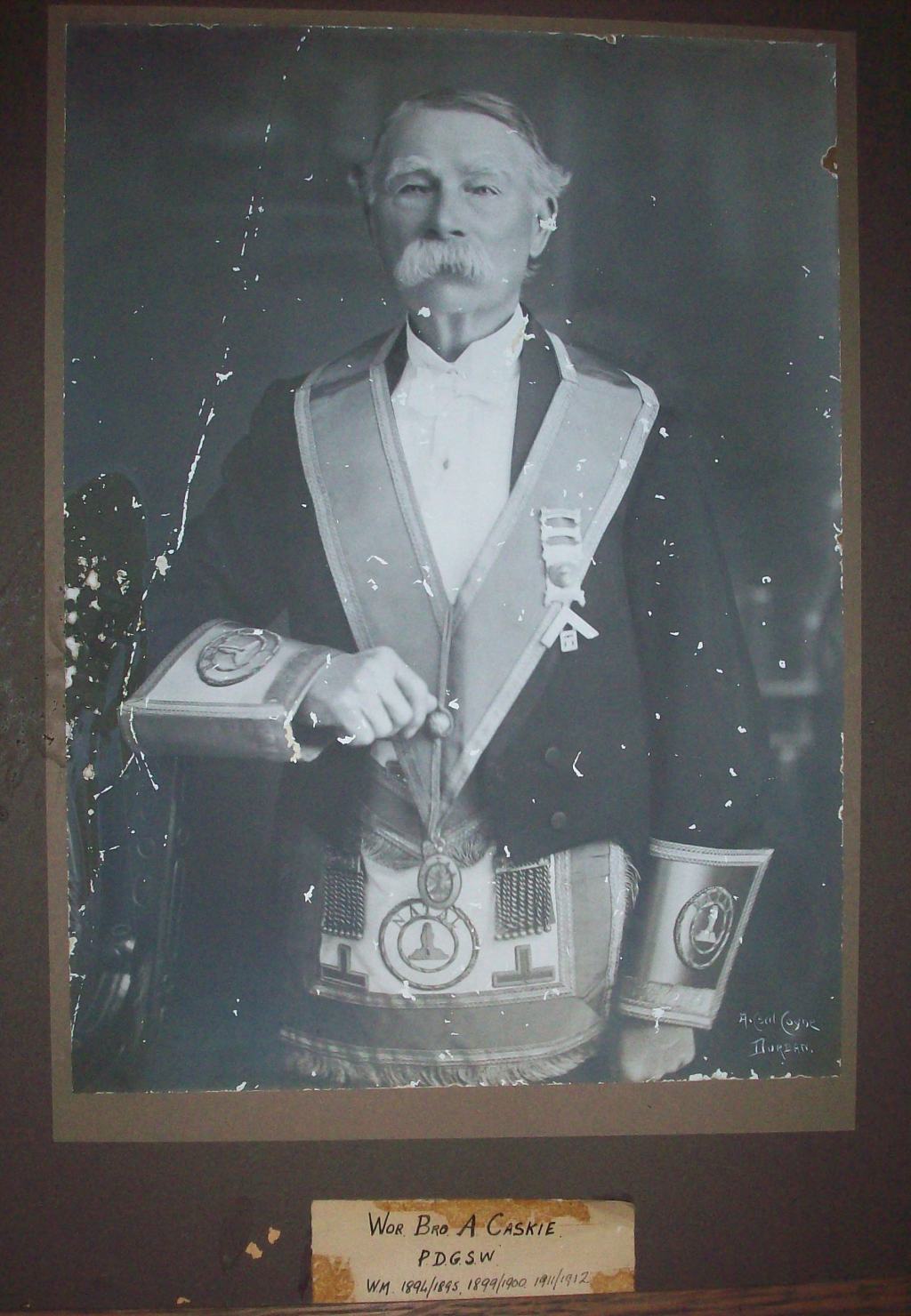
    ” Am a JP for many years.” A freemason for 40 years, passed through the chair three times and am affiliated with several other Lodges. Belong to all the churches and a number of _____. I have served on the village management for 35 years barring 2 years I was out. I have been several times mayor retiring for good in March 1921. I have served on the Hospital board; learning / licensing? board; on the Library committee; the (?Ways – maybe ‘Ways and Means’) Board. The Literary Society. Have (?passed) the (?port) on many occasions. __ under Dr. and I. __. Married Mary Craig daughter of Robb Craig, High Street (?Stewarton__). Sailed on the Vanguard from Glasgow to South Africa – 1862 – 69 days passage. Was (?pro cantor) and organist Rev Campbell _____ Church for Maritzburg, where I have lived for about 10 years. Came to Harrismith in 1873 where I have lived since.

    (Those of you who can read old bullets’ 19th century spidery inkwell-and-quill handwriting, please click on the pic bottom right below and do some deciphering and add it in the comments!).

    ~~~oo0oo~~~

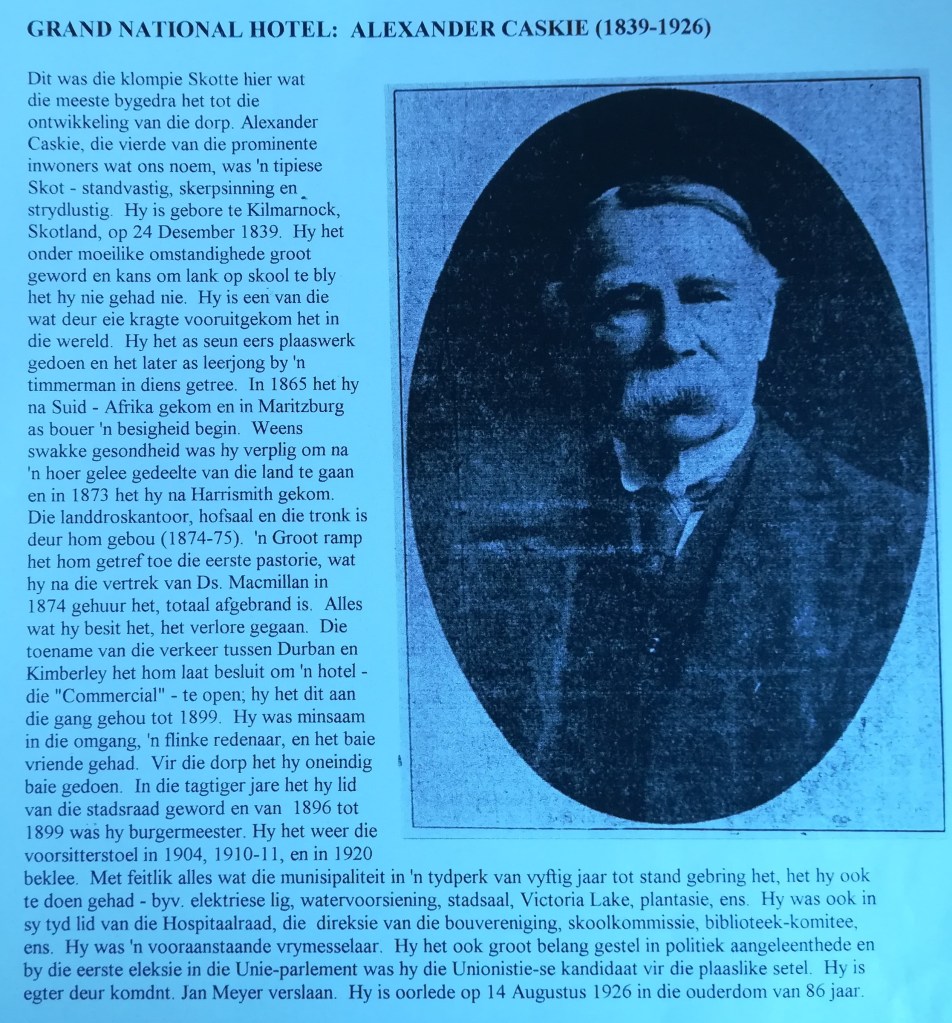
    . . and a pleasantly flattering bio in Afrikaans (by historian FA Steytler’s Die Geskiedenis van Harrismith, 1932) which I translate here:

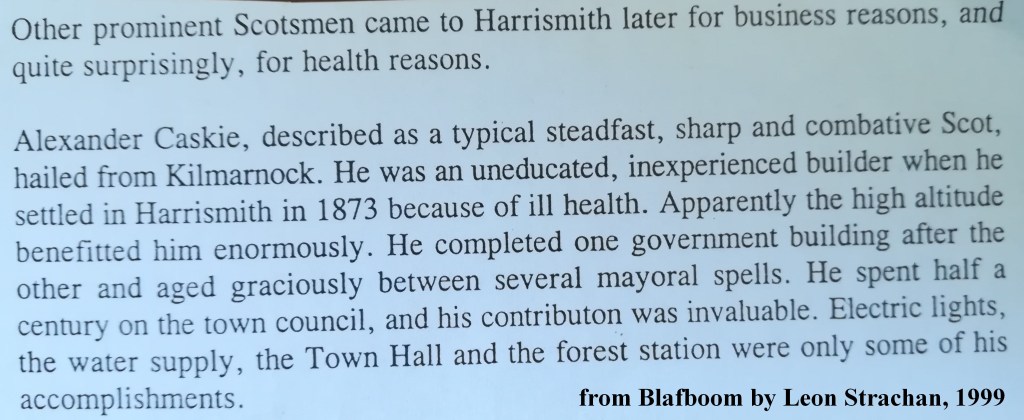
    Grew up in difficult circumstances; not much schooling; worked on a farm as a boy; then apprenticed to a lumberjack (or timber merchant?); Came to PMB and started as a builder; poor health saw him seek ‘higher altitude’ and move to Harrismith for the climate in 1873; seemed to suit him! He built the landdroskantoor, the hofsaal (magistrates court and offices), and the town gaol; Disaster struck in 1874 when the house he was renting (the Ou Pastorie of Ds Macmillan) burnt down; he lost all he possessed; he then decided to take advantage of the increased traffic between Durban’s harbour and Kimberley’s diamond fields and open a hotel – the Commercial (later called the Grand National), which he ran as hotelier till 1899; He was described as pleasant in company, a keen debater, with many friends; He did an incredible amount for the town. Town Councillor; Mayor 1896 to 1899, 1904, 1910-1911 and 1920. For fifty years he was involved in almost everything the municipality established or started: eg. electric light, water supply, town hall, Victoria Lake in the park, the pine plantation on the slopes of Platberg, etc. A member of the Hospital Board, a director of the Building Society, the School Commission, Library Committee, etc. A prominent Freemason; Active in politics: he stood for the Unionist Party for the Harrismith seat in the Union Parliament, but lost the election to Kommandant Jan Meyer. Died 14 August 1926, aged 86.

    ~~~oo0oo~~~

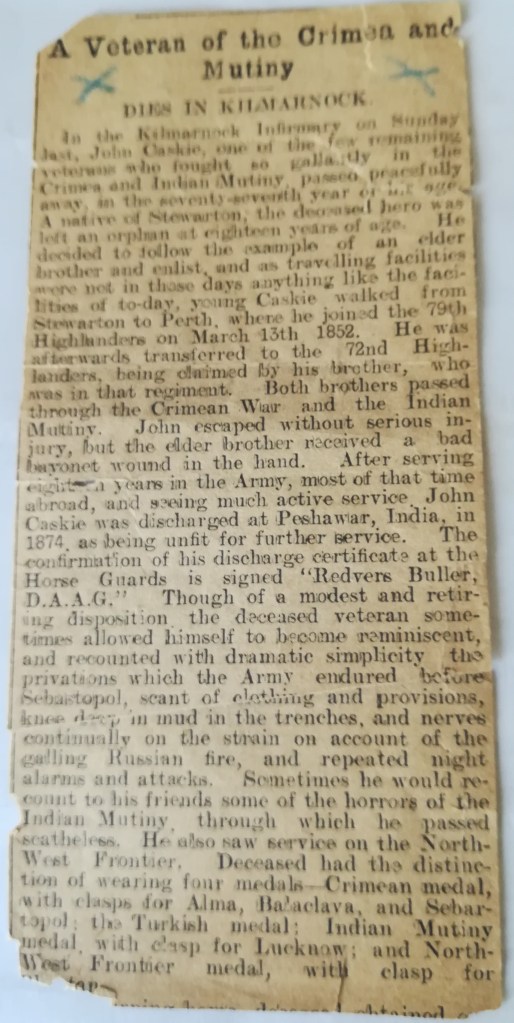
    Sheila also has an undated newspaper article about the death of one John Caskie in Kilmarnock, Scotland – brother? cousin? He served in the 72nd Highlanders and saw action in the Crimean War (1855) and the Indian Mutiny. John was likely a relative, as Annie Bland kept this article amongst her papers.

    ~~oo0oo~~

    Potted Caskie history (like all my history ‘lessons’: pinch o’ salt): The Caskies originated in the Galloway – Dumfries region of Scotland. The name is the anglicization of the pre-10th century Gaelic ‘MacAscaidh’ which derives from the Old Norse personal name ‘Asketill’, and translates as ‘The cauldron of the gods.’ How’s that!? Some of me was brewed in a cauldron!

    The first recorded spelling of the family name is that of Thom McKasky, 1494, Edinburgh, during the reign of King James IV of Scotland. Surnames became necessary when governments introduced personal taxation, so no wonder the Scots kept spellin’ them differint! The Stewarton region seems to be known for Ayrshire cattle, body snatching, variable spelling and being a good place to leave, but of course – I may be wrong.

    ~~oo0oo~~

    Sheila made a Caskie Family Tree. Anyone with more info, please add / amend (as I have) so it can be improved / updated! Simply do it in the comments here, or email admin@sheila.co.za

    ~~oo0oo~~

  • A New Author!

    A New Author!

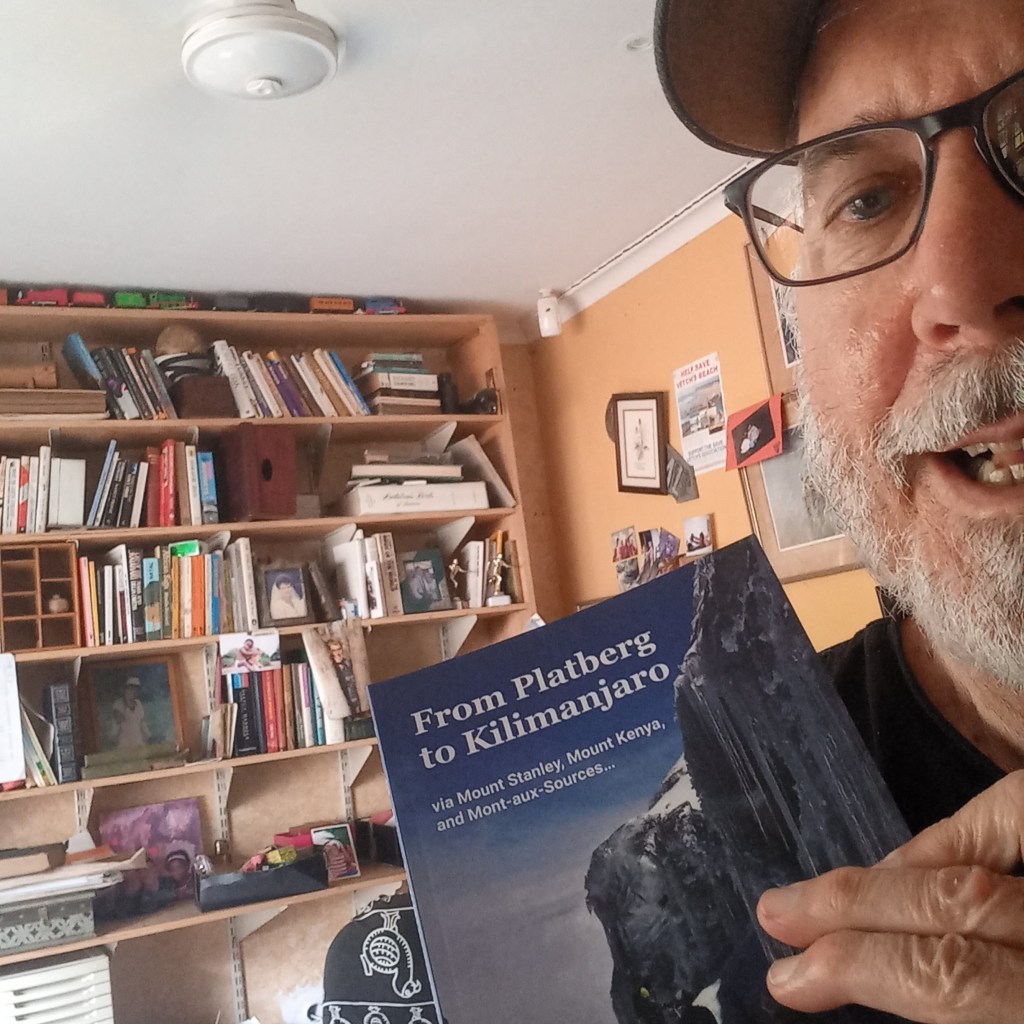
    We have a new book out! (get it on takealot.com)

    OK, the author has a new book out, his first. School friend Harry ‘Pikkie’ Loots is Harrismith’s latest published author, following in the footsteps of FA Steytler, EB Hawkins, Anita van Wyk Henning, Petronella van Heerden, Xander Strachan and Leon Strachan. There must be more?

    So far he has it as an eBook – you can get it now already.

    Real paper hard copies to follow. I had the privilege and fun as one of his proof-readers, of reading it as he wrote and re-wrote.

    UPDATE 10 Feb 2021: It’s he-ere! In my hand!

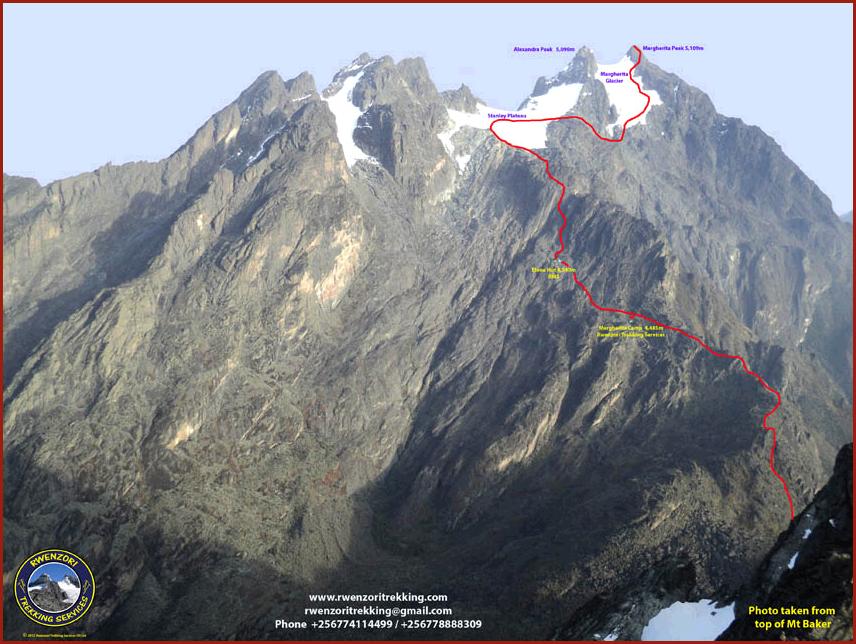
    Now you gotta realise, Harry is a mountaineer and trekker. These are phlegmatic buggers; unflappable; understated. So when he says ‘we walked and then crossed some ice and then we got here’:

    – 5109m above seal level – the Drakensberg’s highest peak is 3482m –

    . . with lovely pictures and fascinating stories along the way . . you must know what he doesn’t show you. And this is only the third highest peak he climbs in Africa! There’s more!

    Those of us who climbed Mt aux Sources should also remember how we drove to within an hour or two’s walk – stroll actually – from the chain ladder. To get to these higher mountains there’s days of trekking before you reach the point in the picture. And there’s way less oxygen!

    I can’t wait to hold a copy in my hand . . Goddit now. Here’s the back cover blurb: ( – get it on takealot.com – )

    ~~oo0oo~~

  • Add to Mary stuff

    Add to Mary stuff

    On Wed, Sep 18, 2019 Peter Swanepoel wrote:

    Hey JP – I saw Mother Mary Methodist on Sunday (it’s her 91st today) and she told me this: Verster de Wit was the captain of the rugby team and he was her boyfriend! First time I heard that.

    She has lots of memory lapses – yesterday things – and then lots of clear flashbacks of olden daze things. Sien vir jou – Koos

    ..

    Jean-Prieur du Plessis replied from Texas:

    Aaaawh! Happy Birthday Aunty Mary.  I bet Mona will be able to second/confirm that!  I remember she was really good at who dated who in the past in Harrismith. I asked her once: Ma, hoekom hou jy nie van Tannie Havenga nie (I forgot her first name…from the bookstore**).  She answered: Want sy was jou pa se girlfriend in matriek!  😀

    Thanks for always keeping in touch!  Lekker bly. Cheers

    ** Marie Lotter – was Marie de Beer

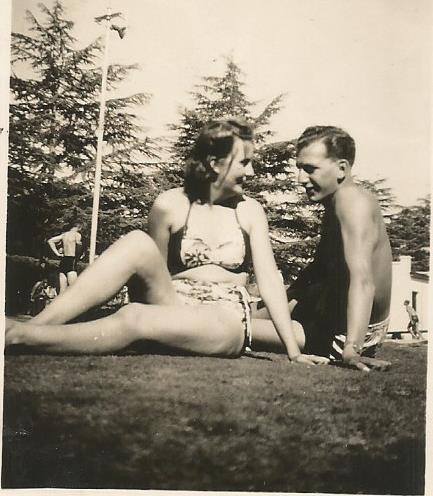
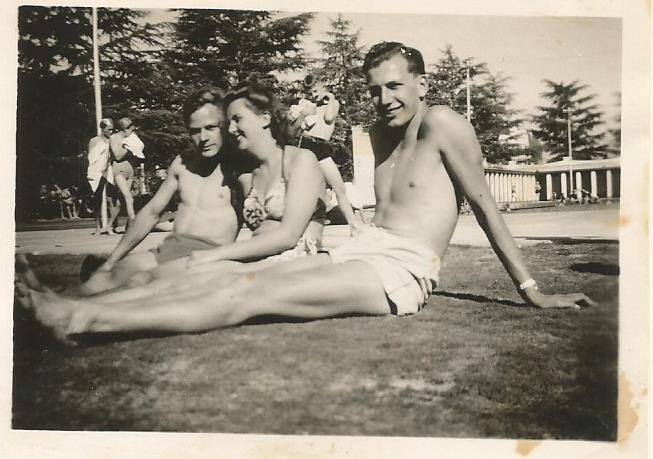
    Top pic: Mary Bland and Polly du Plessis ca.1945 – their matric year

    ~o0o~

    maybe add this to the ‘Harrismith’s automotive designer’ post

  • Old Harrismith Cars

    Old Harrismith Cars

    A post for you, if you’re A. Ancient; B. A Harrismith, Vrystaat okie; and C. A nerd or a petrolhead.

    Who drove What cars When, back in the day. And: WHAT COLOUR were they? Also, for extra points, can you recall their number plates?

    Old bullets – and those of us who spoke to dear-departed old bullets – remember that Harrismith was OI before it was OHS – Oh, Aye! It was indeed. Here’s a picnic on the slopes of the mountain back in those days.

    – 1939 2-door Chev like this one, I wonder? –

    Vic Crawley bought Sep de Beer’s 2-door Chev 1939 number plate OI 1

    Abe Sparks, the Mayor of Swinburne – silver? Rolls Royce pickup conversion (Abe with stetson hat, cowboy boots and string tie with a semi-precious stone clasp; Lulu looking swish next to him). Abe bought the Rolls from Petronella van Heerden beforevconvertingbit to a pickup. She had toured Europe in it, then shipped ot to Cap Town wherecshechad her obs n gynae practice.

    Beno Sammel – big Packard, according to Dad

    – Dr Leo Hoenigsberger

    Dr Leo Hoenigsberger drove ‘a big old German Sperber’ according to his grandson Leo Caskie Wade. Sperber means sparrowhawk

    Pikkie Loots’ grandad’s ‘lovely old blue Desoto Suburban – probably late 1940s model – OHS 555 ‘State Express’ (remember the State Express 555 cigarettes – they came in a tin?).

    Pikkie also added: What about the Herringtons, Charlie and George? They had a few cars between them. At least one Karmann Ghia if I remember. At van Niekerk (Dries’ brother) – a Porsche. Ronnie (Hector) Pienaar’s Alpha Romeo. Abel Caixinha’s uncle’s beige station wagon. Hoender’s (Gerrit – Rigter? – Kok) Volvo B16?

    Annie Bland – beige Chevrolet Fleetline 1948 OHS 974

    – I put a milk can in the back so it would like the Simpsons –

    Joan & Vera Simpson – grey Morris Minor pickup, milk cans on the back this one photoshopped on by me).

    Martha McDonald & Carrie Friday – British racing green 1938 Buick Roadster coupe. See the feature pic above of their actual car, lovingly restored by Ty Terreblanche in PMB.

    Charlie Crawley & Michael Hasting’s ‘s flatbed truck – dark green, wooden bed Chev (1934 – 35 according to Dad);

    JN ‘Koos’ de Witt – big black de Soto

    Alet de Witt – VW Karmann Ghia

    Biscayne

    Max Ntshingila (Max Express bus fleet owner) . He drove a sleek yank tank and I thought I’d never get to know what it was. Then I met his son Thembinkosi, and he told me: A gold Chev Biscayne

    – Parisienne – the Canadian Pontiac –

    Hec & Stel Fyvie – a white Pontiac Parisienne and a lang slap off-white Merc 220S that Tabs drove; Tabs’ red Datsun 1600 (was it a SSS?) with the round rear lights that the girls at NTC in PMB called a Ferrari; Then Tabs had a green Datsun 1800 SSS which Geoff Leslie called his ‘Triple Ess Ess Ess’

    Patrick Shannon – Chevrolet El Camino pickup (I saw him using it as a pick-up, too!)

    Other farmers’ cars: I remember Bertie van Niekerk getting out of a huge car wearing a huge hat, but details are missing. Someone will know; I also have a mental picture of him wearing a huge hat and coattails sitting astride a horse and looking down at the admiring throng . . by die skou, I suppose. I remember Chev Kommandos, one driven by an Odendaal, one by Hertzog van Wyk

    Ronnie van Tubergh – Ford Ranchero pickup

    Piet Steyn – grey Borgward

    Chev sedan – Fleetmaster? 1948?

    Gretel Reitz – black VW Karmann Ghia; Dr Frank Reitz – big old black Chev OHS 71, seen here parked in the shade of the big old trees on the banks of the Tugela river on The Bend.

    Pieter Swanepoel – beige Morris Isis OHS 154 – dark blue VW Kombi OHS 153 – light blue Holden station wagon – white Holden station wagon – white V8 Ford Econoline, all OHS 154

    Mary Swanepoel – green & black Ford Prefect – light blue VW 1200 Beetle OHS 155

    Jannie Jan Bal du Plessis – green Datsun 300C

    Jes Hansen – Harrismith’s first Hino pickup; small and grey, I seem to remember; we laughed at it and Gerie Hansen used to say ‘Hino go so good’ but this Hino was the forerunner of the all-conquering Toyota Hilux; in fact, the first Hilux bakkies were built in the Hino factory.

    Charles Ryder – lime green Volvo 122S – whattacar!

    Teachers’ cars: Bruce Humphries – new white Ford Cortina; Heilige Giel du Toit – old black Mercedes 190; Ben Marais – blue VW beetle; Ou Rot Malherbe – little green Fiat 500; Ou Eier Meyer – something with wings – a Zephyr? Daan Smuts – white VW beetle;

    Cappie Joubert – green Ford Zephyr 6 with wings; gold ‘stompgat’ Zephyr 6