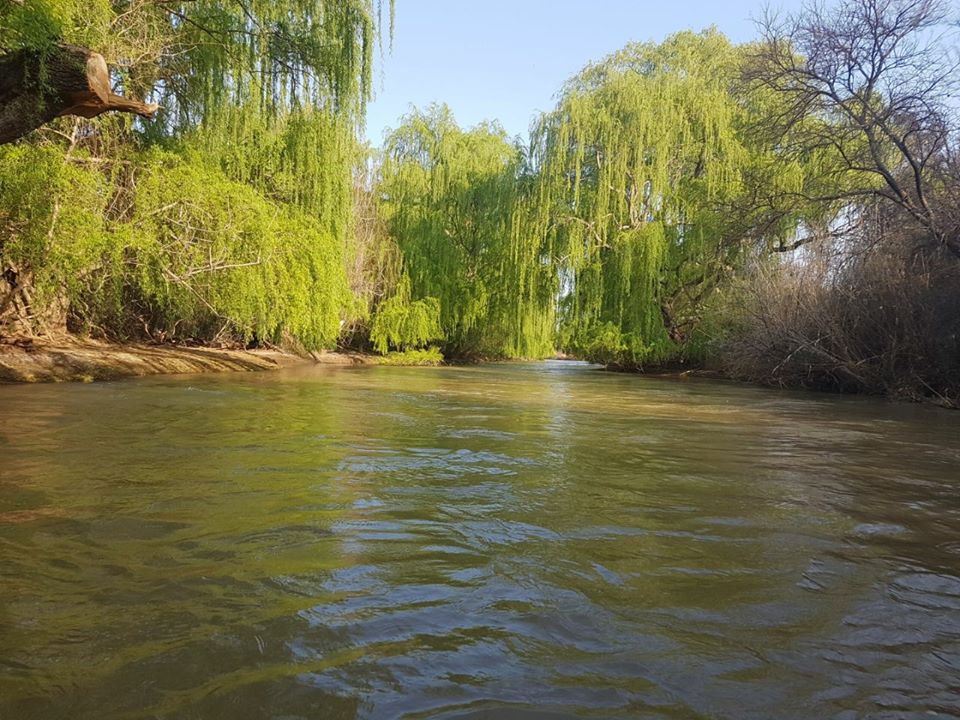
Category: travel

  • Mix Your Drinks, Add River Water

    Mix Your Drinks, Add River Water

    It was advice from my chairman and as a new, fairly young member, I trusted him implicitly. You add sherry to your beer, said Allie Peter with a knowing nod. When we got to the bottle store in Cradock he spotted me at the till with a dozen Black Labels and a bottle of Old Brown Sherry.

    ‘No, Swanie,’ he came with more advice, given in his local Eastern Cape-inflected accent, ‘Get Ship Sherry. You can get TWO bottles for the price of one Old Brown.’ As a new, fairly young member, I trusted my chairman of the Kingfisher Canoe Club implicitly, so I dutifully swopped my bottle for two Ship Sherries. This decision was going to reverberate . .
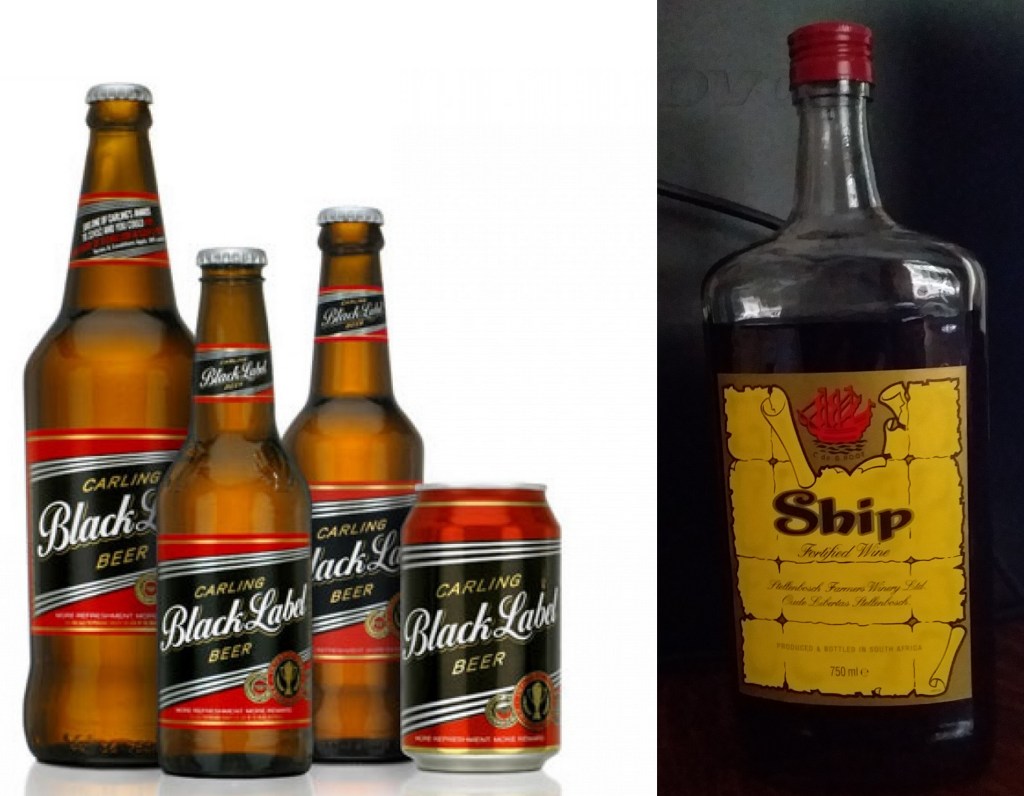
    – a good blend, I was told – I notice bevshots haven’t analysed it yet –

    At Gattie’s townhouse (that’s Malcolm Phillips Esq. to you) we stood around with cans of beer in our hands, topping them up with sherry every so often. It worked a treat and was a marvelous idea. I could see my chairman had been around and knew a thing or two. The mix seemed to enhance my paddling knowledge and experience vastly.

    Much later that night I was busy expounding on some finer point of competitive paddling – probably on how one could win the race the next day – when I realised in mid-sentence, with my one finger held high to emphasise that important point I was making, that I was completely alone in Gattie’s lounge. Everyone had buggered off to bed and I had no-one to drink with. I looked around and found a corner, downed the rest of my berry mix and lay down to sleep. It was carpeted, I think.

    Later I remember through a slight haze seeing Gattie asking if his prize bull was being slaughtered, but when he saw it was only me kneeling and hugging the porcelain bowl, he said ‘Oh’ and went back to bed. The porcelain bowl had amplified my sounds of slight distress like a large white telephone, waking him up in his bedroom far down the other end of the house.

    It must have been a good clearing out as I felt fine when we left for the Grassridge Dam and the start of the marathon in Bruce Gillmer’s kombi a few hours later. Dave and Michelle were there and I spose some other hooligan paddlers and I’m sure my boat was on the roofrack. After a few km’s there was an ominous rumble and I knew I had a little lower intestinal challenge; which would have been fine – and some fun – if there hadn’t been a lady – and a real lady she is, too – in the bus.

    I had to warn them. It was soon after a famous nuclear disaster, so I announced ‘We need to stop the bus or there will be a Chernobyl-like disaster on board.’ Bruce was a bit slow to respond, he’s a psychologist, see. So it was only when the waft hit his own personal nostrils that he pulled over smartly and let me release the rest of the powerful vapour at the roadside on the outside if the sliding door. Ah, that was better. With the pressure off I was fine again. I did notice I wasn’t talking so much about winning the race though.

    The grumbling re-occurred on the dam, making that start the roughest I have ever endured. The wind and the waves on Grassridge Dam were worse than any rapids I have ever paddled. I was very glad to carry my boat down to the Fish River – leaving the dam stone last, I’m sure. Paddling river races on dams would be banned, verboten and illegal if I was the Ayatollah of Downriver Paddling.

    – comparatively, this is a mild day on Grassridge Dam –

    The river was plain sailing and the rest of the day a pleasure.

    – higher water than we enjoyed –

    That night I sipped daintily at plain beer. I was beginning the long slow process of learning to think carefully when considering advice freely given by sundry Chairmen of Kingfisher Canoe Club. I’m thinking of Charlie, Alli, Billy. Don’t let their nicknames fool you.

    Day two was short and easy and I probably kept my usual respectful back-of-the-field place.

    ~~oo0oo~~

    See the Fun of the Fish in the Eighties (video)

    ~~oo0oo~~

    The Fish

    The first race in 1982 attracted 77 paddlers in 52 boats. 37 boats finished the race, as the thick willows and many fences on the upper stretches of the river took their toll. It was won by Sunley Uys from Chris Greeff, the first person to shoot Cradock weir in the race.

    In those days, the race was held on a much lower river, 13 cumecs (roughly half of the current level!) and it started with a very long – over 50km – first day. The paddlers left the Grassridge Dam wall and paddled back around the island on the dam before hitting the river, eventually finishing at the Baroda weir, 2,5km below the current overnight stop. The paddlers all camped at Baroda overnight, before racing the shorter 33km second stage into Cradock.

    Stanford Slabbert says of the first race “In those days the paddlers had to lift the fences – yussis! remember the fences! – and the river mats (fences weighed down by reeds and flotsam and jetsam) took out quite a few paddlers. Getting under (or over) them was quite an art”.

    “I recall one double crew”, says Slabbert. “The front paddler bent forward to get under the fence and flicked the fence hoping to get it over his partners head as well. It didn’t. The fence caught his hair and pulled him right out of the boat and they swam!”

    Legends were already being born. Herve ‘Caveman’ de Rauville stunned spectators by pioneering a way to shoot Marlow weir. He managed to reverse his boat into the chute on the extreme left, and took the massive slide back into the river going forward, and made it!

    The field doubled in 1983, as the word of this great race spread. 145 paddlers in 110 boats. It was won on debut by Joburg paddler Niels Verkerk, who recalls, ‘It was a very long first day, especially as the river was not as full as it is now (it was running at 17 cumecs in 1983). Less than half the guys shot Keiths, which was not that bad as the hole at the bottom wasn’t that big.’

    At a medium level, the lines at Soutpansdrift were also different. The weir above Soutpans was always a problem, as there was no chute, no pipes. At the bottom of the rapid, the only line was extreme left, underneath the willow tree – yussis! remember the low-hanging willow trees! – and then a sharp turn at the bottom to avoid hitting the rocks, where the spectators gather like vultures.

    ~~oo0oo~~

  • New Country, New Identity, New Skill

    New Country, New Identity, New Skill

    We’re all exhorted to Sieze the Day! Carpe diem, said Horace. Grab Opportunities as they arise! Well, some people do just that.

    I was reading about Andrew Geddes Bain, geologist, road engineer, palaeontologist and explorer in the Cape up to 1864, and his son Thomas Charles Bain, road engineer in the Cape up to 1888, when it suddenly struck me!

    First, let’s see what these two very capable men achieved: Andrew Geddes Bain was in charge of the building of eight mountain passes, including the famous Bain’s Kloof Pass, which opened up the route to the interior from Cape Town. And he (and his wife) had about thirteen children. His son Thomas Charles Bain saw to the building of nineteen passes! His crowning glory was the Swartberg Pass that connects Oudtshoorn in the Little Karoo with Prince Albert beyond the Swartberg mountains in the open plains of the Great Karoo. And he (and his wife) also had about thirteen children.

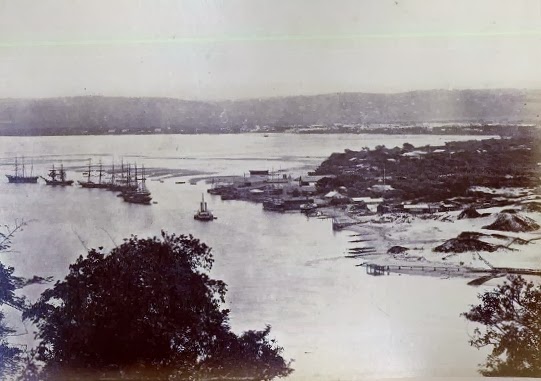
    And I suddenly knew exactly what happened when my Great-Grandfather Stewart Bain and his brother James Bain got off the ship in Durban in 1880. They were fishermen from the tiny fishing village of Wick, in the far north-eastern corner of Scotland, used to being ‘knee-high in brine, mud, and herring refuse.’ * They left Wick and gave up fishing some time after an uncle Stewart had drowned in a fierce storm while out fishing off Wick in one of those little boats. They got onto bigger boats and headed for warmer climes in the colonies: Durban, Natal.

    – Durban harbour ca.1880 looking inland from the Bluff, showing the Point at right –

    When they arrived in Durban people asked them: ‘Bain? Are you the famous Bain road builders? We need road builders here. Can you build bridges too?’

    And I know just what the brothers Bain said. ‘Roads? Och aye, we can build roads. And bridges? We can build them with one hand tied behind our back.’ You know, the old, ‘You’re payin’ how much to do that? Well, you’re in luck. I Happen to be Very Good at it . . . ‘

    – some nice bridges there – this one in Swinburne –

    And so they built the railway bridges between Ladysmith and Harrismith, utilising their herring netting experience, learning as they went, ‘upskilling’ – thus goes this theory of mine – no doubt with the help of African labourers who had done this before.

    And thereby they helped the railroad reach that wonderful picturesque town in the shadow of Platberg, so that I could be born. This subterfuge and venture made them enough money to buy the Railway Hotel (Stewart; he re-named it the Royal cos every Saffrican town has to have one), and build the Central Hotel (James); Then they could marry, have children – only about nine and eight apiece, though – and become leading citizens of their adopted dorp in Die Oranje Vrijstaat Republiek, a sovereign non-British country.

    Then: One of Stewart ‘Oupa’ and Janet ‘Ouma’ Bain’s nine ‘Royal Bain’ children Annie, had two daughters; and one of those – Mary – had me! And here I am.

    ~~oo0oo~~
    Think I’m being unkind to Wick, village of my ancestors? Read what Robert Louis Stevenson wrote about Wick to his mother when he stayed there in 1868:

    ‘Certainly Wick in itself possesses no beauty: bare, grey shores, grim grey houses, grim grey sea; not even the gleam of red tiles; not even the greenness of a tree. The southerly heights, when I came here, were black with people, fishers waiting on wind and night. Now all the boats have beaten out of the bay, and the Wick men stay indoors or wrangle on the quays with dissatisfied fish-curers, knee-high in brine, mud, and herring refuse. The day when the boats put out to go home to the Hebrides, the girl here told me there was ‘a black wind’; and on going out, I found the epithet as justifiable as it was picturesque. A cold, BLACK southerly wind, with occasional rising showers of rain; it was a fine sight to see the boats beat out a-teeth of it. In Wick I have never heard any one greet his neighbour with the usual ‘Fine day’ or ‘Good morning.’ Both come shaking their heads, and both say, ‘Breezy, breezy!’ And such is the atrocious quality of the climate, that the remark is almost invariably justified by the fact. The streets are full of the Highland fishers, lubberly, stupid, inconceivably lazy and heavy to move. You bruise against them, tumble over them, elbow them against the wall — all to no purpose; they will not budge; and you are forced to leave the pavement every step.’

    ~~oo0oo~~

    Now read a sterling and spirited defence of our ancestral Scottish dorp by Janis Paterson – a feisty distant cousin, and also a descendant of the Bains of Wick; who read my post and reached for her quill (I have paraphrased somewhat):

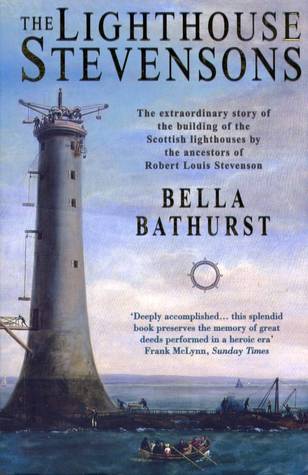
    Ya boo sucks to RLS! Robert Louis Stevenson was a sickly child. His father and his uncles were engineers who built lighthouses all over Scotland. Robert was sent to Wick, likely to get involved in building a breakwater there with his Uncle. But he was more interested in writing stories and was just not cut out for this sort of work. I believe he was also ill while in Wick. The first attempt at building the breakwater was washed away during a storm and also the second attempt. The work was then abandoned. I therefore propose that Robert just didn’t want to be in Wick, was ill, fed up with the weather and just wanted to get away to concentrate on his writing. The Stevenson family must have been excellent engineers, as all the lighthouses are still standing. Did Robert also feel that he was a failure as an apprentice engineer?

    Stick it to him, Janis! How dare he call Wick fishy? Or smelly!? Or breezy!? Even if it was! Just cos a dorp is fishy smelly and breezy doesn’t mean strangers can call it fishy smelly and breezy!

    Janis adds ‘Read this book review:’ ‘ . . fourteen lighthouses dotting the Scottish coast were all built by the same Stevenson family that produced Robert Louis Stevenson, Scotland’s most famous novelist. Who, unlike the rest of his strong-willed, determined family, was certainly not up to the astonishing rigours of  lighthouse building.’

    Janis was right! 😉 All HE could do was scribble. Like me. But better.

    ~~oo0oo~~

    ~~oo0oo~~

    On our big Karoo / Garden Route tour in 2023 Jess and I stopped at a monument to the original road-building Bains who I say inspired our newly-arrived, soon-to-be Vrystaat Bains to do likewise.

    ~~oo0oo~~
    Later I found this on the Ladysmith to Harrismith extension of the rail line. Maybe the Bain bros got a piece of this action?

    LADYSMITH – VAN REENEN – HARRISMITH

    After the survey for the rail link from Ladysmith to Van Reenen was finalised, the route was pegged out in June 1889. A junction was formed a mile north of Ladysmith Station, recorded as 190¼ miles from Durban and 3350ft asl, and appropriately named Orange Free State Junction. However, terminating the line at Van Reenen was not considered very remunerative, and tapping into the OFS’s rich agricultural eastern region would make the undertaking more profitable. Negotiations with the OFS Volksraad resulted in the Natal Railway Administration being granted the sole right to build, equip and operate the extension from Van Reenen to Harrismith. Representatives of both Governments met in Harrismith on 25 February 1890 to work out the agreement’s details. In terms of the agreement signed on 24 June 1890, the railway was to be completed within three years of the turning of the first sod. Significantly, while profits would be equally shared between the two Governments, all operating losses would be borne by Natal alone. The Free State could, at any time, after giving six months’ notice, take over the railway at the cost of its original construction and any other capital expenditure.

    Contracts for the earthworks and masonry culverts from Van Reenen to Harrismith were awarded on 22 January 1891†. The route generally followed the course of the Wilge River, graded at 1 in 80 with 600ft minimum radius curves. The energetic approach of the work crews completed the extension four months ahead of schedule. The extension from Van Reenen to Harrismith was taken into use on 13 July 1892. Initially, there was only one station, Albertina, later renamed Swinburne, between Van Reenen and Harrismith.

    Distance from Durban, elevation in feet

    Van Reenen  226       5520·49     Staging Station at the Natal/OFS border

    Albertina     234¼     5408·46     Passing Station

    Harrismith      249½     5322·30     Temporary Terminus

    † The section from Van Reenen to Harrismith was built and operated by the NGR under an agreement signed on 24 June 1890 between the Orange Free State Volksraad and the Natal Colonial Government. The Orange Free State Volksraad authorised the Natal Railway Administration to construct, maintain and work, at its own risk, the line from Van Reenen to Harrismith. The working of the line was taken over by the CENTRAL SOUTH AFRICAN RAILWAYS (CSAR) in November 1903. No construction maintenance was allowed under capital expenditure (Under Law 29 of 1890, a sum of £260 000 was authorised for the construction of this section).

    This ‘Bain’s Railway Map, c. 1903’ must surely be one of the famous Bains?

  • Flower Fountain

    Flower Fountain

    We mocked Bloemfontein as Flower Fountain and always looked on Durban as the big city, seldom Joburg, as we would head 299km to the coast not 268km inland to JHB when going for any city business. Bloem never featured. It was 378km and more of a backwater. Once you got there, you’d ask yourself WHY? And yet Bloem was our capital and everything official that went upwards in our little hierarchy summitted in Bloemfontein.

    Especially the sporting ladder. If you climbed the sporting ladder and your head popped up through the clouds, there was Naval Hill!

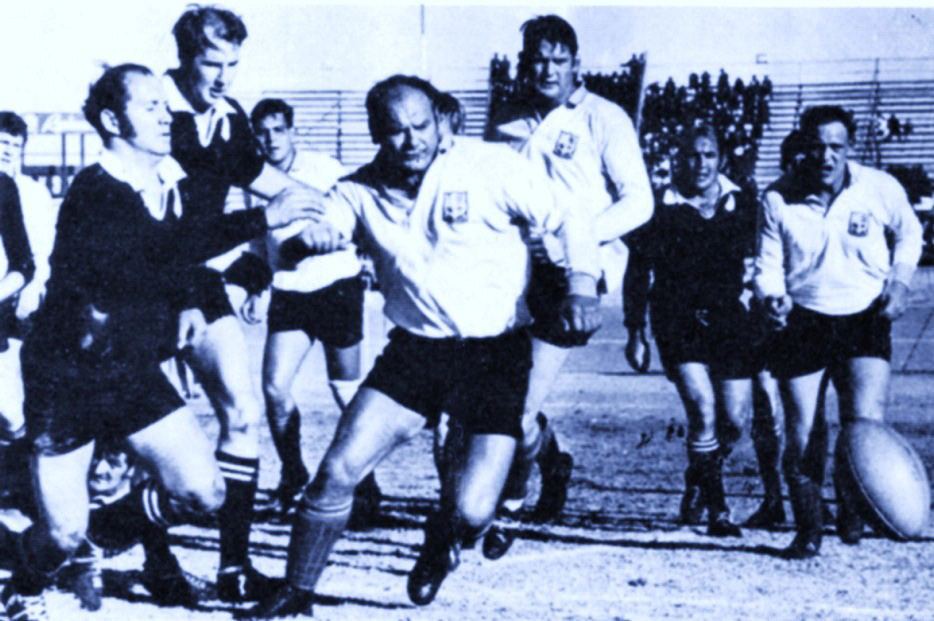
    As far as I recall I reached this valhalla of advancing upwards in your sporting code three times at school: For rugby I was not chosen for the Eastern Free State U/13 team in 1967. But I was chosen to be a reserve. The reserve, maybe? – or was there more than one? So I trekked to Bloemfontein, pulled on my togs and sat shivering on the sideline at the Free State Stadium for the whole match. The top pic gives a glimpse in the background of how the stadium looked. Our sponsors didn’t supply us with branded blankets and there was no attractive physio to massage our limbs. I don’t even know if the poor reserve got his quarter orange ration at half time. It was rugged. Of course we had already beaten another little Flower Fountain Bloemfontein school called Grey College at rugby earlier.

    For tennis Bruce Humphries entered us for Free State Champs.

    All I remember is we drove there in his white Cortina and after I had blasted some booming high-speed double backhands – ala Frew McMillan – in the warmup of the first round, a guy called Symington sent me home 6-0 6-0. I even think he may have yawned while he was doing it. I can’t recall if the famous double pairing of me and Fluffy Crawley played. I have asked him. He can’t remember either.

    And lastly, one year I went to Inter-High, which was the Free State athletics champs and I got a bronze medal for my troubles (actually a piece of paper that said ‘derde’) in the high jump.

    Other than that, we once went for an ordinary rugby game. Daan Smuts drove us there in his VW Beetle to play against Sentraal or JBM Hertzog. Being Daan, we had beer! Yay!! All teachers should be like Daan. When he remembered that he had forgotten to arrange a place for us to sleep we didn’t mind at all. He dropped us off at an abandoned (for the holidays) koshuis where we shivered on beds with no bedclothes. That was maybe the first time we were glad we had blue and yellow and green blazers. Sure it was cold, but we would not have swopped the beers – die binne-kombers – for blankets!

    ~~~~~ooo000ooo~~~~~

    derde – third; bronze!

    koshuis – food house; school hostel

    die binne kombers – the inner blanket; booze

  • Jean-Prieur du Plessis, Texan

    Jean-Prieur du Plessis, Texan

    I contacted JP du Plessis wanting to know wassup!? Catch me up on your USA sojourn!

    He wrote:

    Good to hear from you. We’re living in Austin, Texas – since January 2016.

    We spent sixteen years in Mandeville, Lousiana – near New Orleans. We raised our kids there, and still have the house there.

    Prior stints in Chicago, Illinois, Las Vegas, Nevada and Los Angeles, California. Can’t believe we’ve been here 30 years.

    I fondly (jealously!) followed your past road trips through the States on vrystaat confessions .

    Sorry you had to experience Shreveport!? I get to travel quite a bit for work. I have extensively traveled the Gulf States by road and other places by air.

    Hopefully you made your way on I-20 through to Vicksburg and saw the mighty Mississippi River on your way up from Shreveport to New York with Larry Wingert?

    I still think that is why I came here: because of Huckleberry Finn and Tom Sawyer as well as the fascinating origins of American music in the Mississippi Delta.

    We had a great time living in New Orleans. Our daughter still lives there. We’re going there for a few days on Wednesday for a bit of Mardi Gras and work.

    Our other kids live in Brooklyn, New York City, Chicago and Fort Lauderdale, Florida.

    Funny….I thought so much of you yesterday listening to a “rubriek” on the New Yorker Radio Hour podcast about this guy who traveled all over the States on his canoe for two decades! Saying: Hey I’m not lost and I’m not homeless…..I’m just paddling on the water seeing some fantastic geography and meeting very nice people on the way, (paraphrased). He wrote three books (not published). I will try to find the link for you.

    I think that may have been Dick Conant .

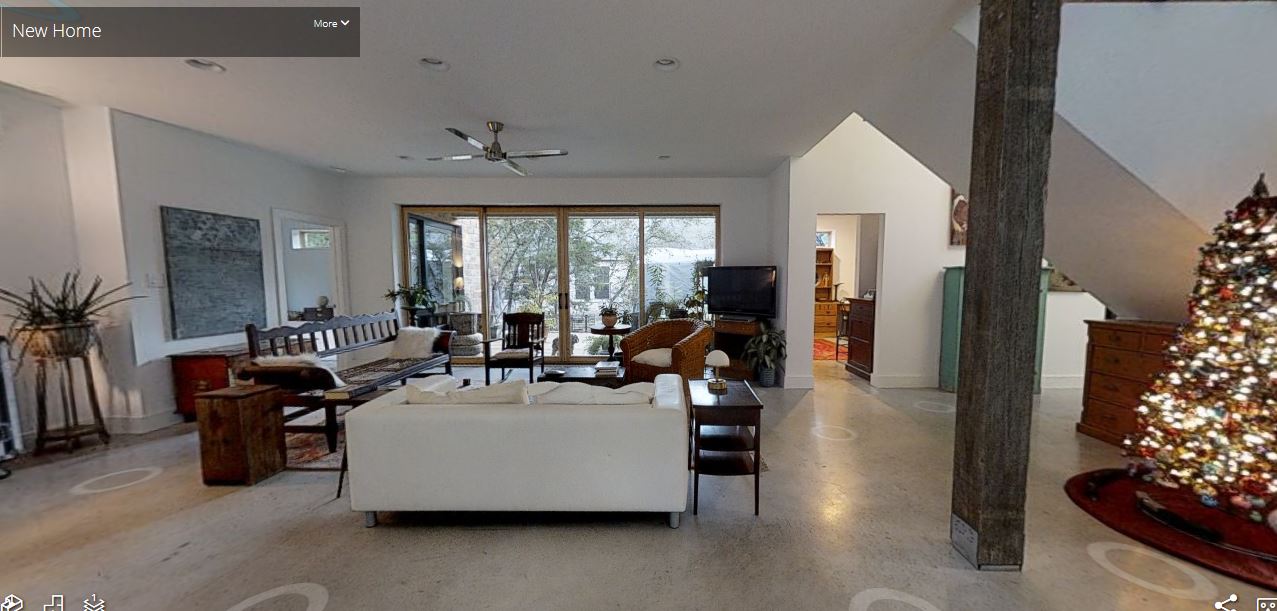
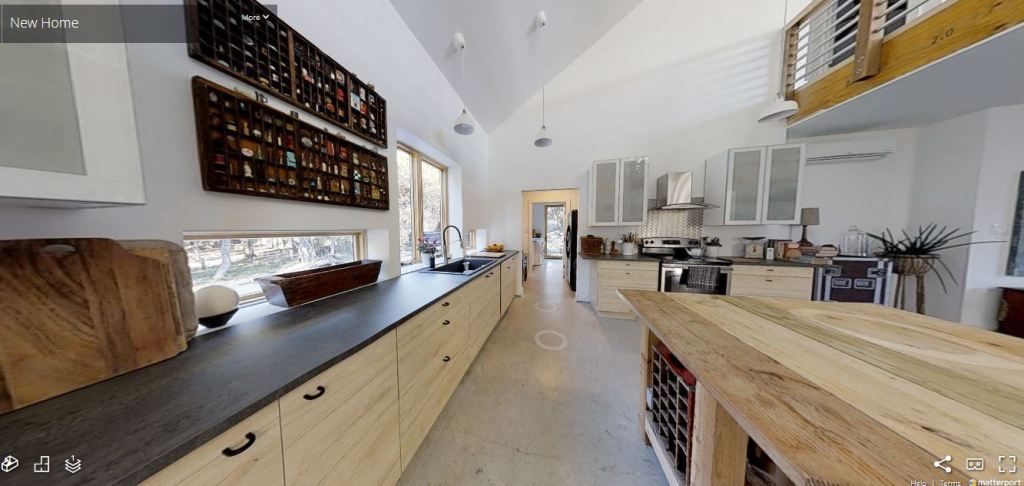
    We have built a new home:

    Take an online walk-through JP’s home here.

    ….now, after a lot of bloed, sweet en trane, we will take Sweet Melissa the Airstream on the road again – to the loud music of The Allman Brothers!

    Sweet Melissa

    See, learning from you, I have now almost written my first blog!

    Cheers brother. Keep in touch…..even better…come visit and take the Melissa the “karavaan” on a road trip.

    J-P

    Now there’s a tempting offer!

    ~~oo0oo~~
  • Kayak the Ocoee

    Kayak the Ocoee

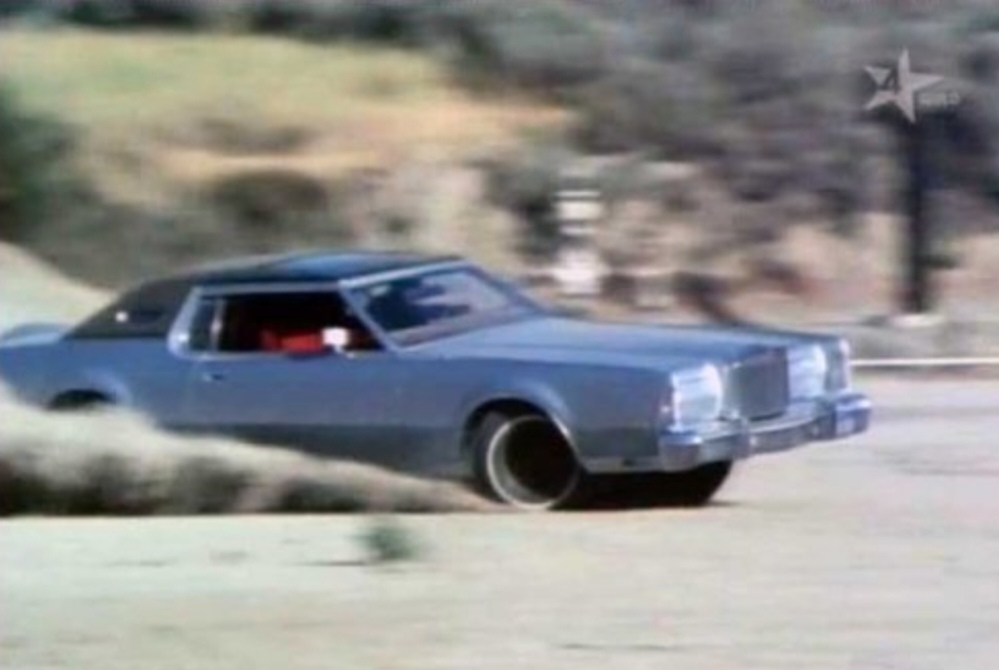
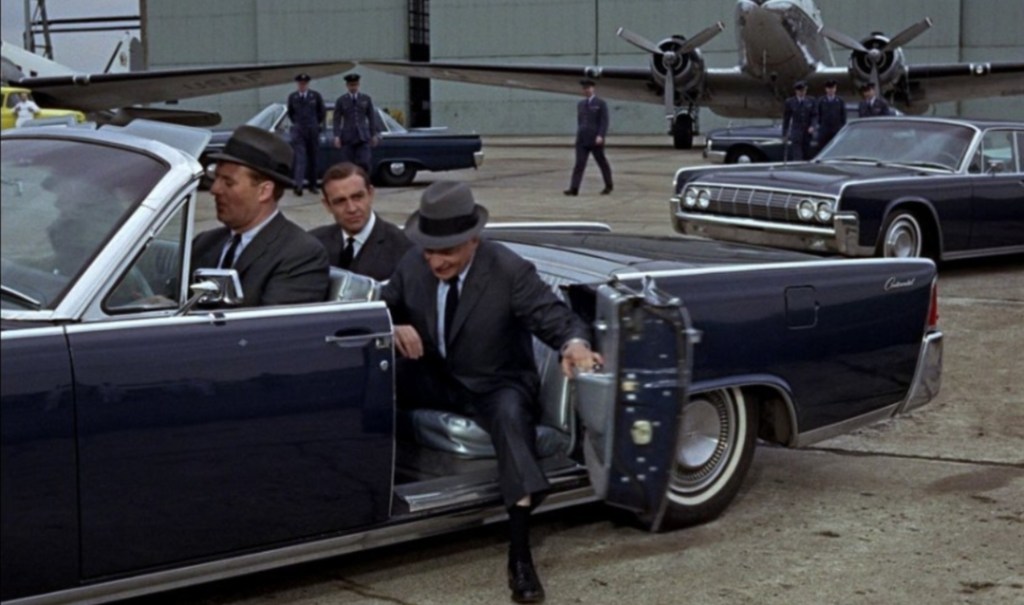
    Fresh from trying to drink an aeroplane dry we sauntered up to the car hire counter in the Atlanta airport and asked the lovely lady for a medium-sized American car. We had decided American cars were so big that a medium would be plenty big enough for the five of us. We got into our car, drove fifty metres – OK, fifty yards in America – and threw a u-turn. We sauntered back up to the car hire counter in the Atlanta airport and asked the lovely lady if we could swap it for a fullsize American car. She said, Sure Thing, I have a Lincoln Continental Town Car (check a review of the Lincoln at the end of this post!), Will that be good? We said if its fullsize and can take roofracks it’ll be good. Oh, No-one Puts Roofracks on a Lincoln Continental Town Car, she said, so we kept quiet. Diplomatically.

    Atlanta Lincoln2
    – Herve, me, Chris and Jurie with our 1984 Lincoln Town Car –

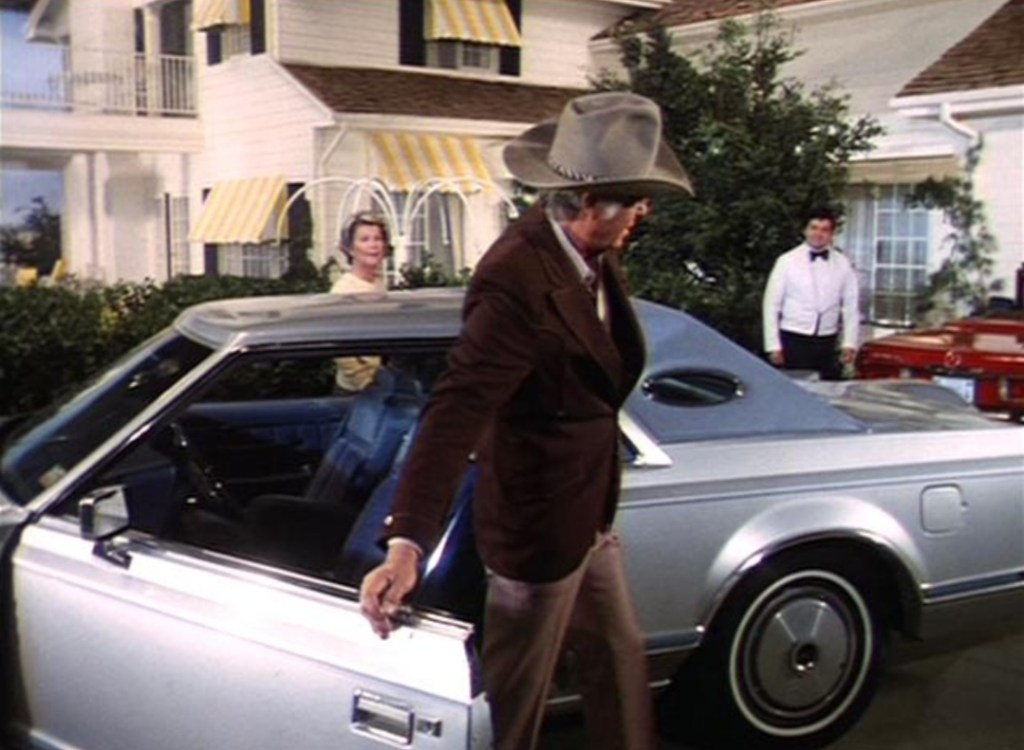
    Now this was a car. A Lang en Slap car. This was like the one Fat Frank Cannon drove in the Cannon TV series; Jock Ewing drove in Dallas; Also Frank Sinatra and Jack Kennedy, but theirs were convertibles and we needed a roof.

    Atlanta Lincoln1
    – me, Herve, Dave, Jurie and Steve and the Lincoln with roofrack – which the rental lady said no-one would do –

    Trip lead-stirrer Chris drove us straight to the outfitters to fit a roofrack. He’s a legendary kayaker who has his national colours and has won national and international kayak races. He’s also a military man and a dentist and a fine beer drinker. With roofracks on he drove us to his friend’s home where we to spend the night. Dave Jones is a legendary kayaker who has his national colours and has won national and international kayak races. He’s also a military man and a dentist and a fine beer drinker. True’s Bob, I kid you not – talk about double trouble!

    The next morning, after the hospitality of Dave’s home pub, we headed North to the Ocoee River in Tennessee. Which was completely empty. Not low. Empty.

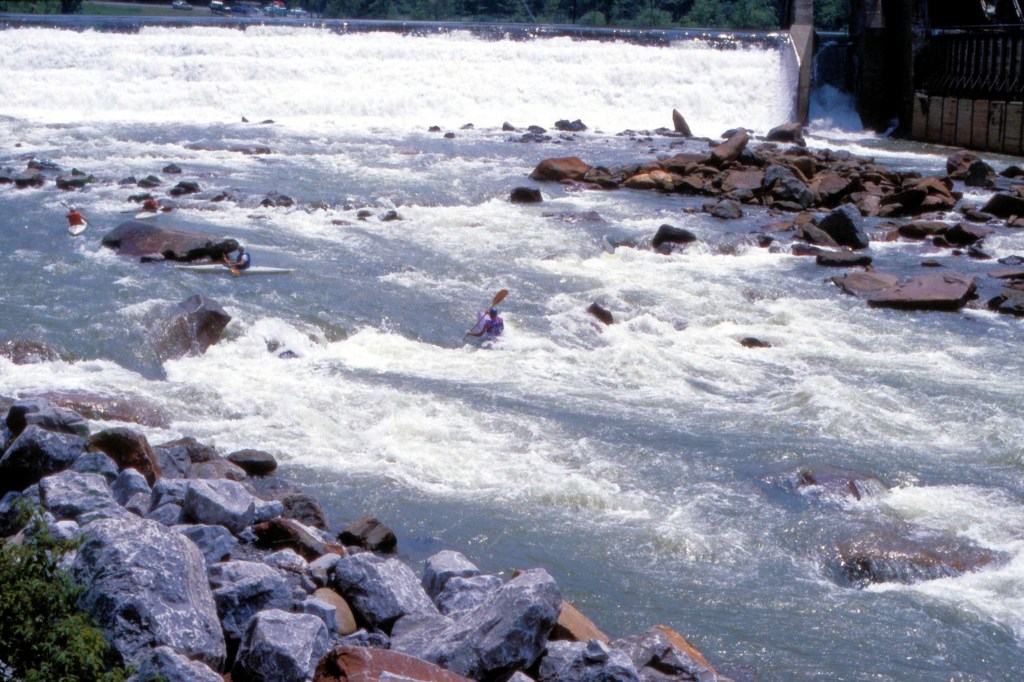
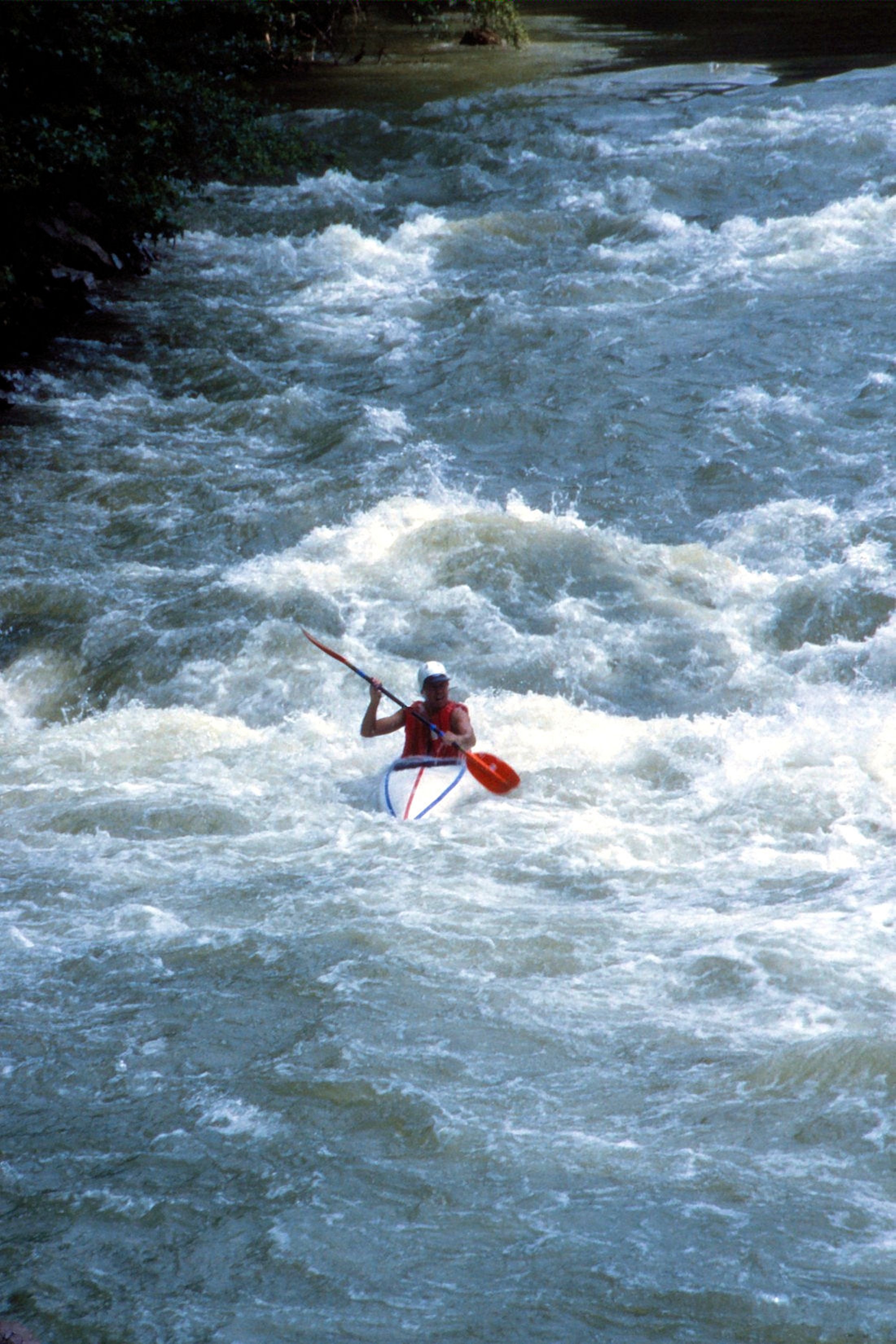
    Then they turned on the tap at twelve noon and we could paddle. The full flow of the Ocoee gets diverted to generate power! How criminal is that!? That it even flows occasionally is only thanks to hard lobbying by paddlers and environmentalists. From around 1913 to 1977 the river was mostly bone dry – all the water diverted to generate power. Now sections of it flow again at certain times.

    259

    I’m in orange.

    Here’s a description of the short stretch of river we paddled:

    The Middle Ocoee
    The Middle Ocoee is the portion of whitewater, on this stretch of water, paddlers and rafting enthusiasts, have been paddling for decades. Beginning at Rogers Branch and just over 5 miles long, this class 3-4 section of whitewater is an adrenaline junkies dream, crammed with waves and holes.

    Entrance rapid gives you whitewater from the get-go. As soon as you launch onto the middle Ocoee you are in a class 4 rapid, paddling through waves and dropping ledges. It’s a fun and exciting way to begin your trip.
    Broken Nose begins with a large S-shaped wave. Swirling water behind it will send you to a series of ledges. This is a great place for pictures, so smile.
    Next, Slice and Dice: two widely spaced ledges, fun to drop, especially the second ledge. If done correctly, you can get a great surf here “on the fly”.
    An interesting and humorous set of rock formations highlights the rapid, Moon Chute. After making your way behind the elephant shaped rock, do some 360’s in front of “sweet-cheeks,” then drop through the chute and over the ledge at the bottom.
    Double Suck, an appropriately named rapid, where a good-sized ledge drops you into two hydraulics. Paddle hard or you might catch another surf here.
    Double Trouble, which is more ominous in name than in structure, is a set of three large waves, which will have everybody yelling. This is another great photo spot. You won’t find an easier, more fun rapid.
    Next is Flipper (No, it’s not named after the dolphin). Here, a great ledge drop puts you into a diagonal wave. Hit this wave with a right hand angle and enjoy the ride, or angle left to eddy out. Then enjoy one of the best surfs on the river.
    Table saw was originally named for a giant saw-blade shaped wave in the middle of it. The rock forming the wave was moved during a flood several years ago, making this one of the most exciting rapids on the Middle Ocoee. The big waves in this one will make the boat buck like a bronco.
    At Diamond Splitter, point your boat upstream and ferry it between two rocks. Once there get a couple of 360’s in before dropping through the chute and into the hydraulic.

    Me on the Ocoee river

    Slingshot is where most of the water in the river is pushed through a narrow space, making a deep channel with a very swift current. To make this one a little more interesting, see how many 360’s you can complete from top to bottom.
    Cat’s Pajamas start with a couple of good ledges, with nice hydraulics. After those, it will look as though you are paddling toward a big dry rock, but keep going. At the last second, there will be a big splash and you will be pushed clear.
    Hell’s Hole is the biggest wave on the river. Start this one in the middle of the river, drifting right. Just above the wave, start paddling! When you crest this 7-8 ft. wave, you will drop into a large hydraulic. Stay focused because just downstream are the last two ledges known as

    Powerhouse. Drop these ledges just right of center for a great ride.
    Once through Powerhouse, collect yourself and take out at Caney Creek.

    –oo0oo~~

    The dry river when they turn off the taps. Very sad:

    ~~oo0oo~~

    ~~oo0oo~~
    Ocoee is Cherokee for the plant we call the granadilla.

    Lang en Slap – American. We opened the bonnet – the hood – and stared in awe at the space between the grille and the radiator. It looked like we could have fitted all our suitcases in there!

  • Let’s Save Us Some Souls!

    Let’s Save Us Some Souls!

    The new preacherman at the Christian Church of Apache Oklahoma, looked me up after he’d been in town a while and invited me over to his place. Turns out he was interested in becoming a mission-nary to Africa and wanted to meet one of the real-deal Africans he’d heard and read so much about. Maybe suss out just how much we needed saving?

    A HUGE man, six feet and nine inches tall, Ron Elr*ck wore a string tie, a ‘ten gallon’ stetson and cowboy boots, making him damn near eight feet tall fully dressed as he stooped through doors and bent down to shake people’s hands. I met his tiny little wife who was seemingly half his height, and two lil daughters at their house, the church ‘manse’ or ‘vicarage’.

    – there’s the house next to the church –
    – the actor Mountie in the movie had to be shorter than John Wayne! –

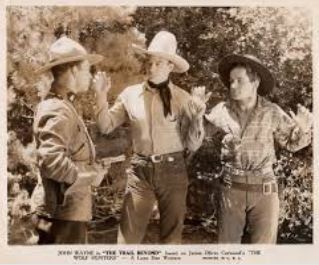
    Ron was an ex-Canadian Mountie and a picture on his mantelpiece showed him towering over John Wayne, when Wayne was in Canada to film a movie.

    Soon he invited me to join him on a men’s retreat to “God’s Forty Acres” in NE Oklahoma (the yanks are way ahead of Angus Buchan in this “get away from the wife, go camping on a farm, and when you get back tell her you’re the boss, the head of the house, the patriarch – the ‘prophet’” shit. I mean, this was 1973!). I had made it known from my arrival in Apache that I would join anybody and go anywhere to see the state and get out of school – I mean hey! I’d already DONE matric!

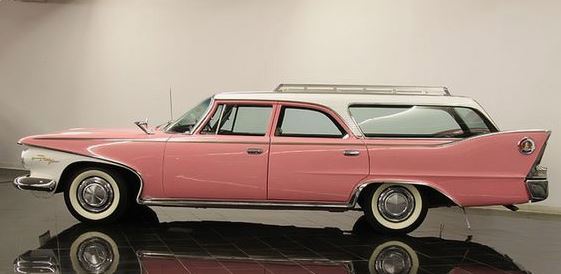
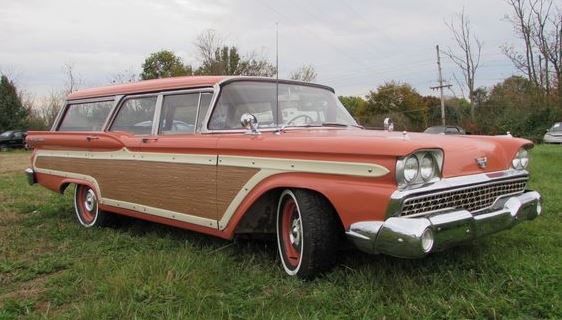
    So we hopped into his muddy pink wagon with ‘wood’ panelling down the sides – it looked a bit like these in the pictures. We roared off from Caddo county heading north-east, bypassing Oklahoma City and Tulsa to somewhere near Broken Arrow or Cherokee county  – towards the Arkansas border, anyway. Me n Ron driving along with the wind in our hair like Thelma and Louise.

    Non-stop monologue on the way. He didn’t need any answers, I just had to nod him yes and he could talk non-stop for hours on end. At the retreat there were hundreds of men and boys just like him, no women. Unless you count them in the background who made and served the food. The men were all fired up for the Lawrd, bellowing the Retreat Song at the drop of a hat:

    “In Gahd’s Fordy Yacres . . !!”♫

    We musta sang it 400 times in that weekend. If I was God I’d have done some smiting.

    We left at last and headed back, wafting along like on a mattress in that long slap wagon, when Ron suddenly needed an answer: Had I ever seen a porno movie? WHAT? I hadn’t? Amazing! Well, jeez, I mean goodness, he felt it as sort of like a DUTY to enlighten me and reveal to me just how evil and degraded these movies could be. So we detoured into Tulsa. Maybe he regarded it as practice for the mission-nary work he was wanting to do among us Africans?

    We sat through a skin flick in a seedy movie house. It was the most skin ‘n pubic hair ‘n pelvis ‘n pulsating organs this eighteen year old boykie from the Vrystaat had seen to date so it was, after all, educational. Thin plot, though.

    I suppose you could say I got saved and damned all on one weekend.

    ——-ooo000ooo——-

    footnote:

    Ron did get to Africa as a mission-nary. He was posted to Jo-hannesburg. Lotsa ‘sinners’ in Jo-hannesburg, I suppose. I’m just not sure they need ‘saving’ by a Canadian Mountie.

  • Rhodesia in a Vauxhall Victor

    Rhodesia in a Vauxhall Victor

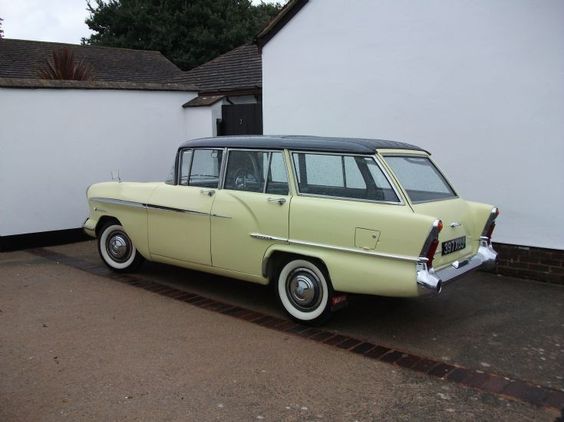
    Sometime back in the fifties Mom’s uncle and the family lawyer Bunty Bland needed to go up to Rhodesia – ‘up north’ – to sort out the sale of his sister’s property. His Rhodesian brother-in-law drove down to Harrismith to fetch him. As ever, the finer details of my story should be checked out . . . pinch of salt. The car is probably right, the country – now Zimbabwe – is certainly right, and two of the people – Dad and Bunty – are right, that’s all I know. At first Dad said they drove up in Bunty’s Rover, but I couldn’t find a Rover station wagon. Seems they left ‘that sort of thing’ to Land Rover. I found this Vauxhall Victor station wagon and then Dad remembered it was the bro-in-law’s car and yes, it was a Vauxhall! Memories! Dodgy things.

    The reason they took young Pieter Swanepoel, husband of favourite niece Mary, along was to share the driving. He says he ended up driving all the way there and back.

    With him he had his new Eumig 8mm cine camera! He took footage of the ruins of the magnificent Great Zimbabwe. Bunty features in his trademark ‘fairisle’ sleeveless jersey . .

    Other footage featured the Vauxhall, Bunty again and some fountains . .

    That’s all I have.

    ~~oo0oo~~
  • Scotland the Brave 2

    Scotland the Brave 2

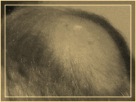
    Scottish doctors. A delightful lot. The female of the species that is; I prefer them female. The guys with their kilts, beards and medical sporrans full of scalpels and aspirins, not so much. I mean, how do they scrub up with all those areas to disinfect? No thank you, give me the ladies. A few years before I had fallen deeply in love with a Scottish doctor (see Scotland the Brave) and now I was told as I got onto the Pilatus ‘flying doctor’ aircraft something like the one above to fly to Charles Johnson Hospital in rural Nquthu that a Scottish doctor – actually medical student, same as the topless surfing ‘doctor’ in Durbs – would be shadowing me to learn about eyes. I was the volunteer optometrist on this ‘flying doctor’ type trip.

    Before we landed we flew low over a small ragged-looking airstrip with an old Dakota parked near a big double-story homestead. Our pilot told of a famous inyanga or sangoma who got so well known and in such demand that he had to travel all over. Like house calls. Eventually road travel was no longer feasible, so he got a Dakota and a pilot to extend his reach. I’ve searched for him now, but can’t find anything about him on the ‘net! I’ll keep searching, his sounds like a fascinating story. Meantime, I’ll fantasize:

    As I was settling in and unpacking my equipment in the Charles Johnson hospital outpatients department . . .

    . . a whirlwind blew in! My Scottish doctor student! She was six foot tall, her smile was six foot wide and she demanded in a broad Scottish accent: “Teach me about eyes!” She was like this:

    What a lovely day. We tested plenty eyes, talked non-stop, had lunch together and once again I fell in love with a Scottish doctor! Sadly she decreed dreadlocks would not suit me. To this day I think she was mistaken. They could have provided much-needed cover-up.

    –oo0oo–

    • The pic is not my second Scottish doc, just as the numbis in the last post weren’t that Scottish doc’s. It’s of a Scottish student who reminds me of my doc who, like her, was born in Edinburgh of Nigerian parents.

    sangoma – a practitioner of ngoma, a philosophy based on a belief in the amadlozi – the ancestral spirits;

    inyanga – concerned mainly with medicines made from plants and animals;

    numbis – breasts

    –oo0oo–

    While I search for ‘my’ sangoma, read about this one that Hugh Raw reminded me about; from the fascinating village of Lusikisiki, home of the Shy Stallion Shebeen:

    –oo0oo–

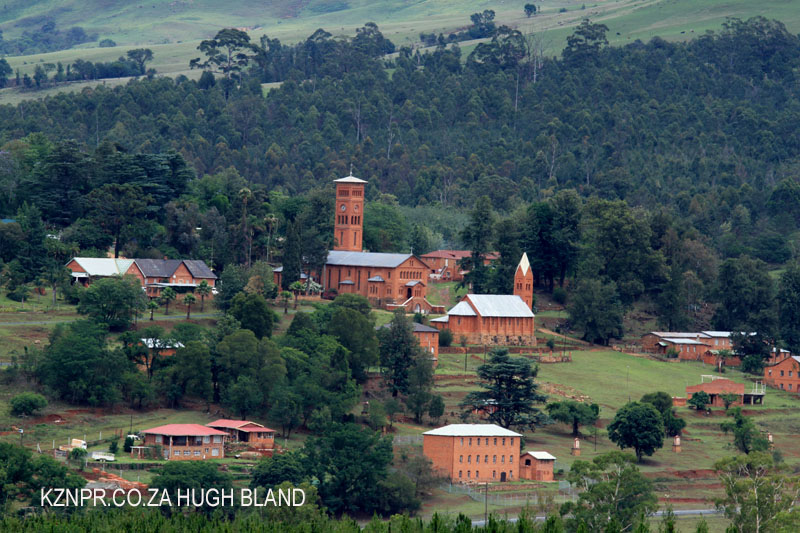
    So pleased to confirm again that I ain’t imagining this shit! My mind is strong. My mate Hugh Bland, photographic historian and fifth cousin tells me thus: Your info on the Nyanga at Nqutu is correct, but I can’t add any more info than you have. His house or mansion is on the right about two kms outside Nqutu coming from Dundee.

    Who’s Charles Johnson?

    Charles F. Marquart Johnson was a transport rider who became a teacher who became a priest who became a bush dentist. Opportunist, perhaps? After the the Anglo-Zulu wars he decided to stay on in Zululand, having apparently been asked by one of the chieftains, Hlubi, to be a teacher. He became a priest, then archdeacon of the area. With the nearest medical facility being at Dundee, a difficult 52 km journey away, he also involved his mission station at Masotsheni in helping the local people with their medical problems. He was, by Anthony & Margaret Barker‘s account – they ran the hospital for years – a formidable holy tooth puller.

    Anthony & Margaret Barker

    Anthony Barker had a lovely isiZulu nickname: ‘Umhlekehlatini‘ -‘He laughs in the forest’ – referencing his frequent laughter and his bushy beard.

    The Barker’s mobile clinic 1960

    I also flew to Centocow to test eyes, and landed on that airstrip with the spectacular dropoff at the end

  • Home-made Bound

    Home-made Bound

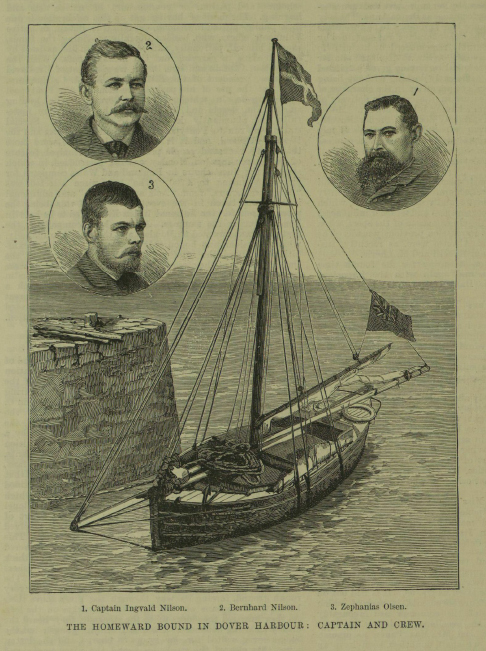
    Three Norwegians in Witsieshoek were homesick and probably horny. They longed to go home to Norway, so they rode their horses to Port Natal, bought a ticket on a sailing ship and off they went, right? Actually not.

    They decided they would build their own ship in the veld on their farm Bluegumsbosch in the shadow of Qwa Qwa mountain, load it onto an ossewa, trundle it to the coast and then sail themselves to England, seeking – and finding – huge publicity all the way. The huge publicity was because everyone knew it couldn’t be done. They were going to drown in a watery grave and everybody TOLD them so.

    As always: pinch-of-salt alert. This is me talking about history that I have read a bit about. A little bit of knowledge . . . you know. For actual facts and a lot more fascinating detail, including how their boat amused the Laughing Queen (Victoria herself, who actually ended up buying it), rather read Harrismithian Leon Strachan’s highly entertaining book Bergburgers which illustrates clearly that Harrismithans are amazing and wonderful people, we are. More amazingly, some people apparently are unaware of that fact.

    For starters, Hello! what do you build a ship of when you’re living on the vlaktes un-surrounded by trees, just grass? Grass is no good, mielies are no good and ferro-cement has not been invented yet.** The few trees you have are the bluegums the farm is named after, can’t use those, what would you call the place? and some small poplars you planted yourself on the bottom end of your werf ; and poplar wood is no good for keeping water out for long enough to do the Atlantic. And these okes want to do the Atlantic. Now I’ve no doubt they were drunk. I mean, join the dots: Three males, tick; Norwegians, tick; In the Vrystaat, tick; Lonely, tick. They were drinking alright. They were a bit like ignoring the perfectly good bus that runs from Pietermaritzburg to Durban and running there instead; Wait! Some fools did do that some thirty years later and called it the Comrades Marathon.

    Turns out there are trees in the Vrystaat if you know where to look: In the shady, damp south-facing kloofs there were some big old yellowwoods, excellent wood for ship-building if you’re inclined to build ships. So they didn’t use those. They ordered wood from America. I know! Mail order! But apparently this is true. Somewhere in America a pile of pitch pine beams and planks got addressed to c/o Ingvald Nilsen, farm Bluegumsbosch, foot of Qwa Qwa, Witsieshoek, near Harrismith, Oranje Vrijstaat Republiek, and put on a wooden ship. Which crossed the Atlantic, got loaded onto an oxwagon in Port Natal and schlepped across Natal, up the Drakensberg, turned left at the bustling regional centre, transport hub and rooinek metropolis of Harrismith and were delivered: ‘There you go, sir. Please sign here that you received in good order.’ Amazon se moer.

    Up the Drakensberg to Harrismith village; Left to near Qwa Qwa mountain

    So how big do you build a boat you want to sail 10 000km in, knowing the sea can get lumpy at times? Are you asking me? 362m long, 23 stories high, 228 000 tons, sixteen cocktail bars, a massage parlour and better airtight compartments than the Titanic had, please. If you were asking me. Cos I don’t swim in the sea. No, but seriously, this is twenty seven years before the Titanic set sail, and you’re building it in your farmyard in the Free State. Like this: (note the absence of surrounding forest)

    Now hey! Don’t laugh. Read on to see how the Harrismith-built boat fared, and read up how the Belfast-built Titanic fared! Both were trying to cross the Atlantic for the first time – just wait and see who did it better! The rich Poms, or the Harrismith ous. Find out.

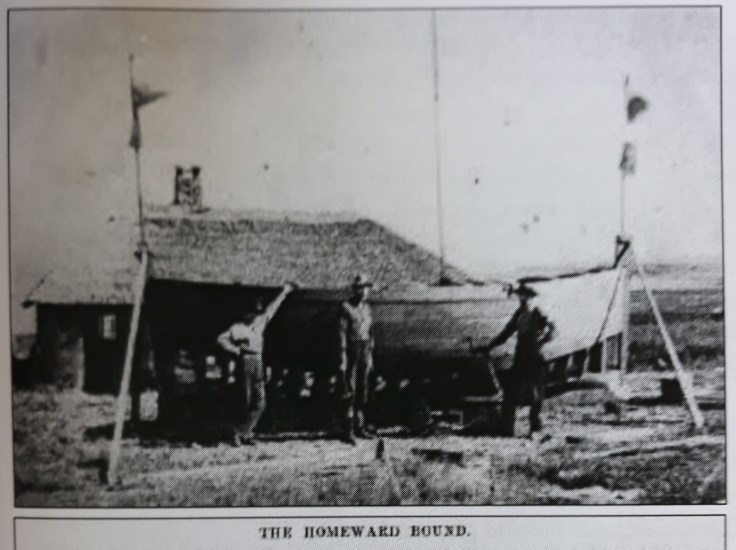
    The Nilsen-Olsen craft was 6,7m long and weighed about two tons. They called it Homeward Bound, though they were actually aiming for England. Seems Nilsen had become very British. He had signed up with Baker’s Horse and fought for Britain in their wicked Anglo-Zulu War in 1879. He knew all the hoopla would be in English language newspapers cos the hele wêreld was Engels back then. In Harrismith where the Chronicle was already chronicling, Pietermaritzburg where the Witness was witnessing, Port Natal / Durban and in England. So shrewdly, Nilsen capitalised on that publicity.

    All along the route people would look in amazement and offer advice (‘You’re never gonna make it’) but whenever he could – in Harrismith, Estcourt, PMB and in Durban – Nilsen isolated the boat and charged people a fee to view it and offer their opinion (‘You’re never gonna make it’). He raised so much money this way that in PMB he wrote: ‘. . had not the weather been unfavourable, we should very nearly have cleared our expenses, so general was the interest in the boat.’

    In Port Natal the coastal people really REALLY knew these inland bumpkins were never going to make it and made it so plain that it gave Nilsen great pleasure some months later to enter in his log: ‘ . . sighted Ascension; this we found, in spite of what people said in Durban, without the least trouble and without a chronometer.’ Seat of their pants.

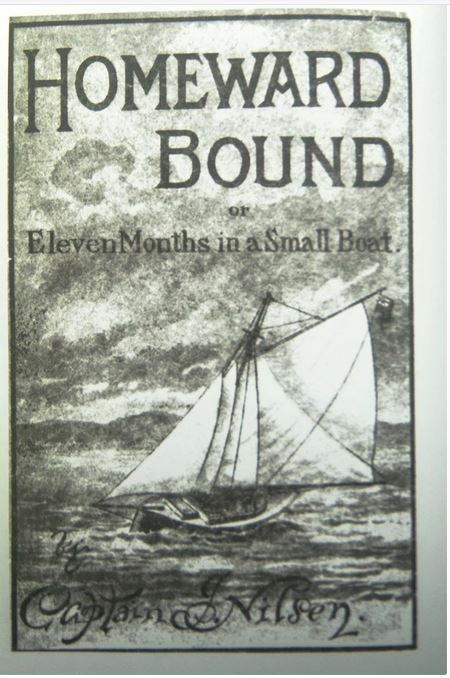
    Long story short – we won’t bother about details like navigating, surviving, hunger, etc now that the Harrismith part is over – they made it to Dover in March 1887 after eleven months, a journey that took passenger ships of the day around two to three months*. Nilsen sold the boat to the queen, who displayed it in the new Crystal Palace exhibition hall; he wrote a book with the natty title, ‘Leaves from the Log of the Homeward Bound – or Eleven Months at Sea in an Open Boat’, went on speaking tours where he was greeted with great enthusiasm, married a Pom, became a Pom citizen and lived happily ever after. I surmise. Or as happily as one can live married on a small wet island after living as a bachelor on the wide open Vrystaat vlaktes.

    Greeted with great enthusiasm, yes, but this was after all, England, so not all were totally enamoured. One commentator harumphed: ‘ . . Their achievement is a magnificent testament to their pluck and endurance, and one can only regret that such qualities have not found some more useful outlet than the making of a totally unnecessary voyage.’

    Here’s a post on Acton Books about the Homeward Bound and Crystal Palace. Do read the fascinating comments, where people who know more local detail add what they know about this saga.

    ~~oo0oo~~

    What’s 362m long, 23 stories high and weighs 228 000 tons? – That’s the Symphony of the Seas, biggest passenger ship afloat as at Feb 2019. Anything smaller won’t get my hard-earned cash.

    veld – savanna; no place for a sea-going shiplet

    bergburgers – citizens of the mountain; Harrismithians

    ossewa – ox wagon.

    vlaktes – plains; not where you’d sail a 2-ton wooden boat

    mielies – maize; corn

    werf – farmyard

    Oranje Vrijstaat – Orange Free State, independent sovereign state; President at the time was Sir Johannes Henricus Brand, Most Distinguished Order of St Michael and St George, abbreviated GCMG ***

    hele wêreld was Engels – Poms can’t speak any other languages, and the Pound Sterling was strong, and the Breetish Umpire stretched far n wide

    Sources:

    1. Bergburgers by Leon Strachan; Tartan Boeke 2017 – ISBN 978-0-620-75393-7

    2. Martin Hedges’ blog actonbooks

    3. A Spanish blog with pages from the book dealing with their tribulations in Spain – a month on land which was arguably the toughest part of their journey!

    4. Nilsen’s book ‘Leaves from the Log of the Homeward Bound, or Eleven Months at Sea in an Open Boat’. Here’s a reprint with a snappier title:

    The book sold well; this later edition had a shorter title

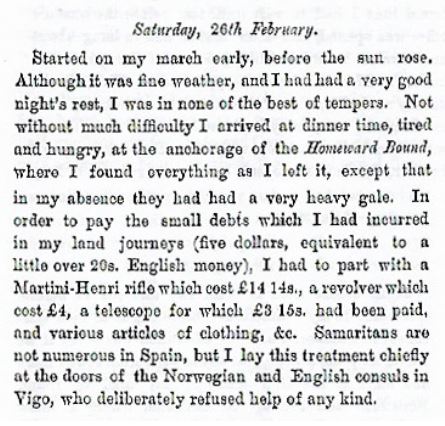
    Two pages from the book: Arriving in Spain and walking in Spain looking for food or money or any help!

    ~~oo0oo~~

    * The Lady Bruce, one of the twenty ships that brought Byrne settlers from the UK to Natal, arrived on 8 May 1850. The record says ‘their passage was a speedy one of 70 days.’ – Natal Settler-Agent by Dr John Clarke, A. A. Balkema, 1972. By 1887 the average time may have been shorter?

    ~~oo0oo~~

    ** Amazingly, I was wrong! Ferrocement boats had been invented forty years earlier, in France!

    A bateau built by Lambot in 1848

    Never slow, Harrismith soon hopped onto the ferro-cement lark for crossing oceans.

    *** Enlightenment from the satirical British television program ‘Yes Minister’ season 2, episode 2, ‘Doing the Honours’:

    Woolley: In the civil service, CMG stands for “Call Me God”. And KCMG for “Kindly Call Me God”.
    Hacker: What does GCMG stand for?
    Woolley (deadpan): “God Calls Me God”.

    ~~oo0oo~~

  • A Yacht on the Vlaktes

    A Yacht on the Vlaktes

    One day I went for a drive with Dad out to a farm in the Swinburne district, Rensburgs Kop in the background. We stopped outside a big tin shed and walked inside. To my amazement there was a huge skeleton iron structure in there. I knew immediately what it was: It was an aviary. I grew up with aviaries, I knew aviaries. It would be just like Dad to visit a farmer with an aviary.

    Except this one was in the graceful shape of an ocean-going yacht! It was a yacht. An ocean-going yacht. Or so Ronnie Mostert told us. He and his wife Mel were building it with the help of their farmworkers! But it would sink, I said. Made of steel and full of holes, it would definitely sink. No, said Ronnie. He told us he was going to fill all the holes with cement. Then he would take it to Durban and then sail around the world.

    Now I knew he was mad. It would sink. Cement also sinks. The mafia use this fact to their advantage when they give a guy cement boots. Cement full of hidden steel will sink even faster. Everybody knows that. Also, Ronnie was a character, maybe he was pulling our legs? Maybe it actually was an aviary and he was going to put an aasvoël in it? I listened carefully, but it seemed he was serious and it seemed Dad believed him. Bliksem!

    And that was the last I saw of it. I heard tell later that he actually had schlepped it to Durban and plonked it in the salty water of that big dam that you-cannot-see-the-other-side-of. And it floated! This seemed a real case where one could say, Wonderlik wat die blerrie Engelse kan doen! 

    ~~~oo0oo~~~

    Now it’s years later – I mean 47 years later if that was 1972 – and I’m reading all about Ronnie Mostert’s yacht in Leon Strachan’s wonderful book ‘Bergburgers’. Ronnie and Mel welded miles of vertical and horizontal steel bars in a shape according to a New Zealand plan they got in a magazine. Talk about faith that could move concrete! Imagine trusting your life to an unseen person – and a Kiwi nogal – sending his plans to you in a book!

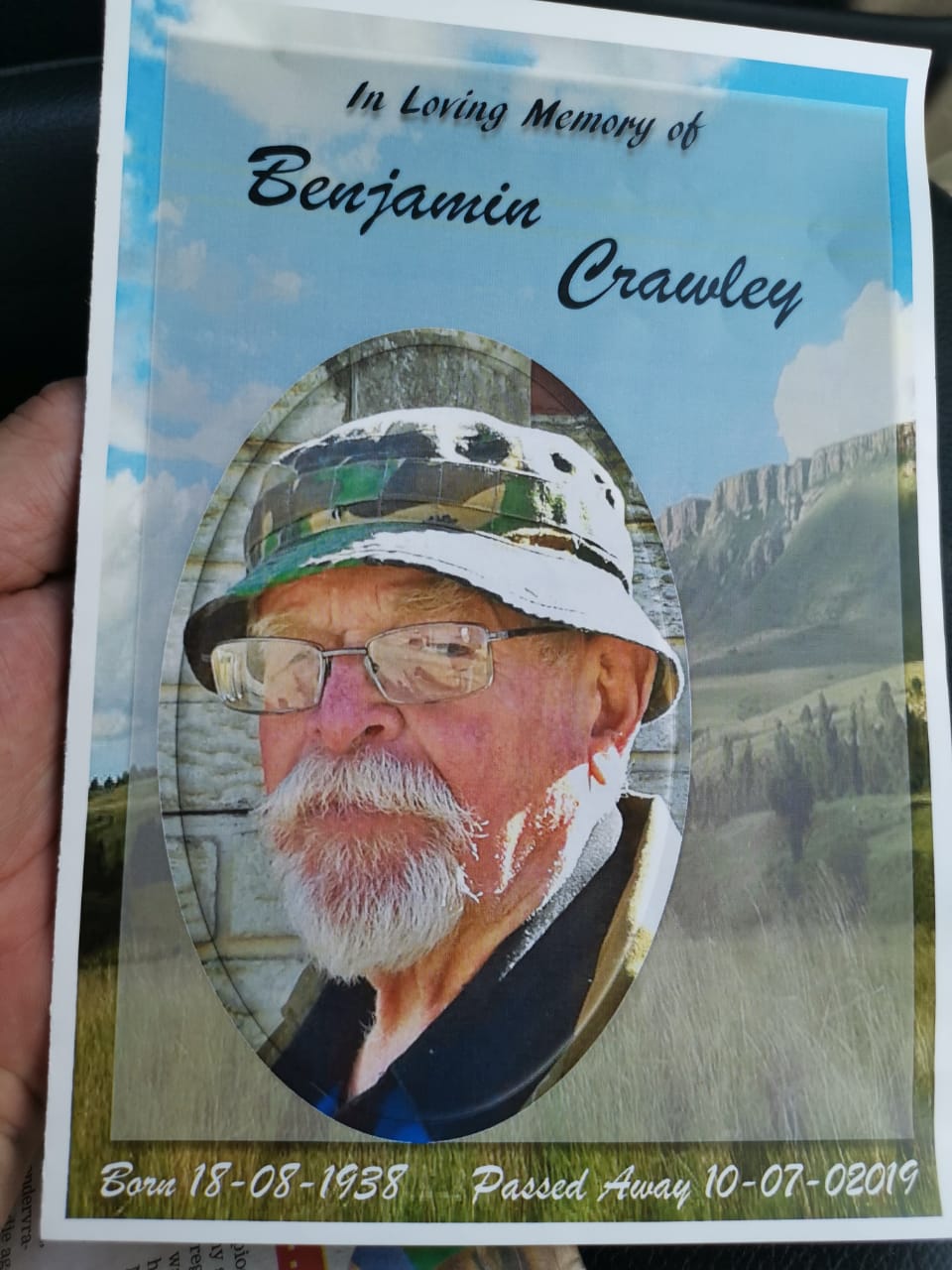
    Then they plastered it with cement, with Harrismith builders Koos van Graan and Ben Crawley, both of whom I think I have personally seen drinking beer, just like Ronnie, gooi’ing plaster on it and wiping it with the trowels they usually built solid houses with – and they expected it to float!?

    And blow me down, it did.

    How amazing to see pictures of that remembered glimpse from all those years ago and to reinforce my conviction that I’m not imagining all these things running round in my head. I tell my friends: Hey! I’m the sane one around here, but will they listen? Hmph.

    Thanks, Leon!

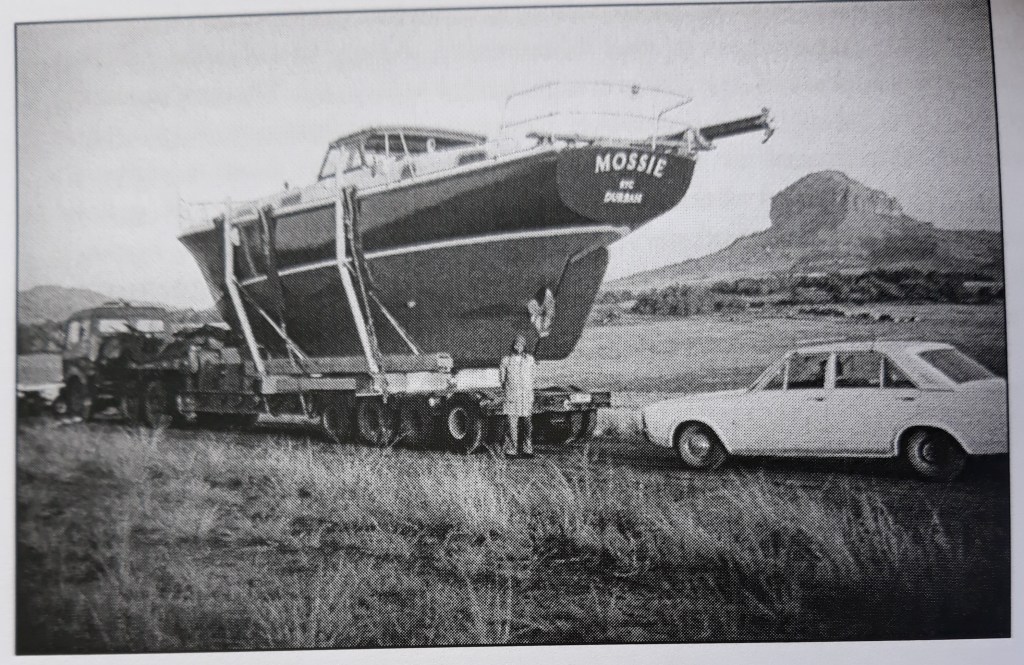
    – Mel Mostert builds a boat in a vrystaat shed –
    – It’s a steel boat full of holes, so lets fill them with cement! –

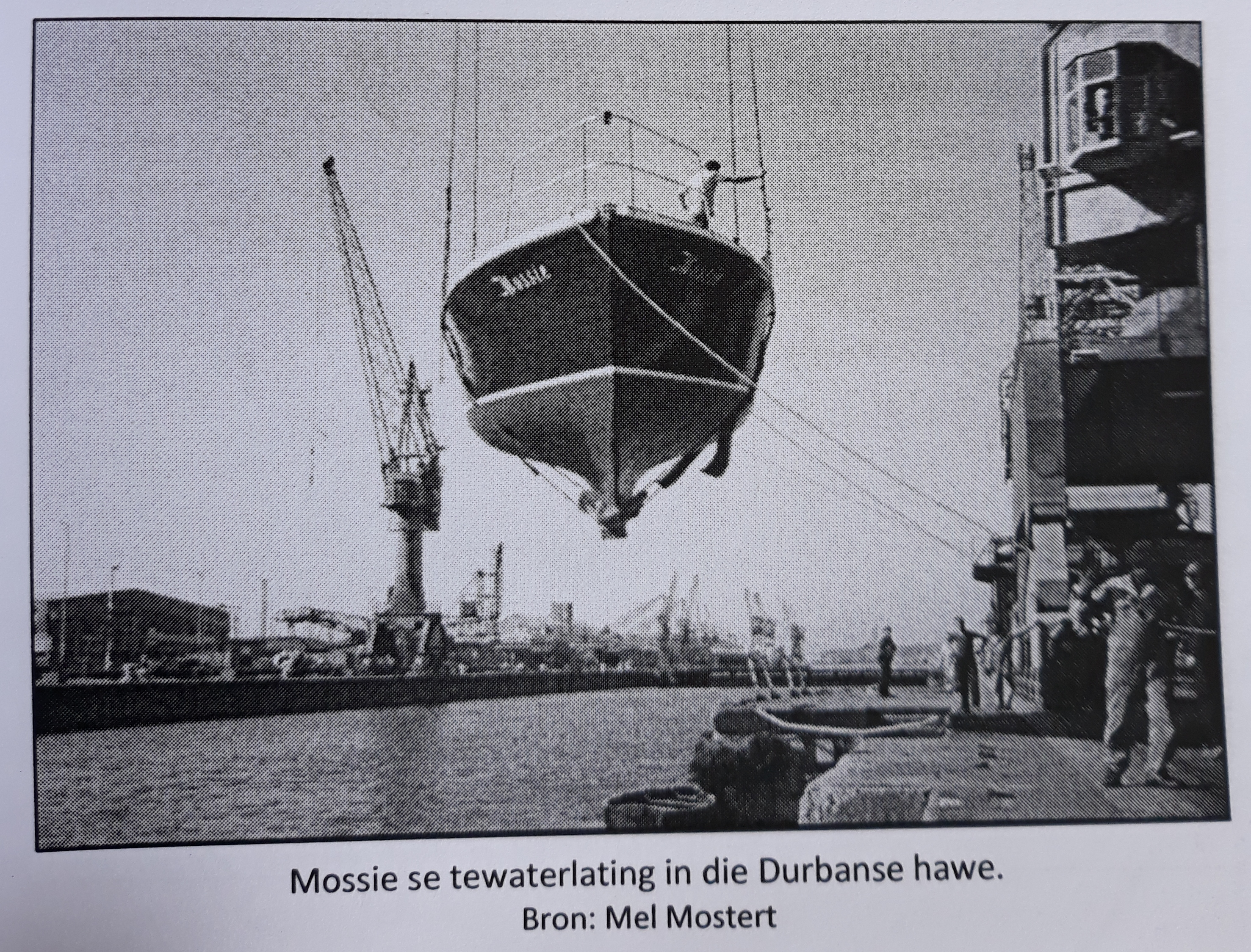
    They christened it Mossie, trucked it down to Durbs in 1983, launched it and sailed and lived on it with their son Gary for eleven years.

    – the moment of truth is about to be cemented – ferro-cemented –

    Cape Town, St Helena, Brasil, the Caribbean, the USA, the Azores and back down south. They didn’t truck it back up to the Free State, though, they settled in Cape Town-on-sea. Isn’t that just a stunning achievement! Hats off!

    Leon’s book tells of another – even crazier – saga of fools building a boat on the Harrismith vlaktes and thinking that it would float. I’ll post that next.

    ~~~oo0oo~~~

    vlaktes – not a place you’d sail a yacht; flats; veld; savannah

    bliksem – blow me down!

    aasvoël – vulture

    Wonderlik wat die blerrie Engelse kan doen! – blow me down!

    nogal – would you believe it

    gooi’ing – slapping

    blow me down – bliksem!

    ‘Bergburgers’ – ‘citizens of the mountain’, meaning Platberg, thus: Harrismithians; us; also a book by Leon Strachan, Harrismithian extraordinaire!

    Mossie – sparrow; many Mosterts are called Mossie but I never heard Ronnie called that; Lovely name for the boat!

    Bergburgers by Leon Strachan; Tartan Boeke 2017 – ISBN 978-0-620-75393-7

    ~~~oo0oo~~~

    Before the Kiwis start calling themselves the Ferrocement All Blacks, note that Les Bleus invented the stuff and built the first ferrocement boat back in 1848.

    – ferrocement Frog bateau 1848 – by les bleus – Frenchmen –

    ~~~oo0oo~~~

    In 2020 Gary Mostert found my blog and could tell me that Ronnie and Mel are alive and well – and building a second yacht on their farm outside Cape Town! (see the comments)

    ~~~oo0oo~~~

    Just heard Ben Crawley died, aged 80. I’ll try and get some detail on his life. What I know is athlete (held the school mile record for decades), sportsman, Mountain Race stalwart, builder, carpenter, MOTH leader, and (this was news to me – found out today): Anglican church man! (his cousins were Methodists with us).

    ~~~oo0oo~~~