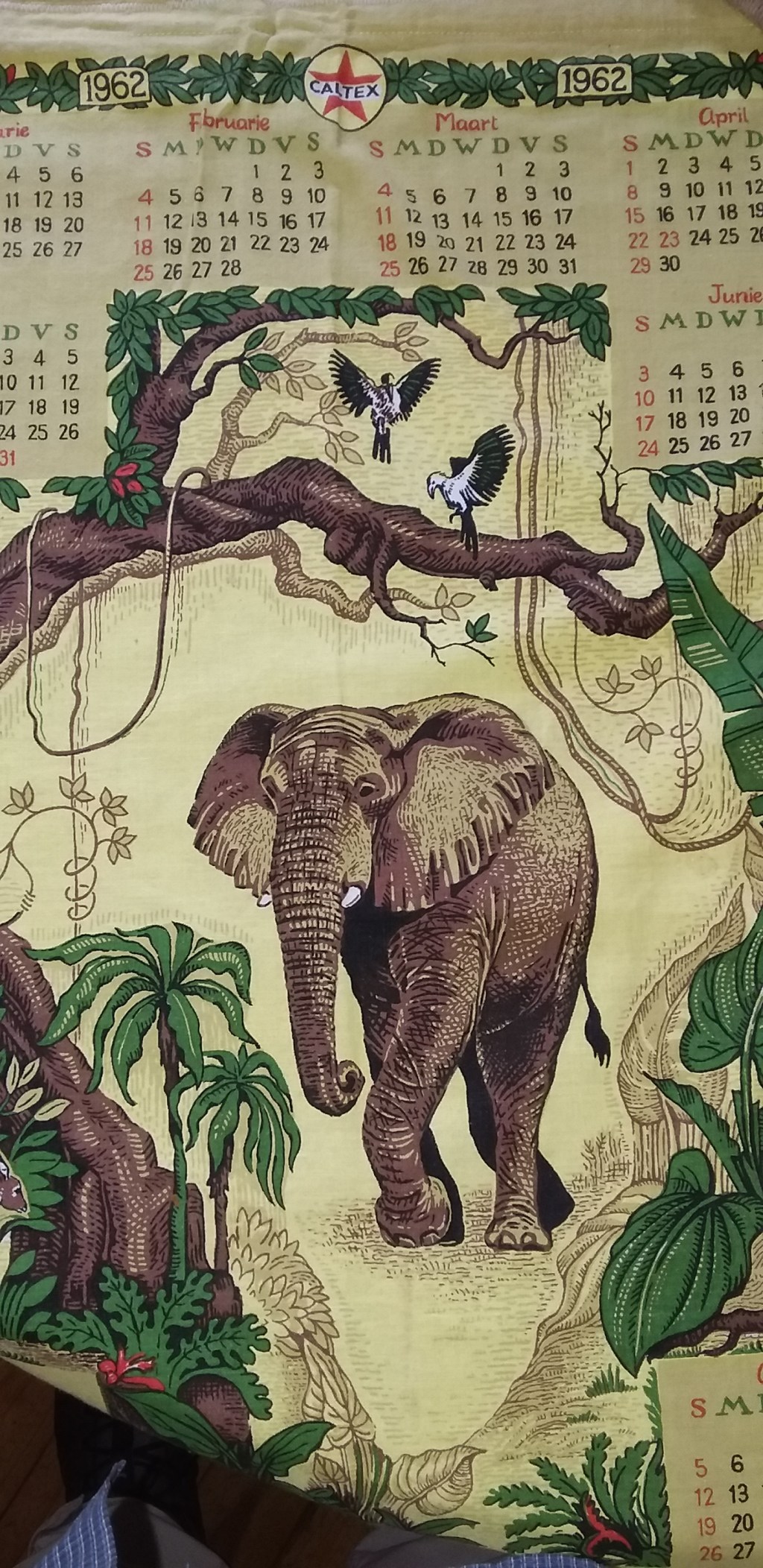
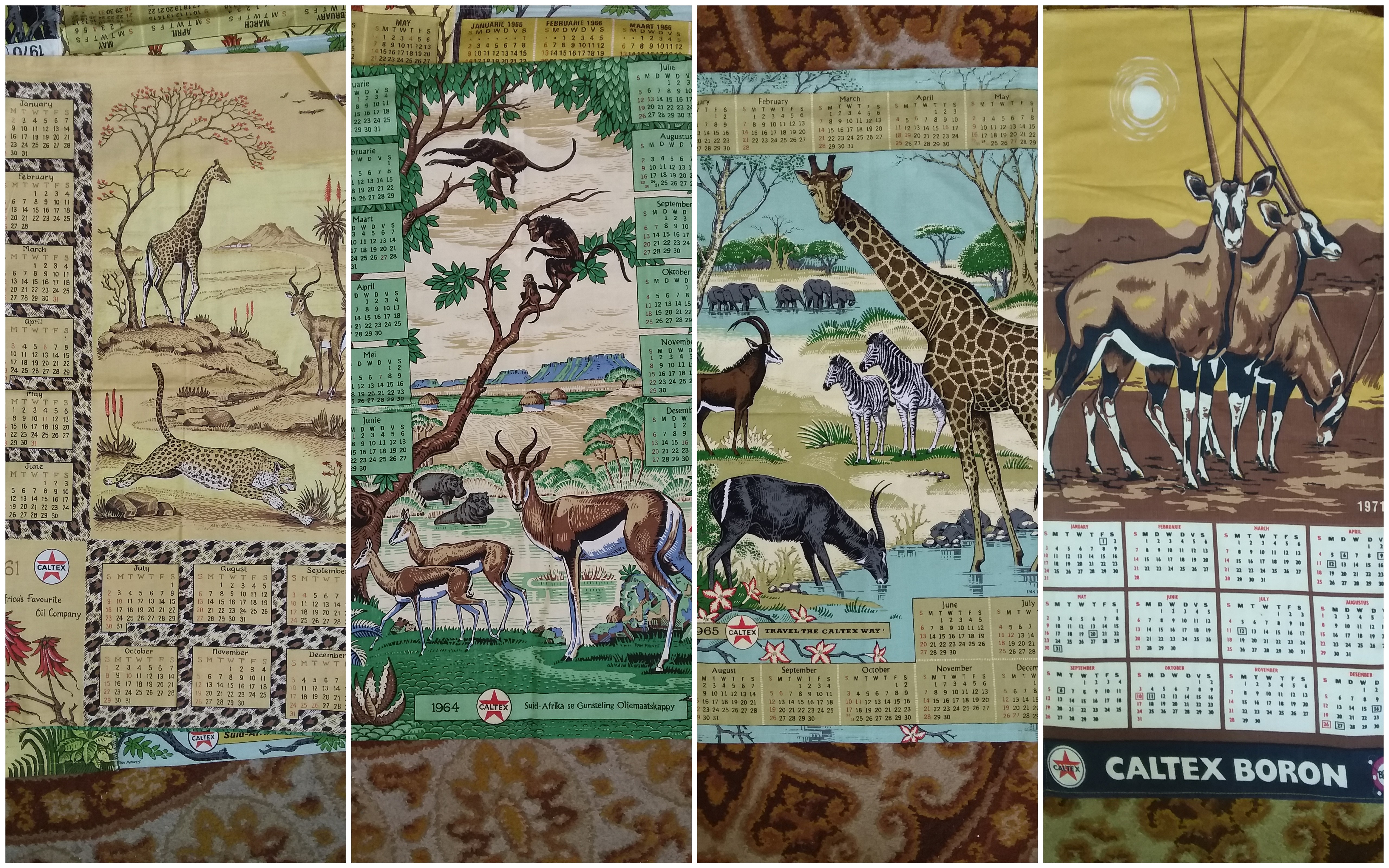
Annie had a Caltex garage; Dad worked for Annie; Louis Schoeman traveled for Caltex. Between 1962 and 1971 Caltex gave cloth wildlife calenders as their gift to their filling station owners.
Dad (now 96) says Louis would ‘forget’ to hand them out and he would insist on seeing what was in his boot. And there, ‘along with the sheep shit’ were the calenders! An inveterate collector, Dad would get ‘his’ share! Right! That’s why he has quite a few duplicates!
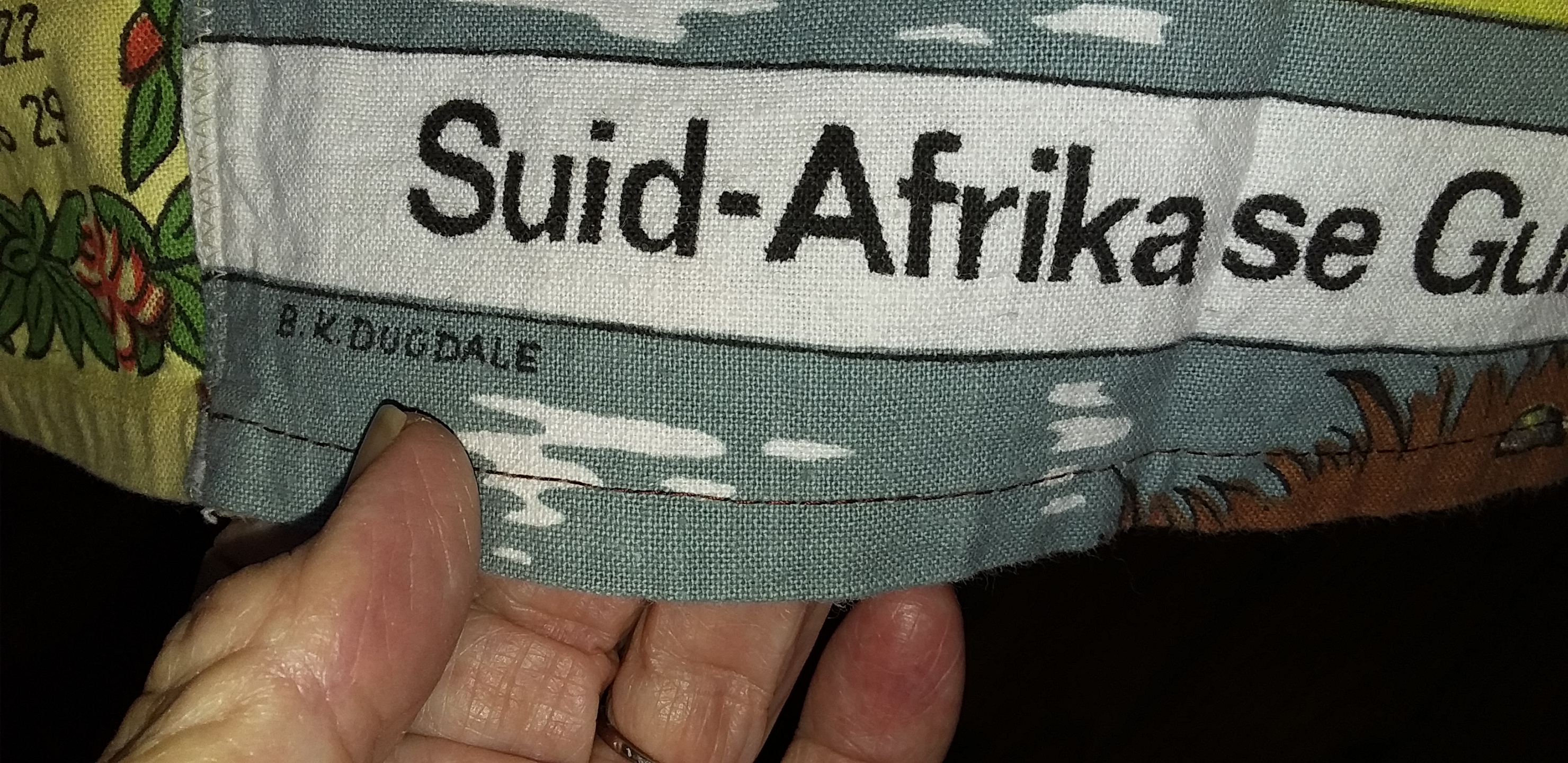
– I could find nothing on the internet about BK Dugdale – Mom’s hand here in pic –
Some have been sewn together to make table cloths. He still has plans for them, can’t get rid of them. He knows someone who will make them into cushion covers. Then he’ll get some cushions . .
~~~oo0oo~~~
He’s had it done: The calendars are now table cloths and cushion covers and he’s very proud of them. Can’t understand why his eldest daughter didn’t rave about them! She doesn’t like them, I dunno why; I like them. Nice and colourful.
We’re all exhorted to Sieze the Day! Carpe diem, said Horace. Grab Opportunities as they arise! Well, some people do just that.
I was reading about Andrew Geddes Bain, geologist, road engineer, palaeontologist and explorer in the Cape up to 1864, and his son Thomas Charles Bain, road engineer in the Cape up to 1888, when it suddenly struck me!
First, let’s see what these two very capable men achieved: Andrew Geddes Bain was in charge of the building of eight mountain passes, including the famous Bain’s Kloof Pass, which opened up the route to the interior from Cape Town. And he (and his wife) had about thirteen children. His son Thomas Charles Bain saw to the building of nineteen passes! His crowning glory was the Swartberg Pass that connects Oudtshoorn in the Little Karoo with Prince Albert beyond the Swartberg mountains in the open plains of the Great Karoo. And he (and his wife) also had about thirteen children.
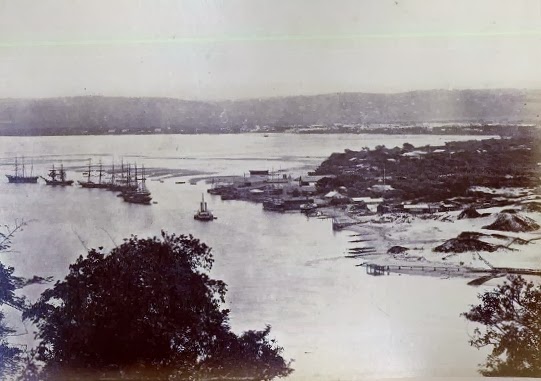
And I suddenly knew exactly what happened when my Great-Grandfather Stewart Bain and his brother James Bain got off the ship in Durban in 1880. They were fishermen from the tiny fishing village of Wick, in the far north-eastern corner of Scotland, used to being ‘knee-high in brine, mud, and herring refuse.’ * They left Wick and gave up fishing some time after an uncle Stewart had drowned in a fierce storm while out fishing off Wick in one of those little boats. They got onto bigger boats and headed for warmer climes in the colonies: Durban, Natal.
– Durban harbour ca.1880 looking inland from the Bluff, showing the Point at right –
When they arrived in Durban people asked them: ‘Bain? Are you the famous Bain road builders? We need road builders here. Can you build bridges too?’
And I know just what the brothers Bain said. ‘Roads? Och aye, we can build roads. And bridges? We can build them with one hand tied behind our back.’ You know, the old, ‘You’re payin’ how much to do that? Well, you’re in luck. I Happen to be Very Good at it . . . ‘
– some nice bridges there – this one in Swinburne –
And so they built the railway bridges between Ladysmith and Harrismith, utilising their herring netting experience, learning as they went, ‘upskilling’ – thus goes this theory of mine – no doubt with the help of African labourers who had done this before.
And thereby they helped the railroad reach that wonderful picturesque town in the shadow of Platberg, so that I could be born. This subterfuge and venture made them enough money to buy the Railway Hotel (Stewart; he re-named it the Royal cos every Saffrican town has to have one), and build the Central Hotel (James); Then they could marry, have children – only about nine and eight apiece, though – and become leading citizens of their adopted dorp in Die Oranje Vrijstaat Republiek, a sovereign non-British country.
Then: One of Stewart ‘Oupa’ and Janet ‘Ouma’ Bain’s nine ‘Royal Bain’ children Annie, had two daughters; and one of those – Mary – had me! And here I am.
~~oo0oo~~
Think I’m being unkind to Wick, village of my ancestors? Read what Robert Louis Stevenson wrote about Wick to his mother when he stayed there in 1868:
‘Certainly Wick in itself possesses no beauty: bare, grey shores, grim grey houses, grim grey sea; not even the gleam of red tiles; not even the greenness of a tree. The southerly heights, when I came here, were black with people, fishers waiting on wind and night. Now all the boats have beaten out of the bay, and the Wick men stay indoors or wrangle on the quays with dissatisfied fish-curers, knee-high in brine, mud, and herring refuse. The day when the boats put out to go home to the Hebrides, the girl here told me there was ‘a black wind’; and on going out, I found the epithet as justifiable as it was picturesque. A cold, BLACK southerly wind, with occasional rising showers of rain; it was a fine sight to see the boats beat out a-teeth of it. In Wick I have never heard any one greet his neighbour with the usual ‘Fine day’ or ‘Good morning.’ Both come shaking their heads, and both say, ‘Breezy, breezy!’ And such is the atrocious quality of the climate, that the remark is almost invariably justified by the fact. The streets are full of the Highland fishers, lubberly, stupid, inconceivably lazy and heavy to move. You bruise against them, tumble over them, elbow them against the wall — all to no purpose; they will not budge; and you are forced to leave the pavement every step.’
~~oo0oo~~
Now read a sterling and spirited defence of our ancestral Scottish dorp by Janis Paterson – a feisty distant cousin, and also a descendant of the Bains of Wick; who read my post and reached for her quill (I have paraphrased somewhat):
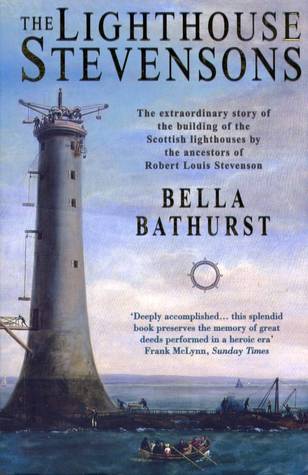
Ya boo sucks to RLS! Robert Louis Stevenson was a sickly child. His father and his uncles were engineers who built lighthouses all over Scotland. Robert was sent to Wick, likely to get involved in building a breakwater there with his Uncle. But he was more interested in writing stories and was just not cut out for this sort of work. I believe he was also ill while in Wick. The first attempt at building the breakwater was washed away during a storm and also the second attempt. The work was then abandoned. I therefore propose that Robert just didn’t want to be in Wick, was ill, fed up with the weather and just wanted to get away to concentrate on his writing. The Stevenson family must have been excellent engineers, as all the lighthouses are still standing. Did Robert also feel that he was a failure as an apprentice engineer?
Stick it to him, Janis! How dare he call Wick fishy? Or smelly!? Or breezy!? Even if it was! Just cos a dorp is fishy smelly and breezy doesn’t mean strangers can call it fishy smelly and breezy!
Janis adds ‘Read this book review:’ ‘ . .fourteen lighthouses dotting the Scottish coast were all built by the same Stevenson family that produced Robert Louis Stevenson, Scotland’s most famous novelist. Who, unlike the rest of his strong-willed, determined family, was certainly not up to the astonishing rigours of lighthouse building.’
Janis was right! 😉 All HE could do was scribble. Like me. But better.
Lots of confusion about the Baines, Baynes and Bains, so Prof Emeritus at UNISA Jane Carruthers set about unravelling eleven of them here in an article titled, The Bane(s) of South African Historians: https://www.theheritageportal.co.za/article/banes-south-african-historians?utm_source=substack&utm_medium=email – Road-builders, hoteliers, preachers, artists and one good trade unionist who fought for the poor honest working people and so gets the appellation “notorious!” Also, a Donald Bain of fighting for a Bushman Homeland Fame was born of a father who, like our Oupa Bain, was from Wick, so possibly related and may also have smelt of herring when he first got to South Africa.
~~oo0oo~~
On our big Karoo / Garden Route tour in 2023 Jess and I stopped at a monument to the original road-building Bains who I say inspired our newly-arrived, soon-to-be Vrystaat Bains to do likewise.
~~oo0oo~~
Later I found this on the Ladysmith to Harrismith extension of the rail line. Maybe the Bain bros got a piece of this action?
LADYSMITH – VAN REENEN – HARRISMITH
After the survey for the rail link from Ladysmith to Van Reenen was finalised, the route was pegged out in June 1889. A junction was formed a mile north of Ladysmith Station, recorded as 190¼ miles from Durban and 3350ft asl, and appropriately named Orange Free State Junction. However, terminating the line at Van Reenen was not considered very remunerative, and tapping into the OFS’s rich agricultural eastern region would make the undertaking more profitable. Negotiations with the OFS Volksraad resulted in the Natal Railway Administration being granted the sole right to build, equip and operate the extension from Van Reenen to Harrismith. Representatives of both Governments met in Harrismith on 25 February 1890 to work out the agreement’s details. In terms of the agreement signed on 24 June 1890, the railway was to be completed within three years of the turning of the first sod. Significantly, while profits would be equally shared between the two Governments, all operating losses would be borne by Natal alone. The Free State could, at any time, after giving six months’ notice, take over the railway at the cost of its original construction and any other capital expenditure.
Contracts for the earthworks and masonry culverts from Van Reenen to Harrismith were awarded on 22 January 1891†. The route generally followed the course of the Wilge River, graded at 1 in 80 with 600ft minimum radius curves. The energetic approach of the work crews completed the extension four months ahead of schedule. The extension from Van Reenen to Harrismith was taken into use on 13 July 1892. Initially, there was only one station, Albertina, later renamed Swinburne, between Van Reenen and Harrismith.
Distance from Durban, elevation in feet
Van Reenen 226 5520·49 Staging Station at the Natal/OFS border
Albertina 234¼ 5408·46 Passing Station
Harrismith 249½ 5322·30 Temporary Terminus
† The section from Van Reenen to Harrismith was built and operated by the NGR under an agreement signed on 24 June 1890 between the Orange Free State Volksraad and the Natal Colonial Government. The Orange Free State Volksraad authorised the Natal Railway Administration to construct, maintain and work, at its own risk, the line from Van Reenen to Harrismith. The working of the line was taken over by the CENTRAL SOUTH AFRICAN RAILWAYS (CSAR) in November 1903. No construction maintenance was allowed under capital expenditure (Under Law 29 of 1890, a sum of £260 000 was authorised for the construction of this section).
This ‘Bain’s Railway Map, c. 1903’ must surely be one of the famous Bains?
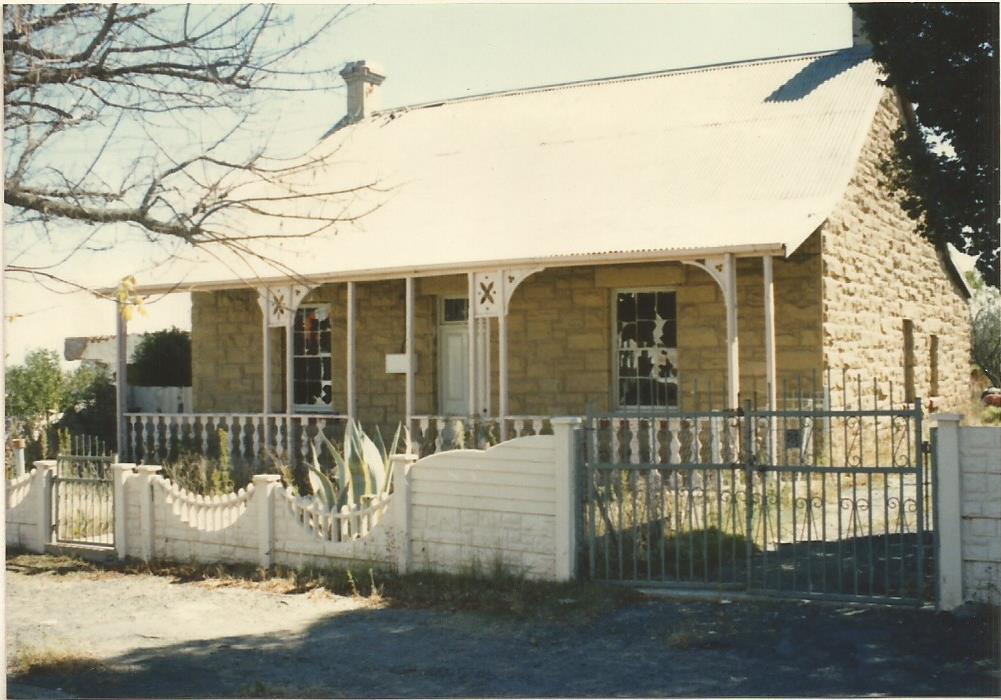
Annie was one of the seven Royal Bains in Harrismith. She was born in the cottage behind the hotel where her parents Stewart and Janet raised all the kids.
Her daughter Mary says they were Ginger, Stewart, Carrie, Jessie, Annie, Hector and Bennett. They had eight cousins who were ‘Central Bains’ – children of James Bain who owned the Central Hotel.
Mom Mary says only Hector got off his bum and got a job – he went off to become a bank manager in Ndola, Northern Rhodesia, now Zambia. The rest hung around the hotel and had fun, got married, whatever. Ginger played polo; Carrie got married and left for Australia. Stuart did a bit of work on their farm, Sarclet, not far out of town on the Jo’burg road. None of the other six felt compelled to move on, up or out. After all, the hotel had a bar, and Dad was the Lord Mayor of the metropolis and was known as The Grand Old Man of Harrismith to many townsfolk, and ‘oupa’ to his grandkids; so enjoy! Why leave!?
– His Worship the Lord Mayor of Harrismith, known to his many grandkids as ‘Oupa’ Bain –
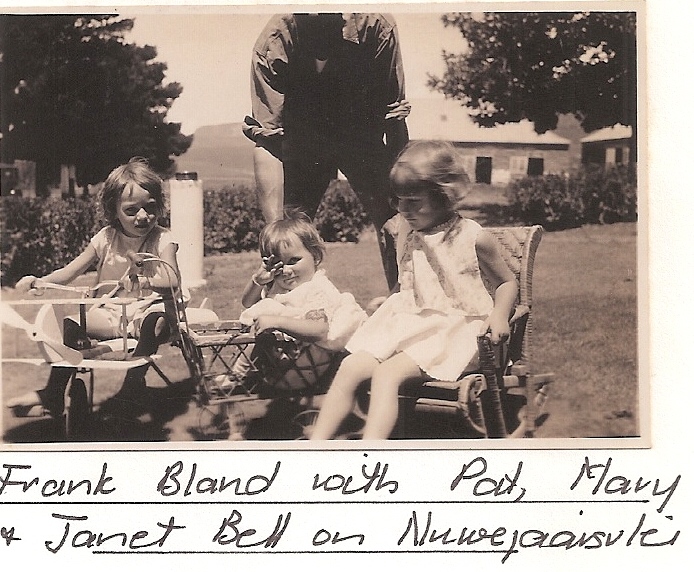
When Annie married Frank Bland, she moved out to their farm Nuwejaarsvlei on the Witsieshoek road;
– I have no pictures of Frank! –
When the farm could no longer support the horseracing they moved in with Frank’s mother Granny Mary Bland, nee Caskie, now with two daughters, Pat and Mary. When Frank died aged only 49, Annie and the girls stayed on. They were joined there by her sister Jessie when her husband Arthur Bell died in Dundee, where he had been the dentist; Then later they were joined by now married daughter Mary, husband Pieter Swanepoel, and daughter Barbara when they arrived back from his work in the Post Office in Pietermaritzburg.
Some time after that – maybe when Granny Bland died? – Annie moved into Randolph Stiller’s Central Hotel; She then left Harrismith for the first time in her life and went to stay with sister Jessie down in George for a few years after Jessie’s daughter Leslie had died; When Jessie died, Annie returned to Harrismith and lived in John Annandale’s Grand National Hotel. John said to Mary he was battling to cope with hosting her, so Mary moved her home. Much to Pieter’s delight. NOT.
So within a month Mary moved Annie into the Eliza Liddell old age home. Two years or so later, Mom remembers a night hosting bowling club friends to dinner when the phone rang. It was Sister Hermien Beyers from the home. “Jou Ma is nie lekker nie,” she said. Mom said I’ll be right over and drove straight there, she remembers in her red car wearing a navy blue dress. She sat with her dear Mom Annie holding her hand that night and – experienced nursing sister that she was – knew when Annie breathed her last in the wee hours.
Her visitors the next morning included Mrs Woodcock and Miss Hawkins. Mom regrets not letting Miss Hawkins in to see Annie. She should have, she says. She remembers being fifteen years old and not being allowed to see her Dad lying in Granny Bland’s home and has always been glad that she snuck in when no-one was watching and saw his body on his bed and so knew it really was true.
Part of the stone wall which surrounded Granny Bland‘s home in Stuart Street, Harrismith; and the oak tree her grand-daughter Pat Bland planted.
– Granny Bland’s garden wall –– The oak that Pat planted –
Our great-grandmother ‘Granny Bland’ was a Caskie who married a Bland who begat Frank (JFA) Bland who married Annie Watson Bain. Bain Sisters Annie Bland and Jessie Bell lived there with Granny Bland after their husbands died. Her granddaughter – Annie’s daughter – Mary and great-granddaughter Barbara also lived there for a while, some sixty five years ago. Four generations in one home!
The old home now has an artist family living in it and has been beautifully restored.
Granny Bland’s house Stuart Street – renovated again
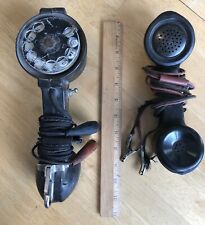
Dad was a Post Office technician. Back before we were born. He applied for telephones, which was more technical, but was given electrician. He did his apprenticeship ca.1938 and was soon put on telephones, given a truck and sent off to Ixopo where he was assigned a ‘line boy.’ Actually an adult to do lots of the hard work for you. His lineman’s name in Ixopo was Freddie.
– here’s his truck, his dog and his shadow –– testing, testing – an American lineman– testing, testing, a South African lineman from HeritagePortal.co.za –
Himeville fell within his area and he got to know the lady in charge of the General Post Office there – Miss Viven Wise. Miss Viven D Wise, actually, which got the young techies snorting as “VD” was rude. She spoke of the Sani Pass up into Basutoland and how beautiful and rugged it was, so when out that way one day Dad decided to see if he could get there. He soon came across a stream he had to ford, so out jumped Freddie to pack stones in the stream so the truck could get across. Soon another stream and the same procedure. After the fourth stream he decided this is going to take too long and turned back.
He also tells of putting in new telephone lines. From one farm to the next the line would go as the crow flies, over hills and through valleys. They’d be allocated long gum poles treated with creosote and they’d take them as close as they could in the truck, but to some places they had to be carried on their shoulders. Heavy and the creosote burning their shoulders, they’d lug them over the veld, dig the holes and plant them. I’m guessing Freddie did his fair share of the heavy lifting.
– linesman handsets –
In 1973 I had another Dad, also a lineman. Rotarian Don Lehnertz worked for the electrical utility in Apache Oklahoma. Wish I’d noted which company. He and Jackie very kindly hosted me as an exchange student for three months of that year.
Interesting that the famous song Wichita Lineman was written about a lineman up a pole in Washita County Oklahoma just west of my town Apache in Caddo County: (wikipedia) Webb’s inspiration for the lyric came while driving through rural southwestern Oklahoma. At that time, many telephone companies were county-owned utilities, and their linemen were county employees. Heading westward on a straight road into the setting sun, Webb drove past a seemingly endless line of telephone poles, each looking exactly the same as the last. Then he noticed, in the distance, the silhouette of a solitary lineman atop a pole. He described it as “the picture of loneliness.”
Back in Harrismith, before too long, Dad got rescued from the Post Office by his beloved Mother-in-Law. Who gave him a job.
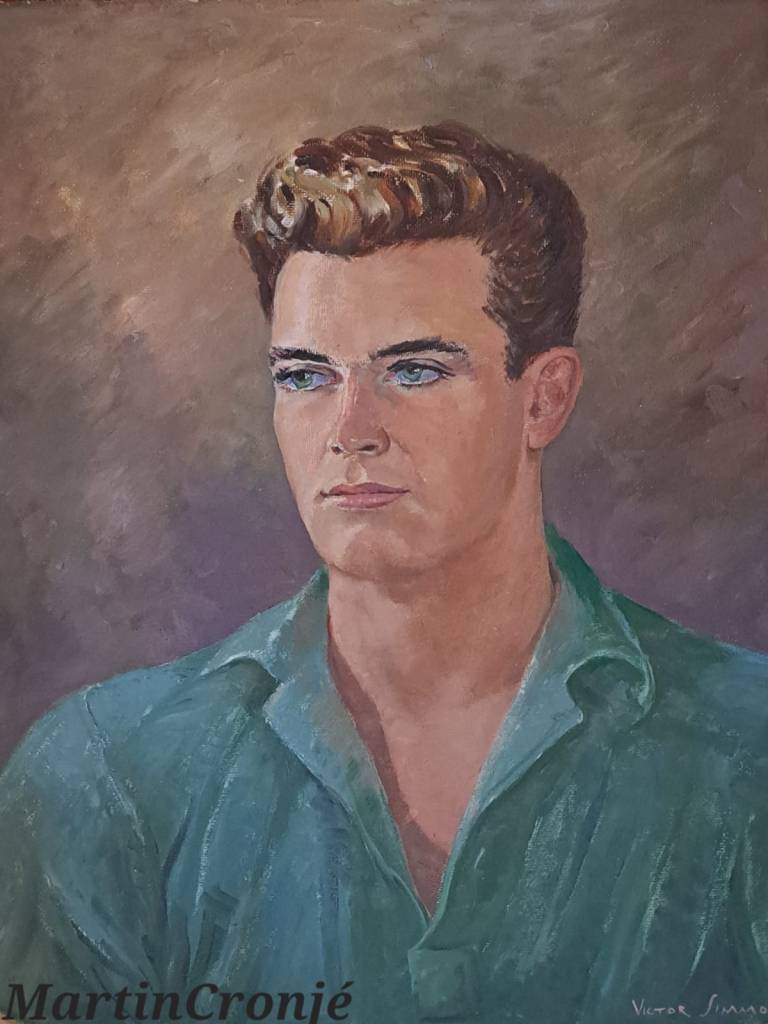
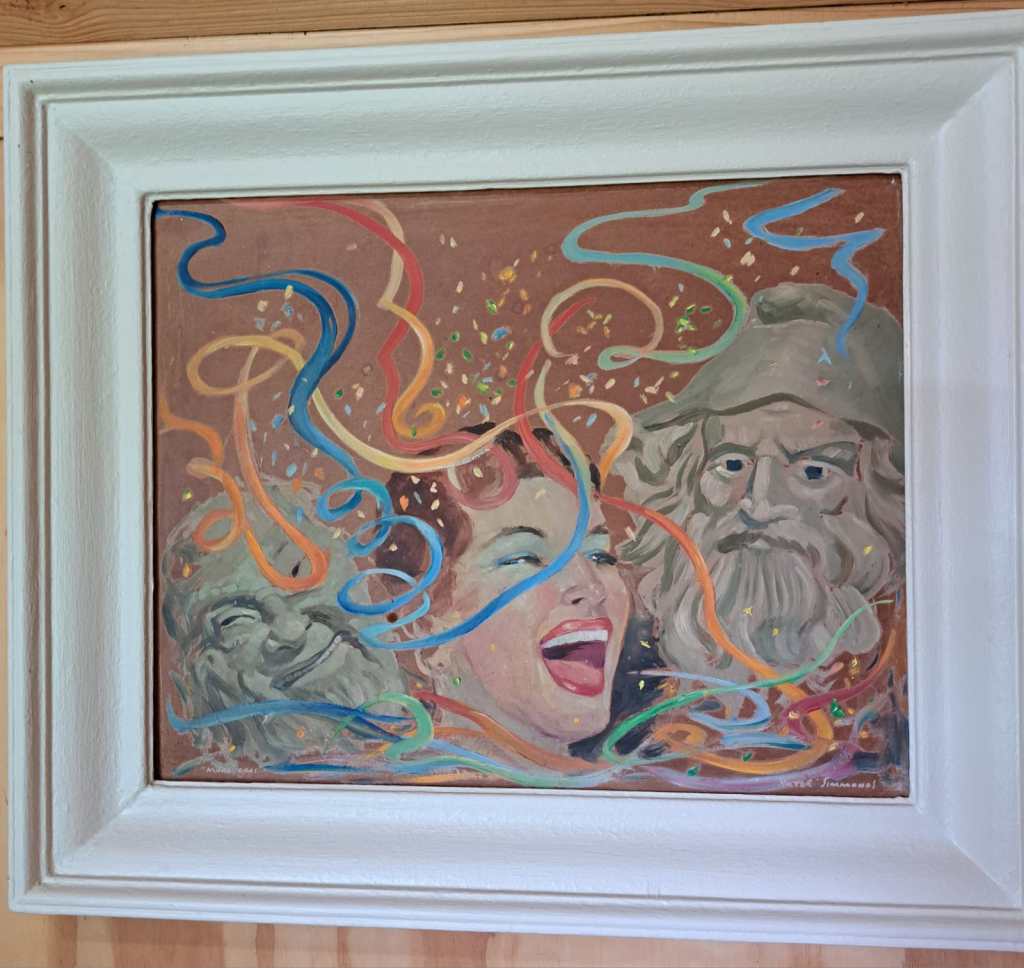
Dad: “Victor Simmonds was a lovely chap and a very good artist. He was a little man, grey, a lot older than me. What? How old? Well, I was probably 35 then and he was grey. He was probably 50. He lodged with Ruth Wright (Ruth Dominy by then) on the plot next door to ours, Glen Khyber. I doubt if he paid them any rent, they were probably just helping him out. He moved to the hotel in Royal Natal National Park where they allowed him to sell his art to the guests and that probably paid his rent.
“He was a hopeless alcoholic, unfortunately. He used to come to me begging for a bottle of brandy late at night, his clothes torn from coming straight across to Birdhaven from Glen Khyber, through the barbed wire fences. (Mom and Dad owned a bottle store, liquor store, in town) I said ‘Fuck off, Victor, I won’t do that to you,’ and sent him away. I wish I had bought one of his paintings. Sheila found these four paintings he gave me for nothing. He said he did these as a young student. As I took them he said, ‘Wait, let me sign them for you.’”
– maybe a self portrait? – – nude with amphora? – – semi-nude with two amphorae? – – maybe the Kak Spruit at or near Glen Khyber? – possibly –
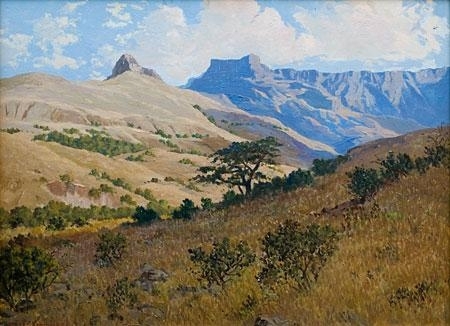
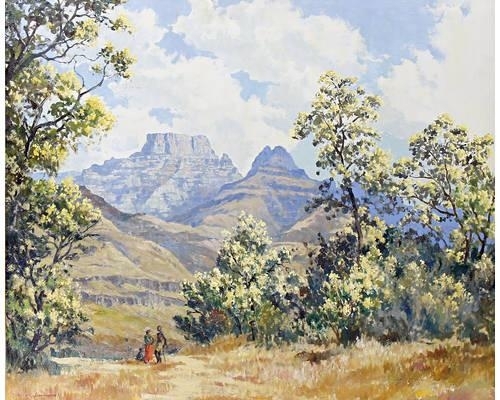
So I went looking and found a lot of his work available on the internet. Once again Dad’s memory proved sound. Victor was born in 1909, thus thirteen years older than Dad:
Victor Simmonds’ work has been offered at auction multiple times, with realized prices ranging from $126 to $256, depending on the size and medium of the artwork. Since 2012 the record price for this artist at auction is $256 for South African landscape with two women carrying wood, sold at Bonhams Oxford in 2012. Also see here and here and here
– South African Landscape With Two Women Carrying Wood –– shrubs beside a cascading stream –
I knew this scene! I recognised it immediately! To me this looks like the stream above the Mahai campsite in Royal Natal National Park – So I went looking and at lovecamping.co.za I found this:
– spot on!! – an image locked in my brain for maybe fifty years! –– sunset, poplar trees, a river – the Wilge near Walton farm? – (or – see below . . )
A number of his paintings are available for sale. I’d love to see his ‘The Gorge, Royal Natal National Park, Showing the Inner Buttress and Devils Tooth’ but I’d have to subscribe for one day at 30 euros! That one was apparently painted in 1980, so he kept going for at least 23 years after he stayed in our neck of the woods. That would have made Victor around 70 and his liver a resilient organ.
– more Victor Simmonds Drakensberg scenes – ca.1946 – click to enlarge –
~~oo0oo~~
Now its 2024 and look who has popped up onto my vrystaat confessions: All my life I’d heard Mom speak of Corry Cronje and Len Cronje, and Corry’s daughter Liz found my scribblings. Or rather, Liz wrote a delightful nostalgic personal memoir about the Cronjes of Witsieshoek, (post it online Liz and I’ll link to it!). Anthony Maeder sent it to me and put me in touch with her. We got talking and got onto the topic of this talented artist who spent time on a neighbouring plot to the one we grew up on, and on a neighbouring farm to the one Liz grew up on.
Brothers Corry and Len lived in Witsieshoek on neighbouring farms, Patricksdale and Mountainview respectively. Victor Simmonds stayed with Len and his wife Lettie on Mountainview for quite a while and painted on both farms and the surrounding area. Liz Finnie Cronje is Corry’s daughter and when I told Mom she immediately said, “Oh Corry’s wife Rosalie was a big friend of Annie’s (her mom). They would have long chats at Annie’s Caltex garage when the Cronje’s came to town.”
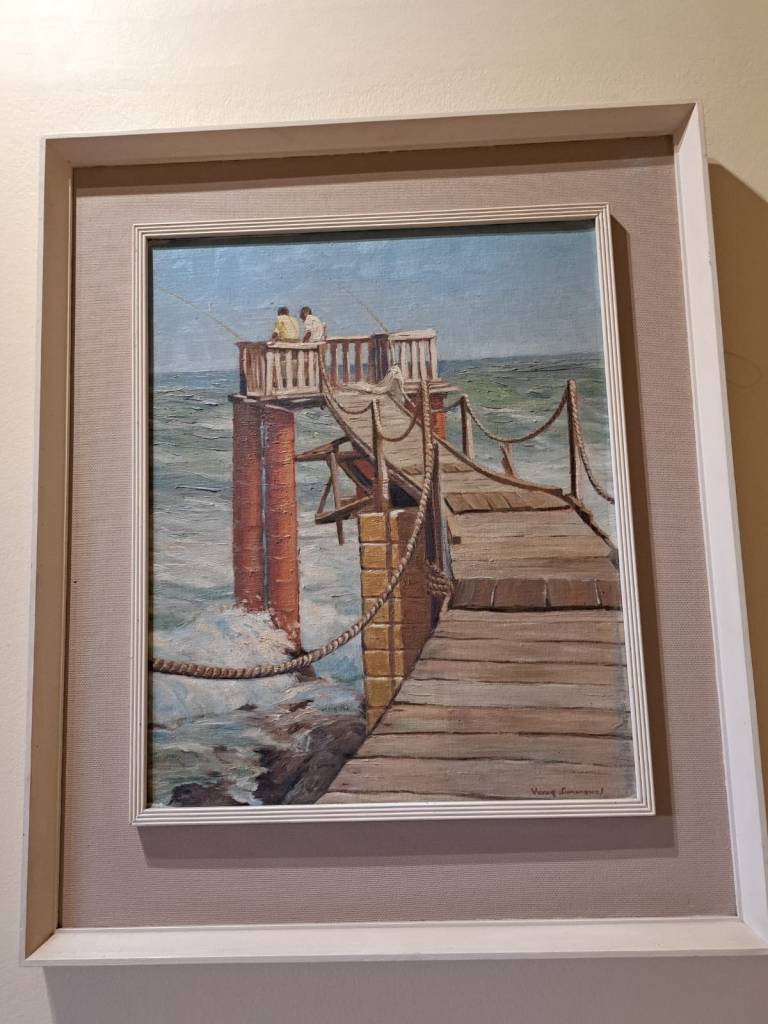
Len and Lettie’s daughter Josie Cronje Batchelor has a number of Victor Simmonds’ paintings and she has OK’d my posting them here. Wonderful! One more place where his talent can be appreciated.
– View from Mountainview across Patricksdale to the ‘Berg –
Click to enlarge – Left: Pier – Right: The poplars in Autumn –
This next one has to be on its own. Here’s why: Josie Bachelor, nee Cronje of Mountainview wrote: This is my favourite. The Gold Lamé in the background was my mom’s evening dress. The vase and porcelain horse also Mom’s. Mom did the arrangement. The table belonged to Vic.
Knowing a picture’s background and place and story makes it so much more interesting and valuable, doesn’t it?
~~oo0oo~~
Two more! With a note from Liz: I think I missed out on two more paintings. Both on Mountainview of the original Randall Bros. store in Witzieshoek taken over by Arthur Gray late 19th century I think. The chief (forget his name – ed. maybe Ntsane 1898 – 1918) asked if Arthur could open a shop in Witzieshoek as his people had difficulty getting to the shop during very rainy weather owing to the full Elands River. When my grandparents, Kerneels and Edie Cronje returned after the Boer War they renovated the shop and turned it into a cottage where all but the eldest Cronje (Andries) was born beginning about 1906 when my Dad, Corry was born.
I contacted JP du Plessis wanting to know wassup!? Catch me up on your USA sojourn!
He
wrote:
Good
to hear from you. We’re living in Austin, Texas – since January 2016.
We spent sixteen years in Mandeville, Lousiana – near New Orleans. We raised our kids there, and still have the house there.
Prior
stints in Chicago, Illinois, Las Vegas, Nevada and Los Angeles,
California. Can’t believe we’ve been here 30 years.
I fondly (jealously!) followed your past road trips through the States on vrystaat confessions .
Sorry you had to experience Shreveport!? I get to travel quite a bit for work. I have extensively traveled the Gulf States by road and other places by air.
Hopefully
you made your way on I-20 through to Vicksburg and saw the mighty
Mississippi River on your way up from Shreveport to New York with
Larry Wingert?
I
still think that is why I came here: because of Huckleberry Finn and
Tom Sawyer as well as the fascinating origins of American music in
the Mississippi Delta.
We
had a great time living in New Orleans. Our daughter still lives
there. We’re going there for a few days on Wednesday for a bit of
Mardi Gras and work.
Our
other kids live in Brooklyn, New York City, Chicago and Fort
Lauderdale, Florida.
Funny….I thought so much of you yesterday listening to a “rubriek” on the New Yorker Radio Hour podcast about this guy who traveled all over the States on his canoe for two decades! Saying: Hey I’m not lost and I’m not homeless…..I’m just paddling on the water seeing some fantastic geography and meeting very nice people on the way, (paraphrased). He wrote three books (not published). I will try to find the link for you.
Long long ago Annie said to me I should get her beloved husband Frank’s oak desk. We never knew Frank. He died when Mom was just fifteen or so, still in school. Annie had five grandkids and I suppose her reasoning was the only grandson should get it? A lot of mysterious value was attached to having a penis in ye olden days. OK, so not that much has changed, really.
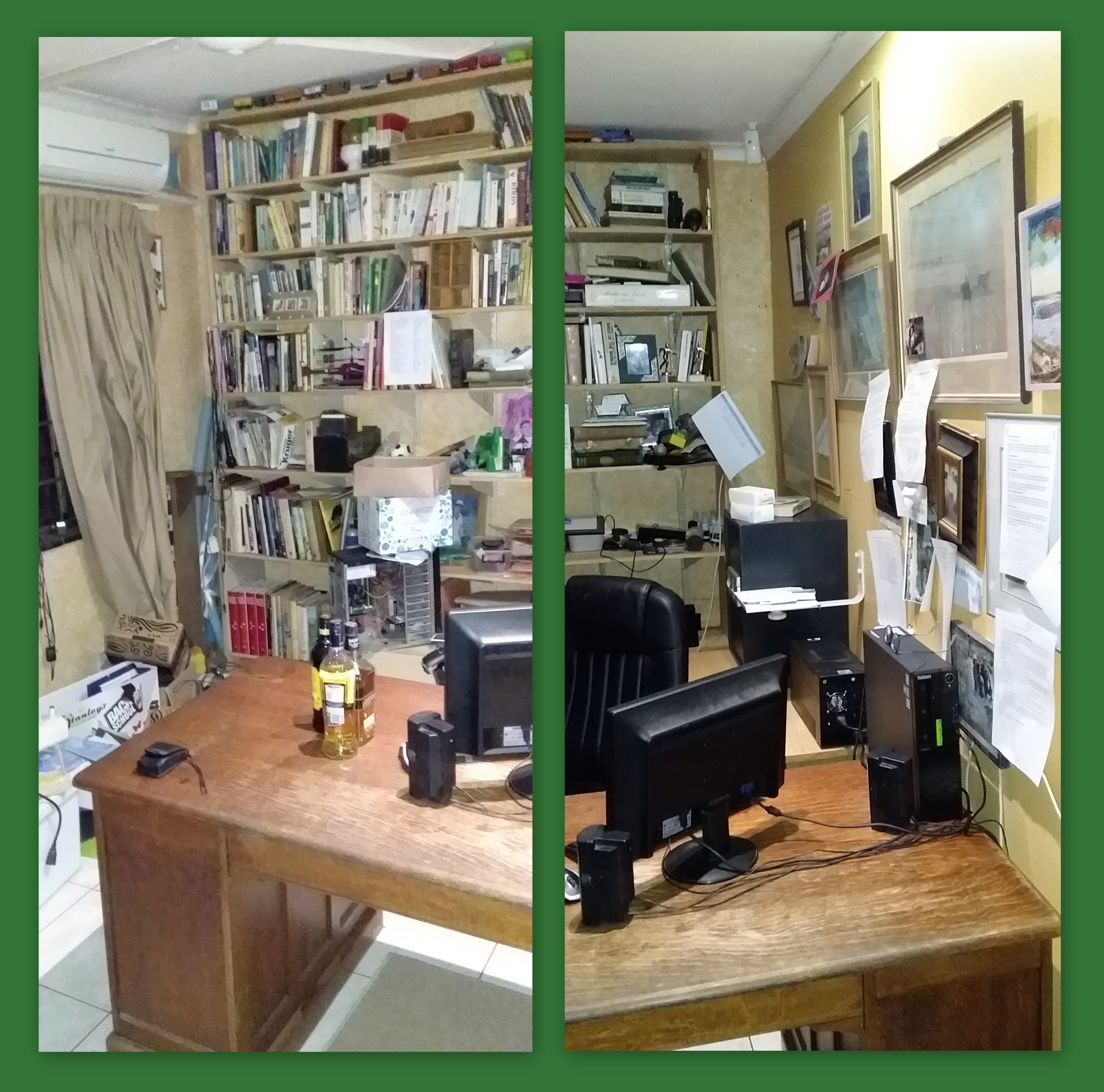
So now Mom’s in Azalea Gardens and Dad will be joining her soon, so it was time to fetch the desk. Dismantle, ship on the back of and inside of my Ford bakkie and re-assemble in my office.
It looks good.
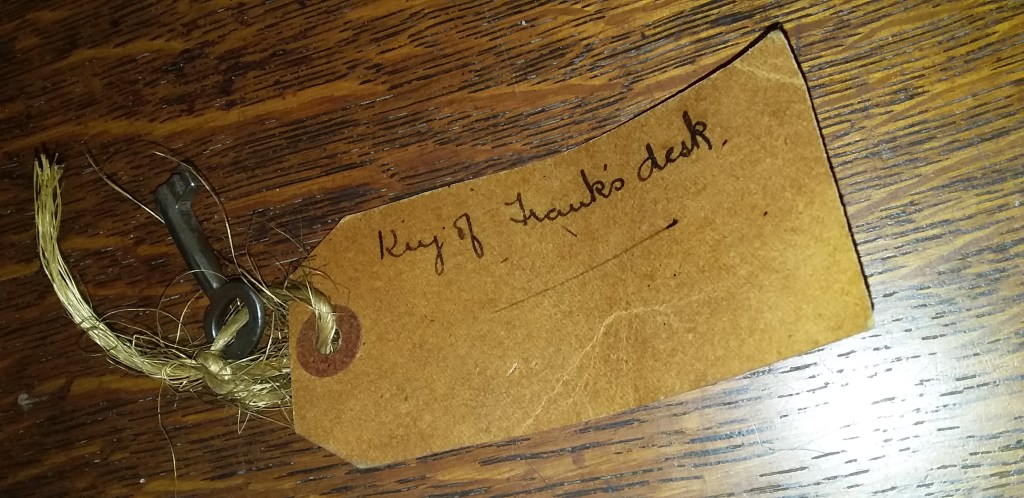
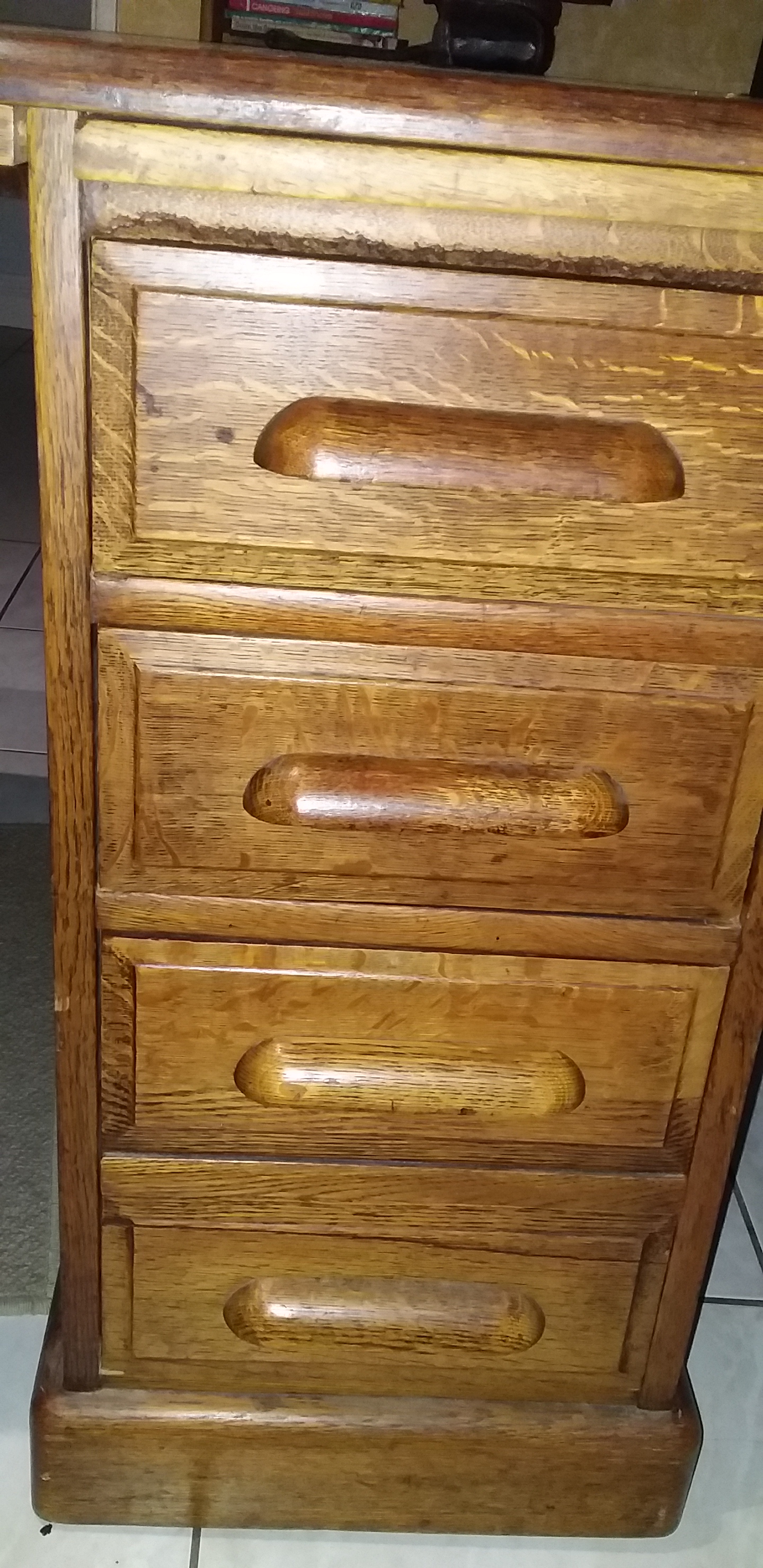
Very importantly, the key is in the top drawer, attached to a label ticket. Written in (I suppose) Annie’s handwriting: “Key of Frank’s Desk.” Interesting, as there’s no lock or keyhole in the desk, nor any of its drawers!
~~~oo0oo~~~
‘Fraid it wasnt in my care for long, Annie! It has moved on. Into Sheila’s care now, as I’ve sold my home. Took it apart again – 14 separate pieces) and schlepped it down to her in my same Ford bakkie. I took care to make sure she got the key, too.
I spose this means the penis (lineage) has been severed!
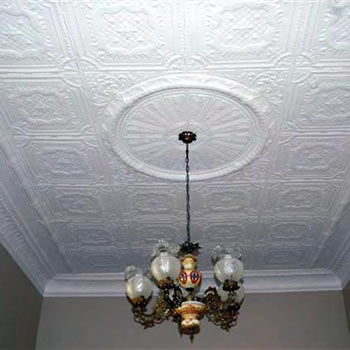
A. Ross & Co. General Dealers in Harrismith had gone phut, sold out to OK Bazaars. Their big old building was being gutted. Dad enquired about the ‘pressed steel’ ceilings* and was told ‘You can have the ceilings gratis if you strip them and remove them within a week.’
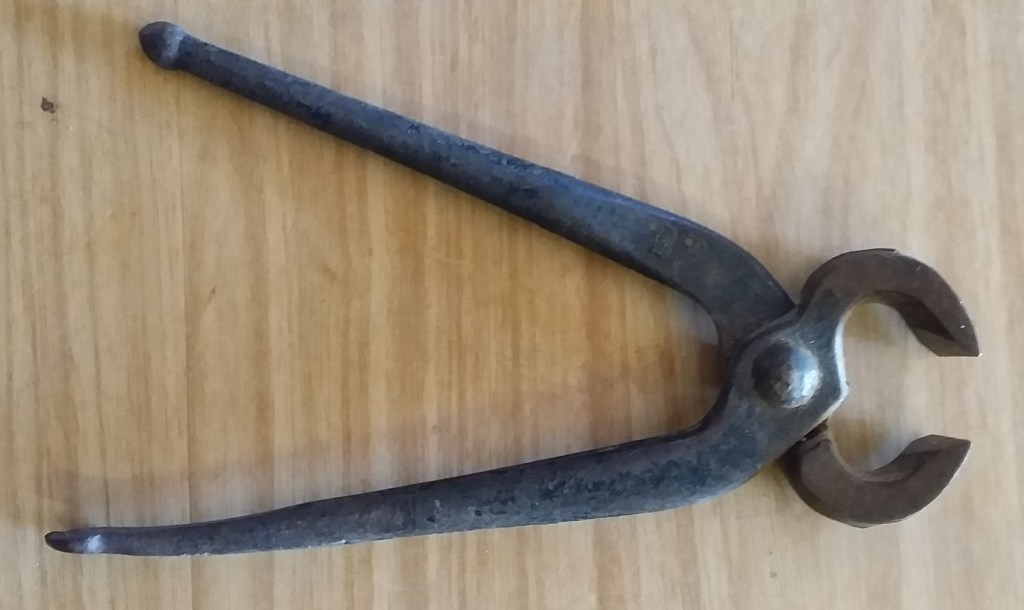
He bought six ‘nail puller pliers’ like these, and ‘did it himself’ (SA-style):
. . by hiring six men (not that he used a decent word like men), having them take down the panels, scrape them down, scrub them with wire brushes and seal them with clear varnish; then they painted them with a mix of glossy and matt white paint to get a lovely finish: not shiny, not dull.
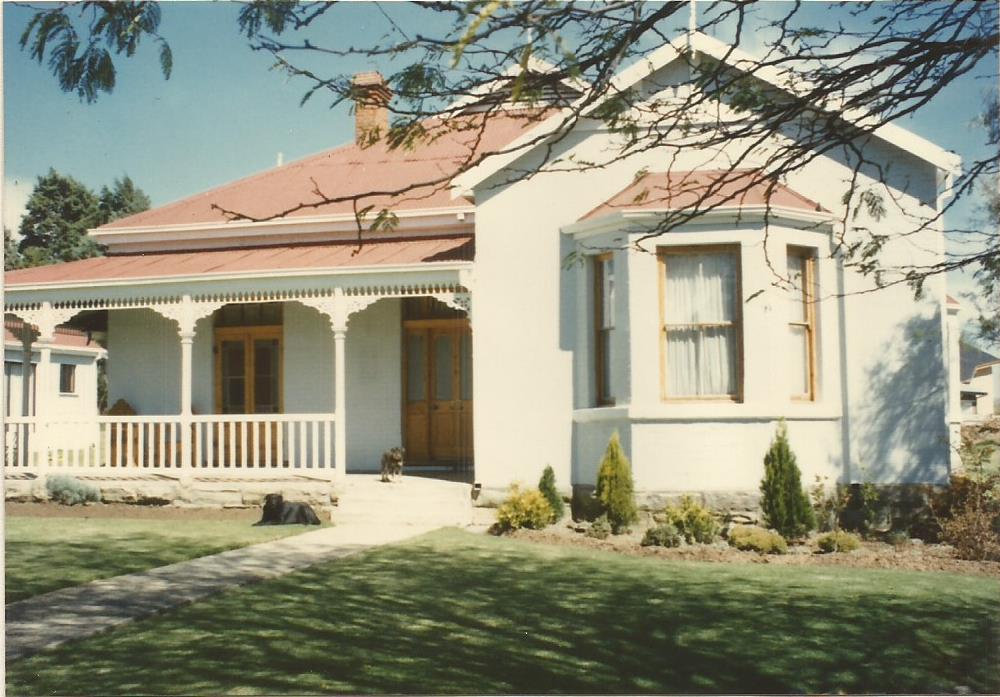
He put them up in our huge lounge, our long passage and our spacious dining room of the old house at 95 Stuart Street.
Old family home 95 Stuart Street Harrismith
He sold the excess panels to someone in JHB who paid and fetched.
Dad says while he was fitting them, Ouma paid us a visit from PMB. She would sit up with him as he worked till late at night. When it got late she would encourage him to stop: ‘Kom my seun, nou moet jy gaan rus. Gaan slaap nou.’
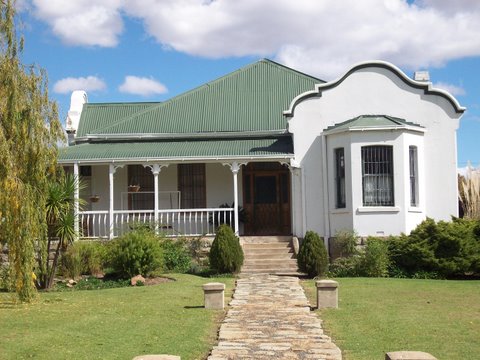
I’ve no pics of the ceilings . . . The feature pic and these are from the ‘net. They give a good idea of the look. Wait! See below . .
When I was taking pictures of his old tools I lined up these pliers and he said ‘Oh, those aren’t old. I bought them.’ Yeah, I laughed; Like fifty years ago! He saw the humour in that.
~~oo0oo~~
Sheila found pics of the lounge ceiling – a lovely pic of a gathering of friends on the occasion of Mom’s 45th birthday!
– members of the choir gather together –
~~~~oo0oo~~~~
*Tin ceilings were introduced to North America as an affordable alternative to the exquisite plasterwork used in wealthy European homes. They gained popularity in the late 1800s as Americans sought sophisticated interior design. Durable, lightweight and fireproof, tin ceilings were appealing to home and business owners alike as a functionally attractive design element that was readily available.
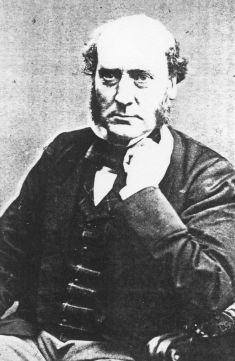
Important chaps like this one harumphed . .
. . that it was morally wrong and deceptive to imitate another material and blamed the degradation of society (on) the “art of shamming” rather than honesty in architecture. Oh well . . we weren’t going to invite him for tea to 95 Stuart street anyway.
Despite these old farts, tin ceilings were also popular in South Africa and in Australia where they were commonly known as pressed metal ceilings or Wunderlich ceilings;
Mary Craig married Alex Caskie; they had a daughter
Mary Caskie, who married John Francis Adam Bland; their eldest son was
Frank, who married Annie Watson Bain; their second daughter was
Mary Frances, who married PG Swanepoel; their eldest daughter was
Barbara Mary, who married Jeff Tarr; their eldest daughter was
Linda Mary, who married Dawie Pieterse; their eldest daughter was
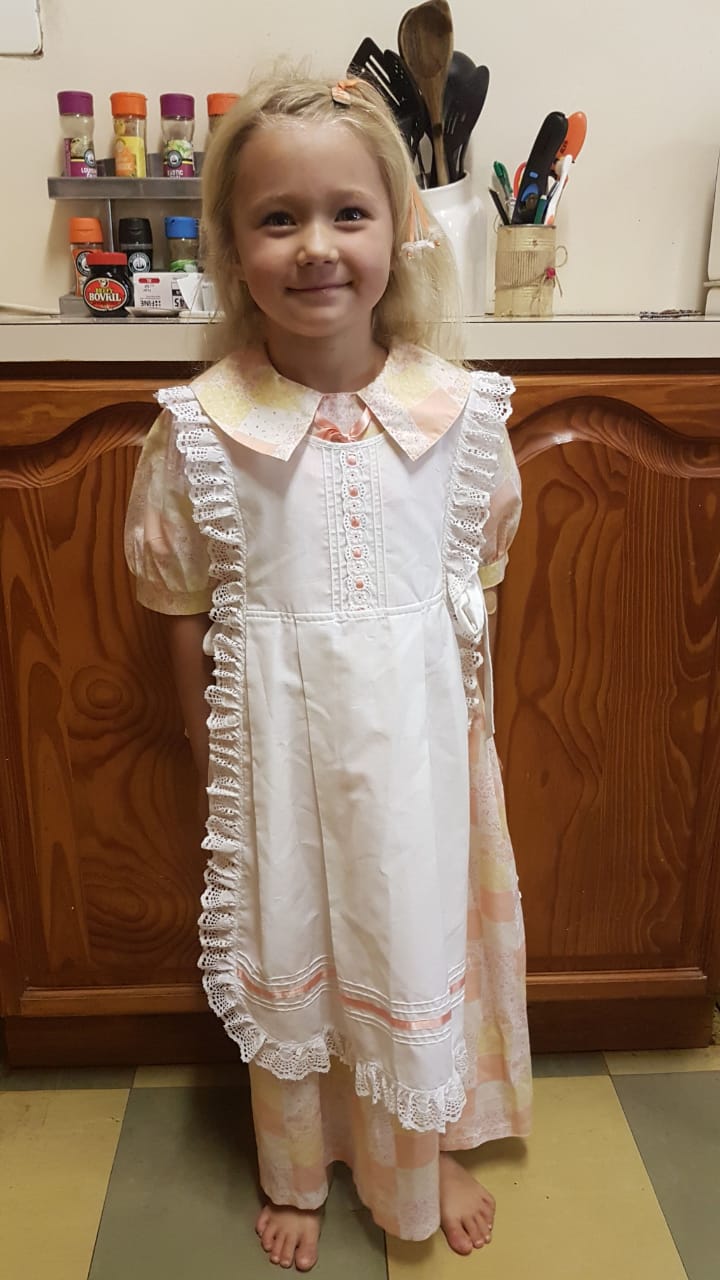
Mary-Kate, boss of the house, turning six this year!
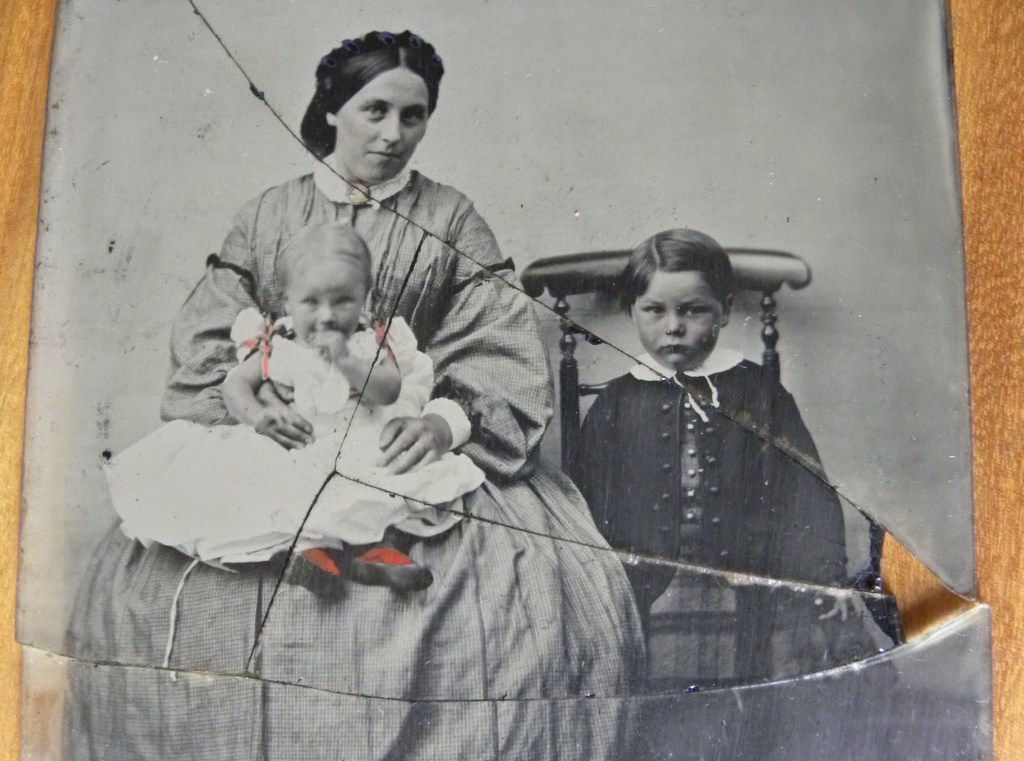
– Sheila has this old daguerrotype of Great-Great Gran Mary Craig and Great Gran Mary Caskie and a suspicious chap –
In this day of easy instant photography I find it fascinating to read how this image was made:
To make the image, a daguerrotypist would – 1. polish a sheet of silver-platedcopper to a mirror finish; 2. treat it with fumes that made its surface light sensitive; 3. expose it in a camera for as long as was judged to be necessary, which could be as little as a few seconds for brightly sunlit subjects or much longer with less intense lighting; 4. make the resulting latent image on it visible by fuming it with mercury vapor; 5. remove its sensitivity to light by liquid chemical treatment, 6. rinse and dry it; 7. seal the easily marred result behind glass in a protective enclosure.
The image is on a mirror-like silver surface, normally kept under glass, and will appear either positive or negative, depending on the angle at which it is viewed, how it is lit and whether a light or dark background is being reflected in the metal. The darkest areas of the image are simply bare silver; lighter areas have a microscopically fine light-scattering texture. The surface is very delicate, and even the lightest wiping can permanently scuff it. Some tarnish around the edges is normal. (thanks wikipedia)
~~oo0oo~~
Nowadays a few quick sweeps of free software Faststone and I can hide most of the cracks of the broken glass:





















 Vrystaat Confessions