I was born in Harrismith in 1955, as was Mom Mary in 1928, and her Mom Annie in 1893. Annie thought “the queen” of that little island above and left of France was also the queen of South Africa (and for much of her life she was right!).
I attended the plaaslike schools in Harrismith till 1972. A year in the USA in 1973 as a Rotary exchange student in Apache Oklahoma. Studied optometry in Joburg 1974 – 1977. Worked in Hillbrow and Welkom in 1978. Army (Potch and Roberts Heights, now Thaba Tshwane – in between it was Voortrekkerhoogte) in 1979 and in Durban (Hotel Command and Addington Hospital) in 1980.
I stayed in Durban, paddled a few rivers, and then got married in 1988. About then this blog’s era ends and my Life With Aitch started. Post-marriage tales and child-rearing catastrophes are told in Bewilderbeast Droppings.
‘Strue!! – These random, un-chronological and personal memories are true of course. But if you know anything about human memory you’ll know that with one man’s memory comes: Pinch of Salt. Names have been left unchanged to embarrass the friends who led me (happily!) astray. Add your memories – and corrections – and corrections of corrections! – in the comments if you were there.
~~~oo0oo~~~
Note: I go back to my posts to add / amend as I remember things and as people mention things, so the posts evolve. I know (and respect) that some bloggers don’t change once they’ve posted, or add a clear note when they do. That’s good, but as this is a personal blog with the aim of one day editing them all into a hazy memoir, this way works for me. So go’n re-look at some posts you’ve enjoyed before and see how I’ve improved over time (!). It’s just as my friend Greg says: ‘The older we get, the better we were.’
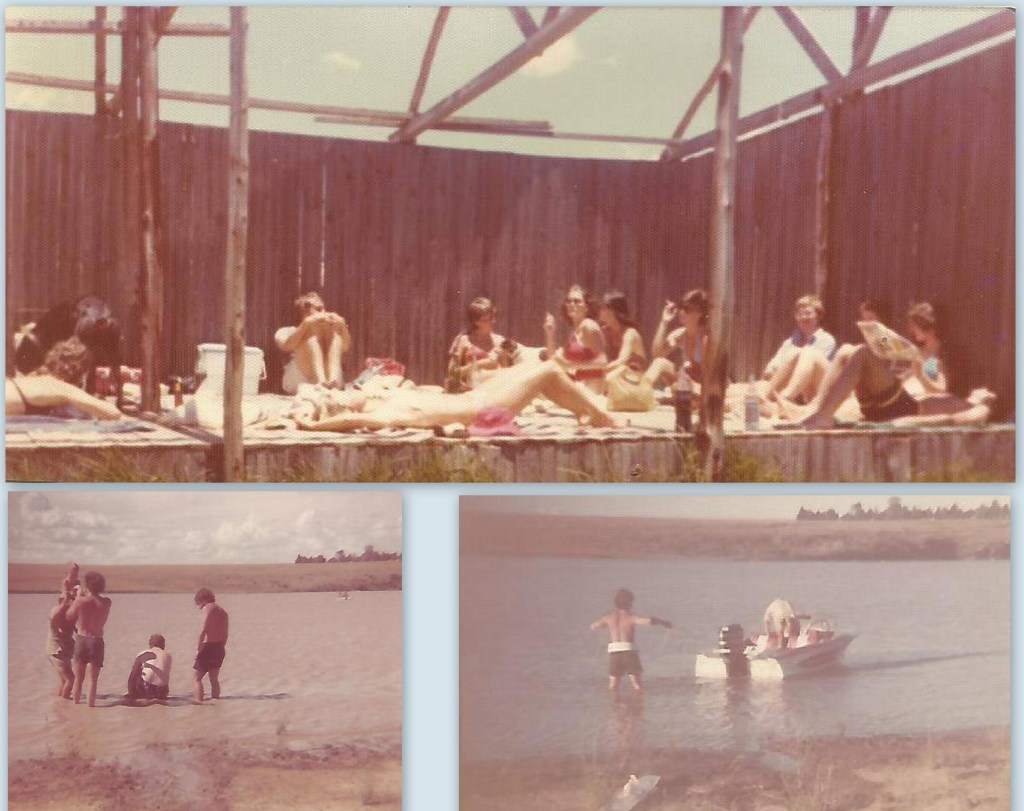
Hector and Stella, Ian and Bev and Tabs – all or some of them! – built a large dam on the Swartspruit, a tributary of the Wilge river on Ian and Bev’s farm Sarclet.
The Fyvie’s Balmoral dam – If you build a dam you need a boat and Tabs found one in Howick, going cheap. As always, Tabs needed a side-kick to join him on his ventures and I was more than willing. We fetched the wee boat in Howick. I wrote about that misadventure here.
Later Tabs got a bigger boat, ‘The Pheasant Plucker’ with a V6 inboard motor and a Hamilton jet. The name likely affirmed for certain Anglicans that an earlier decision they’d made was right.
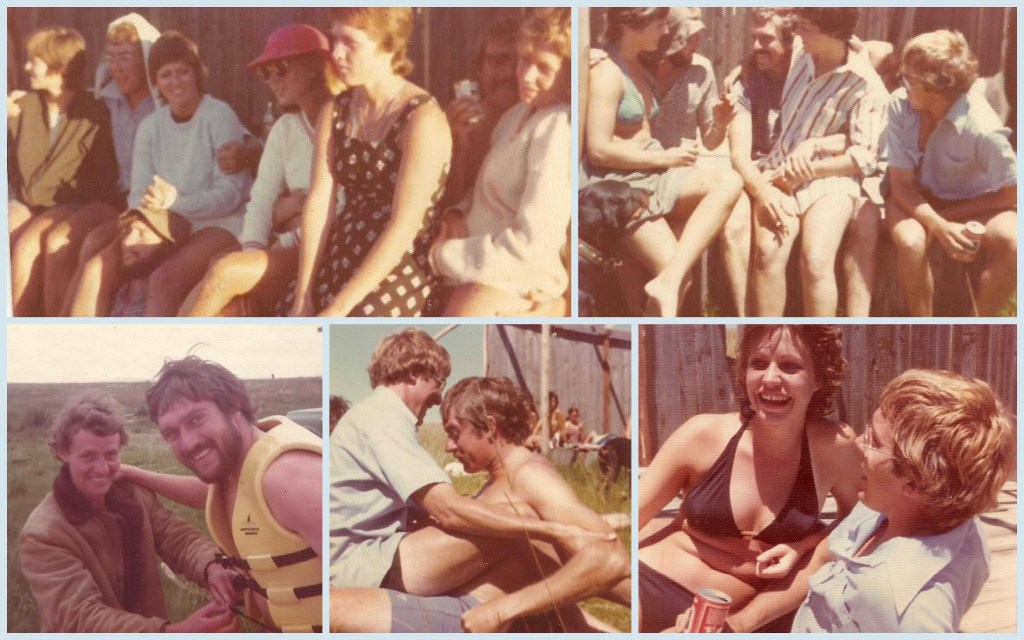
– Sarclet – Balmoral Dam beautiful peeps and a different boat – Braithwaite’s boat, I think –
I once embarrassingly beached it when the motor cut at speed; I aimed to roar close to the starting point then fling then gear lever into reverse, causing a huge wave and hugely impressing the impressionable gorgeous ladies present! Well, none of that.
I landed up high and dry next to the cars parked on the bank; I learnt that when the engine cuts in a Hamilton Jet there’s no steering, no brakes, no nothing. Without that plume of water thrusting out the back, there’s no direction! Suddenly you’re a passenger; you’re no longer the skipper.
– sometimes Barberton Braithwaite wind power would be harnessed –
Ah, we had many a pleasant day next to the dam, gently mixing petrol, beer and water into a cocktail of fun and laughter. Thirsty work, though. After – apres ski – we’d have to repair to Gailian for drinks:
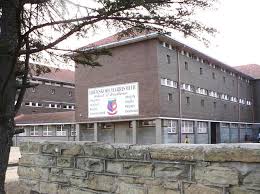
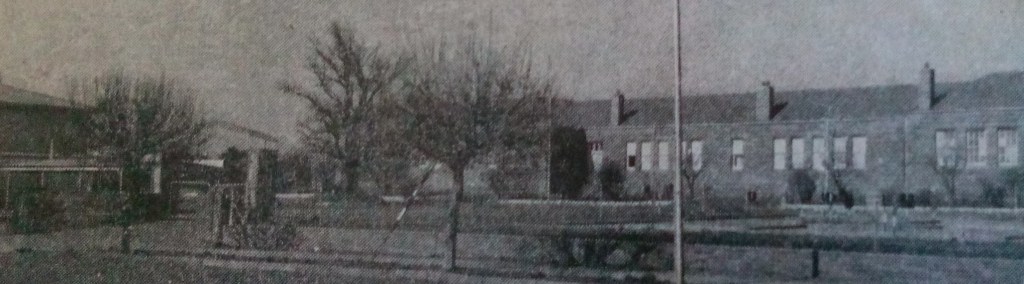
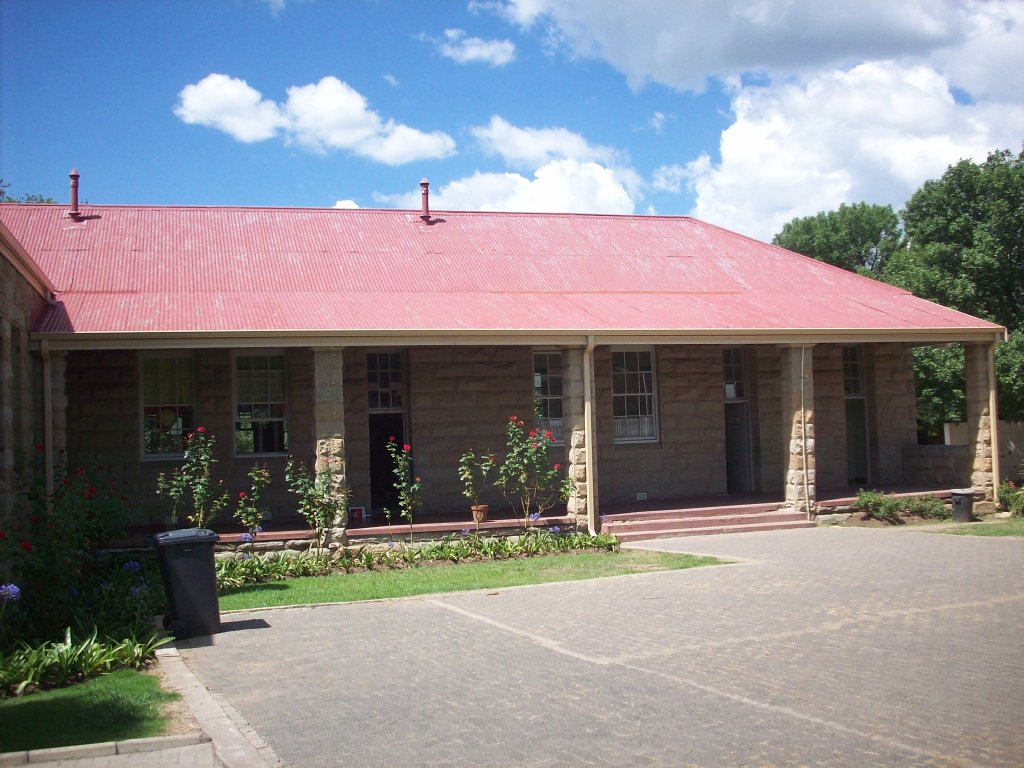
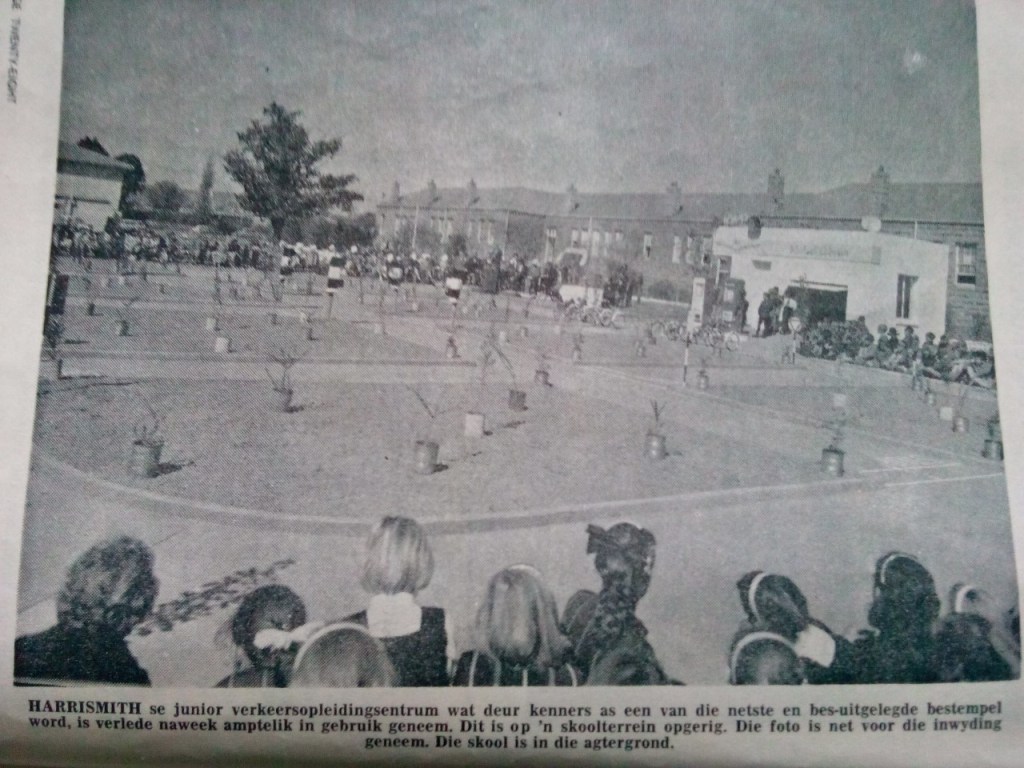
This building used to be something else, I think – not sure – but in our time it was the junior primary school. Occupying a full block between Stuart and Warden Streets near the centre of the metropolis, our Sub A to Std 1 classes were here. Except if your Std 1, 2 and 3 was all together in one room with one teacher (‘die Engelse klas’). Then you went down to the next school in Std 1. So I had Sub A and Sub B in this old sandstone building. I entered age five and departed age seven. With a blue bicycle. A Rudge, I believe.
My greatest achievement in this time was probably winning a high-pissing contest in the sandstone boys room and having big mate Fanie Schoeman report the feat to Mrs Van Reenen. Miss! Miss! Peter pee’d on my head, he said. Brief fame, diplomatically handled. The urinal was open to the sky and we’d been trying to see who could leave his wet mark highest up on the sandstone wall above the trough. Wee on sandstone leaves a very satisfactory, undeniable mark which cannot be disputed, in contests like these. It lasts long enough for judges to judge and disputes to be resolved. Mine was highest. And some did go astray and hit Fanie, it’s true.
Here’s a view of our classroom taken from the boys toilets. In fact this photographer’s head is very near where Fanie’s head was back then. Chips! or Duck!
– second door from right was our classroom – Far right was girls toilet –
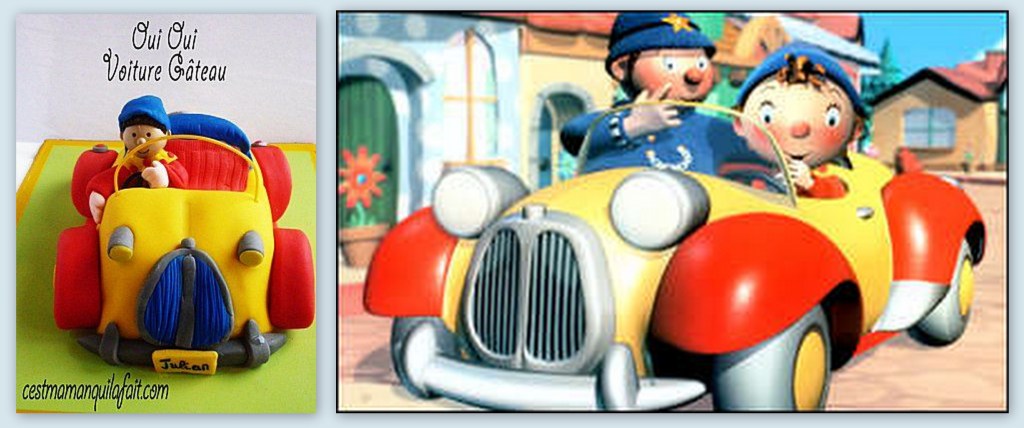
Another clear memory of that class was admiring the beautifully accurate Noddy car Lincoln Michell made of yellow and red plasticine.
– Lincoln’s Noddy car looked just like this –
That sums up my first year of formal education. Luckily it didn’t cost a lot.
– this was there, but I don’t remember ever using it –
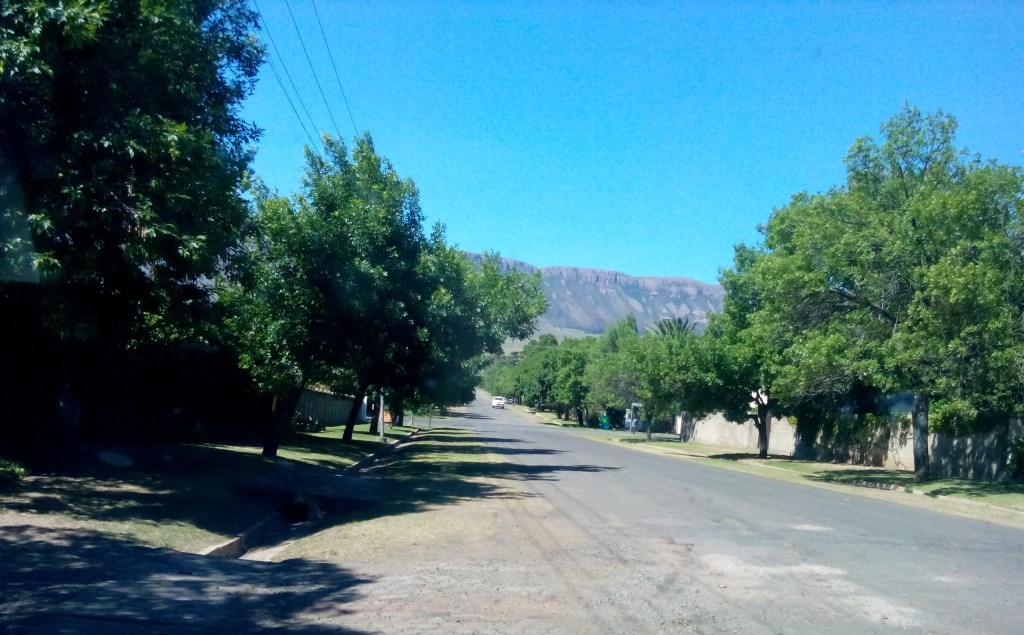
One of the joys of being in this kleinspanskool was it was a junior part of the bigger primary school down the road and quite regularly something would need to be schlepped down there. To be chosen to pull the wooden trailer or trolley, with its rubber wheels from one school to the other was a much sought-after diversion from classtime. You’d be FREE! FREE AT LAST! and wandering the shady tree-lined streets in school time on a Long Walk To Freedom! Bliss!
– streets like this –– our trolley was like this ‘cept ours had proper, bigger, rubber tyres –
~~~oo0oo~~~
Behind that long building was a rugby field where Giel du Toit despaired of my ever learning one end of a rugby ball from the other – or one end of the rugby field, for that matter. His coaching methods consisted of patting me on the head and muttering ‘There, there; Moenie worrie nie!’ Everyone was very kind to me in my young days. Occasionally onse Giel (Joyce Joubert called him Heilige Giel) would get a faraway look in his eyes and talk about walking behind the ploughshare and picking up a clod of freshly-turned earth, smelling it and saying something about nothing in the world could ever smell better. The dorpsjapie in me thought ‘huh?’ Years later I speculated he was angling to marry a farmer’s daughter and was practicing his pitch to Pa. Then verily, that came to pass.
I played for the under-eleven B team, and the only reason for that was there was no C team. Although we were now down the road at the bigger school, rugby practice was at the old kleinspan school, as the bigger school didn’t have a field.
The end of the season arrived – near the end of winter – and the last game loomed. The traditional big derby day against the Olde Enemy, Vrede, played home and away each year. This year the final game was away, in that far-off dusty city of sin and ribaldry. OK, dusty dorp. Now famous for not having a dairy, back then it was famous for losing at a range of sports to Harrismith. Though, every now and then they’d spring a surprise and beat us.
For some unfathomable reason, Giel decided I would captain the under-eleven B’s on that auspicious occasion. It was 1966, so maybe England winning the soccer world cup got him thinking, ‘Miracles Can Happen?’ Anyway, as the lowest of the most junior teams, we would be playing the first game early in the cold Vrede winter morning, long before most spectators arrived, only dedicated Ma’s and Pa’s on the rickety stand. Our job was to break through the frost on the dead grass on the rock-hard ground for the more important games to follow. With our bare feet.
Which is how I came to have the leather odd-shaped ball in my hand that morning. This was a novel experience. Usually I was only vaguely aware that there WAS even a ball involved in this mysterious game that onse Giel was despairing that I’d ever get the hang of.
My orange-clad barefoot underlings, now fully under my command, dutifully formed a line behind me as I ran onto the field and skopped the leather ball to start the game. I remember only four things about that game, but they are indelibly etched in my newly rugby-focused tactical brain:
1. We were awarded a penalty quite late in the game with the score still on 0 – 0;
2. I made a show of going down on my haunches, and staring at the posts, then tapped the ball and hared straight for the line and dotted the ball down. TRY!!
3. The ref awarded the try. We were 3 – 0 up!
4. There was a muttering from the tiny partisan home crowd of early-morning Ma’s and Pa’s, and the ref seemed agitated. At the next lineout I asked him ‘That was a try, nê?’ and he growled ‘Play on!’ So we won the game. My record as captain was 100% wins.
The next year – 1967 – I was suddenly a rugby player and in the U/13 A team. I’d like to say it was because of this revelation, revival, awakening and discovery of deep latent talent, plus a realisation of my brilliance thanks to Giel’s inspired and kind gesture and talent-forecasting genius, but it was mainly cos my balls dropped, and I shot up four inches and became the tallest oke among the under-thirteens! Size counts in a shoving and huffing and puffing game. When guys have to look up to you they often give way to you. We had a helluva year in 1967, so achieving Harrismith-wide fame by becoming the undisputed World Champions . . OK maybe I’m getting ahead of us here.
~~oo0oo~~
Kleinspanskool – small persons school; junior primary school
Way back around 1968 a new book appeared at 95 Stuart Street Harrismith. I was fascinated. Nearly as fascinated as I’d been when cousin Jack Grundling was reading Valley Of The Dolls and left it in the big wooden bookshelf in our long, dark, carpeted passage. That novel must have been good, as Mom actually physically took it from me, saying ‘You can’t read that’! Oh? Censorship!
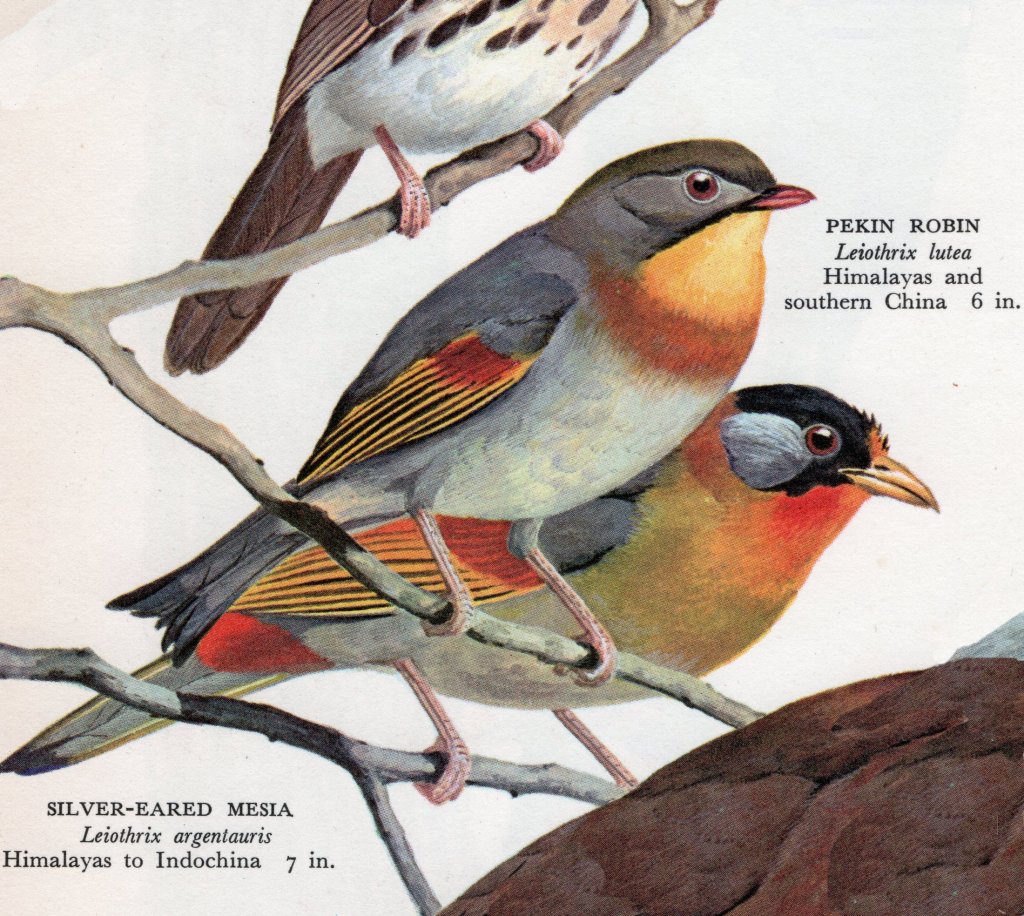
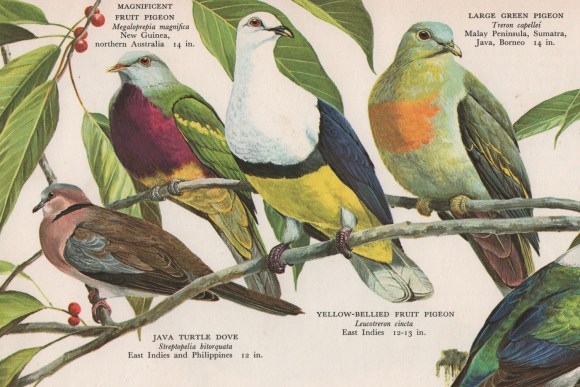
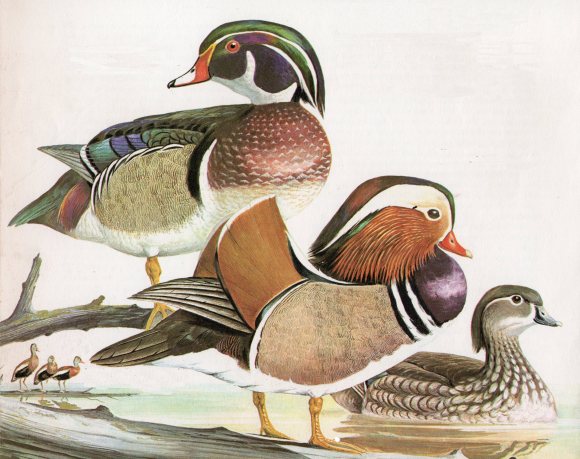
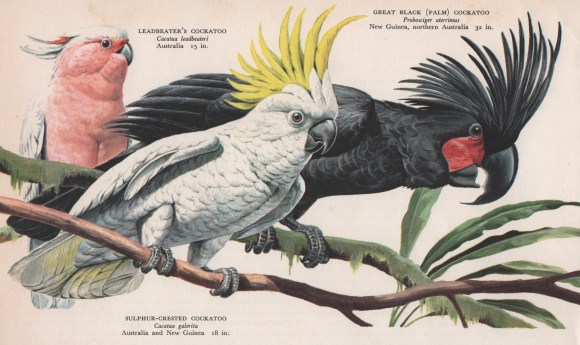
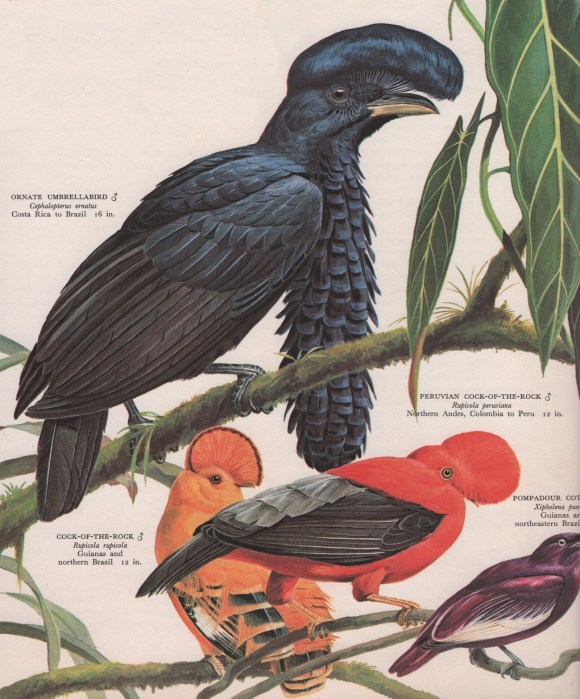
by Oliver Austin, beautifully illustrated by Arthur Singer. I was fascinated by the orange Cock-of-the-Rock on the cover. Fifty years later the book was on my bookshelf in Westville and I was sad recently to discover other bookworms also liked it and had got into it in a big – and deep – way. It was riddled with holes. I copied the pages with the plates I remembered best before turfing it out. Hopefully a whole extended family of borer beetles went with it!
Roberts bird book and this book fuelled a lasting fascination.
~~oo0oo~~
Valley of the Dolls – by Jacqueline Susann was about film stars, their raunchy pecadilloes and their use of ‘dolls’ – amphetamines and barbiturates. Time magazine called it the ‘Dirty Book of the Month,’ probably thinking ‘that’ll kill sales,’ but that and other anti-reviews made people think ‘that sounds interesting,’ and the book was a runaway commercial success, becoming the best selling novel of 1966. I mean, a review saying ‘Dirty Book of the Month’ might have made Mom Mary not buy it, but it likely had cousin Jack head straight for the bookstore! So there it was: From one metropolis to another – New York to Harrismith – in no time.
By the time of Susann’s death in 1974, it was the best selling novel in publishing history, with more than 17 million copies sold. By 2016, the book had sold more than 31 million copies. In 1967, the book was adapted into a film. Like the book, the reviews were scathing, but it was an enormous box-office hit, becoming the sixth most popular film of the year, making $44 million at the box office. Author Jacqueline Susann had a cameo role in it as a news reporter, but she said she hated the film, telling director Robson that it was ‘a piece of shit.’ – wikipedia
~~oo0oo~~
Birds of the world: a survey of the twenty-seven orders and one hundred and fifty-five families, by Oliver L. Austin, (1961); Illustrated by Arthur Singer; Edited by Herbert S. Zim, New York, Golden Press; Many reprints were made and it was eventually published in seven languages over many years. I think ours was the 1968 edition published by Paul Hamlyn;
~~oo0oo~~
bookworms: The damage to books attributed to ‘bookworms’ is usually caused by the larvae of various types of insects including beetles, moths and cockroaches, which may bore or chew through books seeking food. Mine were little brown beetles. Buggers. I’m procrastinating about checking all my other books! Must do it . .
On March 24, 2015 Danny Moodley wrote a comment on that wonderful website Facts about Durban – and this brought back distant memories:
Danny wrote: I started work at the Killarney Hotel in 1962. The first Durban to Johannesburg oil pipeline started in 1964. The Contract was given to the Americans. I was offered a job. The contract was completed in 1966. The name of the contractors were McAlpine Somerville. The Artisans came from Canada, USA and Britain. Most of us South Africans were assistances. This contract was given by the South African Railways And Harbours.
McAlpine and Somerville – that name brought back memories! Memories of new people with strange accents visiting us at 95 Stuart Street in Harrismith Free State from Canada and America. One lady did beautiful rich pastel paintings of Inuit children (Eskimo children as we called them then).
When they left Harrismith we were left with a few of those beautiful portraits – wonder where they are today?
– this similar-looking pair of 1960s paintings are on ebay for R9 000 –– more like this –
~~~oo0oo~~~
McAlpine started in Britain and Somerville in Canada, both in the fifties. Both became huge pipeline companies. Their SA project was a joint venture. Driving along the roads I remember seeing the signs McAlpine & Somerville near the pipeline; I seem to recall seeing them near Sunnymede and near Swinburne?
~~~oo0oo~~~
A few years later came another influx of workers, called locally – and tongue-in-cheek – ‘Die DamPaddas.’ They arrived to build the Sterkfontein, Driekloof, Driel, Woodstock and other dams for the Tugela-Vaal water scheme, where water was stolen from Natal and pumped uphill to Joburg; canals were dug, and a power station was drilled into the mountainside at Oliviershoek Pass.
The Class of ’77 had a wee gathering at Zena’s place in Feb 2020. The lies we told!! ‘You’re looking younger’n evah DAHling!’ Yeah, right!
Actually, none of that. A lot of truth was spoken. Which led to a lot of laughter.
Zena laid on a wonderful spread and we sat around a colourful table on her Sandton patio.
– Zena and Ray & Di Schoeman – Terry seated – Brauer, who didn’t read the dress code so came in a corona virus T-shirt – yours truly seated –
Schoeman smuggled in some gin n meths in an expensive bottle; Zena provided wine and buckets she said were gin glasses – old soaks have all sorts of tricks! Brauer provided beer; I just drank.
The afternoon whizzed past and all too soon we had to shuffle off to take our other meds.
We should do this every forty three years.
~~~oo0oo~~~
Is a gathering of presbyopes a parliament of presbyopes? I think we were more a chuckle of presbyopes. While searching I did find these: an unhappiness of husbands . . a tedium of golfers . . and – not being one – I made up a yawn of grandparents.
~~~oo0oo~~~
PS: Soon after this came lockdown and our little group of six turned into a wonderfully convivial whatsapp cartel, sharing advice, support and look sharp! in equal measure.
~~~oo0oo~~~
The Origin Story:
From: Pete S Sent: Wednesday, 20 November 2019 To: Zena Jacobson; Subject: Jacqui
Hi Zeens
I think that’s Jacqui’s correct surname. She was ___ way back in Harrismith in 1972!! She’s having what sounds like an adaptation problem with new multifocals. Thanks so much for agreeing to check her over. Cheers – Pete
PS: I will definitely commit to making a trip behind the boerewors curtain. I have abandoned the kids a couple of times this year and the house didn’t burn down, so I think I must keep on doing it more and more.
Zena: Can’t think of anything nicer than an afternoon with old friends. They are so few and far between these days.
Pete S: Thanks again. Brauer thinks a get-together is “a good eye dear”
On Thursday 21 November 2019, Zena Jacobson wrote: Great. Tell me when you want to cross the boerewors curtain and I will arrange a get together.
Pete S: In the new year. We need to get Terry into the loop. She’s Brauer’s memory glands.
Zena Jacobson wrote: Yes. I’ll set up a WhatsApp group for us, and we can chat together.
Pete S: Excellent. Brauer can sponsor the event. He must be flush with cash as he has just revamped his practice with bells and whistles and open windows, no vertical blinds.
..
And lo! It came to pass.
How fortuitous, as we formed a lovely support group through lockdown.
..
As a check on my powers of prediction: My house did not burn down, but you will remember I was distracted for a while in Zena’s garden on an over-long phone call: Jessie had fallen down after trying to drink as much alcohol as her more experienced friend. Did she inherit my genes or summing, dammit?!
Terry saved the situation with a sensible suggestion later that night when we were back in the gramadoelas: Send her to hospital.
Alcohol poisoning. They put her on a drip.
* sigh * If only she’d inherited my fine singing voice instead.
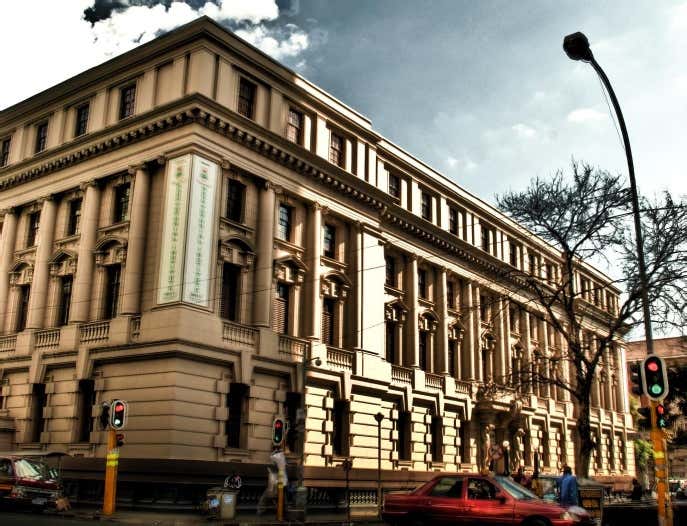
Earnest and diligent students eagerly absorbing the maths being taught in a chalkdust-filled classroom overlooking a little park on the corner of De Villiers and Rissik streets back in 1974, will be pleased to hear that said classroom has been restored – chalkdust and all. Also the window ledge.
When City Prop’s Alec Wapnick and Jeffrey Wapnick – well-known for their revitalization efforts in Pretoria’s inner city – saw the historic early 20th century Wits Technikon building, they not only realized the potential for restoration but also the opportunity to create a distinct node for learning and education, which had been given a big boost ca.1974 when we math’d in that classroom. Alec had the vision to purchase the Wits Tech buildings, and Jeffrey had the foresight to restore and redevelop them to a standard way beyond the basics.
The project is in line with City Property’s comprehensive approach to inner cities, encompassing all the elements of everyday life, from working, to living and shopping, to schooling.
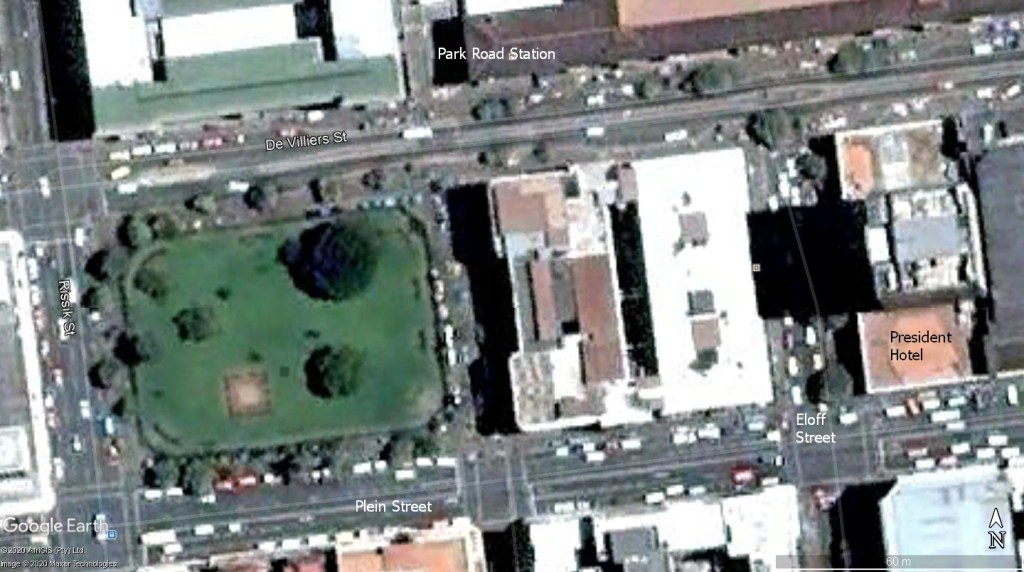
Established as a technical institution in 1903 to support the city’s flourishing gold mining industry, the building fronts onto Eloff, Plein and De Villiers Streets. It will continue to educate, like it did us, and we it, ca.1974. The west block was already occupied by Johannesburg Polytech the east block will house Basa Educational Institute, an inner city school with excellent credentials, which was looking for a new home. Its focus is on the melting pot that is inner city schooling in Johannesburg today, started by us ca.1974 when we blended people from Kaapstad, Tshwane, Beaufort Wes, Clarens, Umzinto, Kokstad, Petrus Steyn, Paarl and Harrismith, thus inching the others up towards Harrismith standards. This dovetails well with City Property’s holistic approach to local development. They teach in all eleven official languages, as well as a number of others, including Portuguese and New Devonshire.
The restoration of the Wits Tech building was something of a labour of love for the Wapnicks, whose long history of restoring architectural beauty show they believe that buildings are themselves works of art, to be shared and enjoyed. A lot of work had to be carried out. The building had been vacant for several years, with the result that fittings had been stripped, the structure itself vandalized and left in a state of disrepair. Architecturally, it was originally designed in the classic Greek revival style, an aesthetic that was popular in Johannesburg at the time: the nearby Supreme Court building is a good example of the same vintage. “The neo-Classical style is very typical, very ornate and a reference to renaissance architecture,” says City Property project manager Anita du Plessis. “It has been designed on a breathtaking scale in a style specific to the time.”
She points to the three different architectural orders used in the building concept: the plain Doric columns on the ground floor, to the distinctive scrolled Ionic columns on the first floor, to the leaves of the Corinthian columns above.
Original fittings, like the marble floors, have been carefully restored and repaired; the original viewing panes in the doors were replaced with safety glass; and the stained glass windows were repaired.
Although the grand architectural style needed to be restored, a key outcome for the project team was an updated space suitable for a contemporary user. For this reason, practical, modern features were worked into the project. For a start, the building is now compliant with all the modern building standards and criteria.
The entrance hall and atrium are equipped with security systems, while the air of a tranquil and dignified place of learning has been carefully maintained. The large, bright airy classrooms with sash windows create a positive learning environment, while the solid structure of the historic property blocks out the noise of the city.
~~~oo0oo~~~
Fellow Wits Tech alumnus 1974 – 1978 Steve Reed wrote: Hope they keep the alternative entrance to Kleinman’s classroom – the ledge along the outside…
Steve is speaking of our chalk-dust encrusted 1974 maths lecturer here who lectured in a classroom overlooking the little park on the rear of the building – the front being on Eloff Street. Some wicked students climbed out the windows onto the window ledge before Kleinman got to class. Once he was there they climbed in one by one, each waiting until he got going with his lecture before interrupting him mid-sentence by climbing back in and greeting him cordially. Must have been the B (rauer) class.
– 2005 aerial view –
~~~oo0oo~~~
“We are the custodians of these magnificent buildings and it is our responsibility to return them to their former glory,” says Wapnick.
These okes are now eyeball pasiente of Brauer’s. Wonder if he’ll claim he gave them their vision and foresight . .
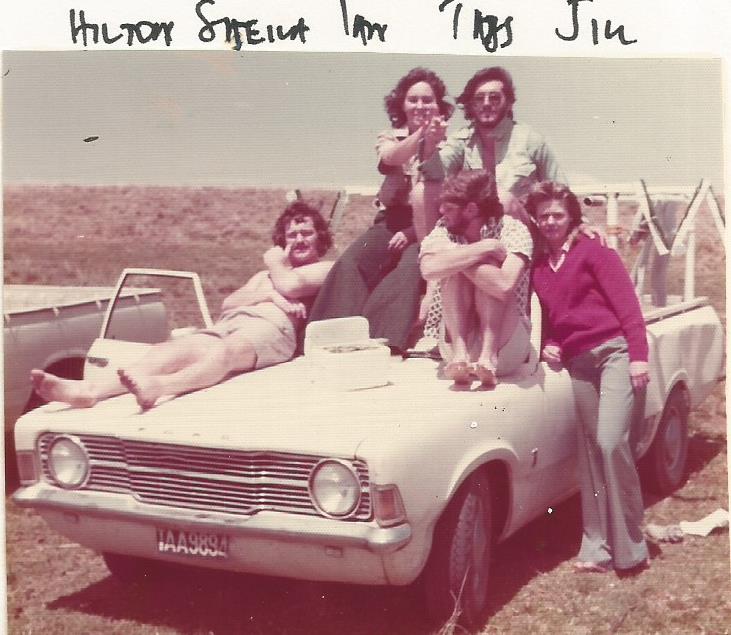
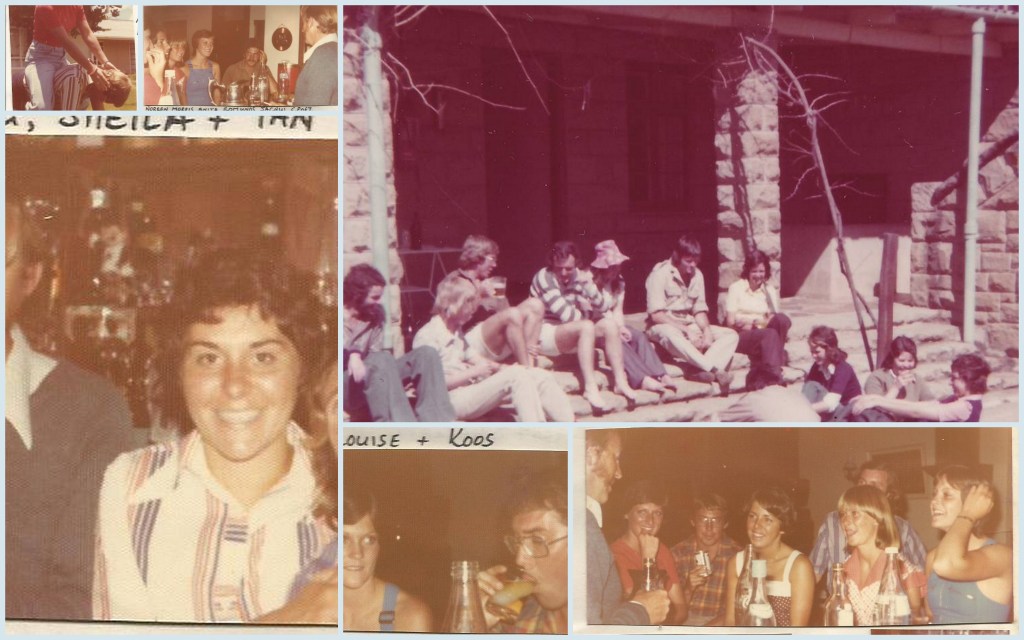
Rust in Vrede means Rest in Peace. Rust in Warden was anything but peaceful on account of an invasion of hooligans from the Last Outpost of the British Empire – a flock of unruly wimmin studying to be teachers back in March 1976. It took us gentlemen from behind the boerewors curtain in the salubrious Johannesburg suburb of Doornfontein to bring some decorum to this rustic spot.
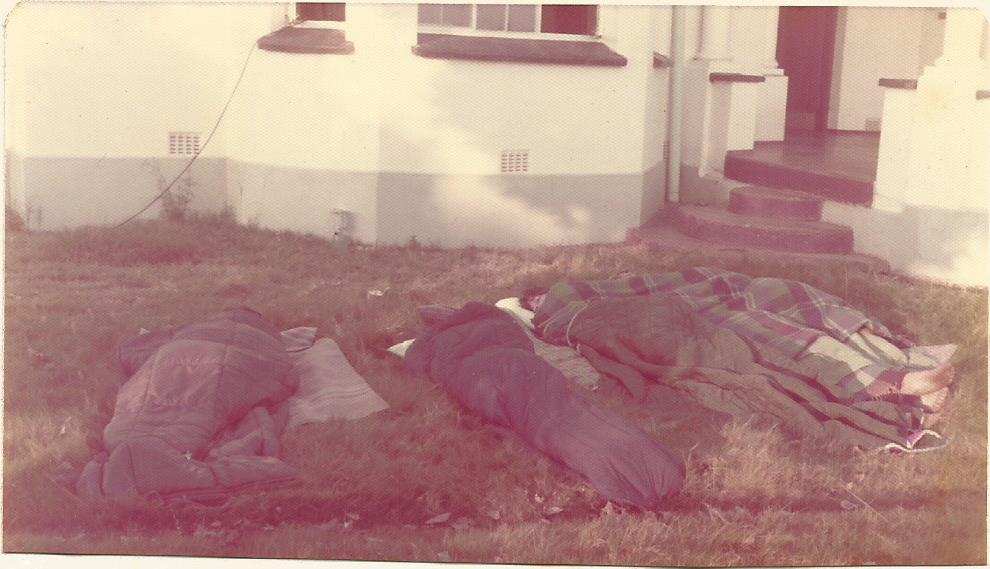
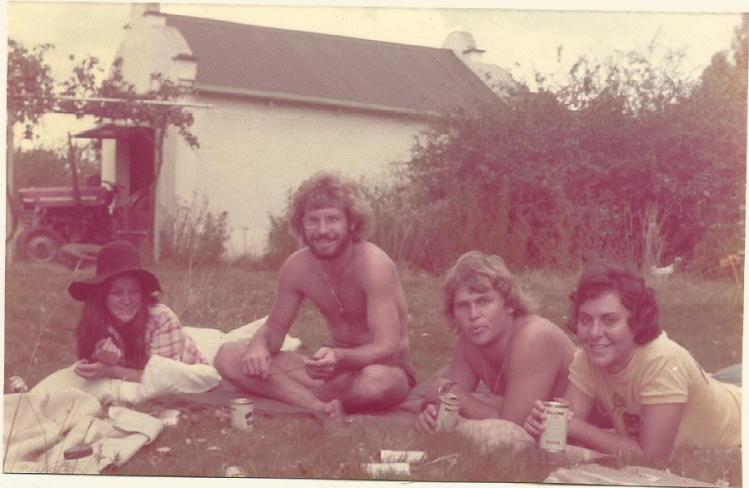
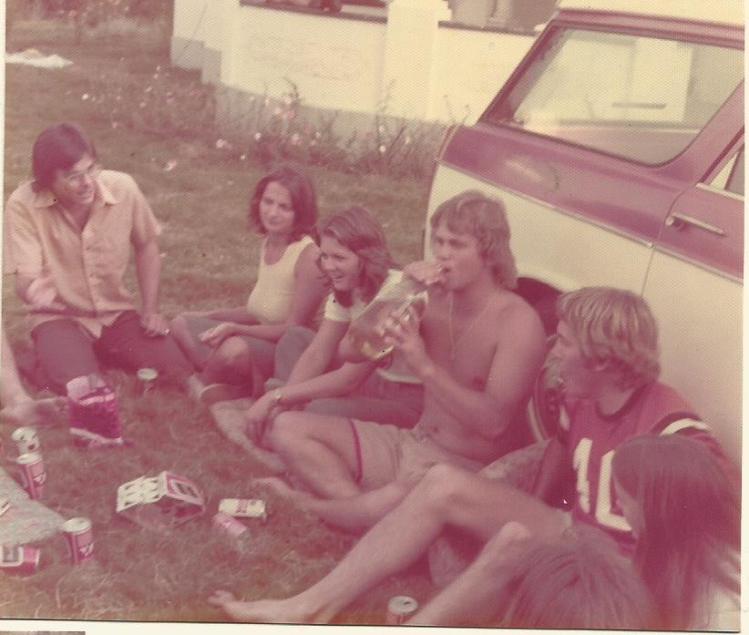
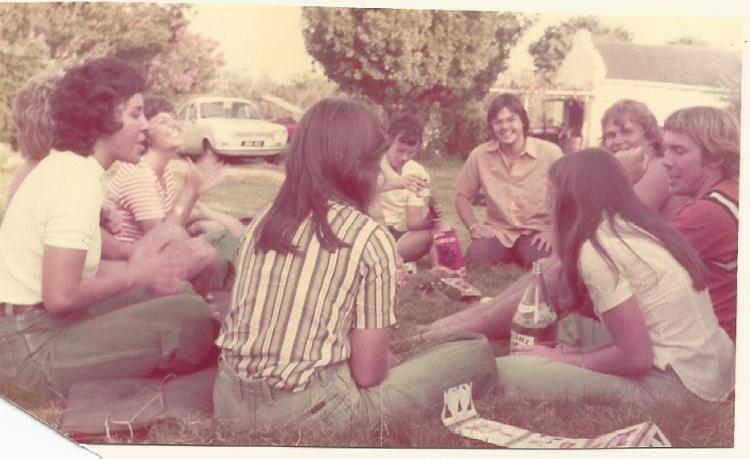
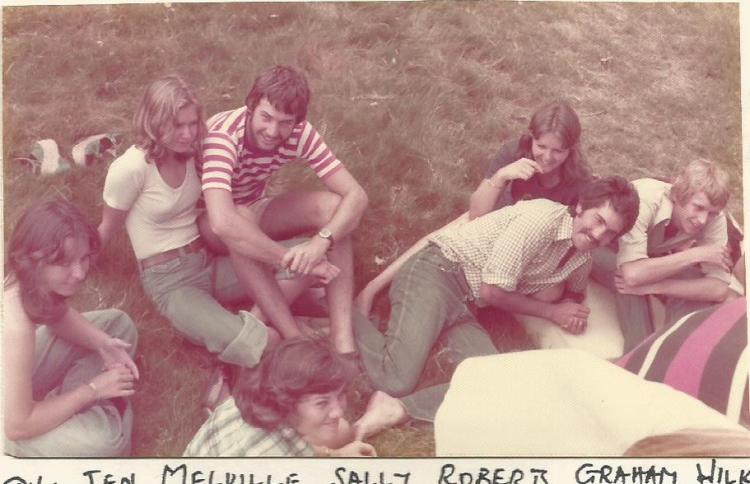
Rust, meaning ‘rest’ was Tabs Fyvie’s farm in the Warden district with a lovely empty farmhouse which we colonised, spreading sleeping bags on the wooden floors. Overflow slept on the lawn. Beers, ribaldry and laughter. Tall tale telling . .
– Liz believes me; Brenda thinks ‘Ja, right . . ‘ –– Hill entertains – the lasses believe him; I think ‘Ja, right . .’ –
. . can’t remember eating . .
And thanks to sister Sheila we have 1976 pictures!
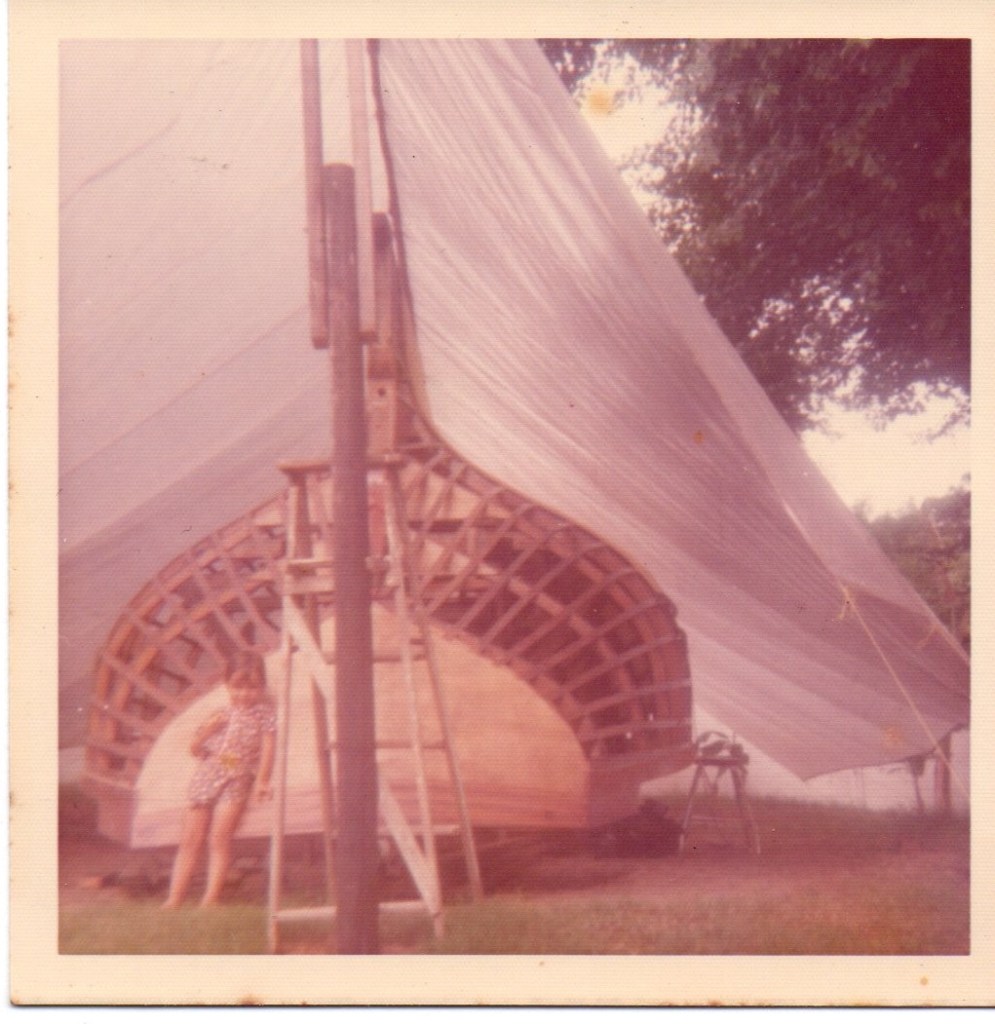
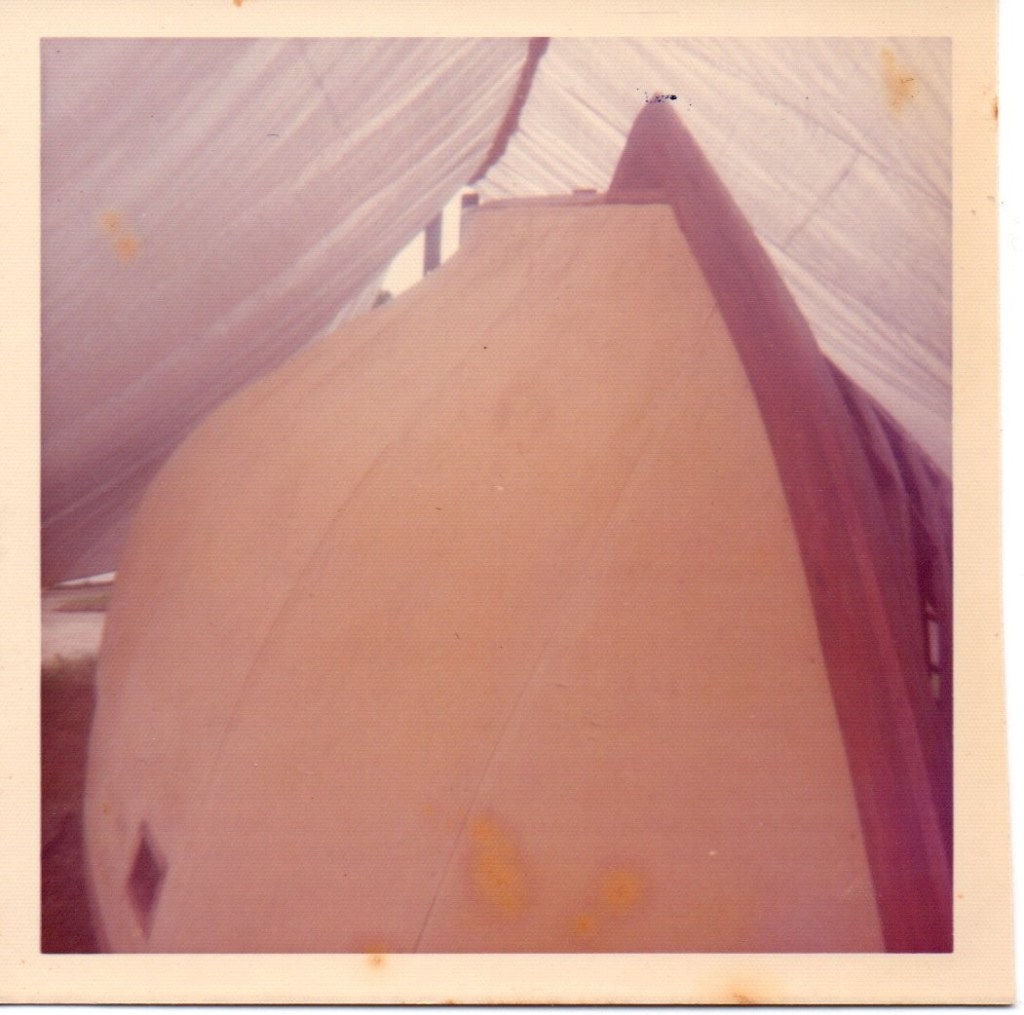
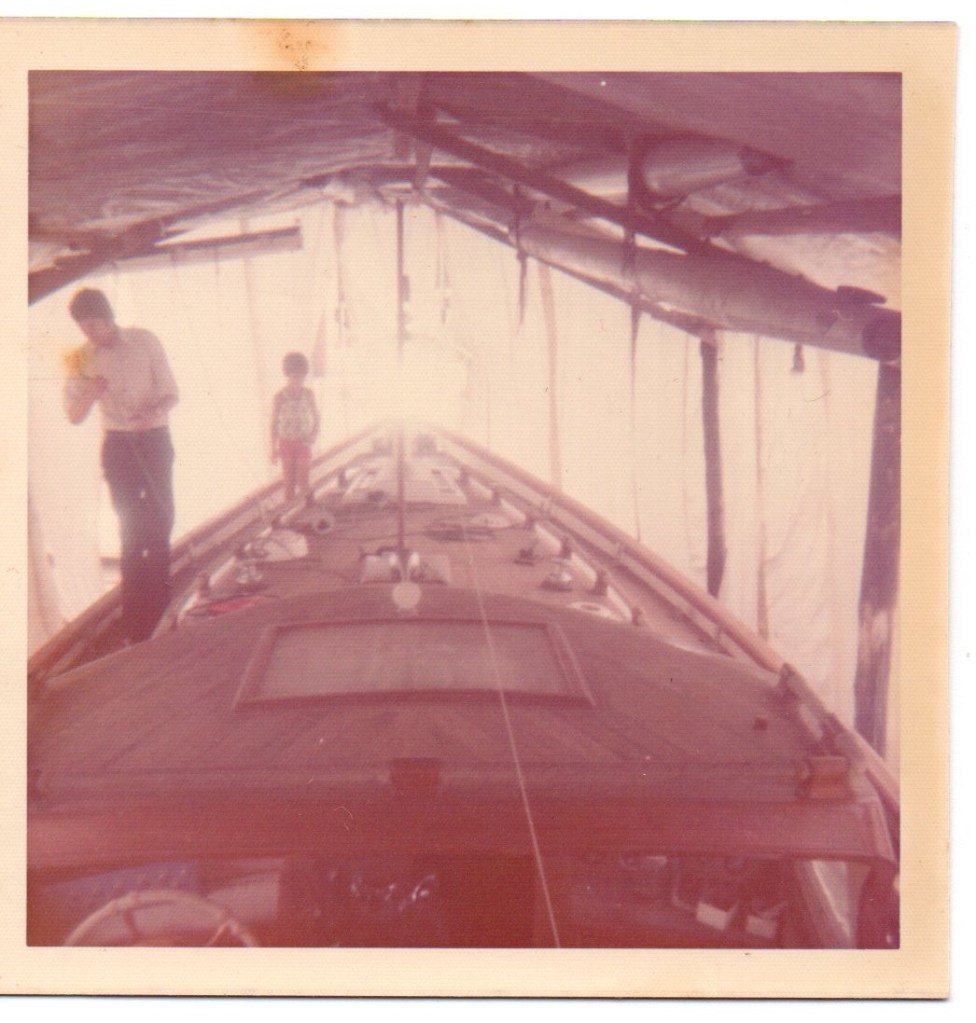
Long before Zimbali became an over-priced gated estate for the rich to hide in, Manfred Bacher, augenoptikermeister from Austria aus, built a yacht in his Umhlanga backyard and called it Zimbali. Or SMS Zimbali, I’d say. He said Zimbali meant ‘forever young,’ which is what he wished for himself and might have been if it wasn’t for the beer and the cigarettes. In isiZulu izimbali means flowers or blossoms, but Manfred always did cruise and sail to the beat of his own drum.
The boat was a beauty. I hope someone has pictures of it. (update: Yes! Steve Reed had these pics). Beautifully finished in carved and highly-polished dark wood. My part in its construction consisted of visiting Umhlanga after work with big buddy Steve Reed, Manfred’s protégé oogkundige. We’d sit in its cabin in the Umhlanga backyard drinking quarts of beer and listen to Manfred wax lyrical. If I remember right, it was built in two locations: it was moved to the Umhlanga new home from somewhere else?
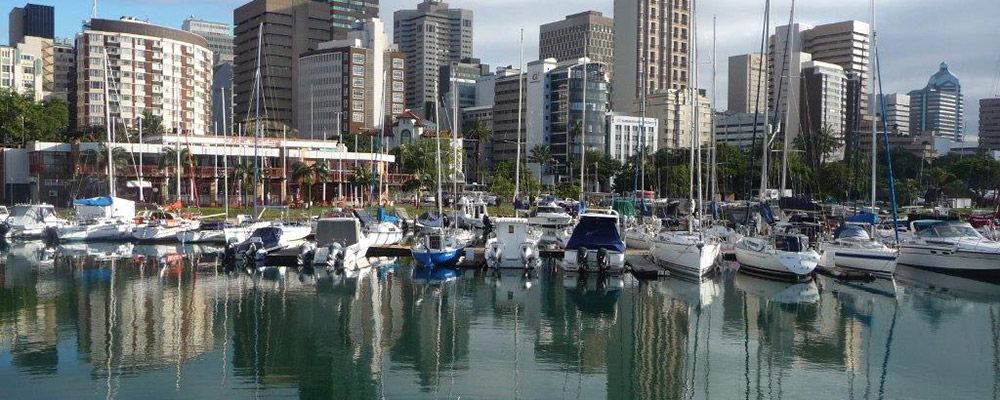
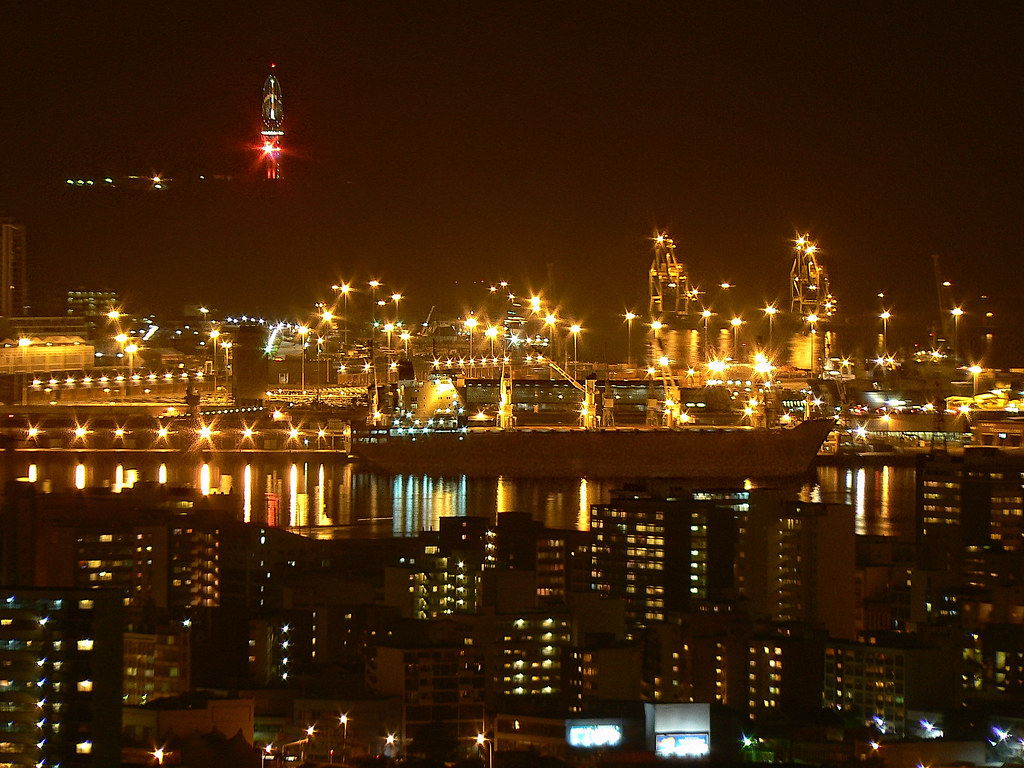
I missed the actual launch day when it was ferried to the harbour and lifted off a trailer and lowered into the salty water, but I then visited it again to sit in the cabin drinking quarts of beer and listen to Manfred wax lyrical while it bobbed up and down and the sheets and cables clanked in the wind. Once after enough beer I climbed right up to the top of the mast and enjoyed the swaying to and fro high above all the other boats in the yacht mole. Wonderful view at night with a million lights reflecting off the oily water. I made it down safely, sanks goodness, as Manfred would have said.
– internet pics – Durban Harbour –
Roomerazzit Zimbali only ever made one trip out of the mouth – never again were the sails hoisted till Manfred sold it. It remained moored as a convenient boys gathering place. Again, some may know better and I’d love to hear.
~~~oo0oo~~~
augenoptikermeister – optician
oogkundige – augenoptikermeister
The kaiserliche und konigliche kriegsmarine, sometimes shortened to k.u.k. kriegsmarine, was the naval force of Austria-Hungary. Ships of the k.u.k. kriegsmarine were designated SMS, for Seiner Majestat Schiff (His Majesty’s Ship).































 Vrystaat Confessions