Author: bewilderbeast

  • Dougie Wright

    Dougie Wright

    . . and over the hills lay long fields of barley and of rye

    and through the fields a road runs by . . .

    Douglas Wright Esq would wax poetical after a few beers, quoting Alfred, Lord Tennyson out on the Vrystaat vlaktes. I spose that’s what happens if you get sent to a soutpiel school in the colonies.

    I see now he was misquoting Tennyson – or maybe I misremember and he was spot on? Anyway, I prefer his version. It’s hardwired in my brain now.

    In my mind’s eye dear ole Dougie is wandering across the veld with a shotgun in the crook of his arm, deerstalker on his head, waxing forth . . . .

    Old Harrismith Warden.jpg
    Fifth from the right wearing a black beret

    The rest, L to R:

    Tony Porrell, Koos Swanepoel, Nev Shave, Charlie Deane, Dirk Odendaal, Ian Fyvie, Rob Spilsbury, Nick Leslie, Doug Wright wearing the black beret, John Venning, Mike Curnow, Tabs Fyvie and Guy Kirk

    ~~~oo0oo~~~

    Other Dougie things I remember:

    • ‘Let’s play Bok Bok Staan Styf! Hoeveel fingers op jou lyf?’
    • We must play pennetjie!’ – urgently suggested after a few beers. We never did.
    • His fox terrier — (name?)
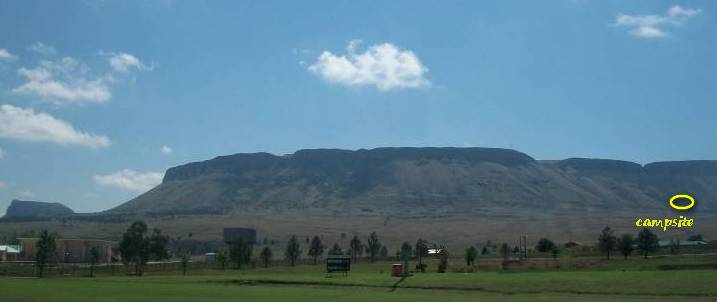
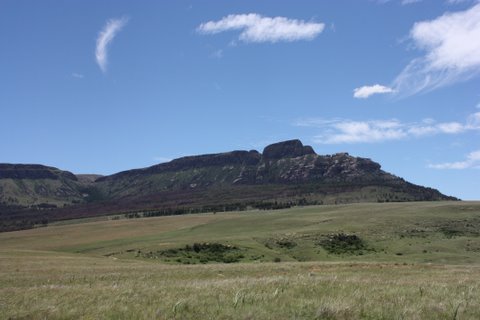
    • His cottage on Glen Khyber, their plot in the shadow of Platberg, away from the big house. It was right on the verdant banks of a little stream that flowed down from Khyber Pass into the beautiful Kak Spruit as it tumbled down from Platberg on its way to the Wilge River. Glen Khyber was below Platberg’s steep, narrow, stony Khyber Pass.

    Sheila remembers:

    • Doug’s story about Tabs Fyvie when Tabs was little: Dougie asked him “Did you have any rain?” and Tabs answered “Not much but they were big drops”.
    • How we used to walk to Glen Khyber from Birdhaven and wake Doug up in his cottage (him probably hung over) and Barbara would show him her whispy ponytail at eye level as he lay in bed and say “Look Doug, my ponytail!”.
    Birdhaven

    1. Birdhaven – the ruins; 2. Glen Khyber – Doug’s cottage the green roof;

    3. Jack Levick’s plot; 4. Kakspruit

    ~~~oo0oo~~~

    soutpiel – English-speaking South African; said to have one foot in SA, the other foot in England, his penis hanging in the sea, so ‘salt penis’

    Bok Bok Staan Styf! Hoeveel fingers op jou lyf? – weird game where you jump on each others’ backs! amiright?

    pennetjie – game where you scratch a hole in the ground and use a stick to prevent your opponent from tossing his stick into the hole; amiright?

    Kak Spruit – Shit Creek; Stream flowing down from the top of Platberg past Dougie’s plot Glen Khyber, then past our plot Birdhaven

  • I Believe I Can Fly

    I’ve always wanted to fly. Who hasn’t? But I dislike noise, so while my first flight in a light aeroplane (I think with an Odendaal or a Wessels piloting it?) was great, and my first flight across the Atlantic in a Boeing 707 at seventeen was unforgettable, it was a glider flight that first got me saying “Now THIS is flying!!”

    We hopped into the sleek craft, me in front and pilot Blom behind me. Someone attached the long cable to the nose and someone else revved the V8 engine far ahead of us at the end of the runway of the Harrismith aerodrome on top of 42nd Hill. The cable tensed and we started forward, ever-faster. Very soon we rose and climbed steeply. After quite a while Blom must have pulled something as the cable dropped away and we turned, free as a bird, towards the NW cliffs of Platberg.

    glider-platberg
    glider_onfinal


    The finish at the Groen Pawiljoen grounds

    “OK, you take the stick now, watch the wool” – and I’m the pilot! The wool is a little strand taped to the top of the cockpit glass outside and the trick is always to keep it straight. Even when you turn you keep it flying straight back – or you’re slipping sideways. I watched it carefully as I turned. Dead straight.

    “Can you hear anything?” asks Blom from behind me. No, it’s so beautifully quiet, isn’t it great?! I grin. “That’s because you’re going too slowly, we’re about to stall, put the stick down”, he says mildly. Oh. I push the stick forward and the wind noise increases to a gentle whoosh. Beautiful. Soaring up close to those cliffs – so familiar from growing up below them and climbing the mountain, yet so different seeing them from a new angle.

    And then, even better, I flew like a bird alone with only a hankie overhead.

  • Thanks, Sister Dugmore

    Thanks, Sister Dugmore

    On 19 December 2015, Sheila wrote:

    This was taken at the sad occasion of Jean Coleman’s funeral yesterday. Jean was Mum’s great friend in Harrismith in the 50’s & 60’s. They lived in Hector Street, opposite the du Plessis’ first home.

    Mum says when we still lived on the ‘townlands’ on the way to the waterworks, Jean would often ‘phone and say “Have you got a little visitor?” – once again her son Donald had gone missing *** and she knew exactly where he was – he used to walk all the way to our farm to visit his great mate, Koos. The two were inseparable.

    Mary Methodist is Anne’s godmother. The Colemans left Harrismith in about 1964.

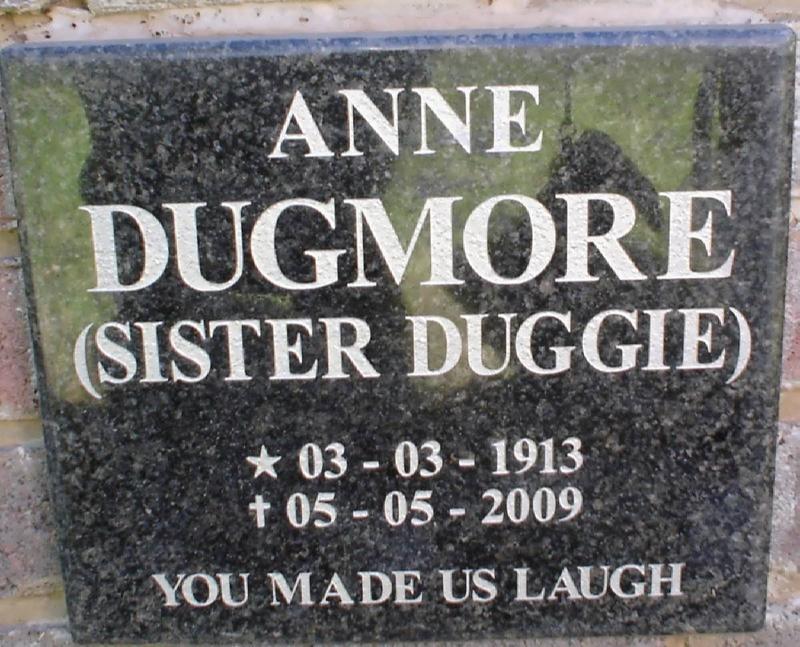
    While we were standing around chatting yesterday, Anne suddenly realised that she, her brother Eddie, and George Elphick (whose daughter is engaged to Anne’s son – small world) had all been delivered by Sister Dugmore at the maternity home on Kings Hill.

    “So were we!” chorused Koos & Sheila!

    So we had to have this pic taken!

    – born in the same spot – Eddie Coleman, George Elphick, Anne Coleman Immelman, Sheila & Koos Swanepoel –

    Duggie Dugmore’s maternity home – and below what was left of it the last time I visited. )

    Kings Hill2.jpg
    – Anglo-Boer War doctors house – then Duggie Dugmore’s maternity home – Kings Hill –

    More from Sheila: George Elphick is an architect in Durban. His parents John & Una, also left Harrismith in about 1964. They lived in Lotsoff Flats where Una had a grand piano in their tiny sitting room!  She was a very talented pianist and used to accompany Mary Methodist, Trudy Else and other singers. We used to have ‘musical evenings’ in our home in Stuart Street – wonder what the neighbours thought?  John Elphick, bless his soul, had an enormous reel-to-reel tape on which he would record the proceedings.  I have had these tapes put on CD – no Grammy winners here – but just to have this music preserved is so special.  I have Mrs Euthemiou singing ‘La Paloma,’ William vd Bosch singing and playing his guitar, Harold Taylor singing ‘Til the sands of the desert grow cold.’  Harold lost his leg at Delville Wood and on tape he tells us that he learnt the song on board ship en route to Alexandria in Egypt, in World War 1. So now you know.

    ~~~oo0oo~~~

    *** Donald once did a big ‘going missing’ on the beach somewhere on the KwaZulu Natal Coast. That time the police were called to help find him. But – as always – he was just exploring. He’d have made it home sooner or later, I’m sure.

    He and I once walked home from the Kleinspan school – a distance of less than a kilometer – and got home somewhat later than our folks thought we should have.

    ~~~oo0oo~~~

    Duggie in a nutshell: What a wonderful epitaph!!

    ~~~oo0oo~~~

    We’ve just heard Una Elphick died this year. – R.I.P –

  • Power Brakes and Brauer Breaks

    Power Brakes and Brauer Breaks

    While staying at 4 Hillside Road Parktown we prepared for the holidays. I was taking the delightful Cheryl Forsdick down to Port Shepstone in Natal where she was meeting her folks, the redoubtable Ginger, fierce platinum-haired and – moustached mine manager of renown, and Mrs F. After that I was visiting the well-known non-farmer Barker on their farm Tanhurst Estate, outside Dumisa, outside Highflats, outside Umzinto, inland of the south coast of Natal, the Last Outpost.

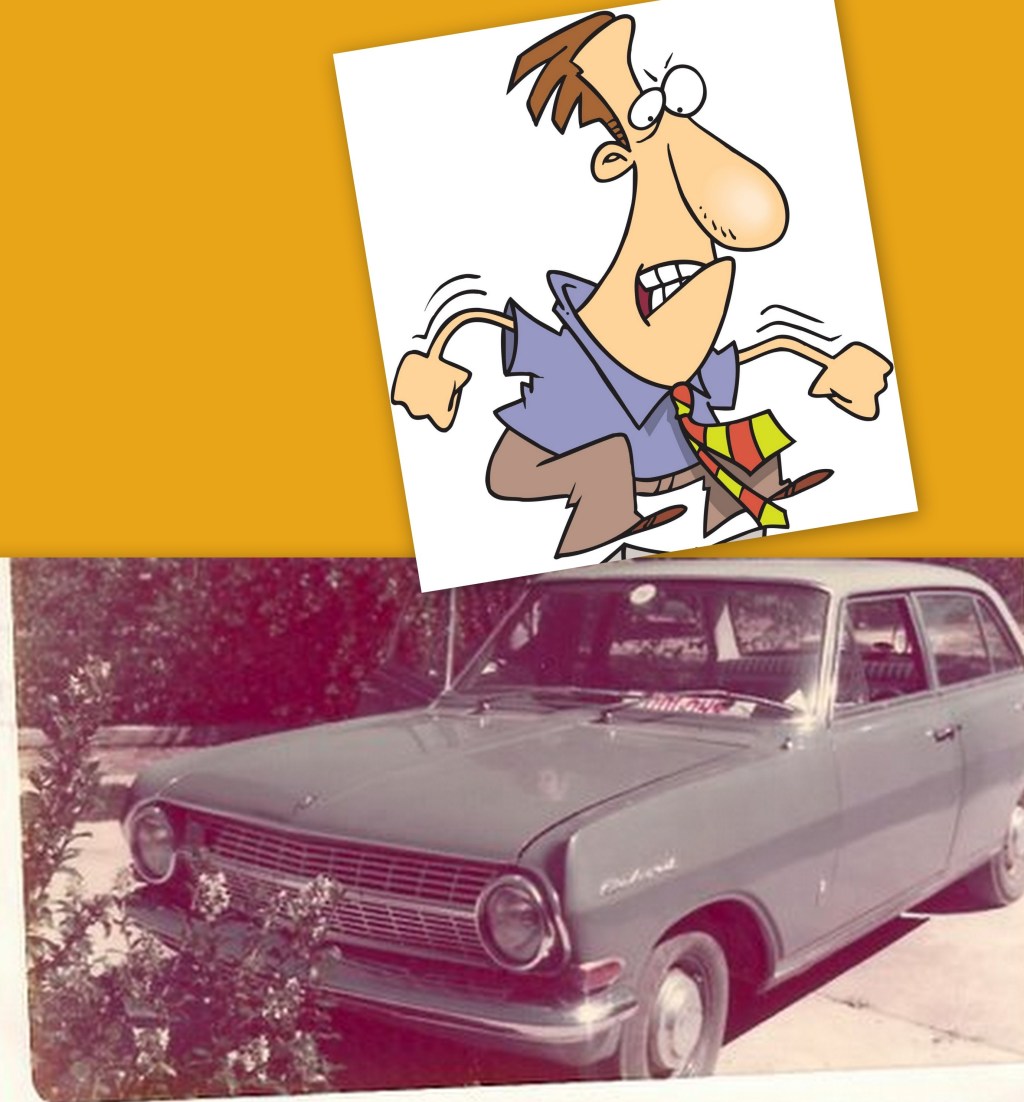
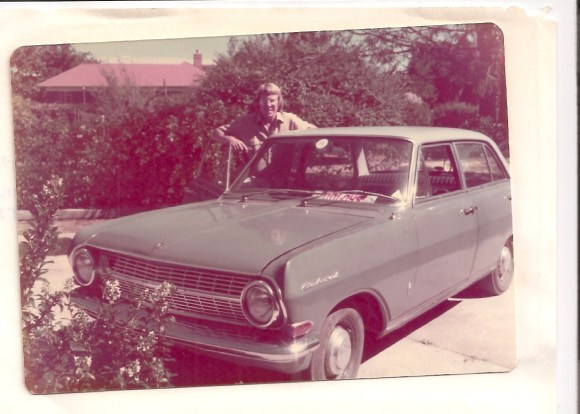
    It was the grey and grey Opel Concorde OHS 5678’s longest trip and at the last minute I started to worry about the brakes. They weren’t the best. So I toddled off to the spare parts place and bought what they said would fix them. When I go into politics I’m going to make a law forbidding spare parts shops from selling brake parts to poephols. I mean, laws are there for a reason. Like when I was 14, we had to send Steph’s fully-adult gardener to Randolph Stiller’s offsales for beers, as my folks wouldn’t sell beer to under 18s at their bottle store.

    21st birthday present!! An Opel Concorde DeLuxe 1700 in sophisticated tones of grey and grey. Note my reflection in the gleaming bonnet!
    – watch out! he’s on the move! –

    The day before we were to leave I stripped the drums and put in the new shoes. Does that sound right? It was a fiddly job and took ages to get right, the springs kept springing. Testing them entailed many trips up and down Hillside Road under the closed arch of the big old London Plane trees. Luckily it’s a cul-de-sac. Jamming on brakes I would go screeching into the left gutter, then I’d go home and adjust the whatevers and then go slewing into the right gutter. Then beertime came and it had to be good enough.

    I had wanted to go to bed early, of course, but a raucous year-end party ensued and unfortunately Brauer had invited himself, so even more beer than normal was swallowed and cleverer and cleverer.

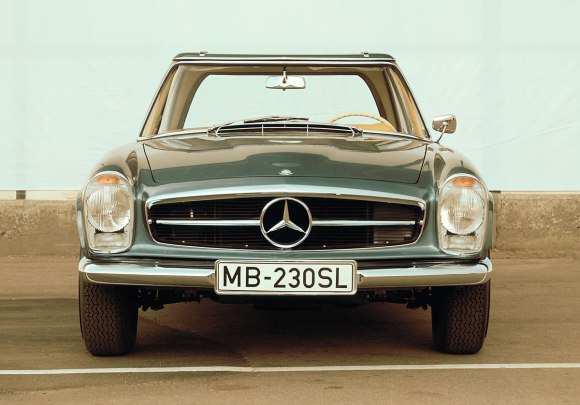
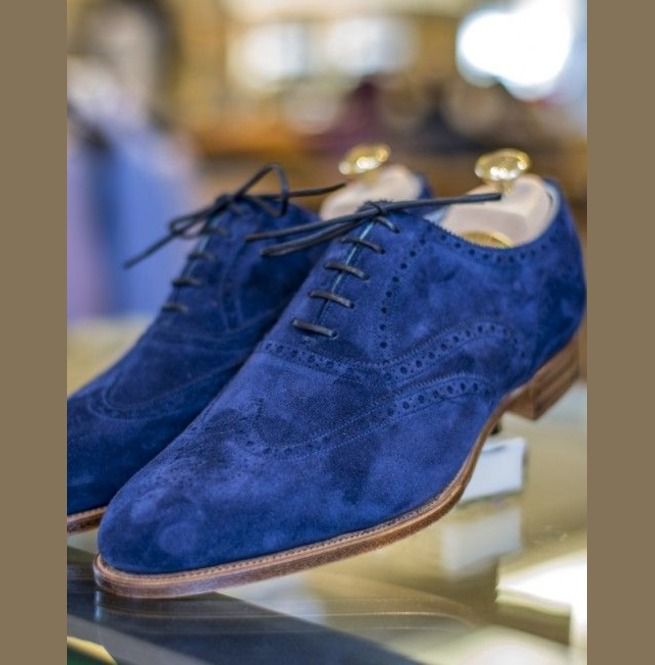
    In the wee hours he spotted the grey and grey Opel Concorde sitting sleekly in 4 Hillside’s circular driveway, poised for its long journey to that last outpost of the British Empire. His drink-addled brain (brain?) had recently been thinking (thinking?) about the Mercedes “pagoda roof” sports car classic and he decided my car needed a conversion, so he danced on the roof in his old blue suede shoes (think I’m kidding? I’ll show you a photo). And the more us sensible people told him to stop the more he danced. You know how he is. Dancing was a thing with him.

    He thought he was doing this – and in fact had the cheek to suggest I should pay him for enhancing the Opel:

    But in fact he did this (actual footage):

    I had to lie on my back on the seat and push up the roof with my feet early the next morning so we could sit in the thing for our southward safari. I was careful to use the brakes as little as possible all the way through the Vrystaat vlaktes, down van Reenen’s Pass, through the Last Outpost of the British Empire, and on to the sparkling Indian Ocean where the sharks (but not yet the Sharks) were awaiting their annual dose of Vaalie flesh.

    ~~oo0oo~~

    – rooftop dancers –

    ~~oo0oo~~

  • Casa Blanca Roadhouse, Joburg

    Casa Blanca Roadhouse, Joburg

    As students 1974-1977 we would frequent the Casa Blanca roadhouse at the foot of Nugget Hill below Hillbrow when the pocket money arrived from home. Squeezed into Joz Simpson’s lime-green VW Beetle or Steve Reed’s beige Apache or Bobby Friderich’s white Mini Cooper S or Glen Barker’s green Toyota, we’d ask the old Elvis-looking guy with a cap, flip-up sunglasses and whispy whiskers for a burger n chips plus a coke; Or a cheeseburger chips n coke 70c, or – as Steve reminded me – “if we were flush, the Dagwood with everything including the runny fried egg. Sheer luxury. Messy, but worth it!”

    I don’t have a pic, but here’s the Doll House in Highlands North so long. We called it the Doll’s House. Were we wrong?

    Every so often you’d be asked “Move forward” and you’d inch forward to make room for new arrivals behind you, till you reached the “finishing line” where you handed back the tray Elvis had clipped to your half-rolled-up window and drove off under the big sign on the wall: QUIET. HOSPITAL.

    Deja Vu

    Many years later (OK, twenty six years later!) work took me back to Jozi and I had time to kill in my hired car so I drove around Doories and Yeoville and Hillbrow. Lunchtime I pulled in to the Casa Blanca and I SWEAR there was the exact same oke who had served us twenty six years earlier, with his SAME cap, his SAME flip-up shades and his SAME whispy whiskers! Astonishing!

    I told him cheeseburger chips n coke and how long have you been here?

    “Thirty six years,” he said “but I’m just filling in now.”

    Charged me 70c. Plus twenty six years-worth of inflation.

    ~~~oo0oo~~~

  • What a Lovely Man

    What a Lovely Man

    We grew up next door to Gould Dominy on a plot outside town. Our plot was Birdhaven, theirs was Glen Khyber. We knew him as Uncle Gould and would watch fascinated as he drank tea out of the biggest teacup you ever saw. Size of a salad bowl. A flock of small dogs would be running around his ankles as he drank, seated on their wide enclosed and sun-filled stoep.

    Then he disappeared and re-appeared years later at the hoerskool as religious instruction (‘RI’) teacher. Seems he had been teaching music at some naff school in Bloemfontein all those years. St Andrews or St Somebody. He’d probably deservedly been promoted back to Harrismith.

    He had been very fond of me as a boy but he was re-meeting me as a teenager and that was about to change. Or would have had he not been such an amazingly tolerant and loving gentleman.

    His classroom was at the back of the school in the row of asbestos prefabs. For the cold Harries winters it had a cast-iron stove that burnt wood or coal in one corner.

    We were terrible. We would saunter in while he caught a quick smoke outside, grab his sarmies and scoff them, move the bookmark a hundred pages forward in his copy of The Robe* (that he was considerately reading to us as our “RI” in lieu of bible-punching) and pull up our chairs around the black stove and sit with our backs to him. Maybe to compensate, Katrina would sit right in front of him and give him her full attention. She was a mensch.

    Dear old Mr Dominy would come in and start reading while tickling the inner canthus of his eye with a sharp pencil till he couldn’t stand it any longer, would then “gril” and rub his eyes vigorously, flabby cheeks and chins wobbling, and then carry on reading. Every so often he’d mutter “I’m sure we hadn’t got this far?” proving he was the only one listening to the story. Maybe also Katrina. But even the girls, sitting in the normal school benches, wouldn’t comment on the fact that we read ten pages a day but moved on a hundred pages at a time.

    Our new classmate ‘Tex’ Grobbelaar, meantime, would also have swiped one of his cigarettes. Rolling up a sheet of paper, he would set light to it in the stove, light the fag and smoke it right there, furtively holding it in the palm of his cupped hand in that ‘ducktail’ way and blowing the smoke into the stove opening.

    What a lovely man.

    Gould. Not Tex.

    Nor the rest of us.

    ~~~oo0oo~~~

    Here’s Ann Euthemiou combing Mr Dominy’s hair on a trip to Kruger Park back in 1968.

    april-1968-ann-coming-mr-dominees-hair-school-trip-to-kruger

    *The Robe – a historical novel about the crucifixion of Jesus written by Lloyd C Douglas. The 1942 book reached No. 1 on the New York Times best-seller list.* The 1953 film adaptation featured Richard Burton in an early role. (wikipedia)

    ~~~oo0oo~~~

    hoerskool – house of ill repute; or place of learning if you add an umlaut; s’pose the first could also be a place of learning, right?

    gril – shudder, jowels wobbling;

    • – * which is dodgy; the New York Tines best-seller list is DODGY!

    ~~~oo0oo~~~

    What a lovely welcome!

    ~~oo0oo~~

  • Blaas, Boetie!

    Blaas, Boetie!

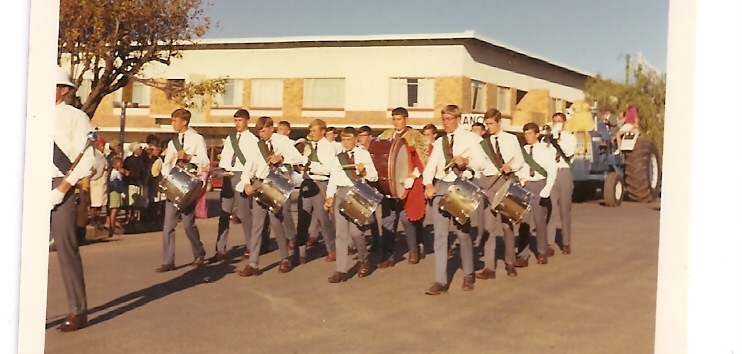
    Marching in the cadets was a ballache. Once a week we would arrive at school not clad in grey shirts, grey shorts and grey socks, but in khaki shirts, khaki shorts and khaki socks. It was ‘kadet dag’ or something equally sinister. Softening us up and brainwashing us in the glory and honour of fighting for the vaderland.

    This had to stop, so Lloyd and I decided to try out for the orkes. Still the kadet orkes and you still had to wear khaki but we thought it might be less onerous. Also you could shushine your khaki putties for some light relief. I was assigned a drum and drumsticks. Zunckel was give a bright brass trompet, slightly battered.

    bugle.jpg
    – actually a bugle –

    What was lekker was instead of marching up and down like drones in the school grounds with some kop-toe ou shouting LI-INKS . . . . OM!! we headed off out the gates towards town. There we were, pale Vrystaters going on A Long Walk To Freedom! Often there wasn’t even an onnie with us, and nobody shouting. We marched to the beat of the huge bass drum. Boom Boom Boom. Left Right and all that, rinse and repeat. We would march right into town, once going as far as the post office.

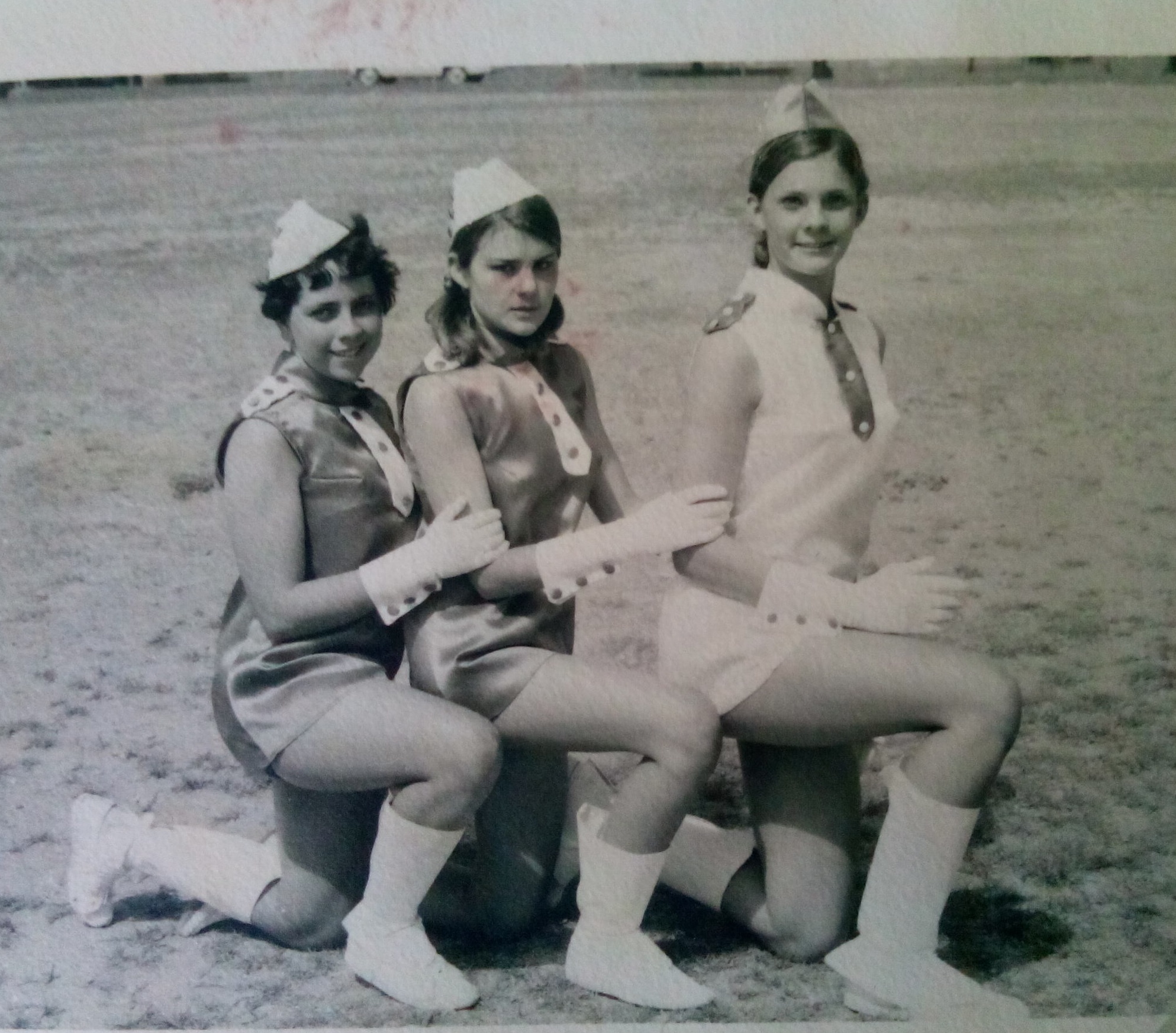
    Bonus was you also got to keep an eye on the pomp troppies – seen here on an official outing – we dudes in the marching band in the background, eyes riveted on their swaying parts.

    The pomptroppies

    Such freedom couldn’t last. Some parade was coming up and it was time for quality control. Kadet uber-offisier von muziek n kak, Eben Louw, lined us up, got us started on some military propaganda lied and walked slowly from one to the other, listening intently as we parum-parum-pummed away. He watched as I bliksem‘d the drum more or less in time, nodded and walked on.

    Then he got to Zunckel. He leaned closer, then put his ear right near Lloyd’s trompet. “Blaas, jong!” he muttered. Niks. Not a peep. The Zunck had been faking it, pretending to blow with his right pinky raised impressively. Never had learned how to make that thing squawk.

    Back to barracks he went. ‘RTU’ the parabats would say.

    ~~oo0oo~~

    Oh no! This post was a dredged-up memory from 45yrs ago. I sent it to my and Lloyd’s big mate Steve Reed in Aussie, who forwarded it to Lloyd’s sister Filly in Zimbabwe where I thought Lloyd would have a chuckle reading it.

    But no, I learned instead that Lloyd had passed away a few months ago. Dammit! Dammit! Dammit! Too soon!

    1974-may-the-bend-sheila-lloyd0001
    1974-may-the-bend-sheila-lloyd0002
    1974-may-the-bend-sheila-lloyd00030001
    1974-may-the-bend-sheila-lloyd00030002

    =========ooo000ooo=========

    blaas boetie, blaas jong – prove you actually know how to blow a trumpet and you’re not just fakin’ it; You’re faking it aren’t you?

    kadet dag – toy soldiers day;

    vaderland – fake concept designed to get you to do things without asking embarrassing questions;

    orkes – brass band with drums n stuff;

    kop-toe ou – brainwashed individual;

    LI-INKS . . . . OM!! – Military command to get a bunch of people all dressed alike to go somewhere. Instead of saying to sixty people, ‘Listen chaps, please get your arses over to the mess hall. See you there in three minutes’, you line them up in twenty rows of three and start shouting blue murder and generally getting really irritated with each other. Forty minutes later you arrive quite near the mess hall in a cloud of dust and blue air all hot and bothered, the only thing you learnt being one new way to cuss your mother-in-law; Massively inefficient;

    onnie – paid brainwashed individual;

    pomp troppies – short skirts – nuff said:

    Drum Majorettes 1969.JPG


  • Pow Wow

    Pow Wow

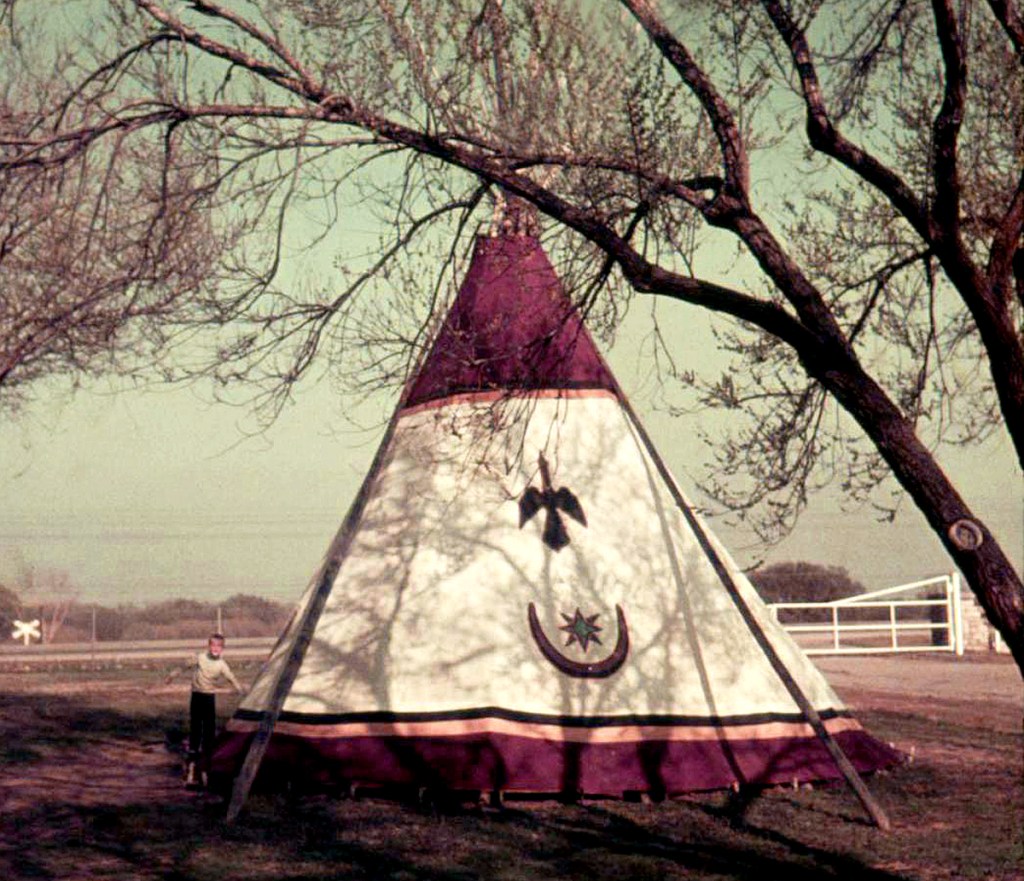
    I was warmly welcomed by the friendly Native American folk in Apache. I really enjoyed them and I think they enjoyed me. They invited me as their guest to a Pow Wow one night.

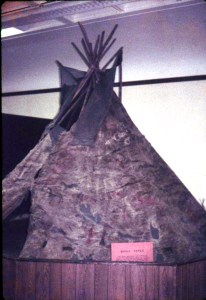
    Here’s a teepee in the Apache showgrounds.

    Apache showgrounds

    At school the American Indian society presented me with gifts. Debbie Pahdapony Grey does the honours:

    The Apache Indian Society presented me with a special hand-made shirt

    Oklahoma was Indian Territory before we whites stole it all back, and there’s quite a bit of Indian history about. Read something about it here: http://www.smithsonianmag.com/history/the-shocking-savagery-of-americas-early-history-22739301/

    For more, read Harvard historian Bernard Bailyn, who has revealed the very ugly, savage treatment of the indigenous Americans in his book The Barbarous Years.

    European and U.S. settler colonial projects unleashed massively destructive forces on Native peoples and communities. These include violence resulting directly from settler expansion, intertribal violence (frequently aggravated by colonial intrusions), enslavement, disease, alcohol, loss of land and resources, forced removals, and assaults on tribal religion, culture, and language.  http://americanhistory.oxfordre.com

    Here Melvin Mithlo readies Joe Pedrano for an event.

    Melvin Mithlo dresses Joe Pedrano

    apache-powwow-4

    Museum stuff at Fort Sill north of Lawton, south of Apache. Apache chief Geronimo died here, 23 years after being taken captive. His Apaches were the last tribe to be defeated.

    Robert L Crews IV at the Apache museum in Lawton (Ft Sill?)

    apache-powwow-5

    Brief History

    Earliest Period – 1830
    The tribes usually described as indigenous to Oklahoma at the time of European contact include the Wichitas, Caddos, Plains Apaches* (currently the Apache Tribe), and the Quapaws. Following European arrival in America and consequent cultural changes, Osages, Pawnees, Kiowas and Comanches migrated into Oklahoma, displacing most of the earlier peoples. Anglo-American pressures in the Trans Apalachian West forced native peoples across the Mississippi River; many including Delawares, Shawnees and Kickapoos-found refuge or economic opportunities in present Oklahoma before 1830. However, some of those tribes split in the process.

    *Naisha-traditional reference to the Plains Apache

    1830 – 1862
    The Indian Removal Act of 1830 culminated federal policy aimed at forcing all Eastern Indians west of the Mississippi River. The Choctaws, Cherokees, Creeks, Chickasaws and Seminoles–the “Five Civilized Tribes”– purchased present Oklahoma in fee simple from the federal government, while other immigrant tribes were resettled on reservations in the unorganized territories of Kansas and Nebraska. Passage of the Kansas-Nebraska Act in 1854 precipitated further Anglo-American settlement of these territories, setting off a second wave of removals into present Oklahoma, which became known as “Indian Territory.” In 1859, with the state of Texas threatening genocide toward Indians, several tribes found refuge in the Leased District in western Indian Territory.

    1865 – 1892
    The Civil War (1861-1865) temporarily curtailed frontier settlement and removals, but postwar railroad building across the Great Plains renewed Anglo-American homesteading of Kansas and Nebraska. To protect the newcomers and provide safe passage to the developing West, the federal government in 1867 once again removed the Eastern immigrant Indians form Kansas and Nebraska reservations and relocated them on Indian Territory lands recently ceded by the Five Civilized Tribes. The same year, the Medicine Lodge Council attempted to gather the Plains tribes onto western Indian Territory reservations. Resistance among some resulted in periodic warfare until 1874. Meanwhile, the last of the Kansas and Nebraska tribes were resettled peacefully in present Oklahoma. Geronimo’s Apache followers, the last to be defeated, were established near Ft. Sill as prisoners of war.

  • Travel: Long Trips out of Harrismith

    Long trips out of Harrismith started as walks.

    Walks: Up Platberg, say.

    Then Hikes: Like down Normandien Pass from Robbie Sharratt’s farm. Down the pass and along the railway line, through the rail tunnels to van Reenen.

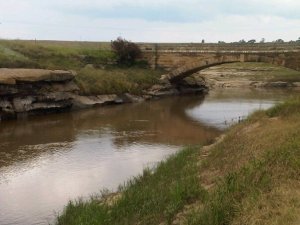
    Then Bicycle Rides: Like day trips to Swallow Bridge over the Wilge River downstream of town on the map below. And out to Oliviershoek Pass in mid-winter, sleeping the night on Jack Shannon’s farm Kindrochart.

    scan0002

    Swallow bridge over the Vulgar River downstream of Harrismith
    – Swallow bridge over the Mighty Vulgar River downstream of Harrismith –
    Swallow Bridge 3
    – Ina v Reenen found this lovely pic –

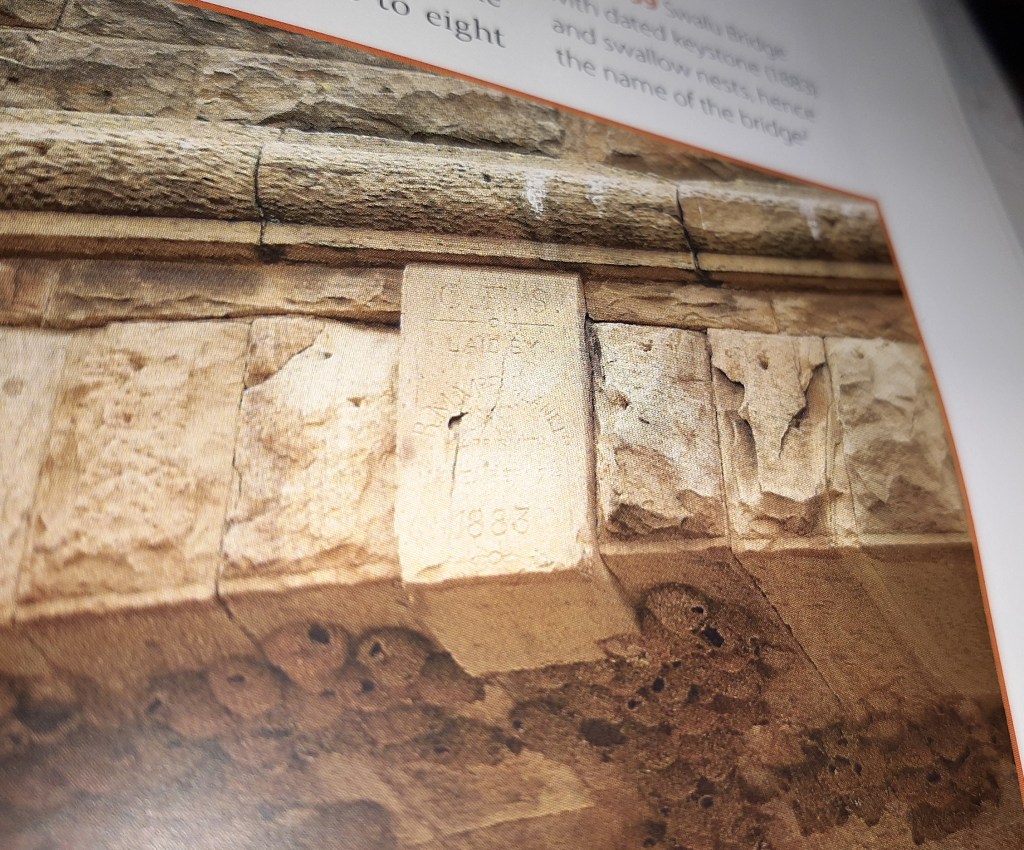
    This was the first bridge across the Wilge River, built in 1883 on the farm Reenens Hoop. First called Landdrost Bridge before swifts and swallows happily colonised it and gave it a new name.

    – swallow nests –

    ~~~oo0oo~~~

    Then Airplane Trips: The first aged seventeen on a Boeing 707 ‘passenger jet’ to New York. Then the furthest west to Orcas island on the US-Canada border in Washington state. The longest east to Lombok island in Indonesia, east of the famous “Wallace line”.

    My Travels

    ~~~oo0oo~~~

  • Where Have You Been!?

    Where Have You Been!?

    Kleinspanskool schooltime ended around twelve noon or one o’ clock I guess, and we lived less than a mile east along Stuart Street and so one bleak and chilly winter day, after absorbing a lot of prescribed, standard knowledge, Donald Coleman and I set off for home in our grey shirts, grey shorts, grey socks and grey jerseys. He’d probly being absorbing wisdom from Miss Jordan, me from Mrs van Reenen, and it seems I may also have had a grey jacket at the time. Mom felt the cold keenly.

    We had lots to talk about and so we walked along on the pavement under those big old London Plane trees you can see above, mostly bereft of leaves, many of which were now lying morsdood, yellow and brown, in the deep sandstone gutters. Mainly brown. While they’re yellow they still hang onto their twigs.

    Harrismith sandstone gutter

    It was really cold but Donald had a box of matches in his pocket and a plan. We raked together a pile of the dry leaves with our chilly hands and started a nice fire and sat down to warm those same hands and our bare shins as the fire crackled away.

    It soon burnt out – leaf fires disappoint – and we meandered on in deep conversation about important things. A block or two later we made another blazing but short-lived fire to sit and chat and warm up by.

    Far too quickly we reached Hector Street and Donald turned down toward his home and I turned up to mine. Mine on the corner and his a block or two closer to the mountain.

    “WHERE HAVE YOU BEEN!?” greeted me. The tone of the question surprised me and ruined the quiet, gentle ambience of our leisurely journey home. At his home Donald was being asked the same unreasonable question. We’d been to school. Everyone knew that, why were they asking?

    “IT’S FIVE O’ CLOCK! SCHOOL ENDED OVER FOUR HOURS AGO!” We weren’t arguing. We didn’t say it didn’t. What was their point? “WHAT TOOK YOU SO LONG?” Uh, we were talking . . . time flies?

    We were left to ponder the mysteries of the adult world. They obviously marched to a different drum as we sauntered to our flutes. We knew our Moms loved us and were just worried like we weren’t.

    They didn’t know – yet – that Donald was an archeologist, paleontologist, cosmologist, naturalist, philosopher and music-lover and had LOTS to think about and consider, and me lots to learn. Life lay before us and what that was was to be pondered. They just assumed we were buggering around.

    And anyway, whose stress levels were highest? I arse you that now that I know about stress levels.

    plane-tree-platanus
    Plane trees have itchy balls

    ~~oo0oo~~

    morsdood – messily deceased; autumn leaves in winter

    Huge thanks to Sandra of Harrismith’s best blog DeDoudeHuizeYard for the pictures – exactly right! That is the SAME gutter we sat in. You can even see a few of the plane leaves, great-great-great descendants of the ones we burned, um, (surely it can’t be!) about fifty six years ago.