Hey JP – I saw Mother Mary Methodist on Sunday (it’s her 91st today) and she told me this: Verster de Witt was the captain of the rugby team and he was her boyfriend! First time I heard that.
She has lots of memory lapses – yesterday things – and then lots of clear flashbacks of olden daze things. Sien vir jou – Koos
..
Jean-Prieur du Plessis replied from Texas:
Aaaawh! Happy Birthday Aunty Mary. I bet Mona will be able to second/confirm that! I remember she was really good at who dated who in the past in Harrismith. I asked her once: Ma, hoekom hou jy nie van Tannie Havenga nie (I forgot her first name…from the bookstore**). She answered: Want sy was jou pa se girlfriend in matriek! 😀
Thanks for always keeping in touch! Lekker bly. Cheers
** Marie Lotter – was Marie de Beer
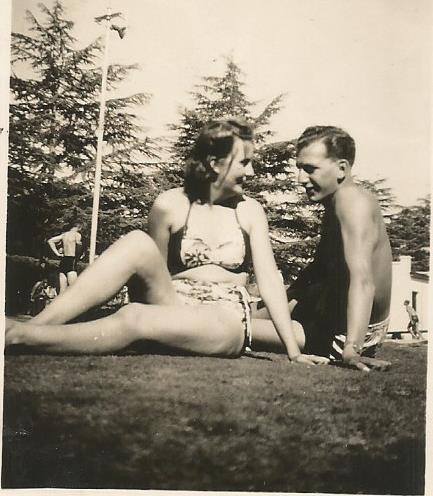
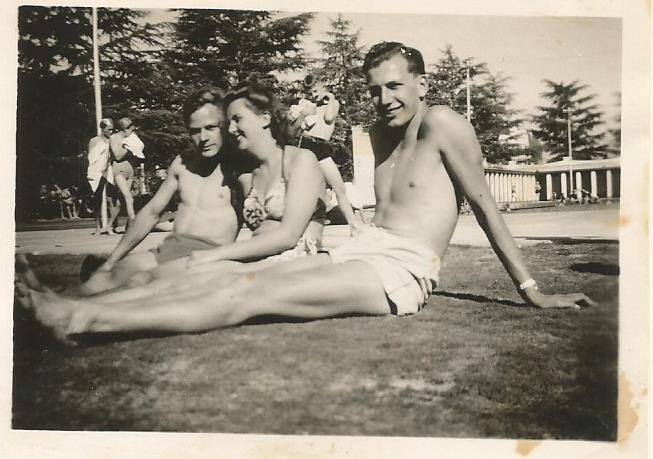
– in the right picture: Dickie ___; Pat Bland; Mary Bland; Polly du Plessis – chilling at the ‘baths’ –
Top pic: May and Polly ca.1945 – their matric year
~~~oo0oo~~~
maybe add this to the ‘Harrismith’s automotive designer’ post
A post for you, if you’re A. Ancient; B. A Harrismith, Vrystaat okie; and C. A nerd or a petrolhead.
Who drove What cars When, back in the day. And: WHAT COLOUR were they? Also, for extra points, can you recall their number plates?
Old bullets – and those of us who spoke to dear-departed old bullets – remember that Harrismith was OI before it was OHS – Oh, Aye! It was indeed. Here’s a picnic on the slopes of the mountain back in those days.
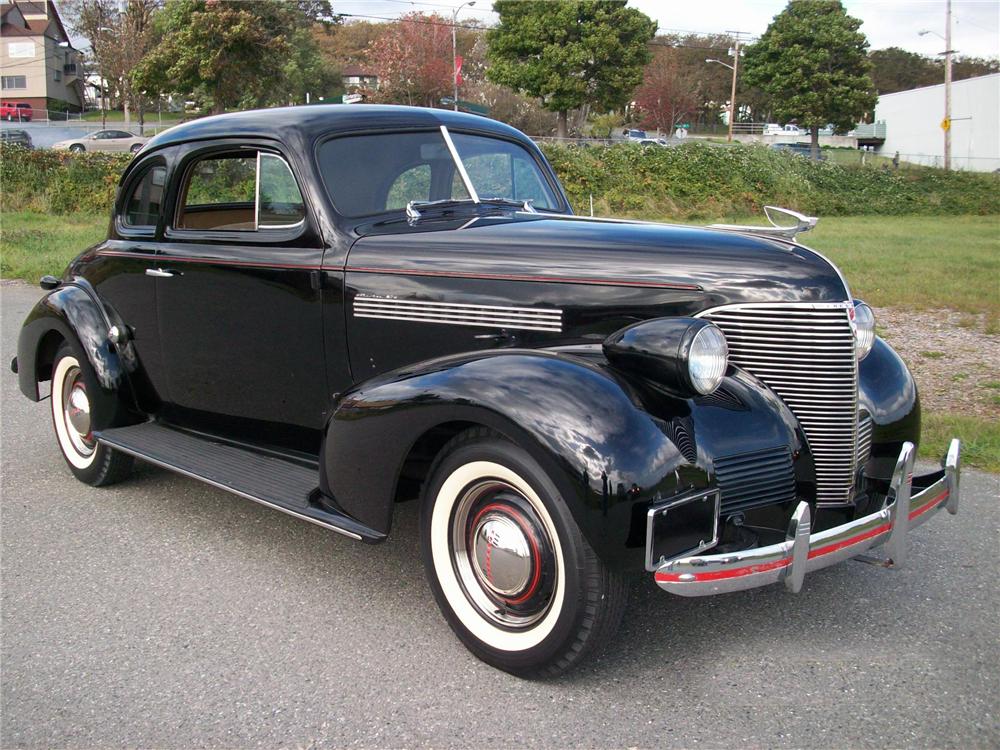
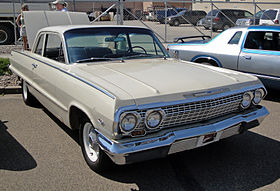
– 1939 2-door Chev like this one, I wonder? –
Vic Crawley bought Sep de Beer’s 2-door Chev 1939 number plate OI 1
Abe Sparks, the Mayor of Swinburne – silver? Rolls Royce pickup conversion (Abe with stetson hat, cowboy boots and string tie with a semi-precious stone clasp; Lulu looking swish next to him). Abe bought the Rolls from Petronella van Heerden beforevconvertingbit to a pickup. She had toured Europe in it, then shipped ot to Cap Town wherecshechad her obs n gynae practice.
Beno Sammel – big Packard, according to Dad
– Dr Leo Hoenigsberger
Dr Leo Hoenigsberger drove ‘a big old German Sperber’ according to his grandson Leo Caskie Wade. Sperber means sparrowhawk
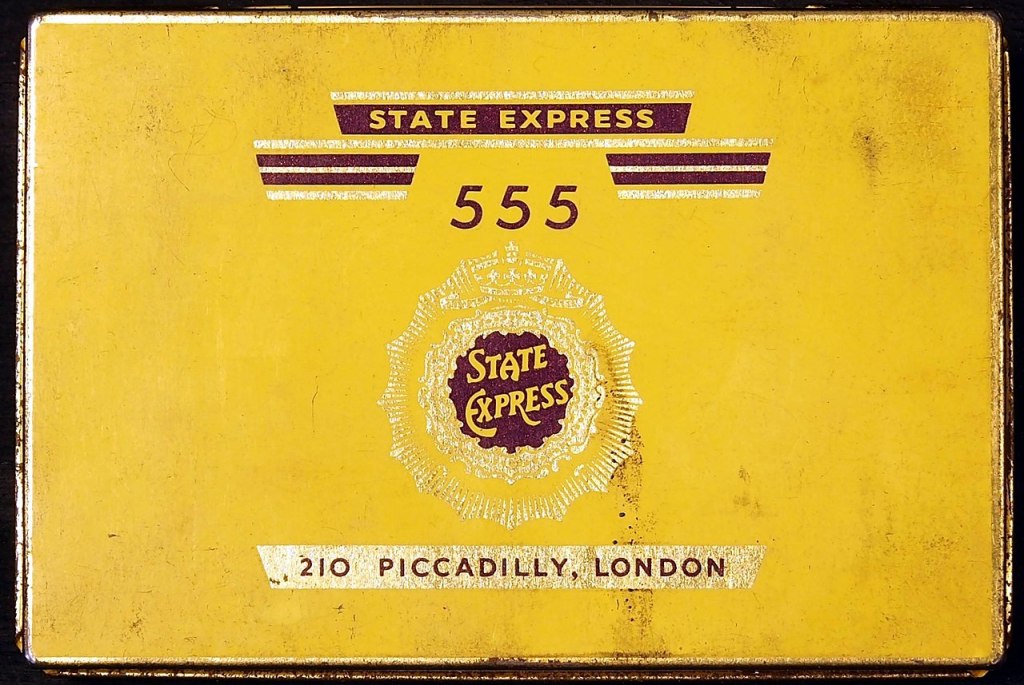
Pikkie Loots’ grandad’s ‘lovely old blue Desoto Suburban – probably late 1940s model – OHS 555 ‘State Express’ (remember the State Express 555 cigarettes – they came in a tin?).
Pikkie also added: What about the Herringtons, Charlie and George? They had a few cars between them. At least one Karmann Ghia if I remember. At van Niekerk (Dries’ brother) – a Porsche. Ronnie (Hector) Pienaar’s Alpha Romeo. Abel Caixinha’s uncle’s beige station wagon. Hoender’s (Gerrit – Rigter? – Kok) Volvo B16?
Annie Bland – beige Chevrolet Fleetline 1948 OHS 974
– I put a milk can in the back so it would like the Simpsons –
Joan & Vera Simpson – grey Morris Minor pickup, milk cans on the back this one photoshopped on by me).
Martha McDonald & Carrie Friday – British racing green 1938 Buick Roadster coupe. See the feature pic above of their actual car, lovingly restored by Ty Terreblanche in PMB.
Charlie Crawley & Michael Hasting’s ‘s flatbed truck – dark green, wooden bed Chev (1934 – 35 according to Dad);
JN ‘Koos’ de Witt – big black de Soto
Alet de Witt – VW Karmann Ghia
Biscayne
Max Ntshingila (Max Express bus fleet owner) . He drove a sleek yank tank and I thought I’d never get to know what it was. Then I met his son Thembinkosi, and he told me: A gold Chev Biscayne
– Parisienne – the Canadian Pontiac –
Hec & Stel Fyvie – a white Pontiac Parisienne and a lang slap off-white Merc 220S that Tabs drove; Tabs’ red Datsun 1600 (was it a SSS?) with the round rear lights that the girls at NTC in PMB called a Ferrari; Then Tabs had a green Datsun 1800 SSS which Geoff Leslie called his ‘Triple Ess Ess Ess’
Patrick Shannon – Chevrolet El Camino pickup (I saw him using it as a pick-up, too!)
Other farmers’ cars: I remember Bertie van Niekerk getting out of a huge car wearing a huge hat, but details are missing. Someone will know; I also have a mental picture of him wearing a huge hat and coattails sitting astride a horse and looking down at the admiring throng . . by die skou, I suppose. I remember Chev Kommandos, one driven by an Odendaal, one by Hertzog van Wyk
Ronnie van Tubergh – Ford Ranchero pickup
Piet Steyn – grey Borgward
Chev sedan – Fleetmaster? 1948?
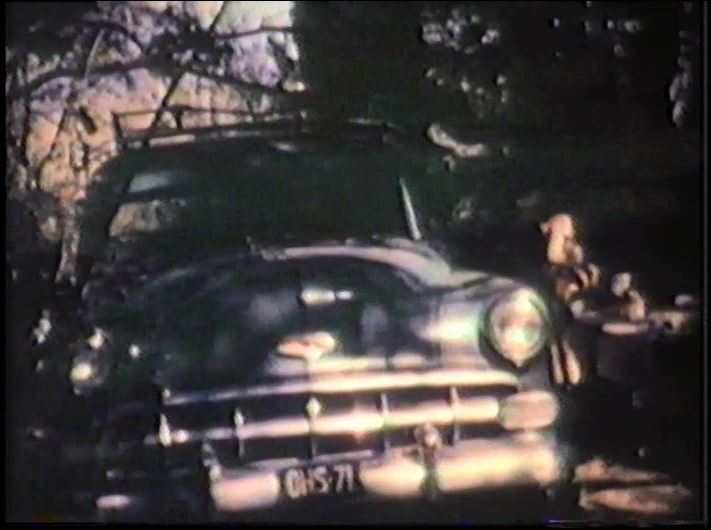
Gretel Reitz – black VW Karmann Ghia; Dr Frank Reitz – big old black Chev OHS 71, seen here parked in the shade of the big old trees on the banks of the Tugela river on The Bend.
Dad Swanepoel – beige Morris Isis OHS 154 – dark blue VW Kombi OHS 153 – light blue Holden station wagon – white Holden station wagon – white V8 Ford Econoline, all OHS 154
Mary Swanepoel – green & black Ford Prefect – light blue VW 1200 Beetle OHS 155
Jannie Jan Bal du Plessis – green Datsun 300C
Jes Hansen – Harrismith’s first Hino pickup; small and grey, I seem to remember; we laughed at it and Gerie Hansen used to say ‘Hino go so good’ but this Hino was the forerunner of the all-conquering Toyota Hilux; in fact, the first Hilux bakkies were built in the Hino factory.
Charles Ryder – lime green Volvo 122S – whattacar!
Teachers’ cars: Bruce Humphries – new white Ford Cortina; Heilige Giel du Toit – old black Mercedes 190; Ben Marais – blue VW beetle; Ou Rot Malherbe – little green Fiat 500; Ou Eier Meyer – something with wings – a Zephyr? Daan Smuts – white VW beetle;
Cappie Joubert – green Ford Zephyr 6 with wings; gold ‘stompgat’ Zephyr 6
After a long gap from paddling I decided to relaunch my river paddling career, striking fear into the heart of all contenders.
I would need a boat. Being a cheapskate I searched far and wide, high and low and I found one far and low. In PMB dorp. A certain gentleman in fibreglass, Hugh ‘user-friendly’ Raw had one for sale at a bargain price. His glowing description of the craft made me know this was the boat with which to relaunch – OK, launch – my competitive career in river paddling.
At Hugh’s place he showed me the boat and it did indeed look pristine. I went to pick it up and load it on my kombi’s roofrack, but Hugh held me back with a firm, ‘NO. Let me have that done for you!’ Customer service, I thought. User-friendly. So I watched as he got his two biggest workers to load the boat for me, which they did with ease. Big, strapping lads.
On the way back to Durban the kombi seemed to be struggling. I had to gear down on the hills, never had that before. Strong headwind, I thought.
The boat stayed there till Thursday, the big day. The first day of my relaunched paddling life. The dice on the Umgeni river outside my Club, Kingfisher. And then I understood. Getting the boat down off my roofrack took a Herculean effort. When I plopped it into the water the Umgeni rose two inches.
I can say this: Rands-per-Kg – pound-for-pound – I got the best bargain from Hugh ‘user-friendly’ Raw of that century. The 20th, it was.
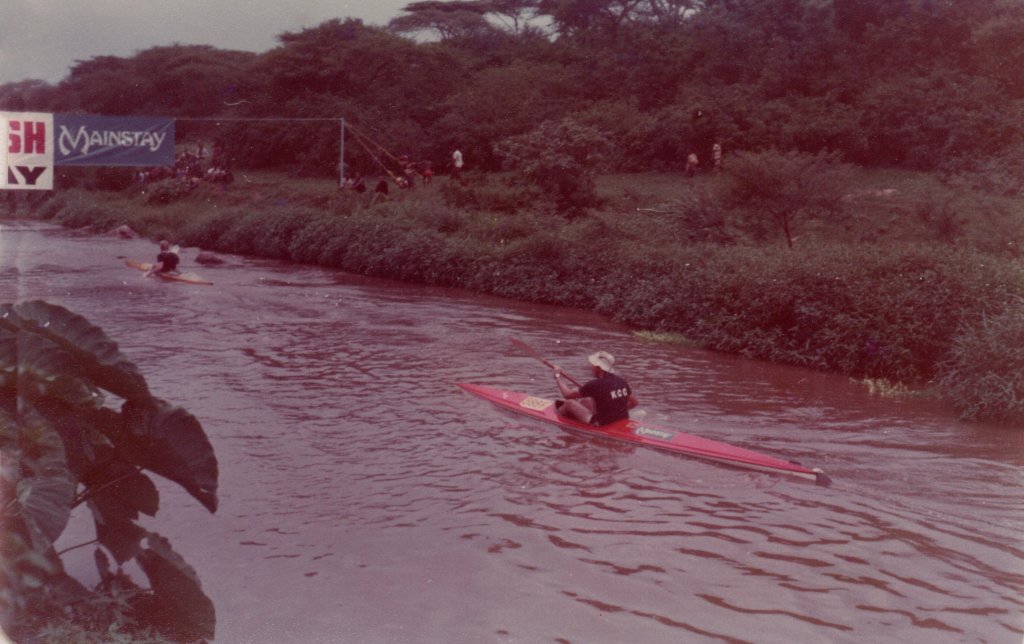
While I was contemplating thus, and thinking I’m loving being back on the water, what kept me away so long?, Ernie yelled at me through his megaphone and the water exploded around me. What the hell!? All these fools around me suddenly went berserk, water was flying everywhere. It took a few minutes before calm returned and I was sitting bobbing on the disturbed surface. This tranquility was again ruined by Ernie yelling through that same damned megaphone: ‘Swanie what are you waiting for!?’
Jeesh! I headed off after the flotilla disappearing in the distance and after twenty or thirty strokes it suddenly came to back to me in a blinding flash of realisation: I knew why I had stopped paddling. It’s damned hard work.
Larry wrote to me – old-fashioned ink and paper, lick the stamp, seal the envelope and drop it into a postbox – on 4 Nov 1970, his 19th birthday.
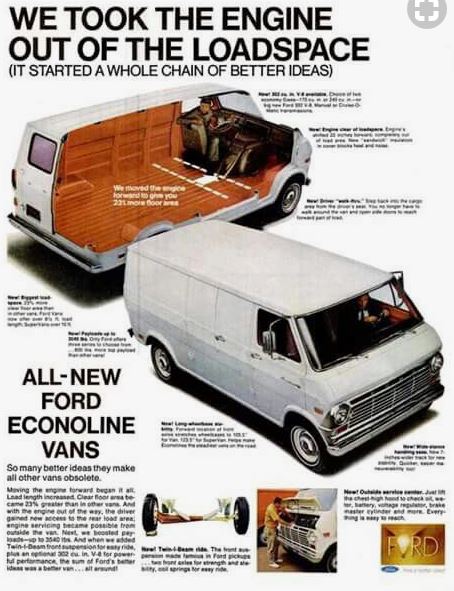
He was getting brochures for Dad for a van – Ford, Chev and Dodge. ‘I’m glad your father is really getting interested in the scheme of getting a van. If he is serious about importing me too (to come with the van), I could be ready to leave in June. It seems a bit too good to be true, so I am not counting on it at all.’
Well, it didn’t happen. But the van did.
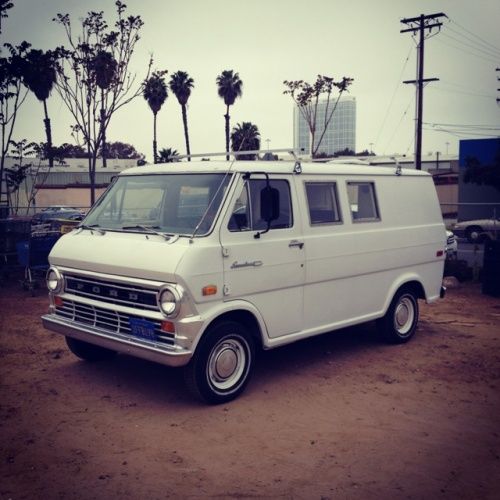
– 1973 Ford Econoline van –
The old man needed a delivery van for the bottle store. Twelve years of Joseph faithfully delivering booze to the needy on his bicycle clearly wasn’t hacking it anymore.
– Joseph’s bicycle stands idle –
People needed their dop on the double; their brannewyn and beer briefly; their cane kona manje; their Paarl Perle pronto; This called for a V8! A five litre V8 – 302 cubic inches of inefficiency was ordered from across the Atlantic. Two pedals, one to GO one to STOP; it was automatic . . hydromatic . . greased lightning!
It was a delivery van, so no windows were needed. These were only cut in the week it arrived. Then it needed to be fitted out to take crates of beer: Two beds, a fridge and a stove were fitted above the new green carpets.
A test run was called for: I drove it to Joburg, loaded it up with fellow students and headed for Hillbrow. At the lights on the uphill section of Quartz or Twist street some unsuspecting sucker pulled up alongside.
I gave him a withering look and revved the V8, which didn’t really growl, the ole man refusing to tweak the exhaust like it could have been tweaked. It sounded OK, but not “like God clearing his throat.”
I stomped down hard on the brake with my left foot and pressed full down on the accelerator with my right. A fraction before the light turned green I let go the brake and the bus squealed and roared and bucked as we gunned off up the hill. Dunno if the other bloke even noticed but we were hosing ourselves – we had fun.
The van cost the ole man R1500 and then shipping it across the Atlantic another R1500.
Here’s a re-post – I’m running out of things to say as the era of this blog recedes ever-further into the mists of time – and the misseds of my time. This blog’s era ends around about when I met Aitch – 1985-eish. Post-aitch, marriage, kids and other catastrophes, and current stuff are over at bewilderbeast.org
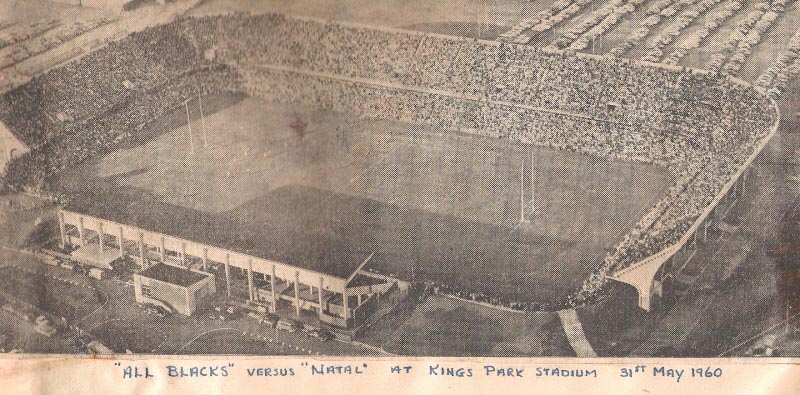
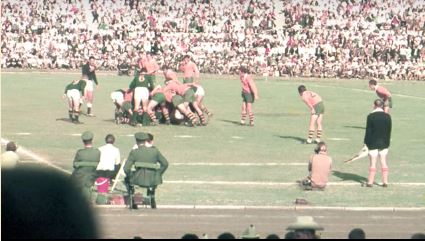
In 1969 a bunch of us were taken to Durban to watch a rugby test match – Springboks against the Australian Wallabies. “Our” Tommy Bedford was captain of the ‘Boks. We didn’t know it, but it was to be one of his last games.
– Boks 16 – Aussies 9 –
Schoolboy “seats” were flat on your bum on the grass in front of the main stand at Kings Park. Looking around we spotted old Ella Bedford – “Mis Betfit” as her pupils called her – Harrismith’s English-as-second-language teacher. Also: Springbok captain’s Mom! Hence our feeling like special guests! She was up in the stands directly behind us. Sitting next to her was a really spunky blonde so we whistled and hooted and waved until she returned the wave.
– This is Ella, a Harrismith teacher’s son –
Back at school the next week ‘Mis Betfit’ told us how her daughter-in-law had turned to her and said: “Ooh look, those boys are waving at me!” And she replied (and some of you will hear her tone of voice in your mind’s ear): “No they’re not! They’re my boys. They’re waving at me!”
We just smiled, thinking ‘So, Mis Betfit isn’t always right’. Here’s Jane. We did NOT mistake her for Mis Betfit.
“corrections of corrections of corrections”
Mrs Bedford taught English to people not exactly enamoured of the language. Apparently anything you got wrong had to be fixed below your work under the heading “corrections.” Anything you got wrong in your corrections had to be fixed under the heading “corrections of corrections.” Mistakes in those would be “corrections of corrections of corrections.” And so on, ad infinitum, ad nauseum and ad weereens! She never gave up. You WOULD get it all right eventually!
Stop Press! Today I saw an actual bona-fide example of this! Schoolmate Gerda van Schalkwyk has kept this for nigh-on fifty years!
– genuine rare Harrismith Africana ! – or is that Engelscana? –
~~oo0oo~~
Tommy’s last game for the Springboks came in 1971 against the French – again in Durban.
~~oo0oo~~
Two or three years later:
In matric the rugby season started and I suddenly thought: Why’m I playing rugby? I’m playing because people think I have to play rugby! I don’t.
So I didn’t.
It caused a mild little stir, especially for Ou Vis, mnr Alberts, in the primary school. He came up from the laerskool specially to politely voice his dismay. Nee man, jy moet ons tweede Tommy Bedford wees! he protested. That was optimistic. I had played some good rugby when I shot up and became the tallest in the team, not because of any real talent for the game – as I went on to prove.
~~oo0oo~~
weereens – again n again
ou Vis – nickname meaning old fish – dunno why
Nee man, jy moet ons tweede Tommy Bedford wees! – Don’t give up rugby. You should become our ‘second Tommy Bedford’ – Not.
~~oo0oo~~
Meantime Jane Bedford has become famous in her own right in the African art world and Durban colonial circles, and sister Sheila and Jane have become good friends.
~~oo0oo~~
Also meanwhile, our sterling Mrs Bedford’s very famous brother – one of twelve siblings – Lourens vd Post, turned out to be a real cad a fraud, an adulterer and a downright liar. Fooled Prince Charlie, but then, that’s hardly a difficult achievement. The vegetables he talks to probably tell him fibs.
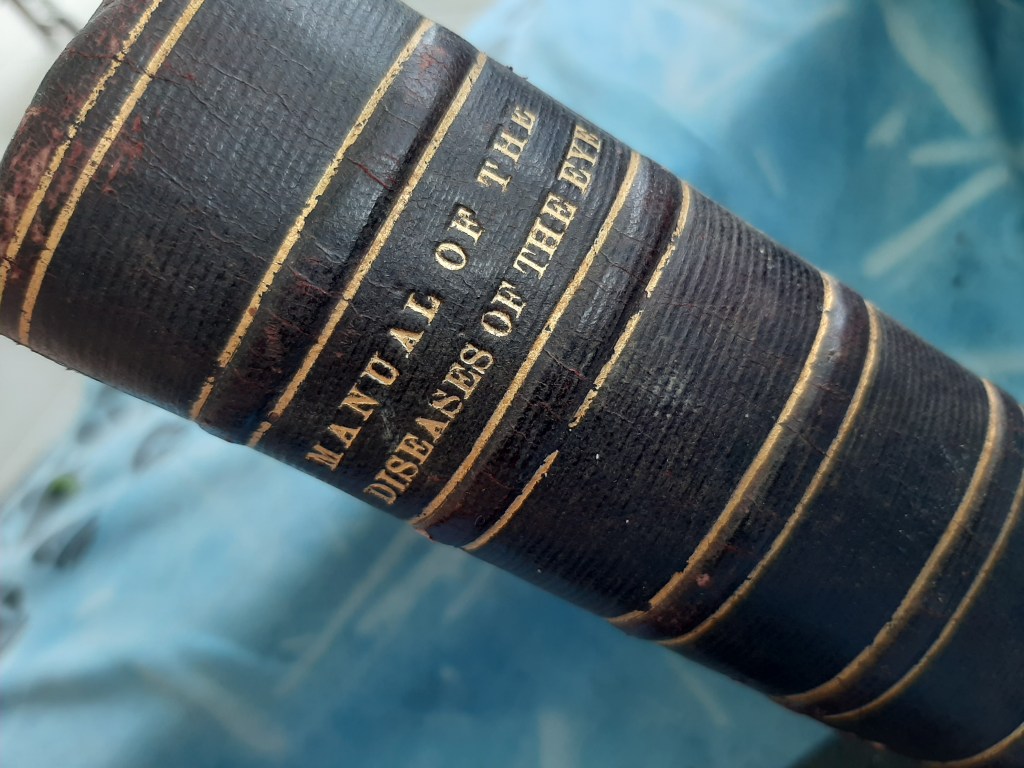
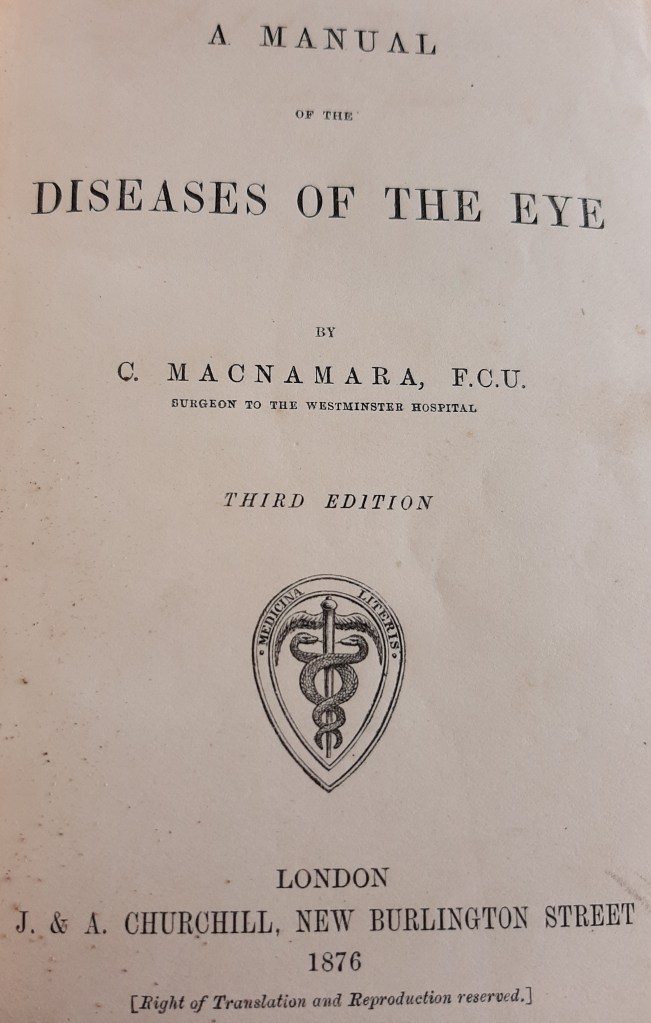
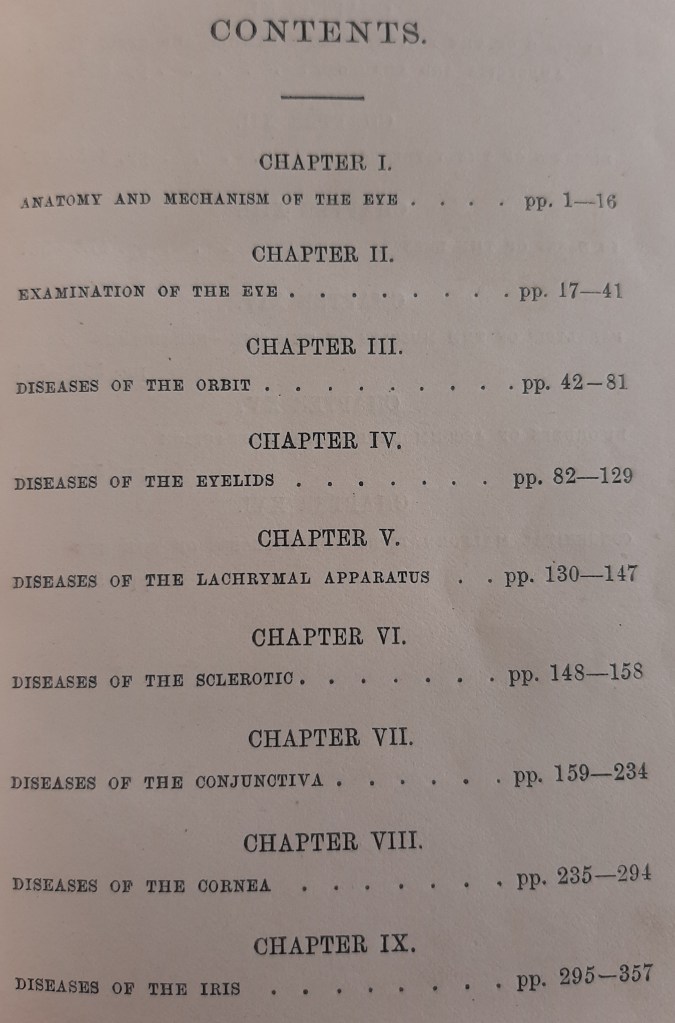
Was a time when surgeons would get someone to hold open the pages of a book and do their first-ever eye op, squinting at the pages through their monocle. And they’d get someone else to hold open the lids of the eye!
Maybe even someone to give an anaesthetic?
Often none of these assistants, and often not the surgeon, would wash their hands. What for?
In 1847, a young Hungarian obstetrician noticed the dramatically high maternal mortality following births assisted by doctors and medical students. However, those attended by midwives were relatively safe. Investigating further, he realized that these physicians had often come directly from autopsies. He decided that something was contagious, and that matter from autopsies was implicated. So he made doctors wash their hands with chlorinated lime water before examining pregnant women. He then documented a sudden reduction in the mortality rate in the next year from 18% to 2%.
So they thanked him, right? Never! Semmelweiss and his theories were rejected by most of the contemporary medical establishment. How dare a 29yr-old come up with new evidence when all the eminent old surgeons already KNEW everything!?
Fourteen years later, in 1861, he wrote about his theory and was ridiculed. Eminence triumphed over evidence. What caused those deaths was not cadaverous infection, for goodness sake! It was ‘conception and pregnancy, uremia, pressure exerted on adjacent organs by the shrinking uterus, emotional traumata, mistakes in diet, chilling, and atmospheric epidemic influences.’ Anything BUT what this unpopular man and his evidence suggested! We do NOT have to wash our hands, understand?
Semmelweis got depressed, started drinking and acting weirdly and was eventually tricked into visiting a mental institution where he was held captive. He tried to leave and was severely beaten by several guards, secured in a straitjacket, confined to a darkened cell, doused with cold water and administered laxatives. He died after two weeks, on August 13, 1865, aged 47.
We’re a whole lot luckier 144 years later!
But we still have to keep a wide-awake wary eye out for the ever-present danger of ’eminence over evidence!’
~~oo0oo~~
134yrs later – a mere ten years ago – it happened again. The so-called Semmelweis reflex—a metaphor for a certain type of human behaviour characterized by reflex-like rejection, ridicule, and rejection by eminent contemporaries, of new knowledge because it contradicts entrenched norms, beliefs, or paradigms—is named after Semmelweis. In 1981, in his third year of internal medicine training, Barry Marshal in Perth, Aussie realised bacteria causes ulcers. Well, he was ridiculed. Eminence over evidence again. Us important, established old bullets who haven’t done the research just KNOW you’re wrong. You’re 29yrs old, keep quiet! You’re threatening a $3bn industry! It took till 1993 before he was believed. At least this time, Barry Marshal eventually got recognised while he was still alive: Twenty four years later, he got the Nobel Prize!
~~oo0oo~~
And yes, we could now talk about germ theory denial and hand-washing avoidance in 2020 too . . .
Trying to stay on top of COVID news? We have no choice but to do so, to best protect ourselves and our loved ones. It’s stressful and draining, but we have to do it.
This post is paraphrased and shortened from an article by Alanna Shaikh, a global public health expert and a TED Fellow, for tips on how to navigate this information overload while staying safe and sane (for full article, see here ).
1. Look for news that you can act on
When you’re trying to figure out what stories to stay on top of, ask yourself: “Will having this information benefit my life or my work? Will it allow me to make better-informed decisions?”
Accumulating masses of information that you can’t use isn’t so helpful.
For most people, the most critical information for you to follow is how the virus is transmitted. Scientists are still learning every day about how people get infected.
2. Turn to trusted sources
If something reaches you on your whatsapp or instagram in Blikkiesdorp, chances are people professionally covering the pandemic heard it before you did.
So go and see what they say about it. COVID-19 has been heavily politicized, and even some major news sources are basing their content more on opinion than on science.
You can generally trust the accuracy of top news sources like Nature,Wiredand The New York Times — to name three examples. Why? Cos their reputations are at stake. And they have the kind of budget that lets them hire full-time journalists who will stand by the facts or who rely on fact-checkers to verify their information. Unfortunately, you also have to check your fact-checkers. Use reputable ones like these eight listed here. In Africa we have Africa Check.
3. Check where their information is coming from
No-one actually KNOWS, so be wary of articles or sources that claim to have a definite answer to a complex question. Be especially wary of forwarded stuff on your social media. The way posts go viral is by being controversial or scary, not by being true.
Right now, there is no consensus about a timeline — these people and organizations are simply offering their best guesses. Use fact-checking sites – find one here. Even when a vaccine “arrives” it will be a while before you or I get one; and a while before enough people get one to potentially be effective; and even then, only time will tell the actual outcome. The much-hyped ‘fastest’ vaccines are using RNA for the first time. Proven vaccines actually injected an antigen which your body responded to; RNA vaccines will inject instructions to your body cells to MAKE an antigen, which your body will THEN need to respond to. There’s an extra step. Let’s hope it works, lasts, etc.
4. Look for news that works for you
For ordinary people whose expertise lies outside global health — i.e. most people — look for trusted sources of information that you can read and digest without having to devote your whole day (or brain) to it. Like the Think Global Health website; it’s aimed at passionate non-experts. It’s not dumbed down, but it doesn’t assume you have a PhD.
5. Be prepared to change your behavior based on new information
No source is perfect, but that doesn’t mean you should disbelieve all sources. Research constantly changes and informs and shapes our ideas.
Remember when wiping down surfaces was the MAIN thing? Now, reputable organizations and scientists basically agree on masks, contact tracing and the existence of transmission of COVID by people who aren’t showing symptoms. If you get sick you will probably never know who ‘gave it to you,’ as they would have felt as healthy as you did the day the virus was transmitted.
Some of this info may change again, but we need to keep going along with best practice AS FAR AS WE KNOW TODAY.
6. Refrain from arguing with people who ignore the facts
Save your breath. Yours and theirs might be contagious!
You WON’T change their minds.
You are not a law enforcer.
…
Like it or not, this situation isn’t going anywhere. This pandemic is awful and complicated and changing. Finding our way through it won’t be smooth, nor easy, nor emotionally comfortable. It’s a constant, dynamic process of learning new things and adapting as we learn.
~~~oo0oo~~~
That lovely pic is from the cover of Wits Review Oct 2020, magazine for University of the Witwatersrand alumni.
Childhood friend Harry Loots is writing a lovely book on his mountaineering exploits and the journey he has made from climbing the mountain outside our town to climbing bigger and more famous mountains all over the world!!
– Platberg panorama –
Flatteringly, he asked me and a Pommy work and climber friend to proofread his latest draft. Being a techno-boff, he soon hooked us up on dropbox where we could read and comment and suggest.
I immediately launched into making sensible and well-thought out recommendations. But some of them were instantly rejected, side-stepped or ignored, I dunno WHY!!
Like the title I thought could be spiced up. Three African Peaks is all very well. But it’s boring compared to Free A-frickin’ Picks!!! to lend drama and a Seffrican accent to it, right?! I know, you can’t understand some people!
John, very much under the weight of a monarchy – meaning one has to behave – was more formal:
‘What is it with south africans and the “!”? (which is my major comment on your writing style!)
Well!!! Once we had puffed down and soothed our egos by rubbing some Mrs Balls Chutney on it, the back-n-forth started. I mean started!!
My defensive gambit was: ‘We’re drama queens!!’
My attacking gambit was an accusation: ‘Poms hugely under-use the ! In fact, they neglect it terribly! John was quickly back though, wielding his quill like a rapier:
John
‘Not true. We use our national quota. We just give almost all of them to teenage girls.’
Ooof!!!
I was on the back foot. When it came to the cover, the Boer War re-enactment resumed. I mean resumed!! I chose a lovely cover with an African mountain and a lot of greenery on the slopes. The Pom chose an ice wall, no doubt thinking of the London market. Stalemate.
Next thing he’ll be suggesting a stiff upper cover.
~~oo0oo~~
A strange thing has happened since John’s exaggerated critique!!! I am using less exclamation marks!! I have even written sentences without any! It actually feels quite good. I’ve discovered the full stop. The new, restrained me. Exciting.
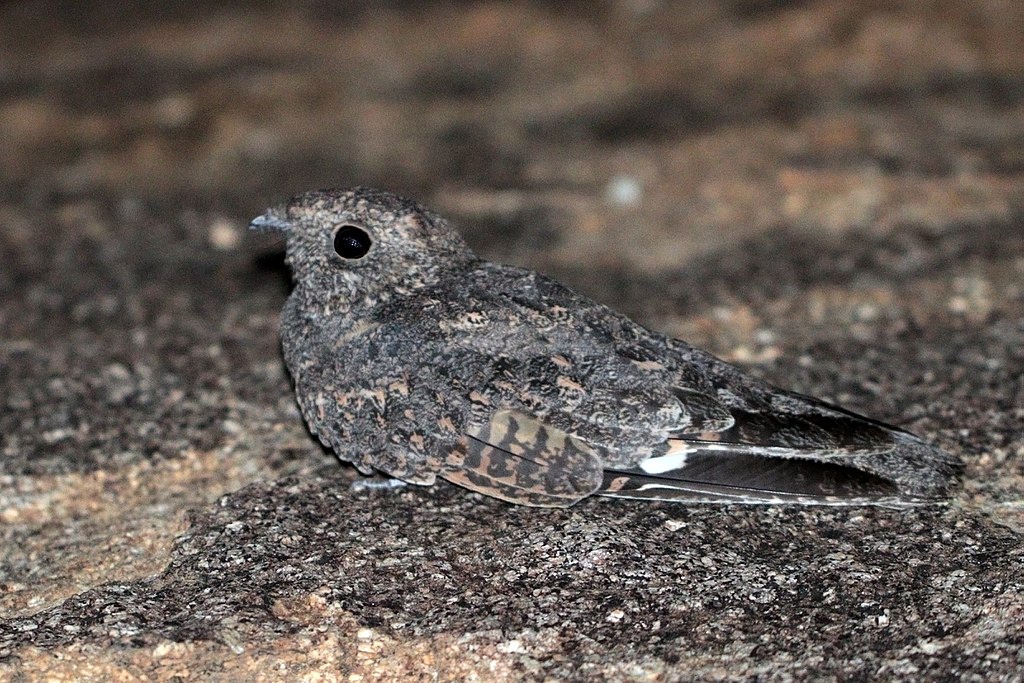
I didn’t ever meet the famous old sub-species bird man*, but for a while he lived next door to me in Marriott Road. I was in Whittington Court, he was in Eden Gardens; I found this out when I spotted a nightjar at my window one night and got very excited; I listened every night and finally heard it – it was the freckled; Now more excited – a Freckled Nightjar in the city! – I was about to announce my discovery when I read Dr Clancey knew all about it – it roosted on his roof next door! The Eden Gardens had a flat roof and it was covered in stones or gravel. Good spot for a Freckled to conceal itself by day.
– Freckled Nightjar – Caprimulgus tristigma –
So after I found info on the bird; and after Aitch and I had prowled around the gardens of his hotel at night and found our first Bush Squeaker frog one rainy night (Arthroleptis wahlbergi), I went looking for info on the man (usual warning here: This is me, approximate and amateur historian, giving my version of things – look at the references if you need accuracy).
Clancey was director of the Durban Museum and Art Gallery for thirty years until his retirement in 1982. He then continued as a research associate until his death in 2001, aged 83. He was a confirmed bachelor and the most ruthlessly dedicated and hardworking of ornithologists. He wrote a number of books of which The Birds of Natal and Zululand (1964), The Game Birds of South Africa (1967) and The Rare Birds of Southern Africa (1985) are now valuable Africana. Yeah, I hope so! I have two of them. So far my “investment” in bird books has been a damp squib.
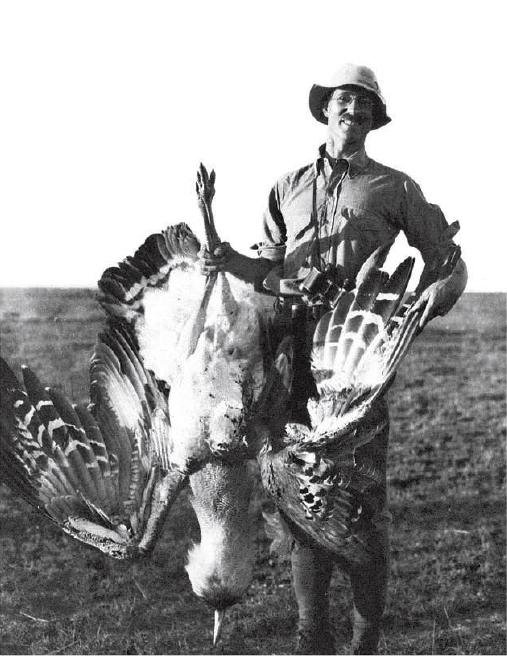
– dodgy Pommy fraud Meinertzhagen with a fellow bustard –
As a young man ca.1949 he was a field assistant to the famous British military and ornithological fraud, Colonel Richard Meinertzhagen, a dodgy, lying, philandering Englishman who faked much of his life and got away with murdering his wife. They once nearly shot each other in a heated disagreement over bustards in Namibia. Guns were drawn before the hired skinner stepped between the protagonists. Sanity prevailed and tempers cooled. On another occasion Clancey fell ill in a remote spot and was abandoned to his fate by Meinertzhagen. Clancey was not given his due by Meinertzhagen in his writings – those who knew Meinertzhagen were not surprised.
In 1950 Clancey moved to South Africa, to Durban as curator of the natural hiftory museum.
– Durban Natural Sciences Museum is in the City Hall –
Years later, Clancey had a famous professional rivalry with Colonel John Vincent, one time head of the Natal Parks Board and himself an ornithologist of note. On one occasion Vincent had him arrested for collecting without a permit. His shotgun was confiscated. Undeterred, Clancey bought it back at a subsequent auction.
He must have rubbed people up the wrong way! Vincent Parker prominent atlasser and bird survey guru, in his 1999 The Atlas of the Birds of Sul do Save, southern Mozambique, also didn’t give Clancey his due, ignoring many of his records and relegating others to an appendix (‘subject to confirmation’), which ‘in most cases was quite unjustified’ (see the obituary in Ibis by Dowsett, Allan, and McGowan).
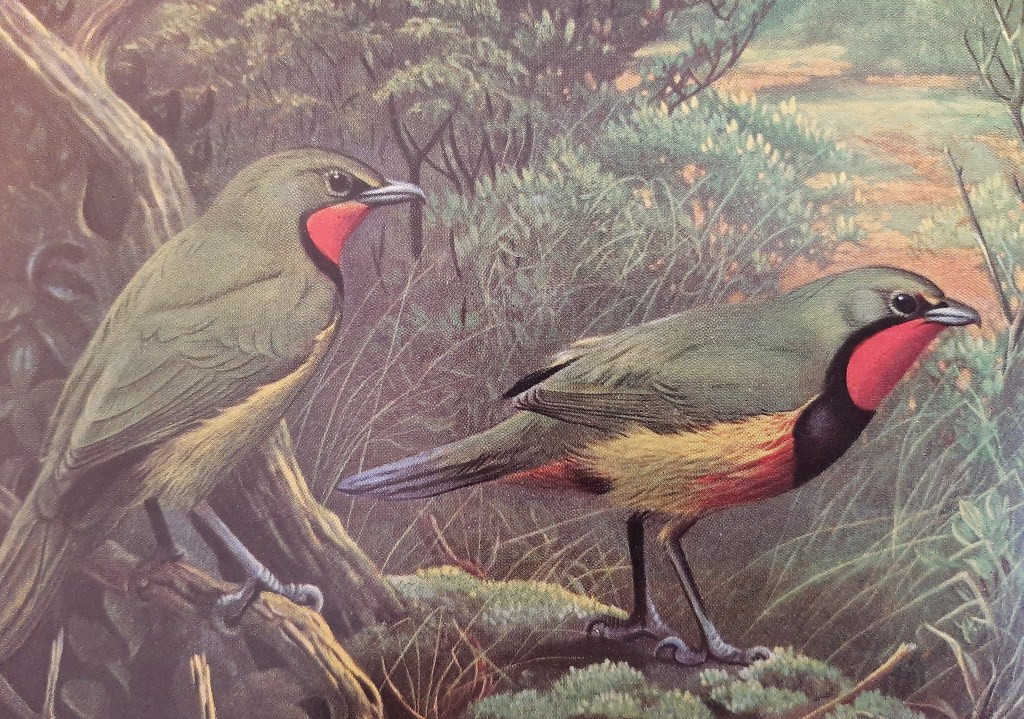
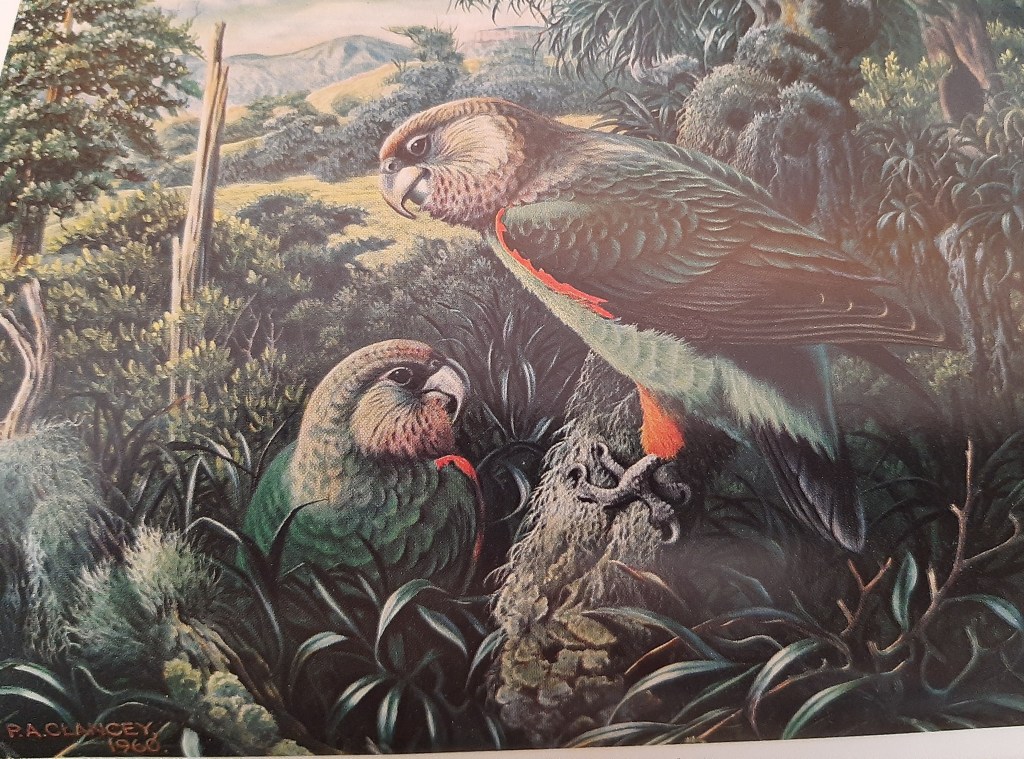
Clancey never had much regard for unnecessary luxury, and retired to a small room in a residential hotel – right next door to my Marriott road flat – in Durban. He continued to write papers, named 328 African bird taxa (more than any other contemporary scientist). The majority of his holotypes are in Durban Museum or the National Museum of Zimbabwe. R J Dowsett wrote: ‘I know of over 550 publications on African birds by Phillip Clancey, for most of which he was sole author (and not counting the sub-divisions of his miscellaneous taxonomic notes series).’ Later he increasingly devoted himself to his painting. His style was unmistakable, rich colours, attention to detail, and always the correct ecological background.
Any birder who has spent time in Natal will have seen these birds in just that habitat! Eminently recognisable.
Clancey donated his collection of some 5,500 mainly Western Palaearctic bird-skins to the National Museum of Scotland in Edinburgh. He donated his collection of over 32,000 other bird-skins – a collection considered the finest in Africa – to the Durban Museum and Art Gallery.
And also – unbeknown to him or his biographers – he was my neighbour.
Look for this honest biography on that fraud Meinertzhagen – there are bulldust hagiographies out there: “The Meinertzhagen Mystery: The Life and Legend of a Colossal Fraud” by Brian Garfield
~~oo0oo~~
* sub-species bird man? I think Clancey was that dreaded sub-species of ornithologists called a splitter! He keenly added sub-species to existing species if he felt they were different enough. He found many birds in new localities, expanded the known range of many, and did find good sub-species. Plus, he found one new full species, the Lemon-Breasted Canary Crithagra citrinipectus in the Maputaland coastal grasslands. Unbeknown to him, his last neighbour was a lumper.
I canoed the Vrystaat Vlaktes thanks to Charles Ryder, who arrived in Harrismith in about 1968 or ’69 I’d guess, to start his electrical business, a rooinek from Natal. He roared into town in a light green Volvo 122S with a long white fibreglass thing on top of it like this:
I asked: What’s that? It’s a canoe What’s a canoe? You do the Dusi in it What’s the Dusi?
Well, Charlie now knew he was deep behind the boerewors curtain! He patiently made me wiser and got me going and I got really excited the more I learned. I decided I just HAD TO do the Dusi. What could be more exciting than paddling your own canoe 120km over three days from Pietermaritzburg to the sparkling blue Indian Ocean at the Blue Lagoon in Durban? Charlie made it sound like the best, most adventurous thing you could possibly think of. He showed me how to paddle (how was I to know at the time he was making me a ‘Left Feather’?) and was so generous with his time. Both in paddling and with Harrismith’s first Boy Scouts troop, which he helped establish.
I started running in the mornings with a gang of friends. Tuffy Joubert, Louis Wessels, Fluffy Crawley, Leon Blignaut, who else? We called ourselves the mossies as we got up at sparrow’s fart (and because we weren’t makoue. A teacher named Makou trained our rivals. We couldn’t join them cos we considered ourselves untrainable). Then I would cycle about two miles to the park in the afternoons and paddle on the flat water of the mighty Vulgar River in Charles’ Limfjorden, or Limfy, canoe, which he had kindly lent me/given to me. It was the fittest I’ve ever been, before or since.
Overnight I would leave it on the bank tethered to a weeping willow down there. One day around Christmas time with only a couple of weeks to go before Dusi I got there and it was missing. I searched high and low, to no avail. So I missed doing the Dusi. Not that I had done anything but train for it – I hadn’t entered, didn’t know where to, didn’t belong to a club, didn’t have a lift to the race, no seconds, nothing!
Still enthused, though, I persuaded my mate Jean Roux to join me in hitch-hiking to the race. We were going to do the Duzi! All except the part where you used a boat.
We got to Pietermaritzburg, and early the next morning to the start in Alexander Park. Milling around among the competitors and their helpers, we watched the start and as the last boats paddled off downstream Alexandra Park started emptying, everyone seemed in a big hurry to leave. We asked Wassup? and someone said, We’re Following Our Paddler! so we bummed a lift with some paddler’s seconds to the overnight stop at Dusi Bridge. We slept under the stars and cadged supper from all those friendly people. They let us continue with them the next day to the second overnight stop at Dip Tank and on the third and last day to the sea, the estuary at Blue Lagoon, following the race along the way. In Durbs we slept on the beach, but were herded off it by the cops, so we slept on the stoep at the Point Road police station – and that’s another story! And then I spose we hitched back to Harrismith – I can’t remember – must ask Jean.
Back in the City of Sin and Laughter I continued the search for my missing Limfy, and eventually found a bottle floating in the Kakspruit, a little tributary that flows down from Platberg and enters the river downstream of the weir. I was born on the left bank of this Kakspruit about 5km upstream of here. The bottle had a string attached to it. I pulled that up and slowly raised the boat – now painted black and blue, but clearly identifiable as I had completely rebuilt it after breaking it in half in a rapid in the valley between Swinburne and Harrismith. Come to remember, that’s why Charles gave it to me! I knew every inch of that boat: the kink in the repaired hull, the repaired cockpit, the wooden gunwales, brass screws, shaped wooden cross members, long wooden stringer, shaped wooden uprights from the cross members vertically up to the stringer, the white nylon deck, genkem glue to stick the deck onto the hull before screwing on the gunwales, the brass carrying handles, aluminium rudder and mechanism, steel cables, the lot. In great detail.
~~oo0oo~~
Except! I recently (2020) cleared out my garage under lockdown and discovered this: My notes preparing for the Duzi! I was less disorganised than I remember. I may not have DONE much, but at least I did do a bit of planning! Check: “Phone Mr Pearce” (Duzi boss) – not done; and “Buy canoe?” – not done; uh, OK, maybe not so very well organised!



















 Vrystaat Confessions